5 Best Cheap Hiking Shoes in 2026

We buy shoes ourselves. We earn commissions when you buy through us, at no extra cost. Why trust us
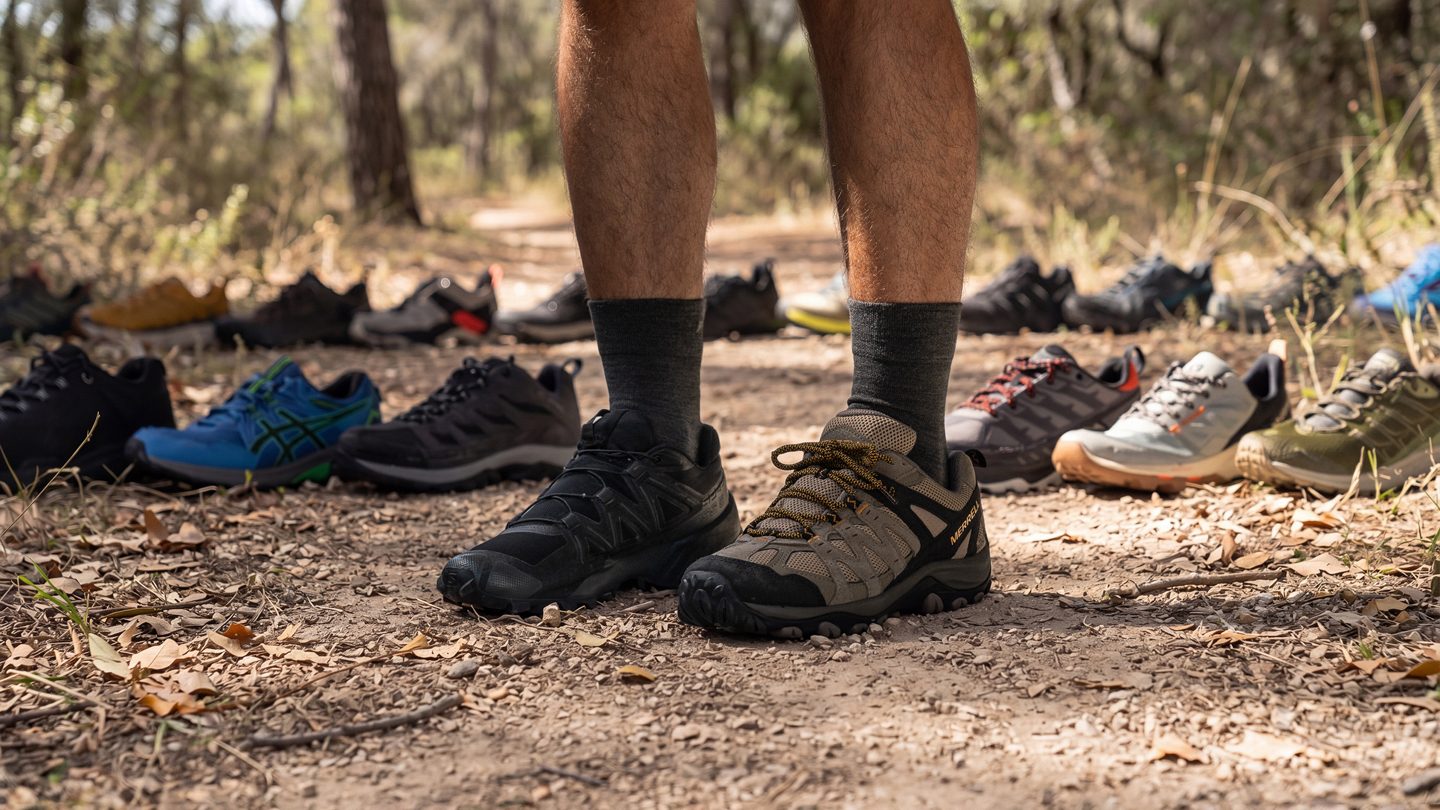
We consider hiking shoes cheap when they cost less than £90. In this guide, we pay attention to the usual suspects when it comes to cutting corners. We also help you navigate the plethora of data by comparing it to averages and highlighting the best-performing cheap hiking shoes and their features.
We tested all these shoes both inside and outside the lab. This gave us a unique insight into their pros and cons, which is why we’re so confident when it comes to discussing all the features and showcasing the best cheap hiking shoes.
How we test cheap hiking shoes
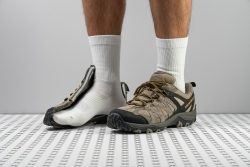
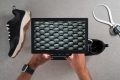
First, we go hiking and make sure to test the hiking shoes on various surfaces and in various weather conditions. We carry the backpack, do some fast and light sessions, assess the stability and support in technical sections, try scrambling or via ferrata, basically anything to better understand the shoe itself.
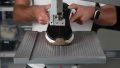
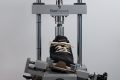
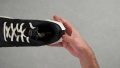
Second, we take the shoes to the lab. We already have various protocols in place (ISO, SATRA). But given that we’re testing cheap hiking shoes, we’re specifically interested in what makes the shoes cheap. What did the brand do to make them more affordable? Is the traction worse? Are they using cheaper foams? Are the lugs and the outsoles thinner? Is the toebox ridiculously non-durable? We dig deep and answer using lab tests and lab data.
Third, we publish all our findings on the website. We also have extra options to help you compare hiking shoes and filter them based on price.
Best cheap hiking shoes overall


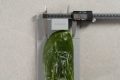
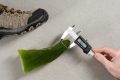
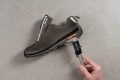

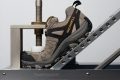



What makes it the best?
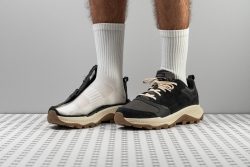
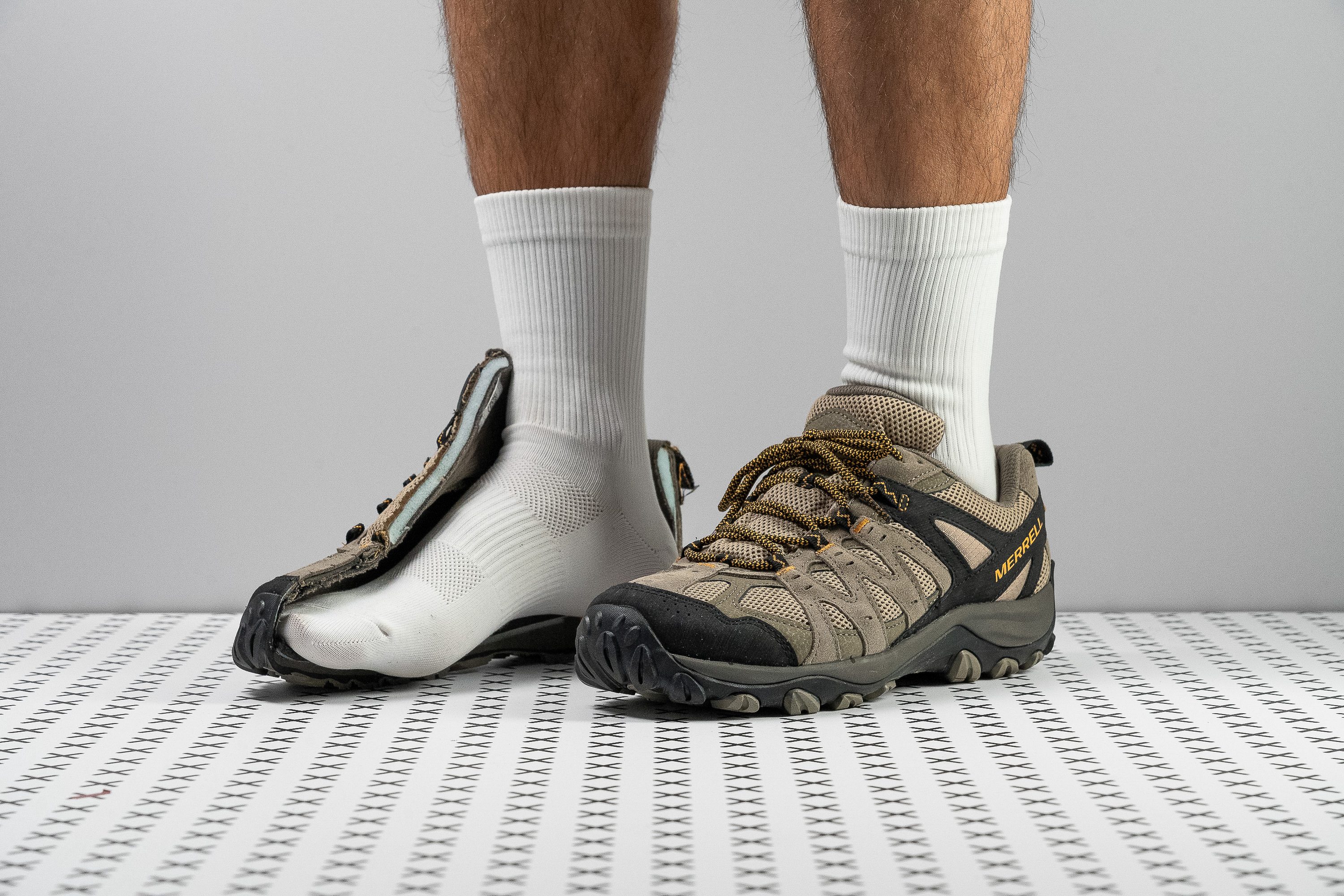
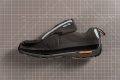
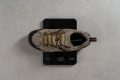
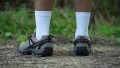
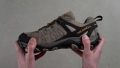
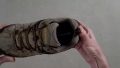
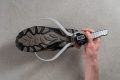
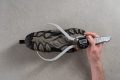
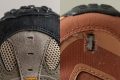
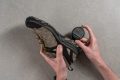
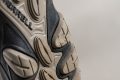
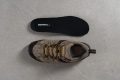
It’s hard not to love the Merrell Accentor 3 because of the comfort and surefootedness we experienced. Our lab results validate that it has a supportive yet flexible midsole, with a roomy toebox that welcomes wide feet with ease. For only £90 vs. the £130 average hiking shoe in the lab, it doesn’t compromise the essentials, making it our best cheap hiking shoe overall.
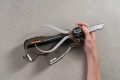
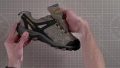
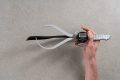
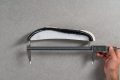
The supportive nylon shank in the midsole provides a sturdy landing platform, helping this shoe to feel stable while trekking. Surprisingly, it exceeded our expectations in our lab flexibility test. Pushing it to reach 30 degrees required only 14.0N, making the Accentor 3 14.8% more flexible than average! It keeps us relaxed while still offering support.
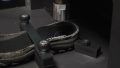
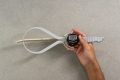
The toebox is non-tapered, and we created a gel mould to confirm its generous interior further. Measuring 74.6 mm, it can comfortably accommodate those with swollen or square-shaped feet compared to the 72.5 mm average. Moreover, it has lots of vertical clearance at 32.3 mm!
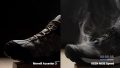
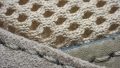
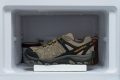
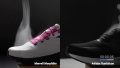
On warmer days, our feet get hot and sweaty, which could lead to blisters. Therefore, we don’t recommend the Merrell Accentor 3 for summer hiking. It scored the lowest 1/5 for breathability in our smoke test.
Pros
- Stellar support
- Amazingly comfortable
- Performs well in the cold
- Can gobble up miles
- Versatile grip for moderate terrain
- Alleviates foot pain
- Fits like a glove
- Roomy and durable toebox
- Very easy to put on
- Budget-friendly
- Sustainably made
Cons
- Lacklustre breathability
- Could be lighter
- Unruly laces
Cheap hiking shoes with the best durability










What makes it the best?
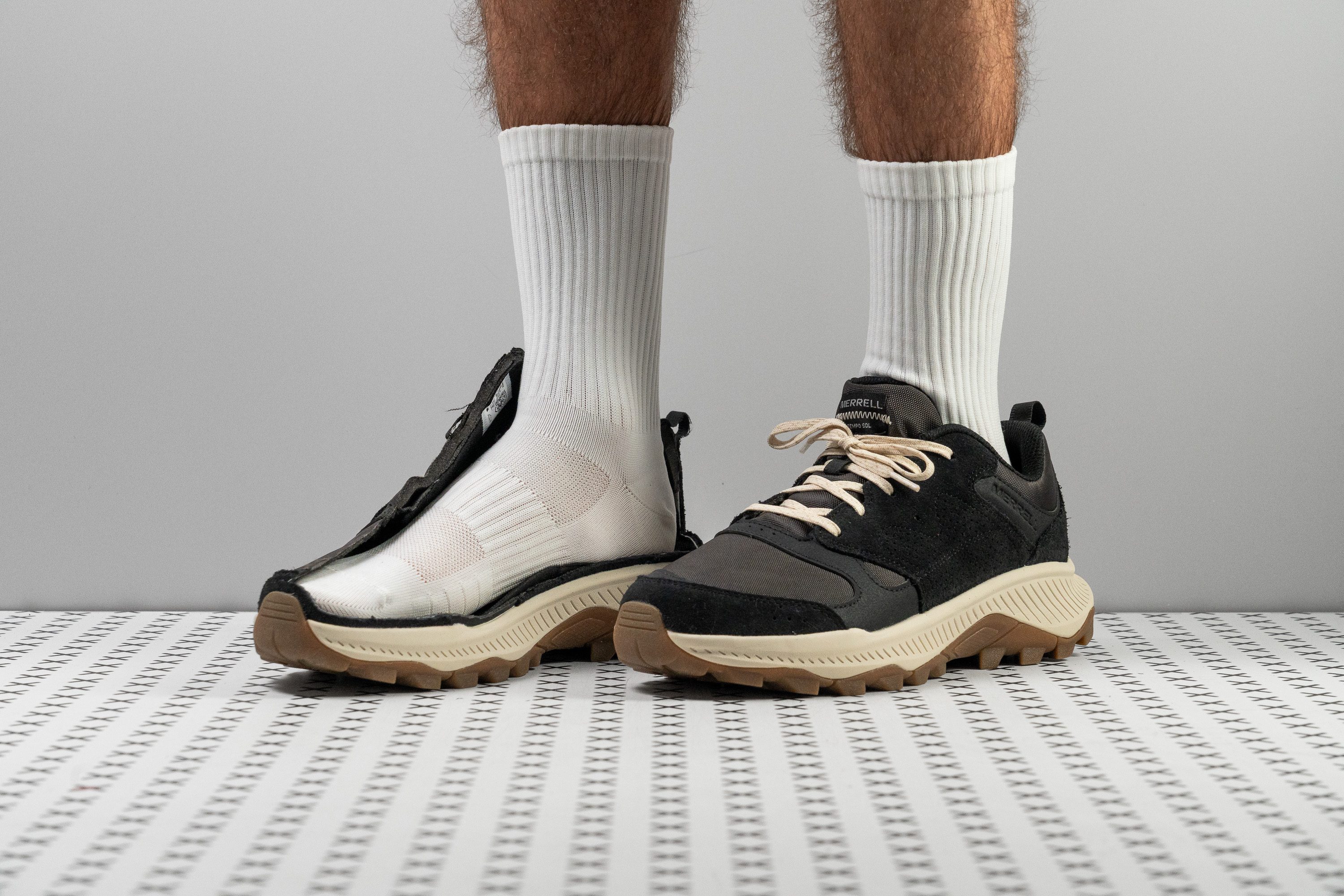
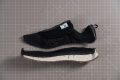
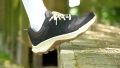
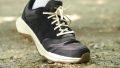
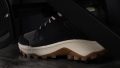
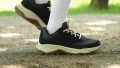
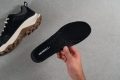
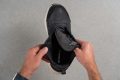
We didn’t expect the Merrell Tempo Sol to perform as well as it did in the lab, considering it stays way under the hundred-dollar range. For only £70, it offers all-around wear resistance, ensuring the shoe’s long lifespan. Moreover, its flexible and fuss-free personality enhances comfort in our treks. Overall, it’s our best durable, cheap hiking shoe.
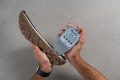
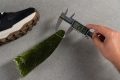
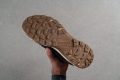
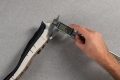
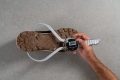
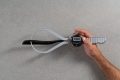
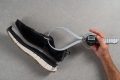
The Tempo Sol smashes our Dremel tests from top to bottom, displaying impressive sturdiness. The toebox had insignificant damage, scoring 4/5 in durability. Meanwhile, the outsole sustained only a small 0.8 mm dent compared to the average of 0.9 mm, cementing its protective and long-lasting nature.
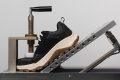
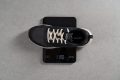
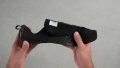
It feels easy on the feet during our relaxed strolls as the midsole flows with our movement. Our bend test verifies it’s 6% more pliable than average. Moreover, its weightless feel is enhanced by its minimal 11.9 oz (337g) build. For a hiking shoe, that’s impressively light since the average in our lab weighs 10% more.
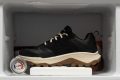
Tempo Sol doesn’t feel lacking at all, except in the summer. It performed poorly in our climate-controlled test, which indicates bad sweat management and a higher risk of blisters. If breathability is a must, then Tempo Sol isn’t the right shoe.
Pros
- Impressive value for money
- Good shock absorption for long hikes/walks
- Lighter than average
- Stable for light-to-moderate trails
- Great grip for mixed terrain
- Fantastic durability for the price
- Comfortable step-in feel
- True to medium width
Cons
- Lacks breathability
- Midsole gets firm in cold
Cheap hiking shoes with the best shock absorption

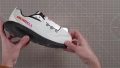


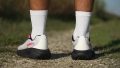
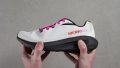
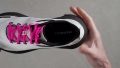



What makes it the best?
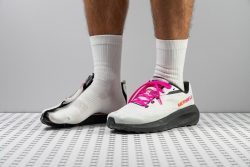
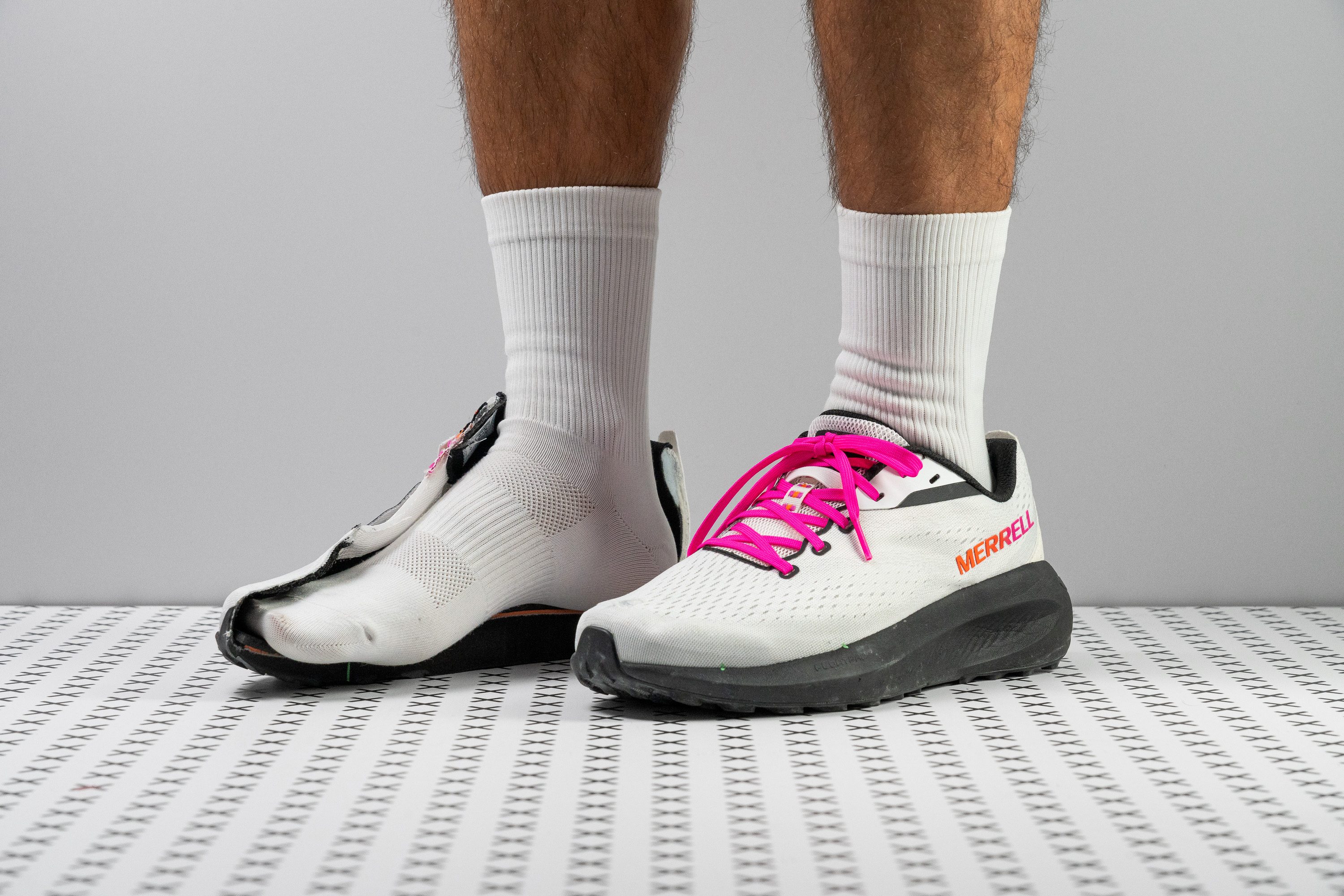
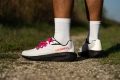
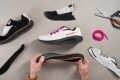
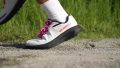
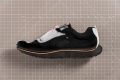
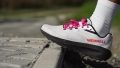
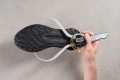
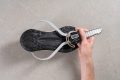
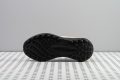
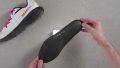
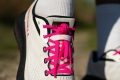
For its accessible £90 price, the Merrell Morphlite completely captured our hearts and our feet with its 5-star comfort. From its premium shock absorption to its flexibility, all in a lightweight package, lab tests reveal that Morphlite feels good to be in all day. It's our best shock-absorbing, cheap hiking shoe, considering the average in the lab costs £130.
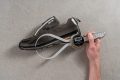
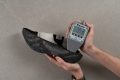
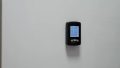
From the moment we slipped on the Morphlite, it was clear that it's incredibly comfortable. While it’s not a maximalist in terms of height, with only 32.2/21.3 mm of foam, its plush sensation comes from its high impact protection. Scoring 125 SA in the heel, it’s able to reduce the stress of each touchdown on our muscles and joints better than average.
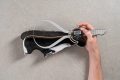
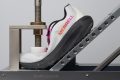
Because it doesn’t have to be so thick, Morphlite actually shows exceptional flexibility. In our bend test, it’s 30.1% more pliable than average, which means it takes less effort to move our feet.
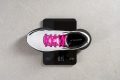
Moreover, its weightless build enhances its comfort and versatility. At only 8.4 oz (237g) on our scales, Morphlite is 18.0% lighter than the average hiking shoe.
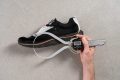
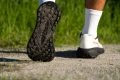
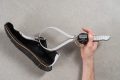
Unfortunately, the outsole wears faster than average, as seen in the deep 1.4 mm damage our Dremel created. It also has lots of exposed foam, making the shoe vulnerable to rough surfaces and sharp rocks. If this is a dealbreaker, we recommend looking for a sturdier hiking shoe.
Pros
- Excellent price point
- Road-to-trail versatility
- Feather-light build
- Eco-conscious recycled materials
- Improved fit vs. previous Merrells
- Works fantastic for heel strikers
- Good arch support
- Well-designed tongue
Cons
- Sparse outsole coverage
- Major durability concerns
- Drop differs too much from stated
- Not for wide feet
Cheap hiking shoes with the best stability









What makes it the best?
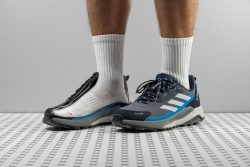
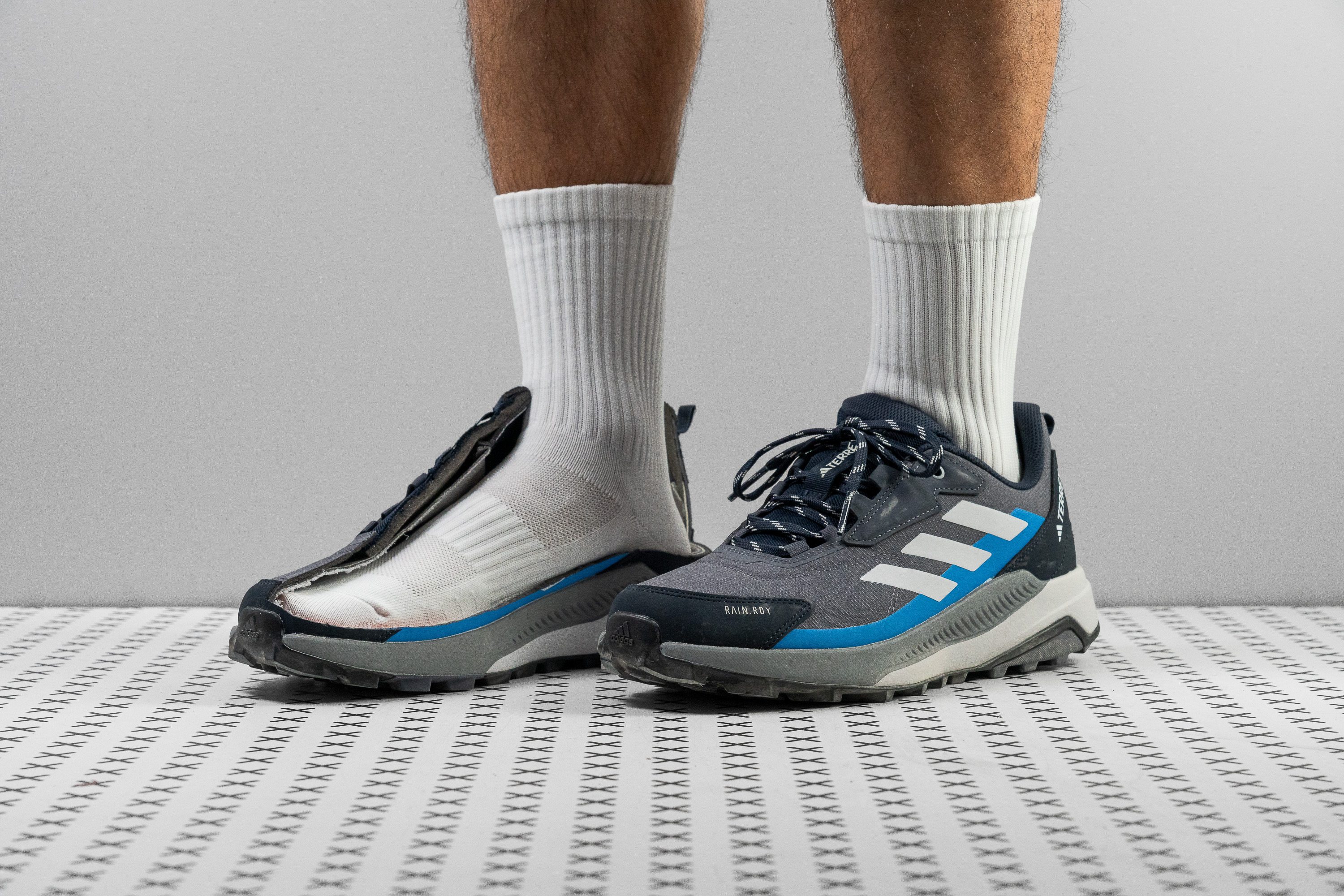
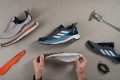
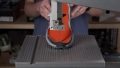
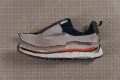
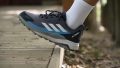
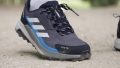
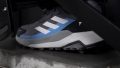
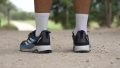
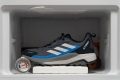
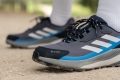
While the average hiking shoe costs £140, we’re surprised that there’s an £80 shoe available on the market: the adidas Terrex Anylander Rain.Rdy! Both our trail sessions and lab results can confirm its supportive nature through its firm and grounded base, reliable traction, and surprisingly light build. Among cheap hiking shoes, it takes the lead for stability.
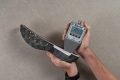
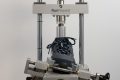
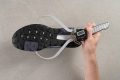
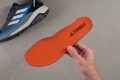
We discovered several contributing factors in the lab that contribute to our surefootedness. First, the midsole measures a moderate 30.2/21.5 mm. Second, the foam is 10% firmer than average as per our durometer, avoiding any unwanted compression. Its moderate shock absorption of 100 SA in the rear also shows higher surface sensitivity.
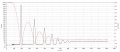
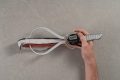
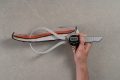
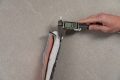
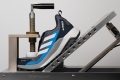
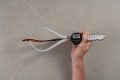
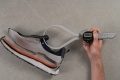
Despite not having any outright stabilising elements, this shoe feels steady as a table. We recorded a torque of 19.9Nm to twist the midsole, which makes it 6% stiffer than average. This twist-resistance, along with the stiff heel counter (5/5), demands less effort from our muscles to align ourselves on uneven surfaces.
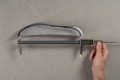
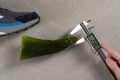
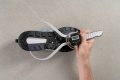
Even as we tackled moderate trails, the grippy base gave us the confidence to hike without worries. We measured the lugs to be 3.3 mm, proving to be versatile on smooth or hard-packed surfaces. Its minimal 12.7 oz (360g) build is also a pleasant surprise, boosting comfort for long hours of wear.
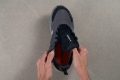
However, the toebox space is more cramped than usual. We recommend those with medium or voluminous feet to size up or check more accommodating shoes.
Pros
- Stable and grounded platform
- Excellent grip on smooth and wet surfaces
- Sturdy foothold and lockdown
- Lighter than average
- Great durability for the price
- Effective Rain.Rdy waterproofing
- Warm for transition seasons
Cons
- Tight pointy toebox
- Poor breathability
Cheap hiking shoes with the best breathability









What makes it the best?
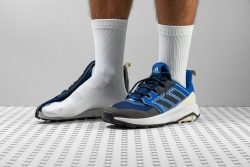
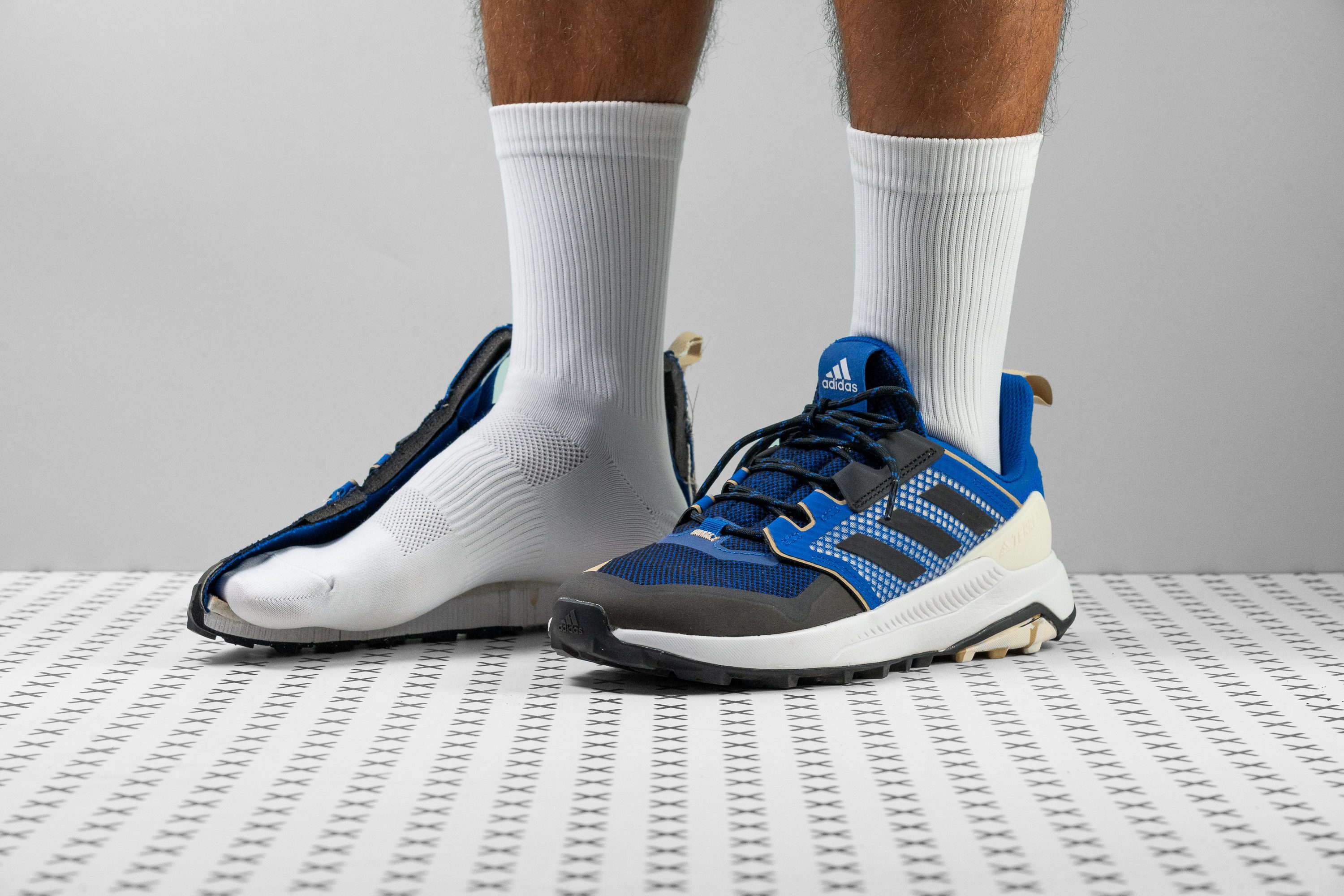
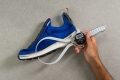
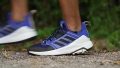
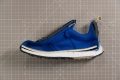
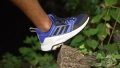
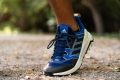
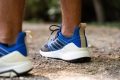
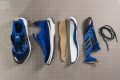
The adidas Terrex Trailmaker feels exceptionally light and easy on foot, and lab results verify its low weight and high flexibility. It’s our go-to option for easy hikes and is available at an accessible price point of £100. Among the cheap hiking shoes we brought to the trails and in the lab, it leads in breathability.
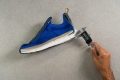
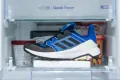
The upper is designed for our body heat to come out and the breeze to come in. The smoke we pumped in steadily and evenly escaped throughout the upper, earning a commendable 4/5 breathability score. With an exceptionally high rating for a hiking shoe, we don’t need to worry about hotspots or sweaty feet.
The Terrex Trailmaker’s effortless sensation is further enhanced by its light and loose build. It feels more like a trail running shoe, weighing only 12.7 oz (361), 5.0% lighter than the average hiking shoe.
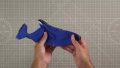
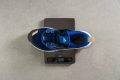
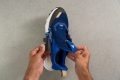
Moreover, the midsole flows freely with our feet, verified by our bend test with a flexibility score 30.7% above average. This result indicates that the shoe is more versatile for other activities and more comfortable for daily use.
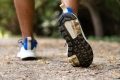
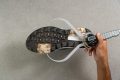
Unfortunately, durability was sacrificed to keep the weight and price of the Terrex Trailmaker down. Our Dremel damaged the outsole two times deeper than the average, making it vulnerable to premature wear.
Pros
- Extra lightweight
- Amazing in-shoe comfort
- Balance of cushion and ground feel
- Stable for a light shoe
- More flexible than average
- Welcomes wide feet
- Secure lockdown (bootie upper)
- Breathable for mild weather
Cons
- Outsole lacks durability
- Not enough grip on wet terrain
- Slow to dry
Features of budget-friendly hiking shoes
In order to understand why it’s possible for some hiking shoes to cost less than £100, we need to look at specific features. Do they offer less support and stability? Are they less protective? Less bouncy? What about durability?
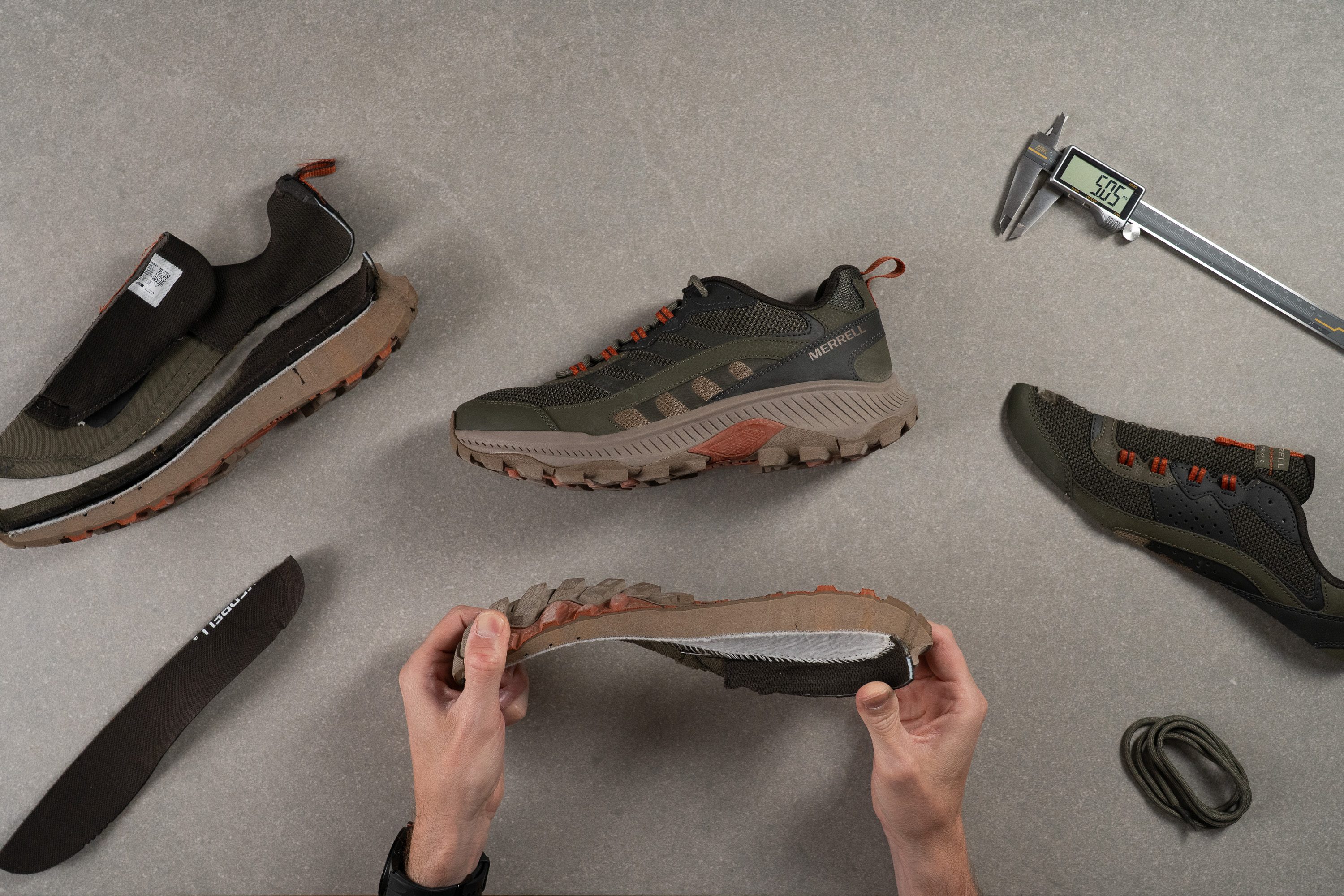
We’ll cover each feature separately below and present the lab data. We will look at traction, lugs, durability, weight, shock absorption, and energy return.
Traction and lugs in cheap hiking shoes
Grip and traction are not as straightforward as one would think. That’s why we have to talk about lug thickness, placement (close together or with a larger gap), orientation and shape, and the rubber's stickiness and coefficient of friction. So. Many. Details.
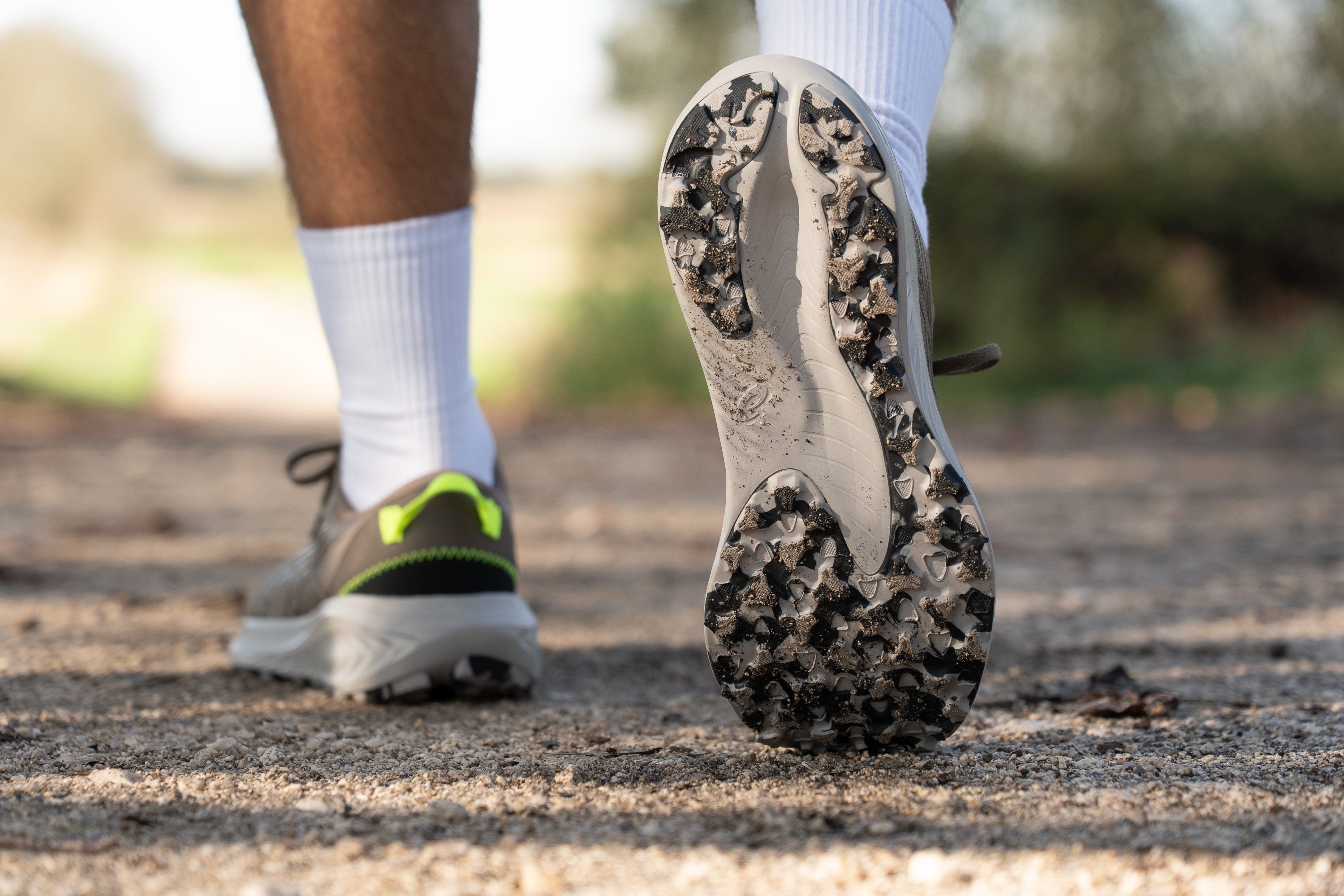
We’ll start with the simpler things: the traction. Measuring the dynamic coefficient of friction is very straightforward because we follow the SATRA TM144 protocol. Given that this is a standardised test, you can use the results to compare hiking shoes and their traction: it is that simple.
The higher the coefficient of friction, the better, and this should be prioritised if hiking in wet weather (wet, flat surfaces, like large rocks).
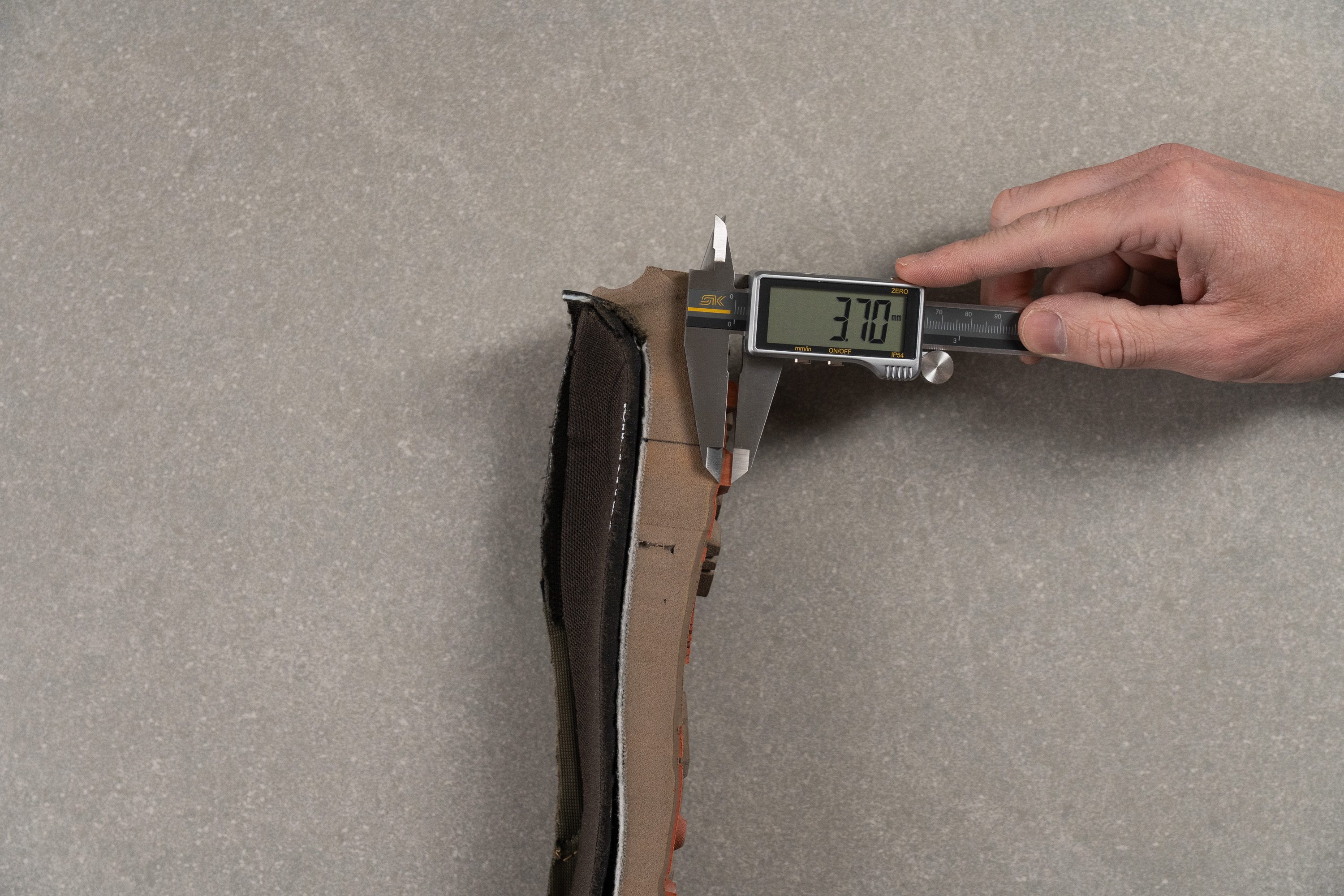
When the terrain is hard or hard-packed, you need a bigger contact surface, so shallower, tightly placed lugs are ideal. On loose terrain, however, it’s the deep aggressive lugs that will save you. And, if it’s not just dry soil, but mud or snow, the lugs need to be placed further apart too, to allow for good mud or snow shedding.
For context, we can also look at the numbers: cheap hiking shoes have 3.4 mm lugs, while the average lug thickness across all hiking shoes is 3.7 mm.
How durable are budget-friendly hiking shoes?
When discussing cheap hiking shoes, many hikers may rush to the conclusion that they are not durable. We’re here to check that and quantify things!
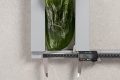
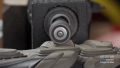
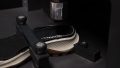
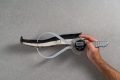
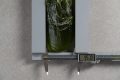
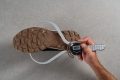
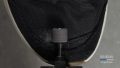
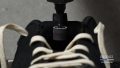
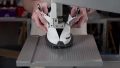
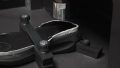
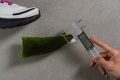
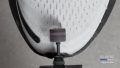
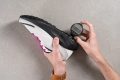
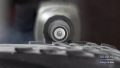
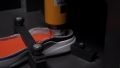
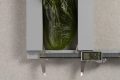
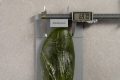
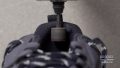
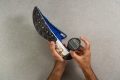
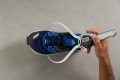
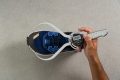
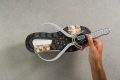
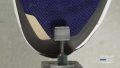
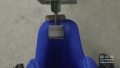
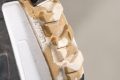
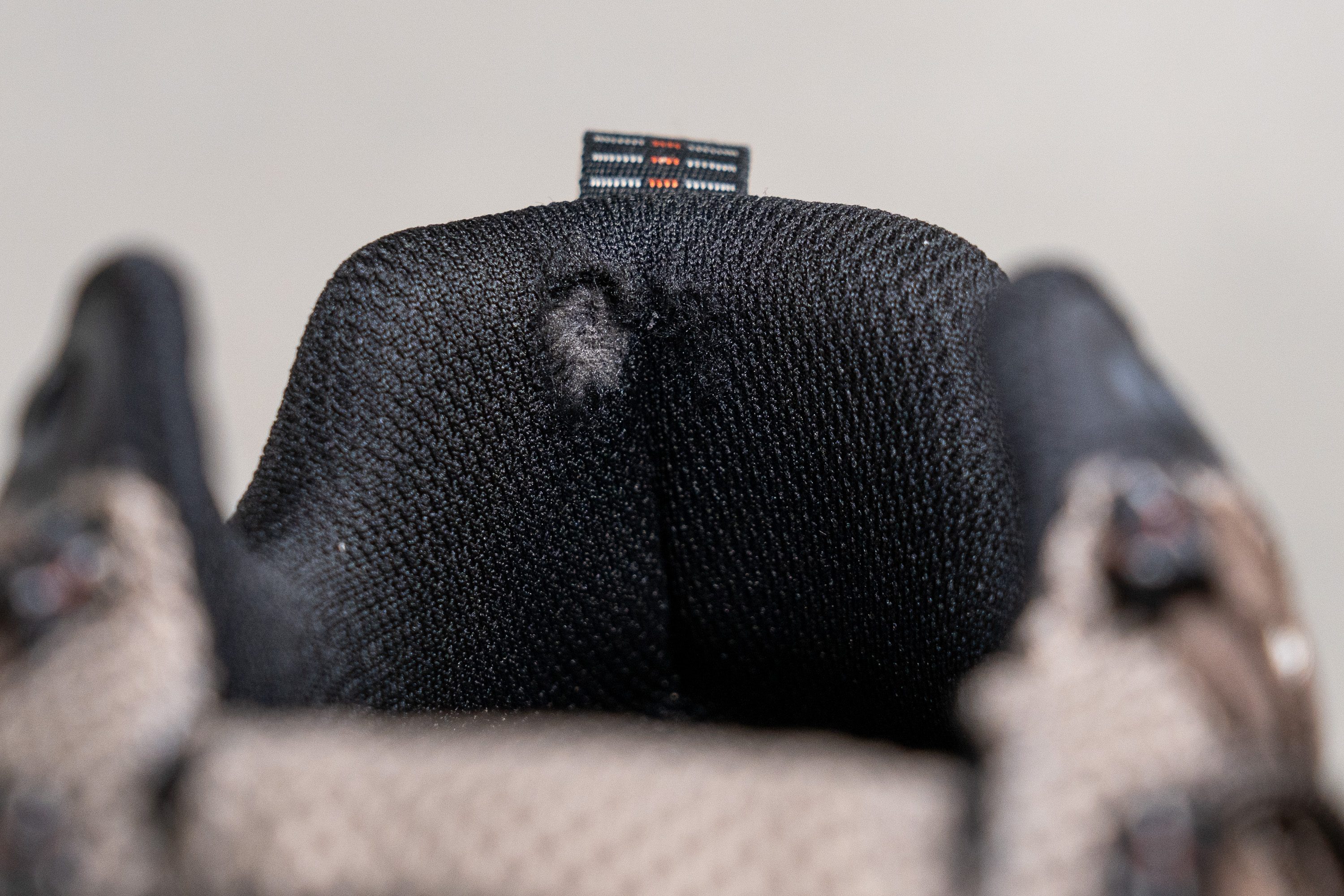
For all our durability tests, we use a Dremel. The pressure against the surface (the toebox, the heel padding, and the outsole), together with the number of rotations per minute (RPM), and time duration, are all standardised. This means that every hiking shoe gets the same treatment.
When testing the durability of the toebox and the heel padding, we look at the damage and assign it a durability score on a 1-5 scale, where 5/5 is the most durable. The toebox in the video above scored 5/5.
On average, cheap hiking shoes score 3.1/5.0 on our toebox durability test, which is quite close to the average for all hiking shoes (3.3/5.0).
The average heel padding durability for cheap hiking shoes is 2.1/5.0, while the average score for all hiking shoes is 3.0/5.0.
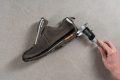
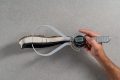
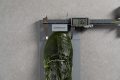
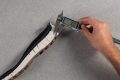
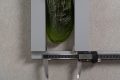
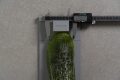
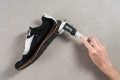
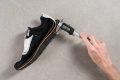
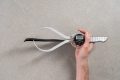
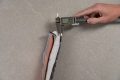
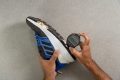
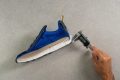
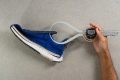
We then test the outsole; only this time, we don’t need to assess the damage because we can use a tyre tread gauge to measure precisely how deep the hole is. The deeper the dent, the less durable the outsole.
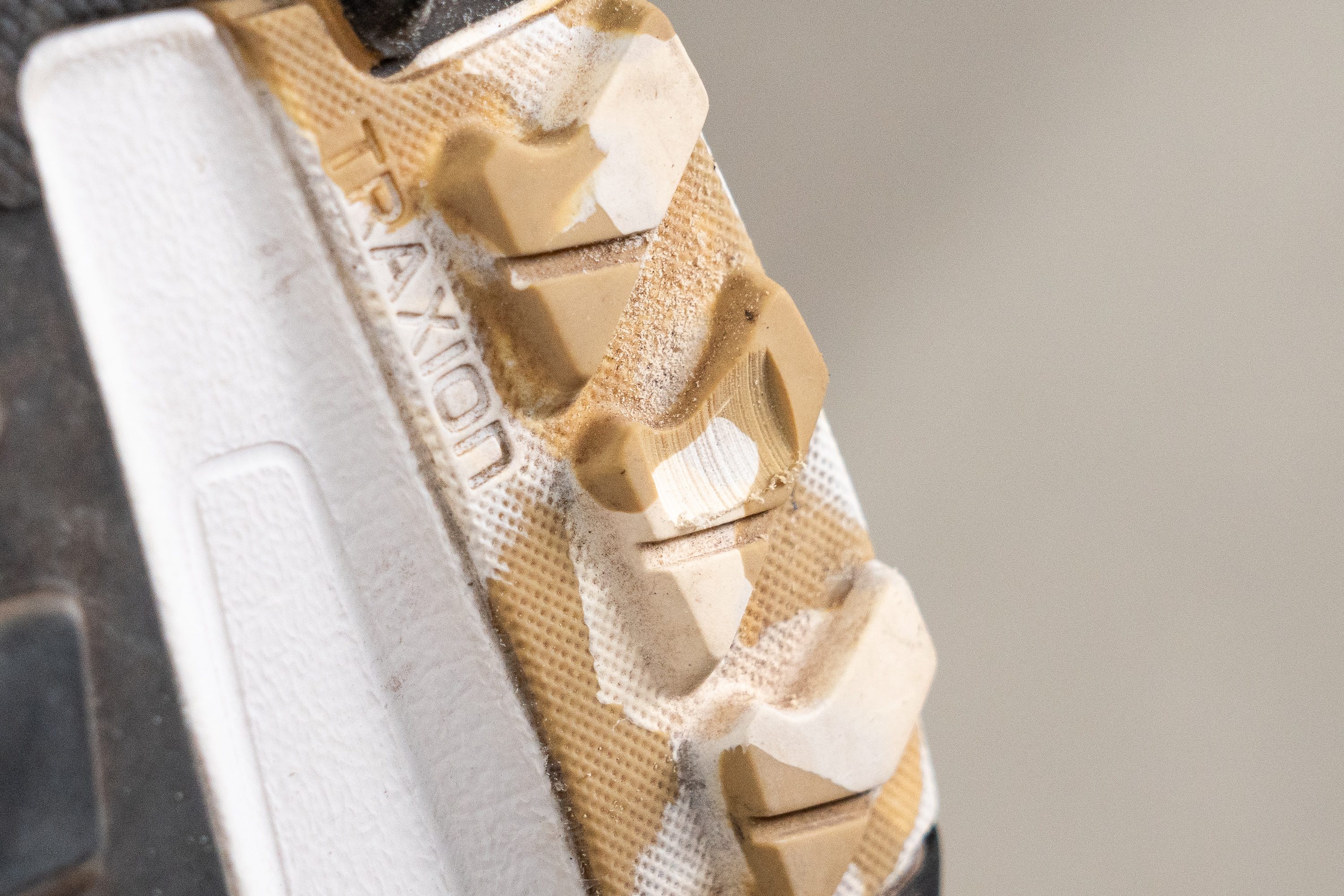
The average depth of the dent in the outsole in cheap hiking shoes is 1.1 mm, while it’s 0.9 mm in all hiking shoes.
Shock absorption and energy return in budget-friendly hiking shoes
Is it the cushioning that is hit the hardest when cutting expenses? Let’s find out.
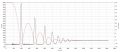
In our lab, we test the shock absorption and energy return at the same time, using the same test. Shock absorption is obviously much more important here, because it tells us how good the midsole is at absorbing the impact forces every time your feet hit the ground. When the shock absorption is very low, it means that your legs have to deal with the impact, and that means premature fatigue and maybe even pain.
On the other hand, the energy return is not as important, because it’s walking only. It could be more important for hikers doing speed hiking with occasional running. Hiking on its own is too slow, which still does not mean that completely flat (low energy return) rides are welcome!
The average shock absorption of cheap hiking shoes is 104.7 SA, while it’s 119.2 SA for all hiking shoes. Energy return, on the other hand, sits at 51.9% for budget-friendly hiking shoes and at 54.0% for all of them.
Are cheap hiking shoes heavier?
On one hand, they may be using less tech, which would make them lighter. On the other hand, lighter materials are more expensive. Let’s have a look.
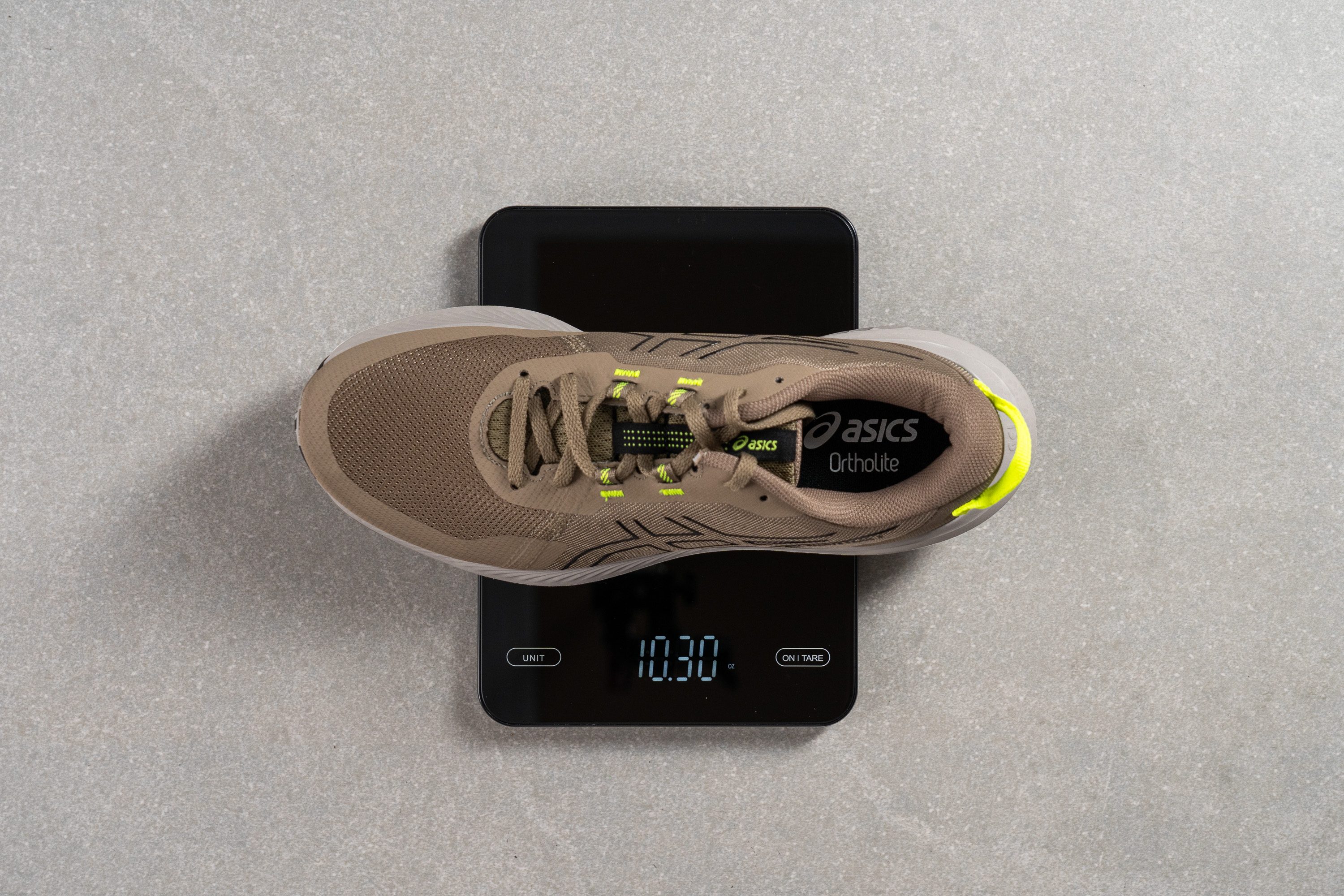
Looking at the lab data, we can see that cheap hiking shoes weigh 10.9 oz or 308.3g on average. This is actually great compared to the overall average weight: 11.2 oz or 315.9g.
Are there any cheap waterproof hiking shoes?
No, at least not with a Gore-Tex membrane. We haven’t tested any hiking shoes with a GTX membrane that cost less than £100. There may be other waterproof membranes that could cost less. For context,
- The average price of waterproof hiking shoes is £160.
- The cheapest GTX hiking shoe we’ve had in the lab so far cost £110.
- The most expensive waterproof hiking shoe we’ve tested was purchased at £210.
Should you give up on your quest then? Of course not. Look for waterproof hiking shoes on sale! We recommend hitting our page dedicated to good deals: https://runrepeat.com/deals/hiking-shoes.
Similar buying guides