6 Best Mud Running Shoes in 2026

We buy shoes ourselves. We earn commissions when you buy through us, at no extra cost. Why trust us
Tackling muddy trails means your running shoes should have sticky outsole rubber, superb lockdown, and very deep lugs that are placed further apart.. with so many things going on; we want to make this easy for you.
We went into great detail explaining mud running shoes, the necessary features, how to recognise them, and which shoes to definitely avoid when running over muddy trails
But we also chose the best picks out of all the mud shoes we tested on our runs and in our lab. Here, we highlight those shoes and explain why they got to be at the top of the list!
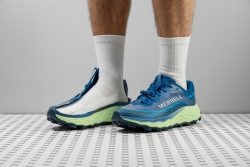
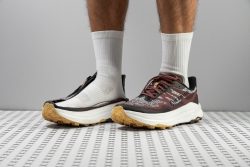
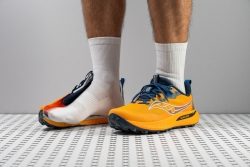
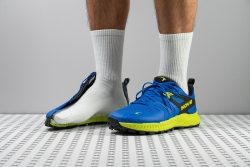
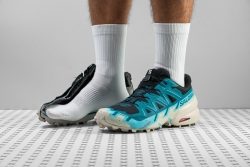
How we test mud running shoes
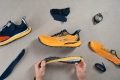
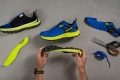
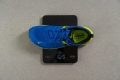
How do we know which trail shoes will keep you surefooted when it gets muddy? Through an extensive review process and our shoe lab:
- First of all, every tested shoe is purchased with our own funds. We receive no free shoes from brands.
- We are dedicated runners who take each pair to rough tests on wet trails multiple times.
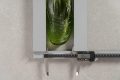
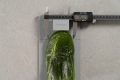
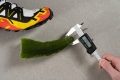
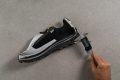
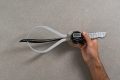
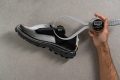
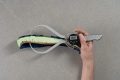
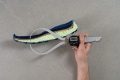
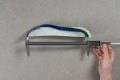
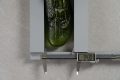
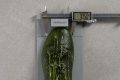
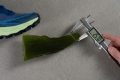
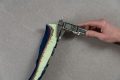
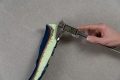
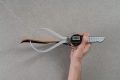
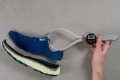
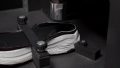
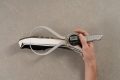
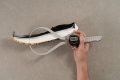
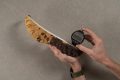
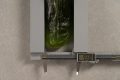
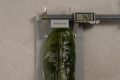
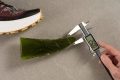
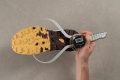
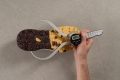
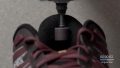
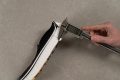
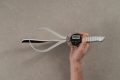
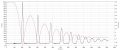
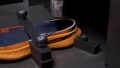
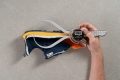
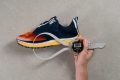
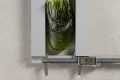
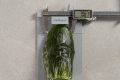
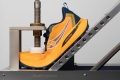
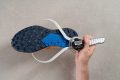
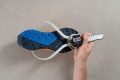
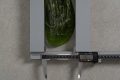
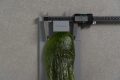
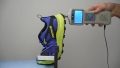
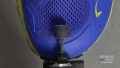
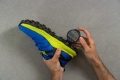
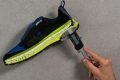
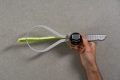
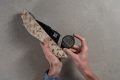
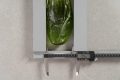
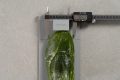
- In the lab, we focus on the features important for running in muddy areas: lug thickness (which we measure using a digital calliper), tread pattern (distance between the lugs, lug orientation and shape), and traction (which we test following the SATRA TM144 methodology).
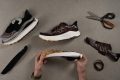
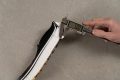
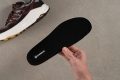
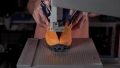
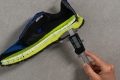
- We also cut the shoes in half and then into pieces to look at what's inside and analyse all the technologies and layers.
Best running shoes for mud overall
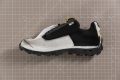
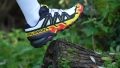
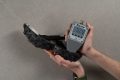

What makes it the best?
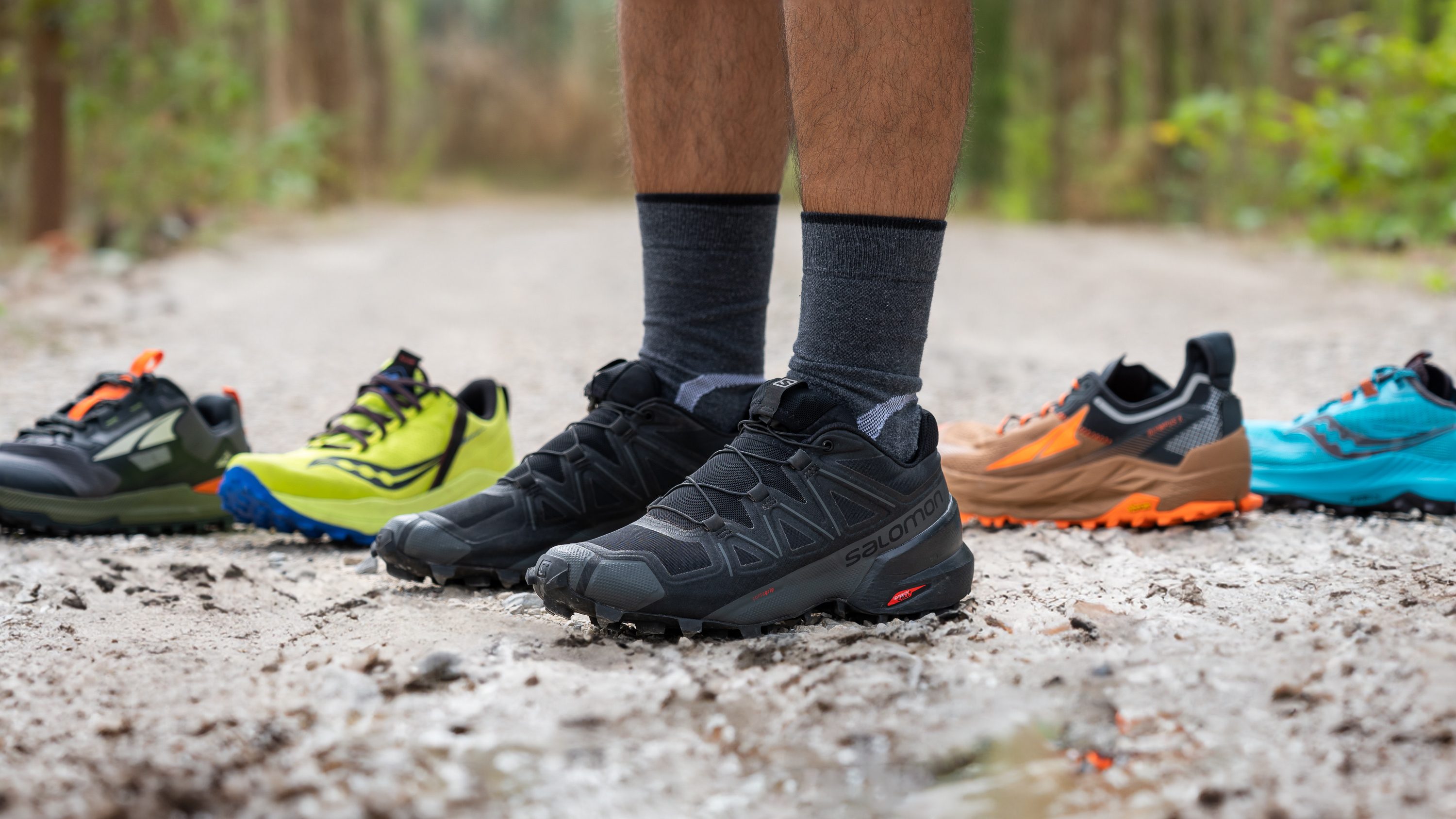
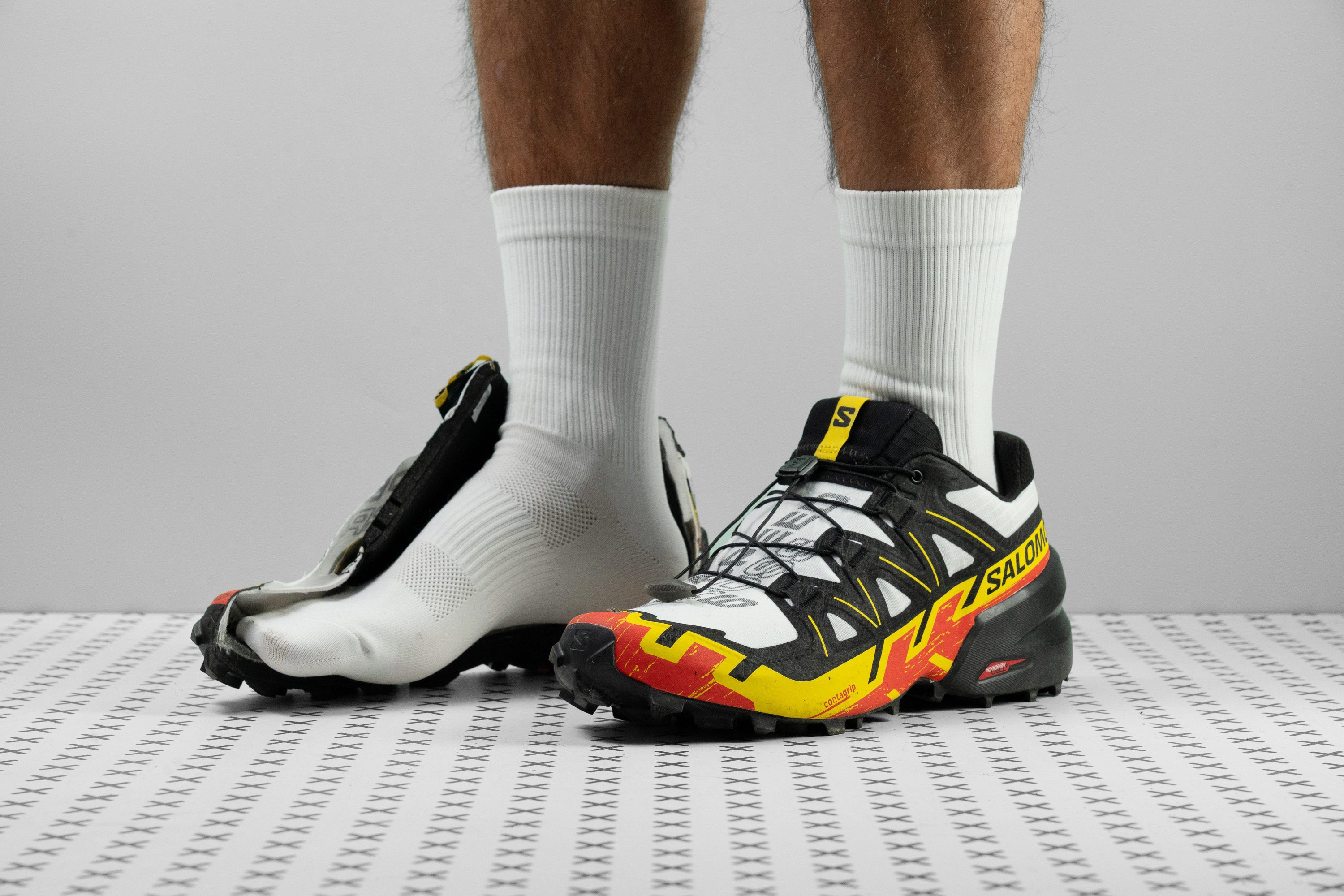
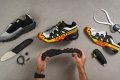
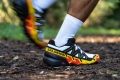
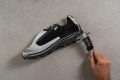
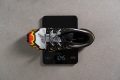
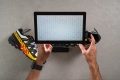
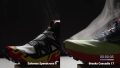
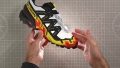
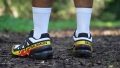
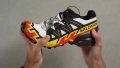
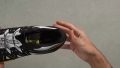
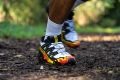
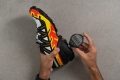
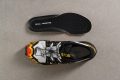
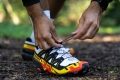
We conquered muddy tracks with confidence in the Salomon Speedcross 6. With a seamless combination of reliable traction and a compromising midsole, all in a highly stable platform, we felt like we could run all day on any pavement with this pair. In the lab, this shoe proves its versatility and emerges as our top mud running shoe.
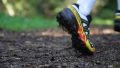
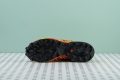
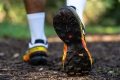
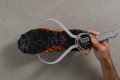
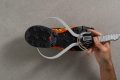
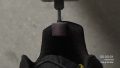
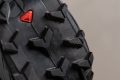
The key to ensuring safety on soft ground is having deep, sticky rubber lugs. Speedcross 6 goes beyond the 3.5 mm average with lugs measuring 5.8 mm deep. This didn’t go unnoticed in our runs since the outsole bit through slippery trails and mud, effectively preventing mishaps. They are spaced generously to give room for mud-shedding.
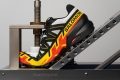
Helping us lift our feet off the soil easily is the shoe’s resilient midsole, which easily adapts to our natural strides on uneven terrains. We stayed in control since the shoe didn’t resist us, confirmed by our bend test with a flexibility score 17% above average.
But when it comes to twisting our ankles or excessive lateral motions, the shoe has no give. The curved insole effectively contains our feet inside the shoe, creating a highly stable ride. Moreover, we proved its opposition to twisting with its high 4/5 torsional rigidity score.
With zero ventilation, we can only recommend this pair in cold weather. Runners who sweat and overheat a lot should find more breathable shoes.
Pros
- Ideal for heel strikers
- Impressive durability
- Quick mud shedding ability
- Lightest Speedcross yet
- Secure lockdown with QuickLace system
- Enhanced ground feel in the forefoot
- Agile and responsive in fast corners
- Agile and responsive in fast corners
Cons
- Midsole feels like concrete
- Extremely poor breathability
- Not suitable for midfoot and forefoot strikers
- Low energy return
Running shoes for mud with the best stability



What makes it the best?
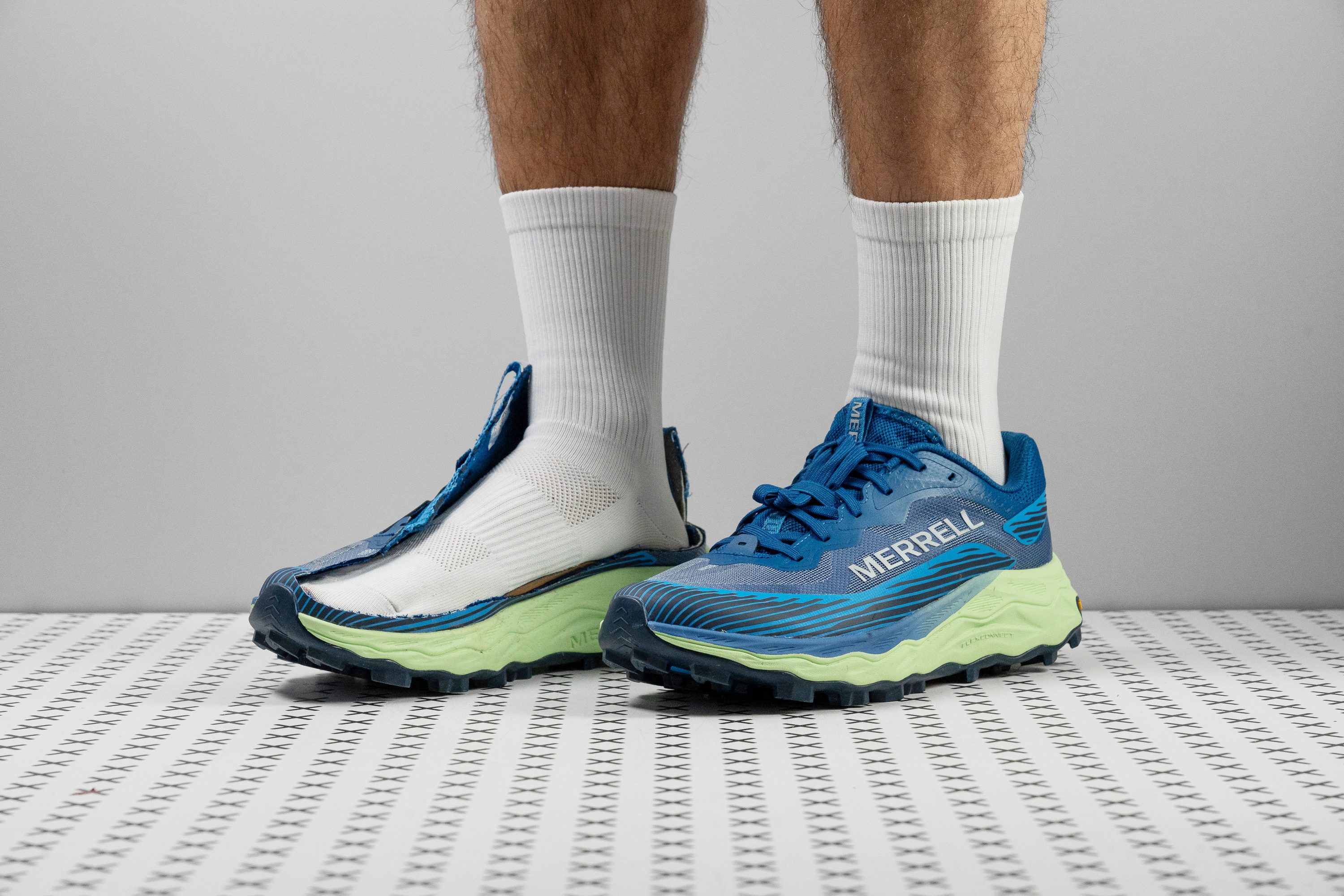
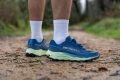
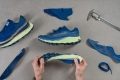
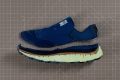
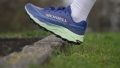
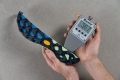
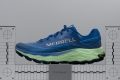
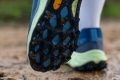
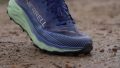
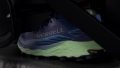
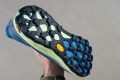
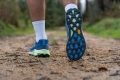
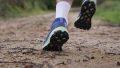
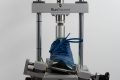
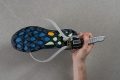
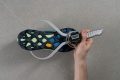
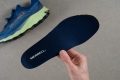
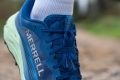
Slipping and sliding on mud can be fun unless it wasn’t part of the plan. The Merrell Agility Peak 6 minimises that risk with an ultra-grippy Vibram Megagrip outsole studded with 5.0 mm deep lugs. Aggressively-shaped and well spaced out, these chevron and butterfly lugs dig in and out of the mud effortlessly, shedding the dirt along the way.
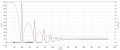
And if we happen to step on some slick rocks, the shoe’s high friction coefficient (0.64) and wide base (115.5 mm in the forefoot and 97.7 mm in the heel) help keep our footing in most scenarios.
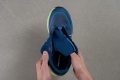
Meanwhile, a large bottom-loaded rock plate adds welcome rigidity to the Agility Peak 6, stabilising our ride and protecting our feet from sharp obstacles hiding in the mud.
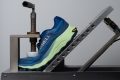
Not to mention that the new iteration of this Merrell series got 0.4 oz lighter and 15% more flexible, making our effort more efficient in boggy conditions.
We also appreciate the shoe’s secure containment offered by its close-fitting upper as well as the breathable fabric that doesn’t trap heat and moisture.
Pros
- Excellent Vibram outsole with Traction Lug tech
- Dependable for technical terrain
- Improved flexibility
- Secure fit
- Lighter than v5
- Good arch support
- Stable ride
- Upper mixes durability and ventilation
- Ideal for heel strikers
Cons
- FloatPro foam lacks energy return
- Narrow toebox limits toe splay
- Low shock absorption
- Misleading drop
Running shoes for mud with the best traction











What makes it the best?
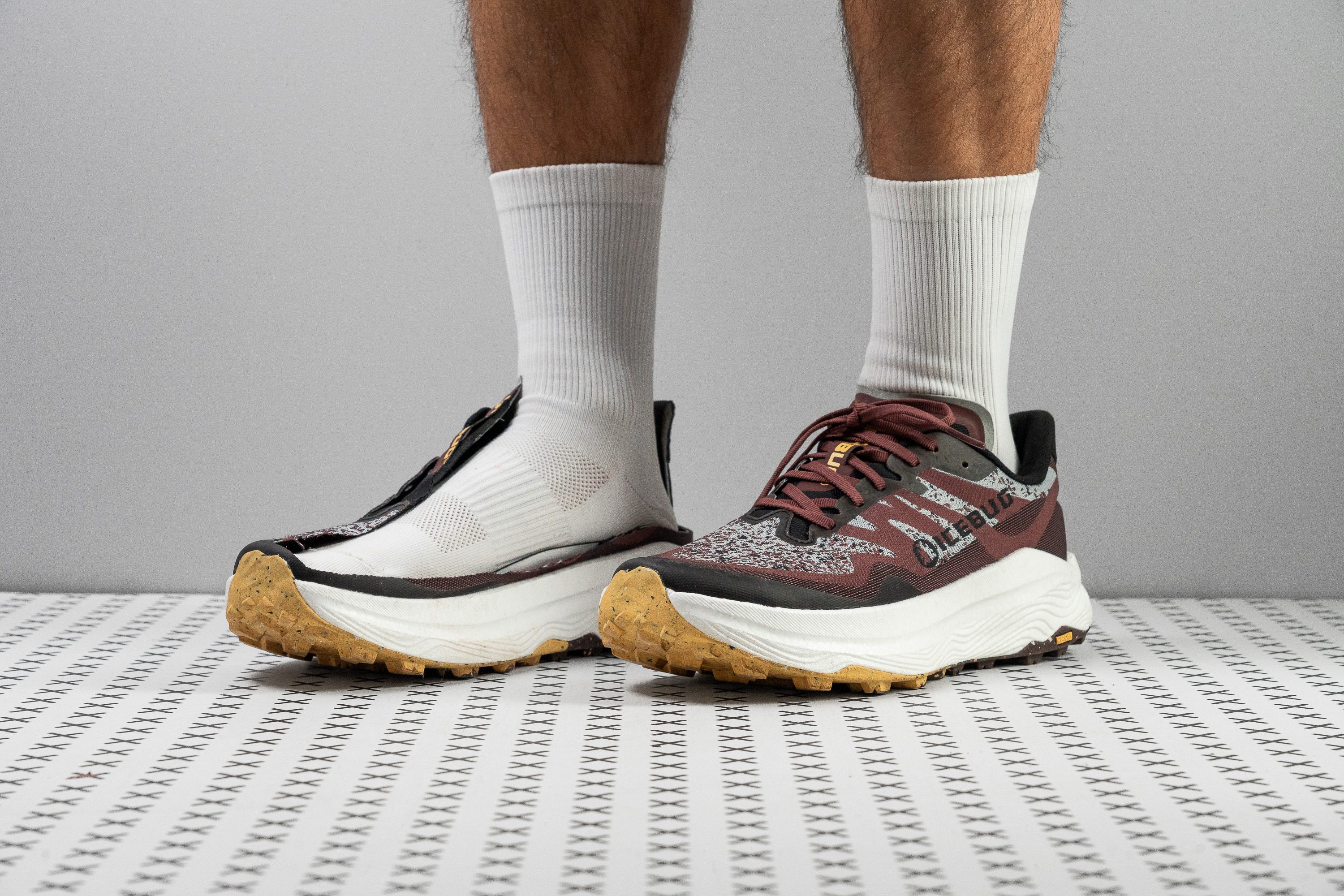
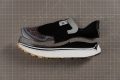
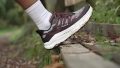
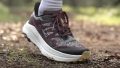
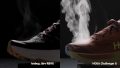
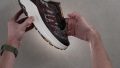
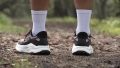
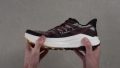
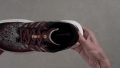
The Icebug Järv RB9X delivers top-to-bottom protection from a lot of things—debris, upper slashes, sharp winds, impact, and even slips. After burning miles in the mountains and spending hours in the lab, we proved it's the mud running shoe with the best traction.
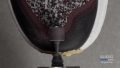
We tested the outsole’s slip-resistance and recorded a high friction score of 0.70, making the rubber 11% grippier than average. Moreover, the outsole features deep 5.0 mm lugs that handle sloshy mud and wet rocks well. The heel and midfoot lugs are irregularly shaped and denser for stronger braking.
The midsole features a thick 37.0/31.0 mm stack, making it one of the tallest trail shoes we’ve encountered. It pretty much erases ground feel and shields our feet from rocks and roots. Moreover, Järv RB9X keeps the ride dynamic with a strong energy return of 64.0% in the heel and 62.5% in the forefoot.
Moving to the upper, we found it to be extremely protective. With its limited airflow (2/5), it keeps us warm and comfortable. Meanwhile, the knit displays wear resistance in our Dremel test, earning a solid 4/5 durability score.
Unfortunately, all the protective elements tipped the scales to a heavy 11.6 oz (329g), which may disappoint runners craving for a nimble and light sensation underfoot.
Pros
- Sustainable materials
- Strong energy return from eTPU foam
- High, protective stack height
- Excellent for cold climates
- Very durable toebox
- Versatile 5.0 mm lugs
- Supercritical insole
- Outsole grips well
Cons
- Heavy on foot
- Knit upper retains water
- Firm underfoot feel
- Low ventilation
Best lightweight running shoes for mud

What makes it the best?
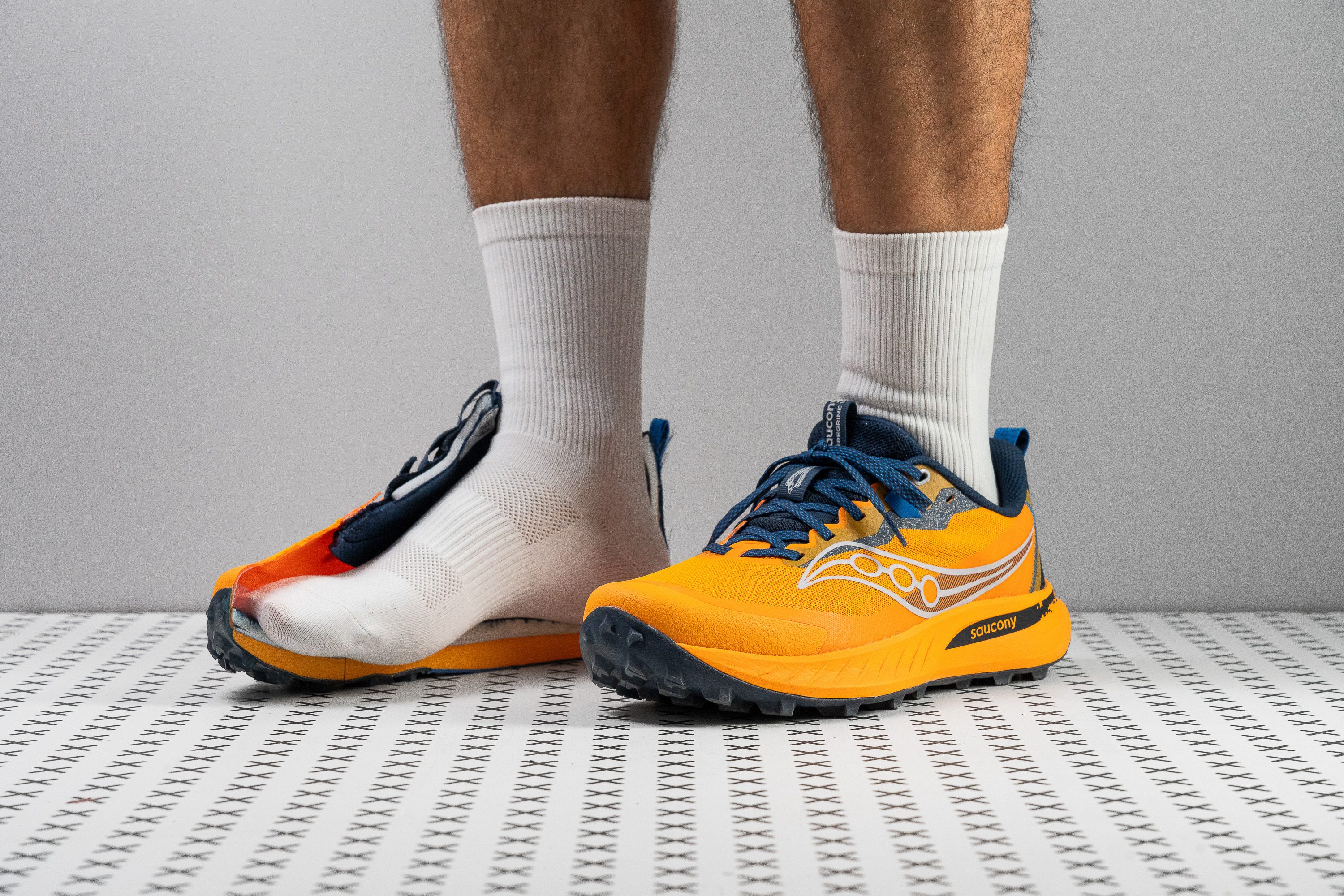
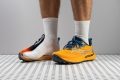
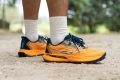
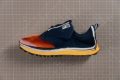
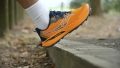
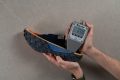
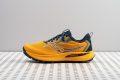
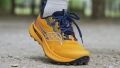
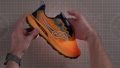
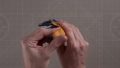
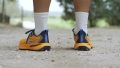
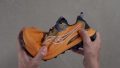
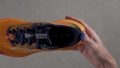
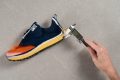
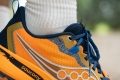
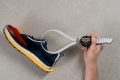
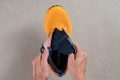
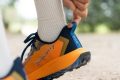
We effortlessly navigated through the mud with Saucony’s Peregrine 15. Our lab tests confirm it's the top lightweight mud running shoe, capable of going fast and far with its agile and responsive build, adaptable midsole, and deep, adhesive lugs. Its array of features ensures control across diverse terrains.
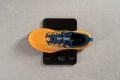
Its airy build and dynamic midsole enhance our speed. At 9.4 oz (266g), it exhibits unmatched lightness, making it quicker to move with compared to the average trail shoe (10.2 oz/288g). Testing for responsiveness, the heel returned 60.4% and the forefoot an impressive 65.8%!
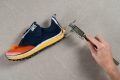
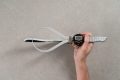
Peregrine 15 features a low 3.7 mm drop and a free-flowing midsole that keeps us nimble on sticky ground. It’s easy to manoeuvre, with our bend test verifying it’s 24% more flexible than average. This means it needs less effort to bend the shoe as we stride.
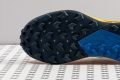
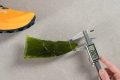
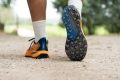
Its PWRTRAC outsole has stable traction, inspiring surefootedness in our runs. Lined with 4.7 mm chevron-shaped lugs that bite the ground, we didn't slip on sloshy puddles. The lugs are angled in alternating directions for enhanced control, with good spacing for mud-shedding.
Unfortunately, the toebox is very narrow, which may cause issues for wide-footed folks or multi-hour runs. Those who appreciate lots of room up front should go for a more spacious trainer.
Pros
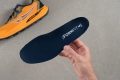
- Plush PWRRUN midsole
- Improved energy return
- Versatile 4.7-mm lugs
- Ready for hiking
- Reasonable price
- Premium PWRRUN+ insole
- Good fit for trail running
- Still lightweight for its size
Cons
- Narrow toebox
- Low drop not ideal for heel strikers
- Could use better breathability
Running shoes for mud with the best agility

What makes it the best?
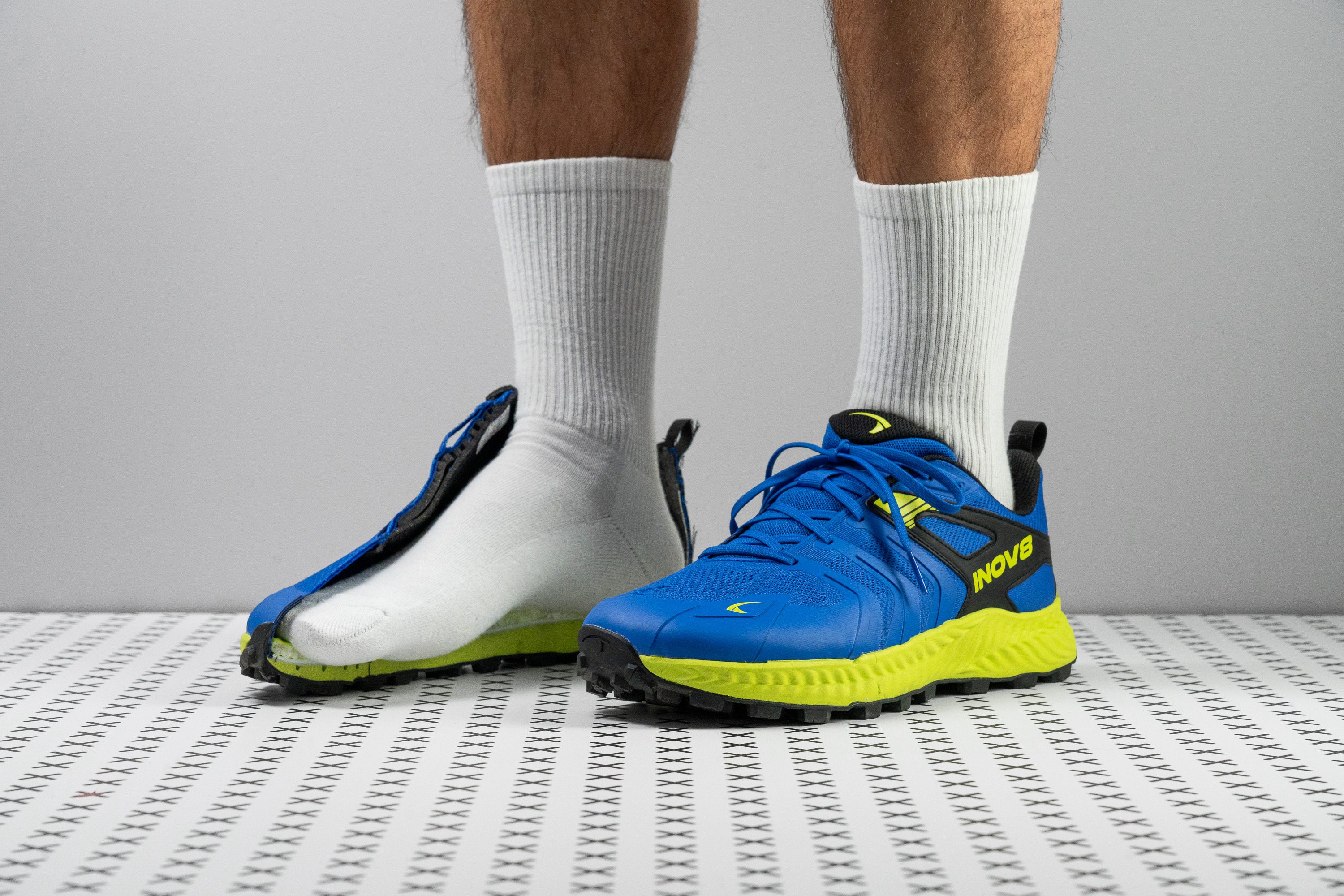
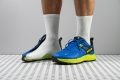
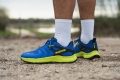
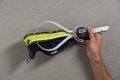
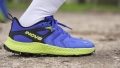
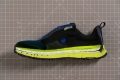
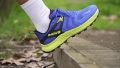
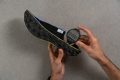
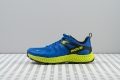
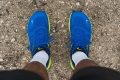
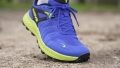
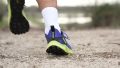
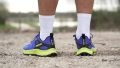
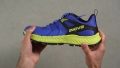
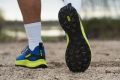
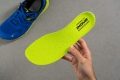
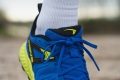
The Inov8 Trailtalon creates a fun and nimble ride over rough conditions. With its high manoeuvrability, capable and dependable lugs, and splay-friendly package, we assessed in and out of the lab that we could conquer the trails with speed and ease. Among mud running shoes, it offers the best agility.
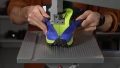
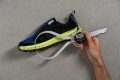
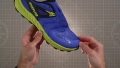
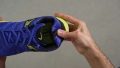
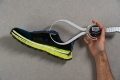
Adding to the runner’s domination over the shoe is its impressive flexibility, emerging 34% more pliable than average. It keeps us quick on our feet and in control, effortlessly flowing with us instead of resisting, and giving us a sense of finesse as we tackle sloshy terrains.
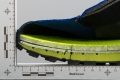
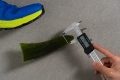
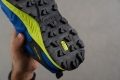
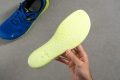
Underfoot, we measured deep 5.4 mm lugs, which are aggressive enough for softer ground, loose gravel, and messy surfaces. In our runs, we could manoeuvre through the trails without losing momentum because of any slips.
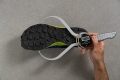
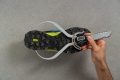
The toebox offers generous room, at 79.5 mm vs. the 74.7 mm average, making it accommodating for those with broad feet. We felt more in control of our footing and didn’t experience any pinching points on our toes. Even vertically, we had lots of clearance at 29.5 mm.
However, its flexibility in all directions loses the stability some people need. Those who prefer more support should skip this pair.
Pros
- Ideal for those with wide feet
- Grippy outsole for wild terrain
- Impressively flexible
- Plush TPU insole
- Good lockdown
- Agile feel underfoot
- Ready for long adventures
- Great for hiking too
Cons
- Poor toebox durability
- Falls short on breathability
- Lacks stability
Best waterproof running shoes for mud







What makes it the best?
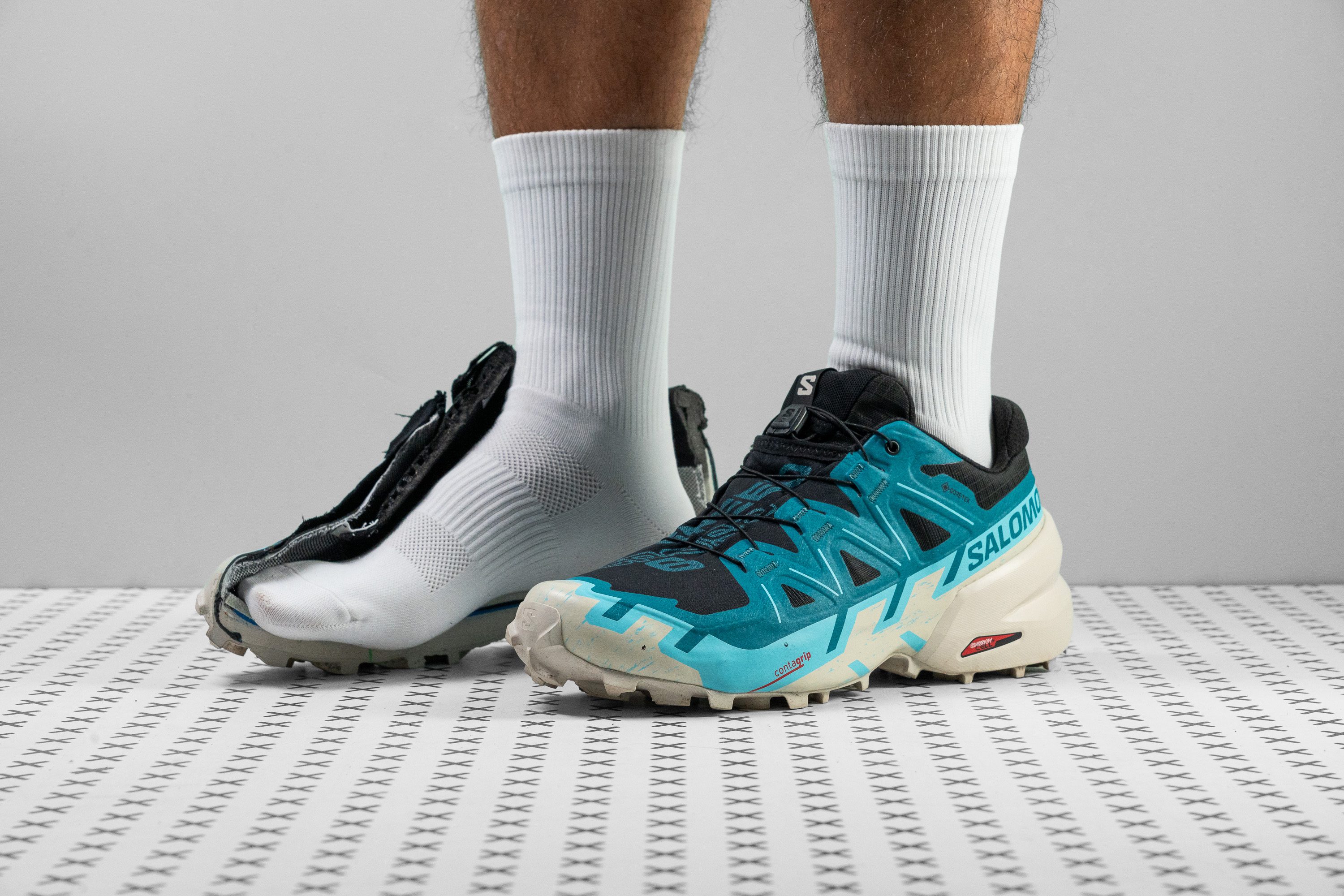
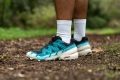
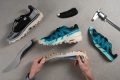
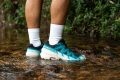
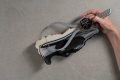
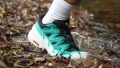
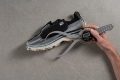
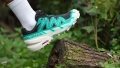
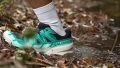
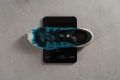
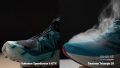
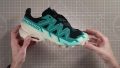
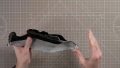
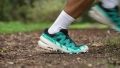
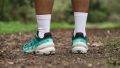
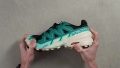
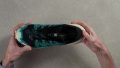
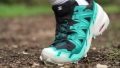
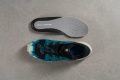
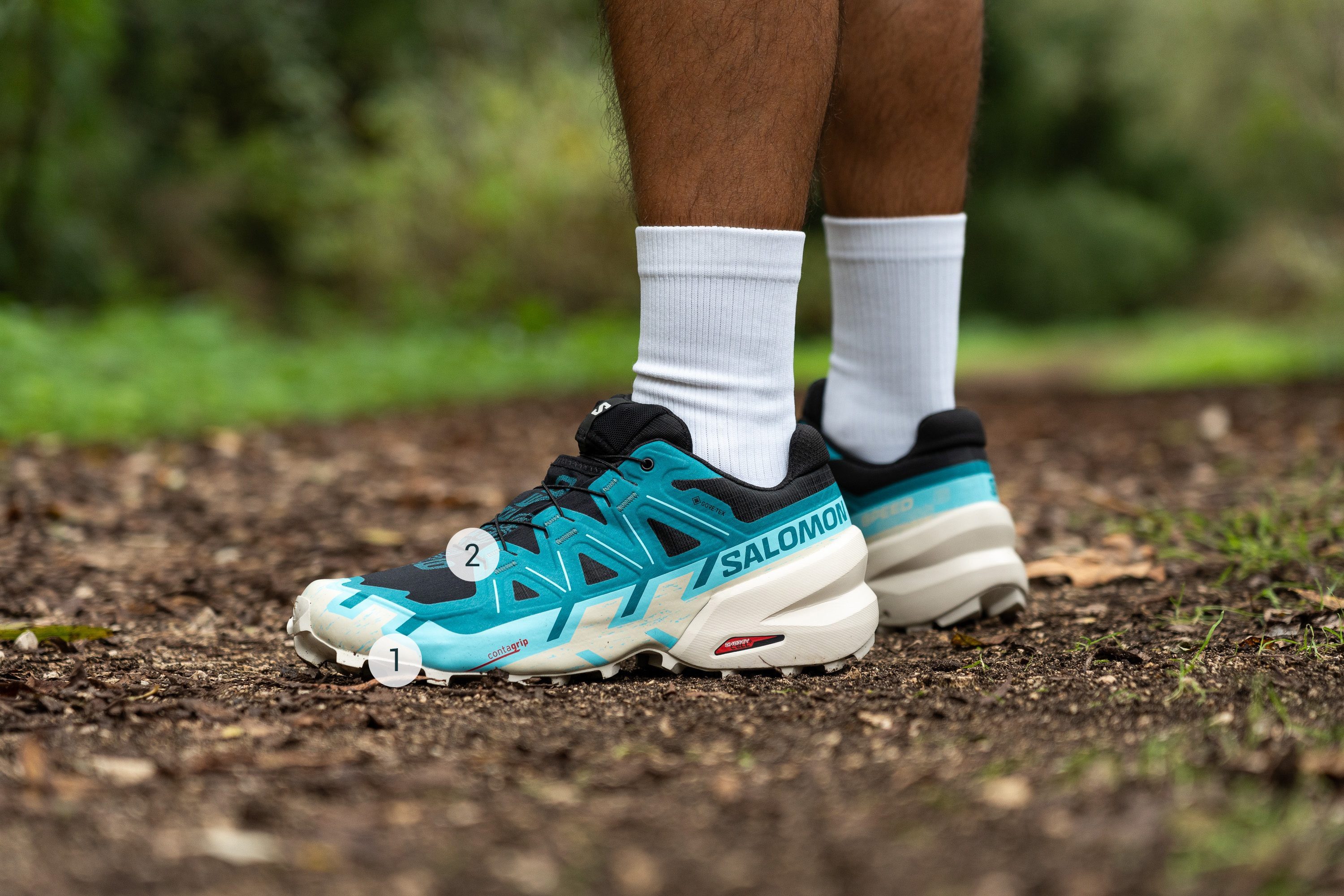
Our quest for the ultimate waterproof mud running shoe concluded with the discovery of the Salomon Speedcross 6 GTX. Lab results confirm our verdict: it fulfils the adventurer’s needs with unmatched grip, complete protection from moisture and cold, and a secure ride.
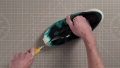
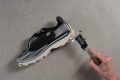
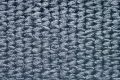
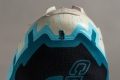
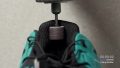
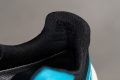
Starting from the top, our microscope reveals a tightly knitted upper with a full Gore-Tex membrane. Even as we traversed through wet mud, our feet remained warm and dry. In our smoke test, it trapped the air inside and received a 1/5 breathability rating, confirming its protective nature.
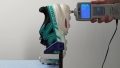
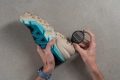
In the midsole, we find a firm cushion with exceptional torsional rigidity, enhancing stability. Our durometer confirms the foam is 23.7% harder than average, preventing bottoming out. On uneven paths and inclines, we felt remarkably surefooted, with minimal risk of rolling our ankles. Its rigidity was evident in our manual twist assessment, earning a perfect 5/5 score.
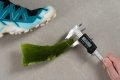
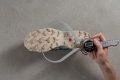
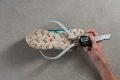
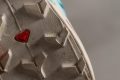
Speedcross boasted unquestionable grip even on the softest and most slippery grounds we tested. The outsole is lined with 5.0 mm chevron-shaped lugs, 1.4 mm deeper than average, and serves as our brakes on steep descents. What’s even more impressive is its ability to shed mud effectively due to its spacing.
Unfortunately, the shoe weighs a heavy 11.5 oz (325g). Those who prefer a lighter option should explore further.
Pros
- Fully functional Gore-Tex membrane
- Ample cushioning for long adventures
- Excels in challenging, technical terrain
- Rapidly sheds mud
- Agile and tenacious grip on twisted trails
- Remarkable durability
- Ideal for heel strikers
Cons
- Completely lacks breathability
- Midsole could feel overly firm for some
- Exceptionally heavy
- Narrow, snug-fitting toebox
2 must-haves in mud running shoes
First, it’s the good grip. No, not good, superb! Second, depending on the terrain and weather conditions, you should choose either a very breathable and quick-drying shoe or a shoe with a waterproof membrane. We help you decide which one you need below.
Outsoles and lugs that won’t get you stuck in mud
In the world of mud running shoes, having a superb grip means deep lugs (minimum 4mm) that are spaced further apart. This means there are not many lugs but those that exist are deep and aggressive. They are often multidirectional to be able to grip both on uphill and downhill trails.
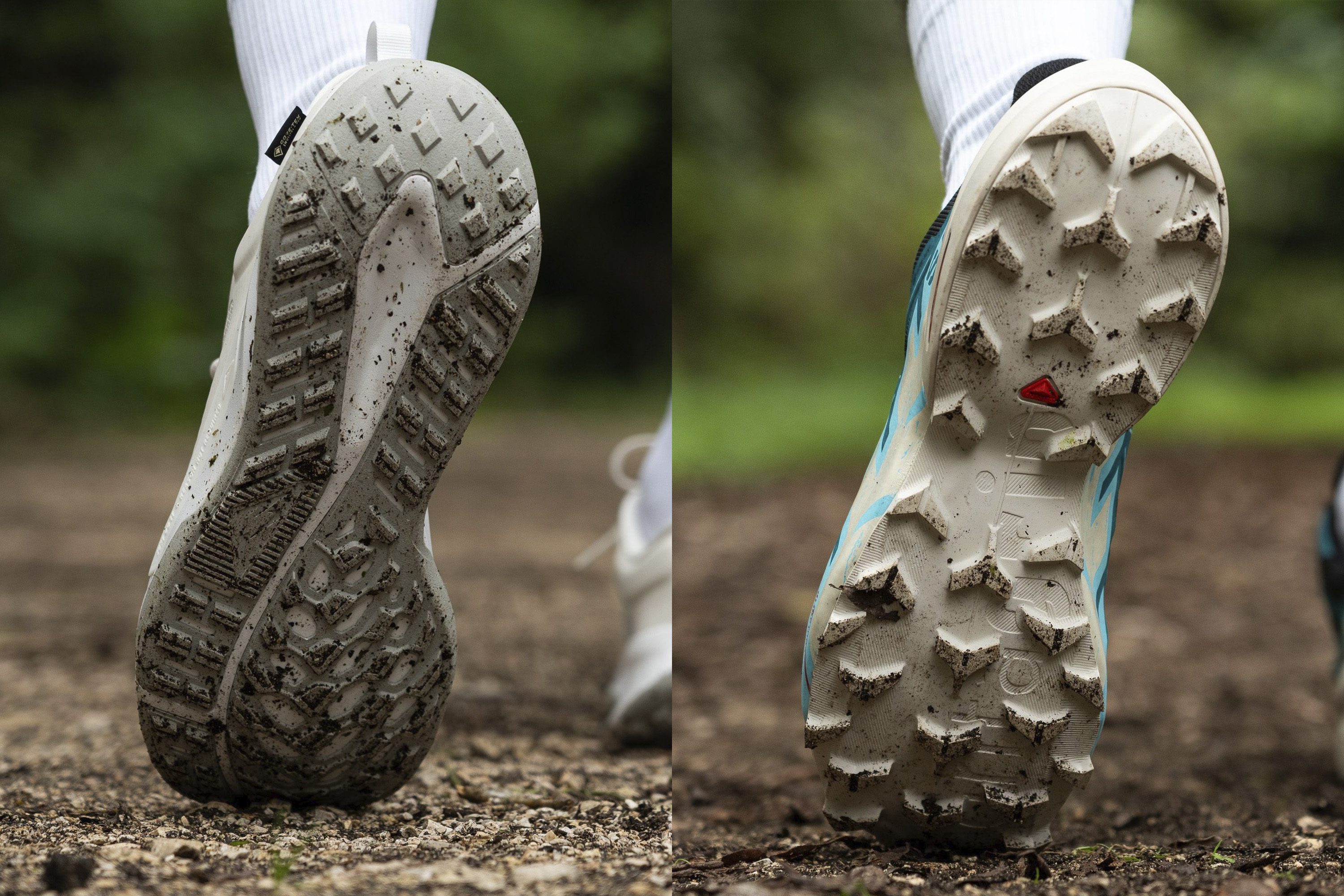
Outsoles with many lugs placed close together can surely be very grippy, but the distance between the lugs helps with mud-shedding.
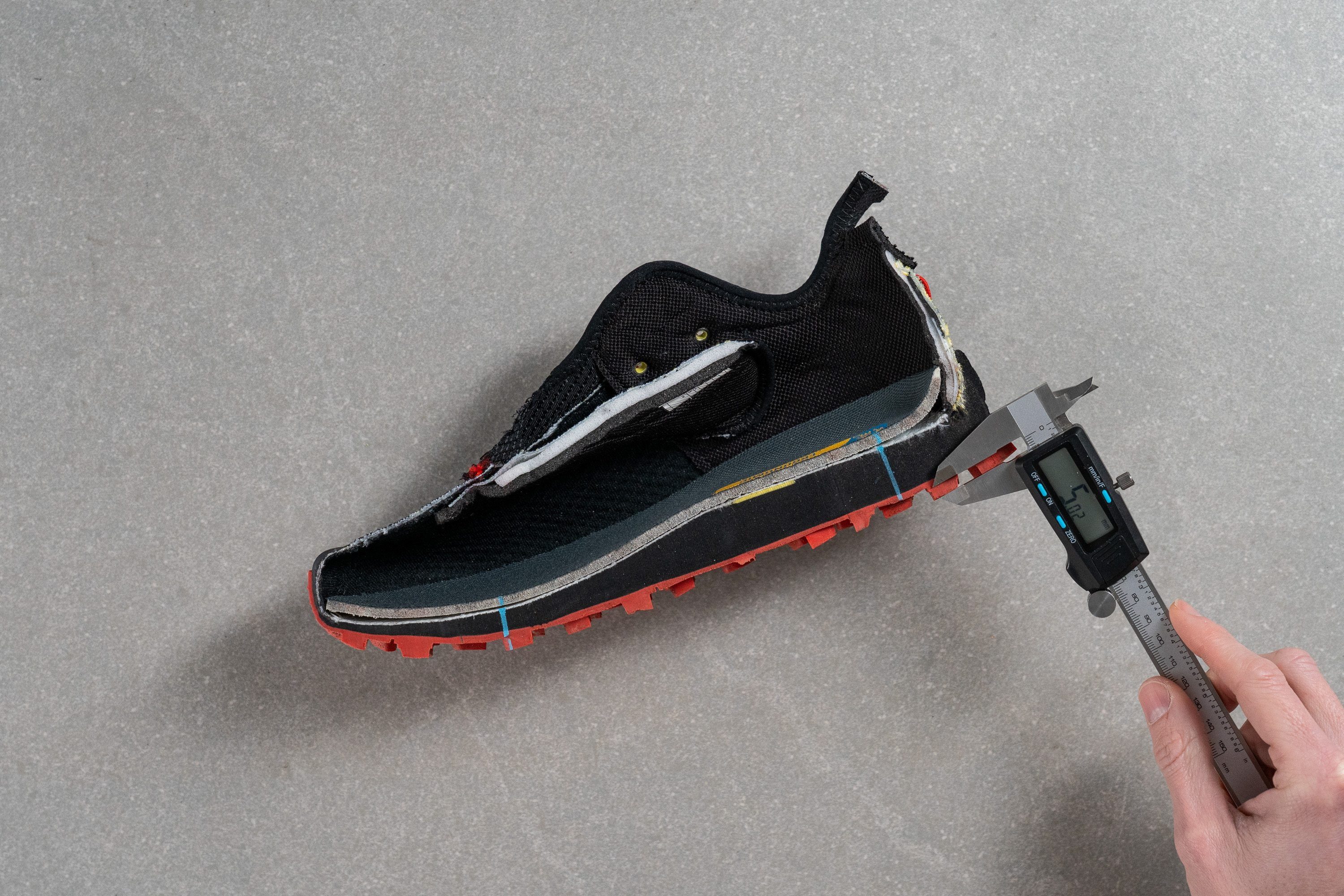
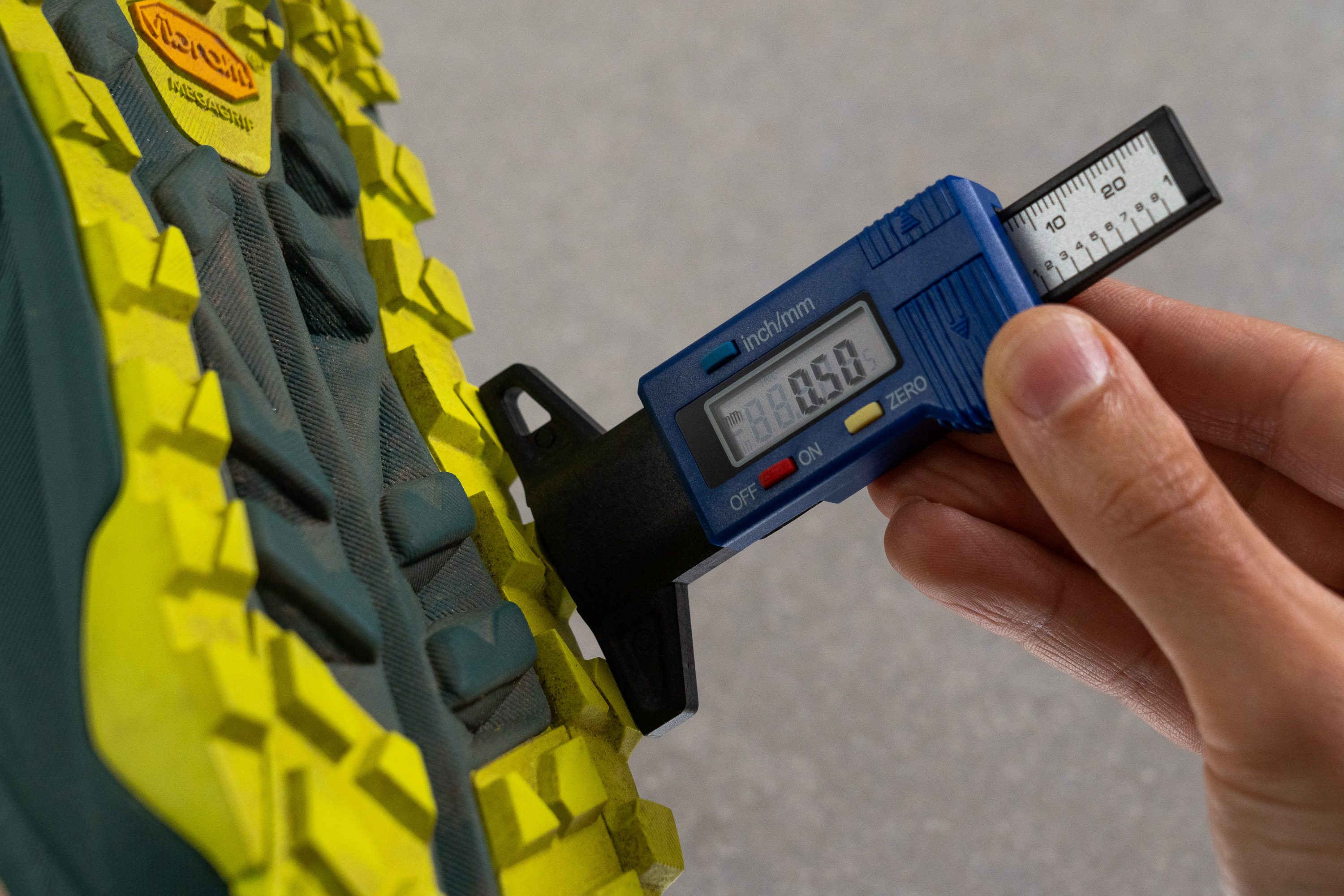
In our shoe lab, we use a digital calliper to measure the thickness of the lugs. We consider lugs that are at least 4mm thick, very deep and great for mud.
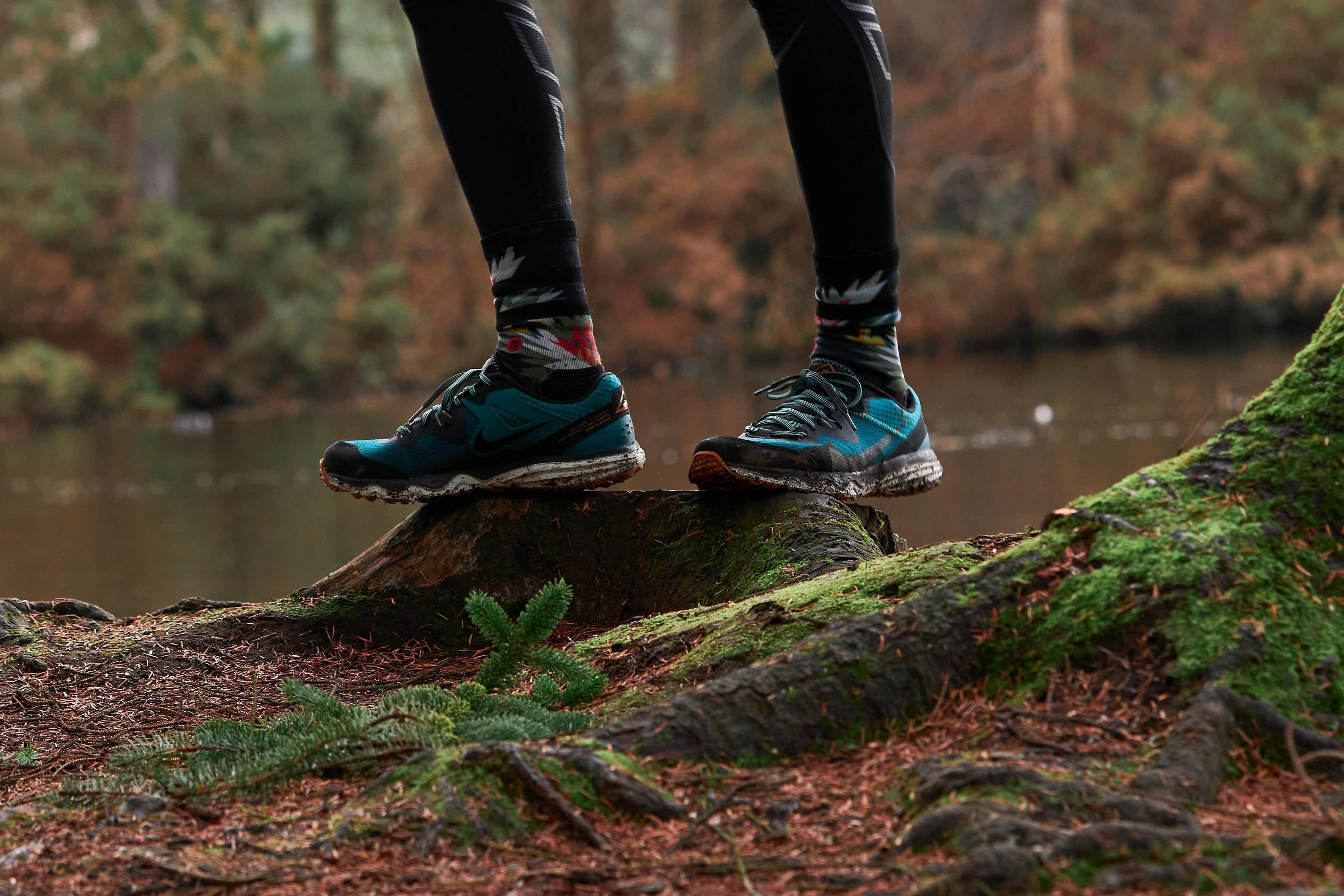
Of course, this does not mean that some shoes with 3.7mm lugs won’t do well or that other shoes with 4.2mm lugs might be a bad idea for mud. Other factors play a role.
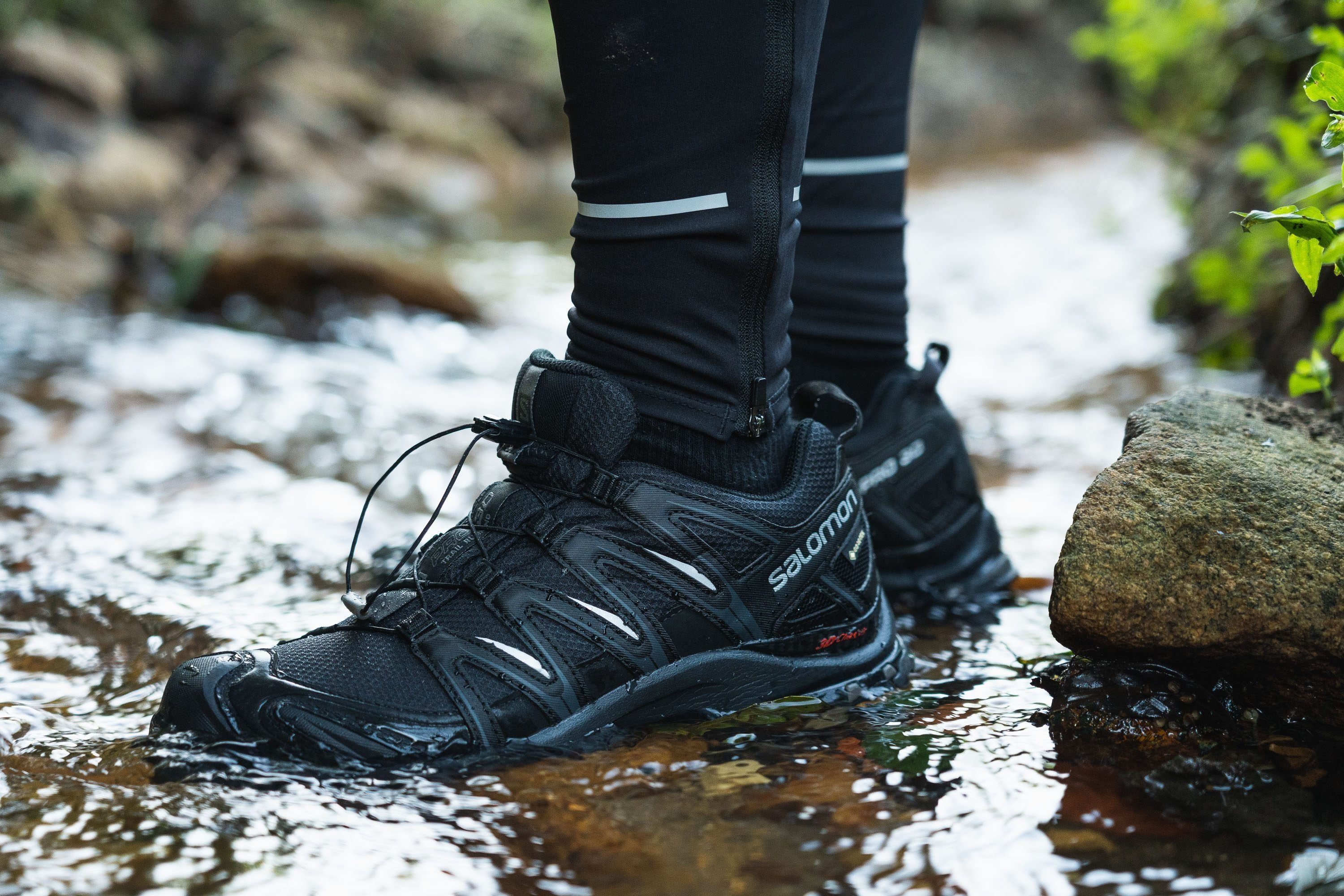
Ideally, we’d look for a superb lockdown, no extra bulk, and a platform that is not overly flexible. To be fair, most of the mud-specialised shoes deliver on all those fronts!
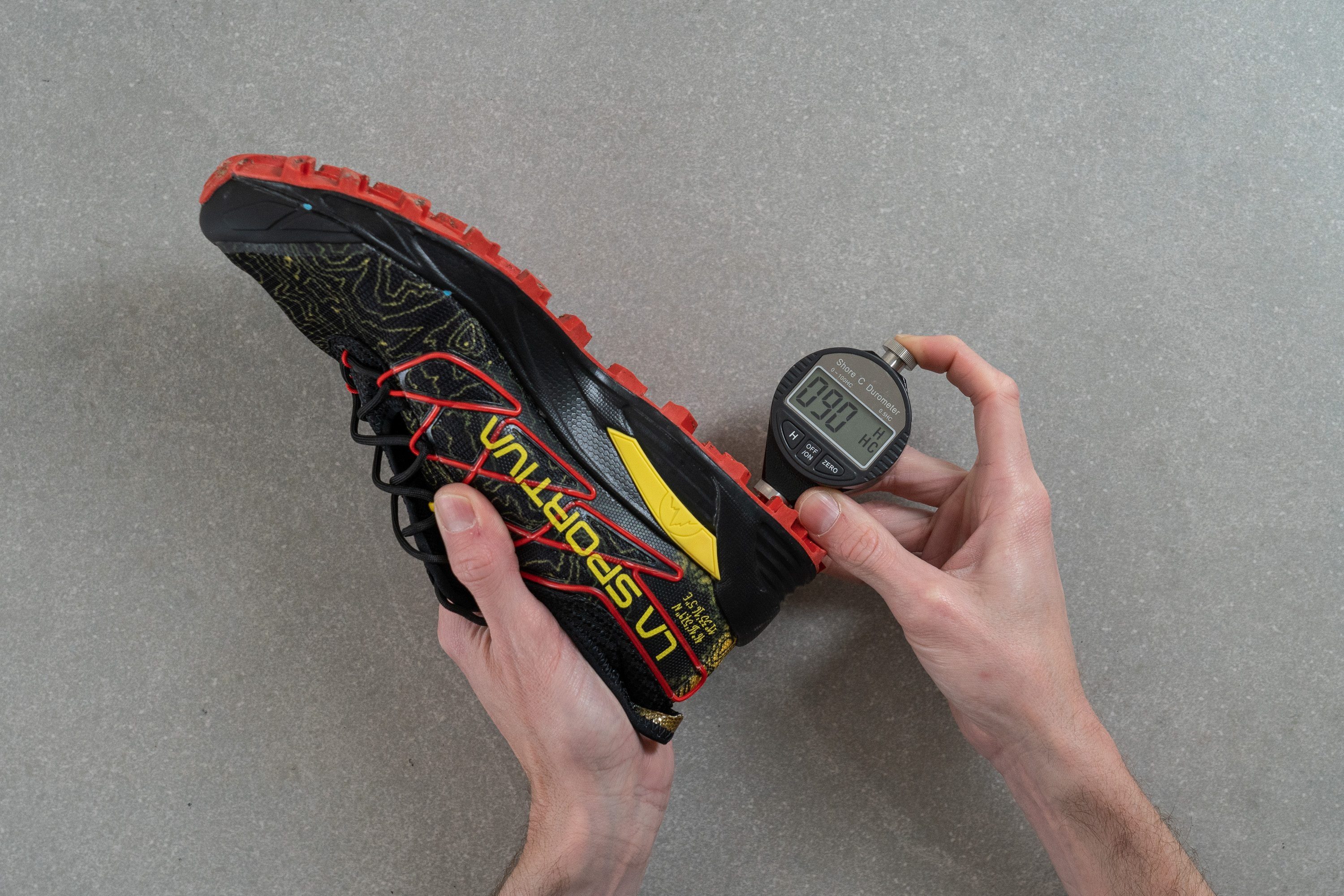
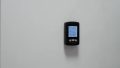
Next, we use a shore C durometer to measure the hardness of the outsole rubber. For mud, we’d look for somewhat softer rubber as it’s stickier. However, softer rubber is also less durable and more flexible.
Mixed terrain advice: mud and rocks
If the terrain is mixed, you want to check 2 things: 1) the durability of the outsole and b) whether the shoe has a rock plate.
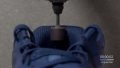
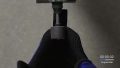
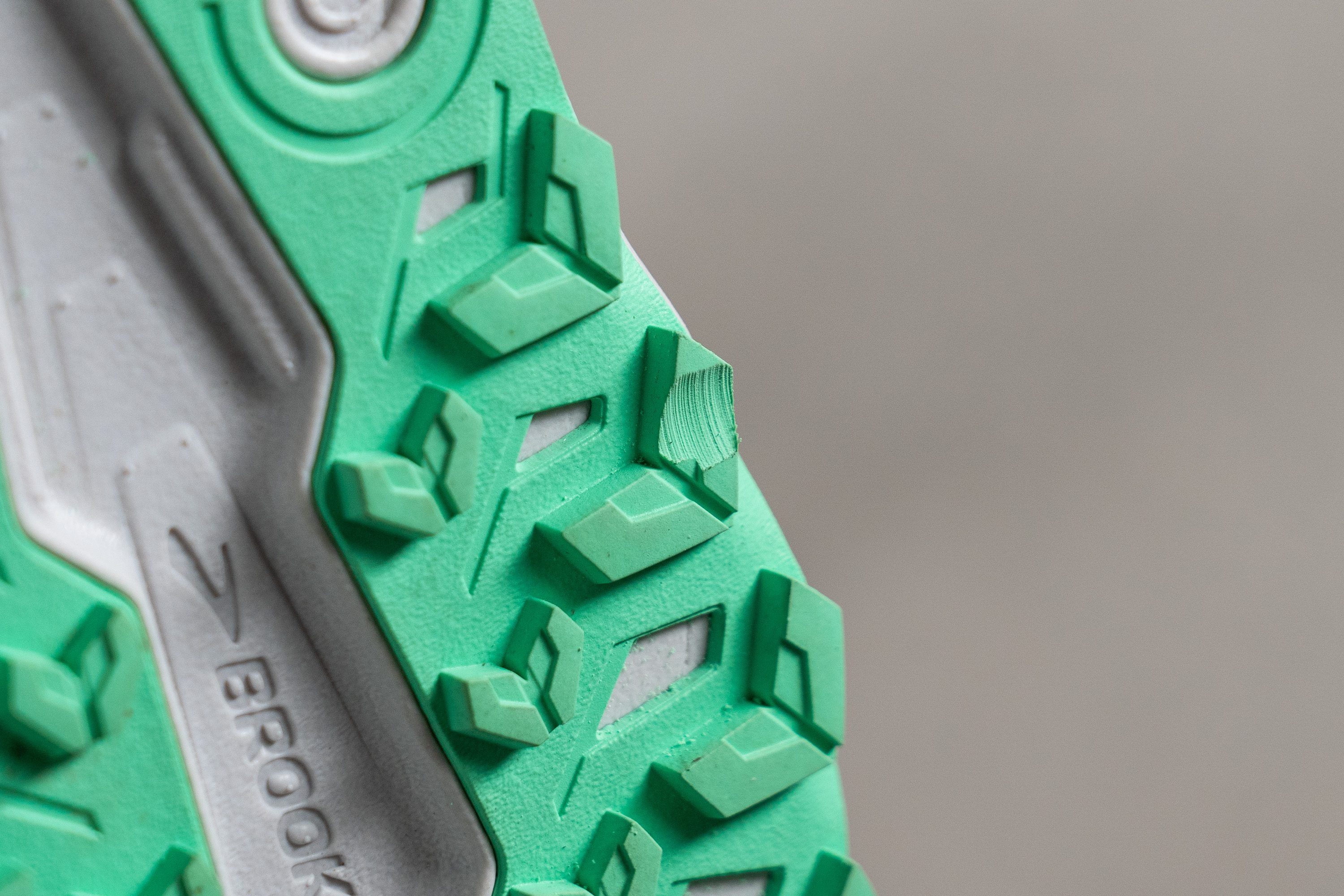
The durability of the outsole is actually one of our lab tests. We press a dremel against the outsole, always at the same force, RPMs, and duration, and then look at the outcome.
The dent that the dremel has made is what we measure to assess durability. Deeper dents indicate less durable outsoles, just like shallower dents indicate more durable rubber.
The rock plate is a great feature that adds extra protection to your feet when running on sharp rocks. It’s not a rare addition to the trail shoes. Some Altra trail shoes, for example, have a rock plate (or StoneGuard) shaped like an insole that can be added or not between the insole and the midsole.
Upper: breathable or waterproof?
This completely depends on the terrain and weather conditions.
|
Choose breathable mud shoes if: |
Choose waterproof mud shoes if: |
|
The water levels might be too high, and the water can get inside of your shoes. In this case, look for quick drainage and breathability. |
The water levels are low, so the water can’t get inside your shoes. Otherwise, it will stay there! |
|
You’re running in warm weather |
You’re running in cold weather |
|
You’re running long distances. Better to prioritise breathability |
You’re running shorter distances when it’s ok to have not that breathable shoe |
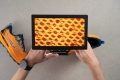
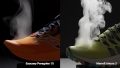
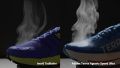
To test the breathability of the shoe, we pump the smoke into it and look at where the smoke comes out and at which pace. Based on this observation, we rate the breathability on a 1-5 scale, where 1 is the least breathable and 5 the most breathable.
We also look at the uppers under the microscope to understand better what’s going on.
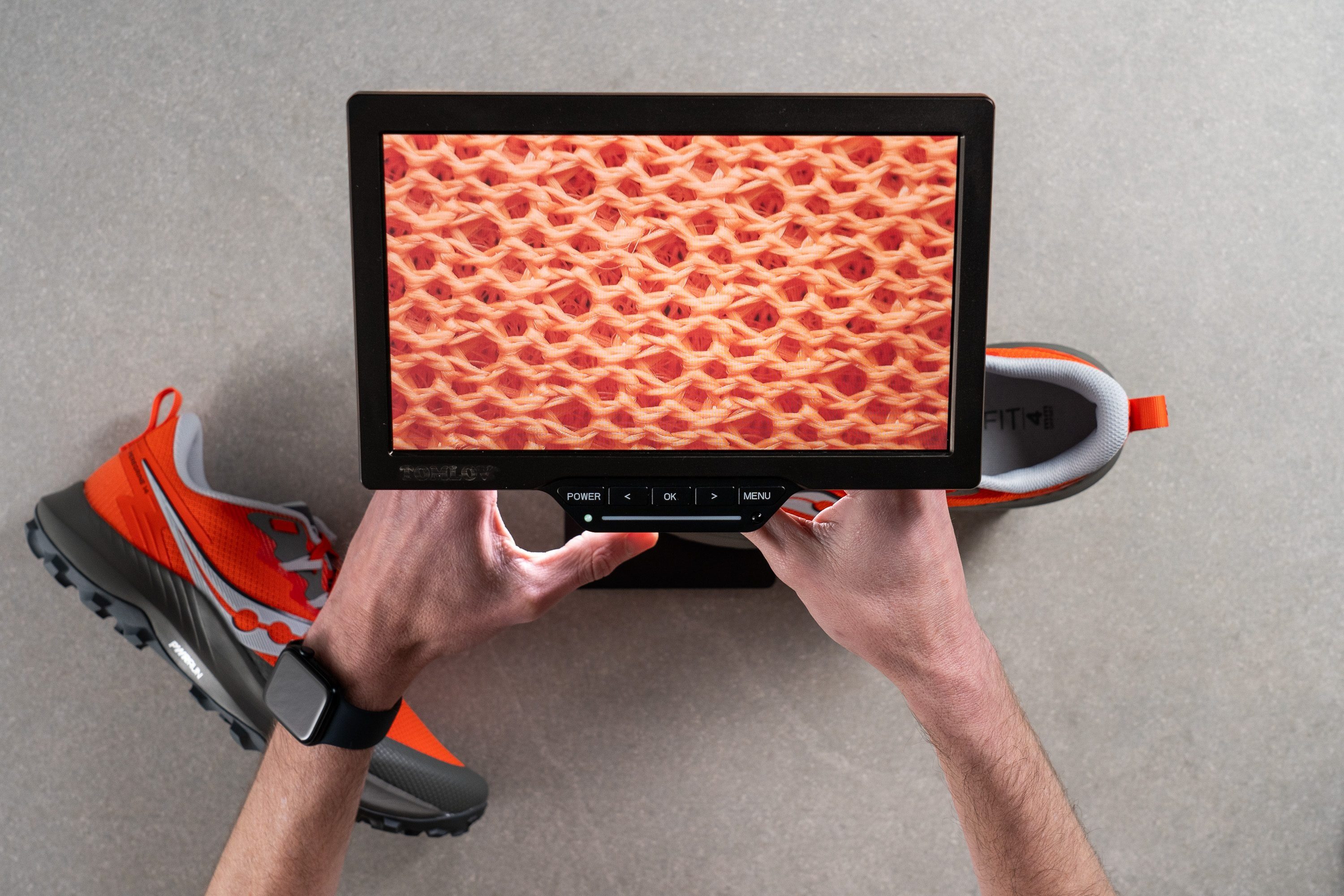
Breathable uppers usually have a more loose structure with noticeable ventilation holes, while waterproof uppers have a very tight structure with no vent holes.
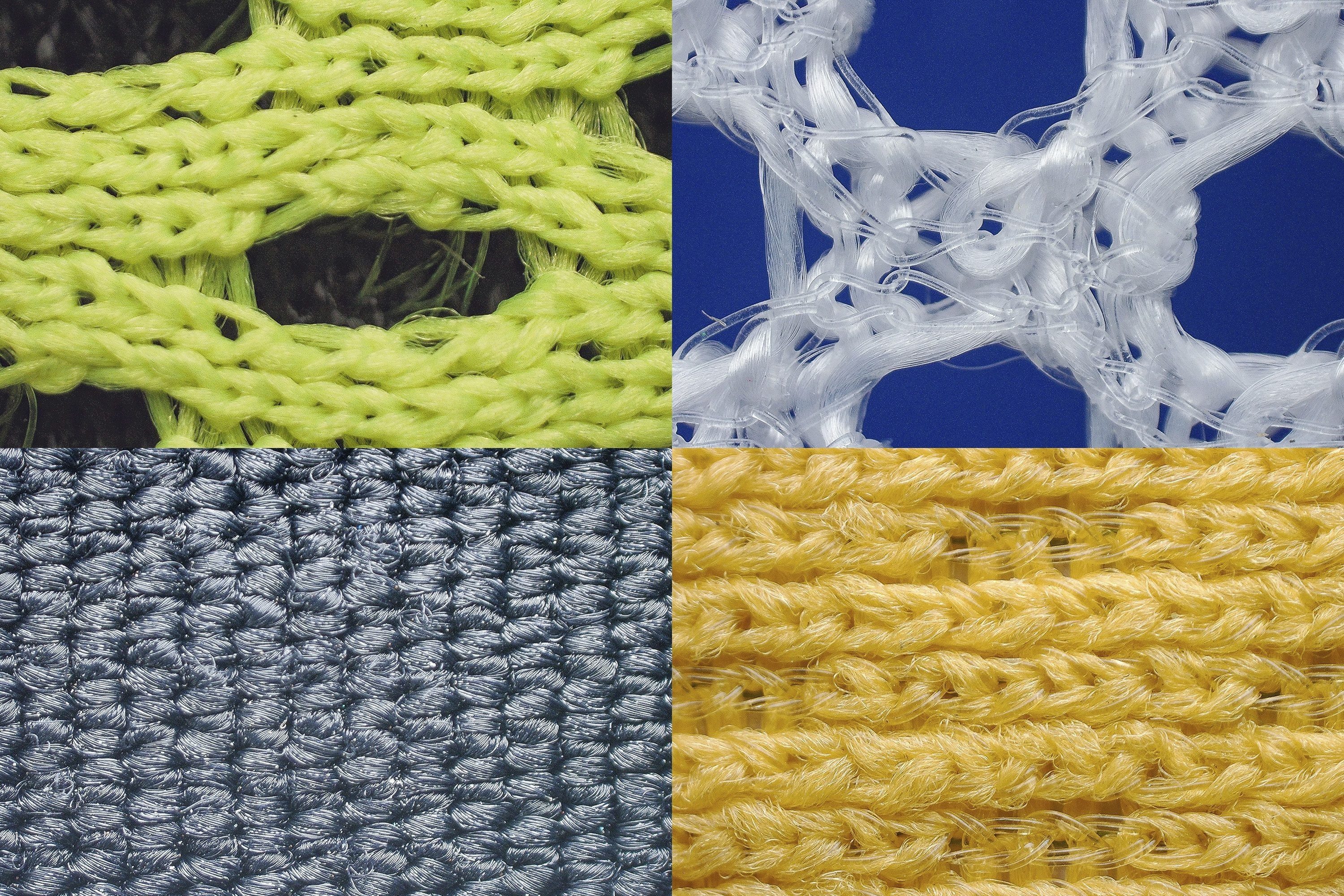
In the world of waterproof running shoes, Gore-Tex membrane is by far the most popular one. There are other waterproof membranes on the market as well, and brands always promote that feature, so you can’t miss it.
Little extra for mud running shoes
There are some details worth paying attention to: 1) waterproof gaiters, 2) gusseted tongues, and 3) heel collars.
First, if you intend to run in very wet weather with a lot of rain or running through the high wet grass, consider getting waterproof gaiters. They will keep the water on the outside which is great especially when it pours down your legs.
Second, shoes can have non-gusseted tongues, semi-gusseted tongues and gusseted tongues. It’s all about whether the tongue is attached to the both sides of the upper under the eyelets (gusseted), attached only to the 1 side (semi-gusseted), or free (non-gusseted).
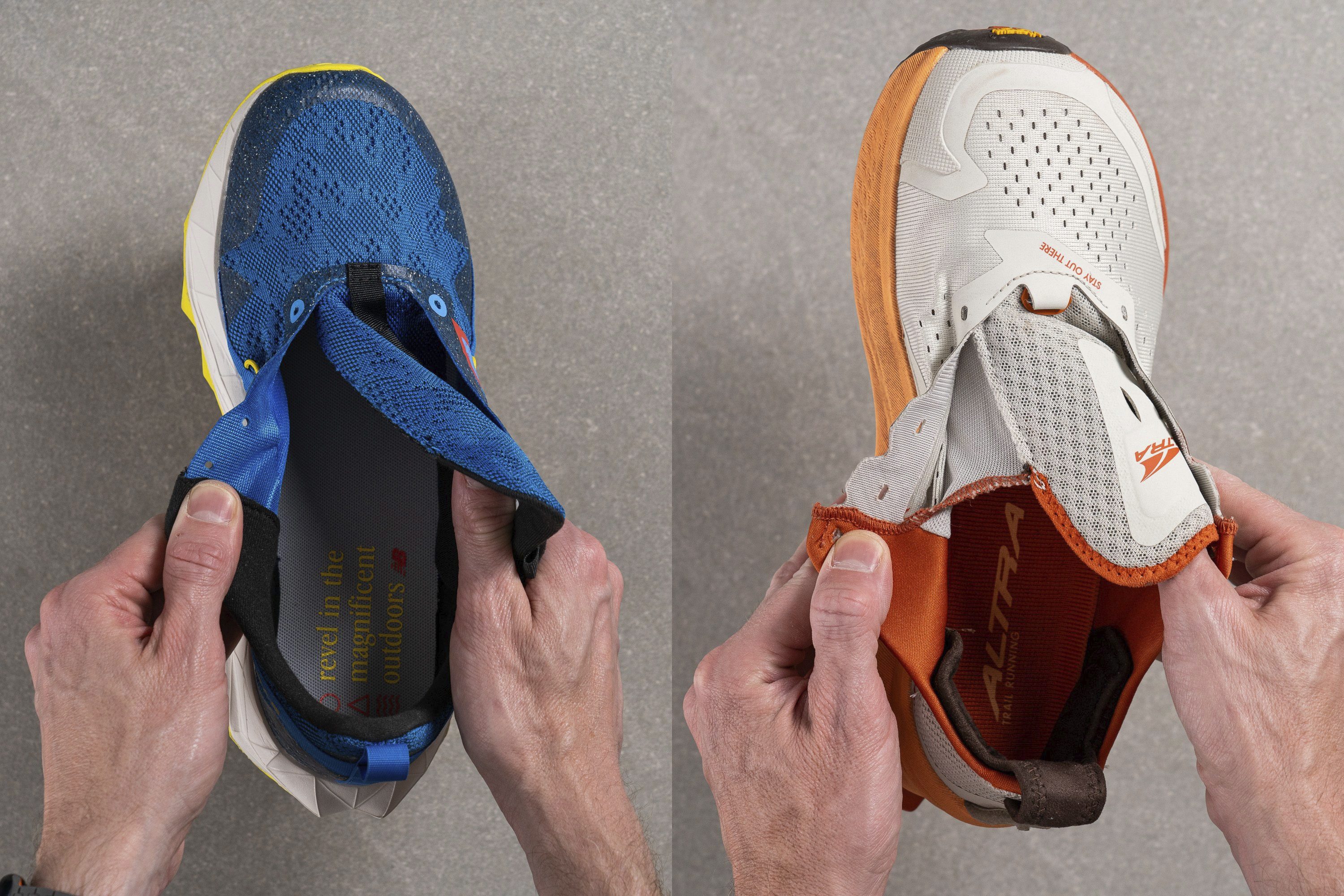
Gusseted tongues keep the debris out and help with waterproofness, of course. But, they also lower the breathability rating. It’s on you to decide what’s a priority.
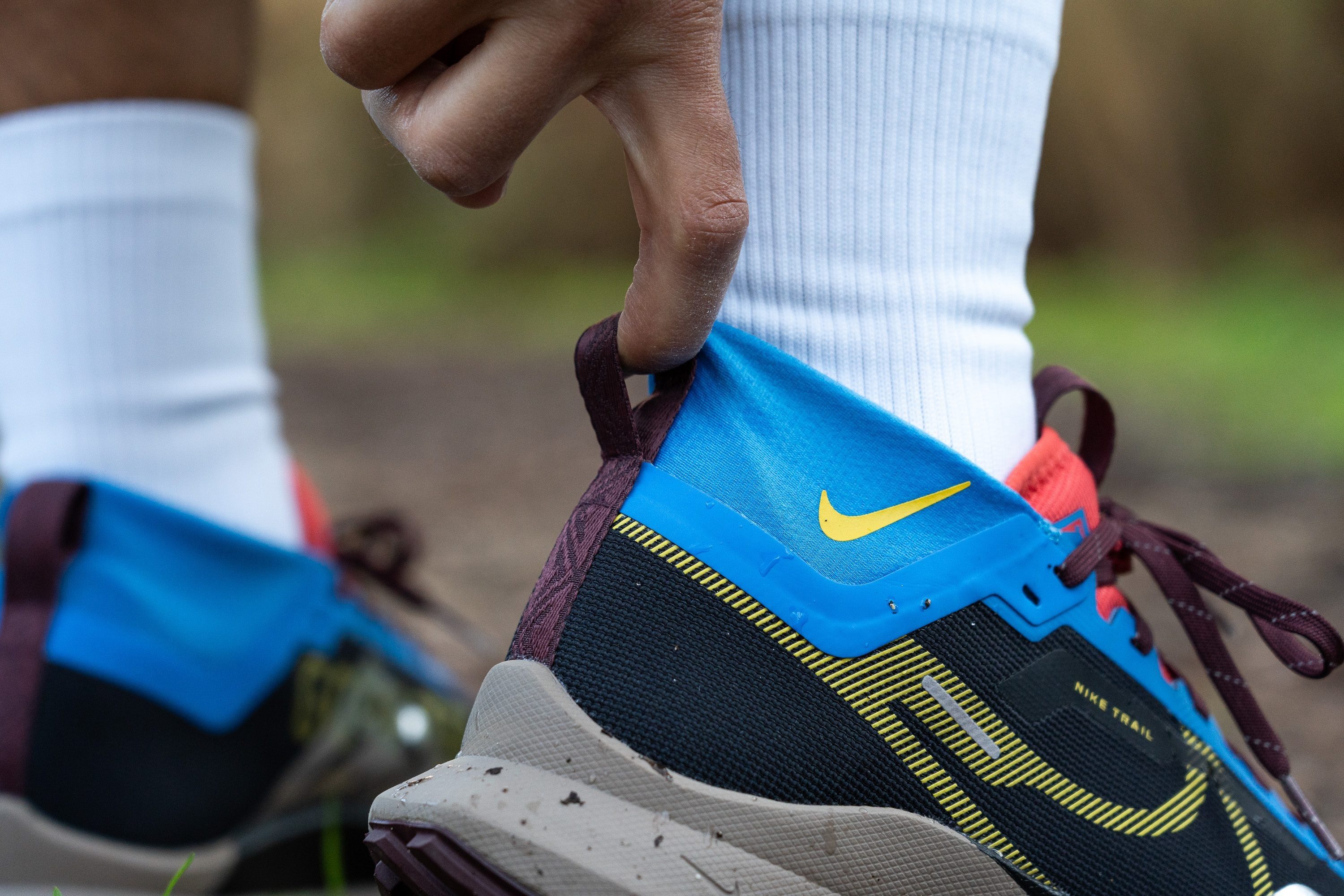
Third, if you’re really bothered by the debris getting inside the shoes, you can look for mud shoes with a sock-like or gaiter-like heel collar. Sitting on the skin, such heel collar helps with anti-debris action.
Similar buying guides