5 Best Cheap Nike Running Shoes in 2026

We buy shoes ourselves. We earn commissions when you buy through us, at no extra cost. Why trust us
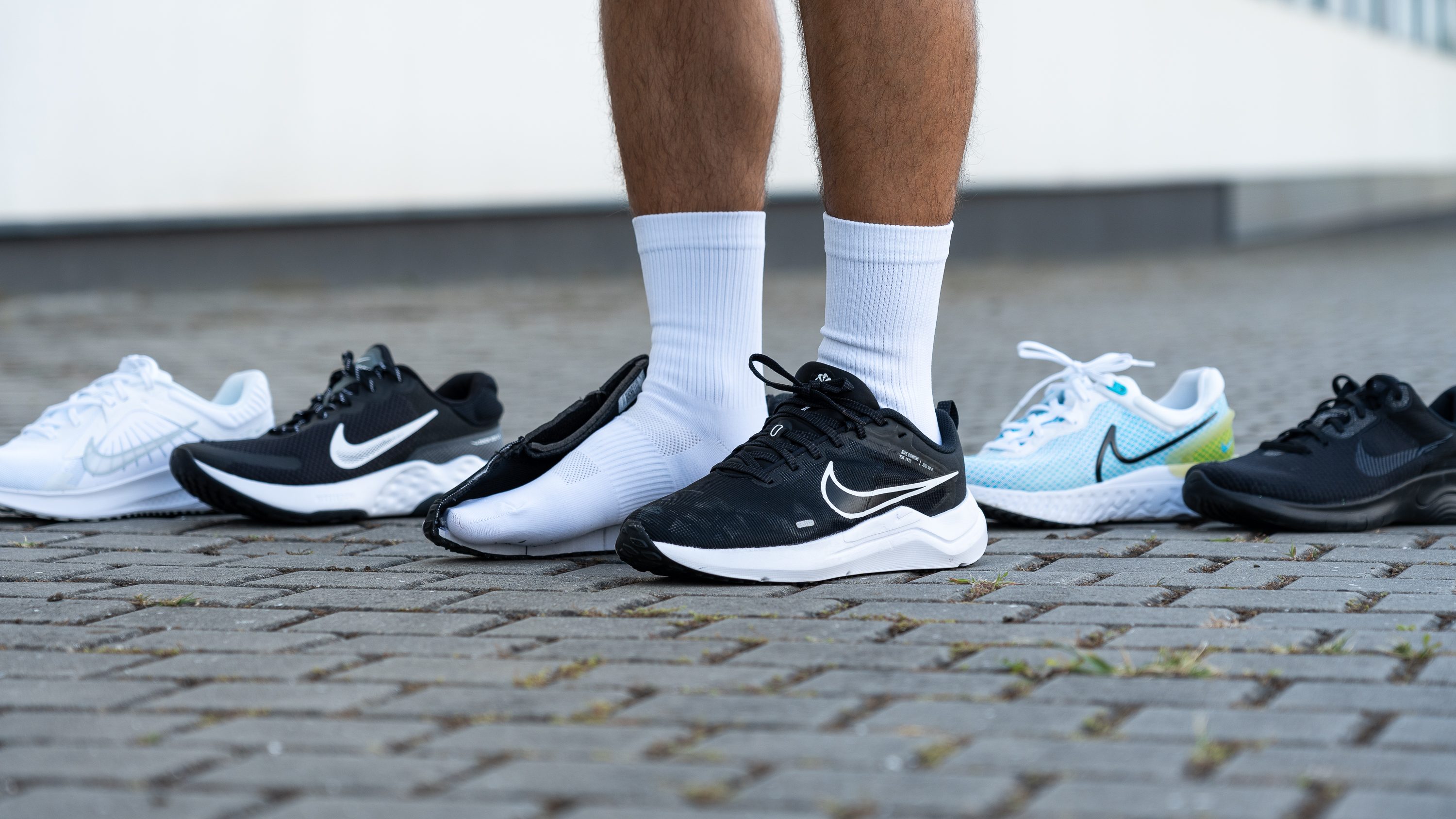
What makes Nike running shoes cheap? They cost less than £100. But how is Nike able to produce shoes at those prices? It’s important to know where they cut corners and how that reflects on the shoe’s performance and the value they bring to you. It’s exactly what we explain in this guide.
For those who don’t want to get this in-depth knowledge but want to find out here and now which cheap Nike shoes outperformed the rest, we highlighted the top picks in different categories.

How we test cheap Nike running shoes
All the shoes in our lab are tested the same way. The tests are standardised, and so are the testing conditions (temperature and humidity are kept at the same level, both in the lab and in our storage facility).
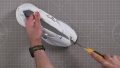
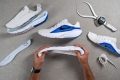
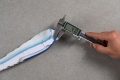
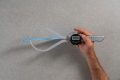
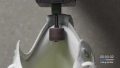
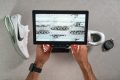
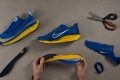
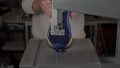
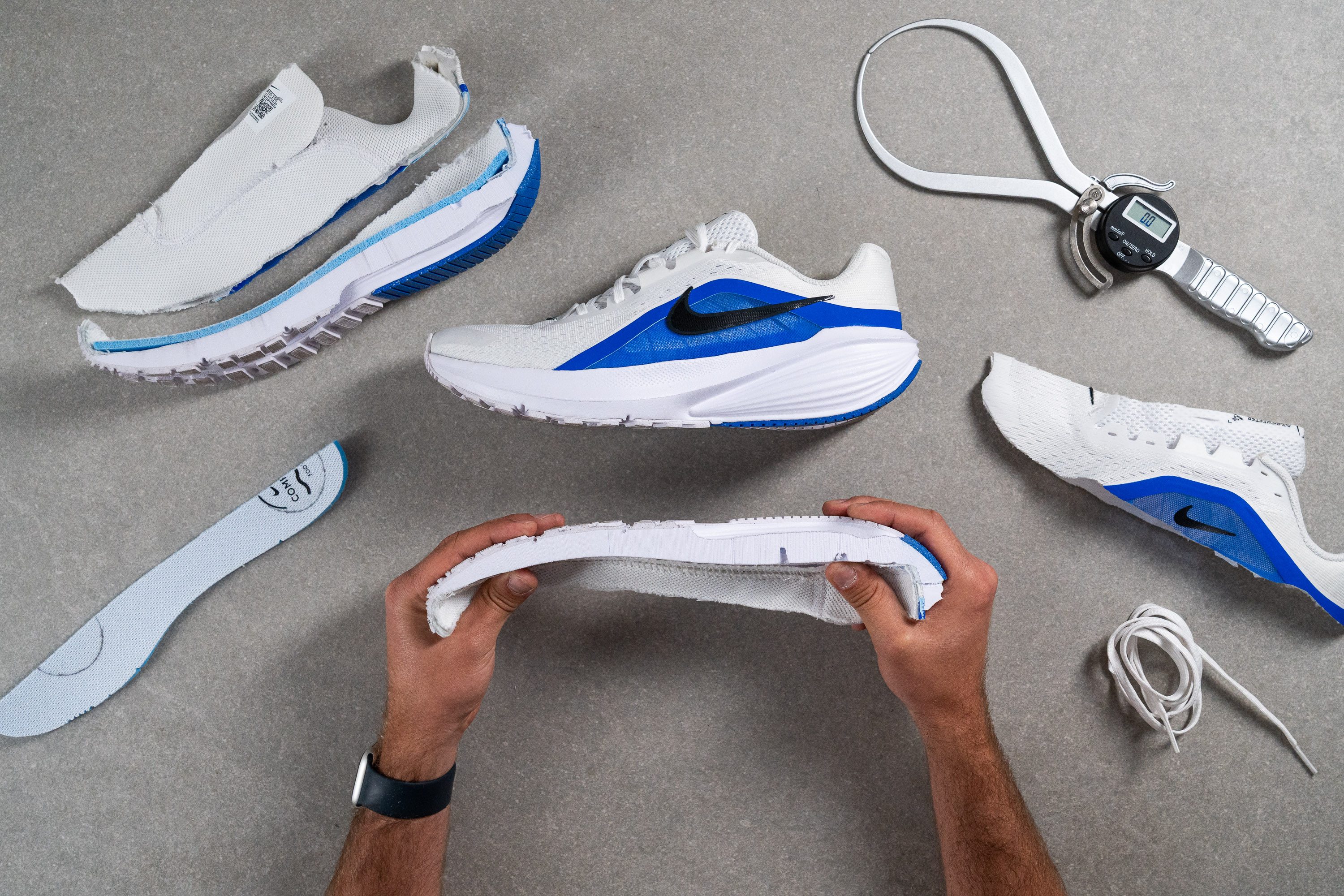
However, when it comes to cheap shoes, we love uncovering where the money was saved: is it the cheaper foam? Is its shock absorption ridiculously low? Is the insole thin and flimsy? How durable is the upper? We answer these and many more questions using durometers, callipers, and specialised machines. We end up with more than 30 data points that describe each shoe. On top of that, we run in the shoes and combine our field-testing experience with the lab data for the final verdict.
We publish all our findings on the website. The best thing is: we also compare the findings to those of other shoes (and you can choose which shoes those are!) and to the category average. This gives you a great context and the option to find what works exactly for you.
Best Nike cheap running shoes overall
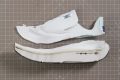

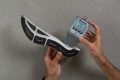
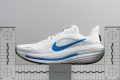
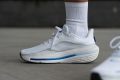
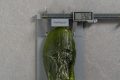
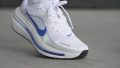
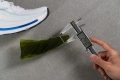
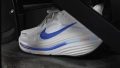



What makes it the best?
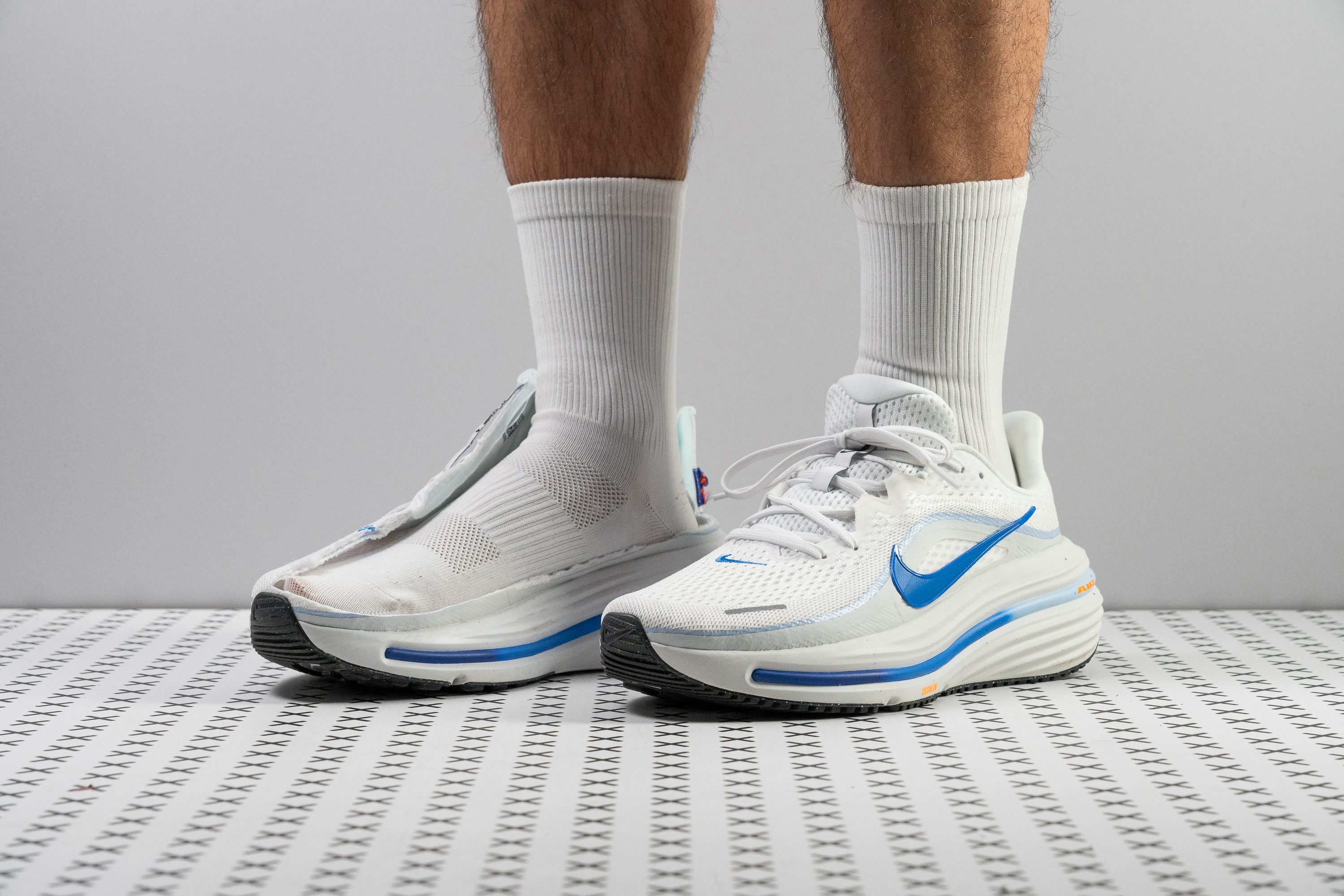
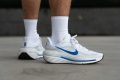
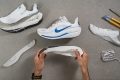
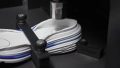
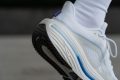
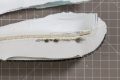
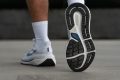
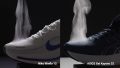
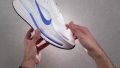
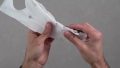
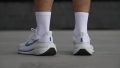
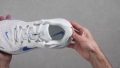
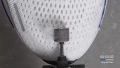
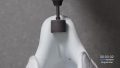
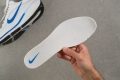
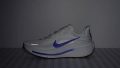
At £100, Winflo 12 is a steal vs. the £120 average Nike trainer. For a budget-friendly shoe, it surprisingly delivers comfort with its plush cushioning, further enhanced by the Air unit in the heel. Plus, its breathability and stability make it a reliable trainer for prolonged use—making it our top cheap Nike running shoe.
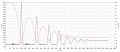
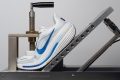
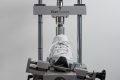
Winflo 12 doesn’t hold back and houses a velvet foam that’s 6% more protective than average in the heel, as per our shock absorption test. Not only is it soft, but it also rises to a generous height of 40.9/30.3 mm for gentler landings. To counter the mushiness, the Air unit in the rear provides subtle energy return for efficient turnover, scoring an impressive 61.0% in our energy return test.
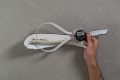
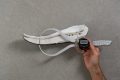
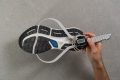
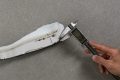
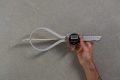
To ensure our safety, Winflo 12 creates a sure-footed ride through its broad 122.2/104.4 mm platform. It's hard to go over the shoe since it’s much more spacious compared to the 114.6/90.9 mm average.
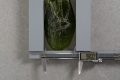
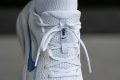
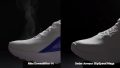
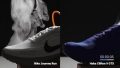
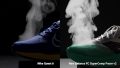
Winflo 12’s upper offers both padding and breathability. Despite its thick nature, it still earned a high 4/5 breathability score in our smoke test, ensuring humid weather and blisters can’t stop us from running.
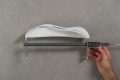
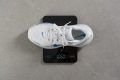
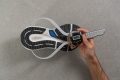
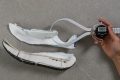
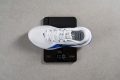
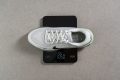
Unfortunately, Winflo 12 feels heavy, and our scales confirm it’s 10.6 oz (301g). If agility is high on the list, we suggest exploring other options.
Pros
- Excellent value
- Improved shock absorption
- More bounce than previous Winflo
- Very stable
- Plush ride
- Durable outsole rubber
- Comfy upper with good ventilation
- Works for long runs!
- Works for long runs!
Cons
- Heavy build
- Small price bump
- Not a good option for fast running
Cheap Nike running shoes with the best durability



What makes it the best?
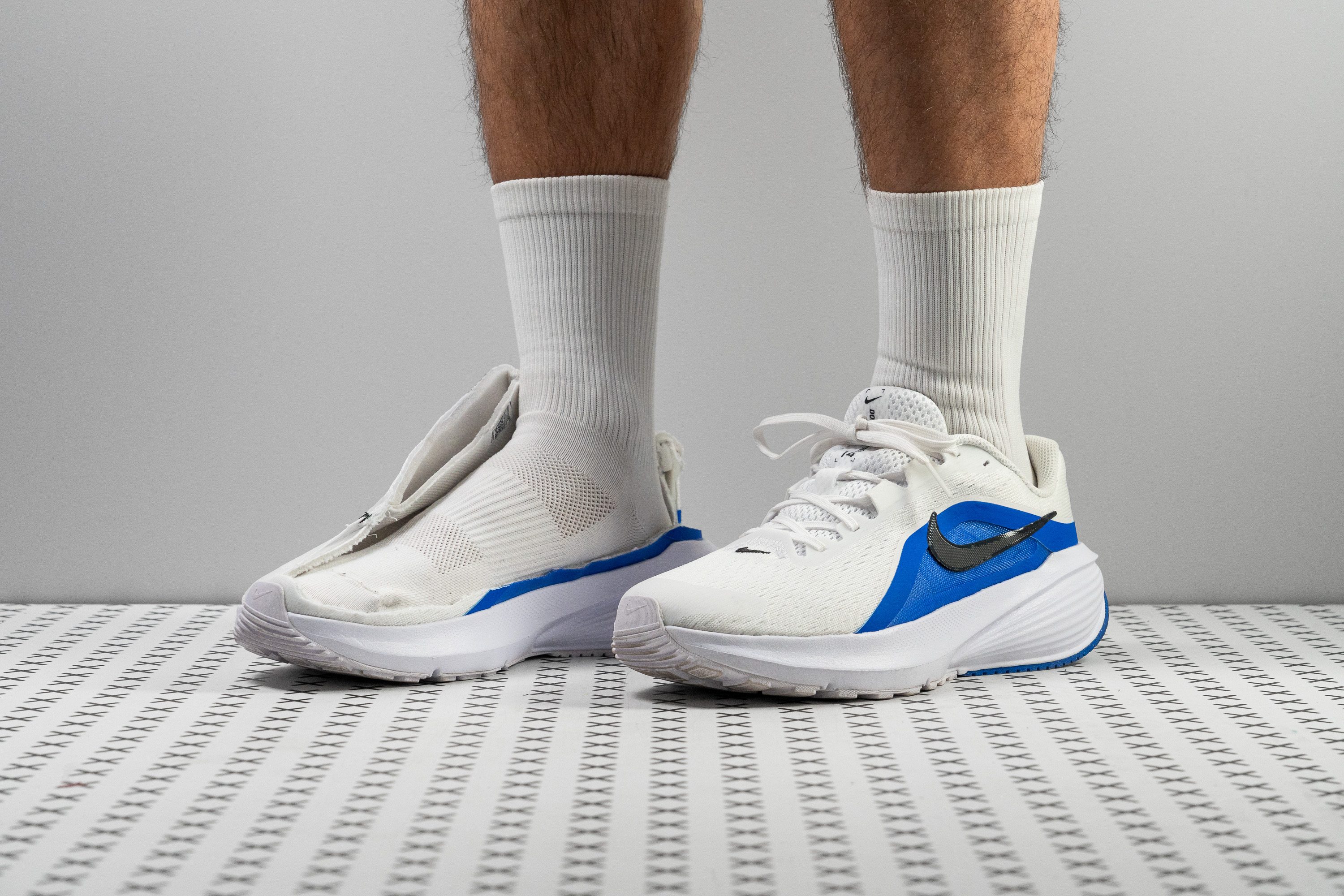
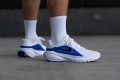
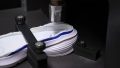
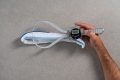
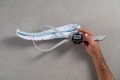
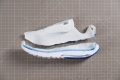
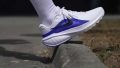
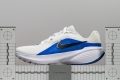
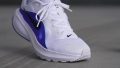
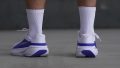
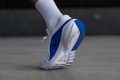
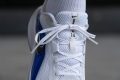
The Nike Downshifter 14 is a great choice for casual runners or those on a budget. It costs only £70, 49% below the average road running shoe, and performed well in our flexibility and Dremel tests in the lab. For its accessible price, it impressed us most with the best durability among Nike cheap running shoes.
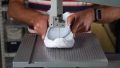
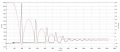
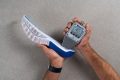
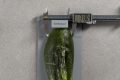
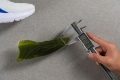
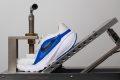
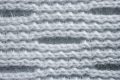
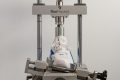
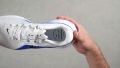
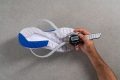
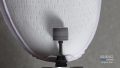
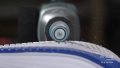
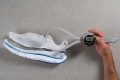
First, we tested the toebox in our abrasion test, and it received a solid 4/5 toebox durability rating. Turning the shoe over, we tested the outsole as well. Our Dremel only caused 0.8 mm of damage, which makes it 27% more durable than the average sneaker in our lab. And with a thick 4.1 mm of rubber to burn through, Downshifter 14 can handle the abuse of daily use.
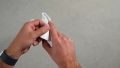
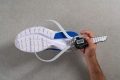
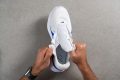
The midsole also keeps the experience effortless and comfortable by maintaining high flexibility. In our bend test, Downshifter 14 emerged 27% more malleable than average, making it versatile for other activities such as walking and gym workouts.
However, we lost confidence in wet and slippery conditions. If traction is a top priority, we suggest investing in other models.
Pros
- Ultra-affordable price
- Durable outsole
- Comfortable and plush upper
- Versatile enough for multiple activities
- Smooth heel transitions
- Flexible build
- Great option for cold weather
- Greatly improved traction
- Insane value
Cons
- Too heavy for its size
- Narrow fit
- Heel rocker can feel awkward
- Low breathability
Best cheap lightweight Nike running shoes





What makes it the best?
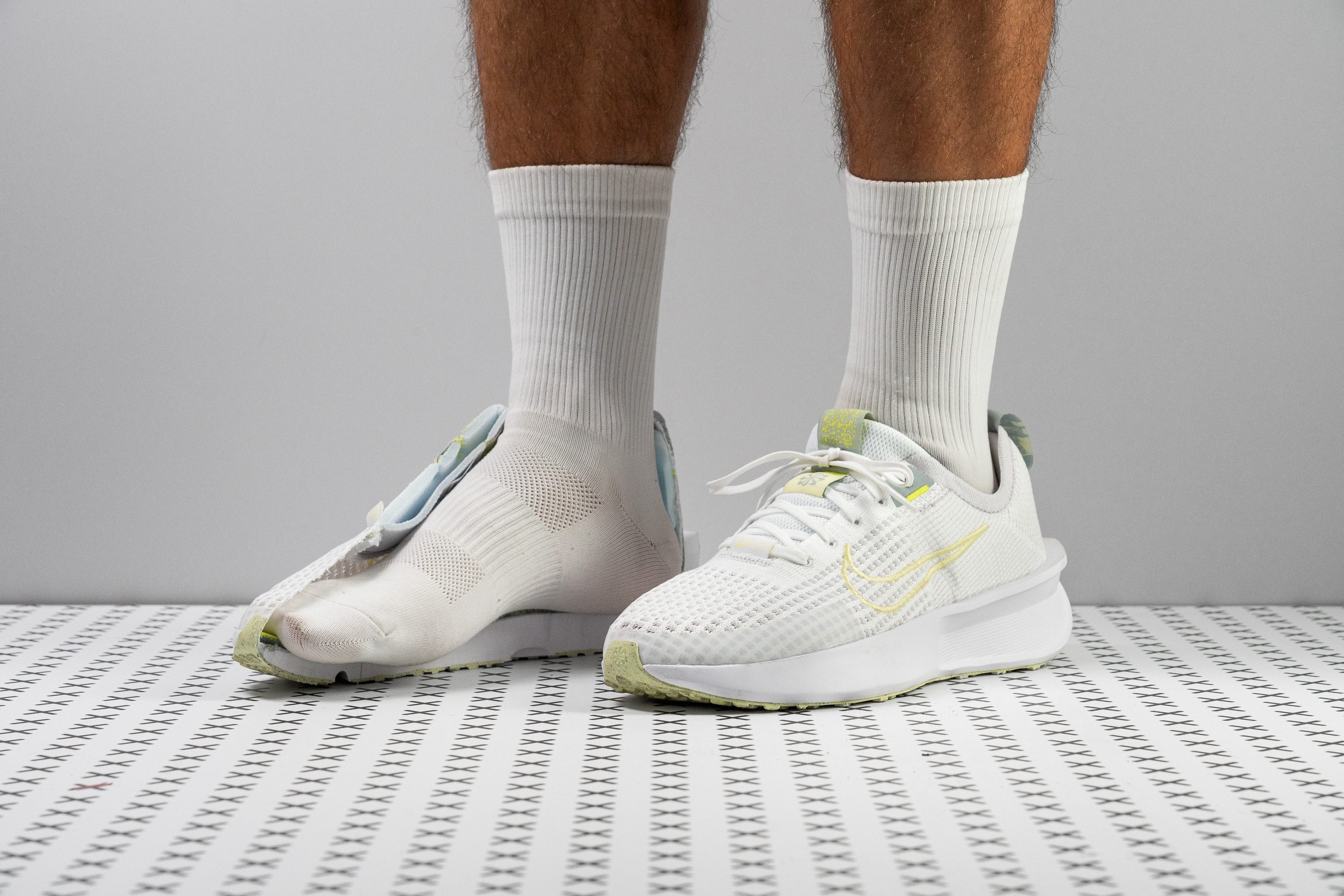
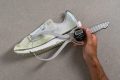
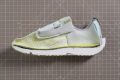
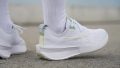
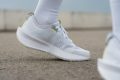
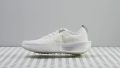
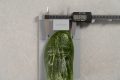
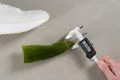
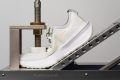
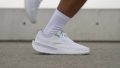
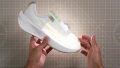
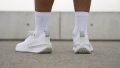
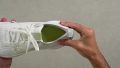
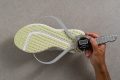
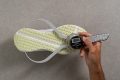
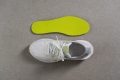
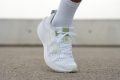
For only £80, we didn’t expect much responsiveness from the Nike Interact Run, but it actually surprised us with impressive rebound scores and a premium Flyknit upper in the lab. With its minimal, unassuming build, it’s our best lightweight Nike cheap running shoe.
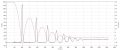
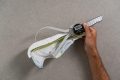
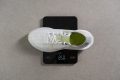
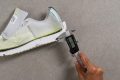
Interact Run has an airy build that boosts our agility, confirmed by its low 8.5 oz (241g) reading on our scale. It had a good bounce that kept us going during our runs. In our energy return test, it achieved remarkable scores for its category, with 54.2% in the heel and 58.5% in the forefoot.
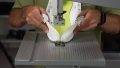
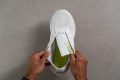
Comfort is highlighted in its fluid midsole that allows us to move with minimal resistance. In our bend test, Interact Run emerged 17.1% more flexible than the average.
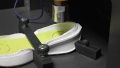
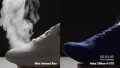
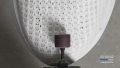
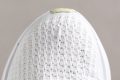
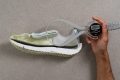
Its plush yet breezy Flyknit upper seals the deal, offering a premium experience at an affordable price. The material is dotted with ventilation holes and achieved the maximum 5/5 breathability score in our smoke test. It also smashed our durability test with a perfect 5/5 rating, a rare combination in the lab!
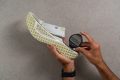
Unfortunately, Interact Run lags in terms of traction, and the low 0.21 result reflects it. Those who face wet conditions often will struggle and should go for another pair.
Pros
- Ideal for hot climates
- Perfect for everyday life
- Exceptional comfort
- Fantastic value
- Great for beginners and heel strikers
- Flyknit upper under $100!
- Really lightweight
- Upper durability
Cons
- Not very bouncy
- Outsole lacks grip
- Only for short and easy runs
Cheap Nike running shoes with the best stability
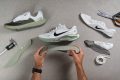
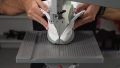
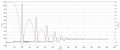
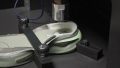



What makes it the best?
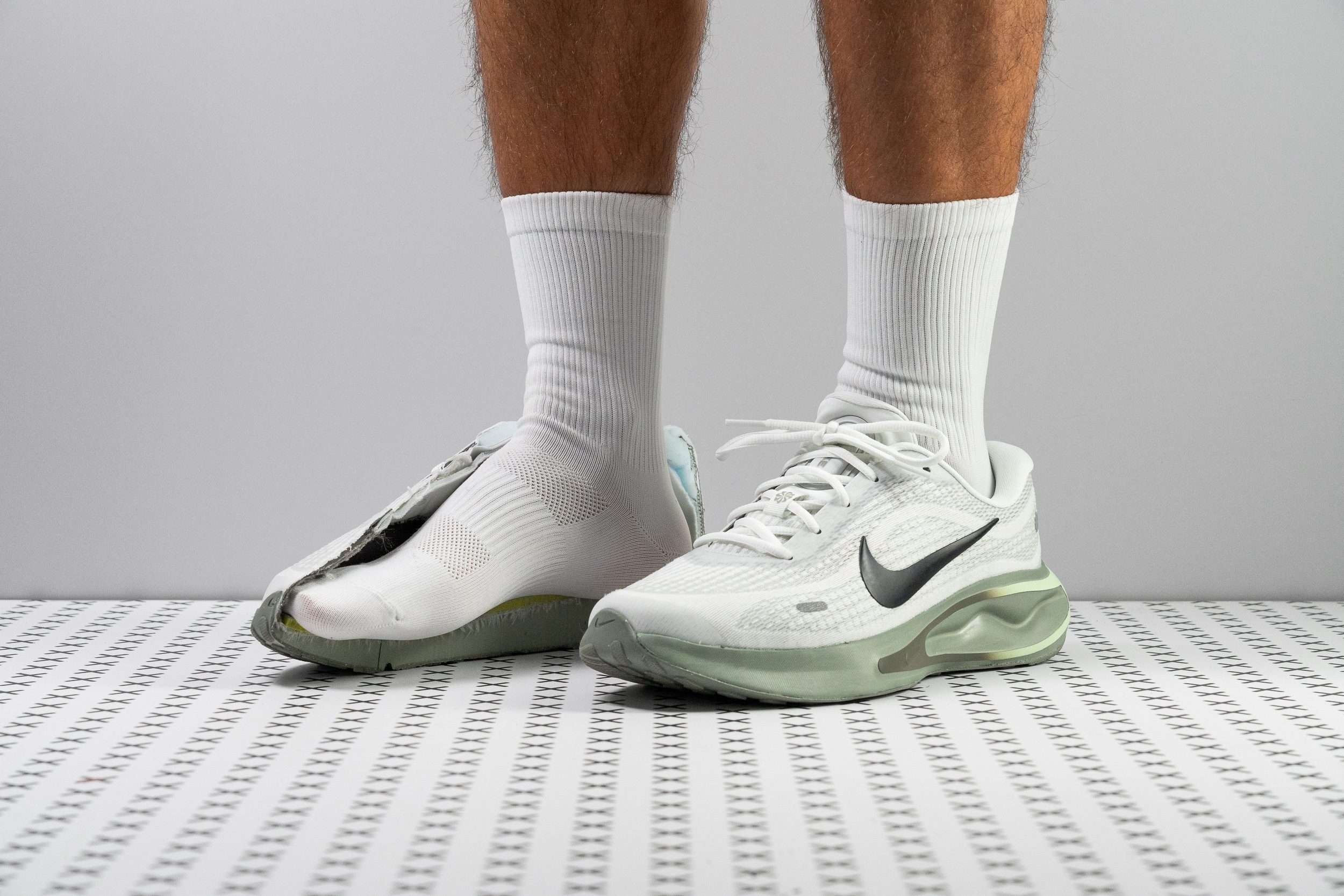
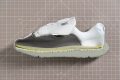
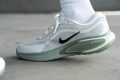
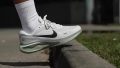
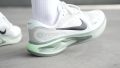
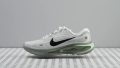
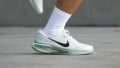
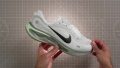
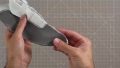
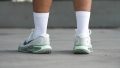
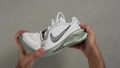
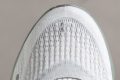
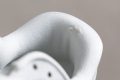
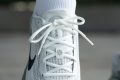
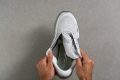
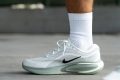
Post-testing, the Journey Run is a crowd favourite among Nike’s cheap running shoes because of its dependable stability. At only £80, it’s 30.2% cheaper than the average of our lab-tested Nike trainers. It offers versatility for activities beyond running and remarkable support for its price.
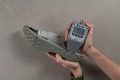
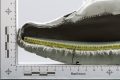
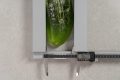
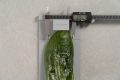
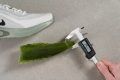
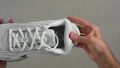
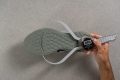
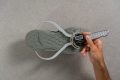
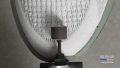
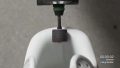
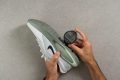
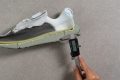
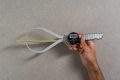
What we immediately noticed upon our first slip-on is the slightly broad base, sturdy foothold, and firm cushion, all of which contribute to a more stable ride. Our calliper confirms above-average widths, particularly in the 117.0 mm forefoot vs. the 114.3 mm average. The shoe offers high resistance to twisting, as seen in its maximum 5/5 torsional rigidity score.
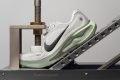
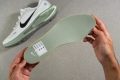
Meanwhile, our shock absorption test shows a strong ground connection, with below-average ratings of 107/94 SA. We feel the shoe is supportive enough for those with mild stability needs, which adds value beyond its price.
Complementing the tougher underfoot is a free-flowing midsole that bends easily to our demands. This boosts comfort and makes Journey Run versatile enough for walks, gym workouts, and other activities. Our bend test confirms it’s as adaptive as the average running shoe (15.3N).
Our lab tests show the Journey Run’s minimal impact protection and energy return may not be enough for more serious runners tackling longer distances or faster runs. This shoe is ideal for beginners and casual runners.
Pros
- High-quality upper
- Exceptional value
- Rock-solid stability
- Perfect for new runners
- Feels lighter than it seems
- Doubles as an everyday shoe
- Reliable lockdown with gusseted tongue
- Good breathability
Cons
- Minimal energy return
- Not as soft as marketed
- Not roomy at all
- Not roomy at all
Cheap Nike running shoes with the best traction


What makes it the best?
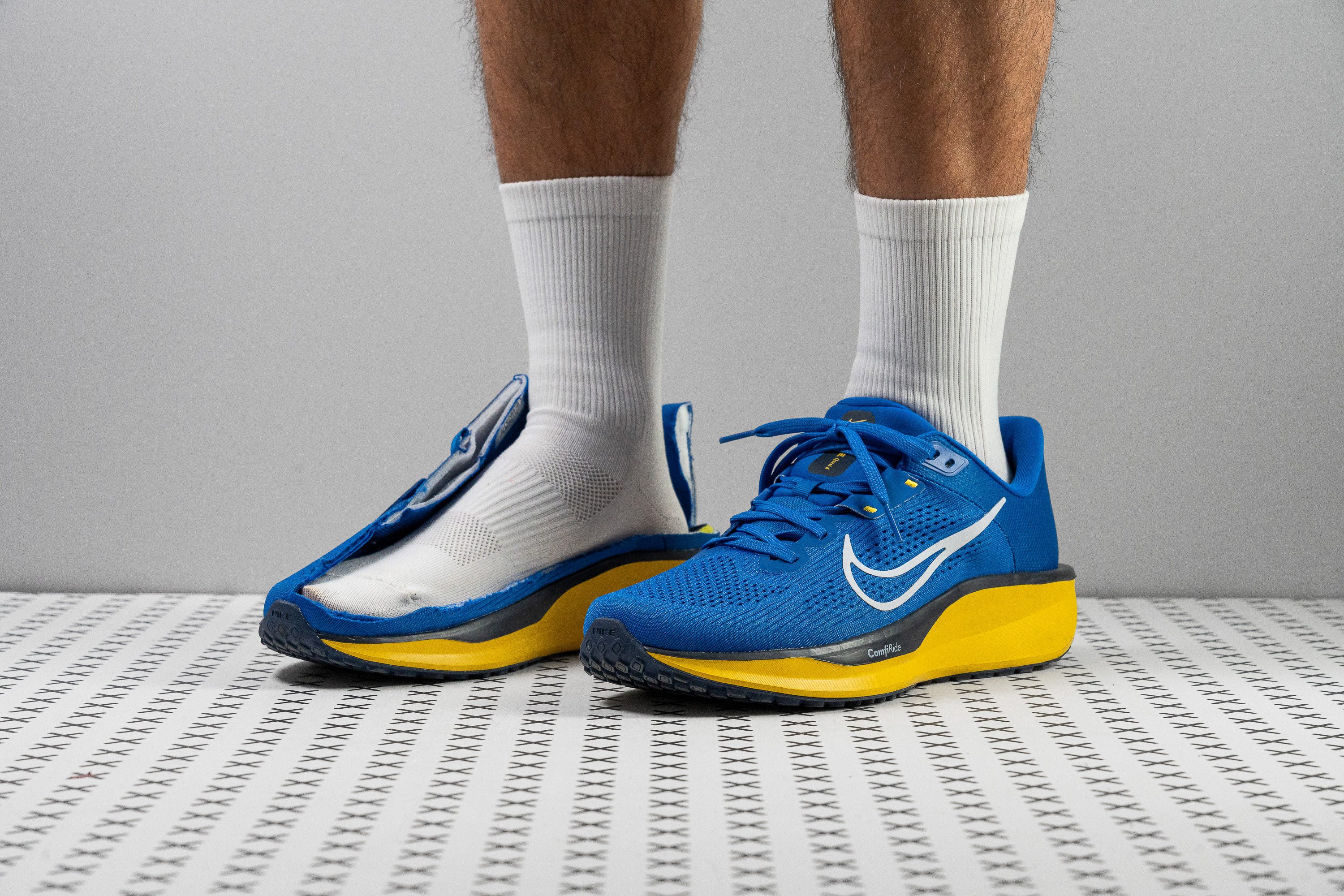
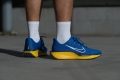
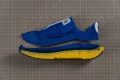
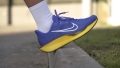
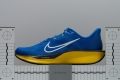
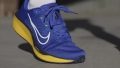
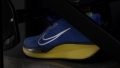
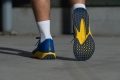
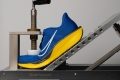
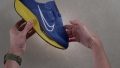
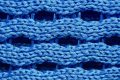
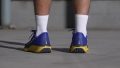
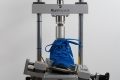
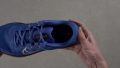
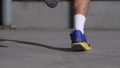
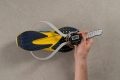
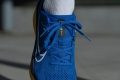
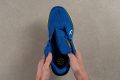
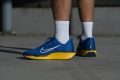
While most Nike running shoes in our lab average £120, the Quest 6 stands at an attractive £80 price point. Its well-balanced cushioning feels stable yet protective for heel strikers, the flexible ride keeps us nimble, and the grippy, durable outsole delivers strong value for money. Ultimately, it’s our best traction running shoe from Nike’s budget-friendly lineup.
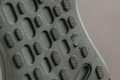
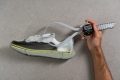
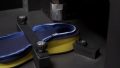
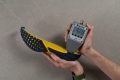
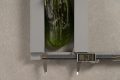
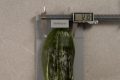
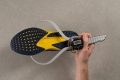
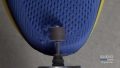
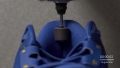
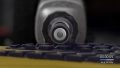
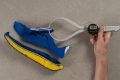
Underfoot, we measured the outsole’s traction at 0.44, which confirms its reliability during our runs on wet and dry surfaces. Its design includes small lugs arranged in Nike’s waffle-inspired pattern. We tested for the rubber’s wear resistance using our abrasive Dremel, and it bravely resisted with only a minor dent of 1.0 mm, proving its longevity.
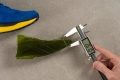
For such an affordable price tag, Quest 6 offers a well-balanced ride with its cushioning. The forefoot is at a moderate 23.2 mm to improve control and ground feel, while the heel is more long-distance ready at 35.2 mm.
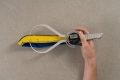
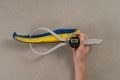
What keeps us agile is the flexible midsole. Our bend test confirms it’s 3.9% more adaptive than average, boosting both agility and comfort.
However, it features a substantial 12.0 mm offset that will only feel more natural for rear strikers. Runners who don’t associate with features of this should find a pair with a lower drop.
Pros
- Affordable and beginner-friendly
- Solid cushioning for heel strikers
- Versatile for everyday use
- Classic, easy-to-run geometry
- Wide forefoot base improves stability
- Strong durability in all tests
- Improved grip from version 5
- Comfortable upper
Cons
- Modest energy return and firm foam
- Steep heel-to-toe drop
- Slight weight increase
- Minor price bump
What makes Nike running shoes cheap?
Cheap running shoes from Nike have an MSRP (manufacturer’s suggested retail price) of less than £100. That’s the price when they are released; we are not talking about more expensive shoes being discounted. There are a few things that the brand does to make the shoes cheaper:
- Using EVA foam instead of ReactX or ZoomX. EVA is a standard foam that offers lower energy return and shock absorption, and it’s usually heavier. We’ve covered the difference between standard and premium foams in great detail in our ultimate guide on foams.
- Outsoles get thinner or offer less coverage, so you may be seeing more exposed foam.
- Less durable mesh uppers.
- No premium features like carbon-fibre plates or Zoom Air units.
But is this a rule? Of course not. Nike may cut corners here or there, not on all fronts. In the sections below, we’ll compare the performance of Nike’s popular cheap models to the averages for Nike and running shoes overall. This will give us context that is large enough.
Weight of cheap Nike running shoes
In the lab, naturally, we measure the weight of the shoes. We test all the shoes in men’s US 9, standard width.
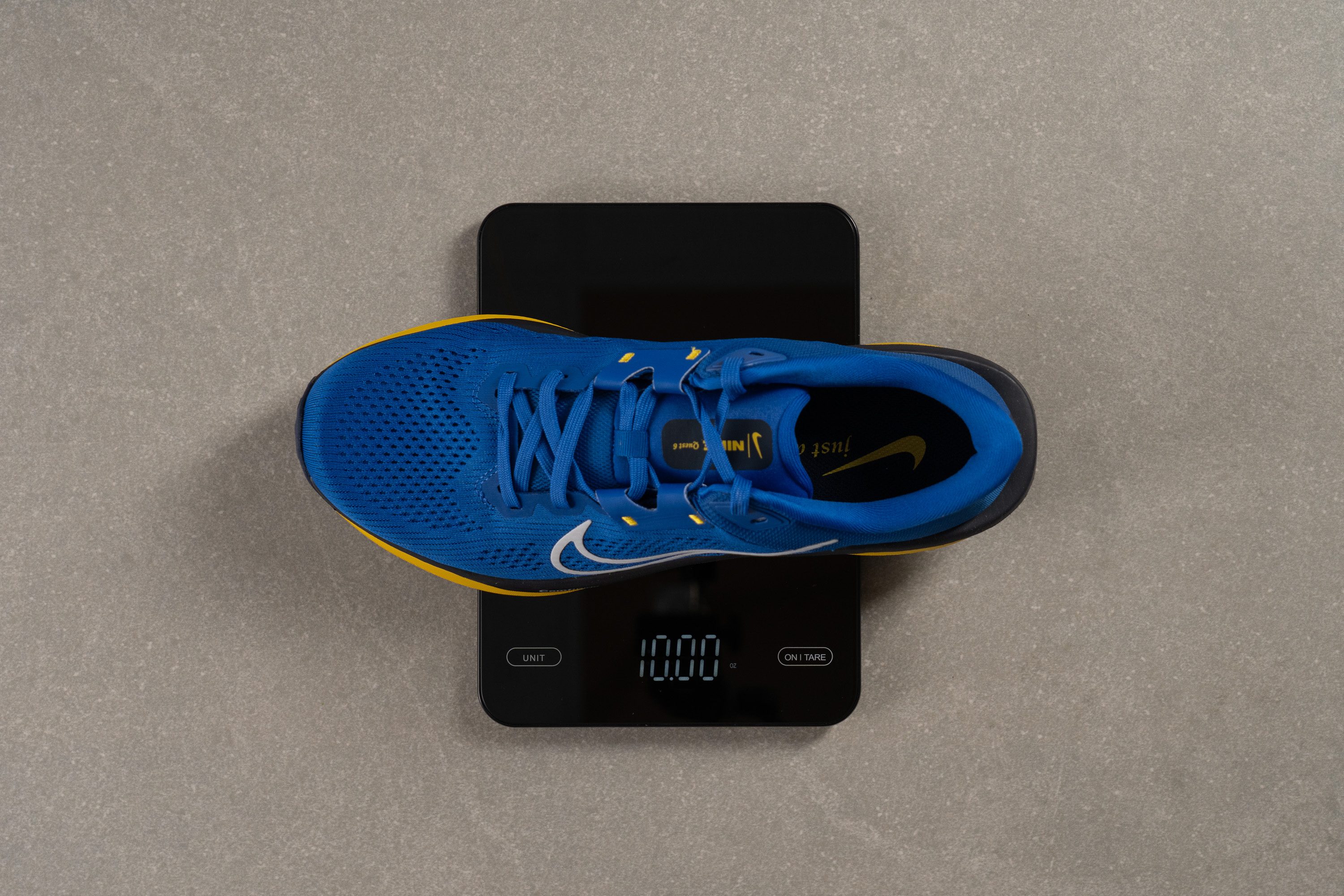
On the one hand, one could think that cheap shoes have to weigh less because they have fewer features. That’d be true if we’re talking about Gore-Tex membranes, for example. However, premium materials such as mesh and foam weigh less. Let’s look at the overview below:
|
Models |
Average weight |
|
Downshifter 11, 12, 13, 14 |
9.8 oz | 277.2g |
|
Flex Experience Run 10, 11, 12 |
7.9 oz | 224.7g |
|
Nike Quest 4, 5, 6 |
9.7 oz | 274.7g |
|
Nike Revolution 6, 7, 8 |
9.5 oz | 269.0g |
|
Nike Winflo 10, 11, 12 |
10.2 oz | 288.3g |
|
Nike daily trainers |
9.8 oz | 278.1g |
|
All daily trainers |
9.9 oz | 282.1 g |
|
Nike Juniper Trail 1, 2, 3 |
10.2 oz | 289.2g |
|
Nike trail running shoes |
10.4 oz | 294.1g |
|
All trail running shoes |
10.2 oz | 289.2g |
Cheap Nike running shoes, on average, are not heavier than the average daily trainers.
Shock absorption and energy return: lab data
When talking about cushioning, most beginners will say they want something soft, thinking that’s the best they can do for comfort. While not completely off track, we have to make room for shock absorption. That’s the midsole’s ability to reduce the impact forces at each landing. Imagine landing on asphalt barefoot.
Now imagine landing on asphalt wearing shoes. See the difference? A similar thing happens with midsoles that have low shock absorption and high shock absorption. You want the high one!
- Average shock absorption (at the heel) of cheap Nike road running shoes: 116.2 SA
- Average shock absorption (at the heel) of all daily trainers in RunRepeat database: 125.6 SA
The same test is used to measure energy return, which tells us how responsive (lively) the ride is. The highest energy return is found in race shoes, while daily trainers don’t need to score that high, because they are made for slower paces where durability, stability, and comfort and prioritised.
- Average energy return (at the forefoot) of cheap Nike daily trainers: 55.2%
- Average energy return (at the forefoot) of all daily running shoes in RunRepeat database: 57.2%
Given that these are daily trainers, shock absorption matters more than energy return, and we consider it moderate when it’s in the 110-130 SA range, and high when it’s higher than 130 SA. We don’t recommend running shoes with low shock absorption (lower than 110 SA) for actual running.
How durable are cheap Nike running shoes?
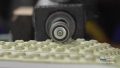
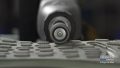
We can discuss 3 sections here: durability of the toebox, durability of the heel padding, and the outsole durability. For all 3 tests, we use a Dremel and predefined (standardised) settings. The duration of the test, the number of rotations per minute, and the force (pressure) are always the same, regardless of the shoe we are testing, so the results are comparable across the whole running shoe category.
Once the Dremel is “done” with the toebox, we look at the damage and assign a durability score on a 1-5 scale, where 1/5 is the least durable. Looking at the cheap Nike running shoes, their average toebox durability score is 2.9/5.0. The average for all daily trainers in our database is 2.8/5.0.
Ugh, this one can hit quite close to home if you have Haglund’s deformity, overall bony heels, or if you don’t like using a shoehorn. And it’s fine when it’s cosmetic damage only, but once the padding is destroyed so much that it’s causing heel pain due to all the rubbing against a harsh surface, you’re in trouble.
Cheap Nike running shoes scored 3.8/5.0 on average on this test. The average for all road shoes is 3.2/5.0.
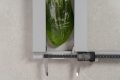
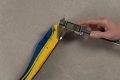
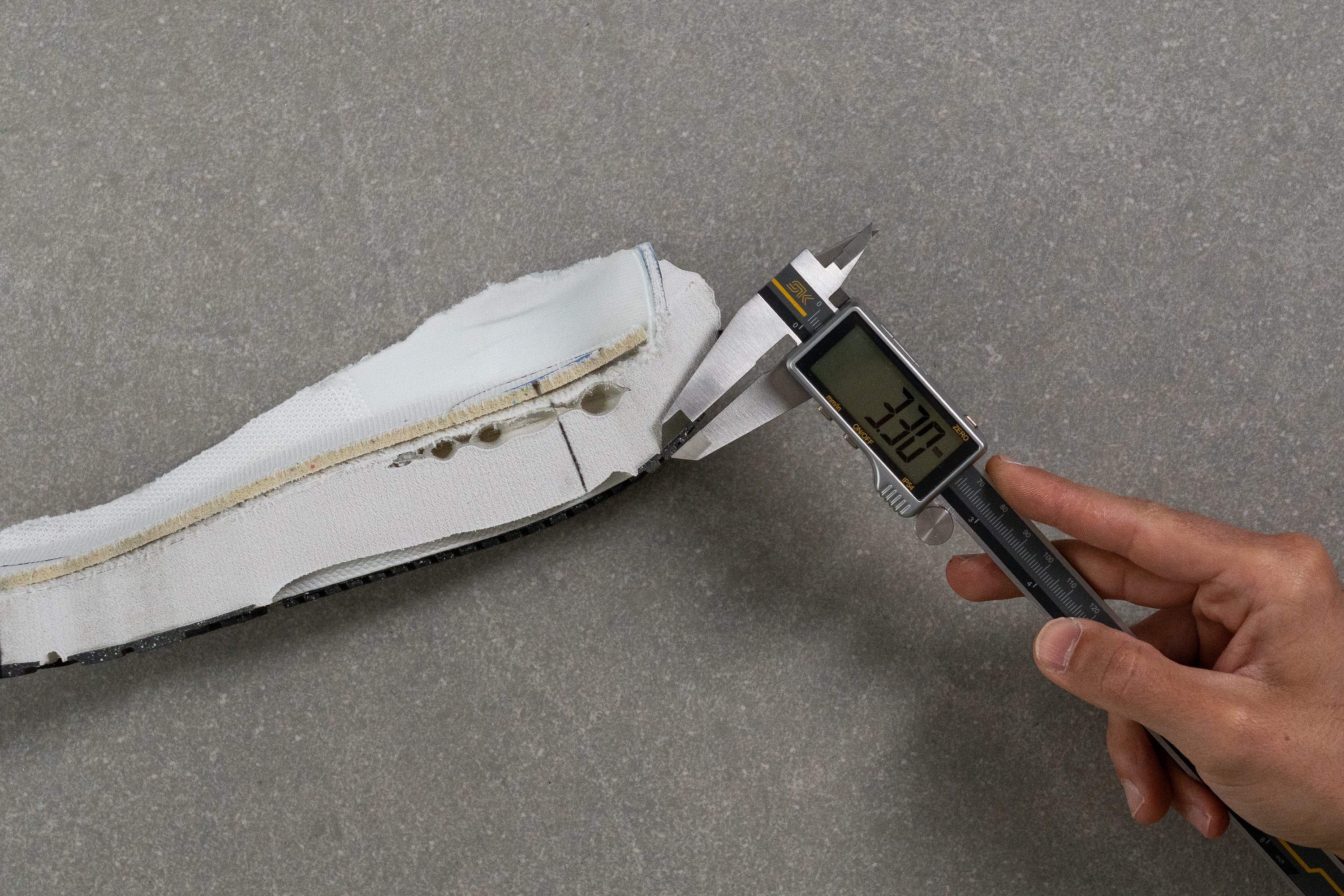
Last but not least, the outsole durability. For this test, we don’t have to assess the damage; we can measure it. We use a tyre tread gauge to do so, and we get the exact dent depth. Based on all the lab tests we’ve done so far, cheap Nike running shoes scored 1.3 mm on average. Compared to 1.0 mm, the average for all daily running shoes that went through our lab, we find they are less durable.
When discussing the durability of the outsole, we also have to take the outsole thickness into account. What if the Dremel bites through 1.5 mm, while the outsole itself is only 1.0 mm thick? An exposed midsole happens, and that’s bad. Slippery and simply a red flag.
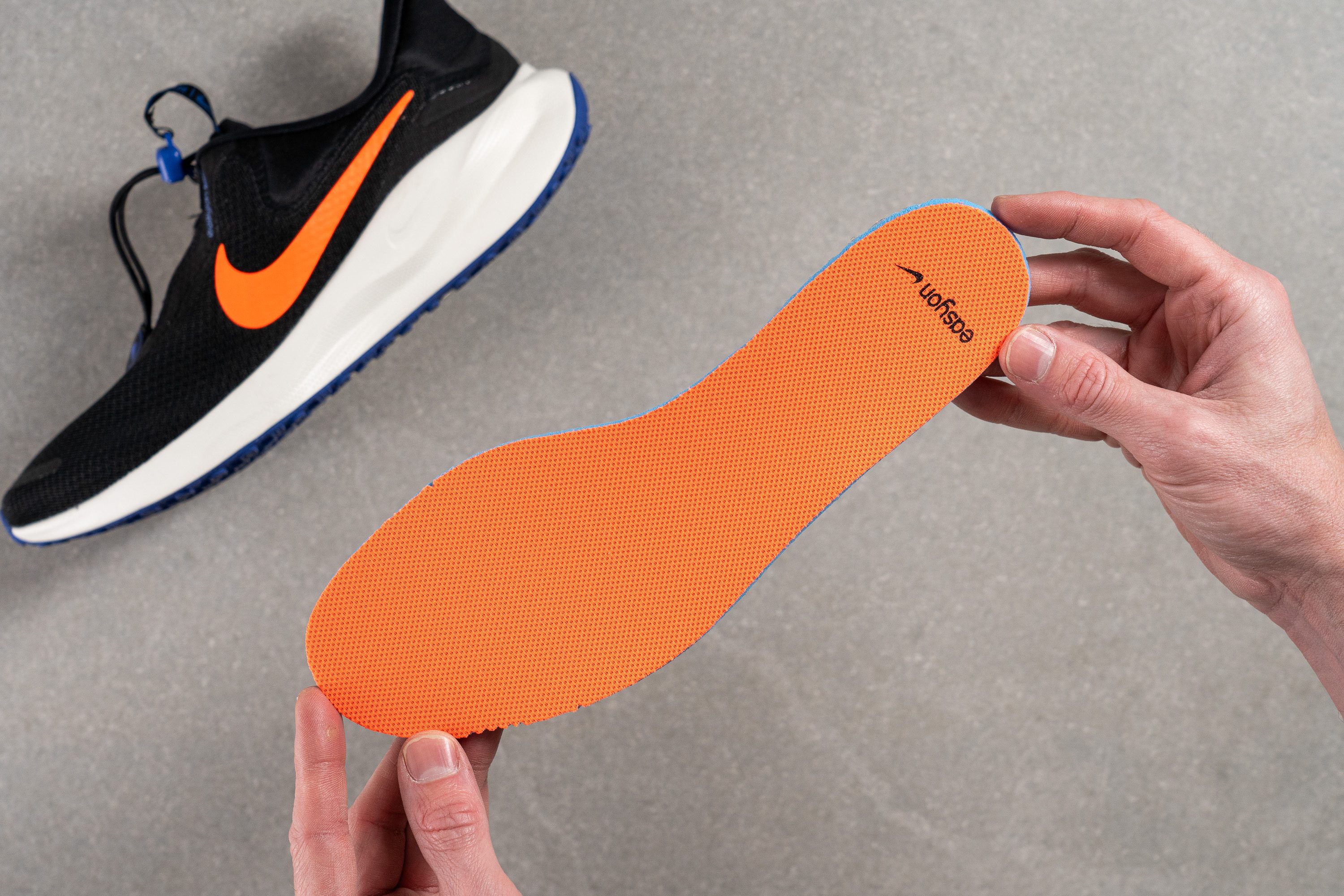
Is the insole thinner in cheap Nikes?
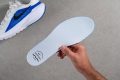
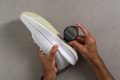
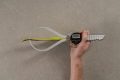
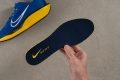
11.4% thinner! The average insole thickness of cheap Nike running shoes is 3.1 mm, while the average for all daily trainers is 3.5 mm.
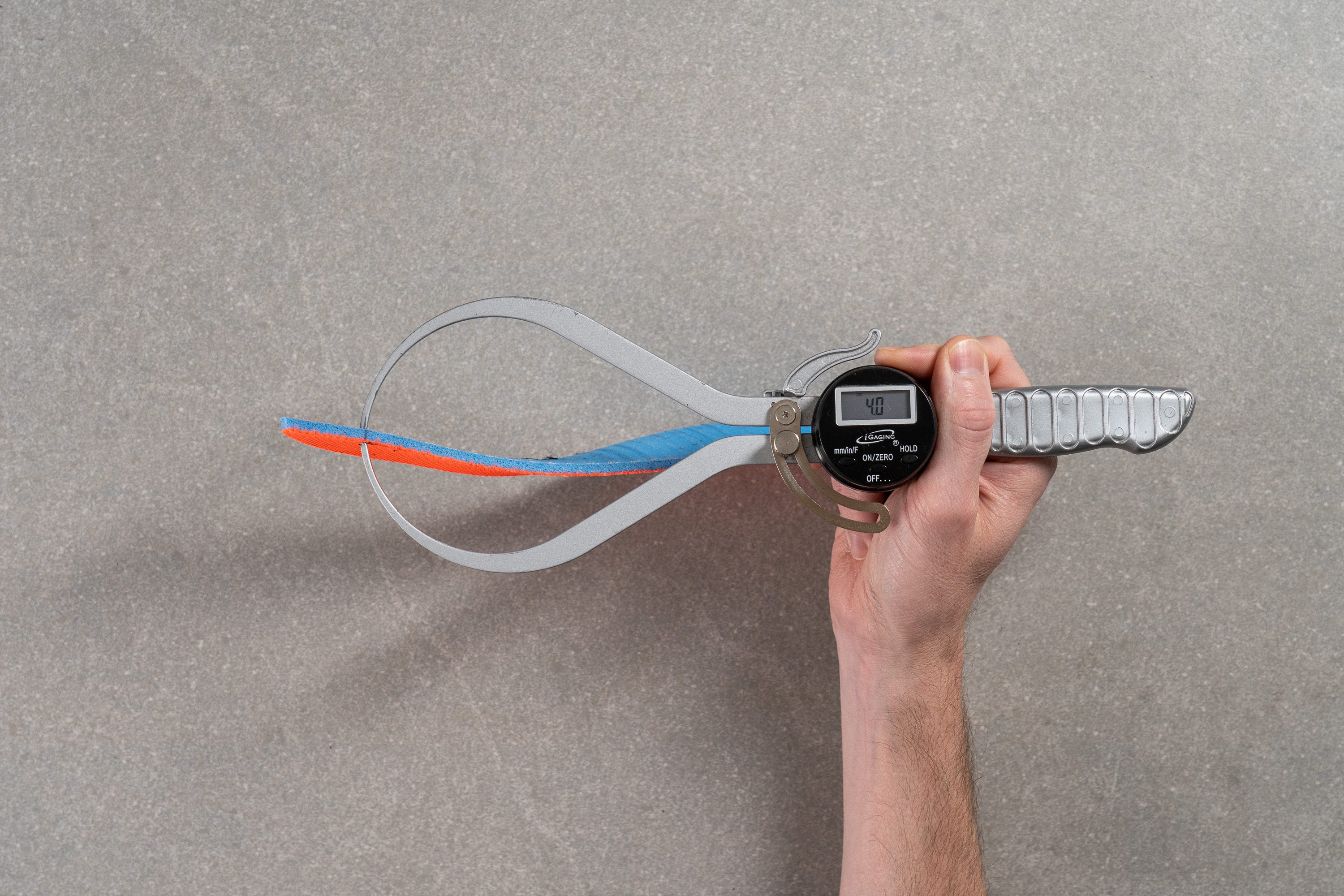
Should this worry you? Not really. If you’re using orthotics, though, it is something to pay attention to, depending on the thickness of the orthotic.
Testing the traction in RunRepeat lab
One of the worries is definitely the outsole. Is there enough of it (does it cover most of the surface)? Is it thick? Is it durable? And, finally, does it offer good traction? Turns out, cheap Nike running shoes offer 20% worse traction on average than other daily trainers.
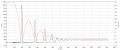
In the lab, we test the traction following the SATRA TM144 methodology. We measure the dynamic coefficient of friction by pressing the shoe against the wet concrete with a force of 500N and at a 7-degree angle. This replicates real-life conditions. The higher this coefficient is, the better, especially if you occasionally encounter wet weather/surfaces.
- Average traction of cheap Nike running shoes we’ve tested so far: 0.39
- Average traction of all daily trainers in RunRepeat database: 0.49
For context, we recommend a dynamic coefficient of friction higher than 0.45 for runners who run in wet conditions. Anything between 0.25 and 0.45 is considered moderate traction.
Nike budget running shoe lines: overview
Most of the budget running shoe lines from Nike actually fall under cheap. It’s worth noting that some lines, like Winflo or Juniper Trail, come in a GTX option, which crosses the £100 limit.
|
Shoe line |
Description |
|
Daily trainers for beginners. Basic EVA foam. Some versions come in the EasyOn variant. Runs narrow. |
|
|
Currently at version #14 and this says a lot. Daily workhorse. Quite heavy compared to the rest. |
|
|
Slightly more cushioned than Downshifter. Great as an everyday shoe/sneaker. |
|
|
Very flexible, often used for walking and gym, rarely for jogging. Not a proper running shoe. |
|
|
Premium-feeling upper but still a better everyday (walking) shoe given the low shock absorption and low energy return. |
|
|
Premium Flyknit upper! Very breathable. Good as a summer walking shoe but not as a running shoe (low shock absorption, low energy return, even low traction). |
|
|
Finally, a more modern budget daily trainer. |
|
|
Proper daily trainer, often called bang for the buck. Generously cushioned. |
|
|
Budget trail option, great for gravel and a bit of moderate terrain. |
Similar buying guides