7 Best Hiking Shoes For Wide Feet in 2026

We buy shoes ourselves. We earn commissions when you buy through us, at no extra cost. Why trust us
If most hiking shoes end up pinching, pressuring points, or blistering your feet, it is time to give them the space they deserve!
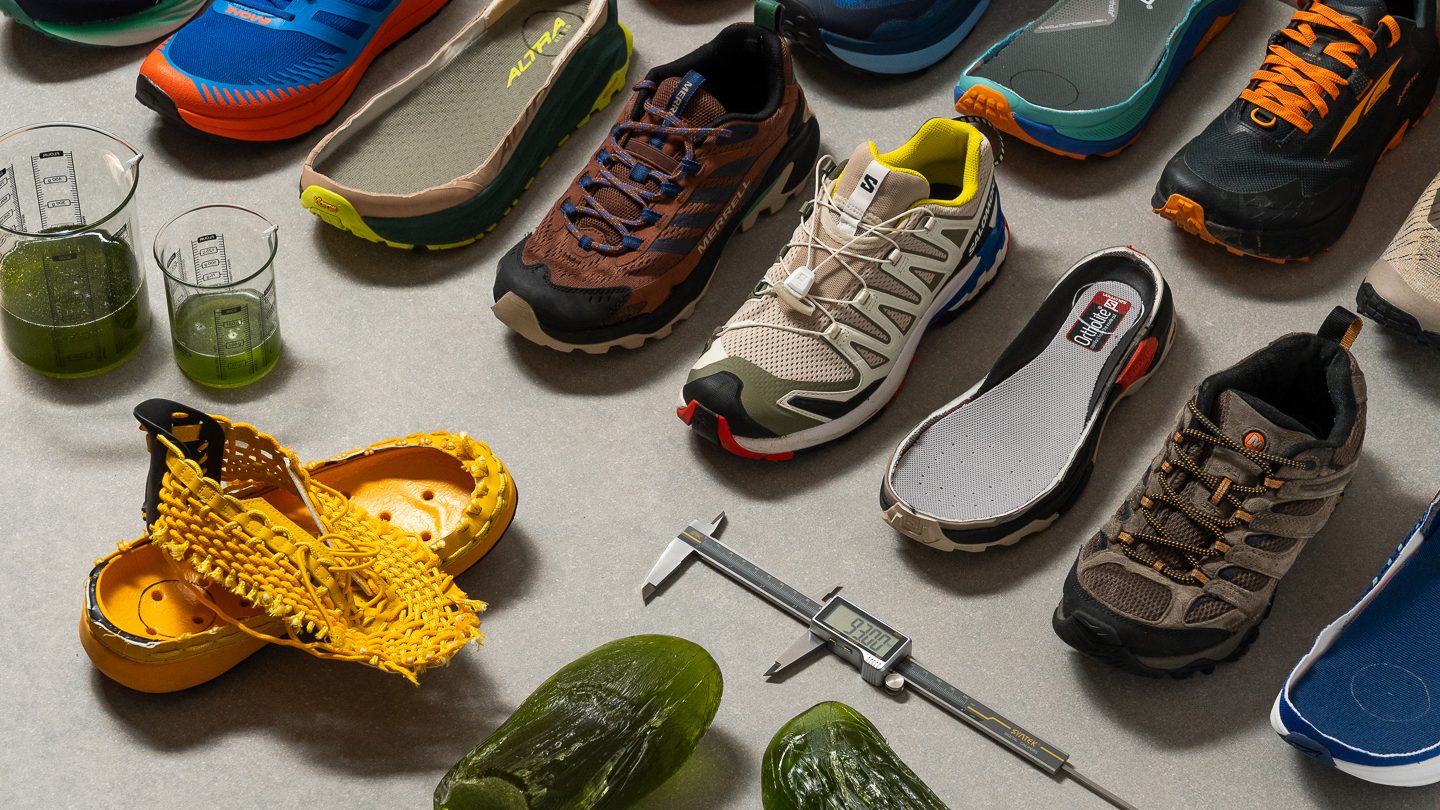
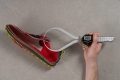
Sure, you can always check whether a shoe comes in Wide. But what if it doesn't? The width of hiking shoes varies, and we're here to analyse that and list the widest options available. We performed tests on hiking shoes bought in men's size US 9 and regular width (D, medium) and are happy to report that there are options for hikers with wider feet. All thanks to our special liquid formula that allows us to fill the shoes with it, freeze them, and end up with a gel cast that perfectly resembles hiking shoes' interiors.
This standardised lab test allows us to measure exactly how much space there is on the inside. This is very important because measuring the width of the hiking shoe on the outside is very misleading, due to a variation in material thickness, number of layers and reinforcements, stitching placement, and so on.
As always, we highlighted the best performers across different categories: what keeps them together is the fact that they offer more room and that those are great hiking shoes!
How we test hiking shoes for wide feet
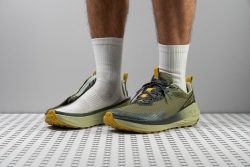
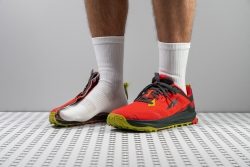
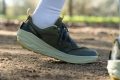
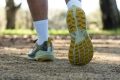
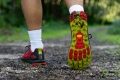
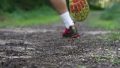
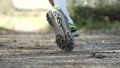
At RunRepeat, we take each hiking shoe through a trail test first to get a good feel of its fit and interiors. However, shoe fit is so undeniably subjective that it calls for a much more unbiased testing method. And that's what we do with our custom gel moulds.
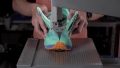
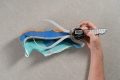
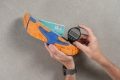
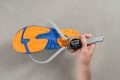
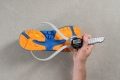
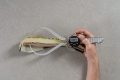
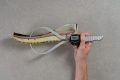
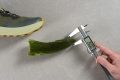
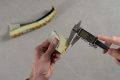
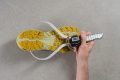
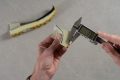
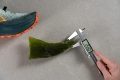
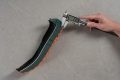
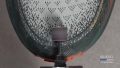
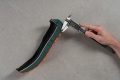
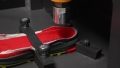
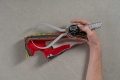
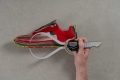
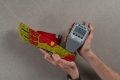
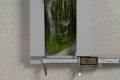
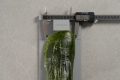
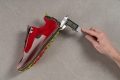
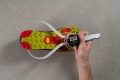
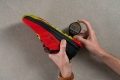
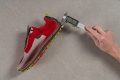
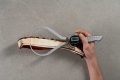
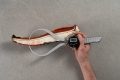
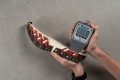
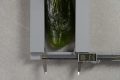
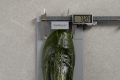
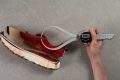
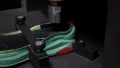
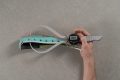
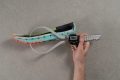
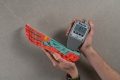
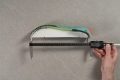
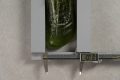
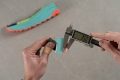
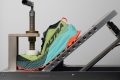
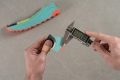
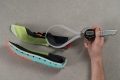
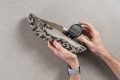
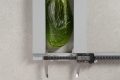
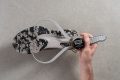
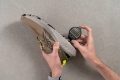
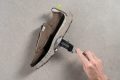
We fill each shoe's interior with special liquid and let it solidify in the fridge. Once the mould is firm, we measure its dimensions precisely with a digital calliper. Only shoes with the widest measurements are considered for this guide.
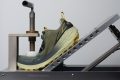
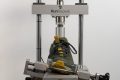
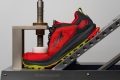
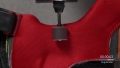
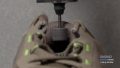
However, a roomy fit is not the only characteristic of a truly best hiking shoe. In our lab, we cut each pair into pieces and use specialised tools and machines to collect data on its shock absorption, material durability, outsole traction, lug depth, and more.
We then write in-depth lab reviews for each hiking shoe and recommend only shoes with the best test results in our guides.
Best hiking shoes for wide feet overall









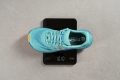





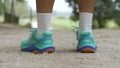
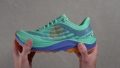
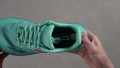




What makes it the best?
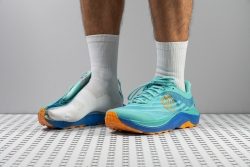
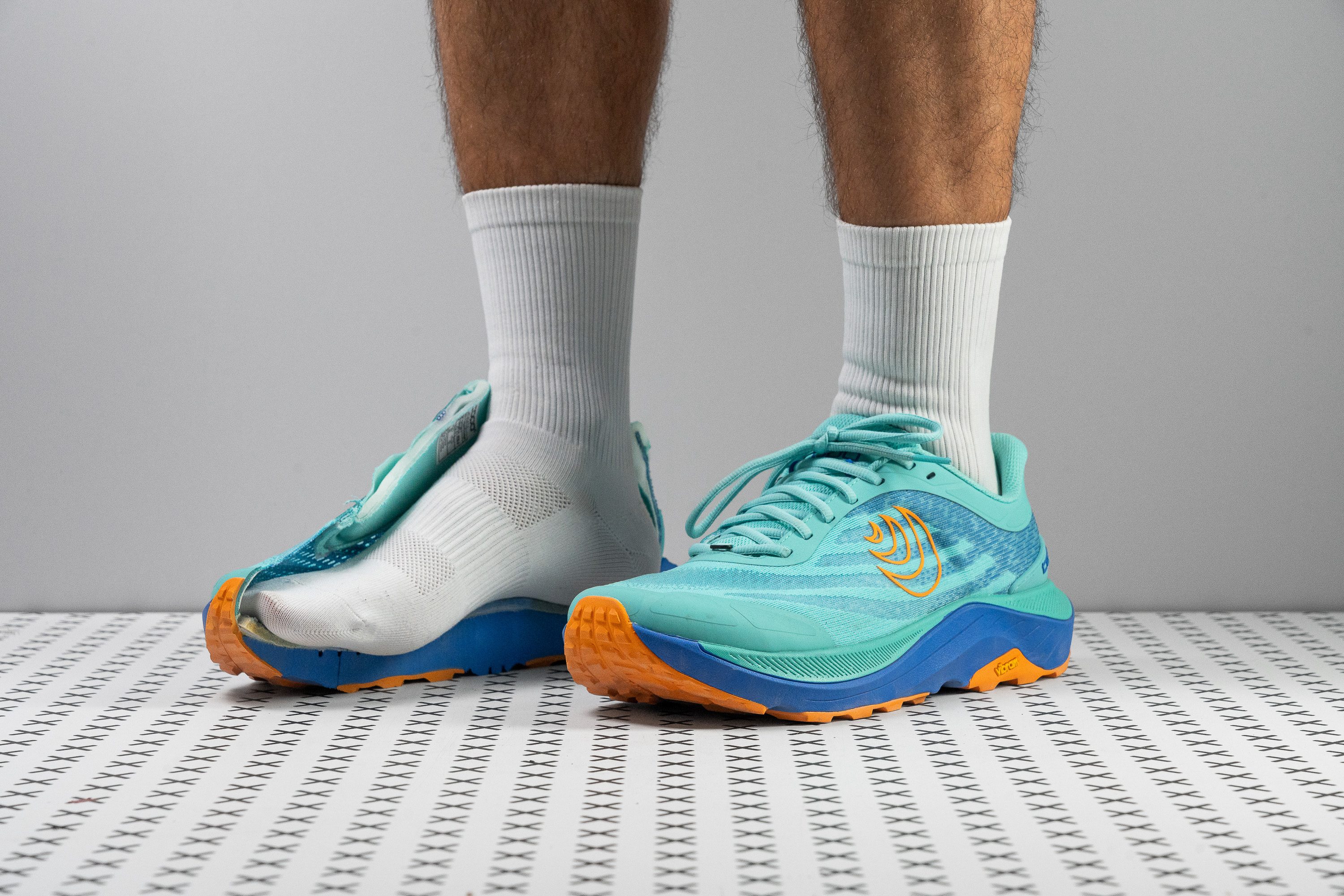
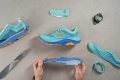
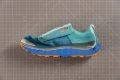
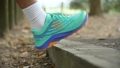
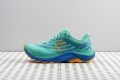
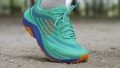
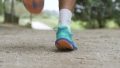
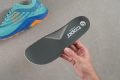
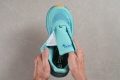
The Topo Ultraventure 4 is our top wide hiking shoe because, besides its spacious toebox, it offers a comfortable yet secure sensation in our trail sessions. In the lab, we discovered it maintains a light build while offering generous cushioning and remarkable stability through its wide base and Vibram outsole.
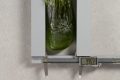
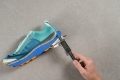
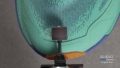
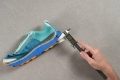
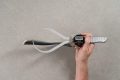
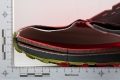
Using our gel mould, we measured its maximum width at 99.0 mm, clearly built for comfort and breathing room compared to the 95.6 mm average. Even those of us with bunions did not have to deal with unpleasant pressure points.
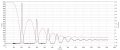
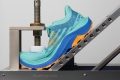
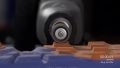
Ultraventure 4 packed so much cushioning in its 35.1/28.5 mm platform, erasing the harshness of the ground. We measured an above-average shock absorption score of 129 SA in the heel, showing that it reduces impact well. Surprisingly, it only weighs 10.1 oz (286g), 24.7% lighter than average.
Each stride feels steady and controlled despite the shoe’s height. We discovered a broad 119.4 mm forefoot that helps us find balance, and the reliable Vibram compound in the outsole. No matter what surface we tackled, the grippy rubber and 3.2 mm lugs ensured our safety.
However, the 6.6 mm heel drop is lower than average. Those who prefer a steeper incline for a more ergonomic position and less load on the ankles should go for other pairs.
Pros
- Extra-roomy toebox
- Hardwearing Vibram outsole
- More flexible and comfortable than version 3
- Ideal for midfoot strikers
- Can handle ultra races
- Plush tongue improves comfort
- Excellent stability in the forefoot area
- Good lockdown with no tongue movement
Cons
- Not for narrow-footed runners
- Midsole lacks energy return
- No reflective elements
- Unstable heel
Best foot-shaped hiking shoes for wide feet













What makes it the best?
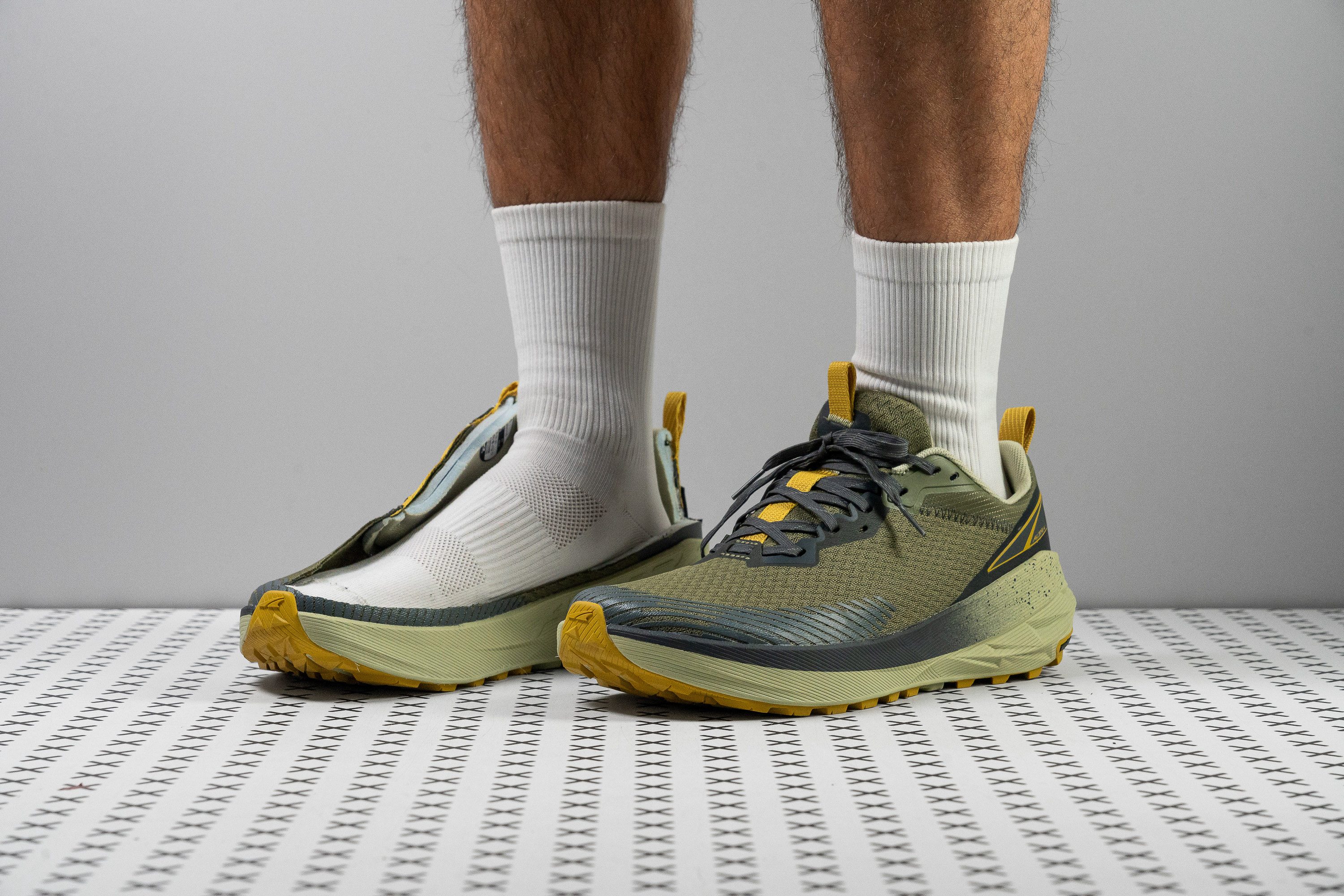
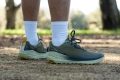
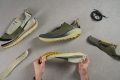
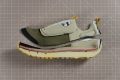
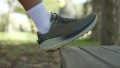
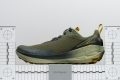
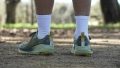
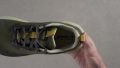
We felt fully welcome in the Altra Experience Wild 2, as lab results verify the spacious room we enjoyed, making it our best foot-shaped wide hiking shoe. What’s surprising is how it maintains its flexibility and low weight despite its generous dimensions. Plus, its reliable outsole does the dirty work of keeping us safe from slips and underfoot debris.
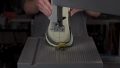
EW2 really allowed our feet to fully relax, with our gel mould showing a maximum width of 100.4 mm, compared to the average of 95.6 mm. Moreover, it has a minimal taper towards the big toe, measuring a massive 83.3 mm vs. the 74.5 mm average.
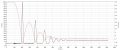
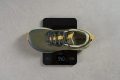
Despite its broad fit, EW2 weighs only 9.4 oz (266g), 7.6% lighter than average. Its comfort and effortless sensation underfoot are further enhanced by its pliability, as it emerged 26.0% more flexible than average.
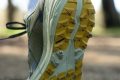
To ensure controlled steps, the outsole features a grippy MaxTrac compound, which scored a solid 0.59 in our traction test. Moreover, it has 3.5 mm lugs that bite the ground for extra traction. To our amazement, it also proved to be wear-resistant in our Dremel test, showing 11.1% less damage than average.
Unfortunately, our feet struggled to breathe in warmer weather. We advise summer hikers to go for a more breathable shoe.
Pros
- Extremely roomy toebox
- Very stable ride, especially up front
- Beginner-friendly drop for Altra newcomers
- Flexible build with natural feel
- Impressive durability across the board
- Noticeably lighter than version 1
- Improved heel retention
- Better lacing system
- Same price as before
Cons
- Bad energy return
- Non-gusseted tongue
- Not for narrow feet
- Not for narrow feet
Hiking shoes for wide feet with the best traction















What makes it the best?
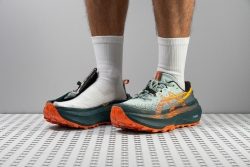
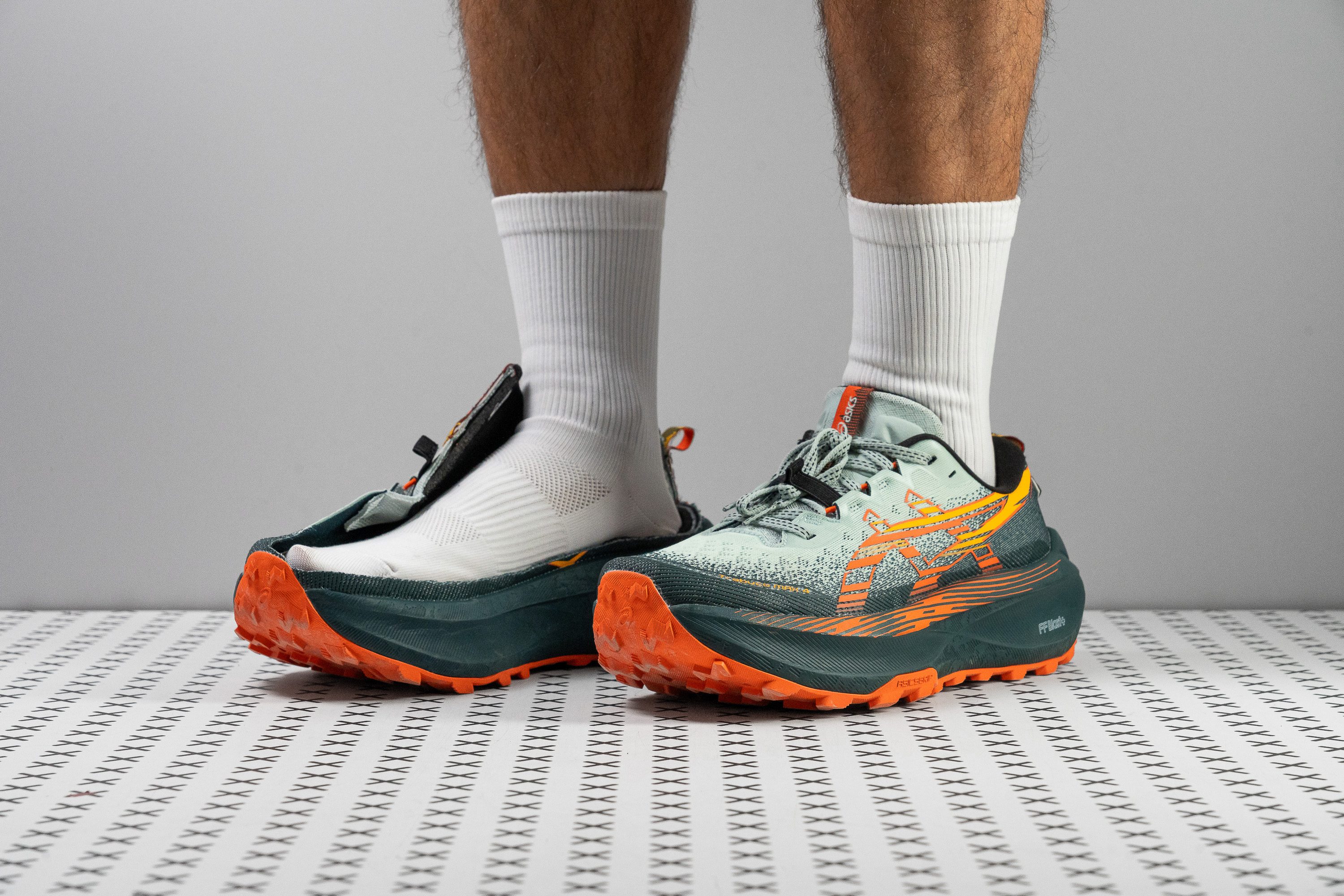
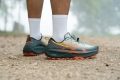
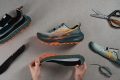
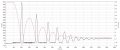
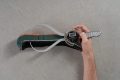
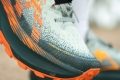
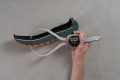
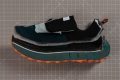
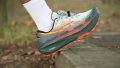
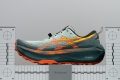
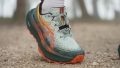
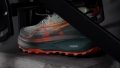
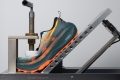
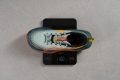
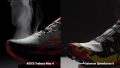
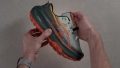
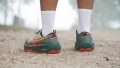
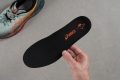
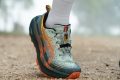
We tested tonnes of wide hiking shoes against rough terrains and slippery slopes and discovered that the ASICS Trabuco Max 4 offers the best traction. Navigating through beaten paths is a breeze with the shoe’s excellent traction, roomy fit, and well-cushioned platform.
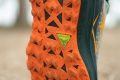
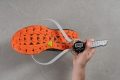
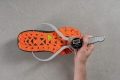
On our wet and muddy encounters, the outsole cemented its supremacy in providing traction. Testing for the rubber in our lab test, it emerged 34.4% grippier than average. Even when tackling steep downhills, we had no slippage issues and remained surefooted. We give credit to the 3.1 mm lugs that have aggressive patterns for better traction.
The platform shines in long distances, with its thick 39.3/33.2 mm platform protecting us from the ground. Given its 6.1 mm heel drop, we lean towards this area and appreciate the forefoot cushion more, especially with its high shock absorption score of 127 SA. It prevents triggering muscle soreness because of its impact protection.
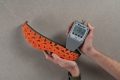
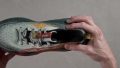
Even if we wear thick socks or have bunions, the shoe won’t cause unwanted pressure on the sides. We created a gel mould to test the shoe’s interiors and measured the widest part at 97.0 mm, 1.3 mm above average. However, it tapers aggressively towards the toebox, which leaves less room for those with broad, square-shaped feet.
Pros
- Huge forefoot cushioning
- Full-length ASICSGRIP rubber
- Extremely stable despite its height
- Can handle any distance
- Handy tongue loop keeps laces quiet
- Well-padded, comfortable tongue
- Rockered shape for easy transitions
- Ideal for flat, easy trails
Cons
- Not ideal for heel strikers
- Questionable outsole durability
- Heavy build
- Tapered toebox
Best zero drop hiking shoes for wide feet












What makes it the best?
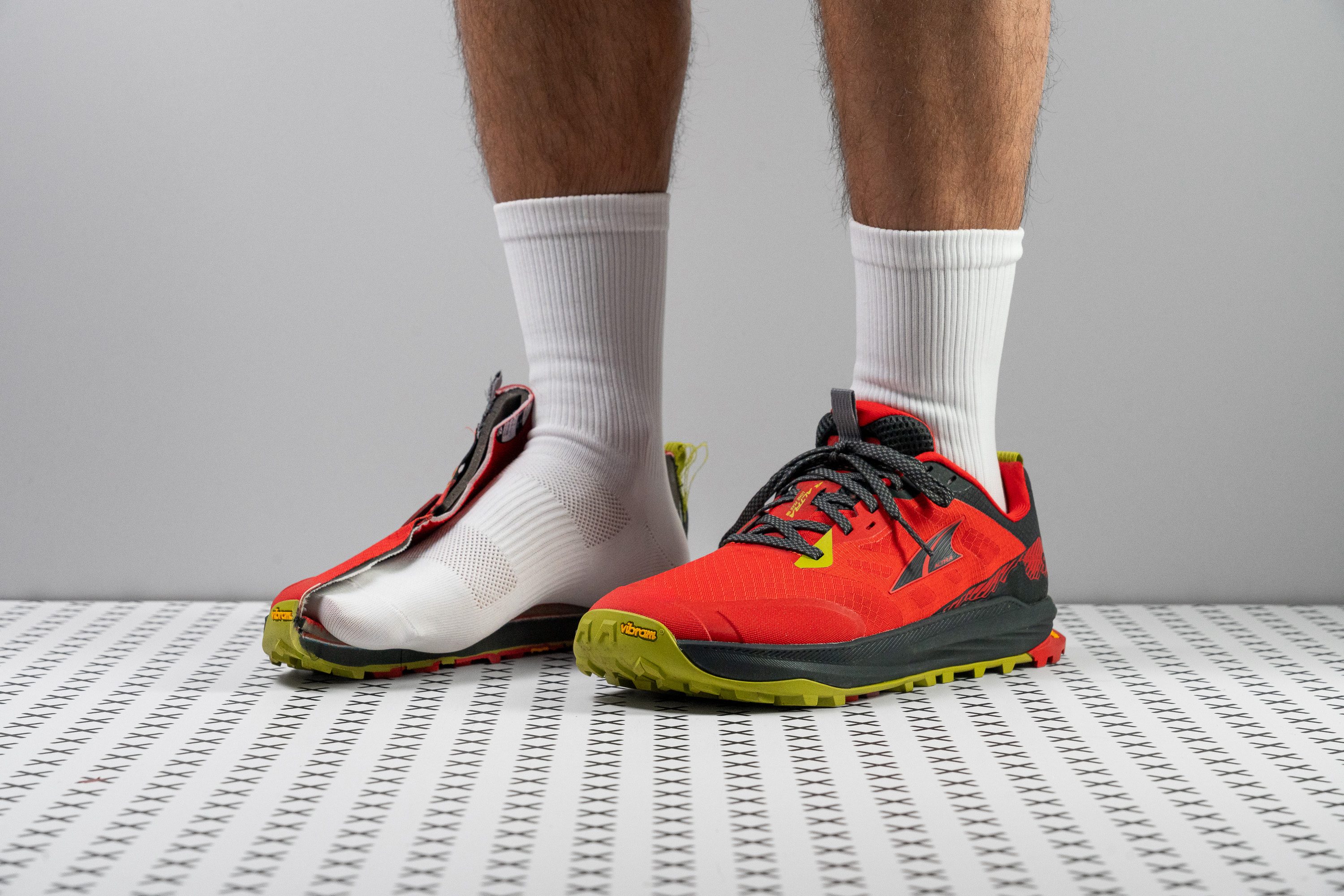
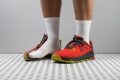
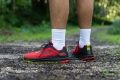
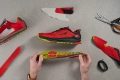
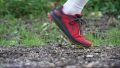
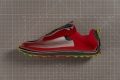
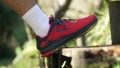
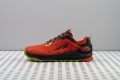
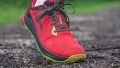
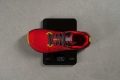
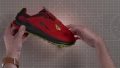
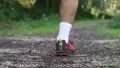
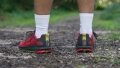
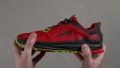
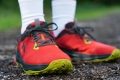
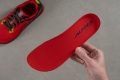
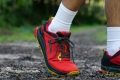
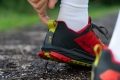
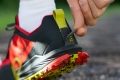
After thorough testing of wide hiking shoes, we found the Altra Lone Peak 9 delivers the agility, stability, and grip needed for off-road adventures, ultimately dominating the trails. It gives us a high sense of control over unpredictable terrain with its minimalist, ground-sensitive build with an unrestrictive fit, making it our best zero-drop wide hiking shoe.
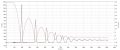
Lone Peak 9 is highly versatile because of its low 23.3/23.3 mm profile. Staying true to Altra’s core, it features a crystal-clear zero drop, which enhances control and surface connection. The low shock absorption of the heel (96 SA) feels stable underfoot and gives off a nice rebound (57.9%).
Improving our control and comfort is the spacious fit, since it avoids any unwanted pressure on our feet. With comfort and our foot anatomy in mind, the gel mould reveals a massive 98.5 mm width, up vs. the 95.6 mm average.
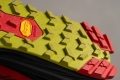
Further boosting our confidence on various terrains are the 3.8 mm lugs and the Vibram rubber of the LP9+ version. Strategically patterned and shaped, they enhance our control even on slippery slopes.
However, the upper offers limited breathability. Those who need more ventilation should find an airier shoe.
Pros
- True zero-drop geometry
- Extra-roomy, foot-shaped toebox
- Vibram option finally available
- Improved forefoot stability
- Flat-profile, natural ride
- Secure lacing system
- Still a low-stack shoe!
- Standard and wide versions
- Good durability
Cons
- Feels really heavy for its size
- Stiffer than previous versions
- Lacks airflow
- Having two outsole versions adds confusion
Hiking shoes for wide feet with the best shock absorption









What makes it the best?
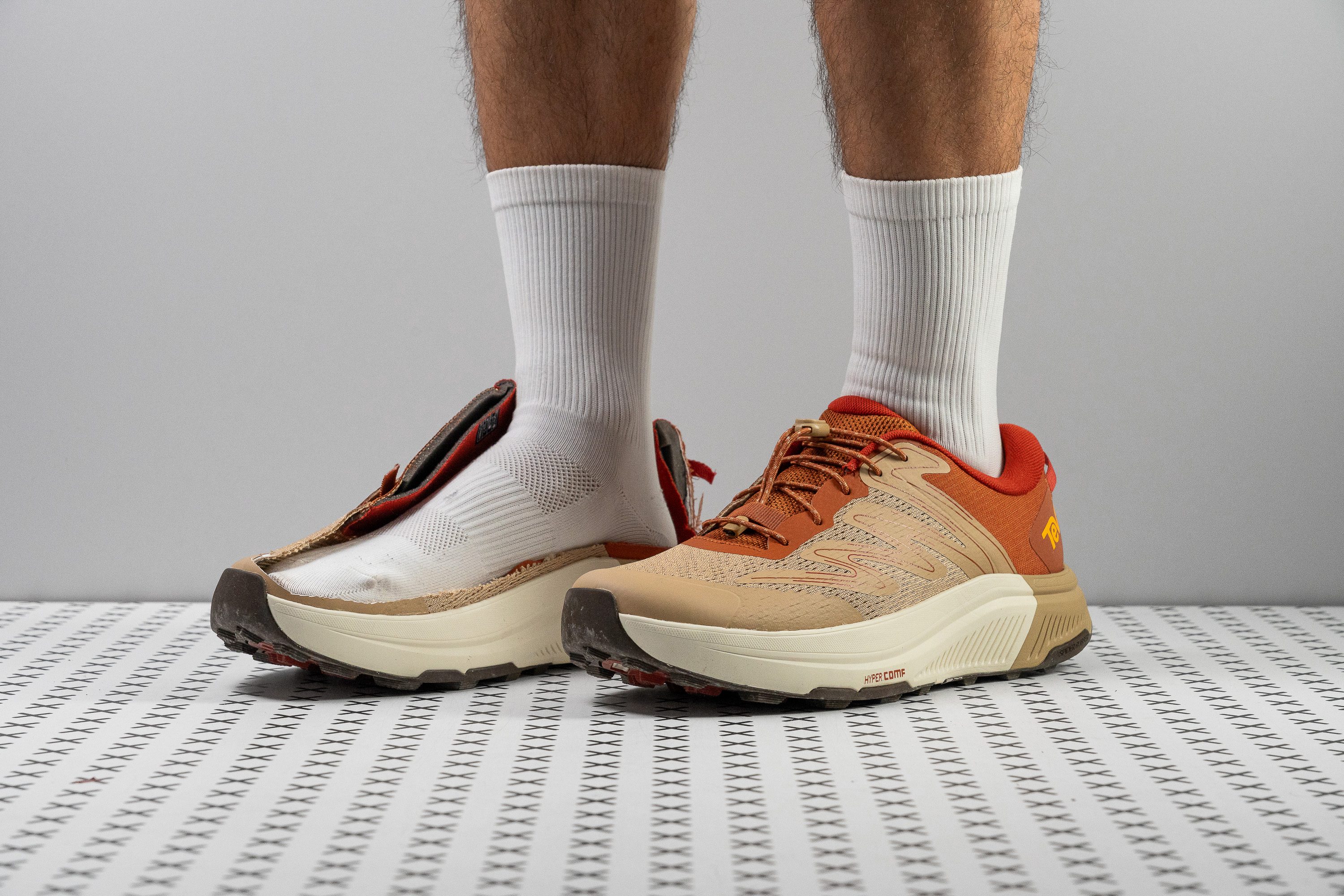
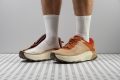
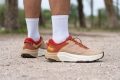
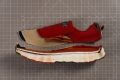
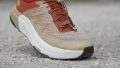
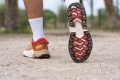
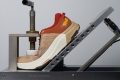
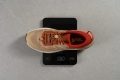
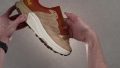
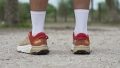
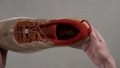
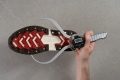
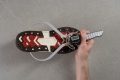
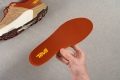
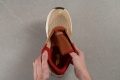
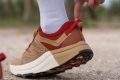
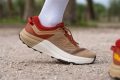
The Teva Hurricane Trailsetter is a trail workhorse that keeps the experience comfortable and effortless. Lab tests verify it features a protective stack that soothes our joints and muscles, complemented by controlled footing and an accommodating fit that ties the whole experience together. Among wide hiking shoes, it delivers the best shock absorption.
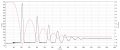
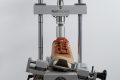
We measured the stack height to be a generous 38.3/30.3 mm. However, it impressed with above-average shock absorption of 137 SA in the heel, which means it’s highly effective in softening ground impact.
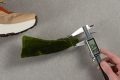
Our feet enjoyed tonnes of interior space, verified by our gel mould when we measured the widest point at 98.1 mm. For context, the average is only 95.6 mm, making Hurricane Trailsetter welcoming to those with broad feet or bunions.
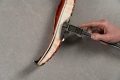
Using our calliper, we found the base to be a wide 119.3/91.4 mm. With much more space than the 114.1/90.5 mm average, we had a confident stance and solid footing with every step.
The outsole also supported us with reliable traction, proven by its 0.63 rating in our wet-condition test. Moreover, the 3.5 mm lugs feel versatile from light trails to paved paths.
However, the midsole is also stiff when bending our feet forward. People who prefer a more relaxed sensation underfoot should go for more forgiving options.
Pros
- Plenty of shock absorption from high stack
- Stable and supportive build
- Fantastic outsole durability
- Solid grip on dry and wet
- Versatile for all foot strikes
- Great for medium-to-wide feet
- Excellent breathability for summer
Cons
- Uninspiring energy return
- Only for light trails
Hiking shoes for wide feet with the best durability












What makes it the best?
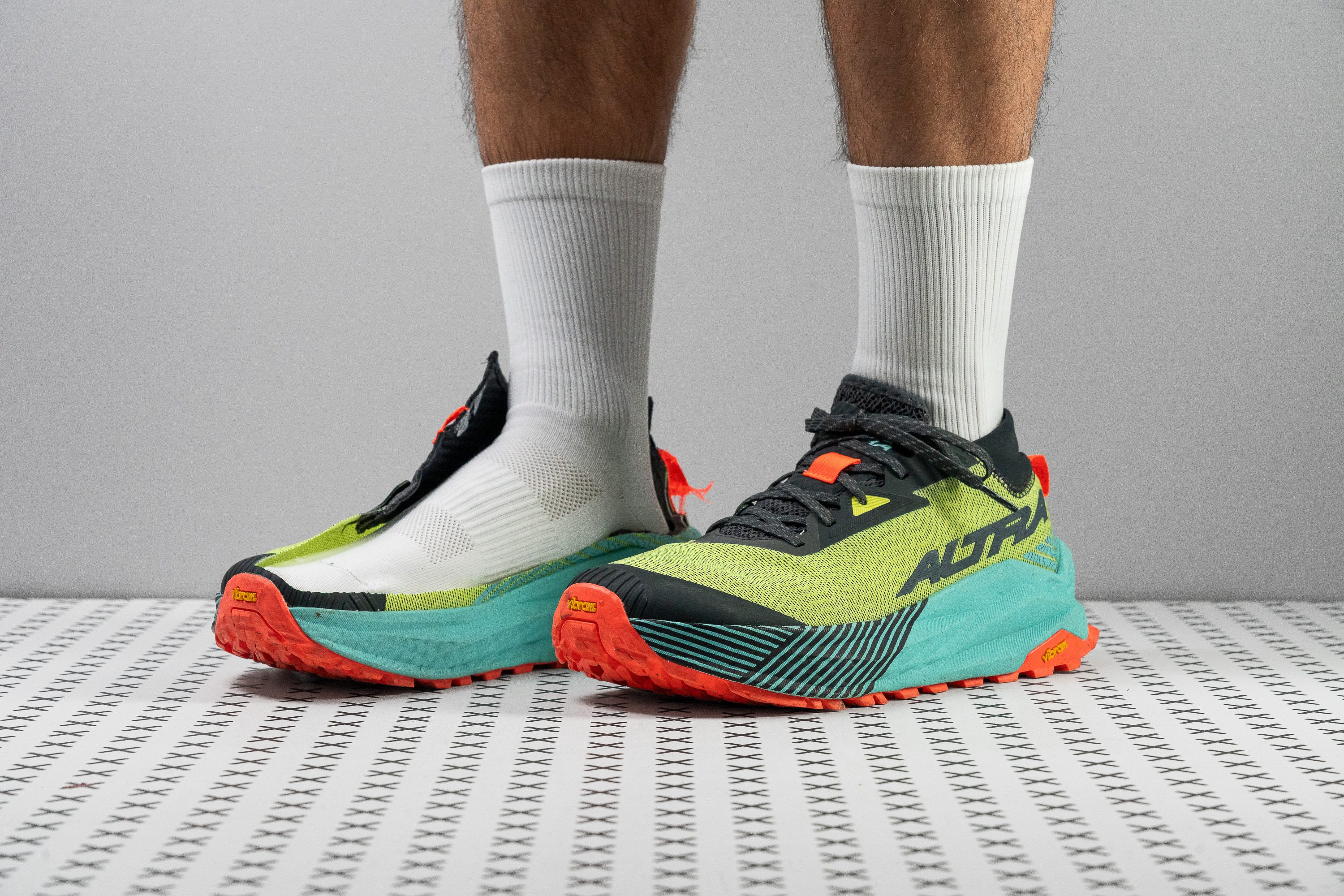
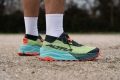
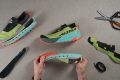
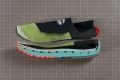
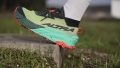
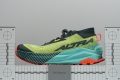
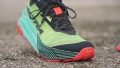
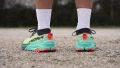
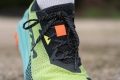
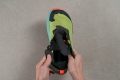
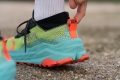
The Altra Olympus 275 displayed top-to-bottom ruggedness, balanced by a forgiving midsole and fit, proven by its superb performance in our Dremel tests. On the trail, this hardy shoe takes quite some beating with little wear to show for it, making it our wide hiking shoe with the best durability.
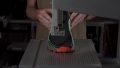
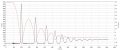
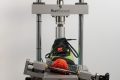
Our Dremel damaged the upper by only a tiny bit, so we awarded it a solid 4/5 toebox durability score. Meanwhile, in the outsole, the Vibram Megagrip rubber shaved off only 0.5 mm, 44.4% less than average. Altogether, we have a sturdy shoe protecting our feet, whether from protruding roots or sharp rocks.
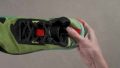
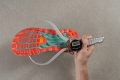
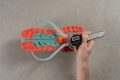
Olympus 275’s wide fit enhances comfort. It features Altra’s Original FootShape Fit, promising the broadest type from the brand. True enough, our gel mould showed a max width of 100.1 mm, 4.5 mm above the average.
Even if our treks last the whole day, our feet feel relaxed in the bendable midsole. In our flex test, we found it 4.8% more pliable than average, indicating the shoe moves with minimal resistance to our natural movement.
In true Altra fashion, Olympus 275 features a low 0.3 mm drop that may feel jarring for some hikers. We recommend those with lower-leg muscle strain, like in the ankles or Achilles, to find a pair with a steep offset.
Pros
- Much lighter than Olympus 6
- Extremely stable
- True zero-drop platform
- Very wide toebox
- Excellent MATRYX upper
- World-class Vibram Outsole
- Solid durability overall
- Ideal for flat and easy trails
Cons
- Still a heavy shoe
- CMEVA foams needs an improvement
- Not for narrow feet
- Limited versatility
Best budget hiking shoes for wide feet











What makes it the best?
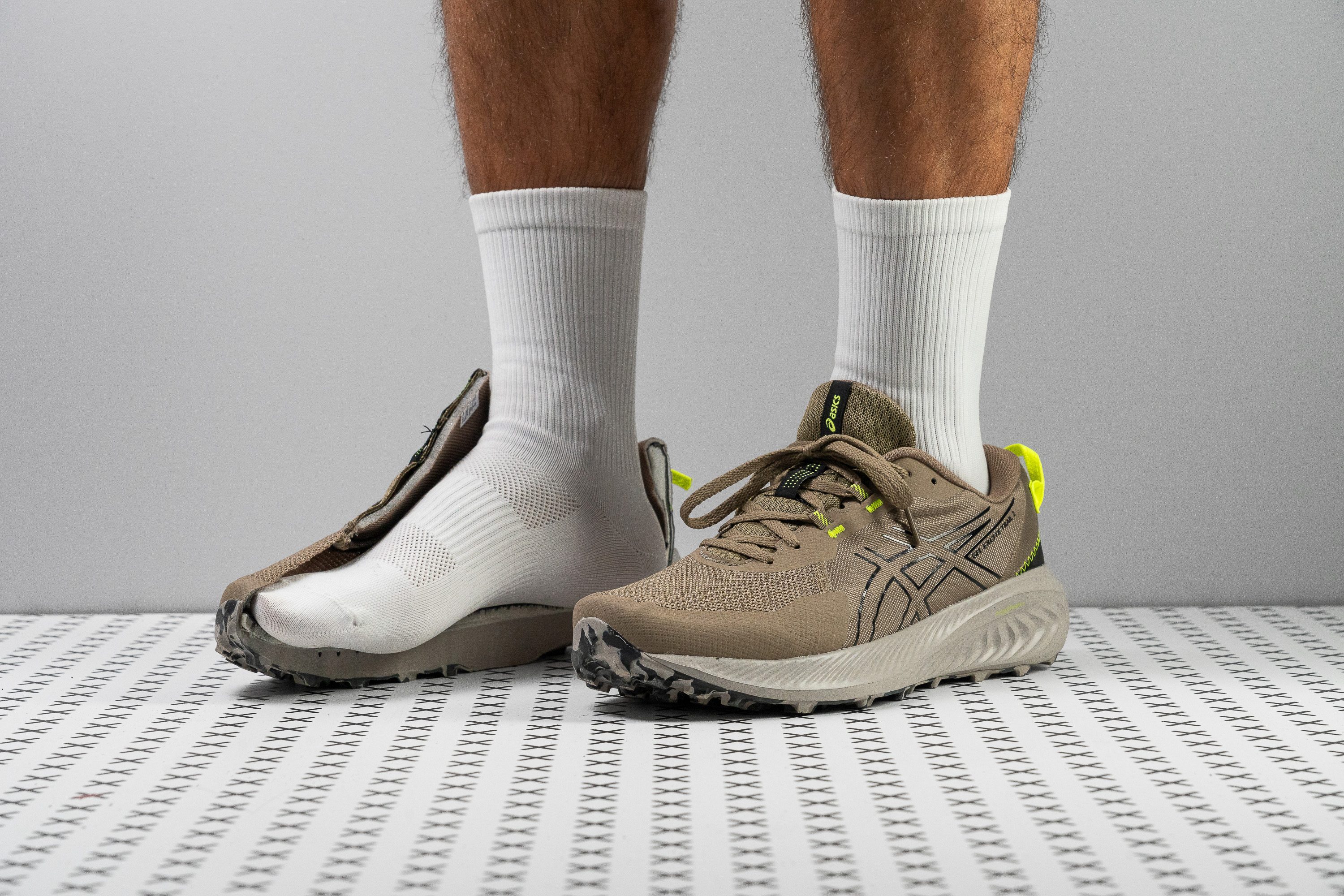
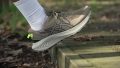
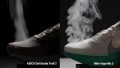
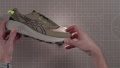
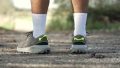
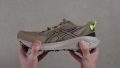
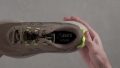
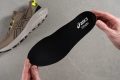
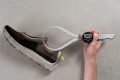
The ASICS Gel Excite Trail 2 centres on comfort, whether in its fit, cushioning, or flexibility. Given its premium feel, its £80 price tag is a pleasant surprise, especially since the average trail shoe is 43% more expensive. Therefore, it’s our best budget wide hiking shoe.
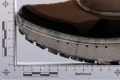
We enjoyed bottomless cushioning, softening our steps even if we trek the whole day. We measured a generous stack height of 37.7/27.6 mm, with a resulting steep 10.1 mm heel drop that is highly suitable for hiking. Moreover, the rear can reduce impact, proven by its strong shock absorption of 124 SA.
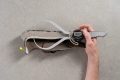
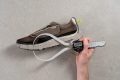
Up front, we felt like we had a lot of breathing room. We created a gel mould to measure the shoe’s interior accurately. At the widest section, we recorded 97.3 mm, which is more wide-foot friendly than the 95.7 mm average.
GET 2 promotes unrestricted movement through its fluid midsole. In our bend test, it emerged 32% more flexible than average, keeping a natural feel that’s perfect for hiking. Moreover, it gives us more grip on the ground, with deep 4.0 mm lugs doing the dirty work of stabilising us.
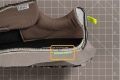
However, this ASICS shoe failed to excite us in our Dremel test, with dismal results from top to bottom. If durability and longevity is high on the list, we suggest investing in sturdier shoes.
Pros
- Low price
- Ideal for heel strikers
- Generously cushioned midsole
- Versatile choice for hiking and running
- Everyday plush comfort
- Excellent for beginners
- All-season design
- Reasonable weight
Cons
- Not for moderate or technical trails
- Limited outsole coverage
- Durability concerns
- Not the best for forefoot strikers
Make sure you actually need wide hiking shoes
Because if you don’t, you can get injured in hiking shoes with a loose fit. Make sure you follow these tips when trying on hiking shoes:
- Go shopping for hiking shoes in the afternoon, when your feet are most likely a bit swollen from a day of work and activities. The swelling happens when hiking and this is how we take it into account.
- Try the shoe on, lace it up and check if there are any pressure points. Is the shoe too narrow? Are your toes cramped inside the toebox? Does the shoe feel too tight all over? There should be a thumb’s width space between your toes and the front (or the back) of your shoes. Aim for a snugly comfortable fit that is non-constricting.
- Use the socks you usually use for hiking when trying the hiking shoes on for the first time.
- If you’re using orthotics or special insoles, use them in the store when giving new hiking shoes a try.
- Use the ramp! Walk up and down. If there are different surfaces (grass, huge rocks, concrete), try the shoes on all of them. You should not be sliding forward in the shoes when going downhill, and your feet should not slide to the sides (a sign of the shoes being too wide).
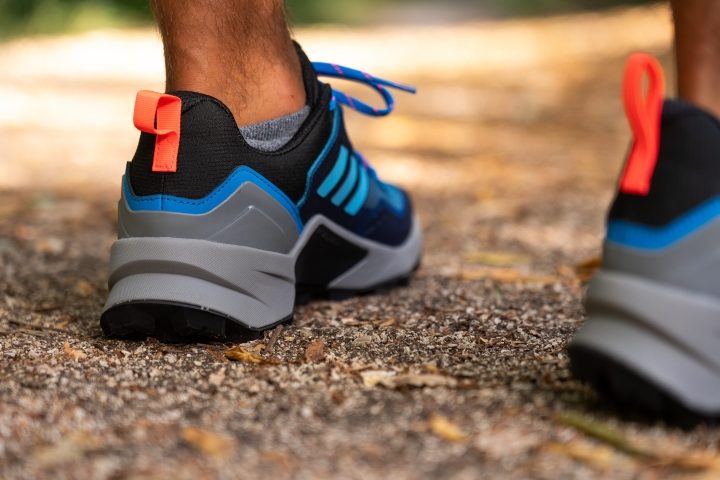
Don’t forget: many hiking shoes need a break-in period. Before setting out for a long hike, break your shoes in first.
Why loose fit is a bad idea
Hiking shoes should fit properly, just right. Not tight, not loose. Here’s what can happen if you decide to get wider shoes than you actually need:
- Feet slide within the shoes, side to side. This is uncomfortable and risky, it means that you don’t have the needed lockdown for hiking and you will feel less stable and secure.
- With such sliding, your toes might instinctively try to stabilise the feet by clawing into the ground. This might lead to hammer toes and more tired feet.
- Lose fit can also lead to more ankle instability because legs will try to compensate but the base is not locked as it should be. Think ankle twists and sprains.
- Constant rubbing can lead to blisters as well.
Industry labels for wide hiking shoes
How to notice wide or extra wide shoes? You can recognise wide hiking shoes by examining the label on the shoes or on the shoe box: men should look for 2E for wide or 4E for extra wide, while women should look for D or 2E.
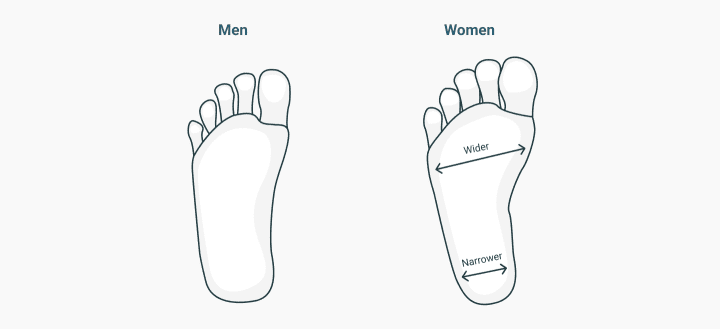
These letters are different because men's feet are different from women's feet. Women’s heels tend to be narrower and forefoot wider than men’s. This is a general rule, and, of course, exceptions exist.
The shoes for men and women are labelled like this:
|
Width |
Narrow |
Medium/ |
Wide |
Extra wide |
|
Men |
B |
D |
2E |
4E |
|
Women |
2A |
B |
D |
2E |
Keep in mind that the extra width is mostly reflected in the toebox.
On our website, you can always filter the hiking shoes by gender and width. But, because the extra width is mostly about the toebox, we will now take a deep dive into that topic.
Exact width measurements with shoe suggestions
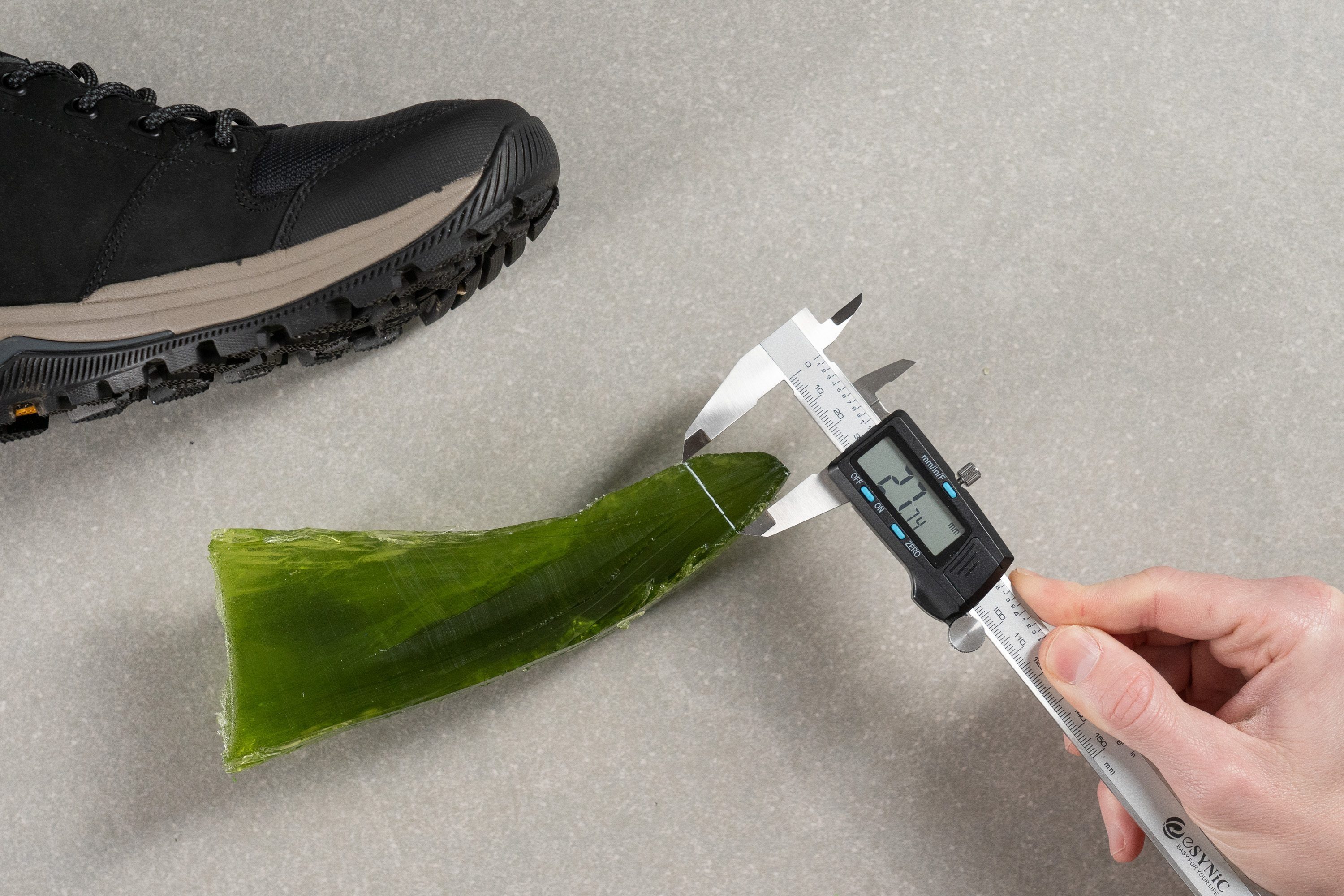
In the lab, we use a digital calliper to measure the gel mould of each shoe in two places:
- Toebox width at the widest part, around the metatarsal joints
- Toebox width at the big toe
We're able to do this thanks to our special gel formula. We pour it into the hiking shoe and then freeze it.
Once the gel settles, we can take it out and voila - we have a gel mould that perfectly reflects the inner volume of the toebox.
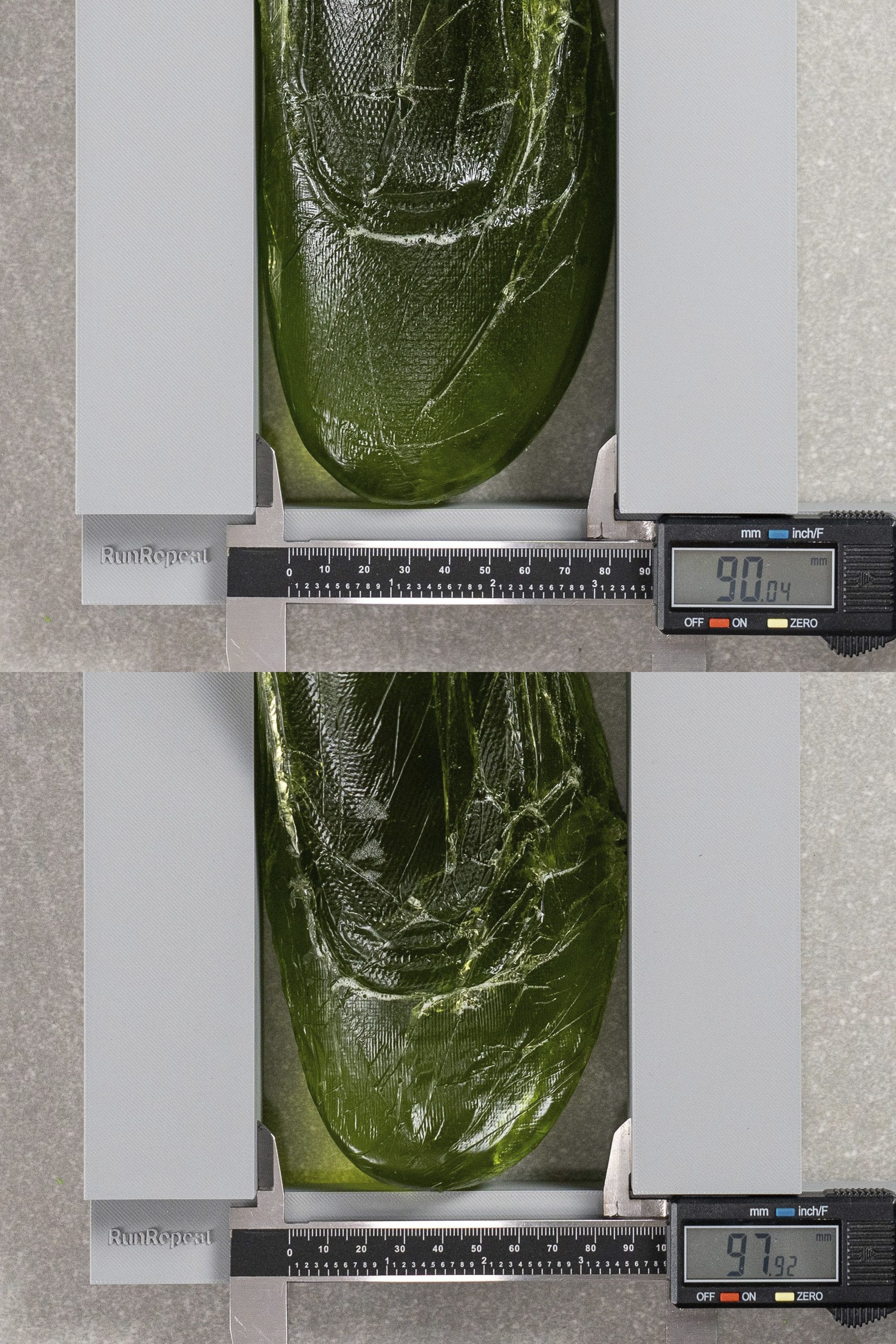
Then, we measure the width of the toebox at the big toe.
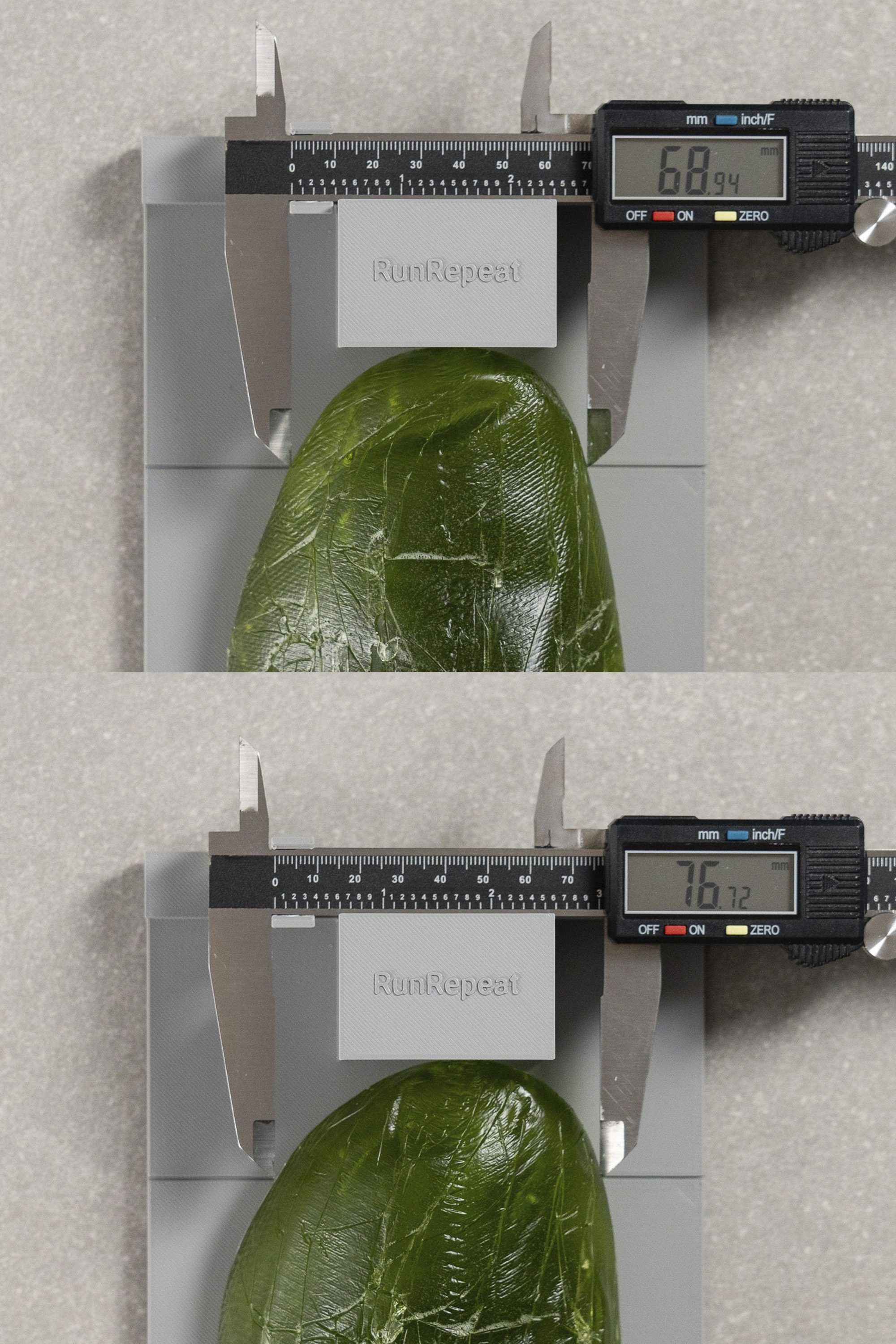
What this allows us to conclude is not just how wide the toebox is at the widest part, but also how much it tapers moving higher up. The bigger the difference between these two measurements, the more the shoe tapers.
This is extremely important for people who have toebox shapes that ask for more attention.
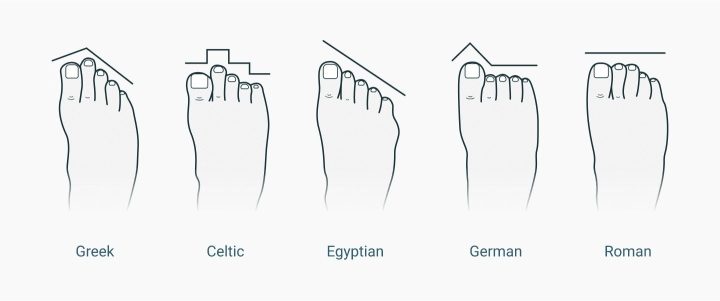
Hiking shoes that are narrower at the big toe would obviously work better for the Greek type than any other toebox shape. Just like the Roman and the German type would most likely need extra wide shoes/toeboxes.
What lab numbers are not telling us?
While these upper width measurements are done in the RunRepeat lab and nowhere else, we are aware that these measurements should be taken with a grain of salt because they don’t tell the whole story. This is exactly why we also do wear tests and don’t rely on lab tests only!
The calliper measurement of the toebox width means we measure how wide the shoe is on the outside, where we press our calliper on both sides of the toebox. What’s not included here is the thickness of the upper and, more importantly, whether it has some give!
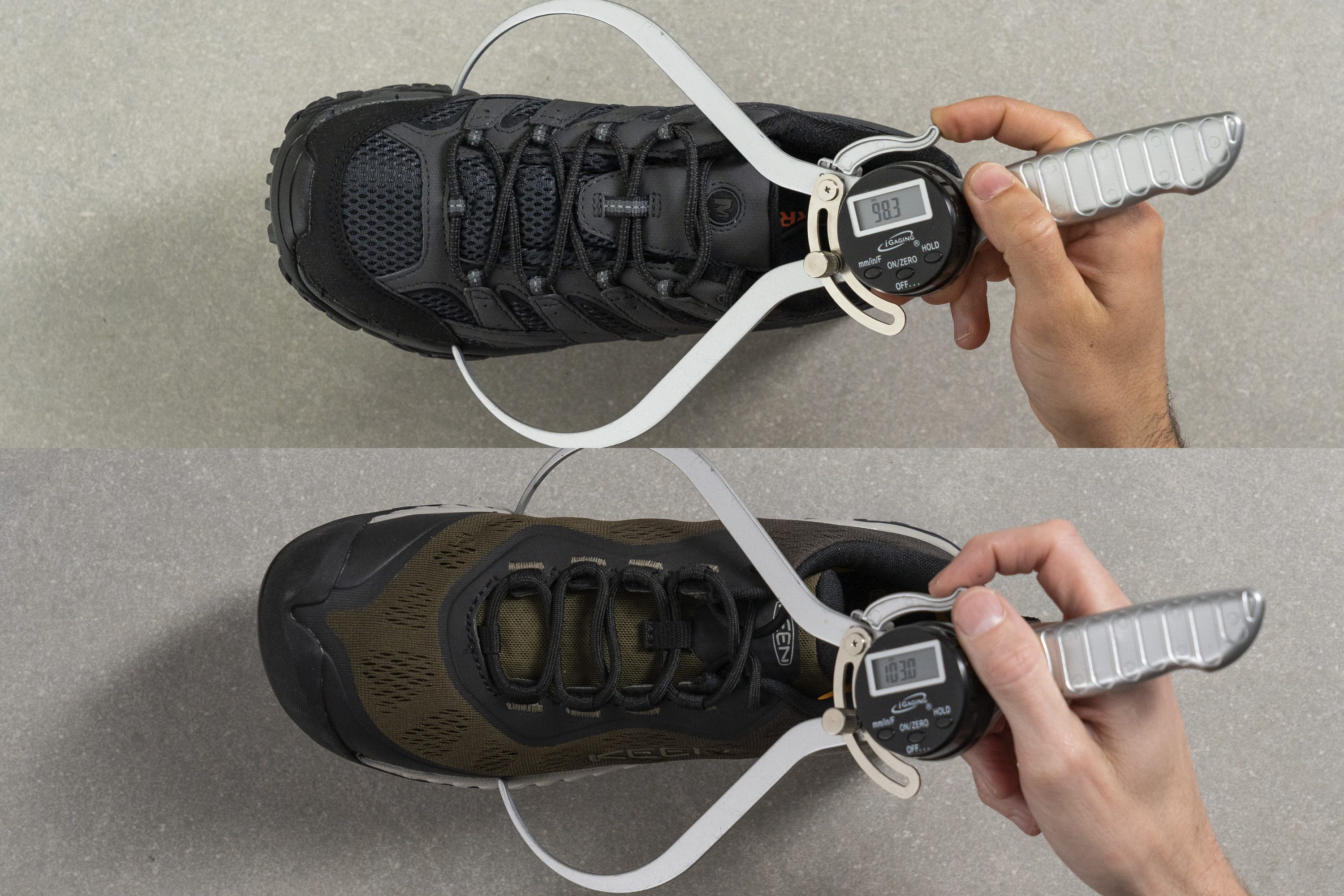
First, the upper can be made of a stretchy material, which would allow the pinky toe to “breathe” a bit more or the toes to splay. Stiff materials would cramp that adventurous pinky toe and glue it to the rest of the toes.
Second, hiking shoes prioritise protection. The toe bumper can work wonders, but sometimes it extends all around the toebox, or the shoe features overlays that make it more supportive and stable.
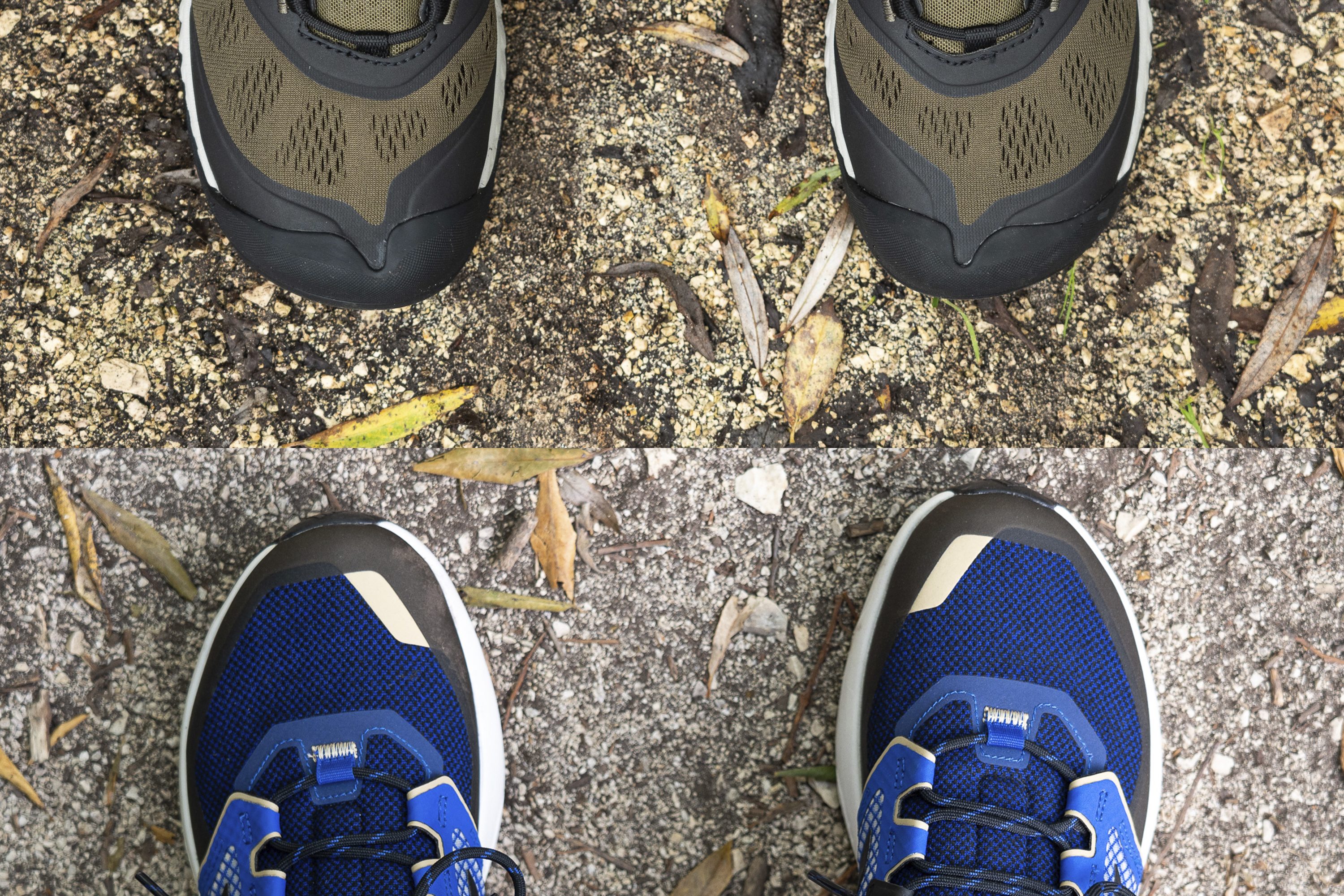
These additional overlays prevent the upper from stretching and toes from pushing against it a bit more than the official width allows them.
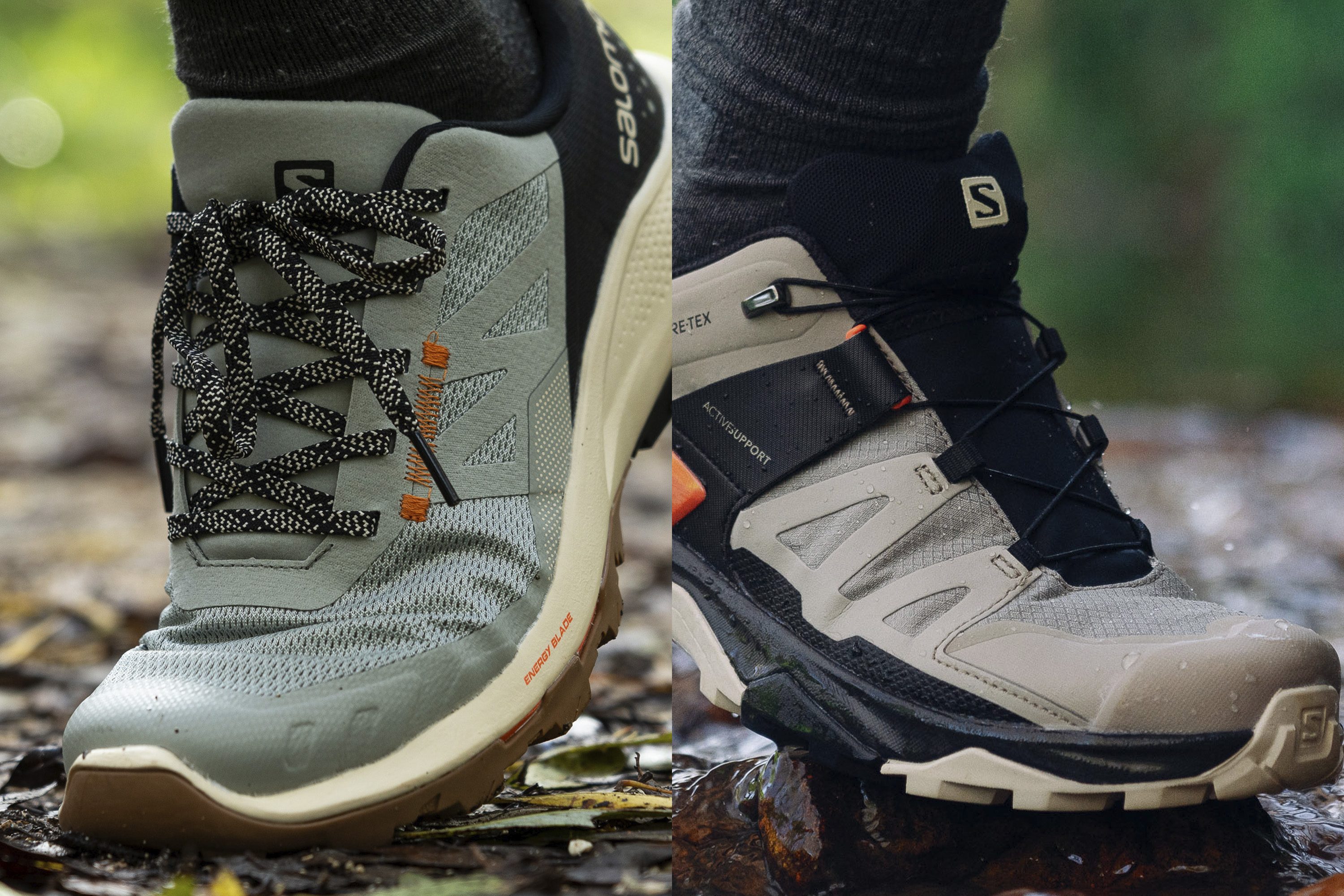
Leather is not stretchy at all, while knit and mesh can allow for some toe splay if there are no harsh overlays present where you'd want them to stretch. Best to examine the shoe or its specifications if you worry about those few millimetres that only stretchy materials can allow.
Toebox height: who should pay attention to it
Hikers whose big toe naturally points up and not straight forward. When in contact with the upper, there’s rubbing, which can lead to blisters and black toenails.
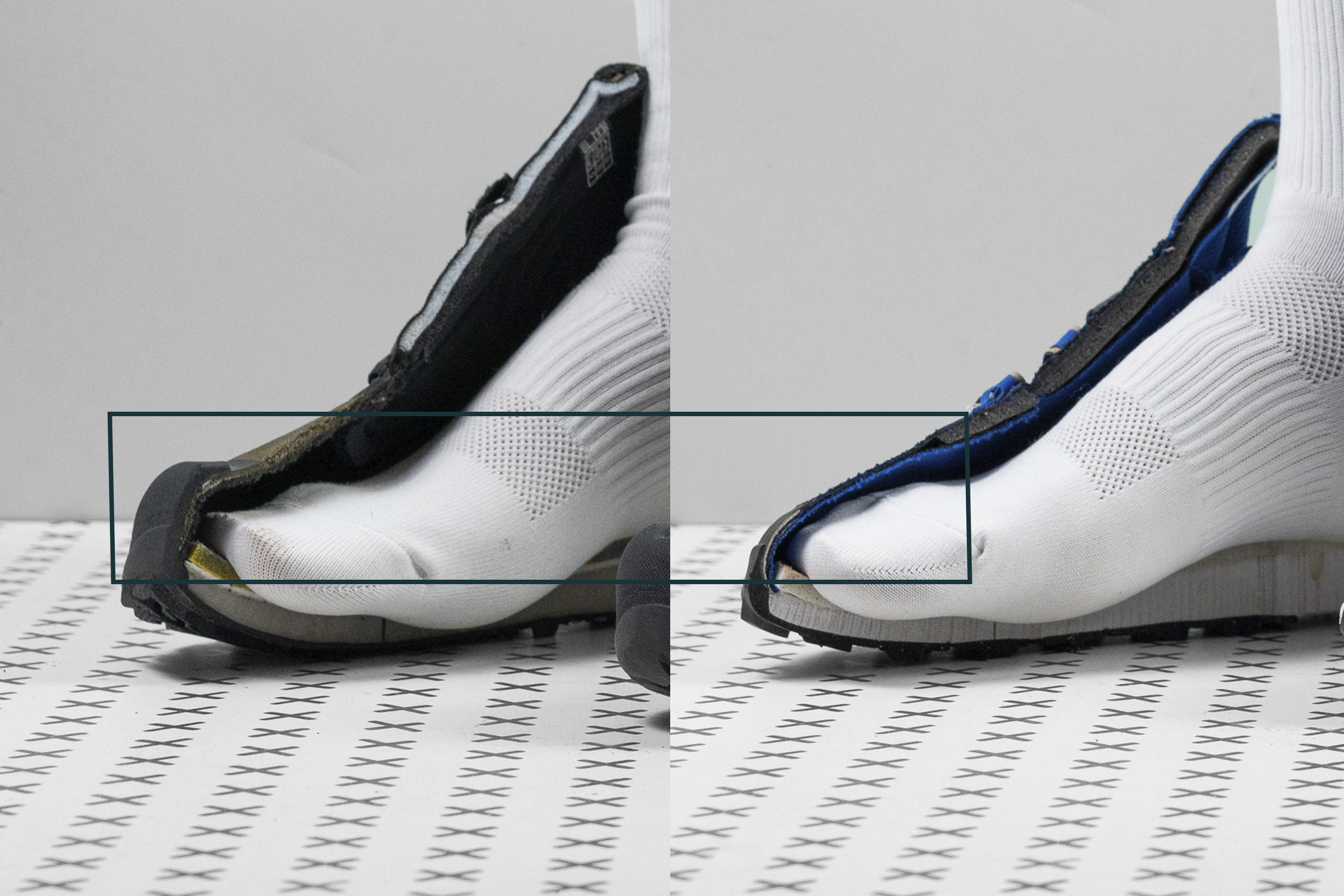
Of course, assessing this on whole shoes is almost impossible. Protective overlays and toe bumpers can be too thick. Fortunately, we have a gel mould that enters the scene.
We also recommend examining the upper: some materials are stretchy and, therefore, less likely to hurt the toes and toenails pointing up. Other uppers, like leather, or shoes with stiff toe bumpers and protective overlays, are very hard and have no room for your toes to “breathe”.
Consequences of a tight-fitting hiking shoe
Choosing a wide-fitting hiking shoe is important not only for overall comfort but also for long-term foot health.
Nearly every foot problem traces back to ill-fitting shoes:
- Blisters and hot spots: Lack of space irritates skin badly, especially in the toe and heel areas.
- Reduced blood circulation: Aside from numbness, it can also make your feet feel colder.
- Foot deformities like bunions (Hallux valgus), Hallux rigidus, Haglund's deformity, etc.
- Painful corns and calluses.
- Toe and toenail issues: ingrown toenails, Morton’s Neuroma, hammertoes, black toenails, to name a few.
https://cdn.runrepeat.com/storage/gallery/product_content/40651/topo-ultraventure-4-vertical-clearance-toes.webm
Similar buying guides