7 Best Brooks Running Shoes in 2026

We buy shoes ourselves. We earn commissions when you buy through us, at no extra cost. Why trust us
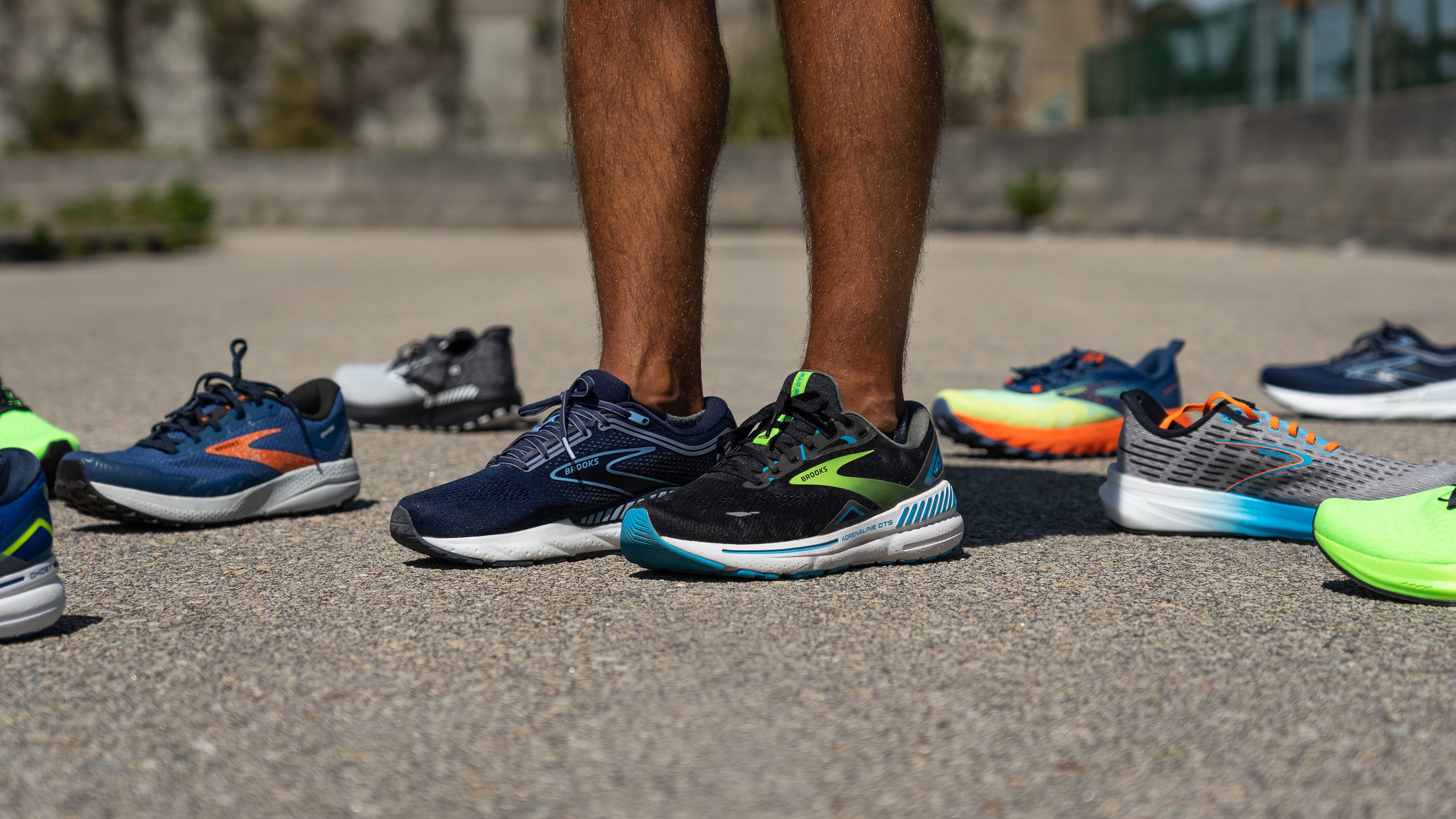
With a "Run Happy" motto, Brooks believes that there is no good or bad running shoe. Each runner picks the right shoe for them based on their preferences and the running experience they want to achieve.
We have performed wear tests and lab tests on every Brooks shoe to help you find the best one. As much as possible, we want to offer the greatest running shoe for every kind of runner.
Thus, we have come up with top picks in different categories to meet all sorts of runners' needs.
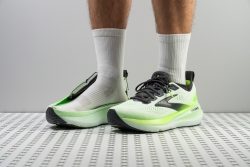
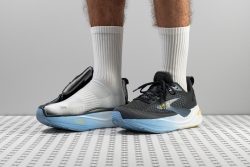
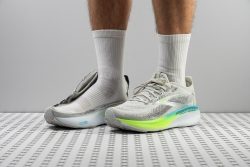
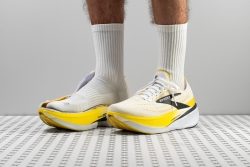
How we test Brooks running shoes
We spend hours testing Brooks running shoes to ensure that the reviews and guides we deliver are the best ones out there. Here is what we do:
- First of all, we purchase all Brooks shoes with our own money to eradicate any bias.
- We ran with every Brooks shoe in a variety of conditions and paces.
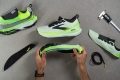
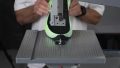
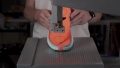
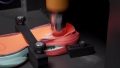
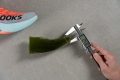
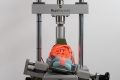
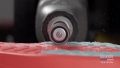
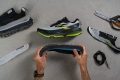
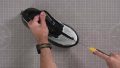
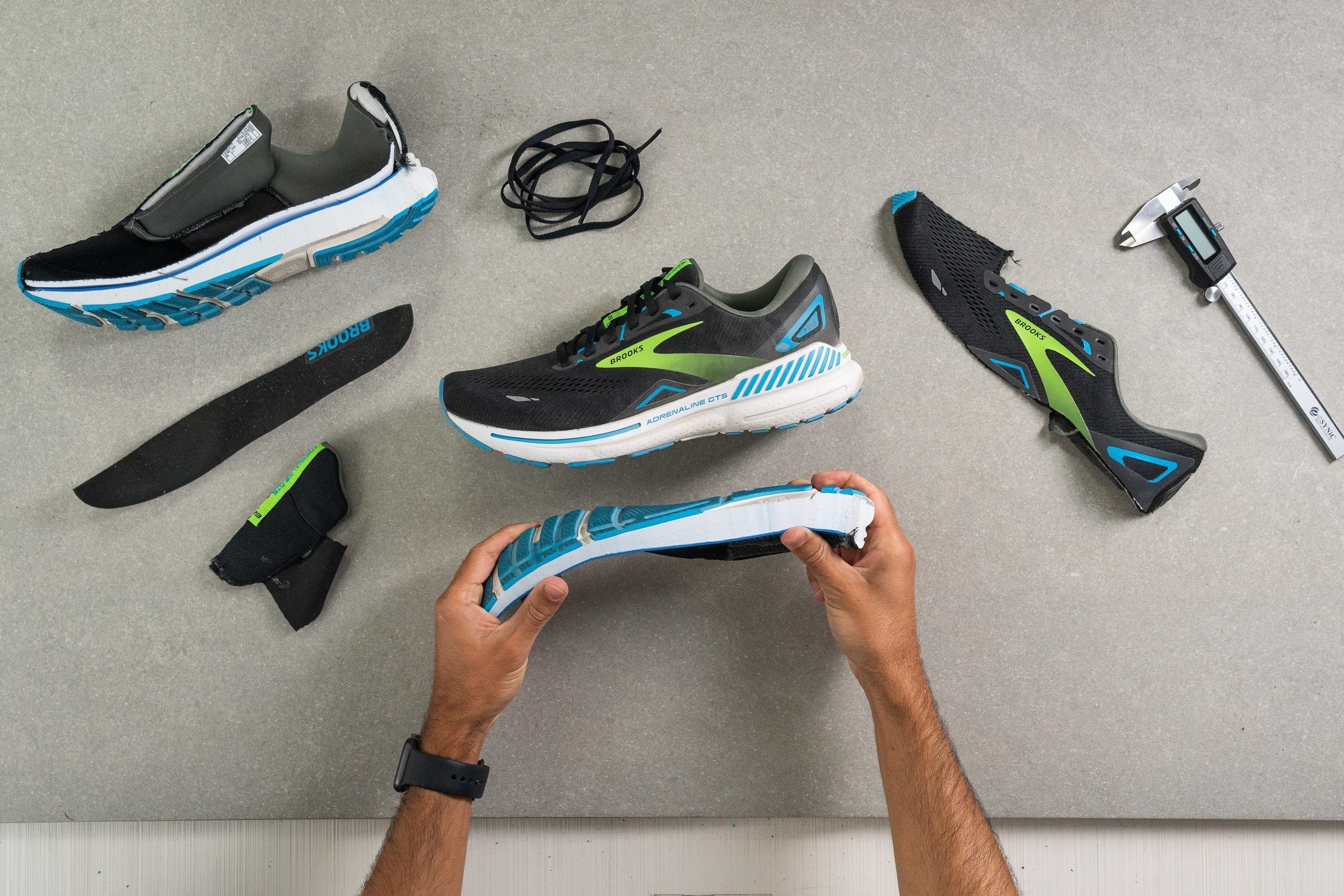
- In our independent shoe testing lab, we literally cut each shoe into pieces and measured every imaginable detail, including shock absorption, energy return, breathability, durability, traction, outsole thickness, tongue thickness, etc.
The cream of the crop makes it here!
Best Brooks running shoes overall
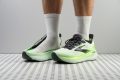
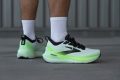





What makes it the best?
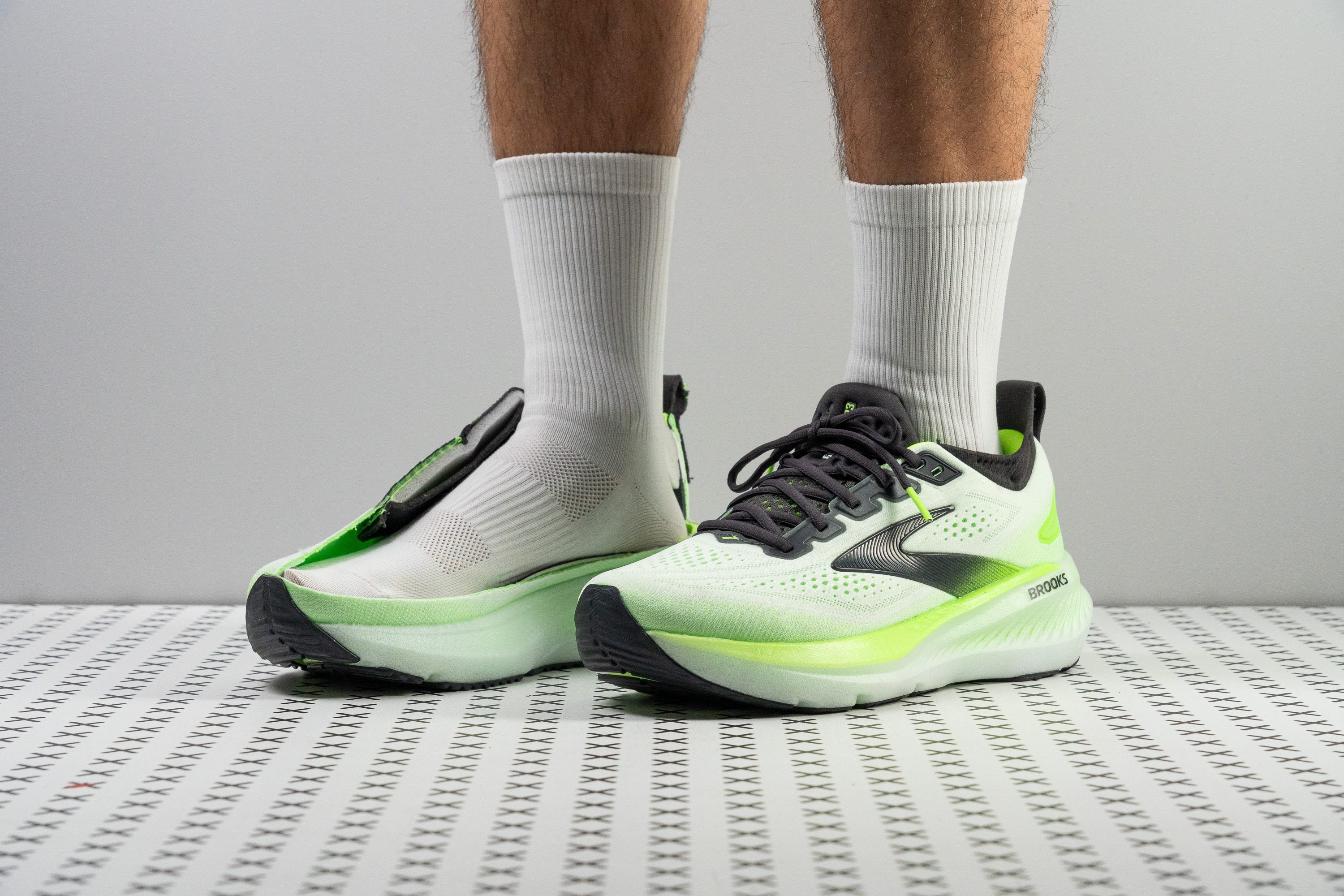
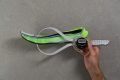
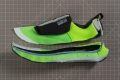
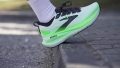
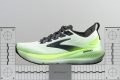
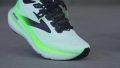
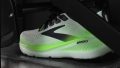
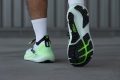
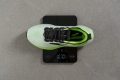
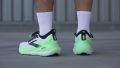
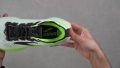
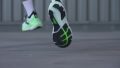
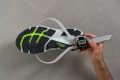
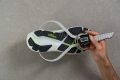
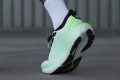
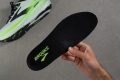
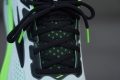
On its 23rd version for a reason, the Glycerin stands out as our best Brooks running shoe, offering a stable yet delightfully luscious ride for any footstrike or distance. Our lab tests confirm its outstanding performance because, beyond its remarkable midsole, it has a durable outsole to boast.
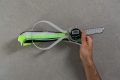
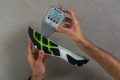
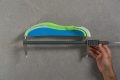
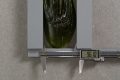
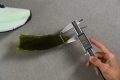
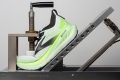
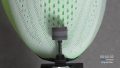
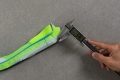
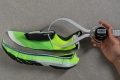
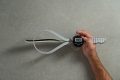
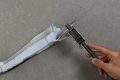
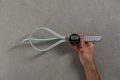
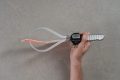
Our caliper shows an above-average 37.2/29.0 mm stack height, which effectively protects our legs from impact. Testing for shock absorption, we recorded solid ratings of 140 SA in the heel and 116 SA up front, allowing us to savor long runs without bruised muscles.
Despite its height, we felt sure-footed because the platform is broad at 120.4/98.6 mm, especially advantageous during the latter miles of long runs, as it alleviates fatigue.
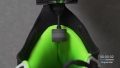
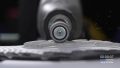
Underfoot, the outsole ensures it will endure many training blocks. Cementing its durability is its minor 0.7 mm damage after our brutal Dremel test. For reference, the average is 36% deeper at 1.1 mm.
Unfortunately, this version lost ventilation, which makes it less suitable for humid conditions. If breathability is high on the list, we suggest exploring elsewhere.
Pros
- Excellent comfort
- Strong durability from top to bottom
- Soft, easy ride
- Improved fit
- Reliable grip on wet and dry surfaces
- Premium knit upper with great build quality
- Excellent heel lockdown
- Versatile for casual use
- Lower drop appeals more footstrikes
Cons
- Heavy compared to most rivals
- Lacks energy return
- Missing gusseted tongue at this price point
- Price bump
Best Brooks running shoes for daily training







What makes it the best?
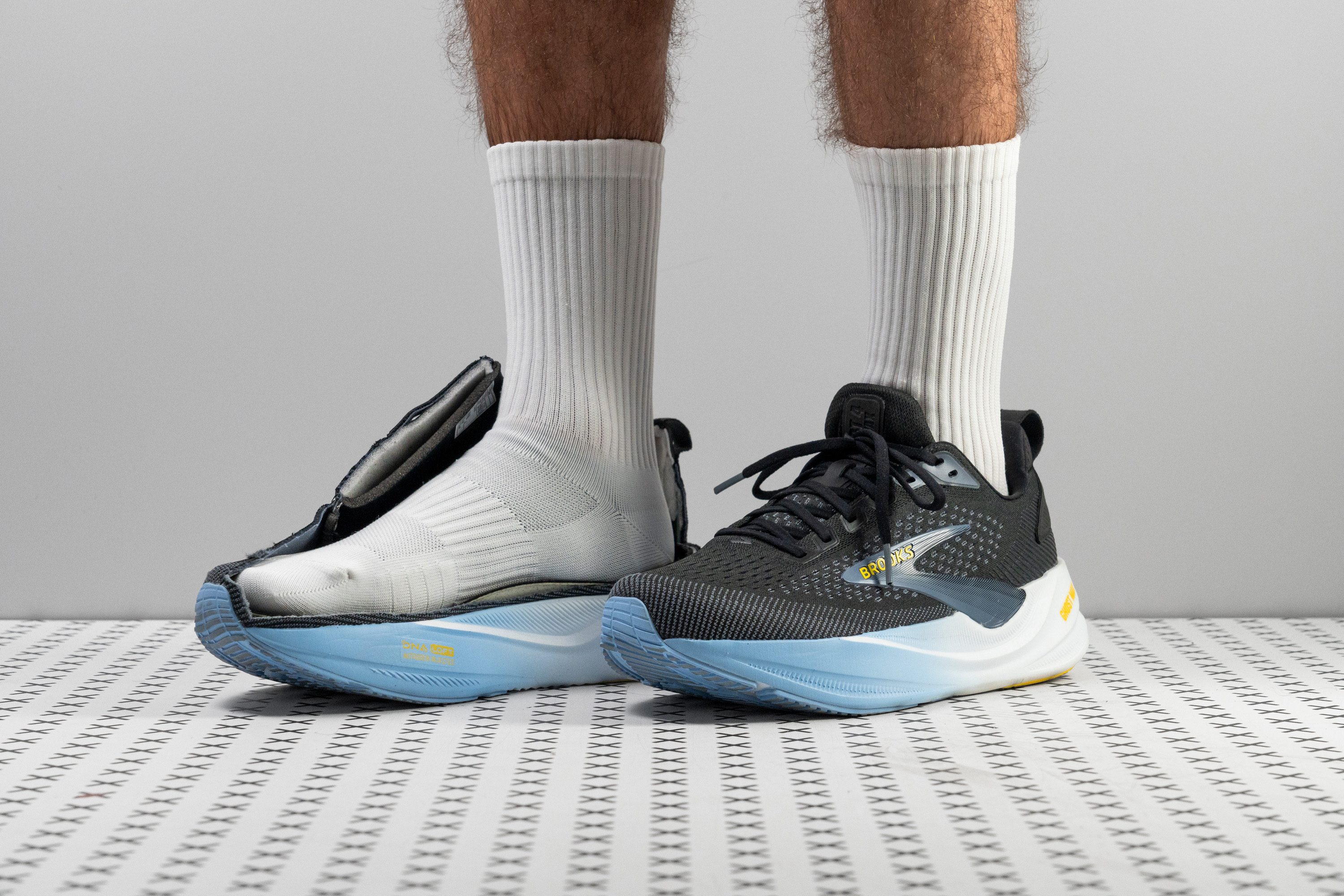
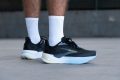
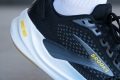
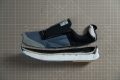
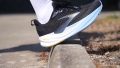
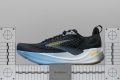
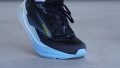
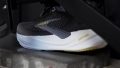
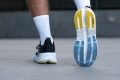
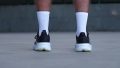
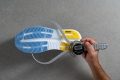
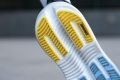
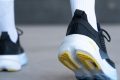
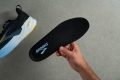
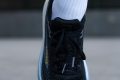
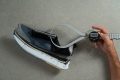
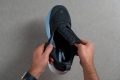
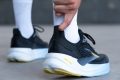
Our legs feel ultimately protected in our multi-hour runs with the Brooks Ghost Max 4. Besides its generously cushioned sensation, we felt in full control of our steps because of its stable ride and grippy outsole, making it our top daily trainer in the Brooks running shoe roster. Additionally, it exhibits remarkable durability in our lab tests.
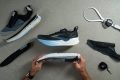
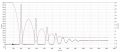
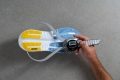
Ghost Max 4 sports a 38.6/29.6 mm stack, above the 35.5/27.1 mm average. It offers a cushioned ride for any foot striker and even for heavier runners because of its high shock absorption scores of 145 SA (heel) and 116 SA (forefoot).
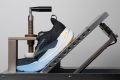
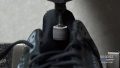
Given its massive build, it feels exceptionally stable for its height. We credit the wide landing base, with measurements of 117.6/96.2 mm at the forefoot and heel, respectively. Moreover, we measured strong resistance to twisting, needing 18% more force than average to do so.
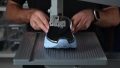
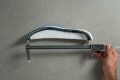
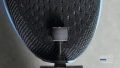
We assessed the outsole in the lab and found extensive rubber coverage, with numerous flex grooves that enhance traction on wet surfaces. Amazingly, it does so without compromising longevity. In our Dremel test, the rubber sustained 27% less damage than average.
However, the thick foam slab makes Ghost Max 4 harder to bend than the average running shoe. Those who prefer more flexibility are better off with other pairs.
Pros
- Stable ride
- Smooth and predictable running experience
- High-quality upper
- Plush step-in comfort
- Durable outsole rubber
- Thick, premium-feeling tongue
- Good impact protection
- Works well in hot summer days
- Comfortable for long runs
- Small weight loss
Cons
- Not energetic at all
- Non-gusseted tongue
- Firm ride won't suit everyone
- Drop is higher than stated
Best Brooks running shoes for stability
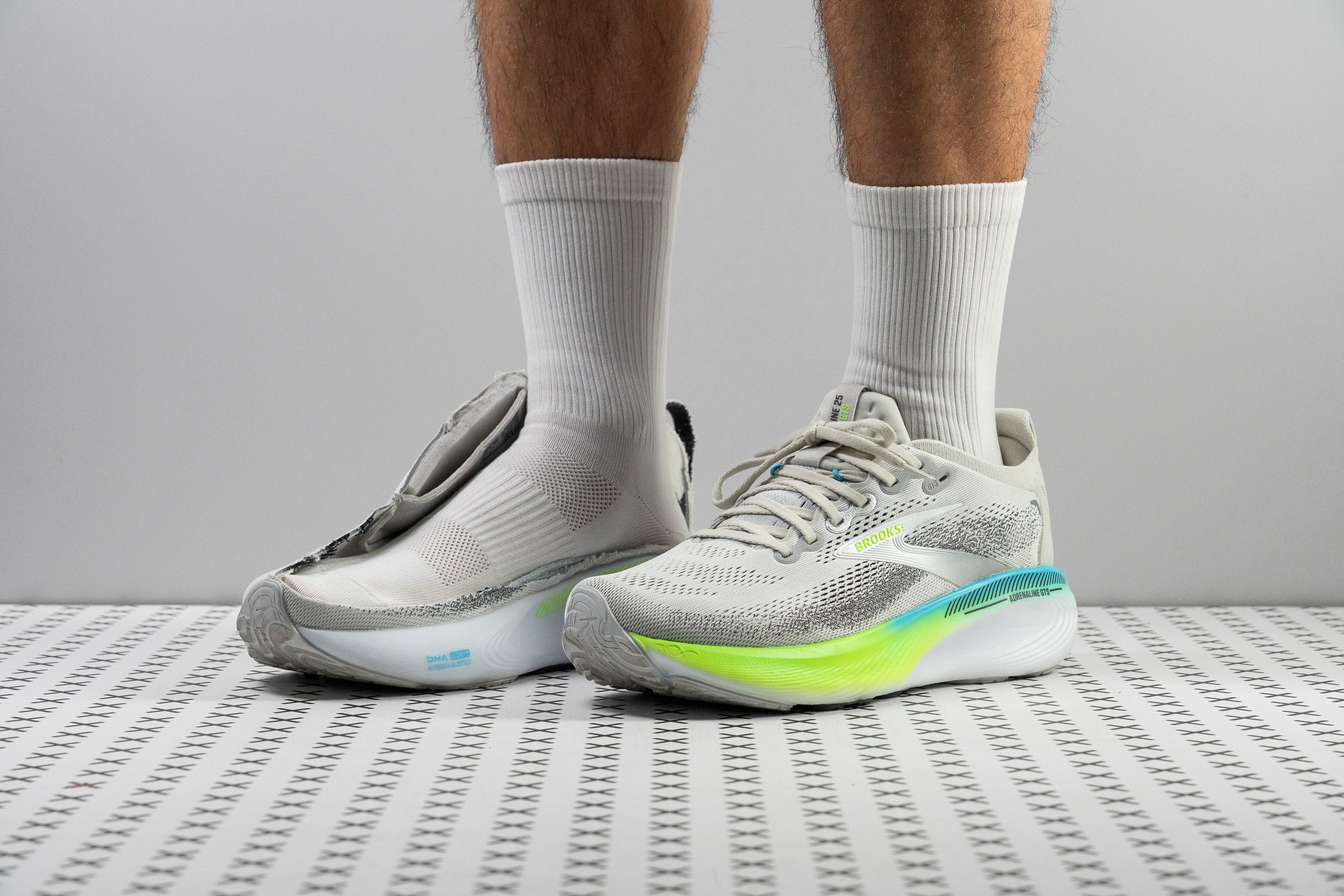






What makes it the best?
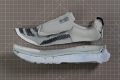
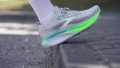
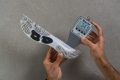
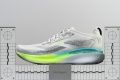
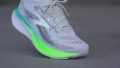
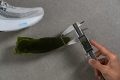
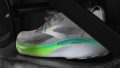
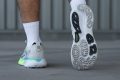
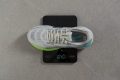
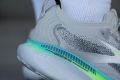
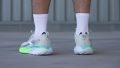
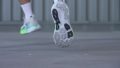
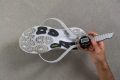
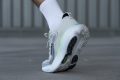
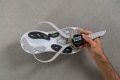
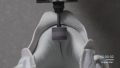
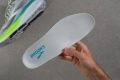
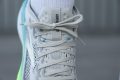
The 25th iteration of Brooks Adrenaline GTS gave us steady, balanced, and comfortable runs. It shines as a forgiving daily trainer that offers subtle support through its cushioned yet wide midsole and GuideRails technology, which we discovered in the lab. Therefore, it’s our top “Go To Stability” shoe among Brooks running shoes.
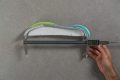
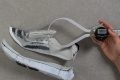
GTS actually stands for “Go To Support,” and that’s exactly what this shoe delivers. The Brooks’ GuideRails technology, cleverly placed on both sides of the shoe, keeps our feet centered and well-planted. This feature prevents our feet from rolling in and our arches from collapsing in the most subtle way. Plus, the broad base of 117.7/100.7 mm inherently adds stability to the ride.
Switching to the midsole, it gives solid impact protection in its 36.1 mm heel. It reduces impact effectively, proven by its high 138 SA impact protection score in our lab test.
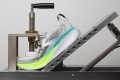
During our runs, the midsole feels easy to maneuver, and our flex test shows it’s 7% more pliable than average. No wonder it feels forgiving despite being a stability shoe.
However, we can only recommend this pair to heel strikers. Other types of runners will find the 10.2 mm heel drop too steep.
Pros
- Excellent stability with subtle support
- Softer midsole foam
- Improved shock absorption
- World-class outsole durability
- Excellent upper comfort
- Better traction
- Reduced drop adds versatility
- Still ideal for heel strikers
- Comfy and durable for daily wear
Cons
- Needs to lose weight ASAP
- Modest energy return in the heel
- Minor price increase
Brooks running shoes with the best shock absorption










What makes it the best?
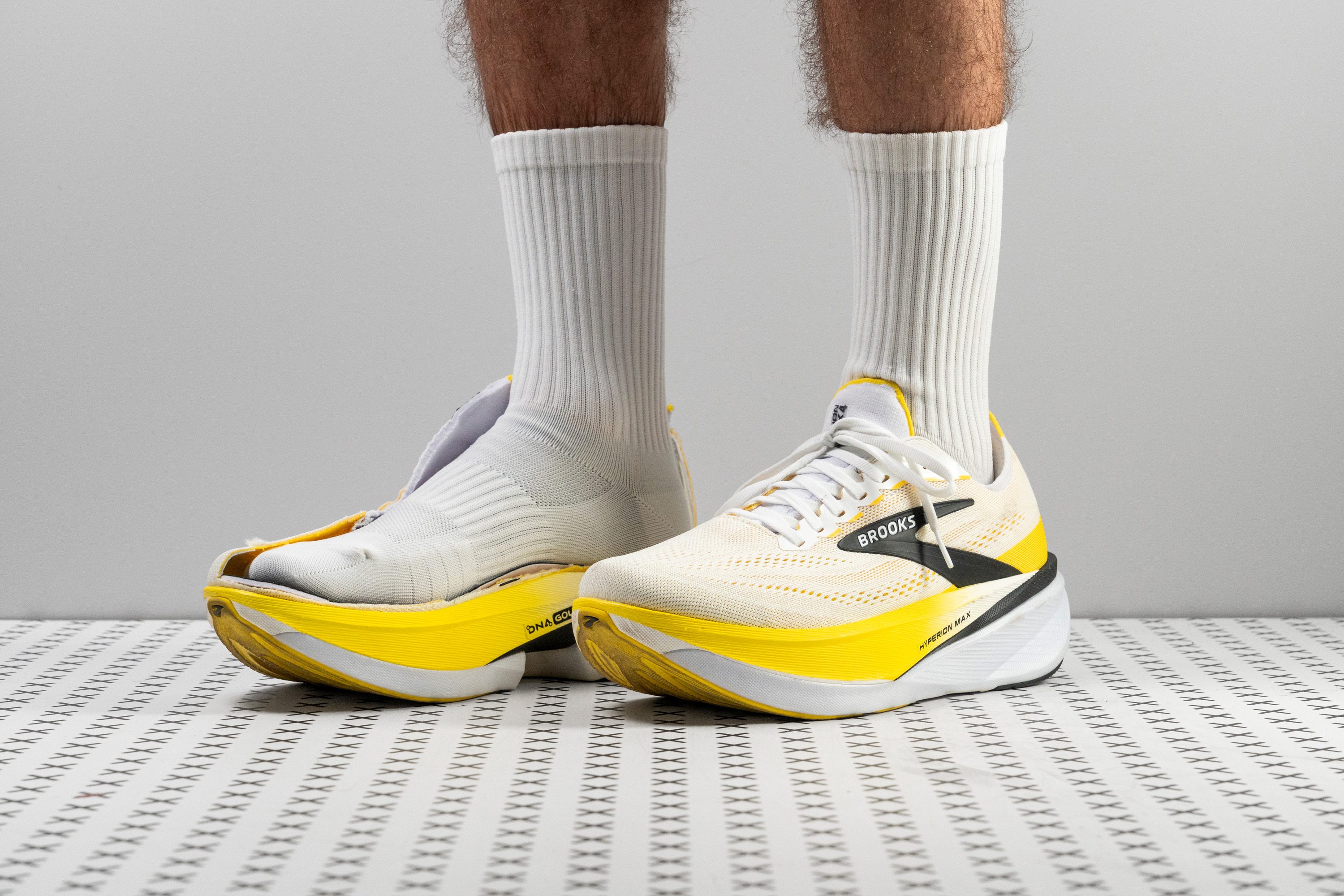
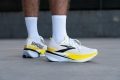
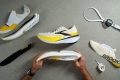
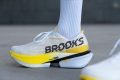
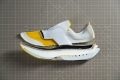
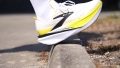
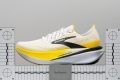
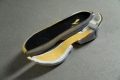
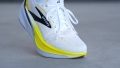
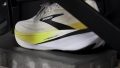
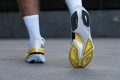
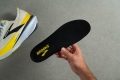
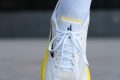
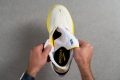
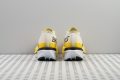
Brooks Hyperion Max 4 uses its skyscraper height as its main focal point, delivering a protected ride for devouring the miles. Despite its size, it surprises us with energy return and a smooth, rolling sensation, gracing our runs with confidence and ease. Our lab results and runs are sure of one thing: it’s the best shock-absorbing Brooks running shoe.
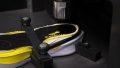
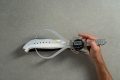
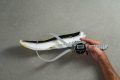
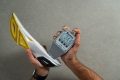
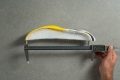
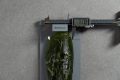
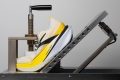
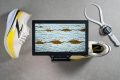
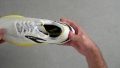
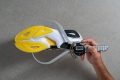
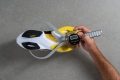
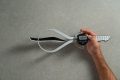
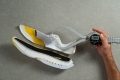
With a caliper in hand, we measured its stack height at a massive 44.8/35.2 mm, offering endless comfort in our runs. Ground feel doesn’t exist with such a thick foam between our feet and the streets.
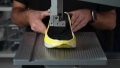
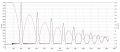
Plus, we recorded exceptional shock absorption scores of 148 SA in the heel and 134 SA in the forefoot, ensuring all foot strikers will be protected even during endurance training.
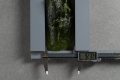
To boost agility, the foam offers strong responsiveness, backed up with energy return scores of 62.9% in the heel and 67.9% in the forefoot. Moreover, its SpeedVault plate adds snappiness to our strides without stiffening the midsole since it’s made of nylon. Our bend test confirms it’s only 22% stiffer than average.
To reduce its bulk, an aggressive rocker brings us forward. True to its name, the GlideRoll rolls us forward and assists in smooth transitions.
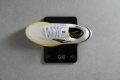
However, Hyperion Max 4’s weight still becomes apparent when fatigue sets in. At 10.3 oz (292g), it’s 11% heavier than average.
Pros
- Ideal for long-distance training
- Secure fit with excellent midfoot hold
- Stable for midfoot and forefoot strikers
- Excellent impact protection
- Good energy return
- Brooks keeps nailing upper comfort
- Beautiful design from every angle
- Very good option for narrow feet
Cons
- Maybe a bit expensive for its features
- Heavier than most rivals
- Not for wide feet
- Breathability could be better
Best Brooks running shoes for race

















What makes it the best?
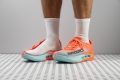
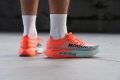
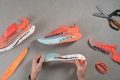
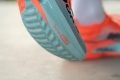
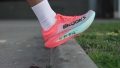
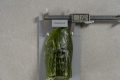
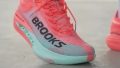
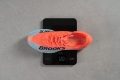
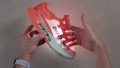
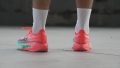
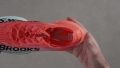
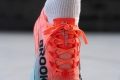
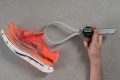
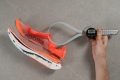
The Hyperion Elite 5, among our lab's lightest and fastest Brooks shoes, stands out with its super shoe-level speed. The performance it delivered in our runs cements it's the best racer from the brand. With a snappy and lightweight build and an ultra-breathable, snug upper, it's comfortable even up to marathon distances.
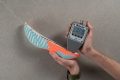
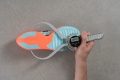
Offering maximum performance at a minimum weight, HE5 tips the scales to a feathery 7.2 oz (204g). We can go faster than ever with 23.3% weight savings vs. the average Brooks shoe! Our foot feels snug with the toebox's 71.5 mm width—a fit meant to race.
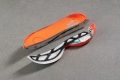
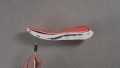
HE5’s cushioning is felt in its shock-absorbing heel, scoring 151 SA, offering soft landings and premium impact protection. Meanwhile, the DNA Gold foam launches us forward effortlessly, backed up by world-class energy return scores of 76.9% in the heel and 77.7% in the forefoot.
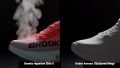
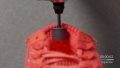
Running in the HE5 is a breath of fresh air, with its upper serving seamless airflow. The smoke we pumped in escaped instantly, explaining its 5/5 breathability rating. This not only prevents overheating but also avoids blisters.
However, we find the HE5 is best suited for heel-strikers with its steep 11.2 mm drop. We recommend forefoot strikers running marathon distances to find a racer with more cushioning in the front.
Pros
- Finally top-tier energy return
- Durable and breathable knit upper
- Innovative midsole design
- Sharp, fast ride
- Ideal for heel strikers
- Solid traction
- Plush feel underfoot
- Fantastic at 5K/10K races
Cons
- Not very stable
- Limited outsole durability
- A bit heavy
- High price tag
Best Brooks trail running shoes



What makes it the best?
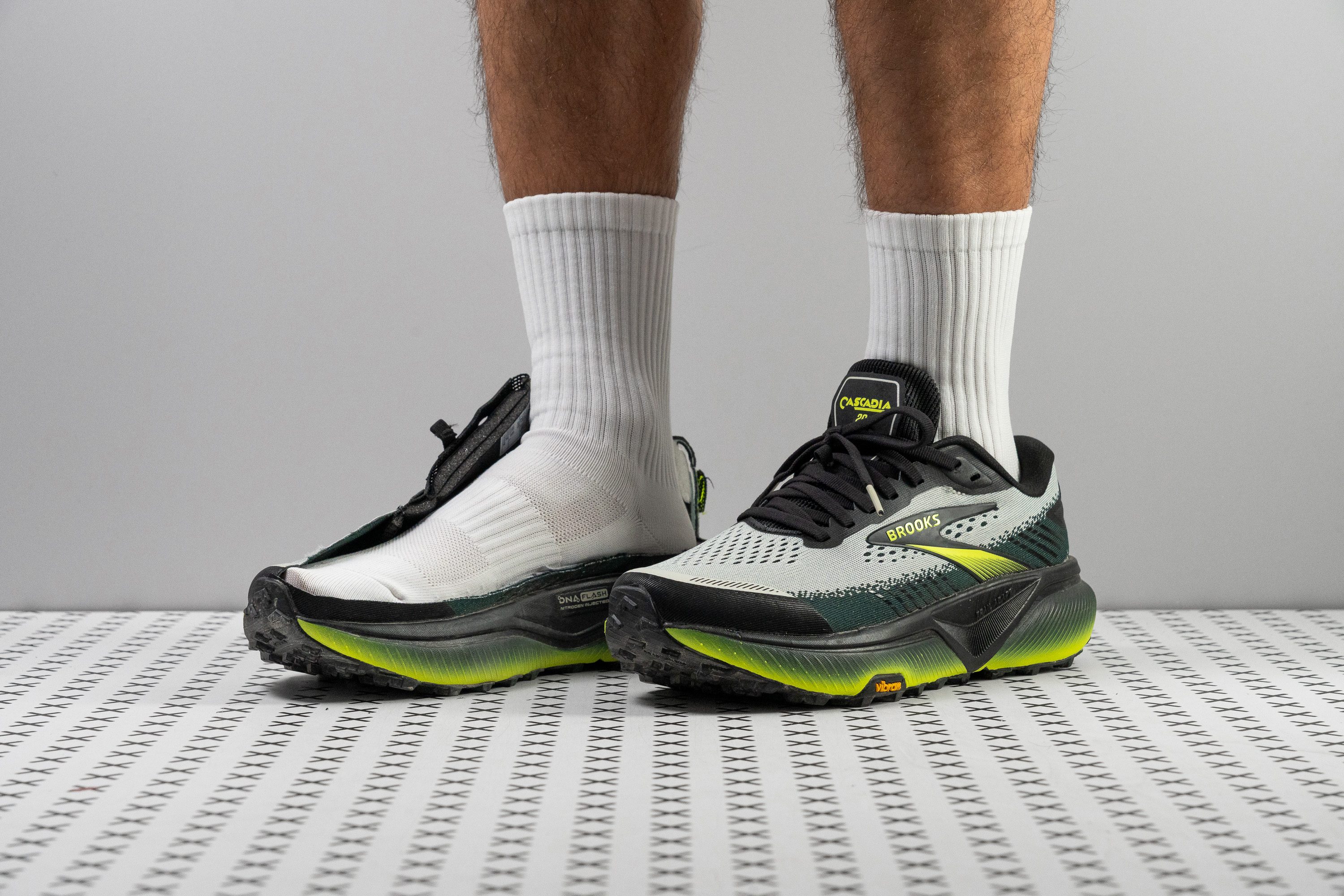
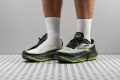
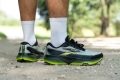
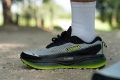
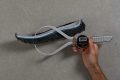
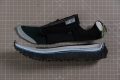
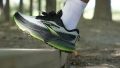
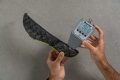
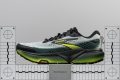
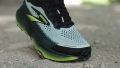
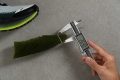
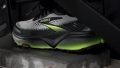
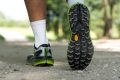
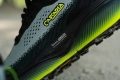
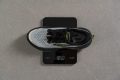
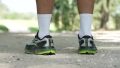
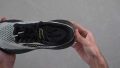
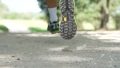
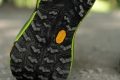
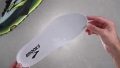
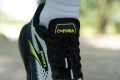
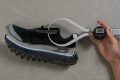
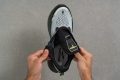
Among Brooks’ running lineup we tested in the lab, we found the Cascadia 20 to be our ultimate trail shoe because of its excellent protection and reliable traction. Across varied trail conditions, we felt surefooted with its Trail Adapt System and refreshed on its cushioned base.
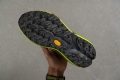
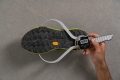
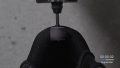
We remained in control as we tackled mixed terrains with its versatile 3.4 mm lugs. It features Vibram Megagrip rubber, which cements its superior grip with a high result of 0.79 in our traction test.
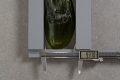
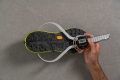
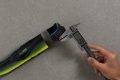
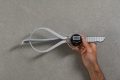
The Cascadia 20 has a unique feature called the TrailAdapt, which serves as our stabilizer without losing flexibility. Despite its effective support, it needs only a near-average torque of 15.6 Nm to twist, which helps us adjust to uneven surfaces quickly. Additionally, its massive 117.7/98.5 mm base secured our footing effectively.
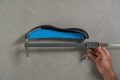
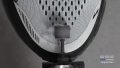
We measured the stack height at 37.9/29.1 mm, staying above the standard. Moreover, it offers deep impact protection, evidenced by high shock absorption scores of 136 SA in the heel and 121 SA in the forefoot, making it a long-distance runner’s dream.
However, its broad dimensions make the shoe feel bulkier than before. Those who love an agile ride should skip this pair.
Pros
- Vibram Megagrip outsole
- Excellent stability
- Versatile for hiking and running
- More cushioning than previous Cascadias
- Plush step-in comfort
- Secure fit with zero slide
- Ideal for heel strikers
- Performs well on gravel roads
- Excellent value for money
- Lighter than v19
Cons
- Still a heavy trail shoe
- Snug fit limits wider feet
- Upper durability concerns
- Maybe a bit too firm for some
Best budget Brooks running shoes

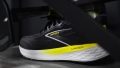
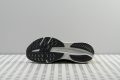
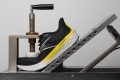
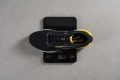


What makes it the best?
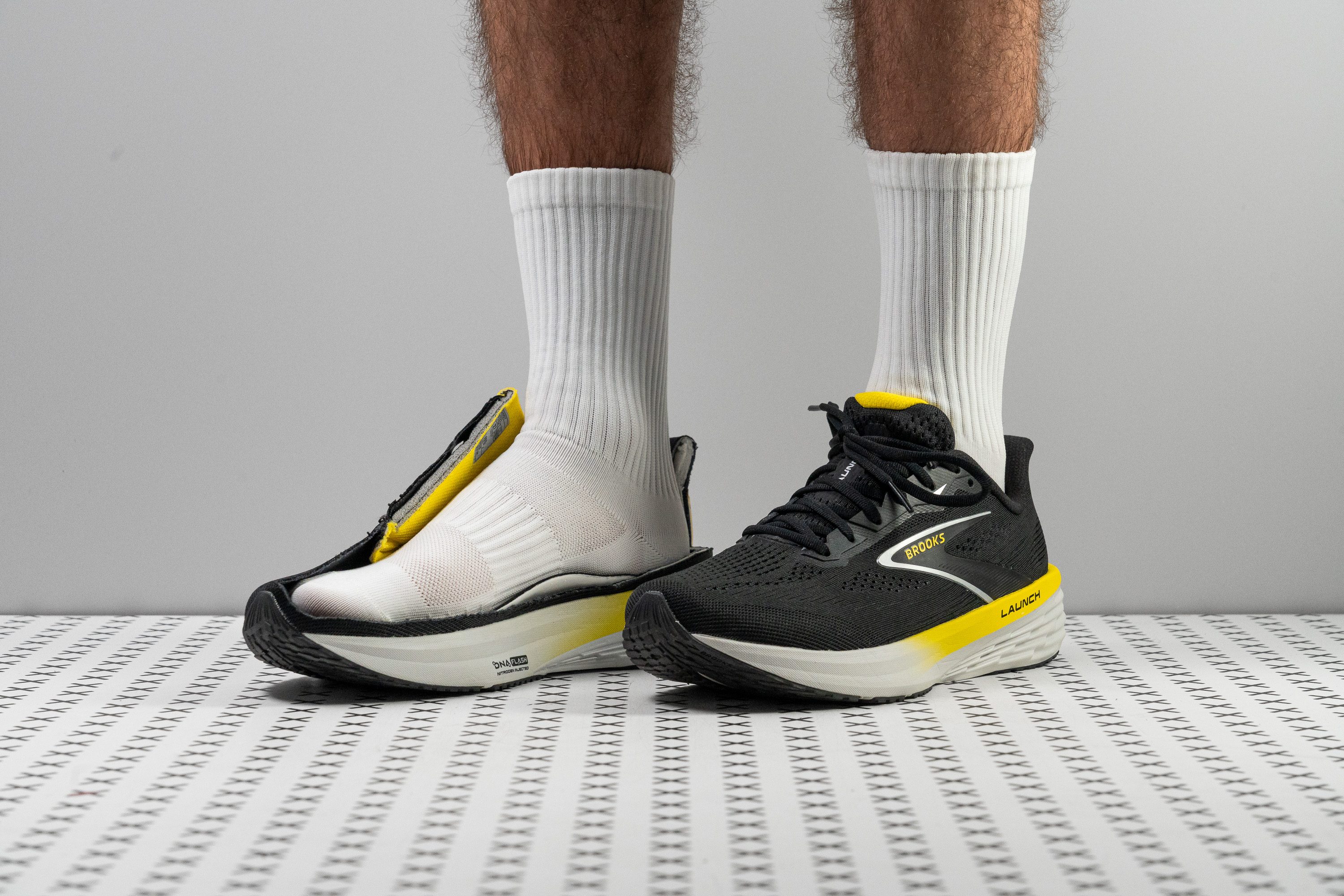
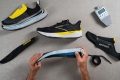
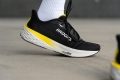
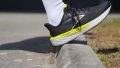
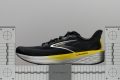
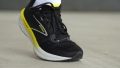
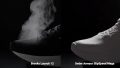
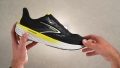
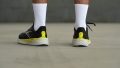
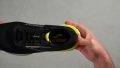
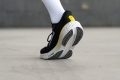
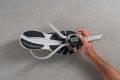
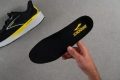
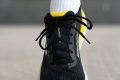
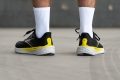
At $120, Launch 12 is a standout for its versatility, responsiveness, and durability. Despite being 22% cheaper than average, it already has the qualities we look for in more premium shoes, such as a light, classic feel during our runs. Our lab results back up our sentiment: it’s the best budget Brooks running shoe.
What makes Launch 12 a bang for the buck is its outstanding adaptability, making it suitable for easy days, tempo runs, and activities like walking and gym workouts. The midsole flows with our feet, working with us instead of against us. Our flex test confirms it's 18% more flexible than average. Additionally, its airy 8.6 oz (244g) build makes us more agile, staying 6% below average.
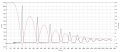
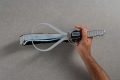
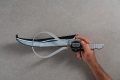
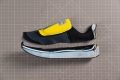
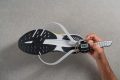
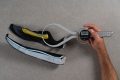
We attribute its natural feel to its low 33.4/24.5 mm stack height, keeping us ground-connected and fast. Its forefoot cushion feels delightful, giving a nice rebound to our strides. Speeding up is easy since it offers remarkable energy return of 65.5%.
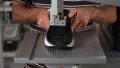
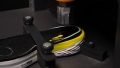
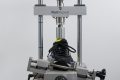
Launch 12 scored 0.58 in our traction test, translating to reliable grip in our runs. Moreover, it showed a minimal 0.8 mm dent in our Dremel test, ensuring this budget shoe can highly resist wear and tear.
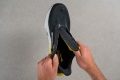
Unfortunately, its compact dimensions also apply to its width, especially in the toebox. We recommend runners with wide feet to choose a more spacious shoe to prevent pressure points.
Pros
- Lightweight and fun for daily miles
- Excellent value
- Breathable and secure upper
- Forefoot feels reactive
- Stable ride for neutral runners
- Flexible, natural geometry
- Ideal for those who hate modern max-stack shoes
- Doubles with ease for daily life
- Can handle tempo stuff
Cons
- Narrow and tapered fit won't work for many
- Stiff heel counter may irritate Achilles
- Small weight gain
Choose the right Brooks shoe: road or trail?
As the name suggests, road and trail running shoes are made for different surfaces. Even though the brand's road shoe collection is dominant, Brooks has quite a few outstanding trail offerings too.
Brooks road running shoes
If at least 80% of your running happens on asphalt, concrete, tarmac, or treadmill, you will benefit from a Brooks road shoe. These trainers have smooth, lug-free outsoles and softer cushioning to provide the best impact protection on hard surfaces.
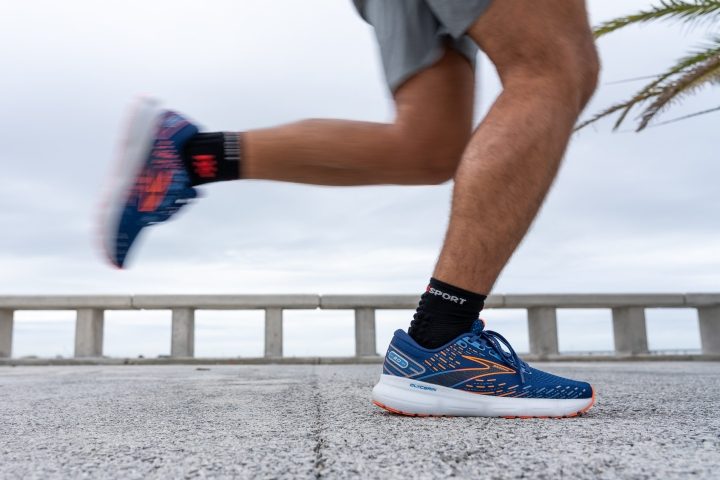
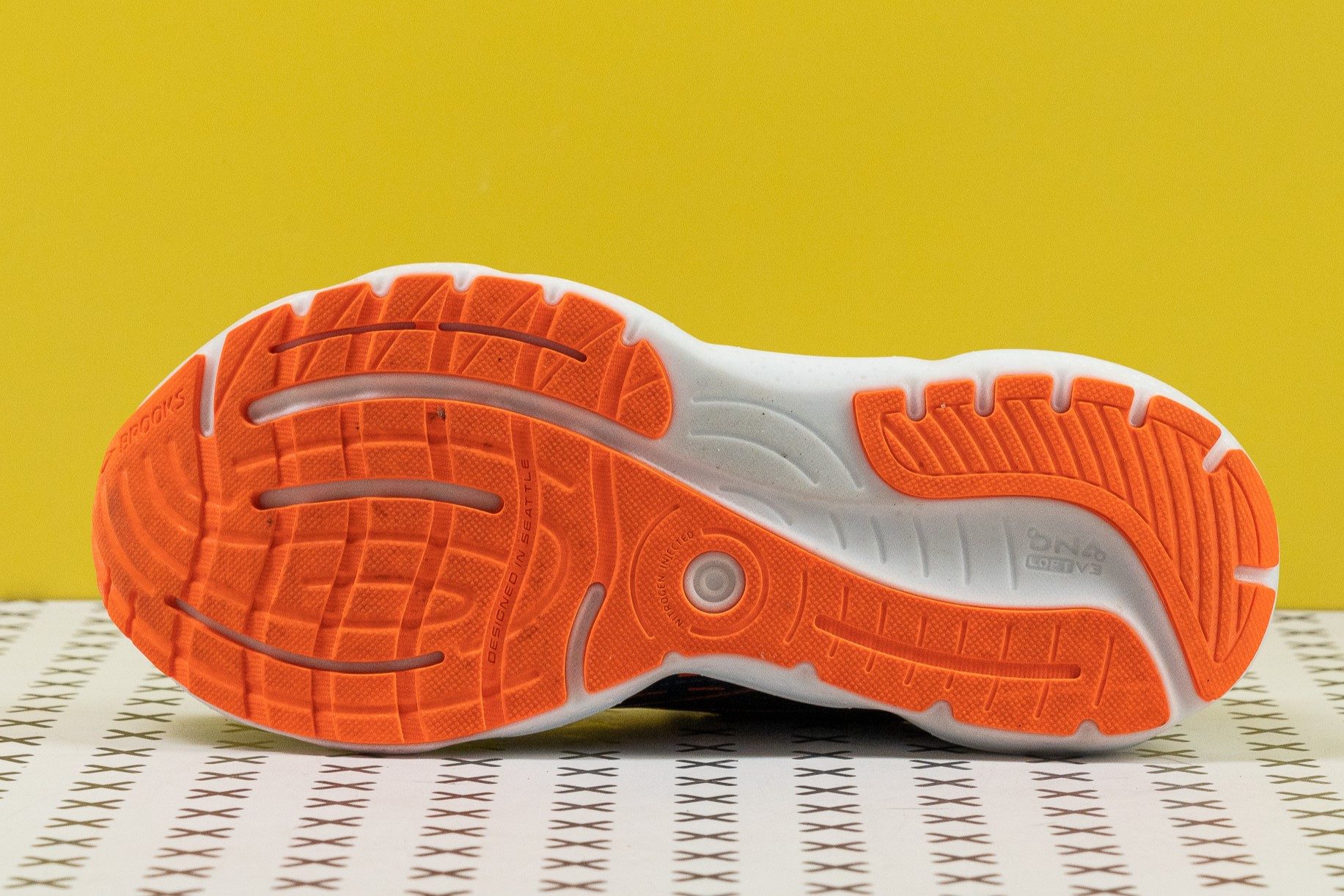
But getting a road shoe doesn't necessarily stop you from hitting some hard-packed trails! More than a few Brooks road shoes have impressively thick and sturdy outsoles which can be taken off the road without a problem.
Brooks trail running shoes
If you mostly run on dirt paths, rocky trails, mud, grass, and other tricky terrain, a Brooks trail shoe is a must.
Equipped with deep aggressive lugs and extra protective construction, these shoes bite into unfriendly surfaces while guarding our feet against rocks, roots, and other debris.
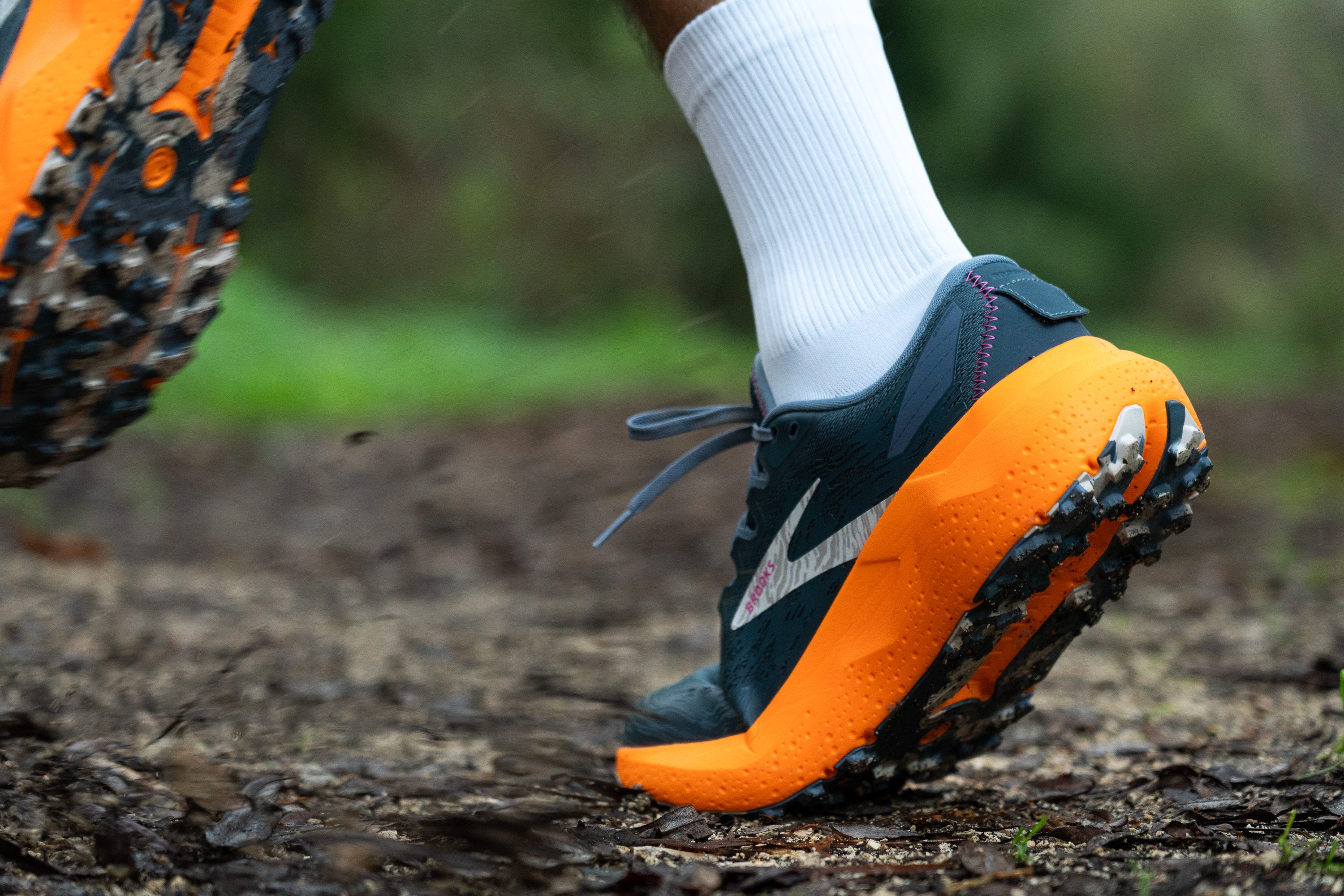
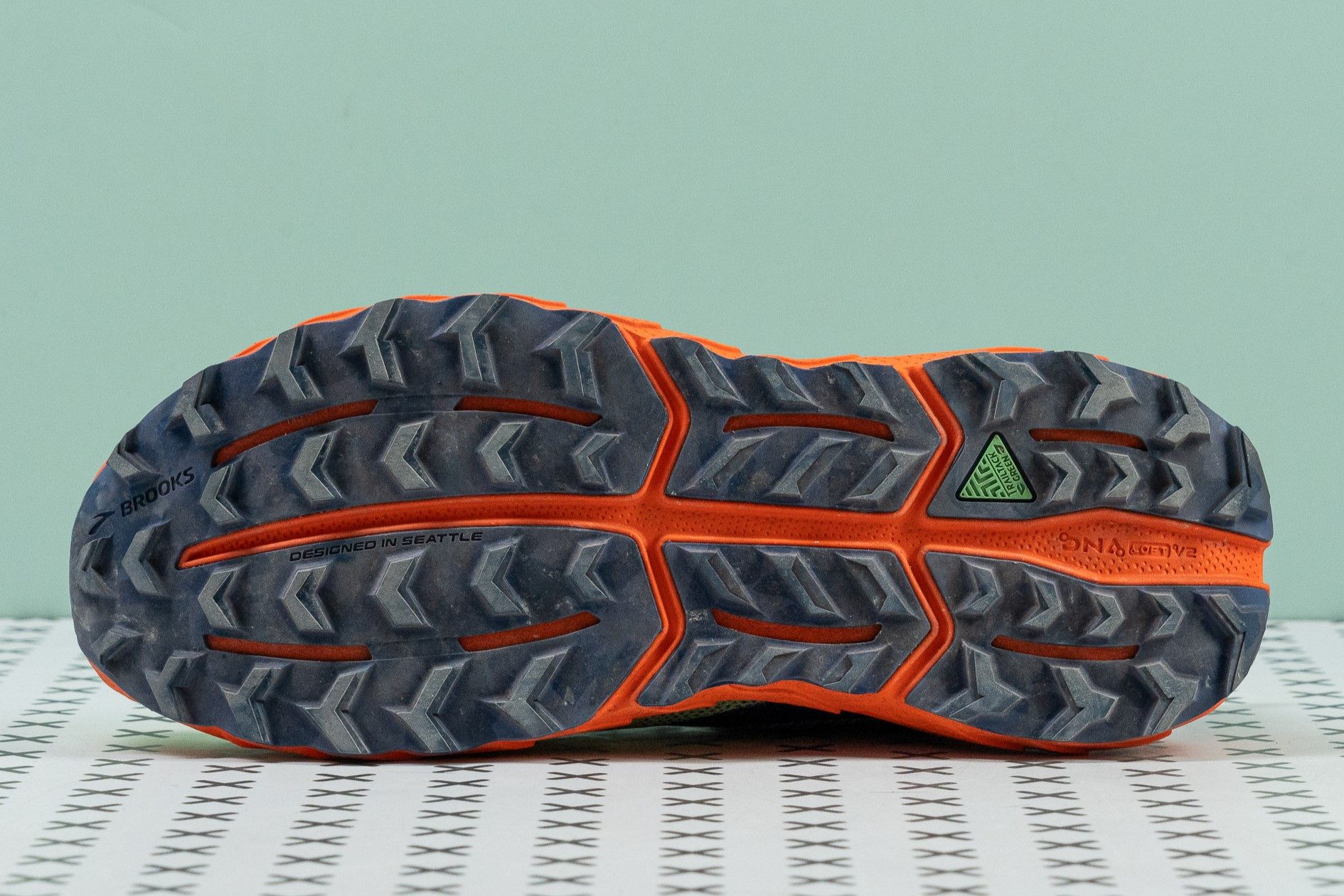
Brooks trail shoes vary in their lug depth as well. Depending on your running conditions, you may prefer deeper or shallower ones:
- deeper lugs (at least 3.5 mm) are best for soft terrain like mud, sand, grass, etc.
- shallower lugs (less than 3 mm) are best for hard-packed trails and road-to-trail runs.
You can learn more nuances in our science-backed guide on running shoe outsoles.
Brooks shoe types based on feel: Cushion, Energize, or Speed?
To help you understand how different Brooks shoes feel underfoot, the brand categorized its running footwear into three types of experience:
- Cushion (comfort-loaded and soft)
- Energize (springy with great energy return)
- Speed (ultra-lightweight, airy, and fast)
“Cushion”
This is the largest and most popular category of Brooks running shoes. It includes long-standing and best-selling shoe series like the Ghost, the Adrenaline, and the Glycerin.
These Brooks shoes are packed with a copious amount of comfort and boast some of the coziest step-in feel across running shoes. It is a perfect choice for:
- beginner runners who interchange walking and running
- runners in search of a plush recovery shoe for slow runs
- people looking for a comfortable pair for walking and standing all day
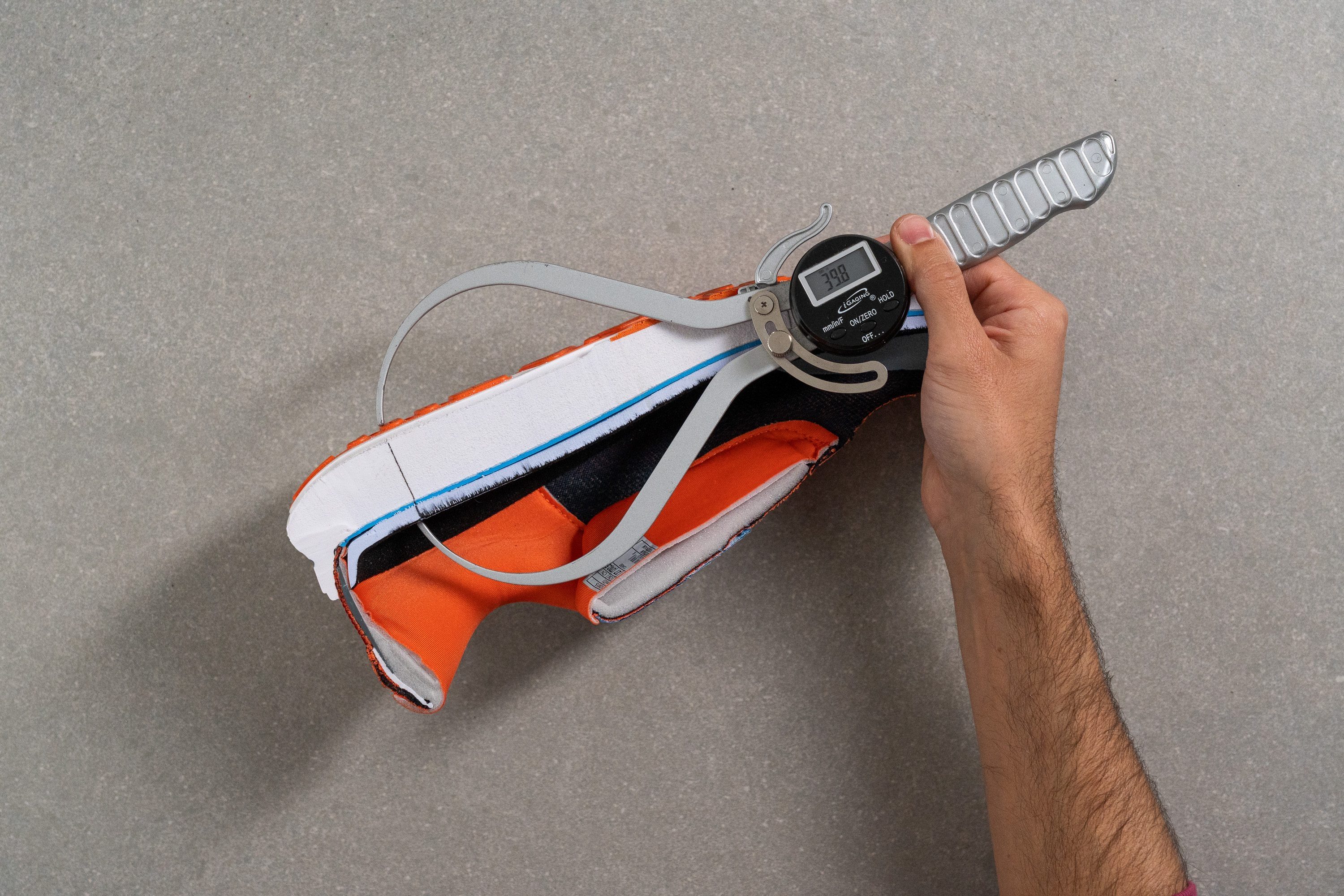
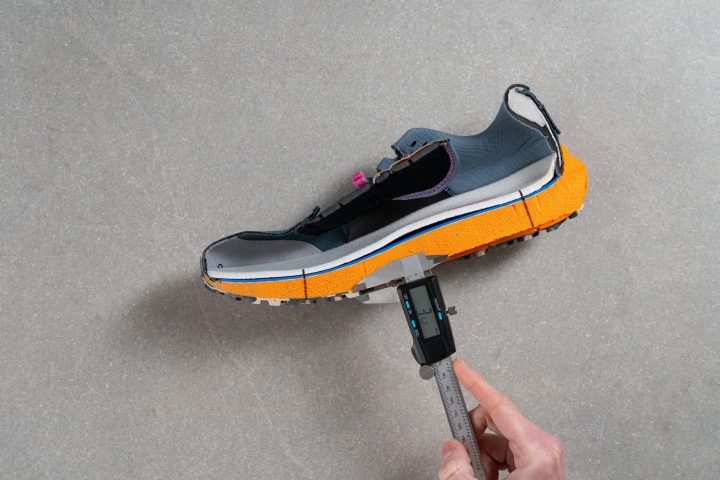
The average stack height of Brooks “Cushion” running shoes is 36 mm with the thickest one reaching 40 mm!
The only downside of “Cushion” shoes is their hefty build. With an average weight of 10.2 oz (290g), these shoes are the heaviest in Brooks’ lineup.
“Energize”
Brooks shoes from the “Energize” category also have a good amount of cushioning for daily runs. But here is what makes them different from the “Cushion” type:
- more responsive and springy ride with better energy return
We can recommend these trainers to beginner and seasoned athletes who want to:
- pick up the pace in their daily runs
- include more cardio into their workout routine
- train for a race
“Speed”
These are the lightest running shoes from Brooks. Averaging 8 oz (230g) in a men’s US size 9, they are barely felt on the foot!
Research shows that every 3.5 oz (100g) added to the shoe slows you down by 1%.
That’s why we recommend “Speed” shoes if you are looking for the following:
- a lightweight shoe for daily runs
- a shoe for tempo runs and training for a race
- a shoe for races (from 5K to a marathon)
Most Brooks shoes have soft cushioning
No matter what category of Brooks shoes you choose, you can most likely expect a very soft ride.
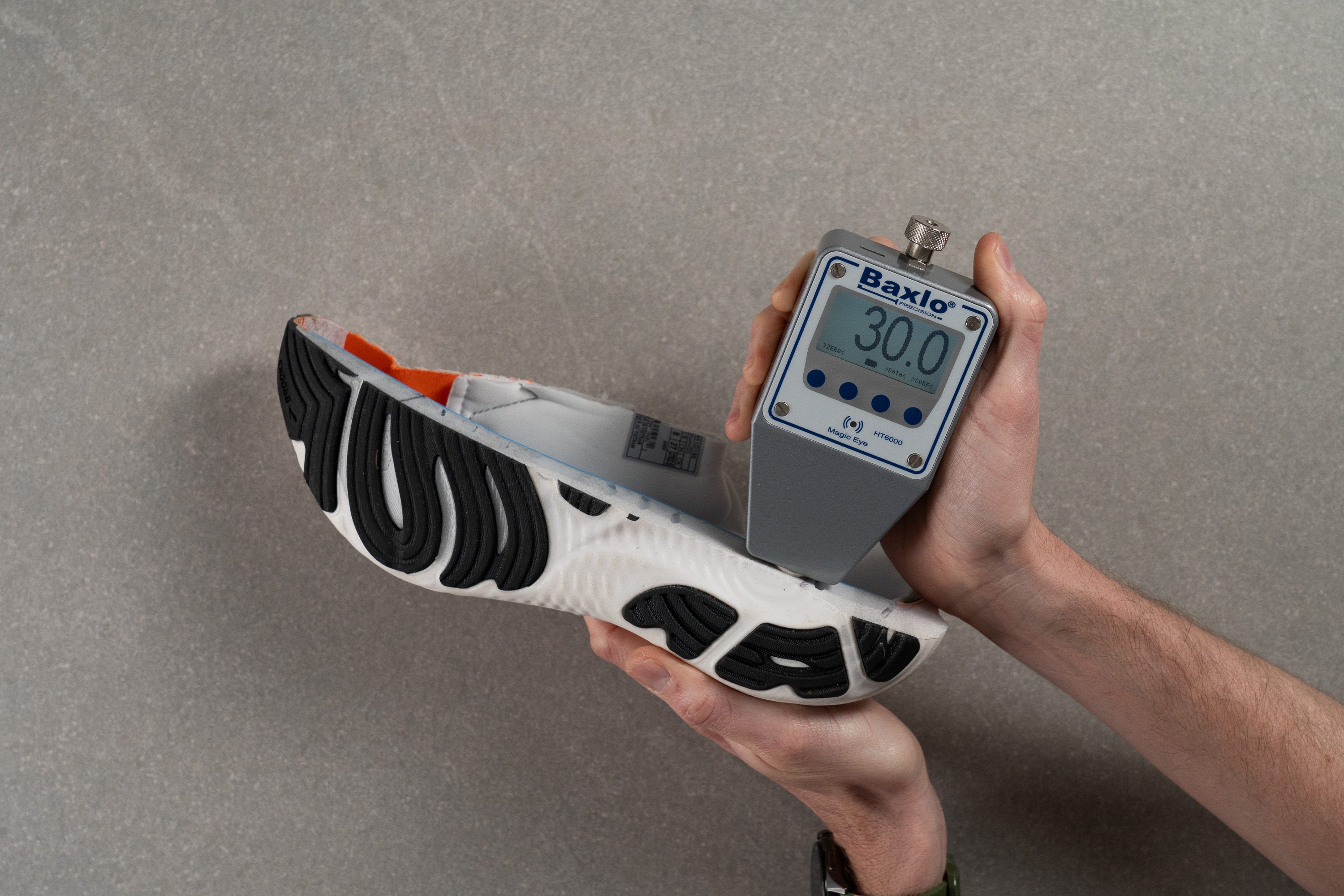
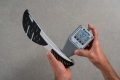
We use an Asker C durometer to measure the softness of each Brooks model. We press the tool against the shoe’s half-cut midsole for the most accurate measurement.
The average durometer reading across our tested Brooks shoes hovers around 35 AC, which is on the softer range of running shoe foams.
Example of a Brooks shoe with plush cushioning
But it doesn’t mean that all Brooks shoes are equally soft. There is a range going from marshmallowy plush to moderately soft and responsive. This is why we have to talk about shock absorption and energy return as well!
TIP: Softer doesn’t necessarily mean better (research). If it comes at the cost of stability, energy return, or weight, it may be better to go for a less plush but more well-rounded shoe.
Shock absorption of Brooks running shoes
Softness of the foam is only a small piece of the puzzle. From firm to plush, softness does not tell us how good the shoe is at absorbing the shock that happens at the landing. Ideally, we want this number to be higher rather than lower, because that means the shoe is taking over some or more of the impact forces so that our legs don't have to deal with all of them.
Testing the shock absorption and energy return of Brooks running shoes
The result of this test is given in SA. The highest numbers mean the best shock absorption; however, some shoes, like daily trainers, shoes for beginners, and budget shoes, may have lower SA. That is definitely OK given that it's a compromise (when we take into account the durability of daily trainers or the prices of beginner shoes).
Energy return of Brooks running shoes
Energy return is a very important feature because it tells us how efficient the midsole is at rebounding after being compressed at the landing. Imagine landing again on the foam that hasn't rebounded at all. You'd be landing on a significantly lower platform that has no room to be compressed further. Of course, such a case is an extreme one and theoretical.
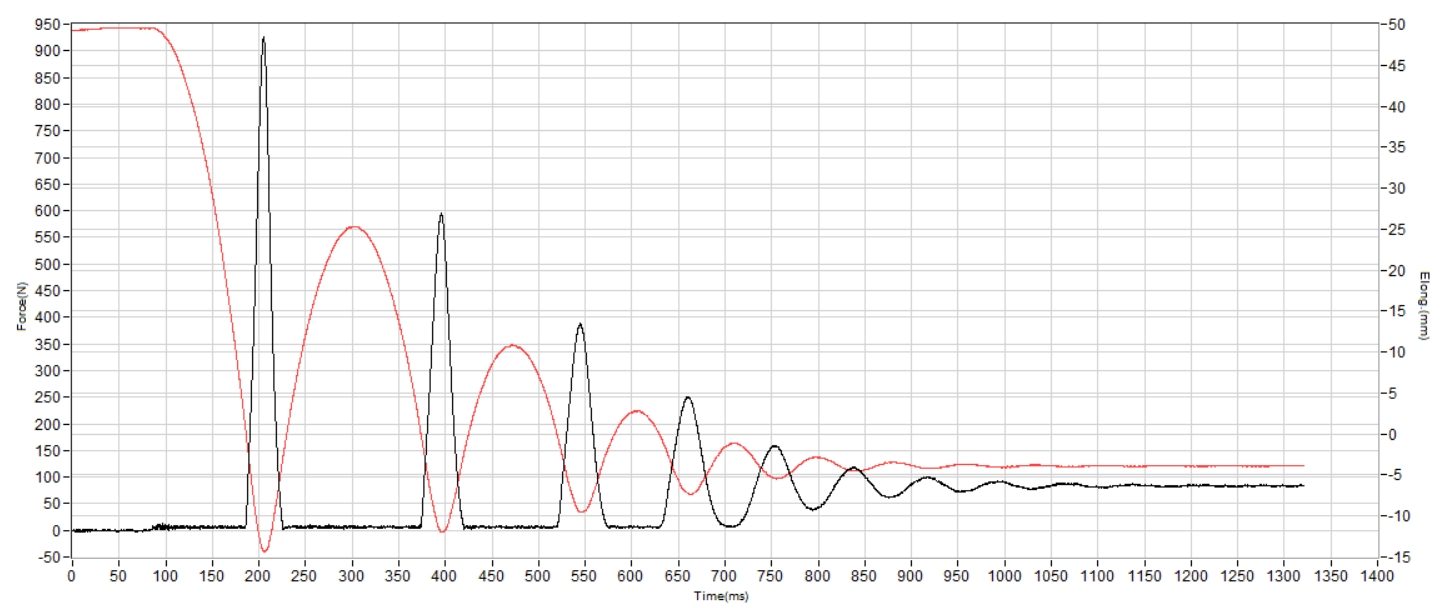
But it does paint the picture of what we all want: a shoe with a high energy return, which would mean the foam recovers quickly. This will make our legs work less and may even help us get better race results (if other things like stiffness, foot strike, weight, etc. align as well).
Keep in mind that stability running shoes may have lower energy return at the cost of featuring stability technologies. That is expected and completely fine because runners with flat feet/overpronation should prioritize stability over record-high energy return. For referece:
- average energy return of Brooks daily trainers: 53.5%
- average energy return of all daily trainers we tested so far: 55.1%
Foams used in Brooks running shoes
Brooks is successfully keeping up with the other big-name shoe brands by constantly improving their cushioning technologies.
Here are some of the company’s staple foams that have gained the runners’ acclaim:
|
Foam |
Used in |
Characteristics |
|
DNA Loft |
“Cushion” shoes: Ghost, Glycerin, Adrenaline Trail shoes: Caldera, Cascadia |
|
|
DNA Amp |
“Energize” shoes like the Levitate |
|
|
DNA Flash |
“Speed” and race shoes like the Hyperion |
|
|
BioMoGo DNA |
more affordable shoes |
|
Learn more about cushioning foams from Brooks and other brands in our most comprehensive research.
How to choose the right stack height and drop in Brooks running shoes
Did you know that the way your foot sits inside the shoe can make or break your whole running experience?
Here are a few tips on how to choose the right setup in a Brooks running shoe for you.
Stack height
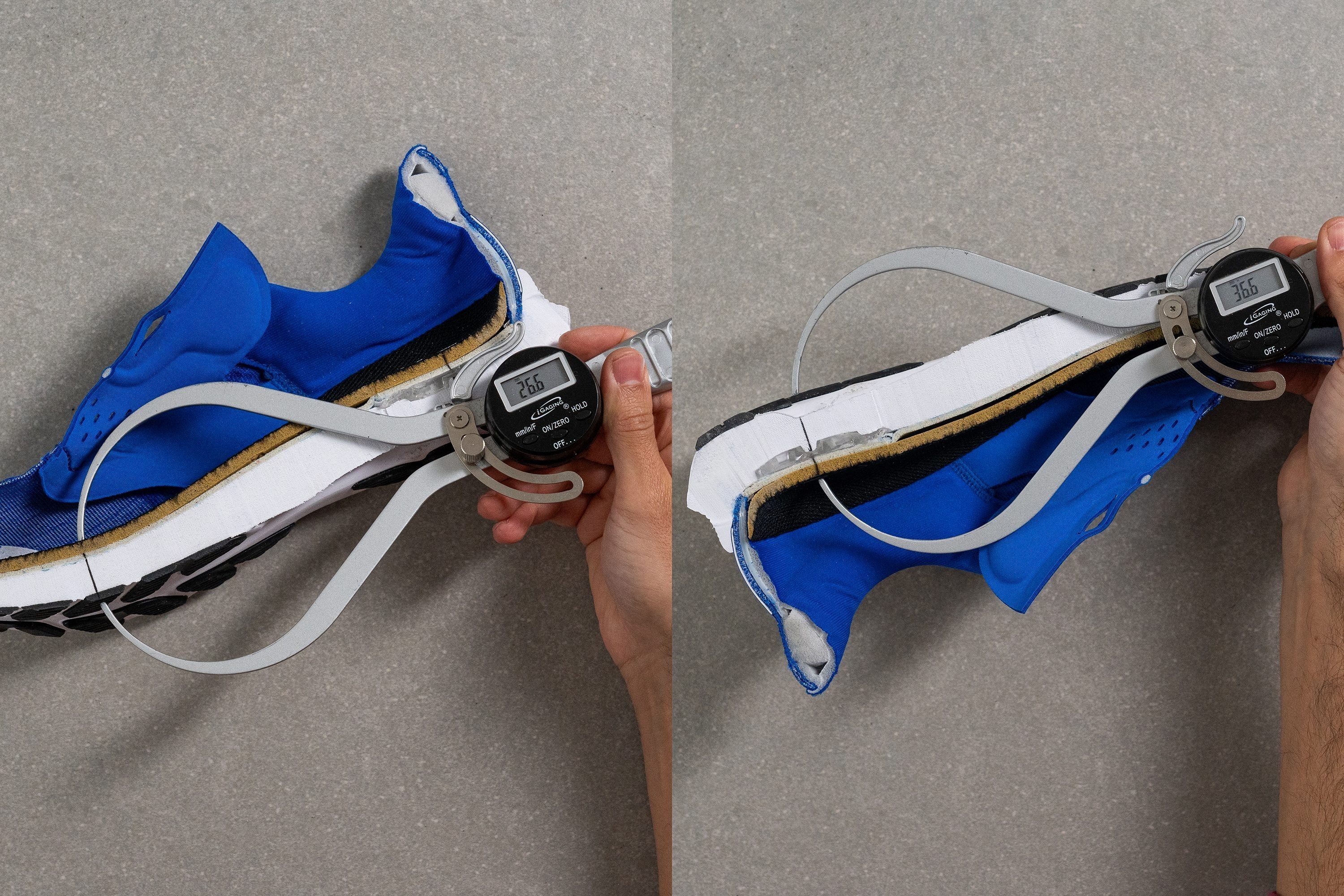
Stack height is the amount of material (insole, midsole, and outsole) that separates your foot from the ground.
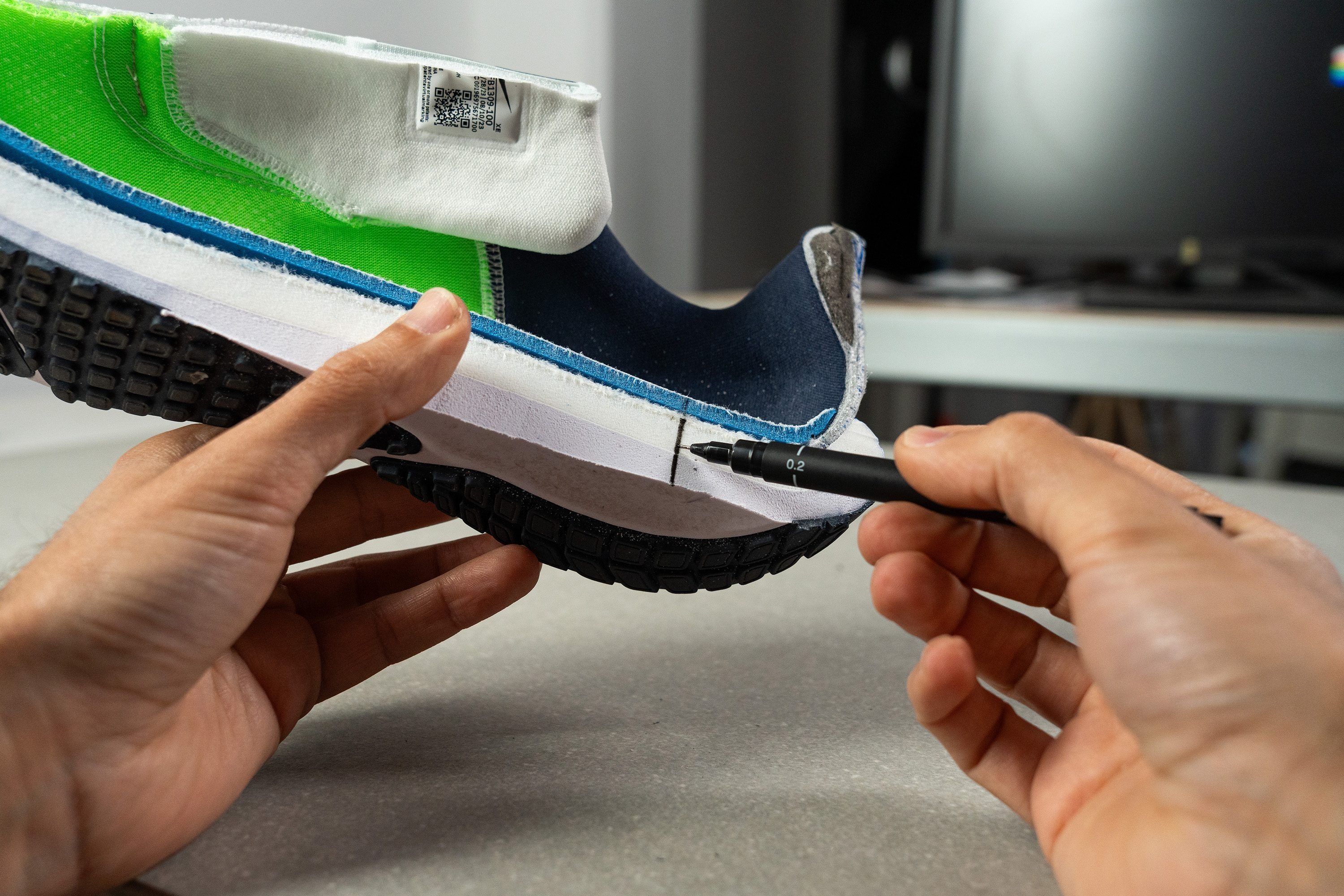
With their lavish cushioning, Brooks shoes have some of the tallest stack heights in the industry: the lowest being 28 mm and the tallest reaching 40 mm!
But getting a shoe with the thickest cushioning doesn’t always translate into the best experience. Studies show that runners who are new to max-cushioned shoes are at risk of increased impact loading, leg stiffness, and even injury.
What is the best way to go for beginners? Get a Brooks shoe with a moderate heel stack of 28-35 mm.
But what about Brooks shoes with higher stacks? Consider a heel stack beyond 35 mm if you’re in search of a shoe for:
- long and slow runs
- recovery days
- walking and standing all day
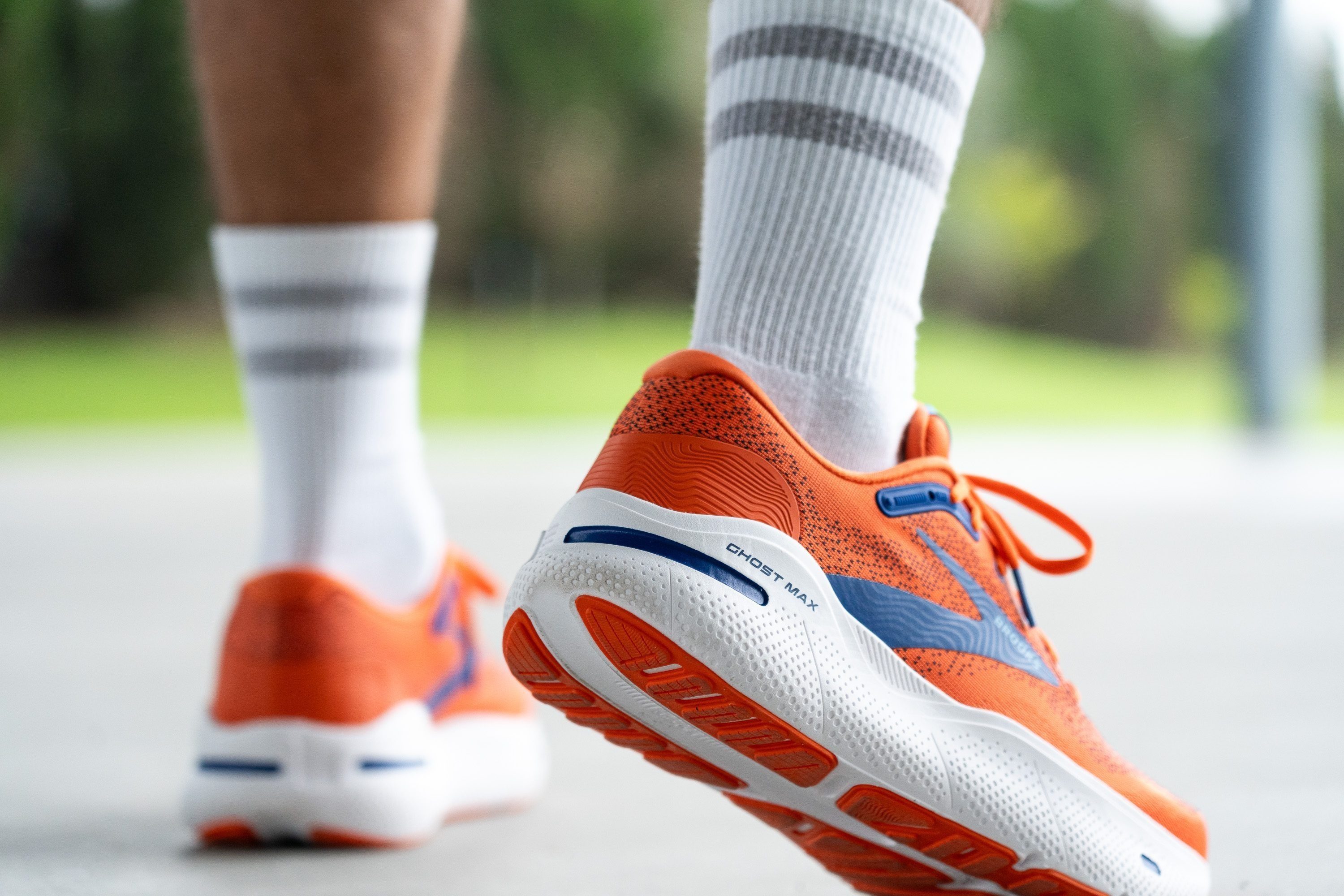
Heel-to-toe drop
Drop is the difference between the shoe’s heel and forefoot stack. It shows how much the heel is elevated above the toes.

Our lab measurements show that Brooks running shoes tend to have a higher drop:
- 55% of shoes have a drop of 10-14 mm
- 35% of shoes have a drop of 8-10 mm
- only 10% have a drop lower than 8 mm
The brand doesn’t offer any zero-drop or low-drop options with 6 mm being the lowest.
The most optimal drop for beginners and most runners for that matter is 8-12 mm. Having more cushioning under the heel is ideal for people who land on their heels first (heel strikers) and that happens to be the majority of runners.
Luckily, nearly all Brooks shoes fall into that range.
On the contrary, runners who land on the midfoot and forefoot will find a lower drop more beneficial.
If you are not sure about your foot striking pattern or the type of drop you need, see our in-depth guide on the topic.
Arch support in Brooks GTS shoes
It is worth considering arch support in running shoes if you have one or both of the following:
- flat feet or low/fallen arches
- overpronation (excessive inward rolling of the foot)
People with these conditions will often find that the soles on their shoes wear out faster on the inner side, causing their ankles to collapse inwards. That’s a surefire sign that you need a supportive pair of running shoes to stabilize your gait.
Another way to determine if you have flat feet is by doing a wet test at home or consulting a podiatrist.
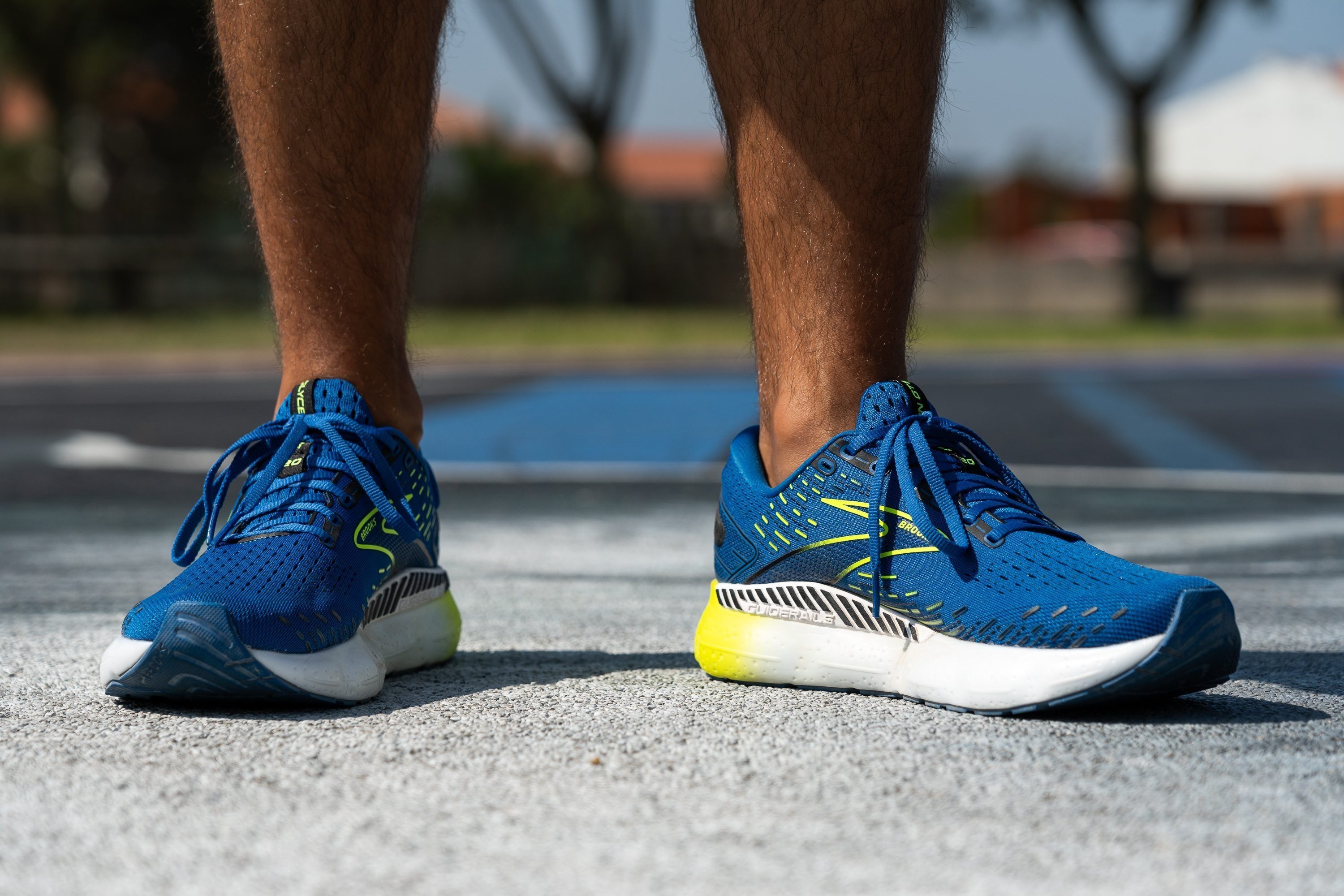
Brooks is one of those brands that take foot health seriously by releasing more supportive versions of their trainers. You can easily find these models by the “GTS” (“go-to-shoe”) abbreviation in their names. There are a few Brooks GTS shoes on the market today.
To make its shoes supportive but not overly stiff or intrusive, Brooks uses the GuideRails technology. It is comprised of supportive bumpers on both sides of the shoe that prevent the foot from excessively rolling inwards without feeling intrusive.
Example of a Brooks GTS shoe with arch support
The level of support is not the same in all Brooks shoes. Some models offer maximum stability for severe overpronation while others only have a touch of support.
In our lab, we measure and assess the following parameters:
- torsional rigidity (how hard it is to twist the shoe on a 1-5 scale)
- heel counter stiffness (how hard it is to push and squeeze on a 1-5 scale)
- midsole width (how wide is the platform in the forefoot and in the heel)
Our torsional rigidity test
Shoes with maximum support get the highest numbers in these three tests. The biggest drawback of Brooks GTS shoes is that they get proportionally heavier to the level of support they offer.
The table is sorted by the level of support with most supportive shoes at the top.
Race running shoes from Brooks
Brooks is most commonly associated with plush daily trainers. That’s why it is not the first brand that comes to mind when looking for a race shoe.
In fact, only a few Brooks shoes are classified as race-ready.
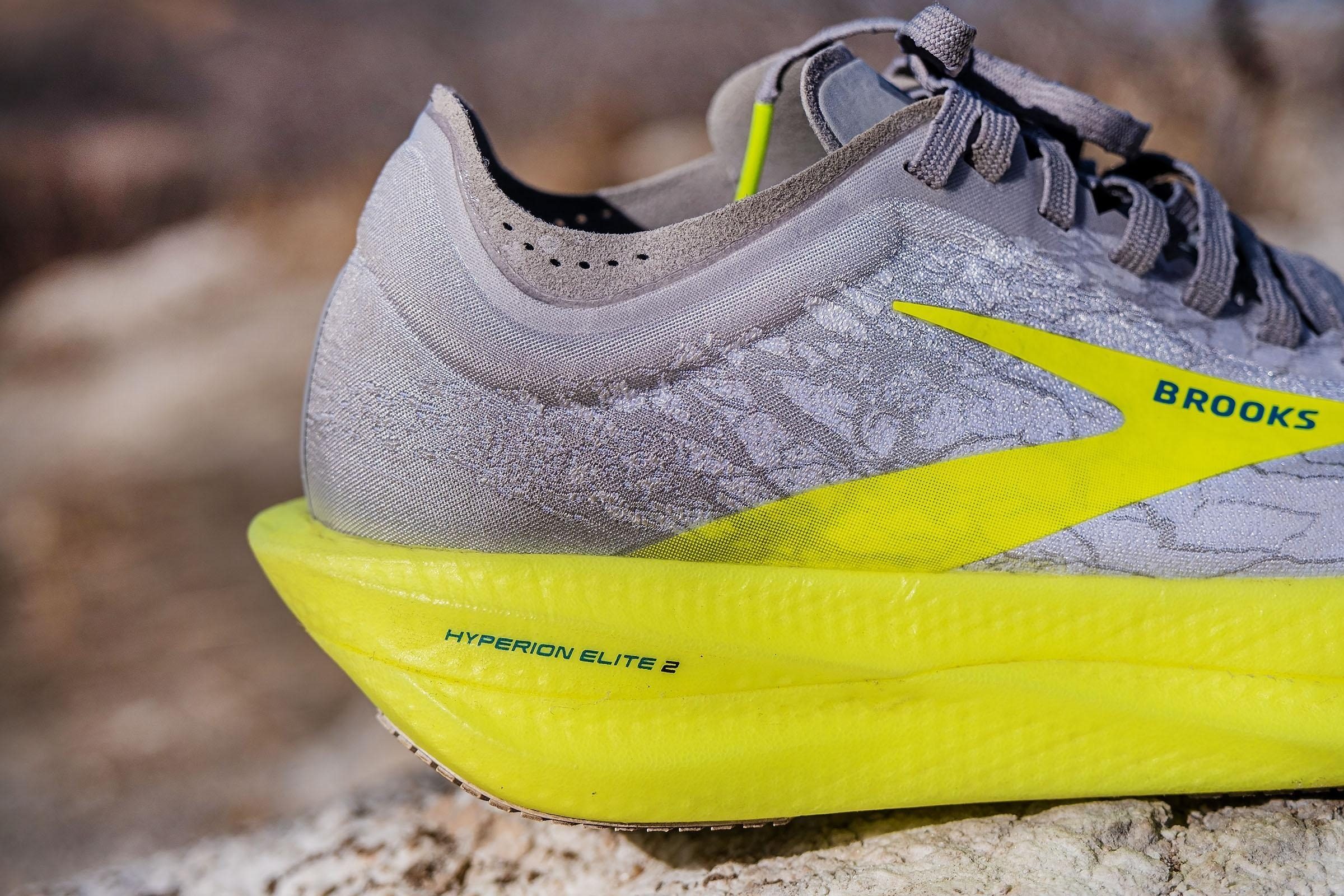
Brooks is also a bit late to the super-shoe party. So far, the company released only one carbon-plated model - the Hyperion Elite.
Can I run a marathon in the Brooks Ghost?
We wouldn’t recommend it.
Technically, you can run a marathon in any shoe. But you won’t be guaranteed the best comfort and performance. Shoes like Brooks Ghost, Glycerin, and Adrenalin are designed with daily training in mind.
They are generously cushioned and plush but lack the energy return you would crave for a marathon distance. They are also heavier than performance-oriented running shoes.
Brooks running shoes for summer and winter
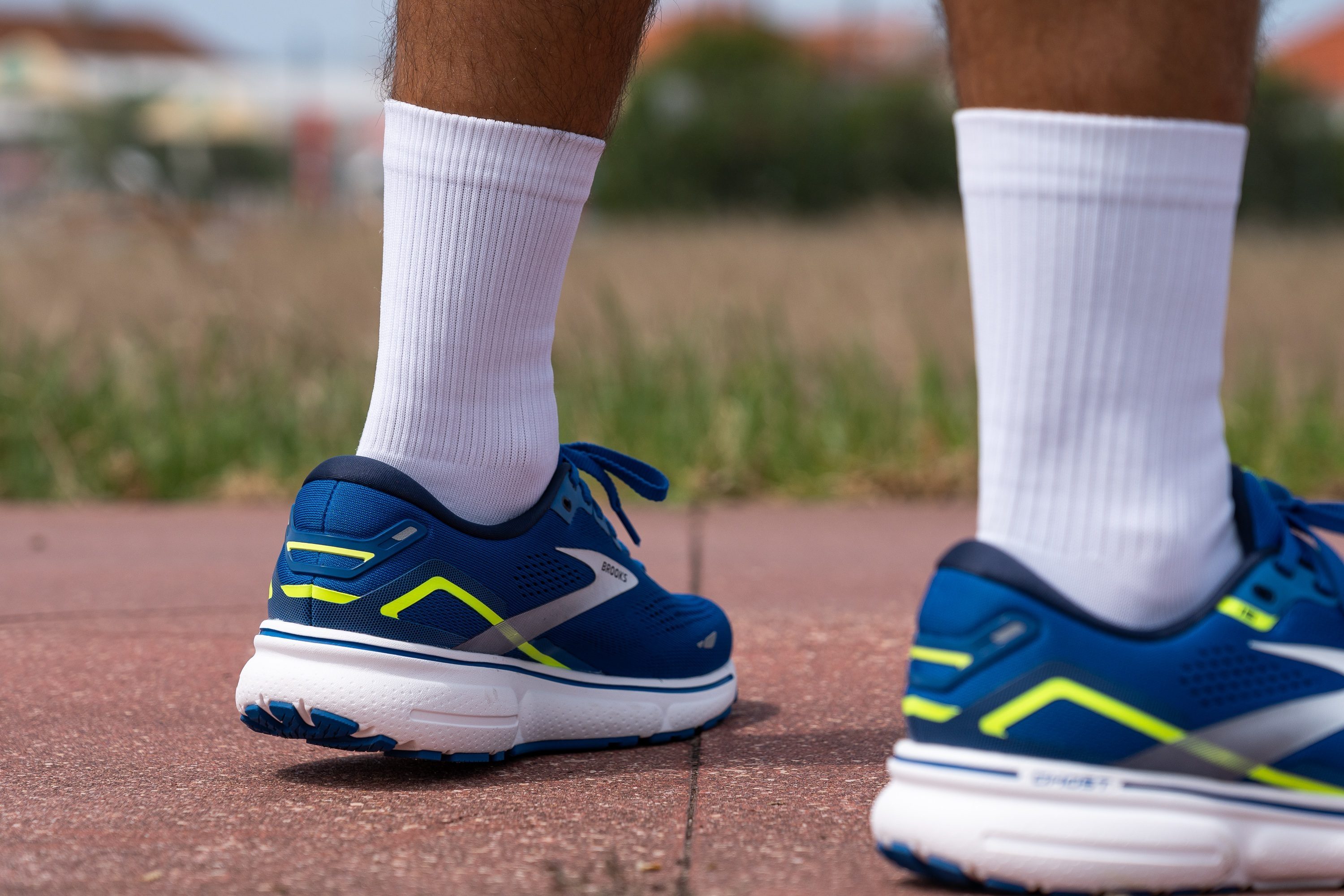
Running in summer, it is essential to have a breathable pair of shoes. Proper airflow will save you from the heat, discomfort, and even potential blisters and fungi!
We put each Brooks shoe through a series of tests in our lab to determine its breathability. We are happy to report that the company has quite a few well-ventilated options for summer.
We rate breathability on a 1-5 scale, where 5 is the most breathable
And if you need a shoe for braving the cold season, we also keep a record of warm running shoes from Brooks. More densely woven uppers of these shoes keep the warmth inside and don’t let the cool air in so easily.
Size and fit in Brooks shoes
Brooks has a stellar reputation when it comes to size and fit. But if you’re ordering online, it is never a bad idea to double-check your shoe size.
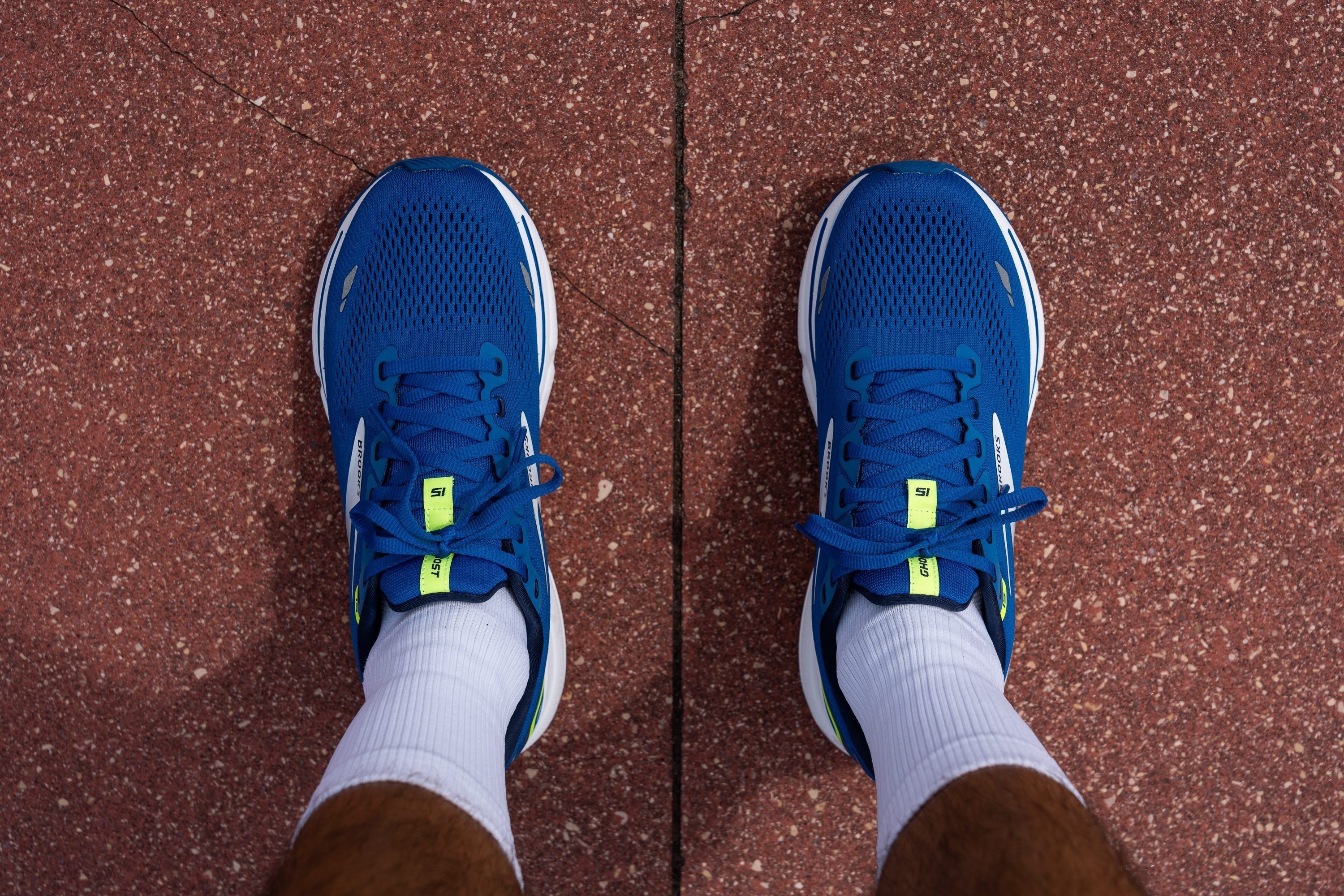
Size
If you haven’t purchased athletic shoes in a while, we recommend measuring your foot length from scratch.
Knowing your precise foot dimensions will help you get the best-fitting size in Brooks running shoes. You can find what shoe size fits you best in Brooks official size chart.
Width
Awesome news for wide and narrow feet! Brooks is one of the few brands that produces the same model in four different widths including including narrow (men’s B/women’s 2A) and extra wide (men’s 4E/women’s 2E).
If you experienced squeezing or premature upper wear on the sides of your shoe uppers, you may benefit from a wide option or a medium-width Brooks shoe with a wide toebox.
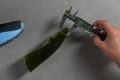
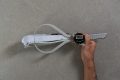
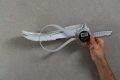
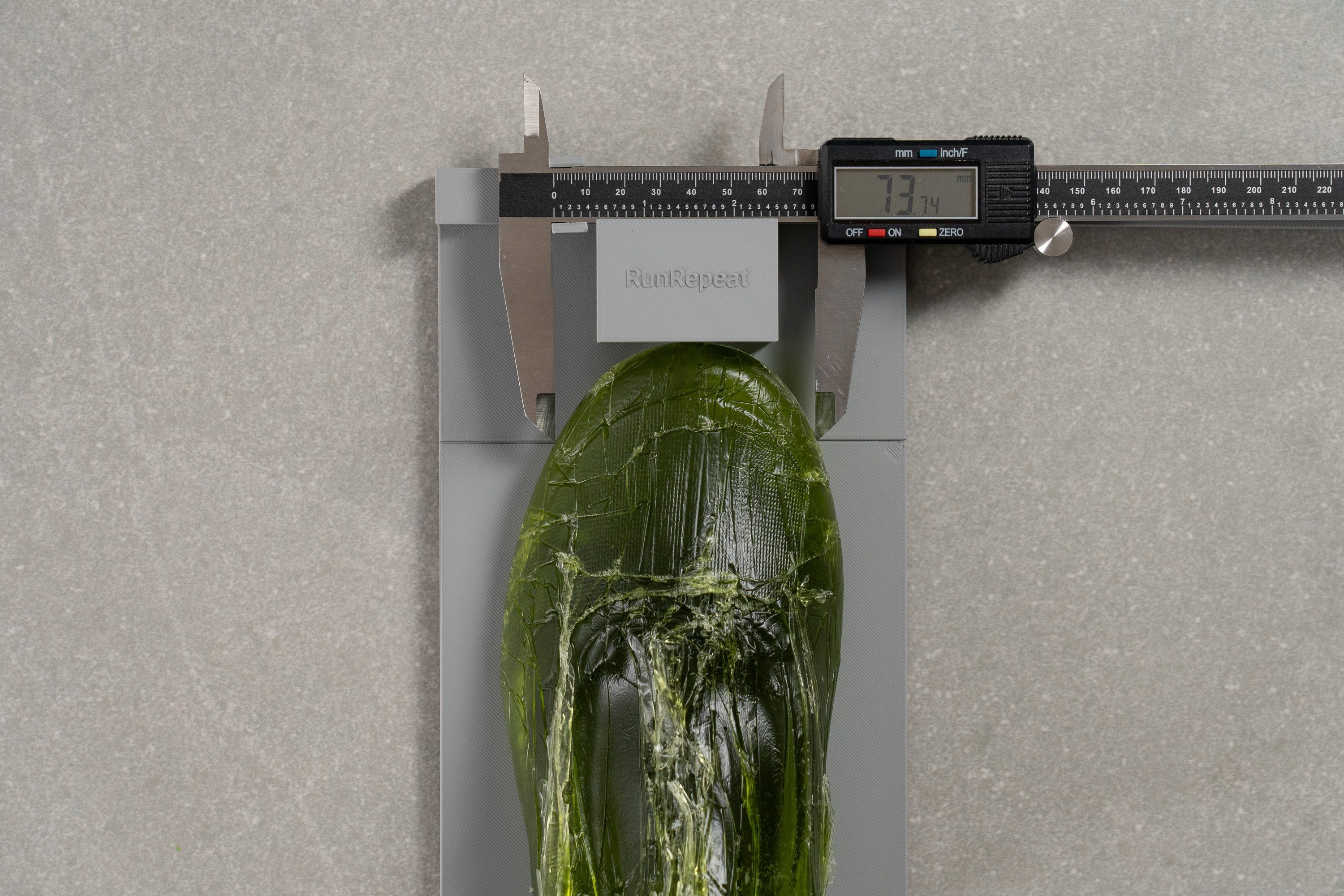
To measure the width, first, we pour our special gel into the Brooks running shoe (each one that goes through our lab) and put them together in the fridge.
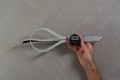
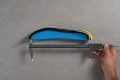
Once the gel has set and hardened, we take this lovely gel mold from the shoe and use our digital caliper to take width measurements.
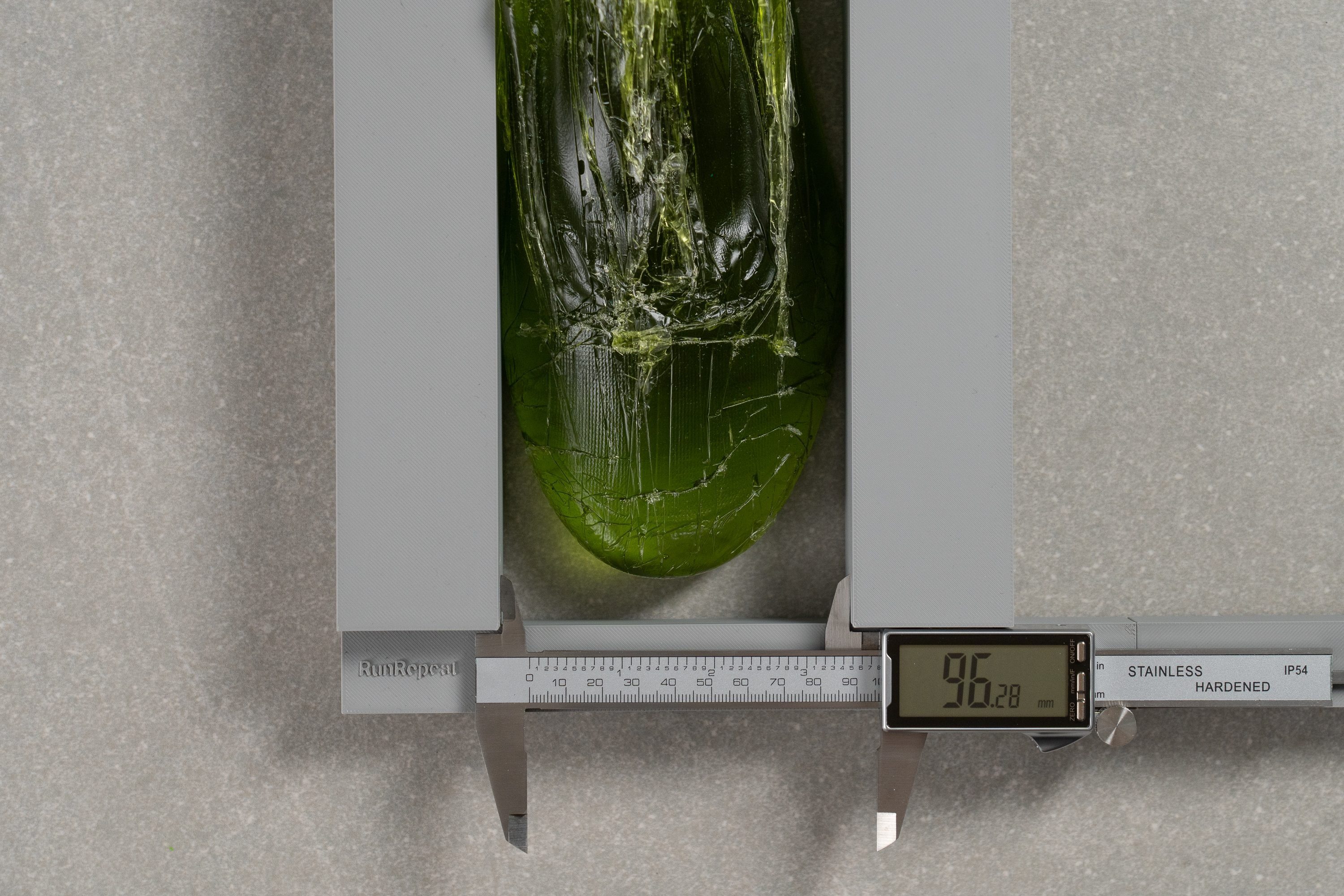
When runners talk about wide shoes, this is usually what they refer to: where the shoe is the widest. However, there's another measurement: at the big toe. Those who had their pinky (or other) toes cramped are very familiar with it.
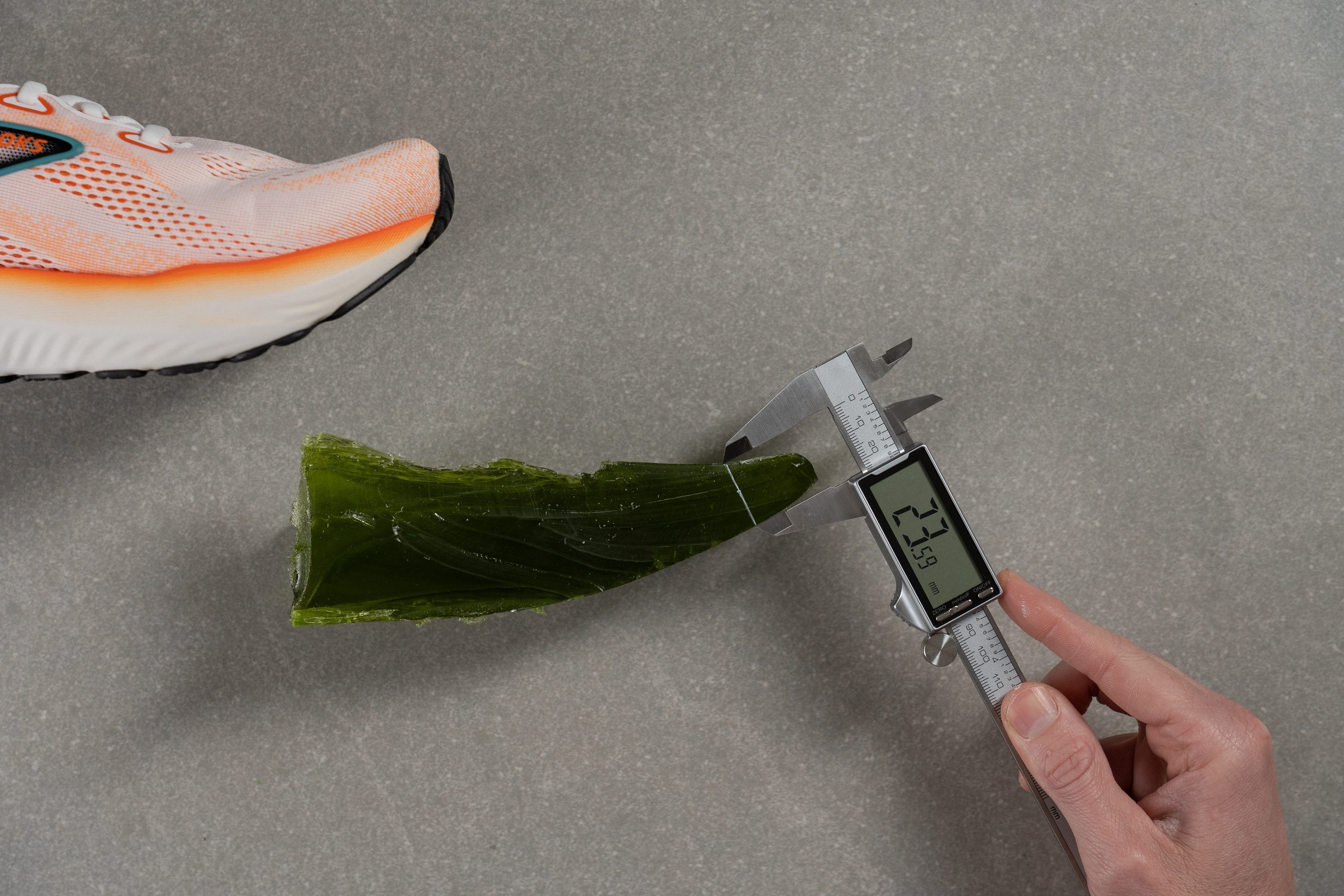
This gel mold is great because it also allows us to quantify the height of the toebox for each Brooks running shoe! This way, you can know which models might be pressing your toenails and which ones offer more vertical room.
Brooks Stealthfit
The brand releases some of its models in an alternative Stealthfit upper. It is a sock-like, knit upper design that creates a more close-fitting and adaptive fit.
Based on our lab measurements, the Stealthfit version is nearly an ounce lighter than the original!
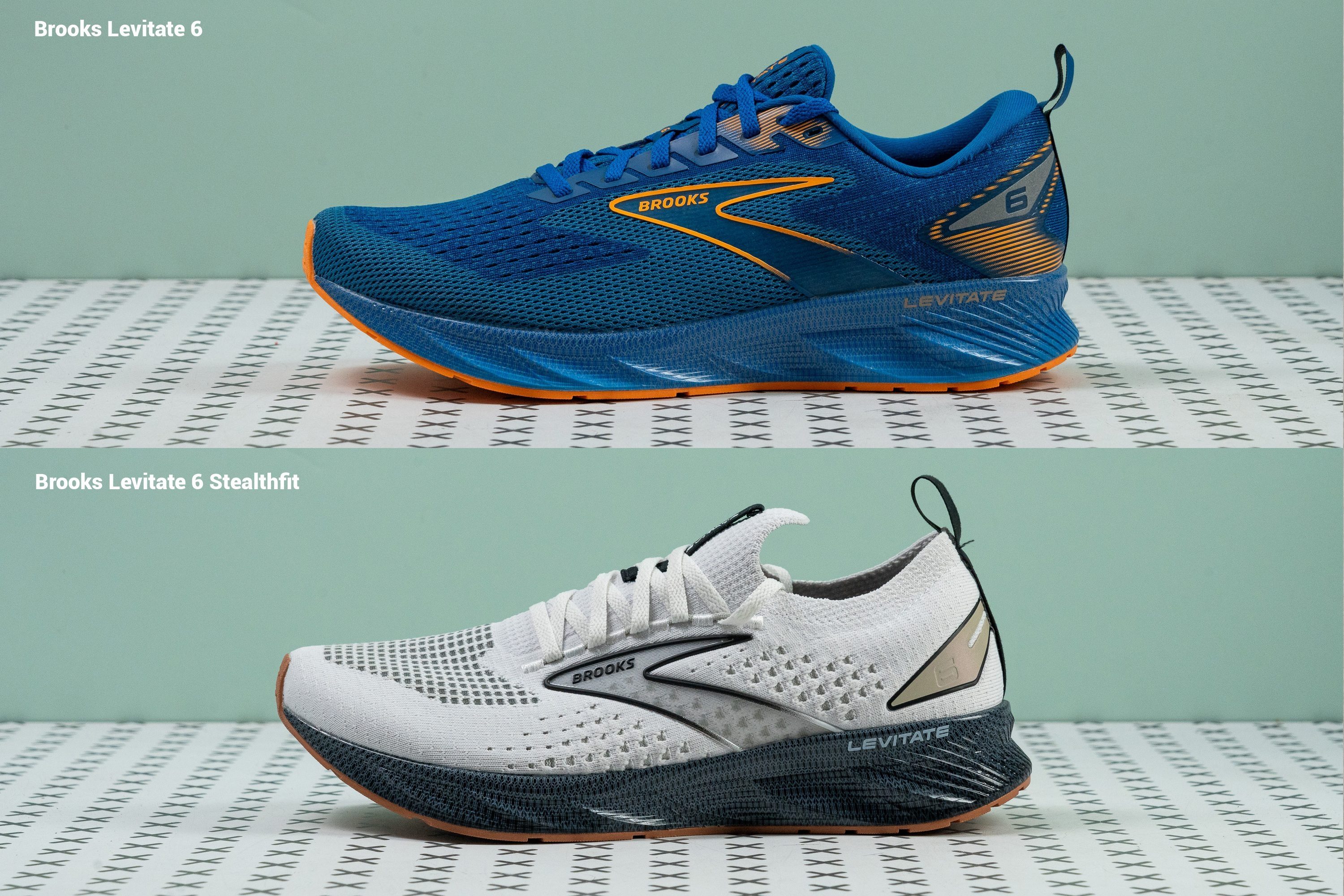
| Original | Stealthfit | |
| Brooks Levitate 6 | 10.7 oz (304g) | 9.9 oz (281g) |
| Brooks Glycerin 20 | 10.5 oz (297g) | 9.9 oz (281g) |
Price of Brooks running shoes
The average price of Brooks running shoes that are currently on the market is $140. The brand is on par with other big names like ASICS, Nike, adidas, and New Balance.
The brand’s MSRP range goes from $100 to $170, except for the Hyperion Elite race shoe which costs $250.
Is Brooks a good brand of running shoes?
Since 2001, Brooks has been primarily focused on running footwear and apparel giving less attention to other categories. And this has paid off.
In 2022, Brooks was the #1 running shoe brand in the adult performance running category in the US in 2022. It took 22% of the market share.
What’s more, seven of Brooks running shoe franchises have been marked with an APMA (American Podiatry Medical Association) Seal of Acceptance. It is a recognition of products that promote foot health.
Do Brooks running shoes last long?
Our lab tests confirm that Brooks running shoes last about as much as the average running shoe on the market - 300-500 miles, depending on the model.
Brooks shoes have shown average results on our toebox and heel padding durability tests. On a 1-5 durability scale, they got a score of 2 and 3, respectively.
The outsoles, on the other hand, showed a little better-than-average results. Using a Dremel, we drilled them for 22 seconds at 10K RPM speed. The average dent turned out to be 0.6 mm whereas the average hovers around 1 mm.
We also take note of the most durable and hard-wearing running shoes from Brooks. Expectedly, trail shoes lead in this rating.
Similar buying guides