7 Best Running Shoes For Heel Strike Pattern in 2026

We buy shoes ourselves. We earn commissions when you buy through us, at no extra cost. Why trust us
Choosing the right running shoe for heel strikers can be quite tricky. It’s not just a question of which model has less or more cushion. It’s a combination of many things like drop, rearfoot support, the responsiveness of the foam, and impact protection.
The good news is you don’t have to go through all that because we already did! We ran in these running shoes in various routes and settings. We also took it up a notch and scrutinized the shoes in our lab. Here, you’ll find the best running shoes for heel strikers in different categories.

How we test running shoes for heel strike pattern
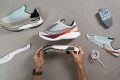
First, we purchase these running shoes with our own money. This allows us to publish unbiased reviews. We then:
- Conduct multiple runs in each pair. Our reviews are not about first impressions but getting a proper feel and understanding of the shoe's fit, ride, and durability.
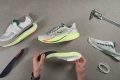
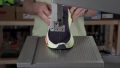
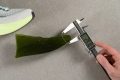
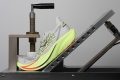
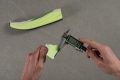
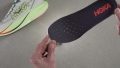
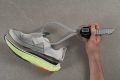
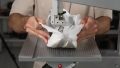
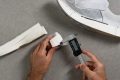
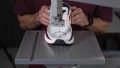
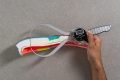
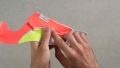
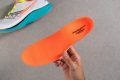
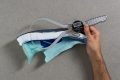
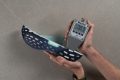
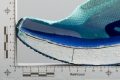
- We cut the shoes open to see what’s inside. We delve deeper by checking the technologies and components of the shoes.
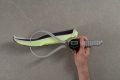
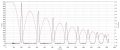
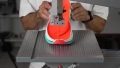
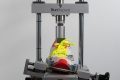
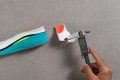
- Heel strikers, especially the heavier ones, need great cushioning at the heel. This is why we measure the heel stack height, shock absorption at the heel, energy return at the heel, and we combine this with other tests, like midsole softness and stability, to determine how good the shoes are for heel strikers.
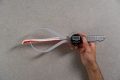
- We perform other tests, like breathability, traction, torsional rigidity,... and end up with more than 30 data points that accurately describe the shoe's performance.
- We publish all the results in our reviews and compare lab results to the averages for everyone to understand the context. We also make the shoes comparable by different features.
Best running shoes for heel strike overall


What makes it the best?
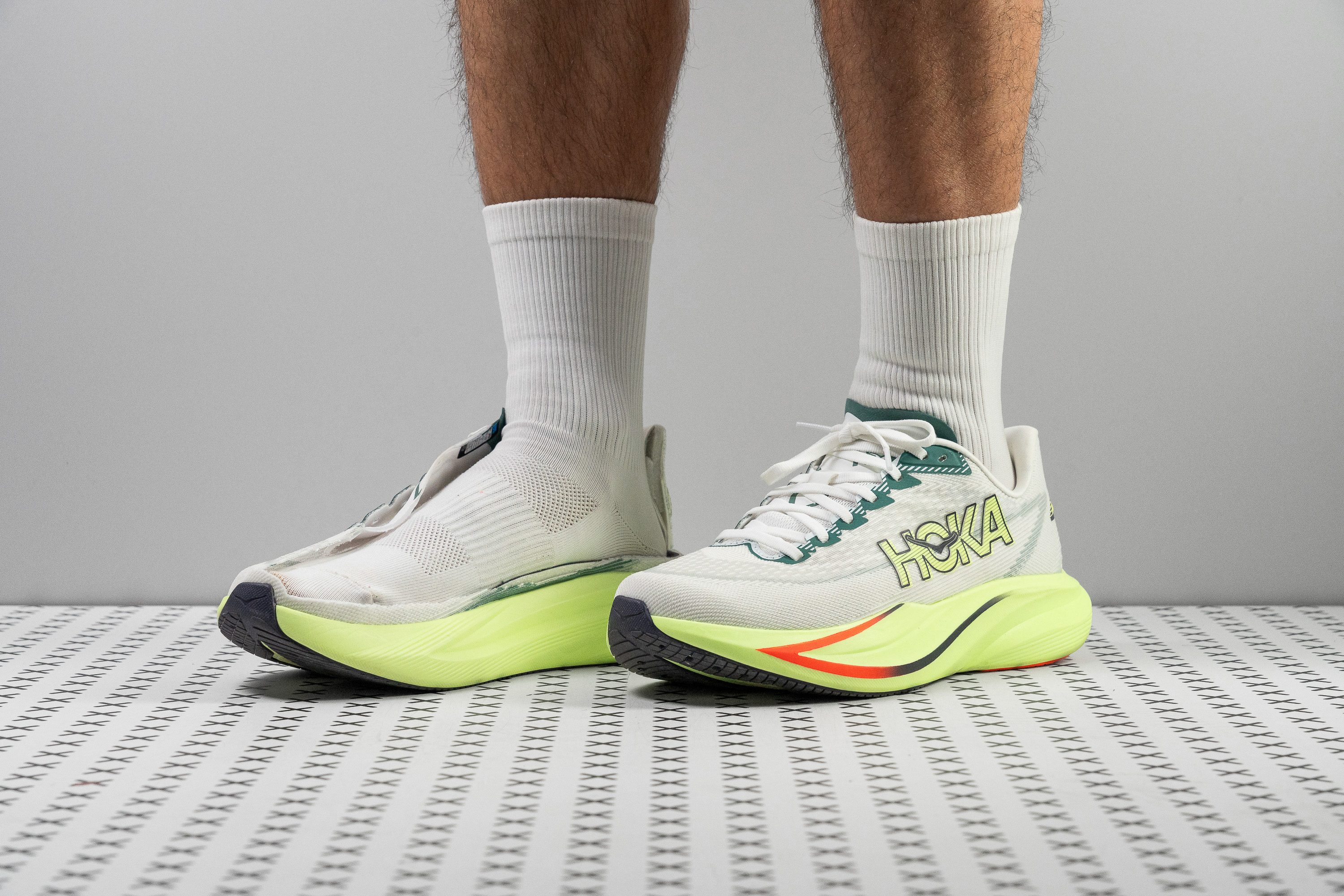
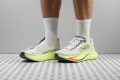
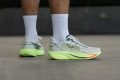
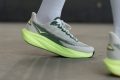
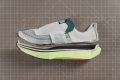
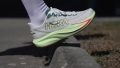
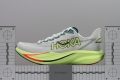
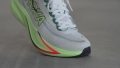
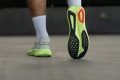
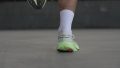
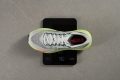
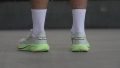
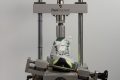
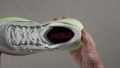
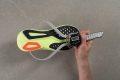
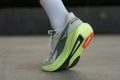
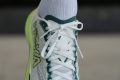
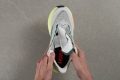
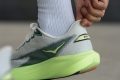
We cut open the best heel-strike running shoes and learned that the HOKA Mach 7 is the best in the category. Its plush cushion supported every distance and pace we went for while burning daily mileage. Despite its impact protection, it sustains a steady ride and maintains an effortless experience.
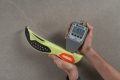
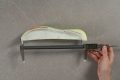
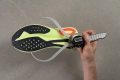
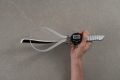
With the Mach 7, each landing feels gentle despite its moderate 35.6/26.2 mm height. With its high 9.4 mm drop, it’s suitable for rear strikers. It offers impressive shock absorption of 137 SA in the heel, translating to more joint and muscle protection. Then a springy transition follows, evidenced by its high energy return score of 60.6%.
Mach 7 draws stability from the supportive midsole sidewalls and stiff heel, which all keep the ride controlled. Assessing the heel counter, we rated it the highest 5/5 stiffness score. Even during sharp turns, we’re able to maintain our balance.
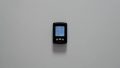
Mach 7 is the perfect daily trainer because of its uncomplicated midsole and airy build. It moves naturally with our strides and is comfortable enough for walking. Our bend test confirms our observations when it measured 8% more flexible than average. And, our scales show it’s only 7.9 oz (224g), 14% below average!
We warn that its minimal construction comes at the expense of durability. If longevity is a top priority, we suggest exploring elsewhere.
Pros
- Very lightweight for a daily trainer
- Secure lockdown
- Versatile and fun
- Incredible breathability
- Works well for heel strikers
- Smooth, forward-rolling rocker
- Much better grip than before
- Perforated insole
Cons
- Snug fit can be a problem for some
- Stiff heel counter may irritate some Achilles tendons
- Ride could be a touch softer
Best daily running shoes for heel strike



What makes it the best?
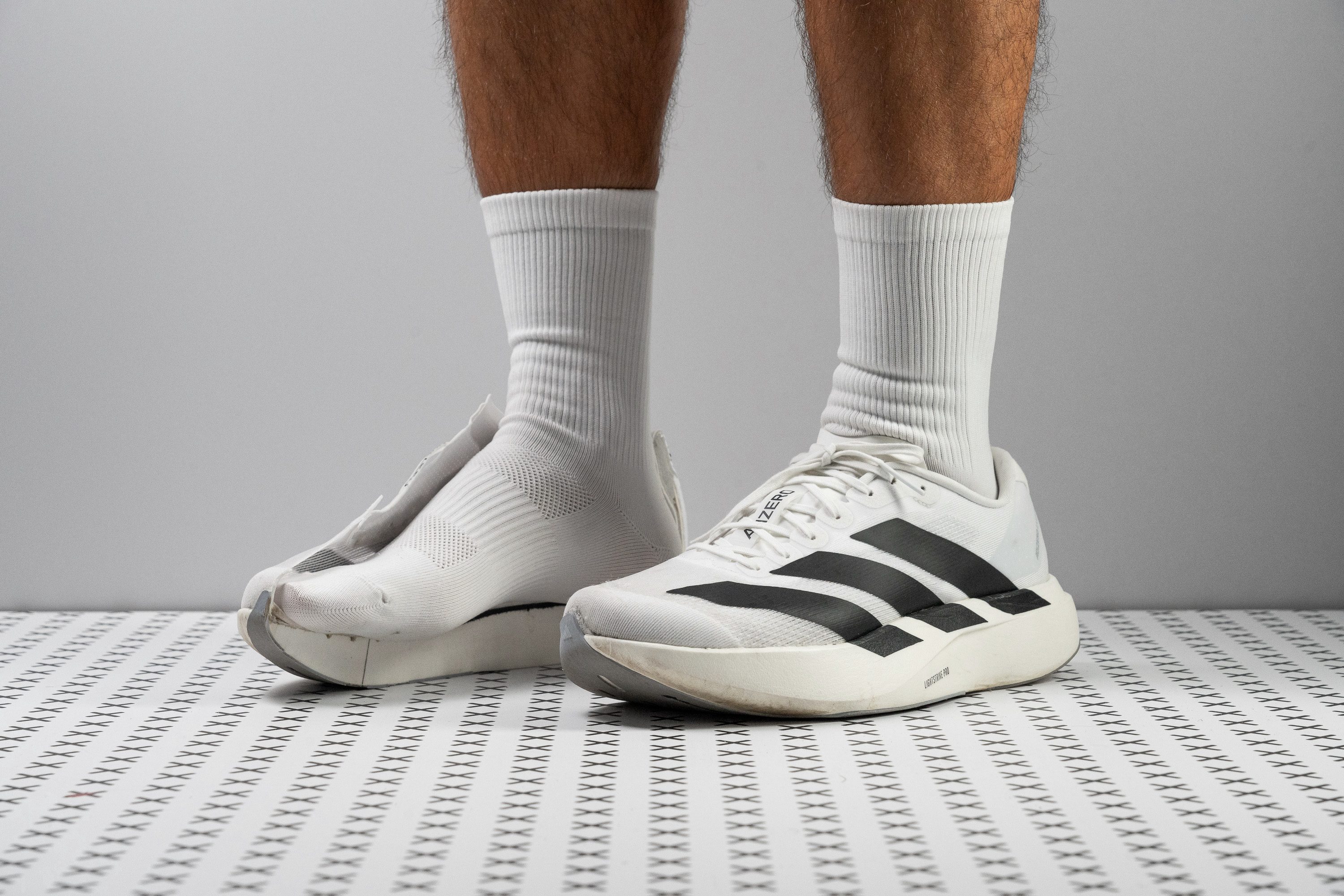
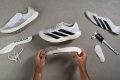
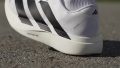
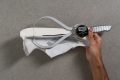
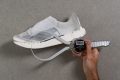
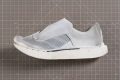
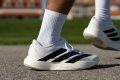
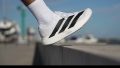
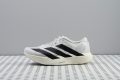
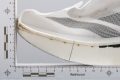
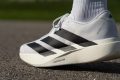
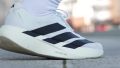
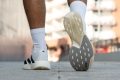
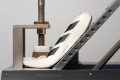
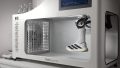
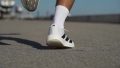
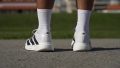
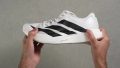
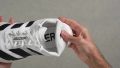
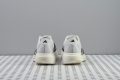
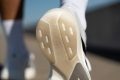
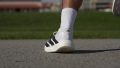
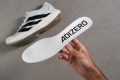
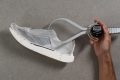
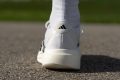
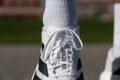
We dissected and ran with the best heel-strike running shoes and learned that adidas Adizero EVO SL is the best daily trainer. It serves as an icon for burning daily mileage with its lightweight and fluid ride, plush yet bouncy cushioning, and long outsole lifespan. From steady runs to LSDs to shorter intervals, this shoe smashes them all.
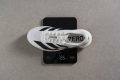
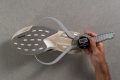
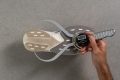
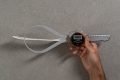
EVO SL is the perfect daily trainer because of its uncomplicated midsole. It moves naturally with our strides and feels effortless on foot. Our bend test confirms our observations when it measures 36.4% more malleable than average. Plus, it weighs really light at 7.9 oz (223g), enhancing its agility and versatility.
Another striking feature is its Lightstrike Pro midsole, offering tons of energy return at a high rate of 74.3% in the heel, ensuring it can handle tempo training and race pace. For added comfort, it maintains a plush sensation, proven by its remarkable shock absorption score of 147 SA in the rear.
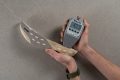
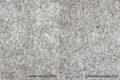
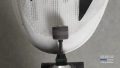
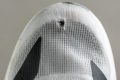
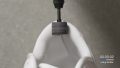
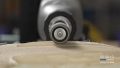
A significant reason why we find the EVO SL to be a reliable training partner is its exceptional durability. We know this workhorse can take the beating of several training blocks with its minimal 0.6 mm dent in our Dremel test.
However, while traction is decent on most surfaces, we didn’t feel so confident tackling rainy sidewalks or slippery roads. Those who value grip should go for other shoes.
Pros
- 100% Lightstrike Pro superfoam
- Exceptional value-to-performance ratio
- Low weight
- Ultra-breathable upper
- Unmatched versatility
- Agile and fun ride
- Handles short and long runs with ease
- Striking Evo 1-inspired aesthetics
Cons
- Poor-quality laces
- Short, non-gusseted tongue
- Toebox durability
Best race running shoes for heel strike



What makes it the best?
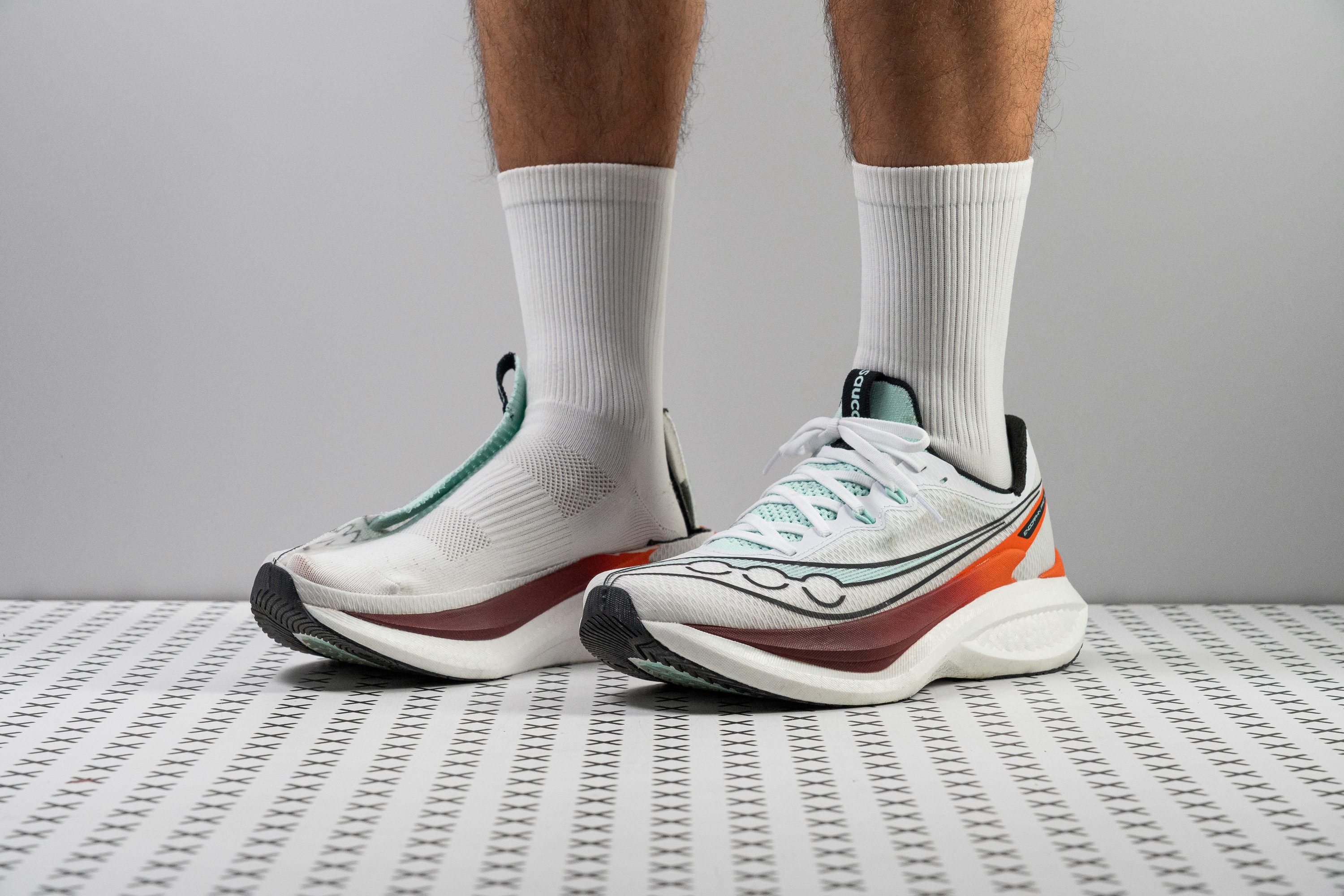
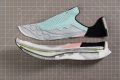
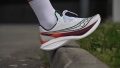
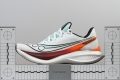
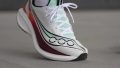
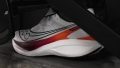
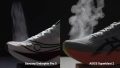
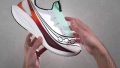
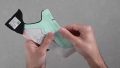
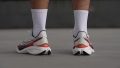
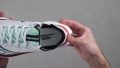
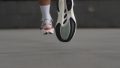
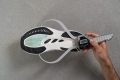
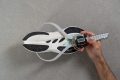
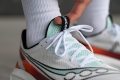
In terms of comfort and speed, the Endorphin Pro 5 is undefeatable. In our test runs, its plush and vibrant midsole is complemented by the carbon plate’s stiffness and the Speedroll technology, creating a smooth yet electric ride—definitely the heel-striker’s ultimate racing kick.
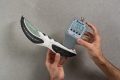
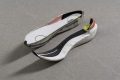
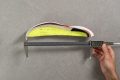
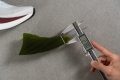
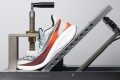
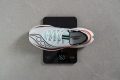
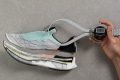
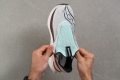
The lab and our own feet witnessed the magnificent power of this light super shoe. At only 7.6 oz (215g), it has so much energy to give thanks to the spoon-shaped carbon plate in the midsole, which creates an ultra-stiff core. We double-checked with our flex test, and true enough, it emerged 68% stiffer than average.
Another energy source is the lively midsole that promotes effortless transitions without sacrificing comfort. Testing for responsiveness, the heel scored 72.8% and the forefoot an impressive 75.8%! Its 36.5 mm heel mutes out the ground with a strong shock absorption level of 137 SA, protecting our muscles for longer runs.
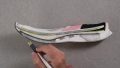
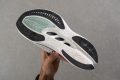
What’s even more impressive is the grippy and durable outsole that can survive repetitive landing impacts in the rear area. Our traction test records a strong 0.68 result, indicating all-weather readiness. EP5 doesn’t stop there and performs better than average in our brutal Dremel test, with only a 0.6 mm dent.
However, our experience tells us that other elite super shoes feel faster since EP5 focuses on comfort. Those who crave peak performance and weightlessness can explore other options.
Pros
- Improved energy return
- Stable ride for a super shoe
- Amazing value
- Excellent outsole durability + great coverage
- Can work as a premium trainer too
- Ideal super shoe for heel strikers and beginners
- Foam got a bit softer
- Excellent stretchy knit tongue with pull tab
Cons
- Heavier than most super shoes
- Maybe a bit stiffer than it should
- Aggressive rocker won't work for everyone
Heel-strike running shoes with the best shock absorption




What makes it the best?
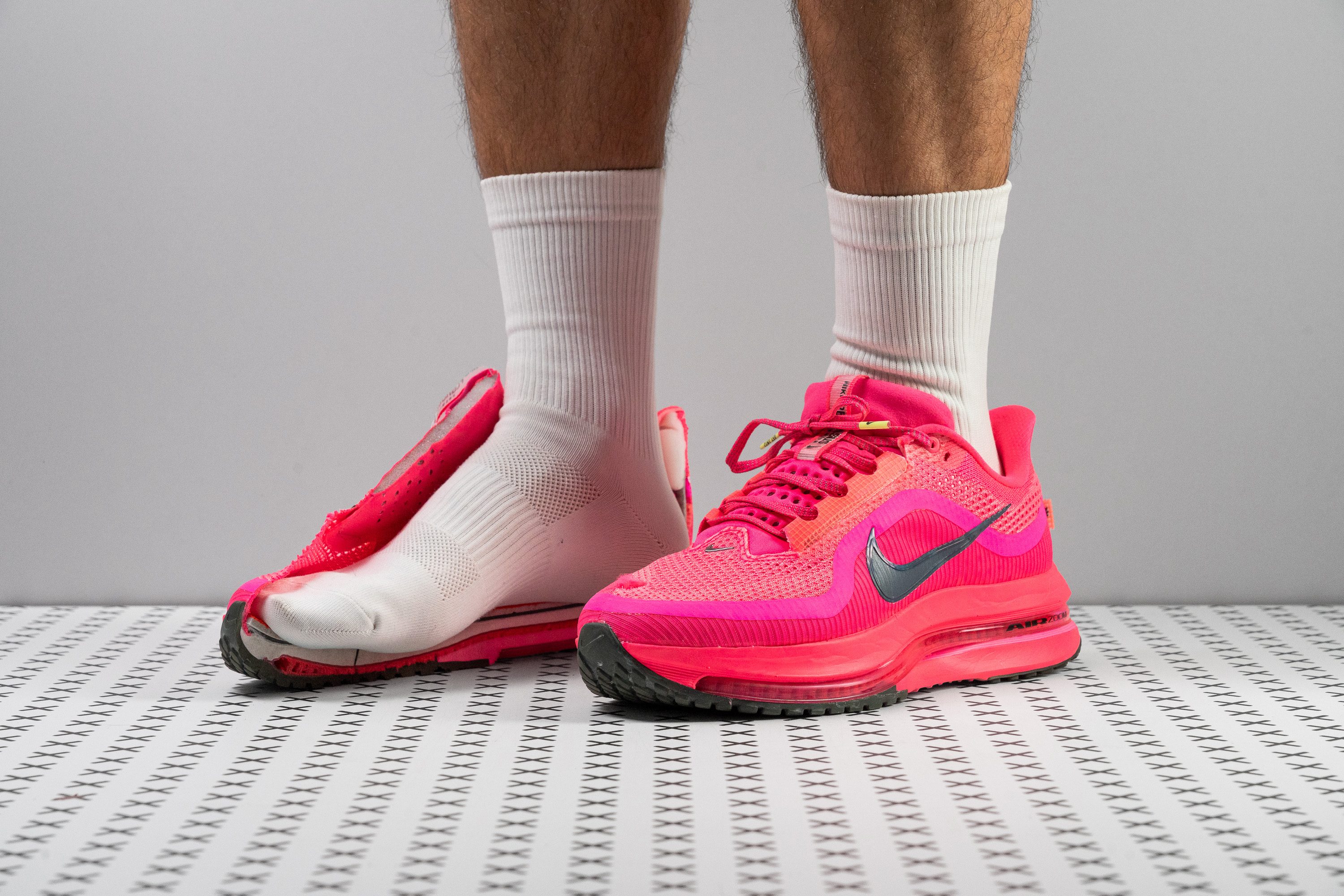
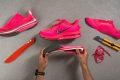
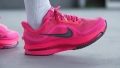
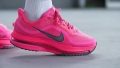
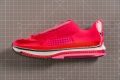
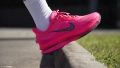
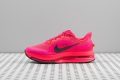
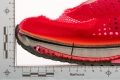
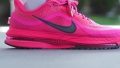
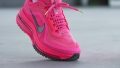
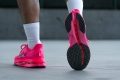
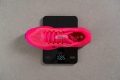
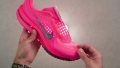
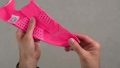
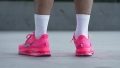
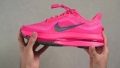
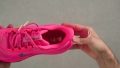
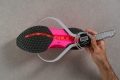
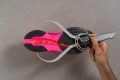
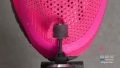
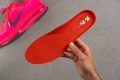
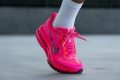
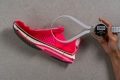
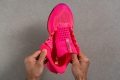
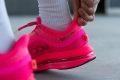
The Nike Pegasus Premium satisfied our craving for an adrenaline-filled ride, and we think it’s a great match for rear strikers because of its steep drop, excellent impact protection, and propulsive ride, which we confirmed in the lab. Yet what blew us away the most was its top-tier shock absorption among heel-strike running shoes.
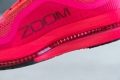
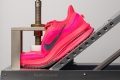
The Pegasus Premium features a full-length Air Zoom unit that feels so good from heel to toe. Measuring the shoe’s energy return, we got a massive 67.3% score! And with every powerful stride, plush landings await, proven by the heel’s high shock absorption score of 155 SA. For reference, it’s able to reduce impact by 19.2% better than average.
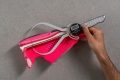
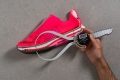
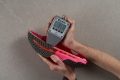
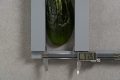
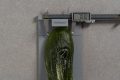
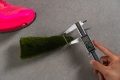
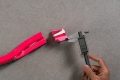
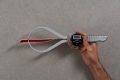
Its endless cushioning took care of our legs. Our caliper reveals a massive 42.8/31.0 mm stack, resulting in a steep 11.8 mm drop. At this level, it caters to smoother transitions for rear strikers.
Unfortunately, the tapered toebox may restrict runners whose feet are wide or prone to swelling. Those who want a more accommodating fit should try roomier alternatives.
Pros
- Triple-layer, spring-like midsole
- Handles long runs and tempo efforts
- Sublime step-in comfort
- Incredibly fun to ride
- Amazing build quality
- Knit upper offers top breathability
- Visually stunning from every angle
- 360-degree reflectivity
- Finally a max-cushioned Pegasus!
Cons
- Narrow fit excludes many runners
- Needs to lose some weight
- High price
- It's noisy!
Heel-strike running shoes with the best energy return
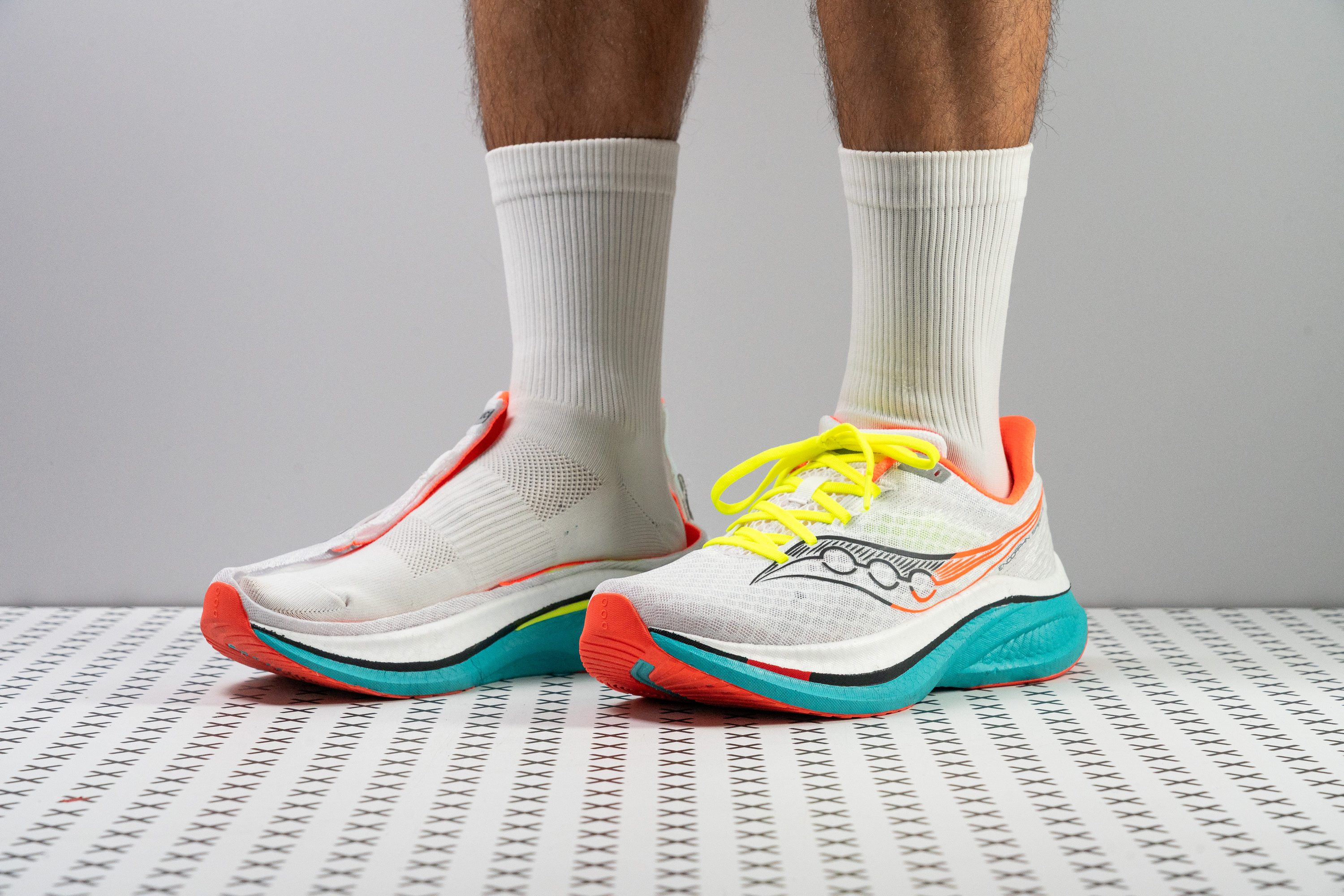





What makes it the best?
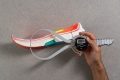
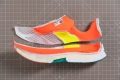
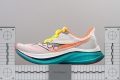
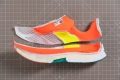
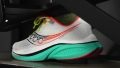
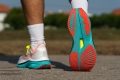
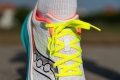
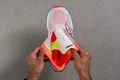
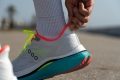
The Saucony Endorphin Speed 5 satisfied our craving for an adrenaline-filled ride, and we think it’s a great match for rear strikers because of its steep drop, excellent impact protection, and propulsive ride, which we all confirmed in our runs and in the lab. Yet what blew us away the most was its top-tier energy return among heel-strike running shoes.
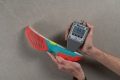
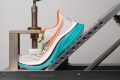
The ES5 features a responsive cushioning and the SPEEDROLL geometry that feels so good from heel to toe. Measuring the shoe’s energy return, we got a massive 73.2% score in the rear. Together with the nylon plate, our forward momentum feels very strong, and we find our rhythm better at faster paces.
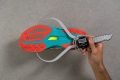
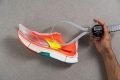
And with every powerful stride, plush landings await, proven by the heel’s high shock absorption score of 132 SA. Its endless cushioning took care of our legs. Our caliper reveals an above-average 37.4/26.8 mm stack, resulting in a steep 10.6 mm drop. At this level, it caters to smoother transitions for rear strikers.
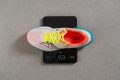
Despite all its features, it maintains a light 8.5 oz (241g) build. Being 8.7% below average, it boosts our agility and comfort.
Unfortunately, our gel mold shows it’s narrower than average at the ball of the foot, which may restrict runners whose feet are wide or prone to swelling. Those who want a more accommodating fit should try roomier alternatives.
Pros
- Supershoe-like energy return
- Fantastic upper with top-notch ventilation
- Amazing PWRRUN PB foam
- Endorphin Speed DNA still present
- Great lockdown
- Versatile for multiple paces
- Smooth SPEEDROLL rocker
- Roomier and taller toebox
- Can be used for racing too
- OG special colorway looks fantastic!
Cons
- Small price hike
- Less agile than predecessors
- Durability downgrade
Best stability running shoes for heel strike


What makes it the best?
Pros
- Stunning durability
- Improved energy return
- Fantastic weight loss
- Comfortable for all-day wear
- More flexible than v14
- Great choice for heel strikers
- Excellent traction on dry and wet roads
- Ready for long runs
- Picks up the pace with ease
- Looks better!
- Available in D, 2E and 4E widths
Cons
- Small price hike
- Toebox can feel a bit cramped
- Not for max-cushioned haters
Running shoes for heel strike with the best durability






What makes it the best?
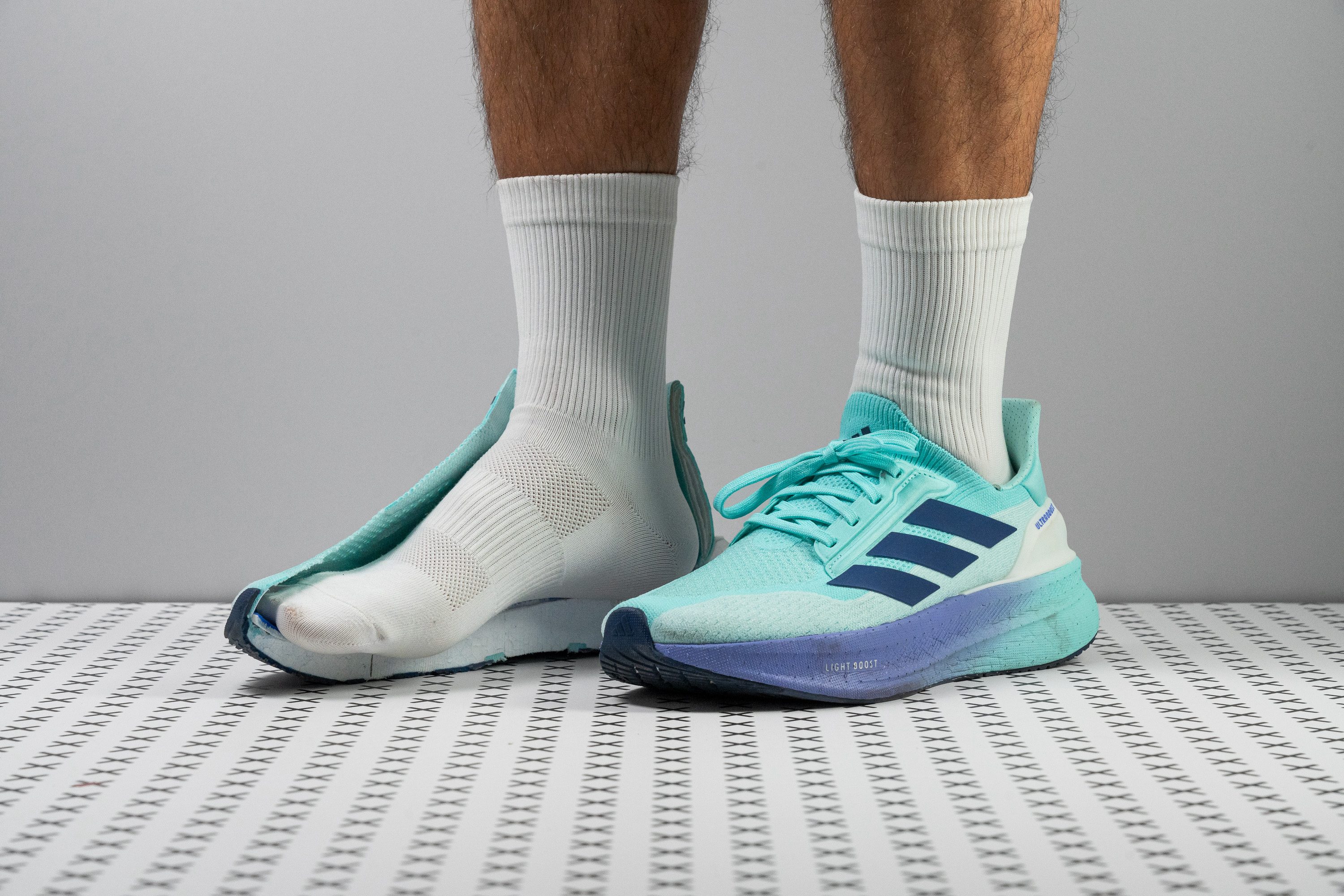
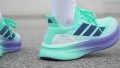
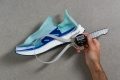
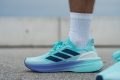
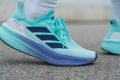
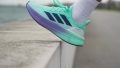
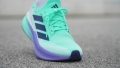
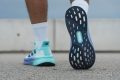
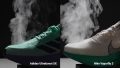
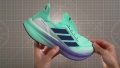
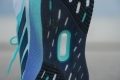
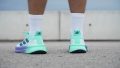
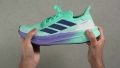
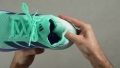
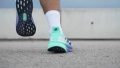
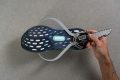
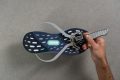
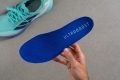
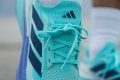
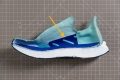
After running with the best heel-strike running shoes and dissecting them in the lab, we learned that the adidas Ultraboost 5X is the most durable. It serves as a reliable partner for burning daily mileage with its natural yet steady ride, comfy yet responsive cushioning, and impressively sturdy build.
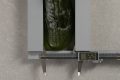
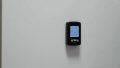
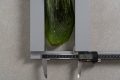
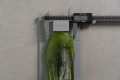
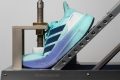
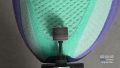
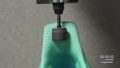
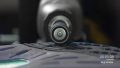
Despite heavy use, Ultraboost 5X looked practically new! From top to bottom, it smashed our Dremel test, earning the highest 5/5 durability rating in the toebox and inner lining. Moreover, the outsole won’t burn through the miles as it sustained 63.6% less damage than average.
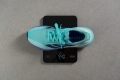
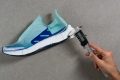
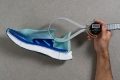
Another standout feature is the midsole, which our caliper shows is 34.6/24.2 mm. It strikes a good balance between impact protection in the heel and surface feedback in the forefoot. With its high 10.4 mm drop, it's suitable for heel strikers. For added fun, it offers an impressive energy return of 66.0% in the rear!
The Ultraboost 5X features the Torsion System, which adds rigidity to the shoe for more centered strides. It’s perfect for beginners or long-distance runners who need more guidance when tired. Thankfully, it’s forgiving enough for bending our feet, as it emerged 26.0% more flexible than average in our bend test.
This shoe will surely last a long time. However, it requires an investment of $180. If this price exceeds the budget, we recommend trying alternatives.
Pros
- Works well as a casual sneaker too
- Premium, high-quality materials throughout
- Stretchy, roomy upper
- Fantastic energy return
- Built-to-last durability
- Best Ultraboost version to date
- Stable for heel strikers
- Increased stack height
- Noticeable weight reduction
- Grips very well
Cons
- Steep price
- Ventilation falls short of expectations
- Limited to slower paces
- Less stack height than advertised
5 things to look for in running shoes for heel strikers
Landing on the heel means we should focus on, obviously, the heel:
- How cushioned is it? Focus on the heel stack height. We recommend looking for at least 30mm at the heel.
- Good shock absorption so that the foam is protective enough for your feet and legs.
- Is the ride stable enough? Shoes that are too tall and narrow tend to result in unstable landings.
- Best to avoid the zero drop and low heel-to-toe drop. We recommend a heel drop of 8mm and above.
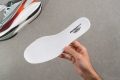
- Is there any outsole rubber at the heel? Some shoes meant for forefoot strikers tend to have rubber only at the forefoot. Getting these shoes would mean you would land on the exposed midsole, which would destroy the shoes sooner and would not offer enough protection and grip.
Caution: shoes to avoid if you’re a heel striker
Here are the shoes you should pay special attention to if you run into them:
- Carbon-plated running shoes aimed at forefoot strikers. Some running shoes with carbon-fiber plates work much better for forefoot strikers as they are able to properly activate the plate for the shoe to propel them forward. These shoes are clearly tagged as forefoot-strike only on our website and brands specify that as well.
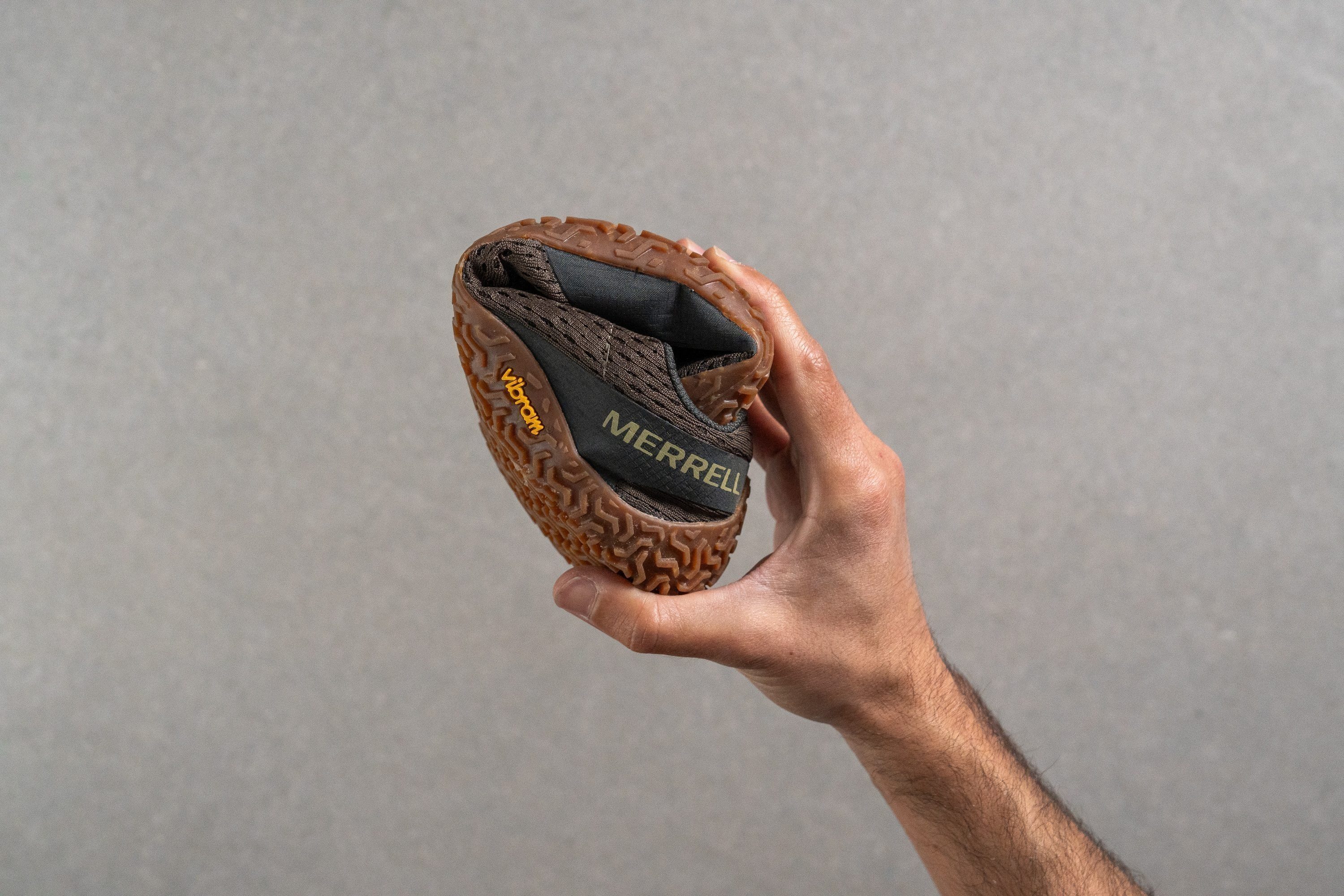
- Minimalist and barefoot running shoes. These shoes don’t have enough cushioning and are very low to the ground. From our experience, it’s easier for forefoot- and mid-strikers to transition to minimalist and barefoot shoes, while heel strikers need way more time. Time asks for patience and without patience, you could end up injured.
Running in carbon-plated running shoes for forefoot strikers
Is there enough foam?
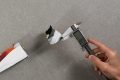
Running shoes have to be cushioned enough to offer good impact protection. We focus on the heel stack height for heel strikers (just like we focus on the forefoot stack height for forefoot strikers).
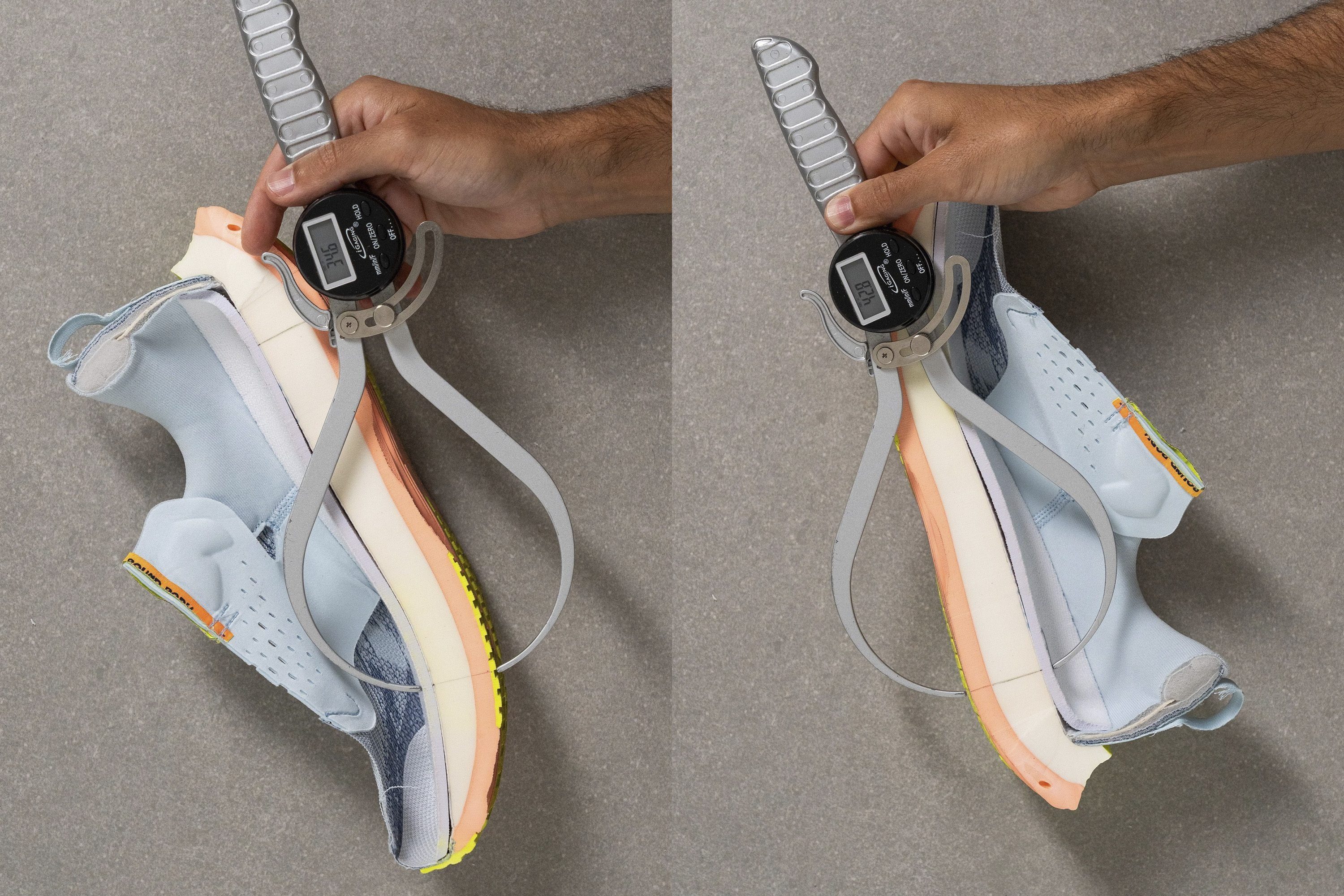
Our recommendation is to look for at least 30 mm at the heel if you’re a heel striker.
Shock absorption of running shoes for heel strikers
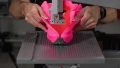
Every time we hit the gound at the landing, we do so with an impact of 2-3x our body weight, or even more when heel striking or doing so at a fast pace. These forces are harsh and we need something to absorb them so that our legs experience significantly less stress. This is exactly what a midsole does and it's called shock absorption.
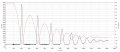
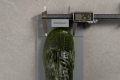
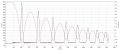
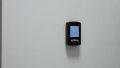
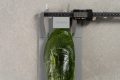
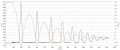
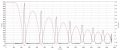
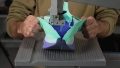
Testing the shock absorption of running shoes for heel strikers. We measure it both at the forefoot and at the heel, but focus on the heel test results in this case
When shock absorption is low, the midsole is not dampening the impact very well, and our legs experience this as premature fatigue or sometimes even foot pain (depending on how low the shock absorption actually is).
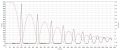
In running shoes, anything below 110 SA is considered low shock absorption; up to 130 SA it is moderate, and higher than 130 SA is high or great.
Stable ride is a priority
First, if you’re overpronating and need stabilizing technology that reduces the inward roll of the ankle, you should look for stability running shoes. These shoes feature trademarked stability technologies or geometrical technologies that help with overpronation.
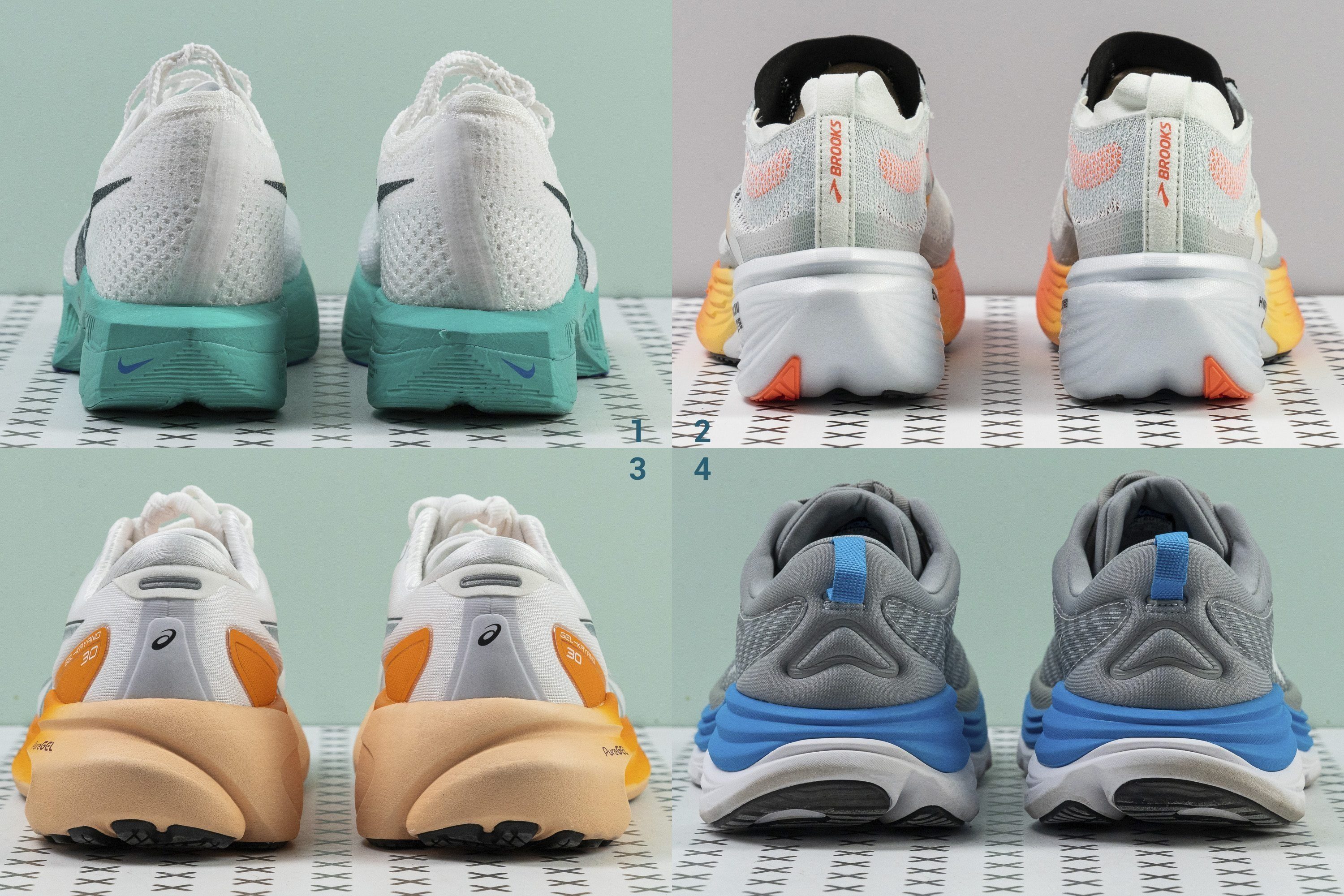
Second, you might be a neutral pronator or a supinator (read more about pronation here) and simply want a stable ride. The stable ride is usually found in shoes that are not tall and narrow, but that have a wider base.
Narrow shoe that’s not stable enough for heel strikers
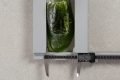
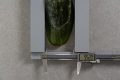
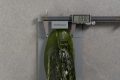
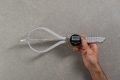
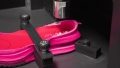
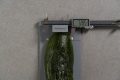
To check this, we measure the stack height as shown in the section above, but we also measure the width of the base. We use a digital caliper to measure the width at the forefoot and at the heel, but given that you’re heel striking, we will prioritize the heel numbers.
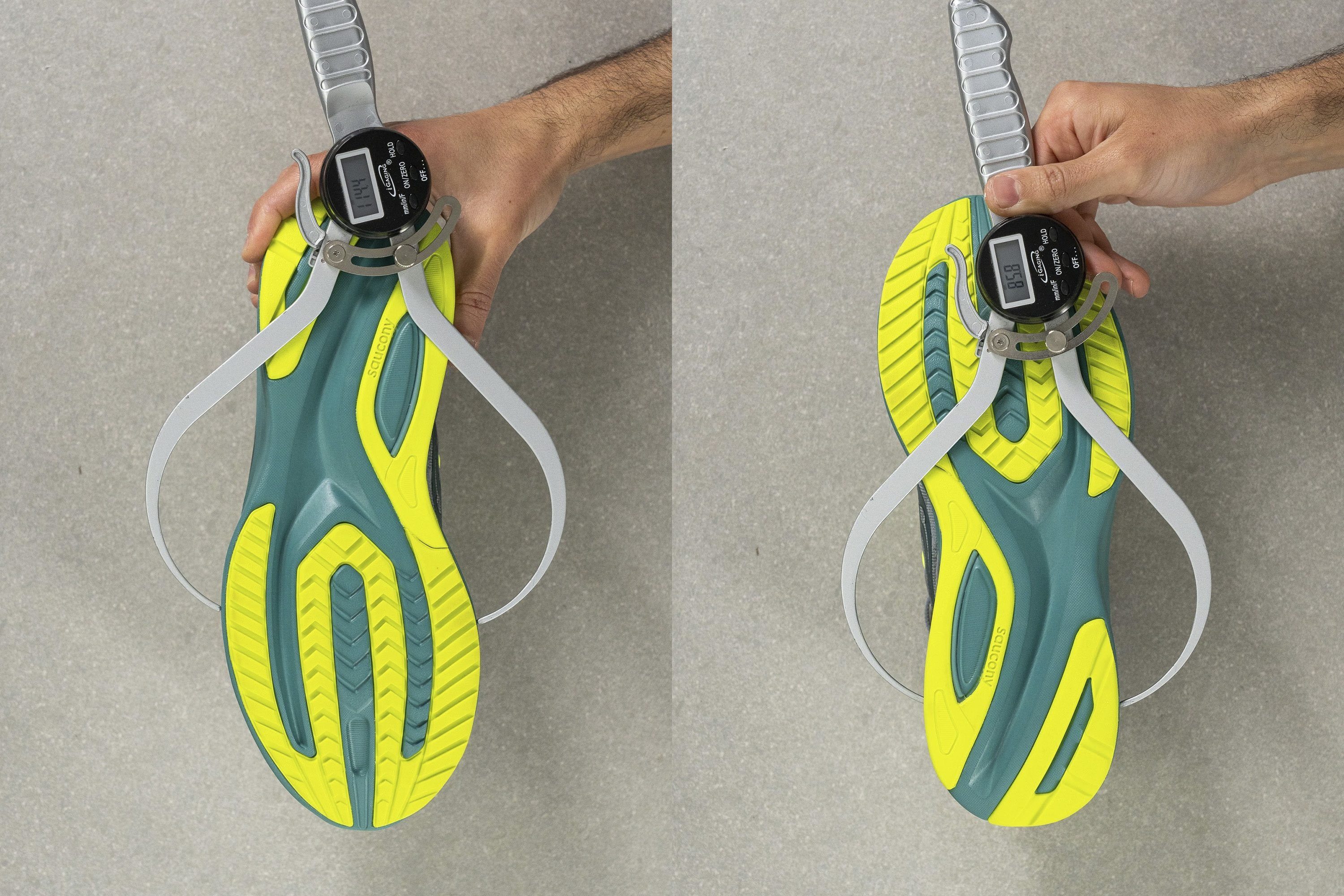
The wider the base, the more stable the landing.
Avoid zero and low drop if you’re a heel striker
We recommend that heel strikers avoid zero drop and low heel drop. At least avoid them if you’re a beginner and not knowledgeable yet about the heel drop, the different muscles it can utilize, and potential shoe rotation combinations that could help you strengthen your feet and legs. This is quite an advanced approach.
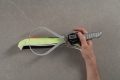
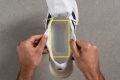
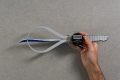
Marking the lines where we measure stack heights before calculating the heel drop (stack height minus forefoot height)
Heel drop is the difference in height between the heel and the forefoot. It goes from 0mm to 16mm. The most common recommendation for beginners is to choose shoes with a heel drop of 8-12mm. 10mm is a non-written shoe standard.
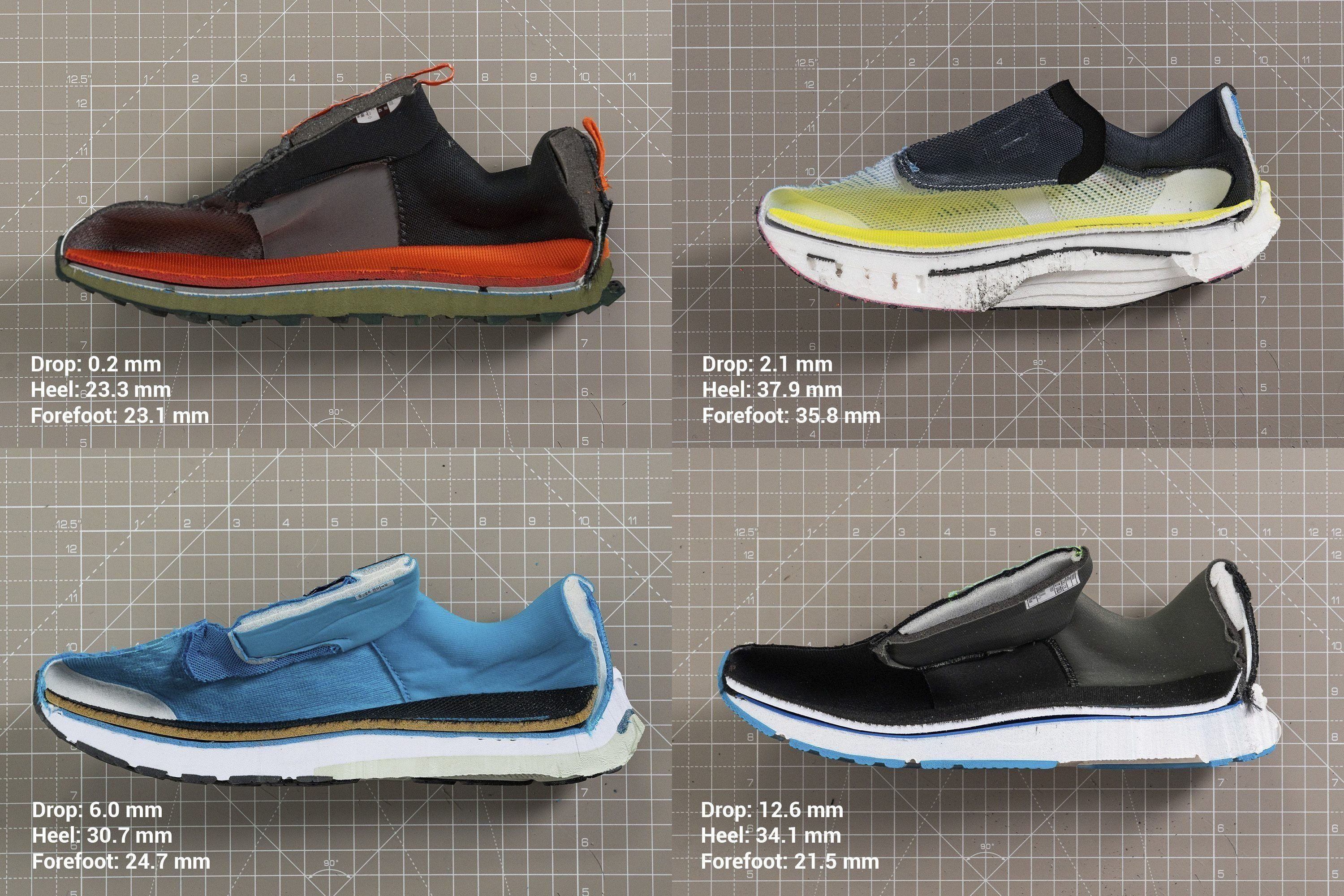
The trouble with lower drop is that:
- It uses lower leg muscles and zero drop uses the foot muscles the most. This change asks for a very gradual transition which can last for months
- Lower drop usually means lower height at the heel and we want the heel to be high off the ground for proper impact protection
- Runners tend to change to forefoot strike when running in shoes with zero drop or low drop and that change can be too much for some runners, especially when not done gradually.
Look for outsole rubber at the heel
Some running shoes are meant for forefoot strikers and we see that because the rubber on the bottom is placed only at the forefoot or forefoot and midfoot.
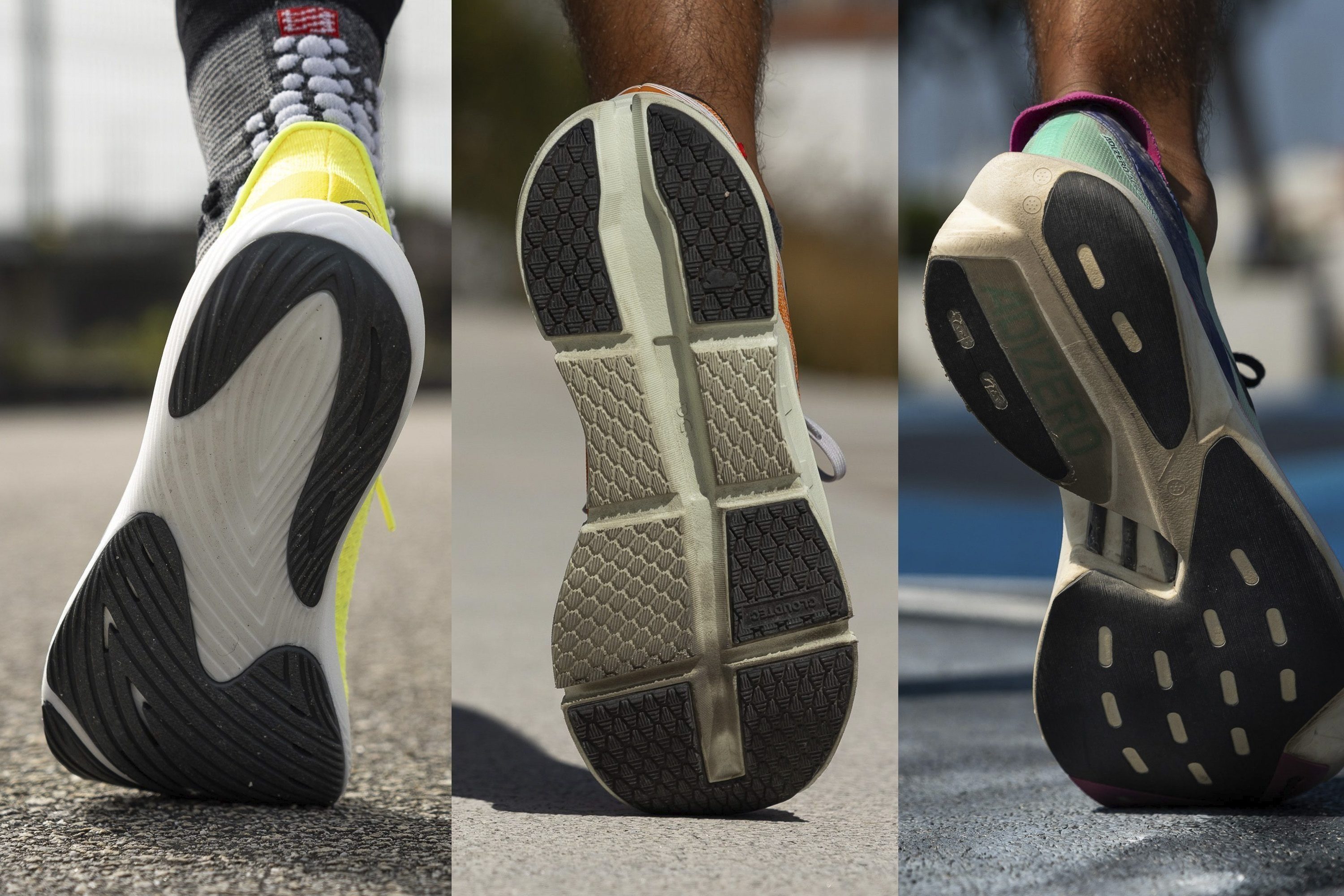
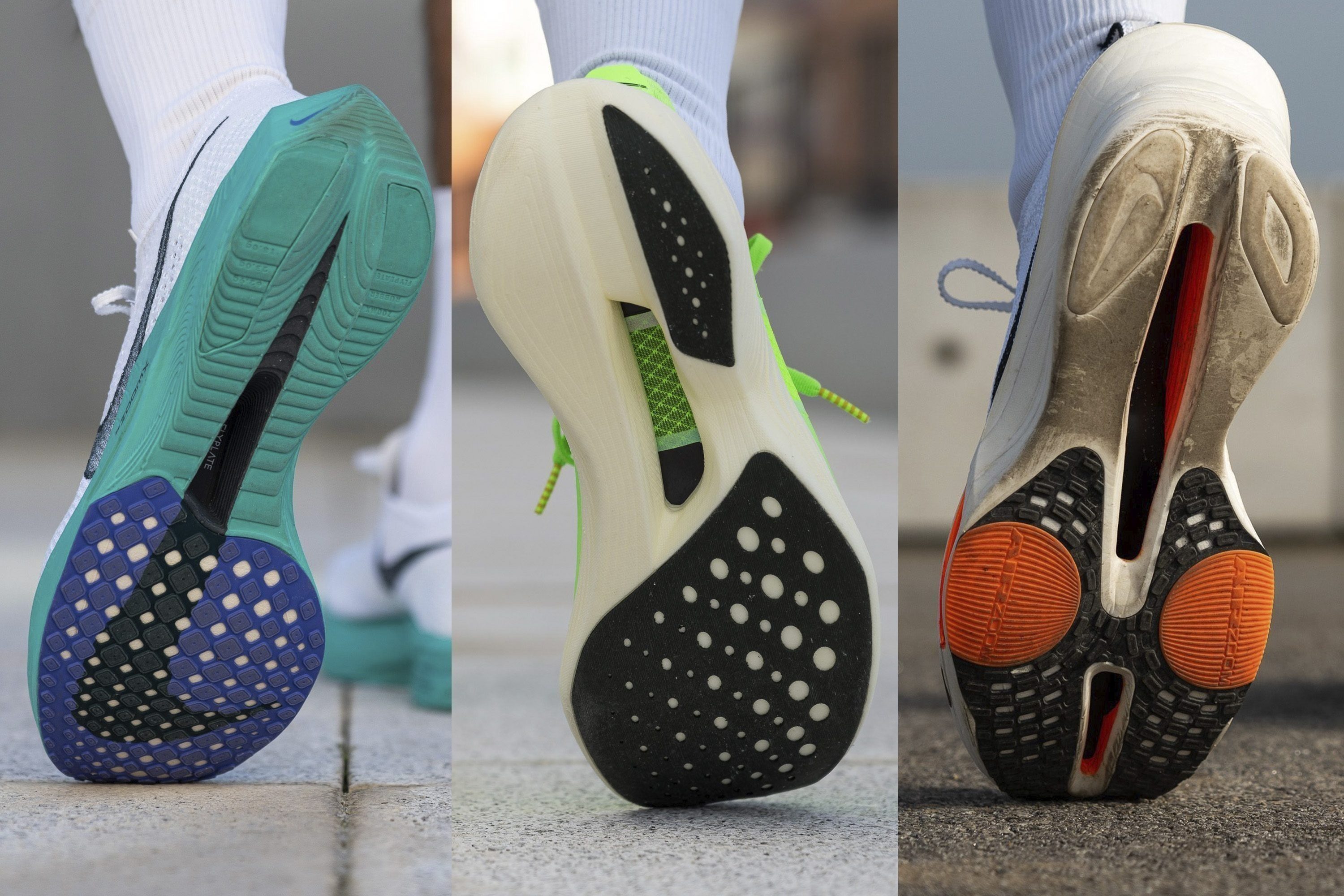
Heel strikers can run in these shoes but should know that the exposed midsole offers no grip in wet weather, plus the non-rubber outsole is destroyed way sooner than the rubber.
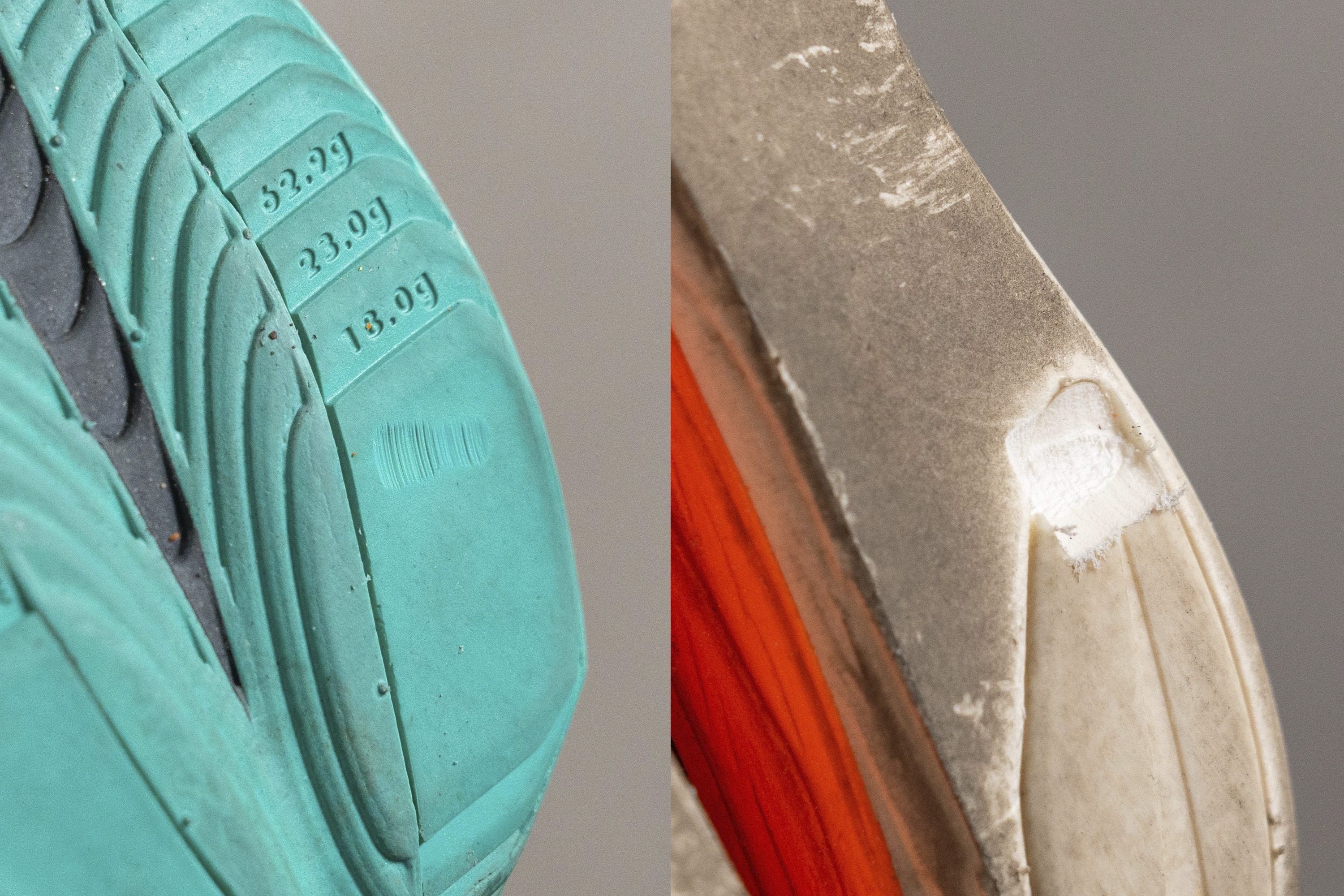
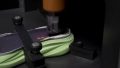
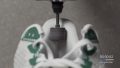
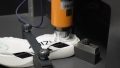
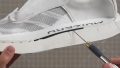
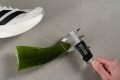
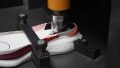
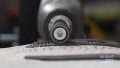
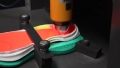
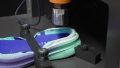
How we know this? From our experience and from our durability lab test. We press a dremel against the outsole, always at the same RPMs, pressure and duration.
Performing the outsole durability test in RunRepeat lab
We measure the depth of the dent with a tire tread gauge. The deeper the dent, the less durable the outsole.
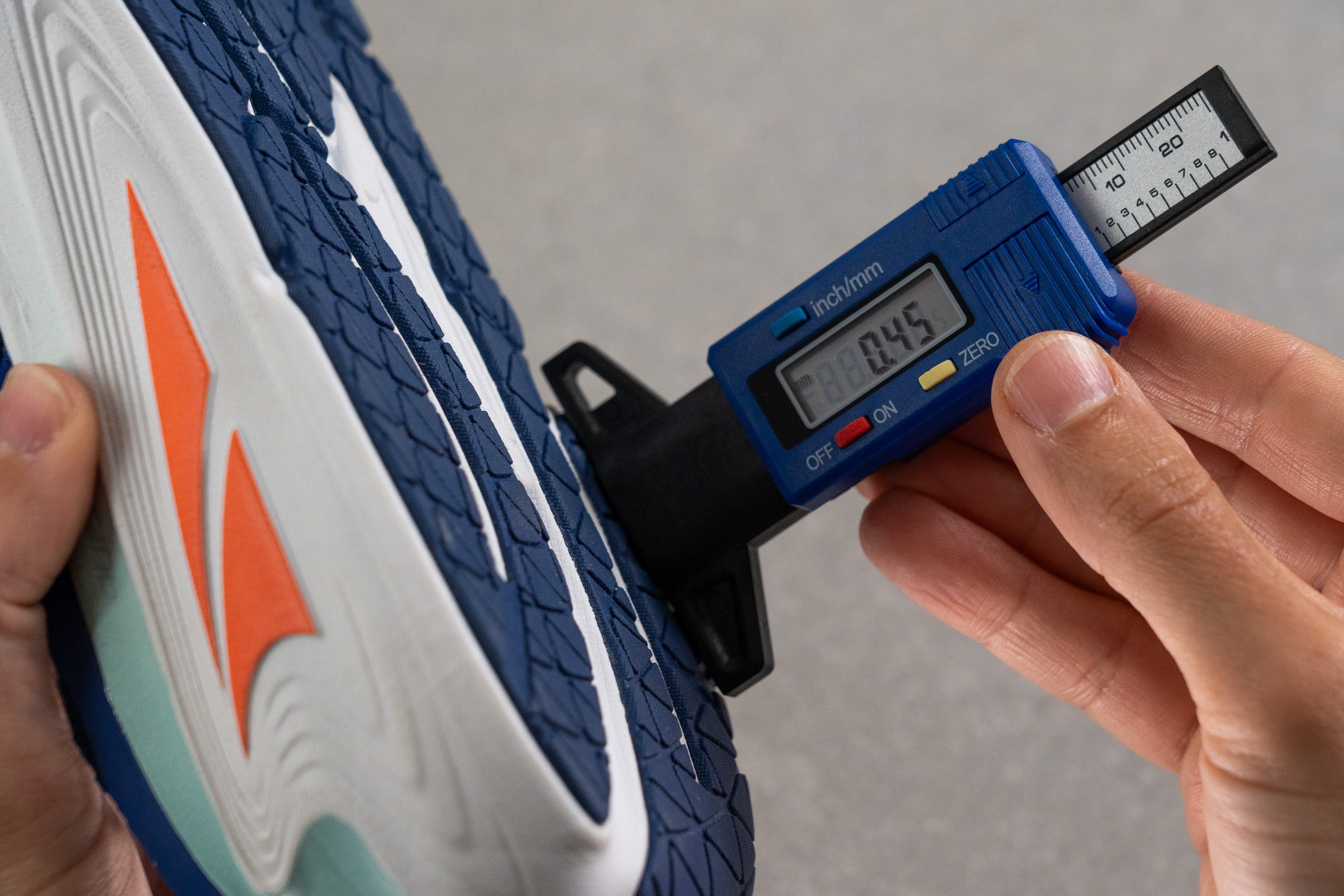
Knowing this, you can look for the most durable outsoles found in running shoes for heel strikers.
Similar buying guides