4 Best Nike Trail Running Shoes in 2026

We buy shoes ourselves. We earn commissions when you buy through us, at no extra cost. Why trust us
Although it’s better known for its road running shoes, Nike doesn’t cut corners when it comes to trail shoes. Especially now, with more ACG trail shoe versions popping up, we're excited to see what comes next.
We tested Nike trail running shoes ourselves and ended up picking the best models across different categories. We did so based on both field and lab tests, so you can count on a bias-free approach.
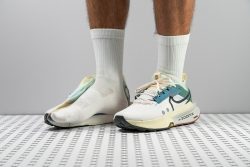
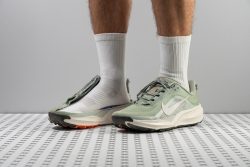
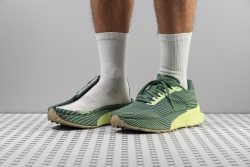
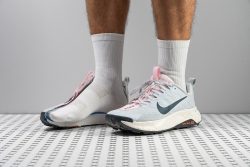
How we test Nike trail running shoes
To be able to deliver objective reviews with straightforward pros and cons of Nike trail running shoes, we follow these steps:
- We buy all shoes with our own money to prevent biased reviews.
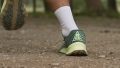
- We do high-mileage runs in each shoe and test them on trails, wet and dry, uphill and downhill, rocky and muddy.
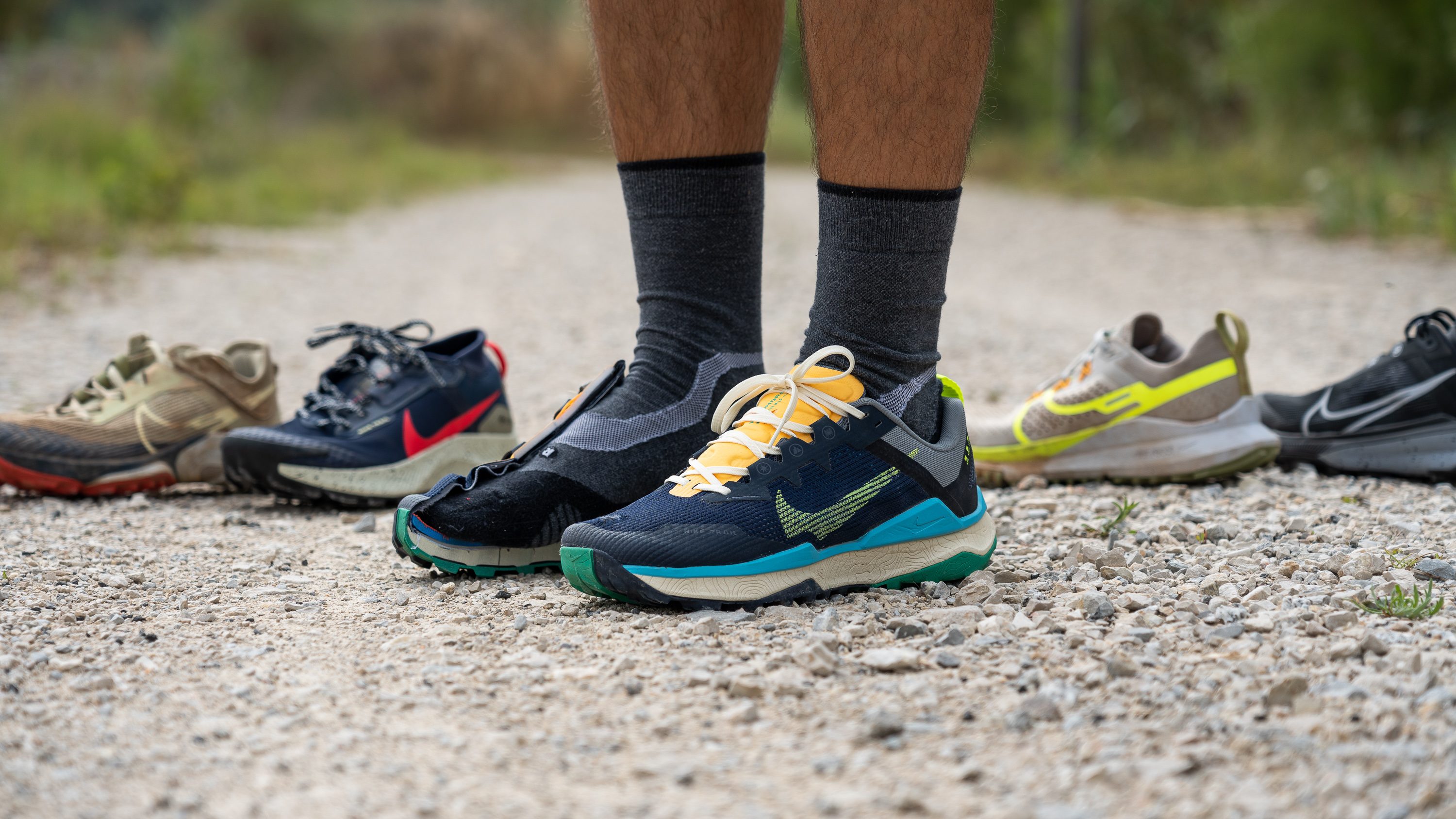
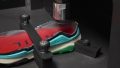
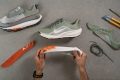
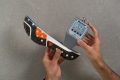
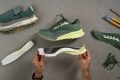
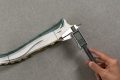
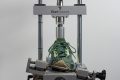
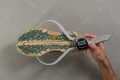
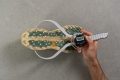
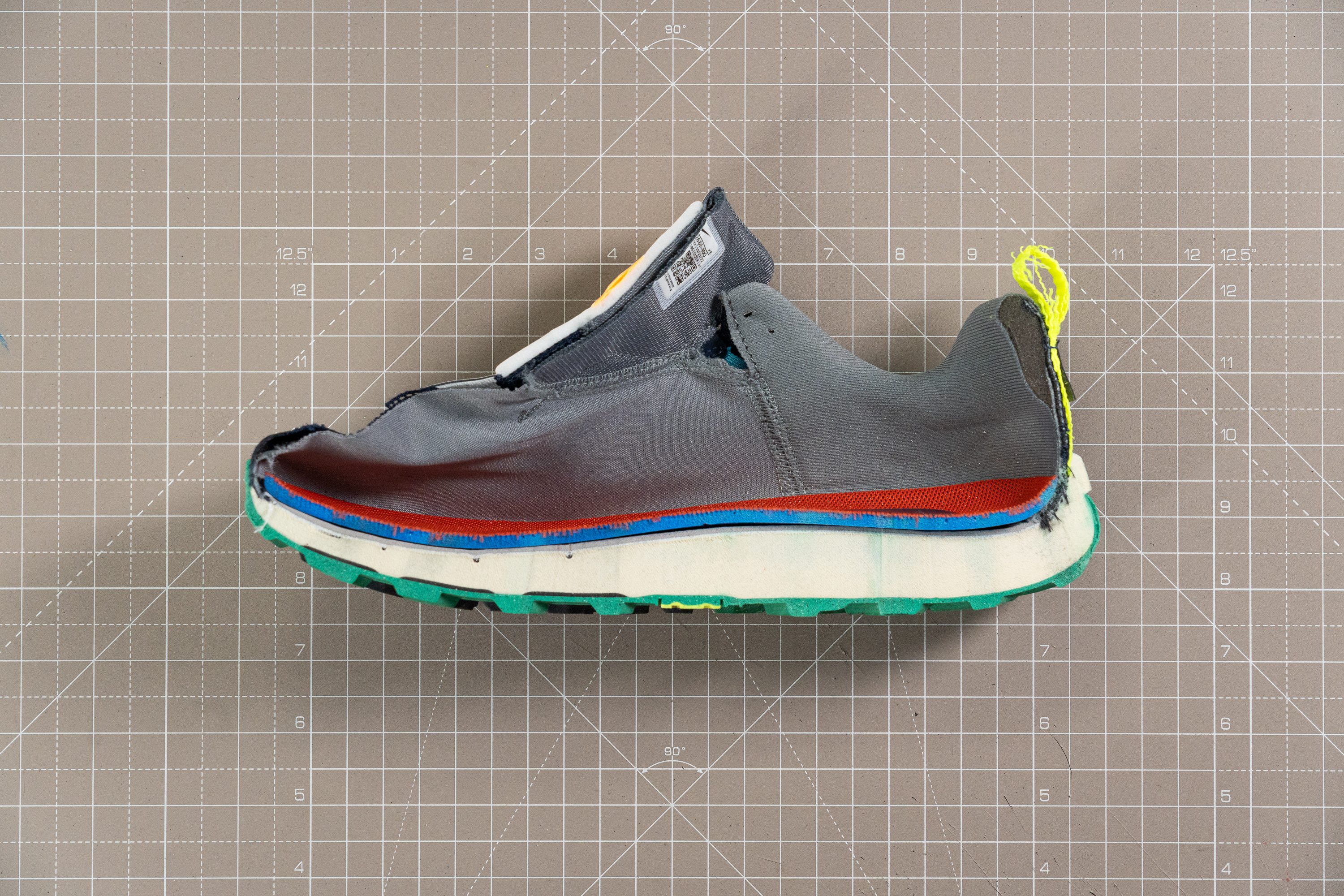
- We cut each shoe first into half, then into pieces. We do this to spot all the techs and details inside the shoes. Also, we measure their 20 different parameters including traction, lug thickness, toebox durability, breathability, shock absorption, etc.
Best Nike trail running shoes overall













What makes it the best?
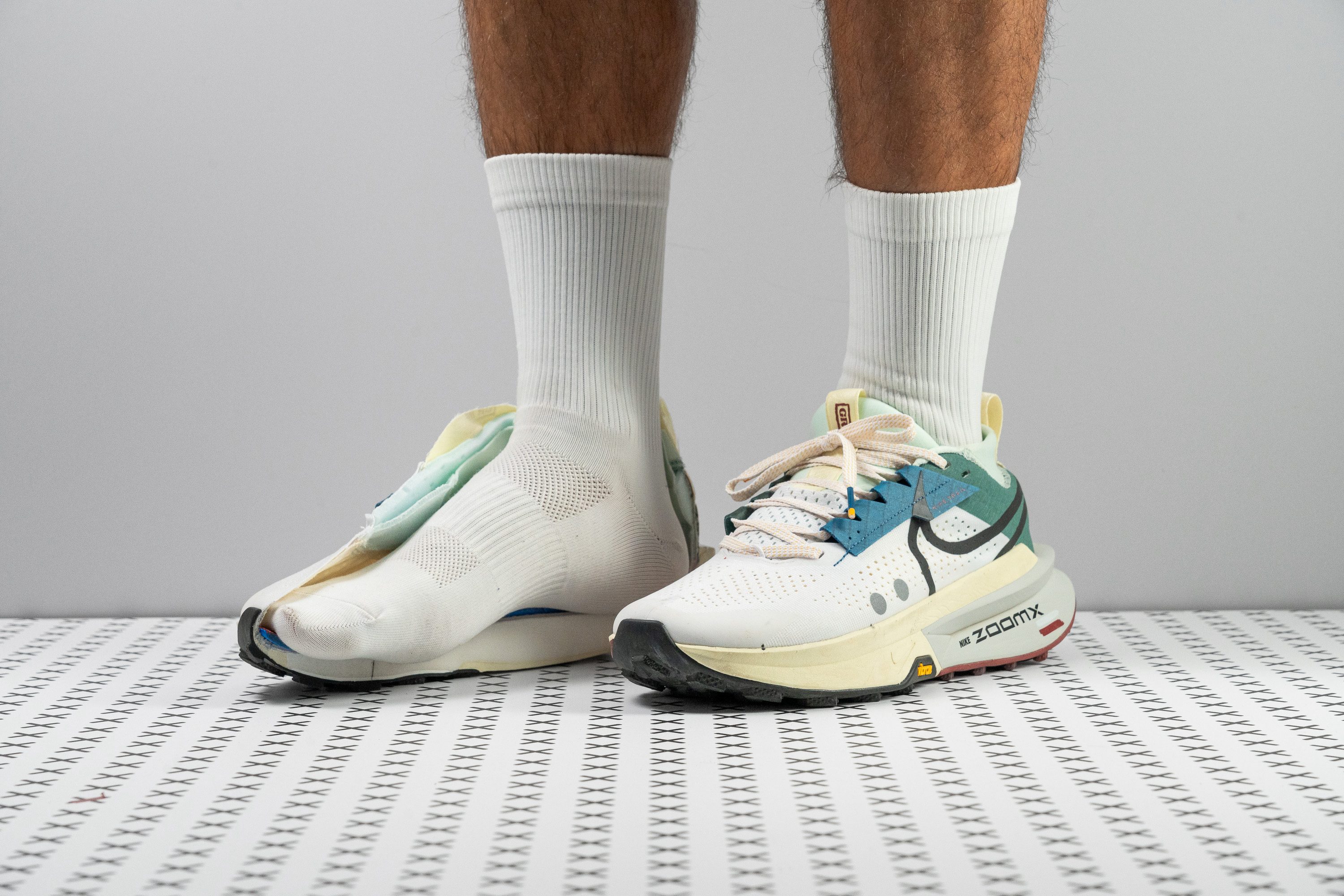
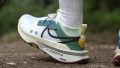
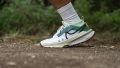
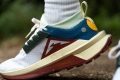
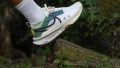
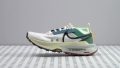
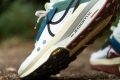
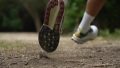
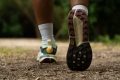
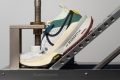
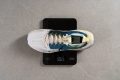
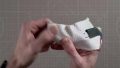
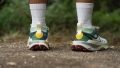
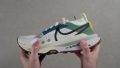
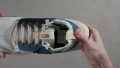
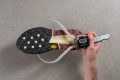
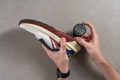
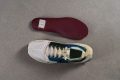
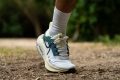
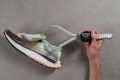
Make way for the best Nike trail running shoe we’ve ever tried and lab-tested: the Zegama 2. It holds the premium comfort of road running shoes through the energetic ZoomX midsole while serving the protection and traction needed to conquer various terrains through its all-around robustness and Vibram Megagrip outsole.
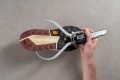
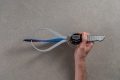
No matter how long we ran, the experience felt effortless thanks to the leg-saving ZoomX superfoam. Featuring a 30.3/26.3 mm stack height that's 19% softer than the average trail shoe, it was easy to chase the miles. Combined with its rocker geometry, every stride felt energized, making the trail experience more dynamic.
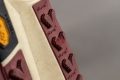
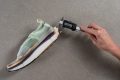
We tested the world-renowned Vibram Megagrip rubber by running through dry and wet surfaces, and we had no issues with grip. Zegama 2 boasts 4.0 mm-deep Traction Lugs that keep us in control. Our lab test also confirms its exceptional durability, with only 0.8 mm of damage against our rigorous Dremel.
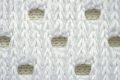
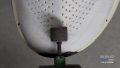
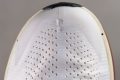
Additionally, Zegama 2 continues to impress us with exceptional ratings in our abrasion tests. From its breathable upper to the heel, it earned above-average scores of 4/5 and 5/5, proving its resilience.
However, weighing in at a hefty 10.7 oz (302g), the Zegama 2 may lose its appeal to those seeking a barely-there feel or a competitive pace.
Pros
- More ZoomX bouncy foam!
- Vibram Megagrip outsole
- Spacious upper
- Exceptional durability
- Superb wet condition traction
- Ideal for midfoot and forefoot strikers
- Ready for long-distance running
- Suitable for hiking too
Cons
- Could be lighter
- Not ideal for heel strikers
Best Nike running shoes for gravel




What makes it the best?
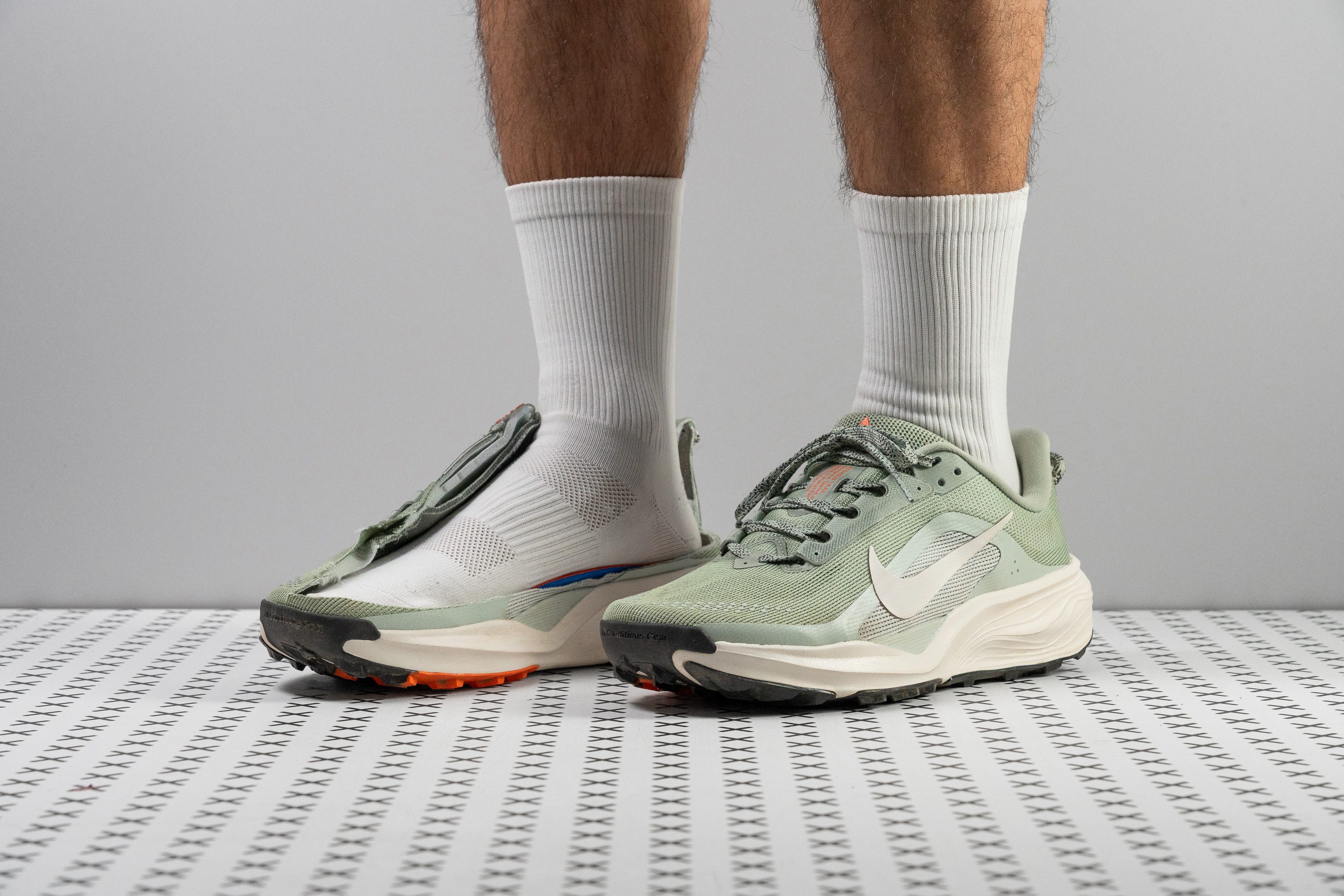
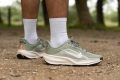
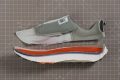
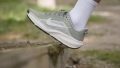
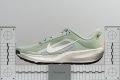
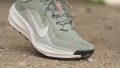
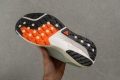
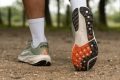
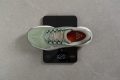
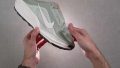
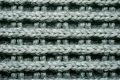
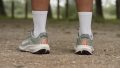
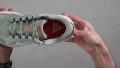
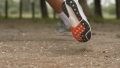
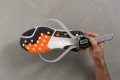
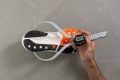
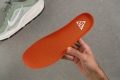
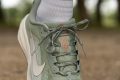
Our shifts from the mountains to the streets were made effortless by the ACG Pegasus Trail. It's versatile and adapts to various surfaces well. From its tough build to its grippy base and protective midsole, the ACG Pegasus Trail is our best Nike trail running shoe for gravel.
The ReactX midsole cushioned our strides and added light rebound. We could endure long miles at a steady pace with its impressive shock absorption scores of 135 SA in the heel and 106 SA in the forefoot.
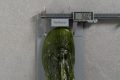
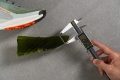
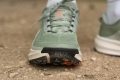
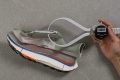
The All-Terrain Compound 2.0 outsole proved its toughness during outdoor testing with barely any signs of use, and its wear resistance in the lab with a tiny 0.7 mm damage. Sharp rocks and protruding roots won't affect its integrity, keeping our feet safe.
We found the 3.1 mm lugs to have the perfect depth for providing a secure grip without feeling too bulky on the road. Plus, the rubber itself emerged 15% grippier than average in our traction test.
With lots of exposed foam, it's ideal to stay on maintained paths using this pair. We recommend a full-length outsole for tackling rugged terrain.
Pros
- Finally improved traction
- Excellent road-to-trail versatility
- Dependable shock absorption
- Plush midsole feel
- Roomier fit than older versions
- Secure lockdown
- Thick tongue boosts comfort
- Durable outsole
- Practical travel-friendly all-rounder
Cons
- Minor price bump
- Needs a foam upgrade
- Toebox durability
Best Nike trail running shoes for race






What makes it the best?
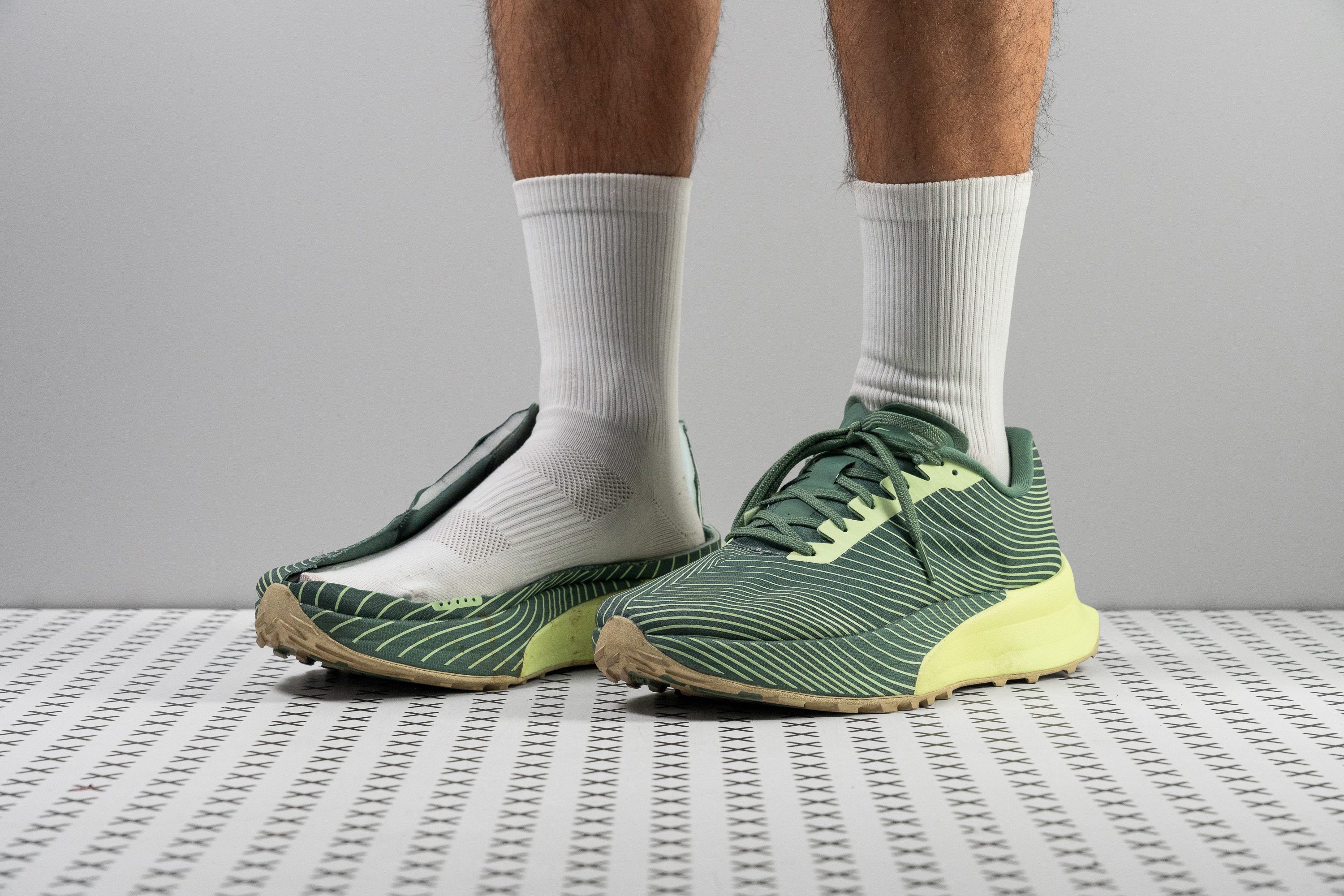
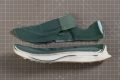
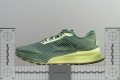
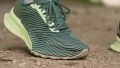
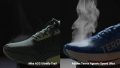
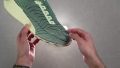
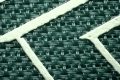
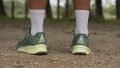
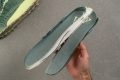
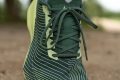
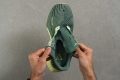
The Nike ACG Ultrafly Trail delivers world-class energy return in a plush platform. It also surprisingly offers one of the most stable rides through its wide base and reliable Vibram outsole. After testing out and cutting open Nike’s best trail runners, we found ACG Ultrafly Trail to be the best racer. It’s a high-performance shoe that offers the best of both worlds—comfort and speed at any distance.
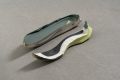
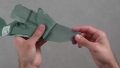
The ZoomX foam graced our runs with undeniable responsiveness, reaching strong energy return scores of 75.4% in the heel and 74.2% up front. Featuring two spoon-shaped carbon plates that are rare in trail shoes, this racer feels very snappy without losing its adaptability on changing terrain. Upon checking for torsional rigidity, it only emerged 8% more twist-resistant than average.
Moreover, it's ultra-soft to the touch. It stands as one of the thickest models, particularly in the 38.1 mm heel. ACG Ultrafly Trail stands out with its unusual cloud-like experience, as we recorded high shock absorption of 137 SA in the rear, making long miles effortless.
This speedy shoe gives an unexpectedly stable ride, driven by the carbon plate and impressively wide 124.2/93.4 mm midsole that inhibits awkward foot movements.
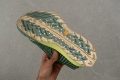
Underfoot is a robust Vibram outsole lined with 3.0 mm Traction Lugs to enhance grip. In our wet-condition test, the rubber returned a very dependable 0.77 result, making it 20% grippier than average.
Notice how we focus on the heel because its steep 10.7 mm drop favors rear strikers. However, trail runners who prefer a lower incline should go for other options.
Pros
- Incredible energy return
- Excellent Vibram outsole
- More stable than expected
- Roomy fit
- Plush foam
- Great cold-weather performance
- Greatly improved over its predecessor
- Improved weight
- Comfortable upper
Cons
- High retail price
- Some may prefer a lower drop
- Lacks airflow for hot weather
- Shallow lugs limit versatility
Nike running shoes with the best shock absorption








What makes it the best?
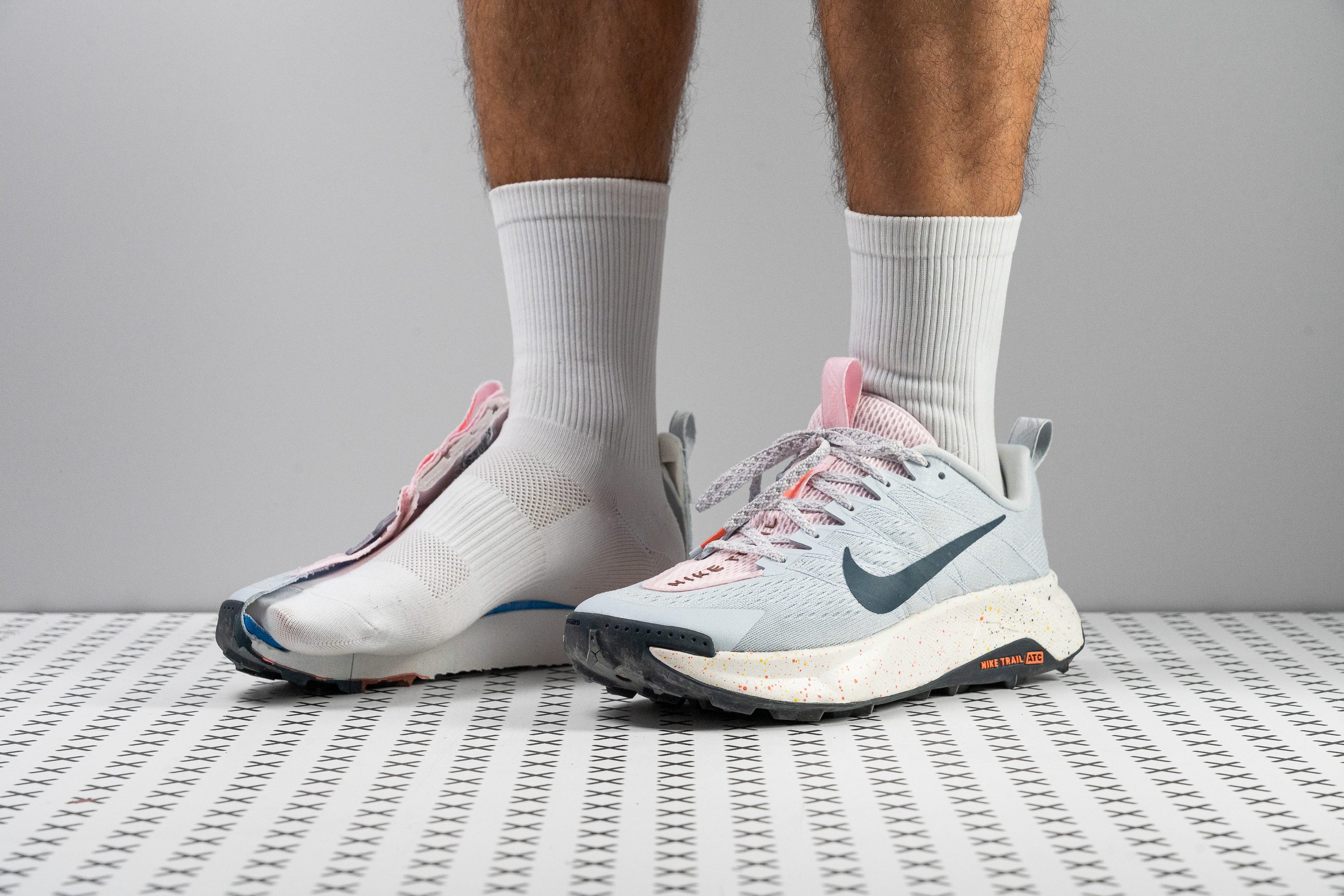
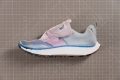
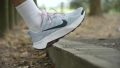
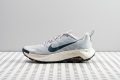
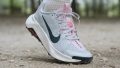
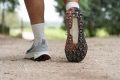
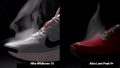
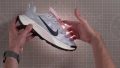
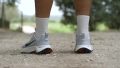
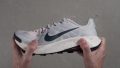
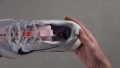
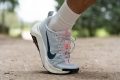
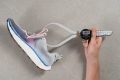
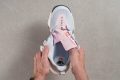
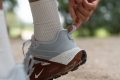
During our mountain runs in the Nike Wildhorse 10, we can’t help but think that it goes big on cushioning. Besides its plush sensation, it feels responsive, which makes us cruise through the miles. Boosted with rugged features, it ensures our safety on diverse terrains. From its rock plate to its protective midsole, the Wildhorse 10 is the Nike trail running shoe with the best shock absorption.
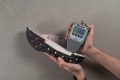
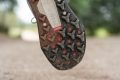
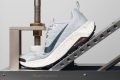
The ReactX foam delivers exceptional comfort and responsiveness. With a 144 SA result in our shock absorption test, it offers 20.0% more impact protection than average. We also recorded a nice 61.3% energy return in the heel, together with a steep 10.9 mm drop, enhancing more natural heel-to-toe transitions.
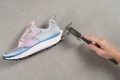
Measuring the shoe’s stack, we got above-average figures of 38.3/27.4 mm. We’ve got a huge chunk of foam elevating us from the ground. As if that wasn’t enough, the forefoot features the Rock Shield plate, which definitely didn’t make us feel a thing. Whether it was sharp rocks or protruding roots, our feet remained safe.
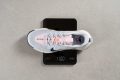
Unfortunately, the Wildhorse 10 feels quite stiff and takes more effort to maneuver than its previous versions. Those seeking ultra-light agility should skip this pair.
Pros
- Cushion-packed midsole
- Modernized upper
- Ideal for heel strikers
- Better build quality
- Bold new look with better finish
- Versatile
- Improved energy return
- Forefoot rock plate
Cons
- Still too heavy
- Mesh upper is fragile
- Brutal price hike
- Less agile than predecessors
Nike trail collections overview
Many of Nike's trail collections have seen multiple releases, year after year. Here, you can see what they are best for to make your choice easier (if our top picks aren’t what you’re looking for):
|
Shoe line: |
Who it’s best for: |
|
Juniper Trail |
Beginners and those on a budget. |
|
Pegasus trail |
Runners who need a hybrid shoe for road-to-trail runs. Beginner-friendly too, but not as budget-friendly as Juniper. |
|
Wildhorse |
Rugged all-rounder for runners who want a do-it-all shoe that can even touch ultras and technical sections. |
|
Terra Kiger |
Runners who want to race. Agile competition shoe for non-ultra distances. |
|
Zegama |
Runners who can afford a premium shoe that’s made for demanding trails. |
|
Ultrafly |
Elite, carbon-plated, trail speedster. Best for runners who want a dedicated race (super)shoe. |
We dissect each shoe the same way and give them identical lab treatment, regardless of their use case (technical terrain, GTX all-arounder, beginner's shoe, premium speedster, etc.).
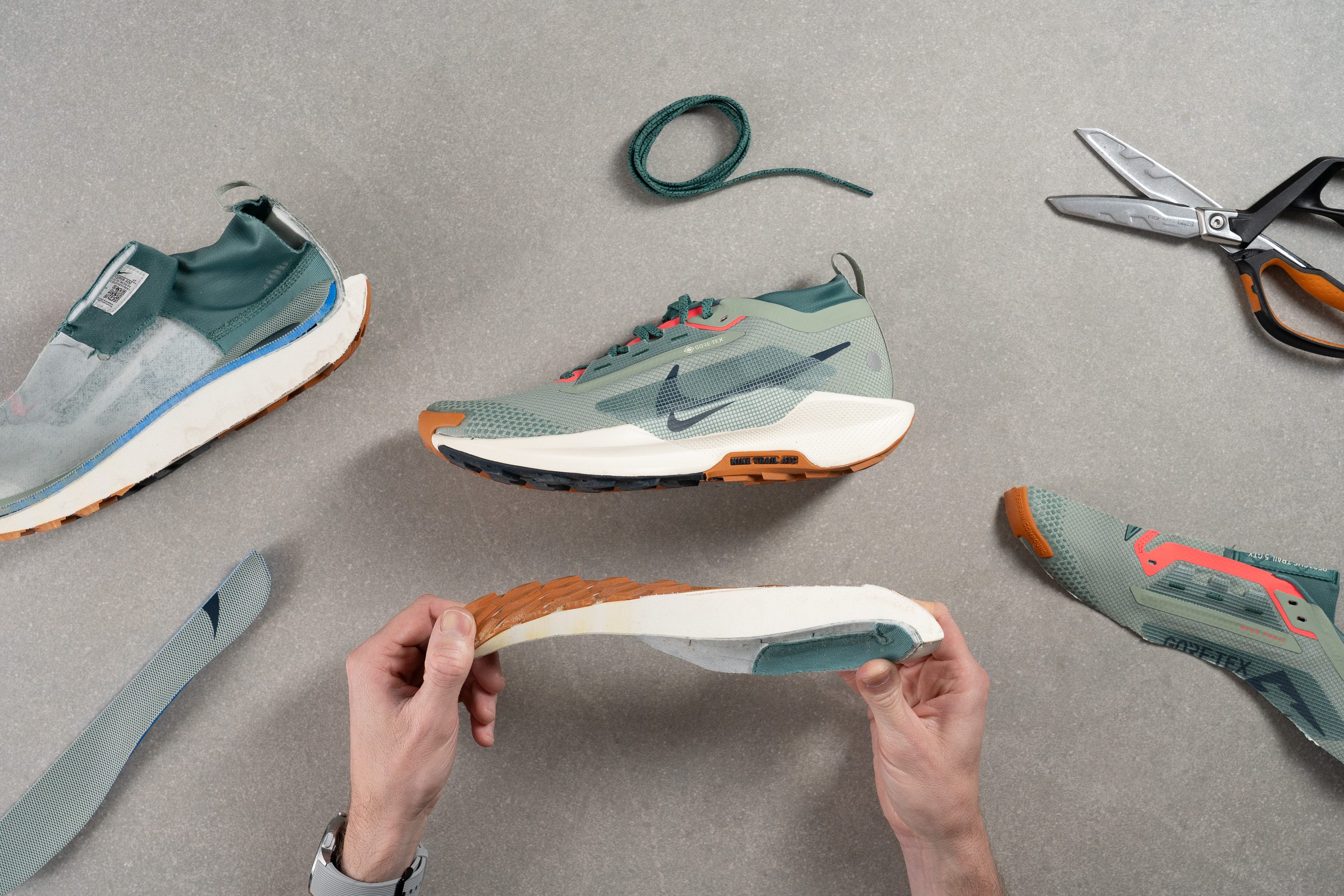
Cushioning: softness, shock absorption, and energy return
Nike uses different foams in its trail running shoes, and it’s good to be familiar with the terms and to know what they actually bring to the table. Standard foams are more durable, more affordable, and are often found in shoes made for slower paces. Premium foams, on the other hand, are lighter, more responsive, and usually found in race shoes where energy return is prioritized.
- ZoomX: premium foam found in Ultrafly and Zegama.
- ReactX: sounds like premium, but is actually a standard foam found in newer versions of Pegasus Trail and Wildhorse.
- React: standard foam found in older versions of Pegasus Trail, Wildhorse, and Terra Kiger.
- Cushlon: standard foam found in older versions of Juniper Trail.
- Cushlon 3.0: also standard foam found in Terra Kiger 10.
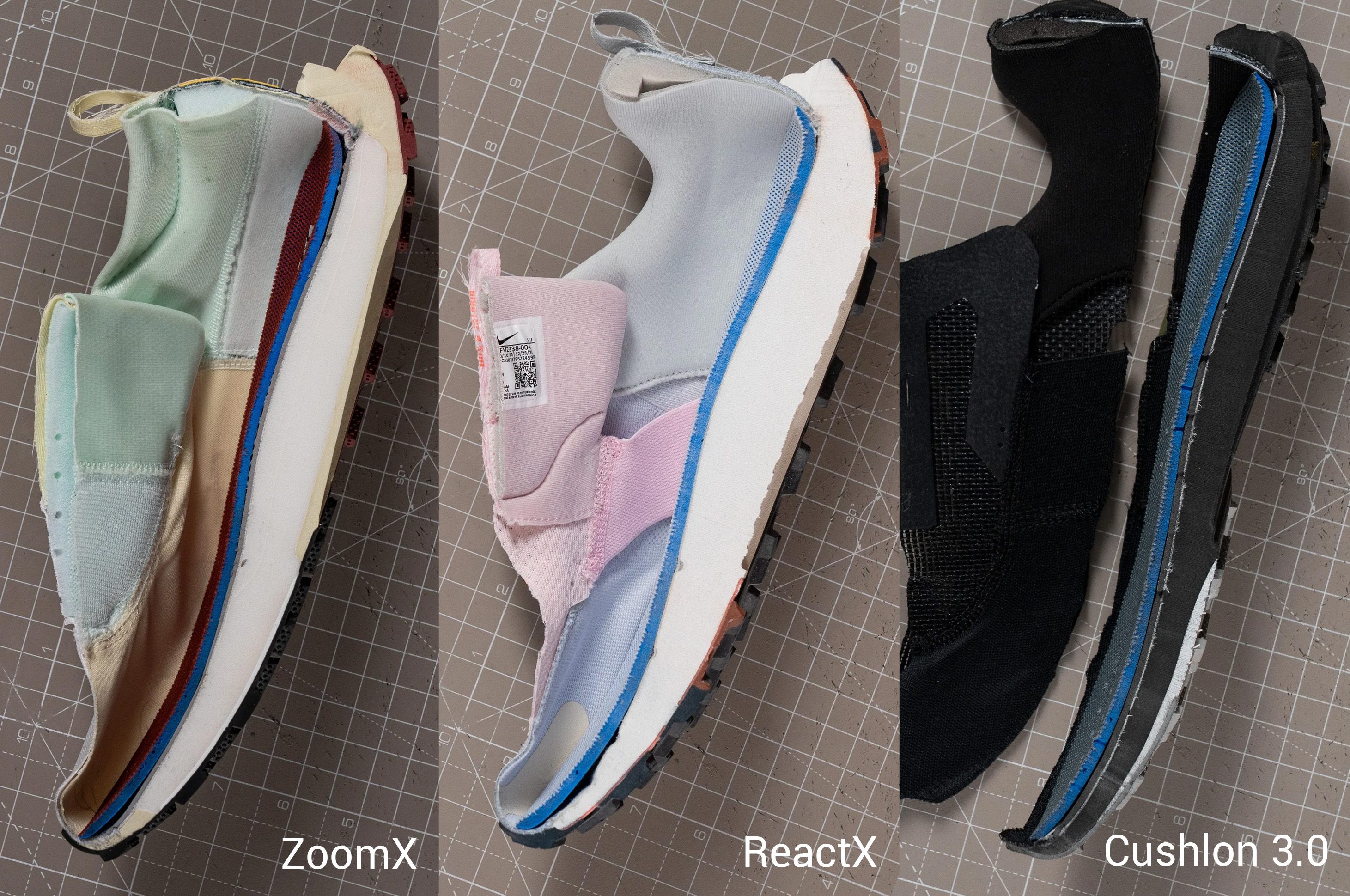
If you want to learn more about the technologies behind each foam and how Nike got to use them, head over to our nerdy guide on running shoe foams.
Softness of Nike trail running shoes
Immediate comfort after the first step-in is usually assessed by the overall fit (is the shoe too tight or just right) and the softness of the platform. Runners often directly correlate midsole softness with comfort.
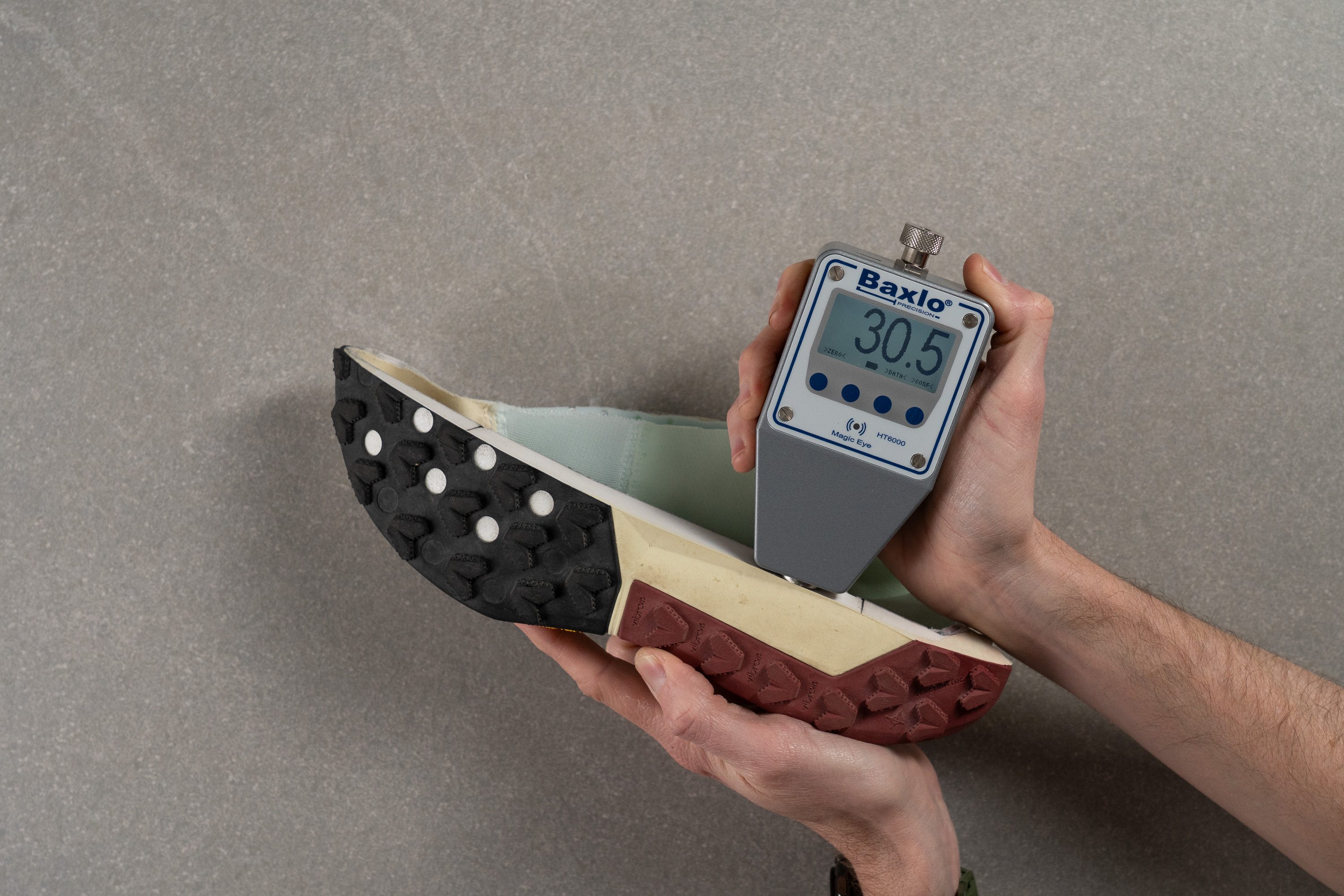
While softer midsoles have their place in road running, in trail running the story is slightly different, given that the terrain is wildly varied and changes along the way. Very cushioned and soft trail running shoes could simply be too high off the ground and too soft to provide adequate stability and confidence.
When it comes to comfort, in the long run (literally), what matters more is good shock absorption and energy return. These are so-called leg-saving features; the better they are, the bigger the chances of feeling fresh for longer.
Shock absorption and energy return in Nike trail runners
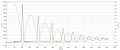
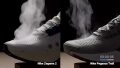
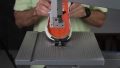
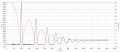
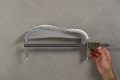
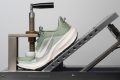
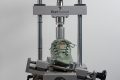
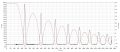
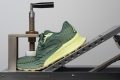
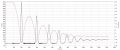
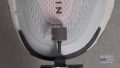
We test the shock absorption and energy return of running shoes following the gold standard: ASTM F1976-13. This means that we remove the upper, lock the shoe in place, and then drop an 8.5 kg mass from a height of 50 mm, resulting in a total energy input of 5 J.
We do this in 2 places: at the forefoot and at the heel, at 75% and 12% of inner shoe length. Same places where we measure stack heights. The first 25 repetitions mimic a natural break-in, and we use the last 5 to calculate the average and publish the results.
|
When it comes to results, you should keep in mind that:
|
Looking at the numbers, shock absorption in the 110-130 SA range is considered moderate, and high when it’s above 130 SA. Energy return, on the other hand, is in the moderate range when the shoe scores 55-65% on the lab test, and high when it scores above 65%.
Traction in Nike trail running shoes
When it comes to traction, we perform 2 tests:
- The traction test
- The lug depth test.
However, in trail running, there are more nuances than in road running. We need to look at the shape of the lugs, their orientation, and the general tread pattern. Also, Nike uses 2 different compounds: ATC (all terrain compound) and, on rare occasions, Vibram Megagrip Litebase.
Starting with the traction test, we follow the SATRA TM144 methodology, and measure the dynamic coefficient of traction in critical (wet) conditions. The higher the coefficient of traction, the better. We always recommend going for at least 0.25 or, if you want to be super sure, then higher than 0.45.
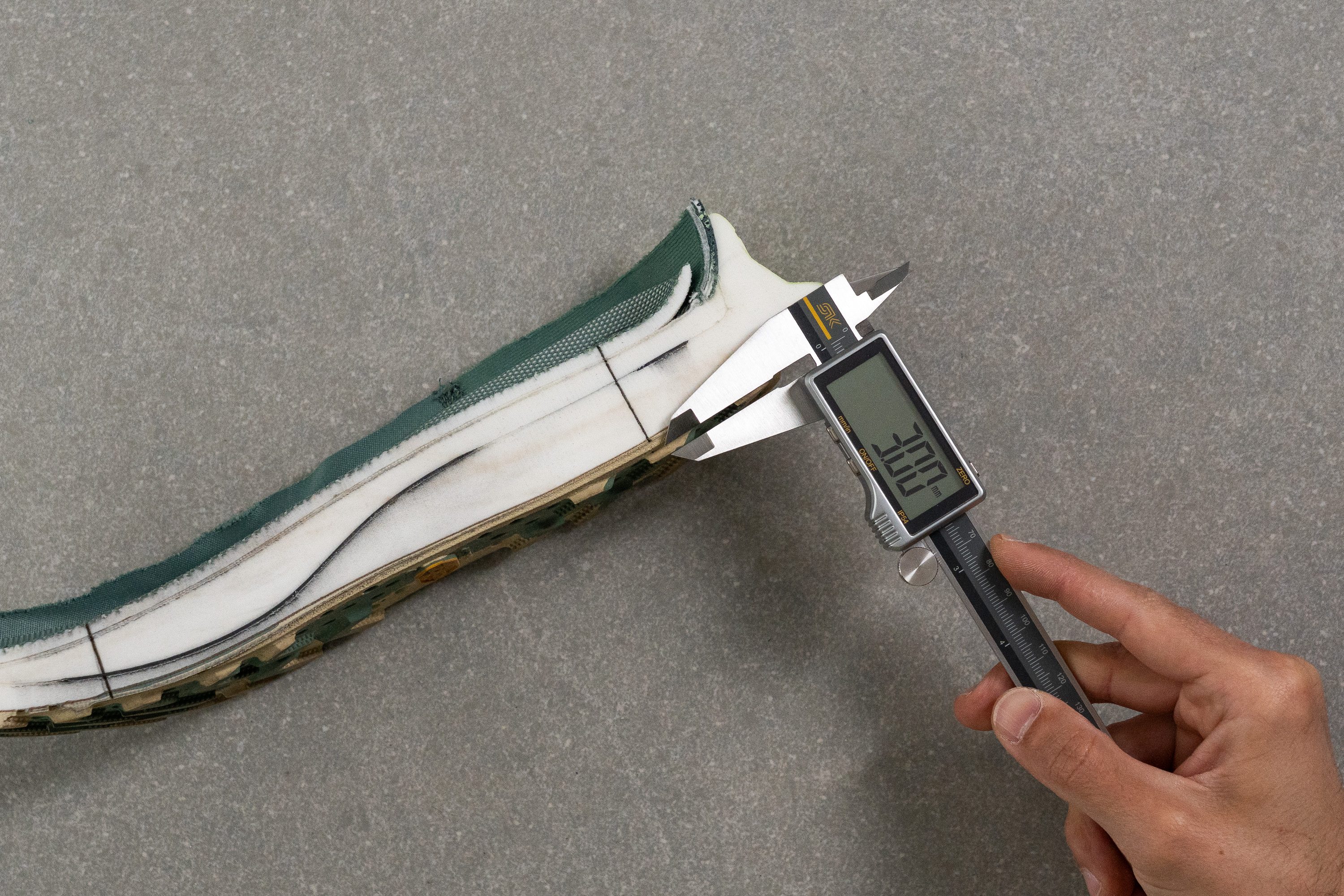
And then, we have to look at the tread patterns to better understand which terrains the outsoles are (not) made for.
Easy trails: Nike road-to-trail or hybrid shoes
Easy trails like well-maintained park paths, dry hard-packed trails, gravel, even single tracks with no obstacles or mud, all ask for shallower lugs (less than 3 mm) that are often stacked closer together. They don’t need to bite hard into the ground because the ground is mostly flat and dry.
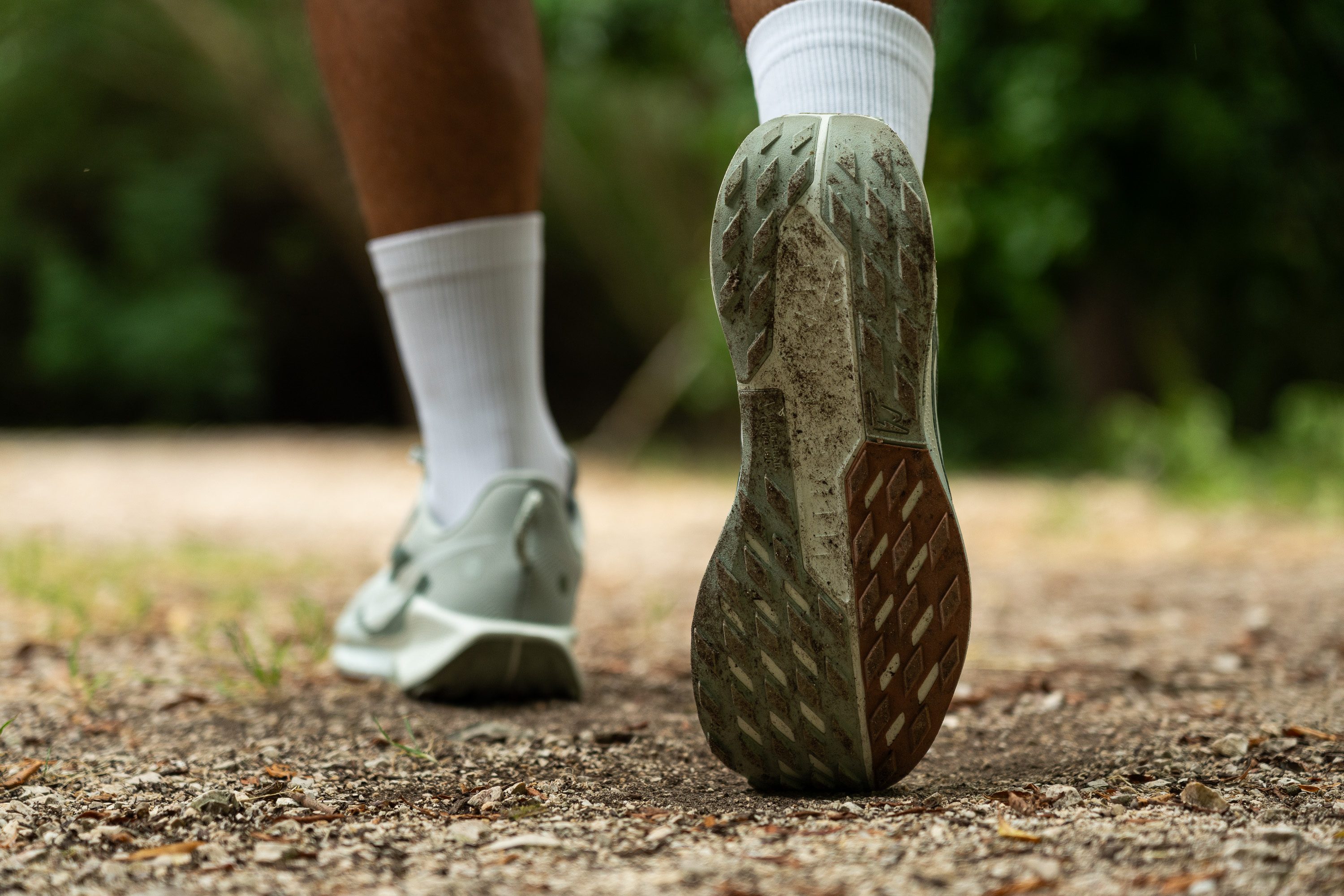
These shoes don’t have to feature a toe bumper, protective reinforcements, and so on. Some runners even use road runners for light trails. When used on both roads and trails, we call them hybrid shoes.
Shoes for mixed terrain: versatility is key
Trail shoes for mixed terrain are usually called do-it-all shoes or workhorses. We want them to be able to tackle everything but to (often) excel on moderate terrain. As you can already guess, these trail shoes have 3-4 mm deep lugs and can look significantly more aggressive than gravel shoes.
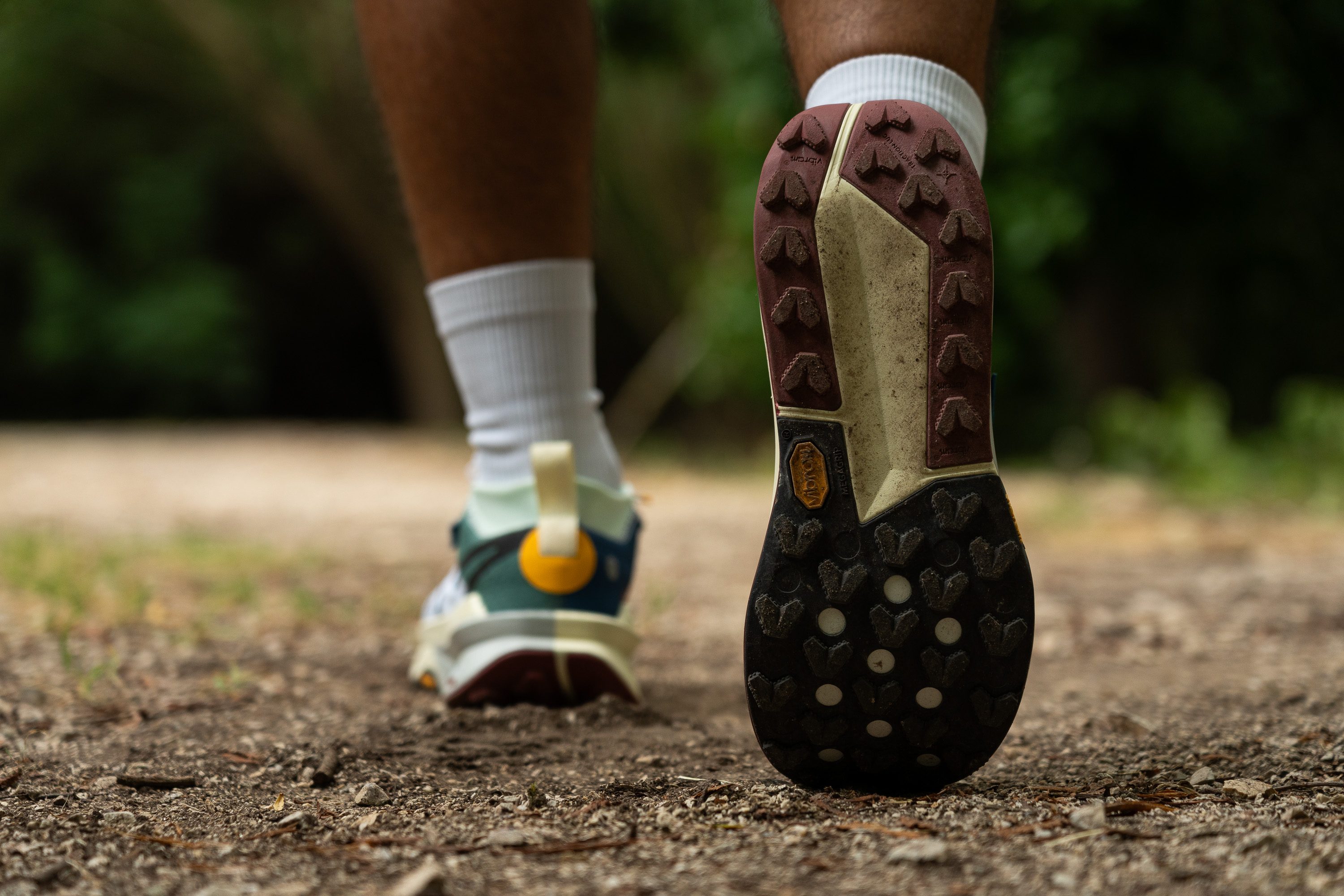
Technical terrain: rocks, mud, obstacles
When it comes to technical terrain, we can encounter different sharp obstacles on the trails, roots and rocks, and many of those can be quite slippery. Or, we can get stuck in the mud. Trail outsoles for mud feature sharp, deep (at least 4 mm), aggressive lugs that are placed further apart from each other. Trail outsoles for rocky terrain must be stiffer because you don’t want to twist your ankle and their lugs are placed closer together. They don’t have to be too deep (3.5 mm and higher works).
Nike ACG: from outdoor vibes to outdoor performance?
ACG stands for All Conditions Gear. This line was first launched in 1989 for people who wanted to explore the outdoors and look good. Until recently, these shoes were:
- Focused on style
- Made for travel, walking, camping, urban exploration, and everyday wear with outdoor vibes
- Prioritizing comfort over performance
- Not proper trail running shoes, even though they may look so.
As an example, have a look at Nike ACG Mountain Fly 2 Low. However, things have changed. Today, Nike also releases ACG updates of its legit trail runners, adding some updates. That’s how we got Nike ACG Pegasus Trail and Nike ACG Ultrafly Trail.
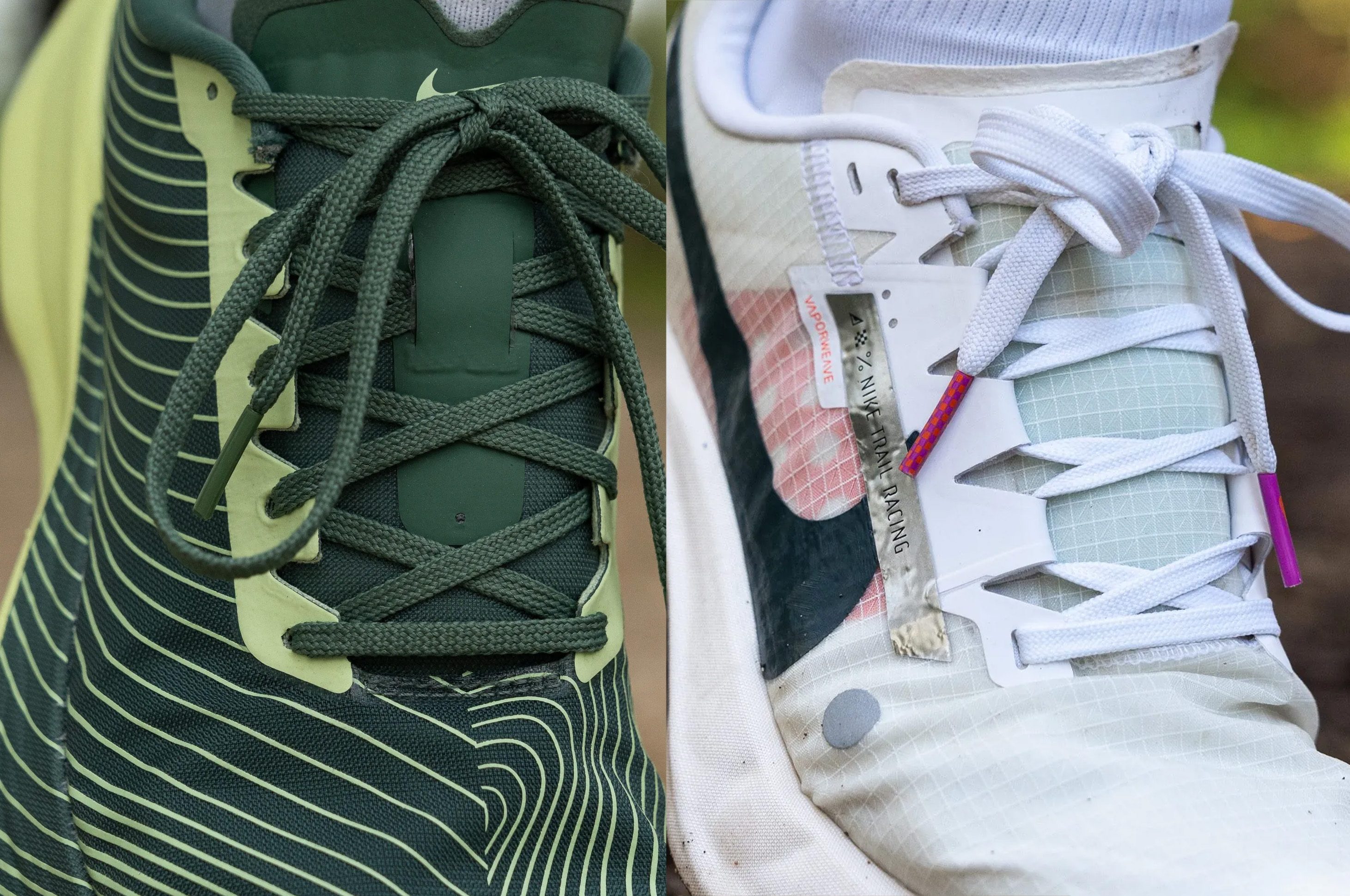
With rumors spreading around that the ACG Ultrafly is wider than the regular Ultrafly, looking at our lab data, the ACG version is wider, but the difference is so small that we doubt you would notice it. The toebox is 0.5 mm wider, and the shoe is 2 mm wider.
More ground feel or more comfort in Nike trail running shoes
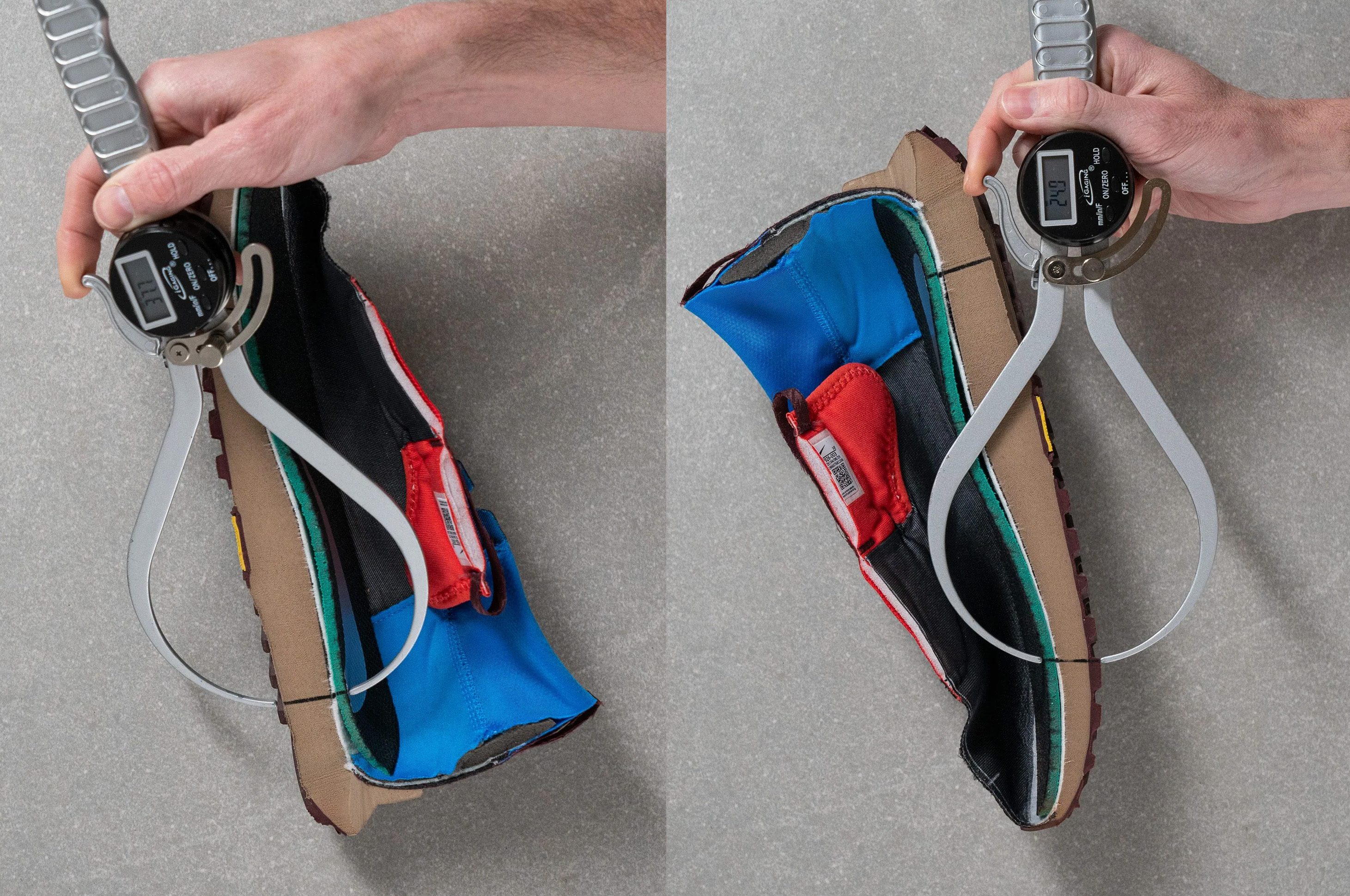
Most beginners tend to go with higher stack height, thinking cushioning is everything. And, while that works for light trails and slower paces, when you’re doing races or fartlek runs, especially on more demanding terrain, being closer to the ground helps with precision. Even if your proprioception matches that of elite athletes, it'll still amount to nothing on technical terrain if you choose to run in high-stacked trail shoes.
|
In short, you are choosing between comfort (high stacked, on easy trails) and precision (lower stack, on demanding trails). |
With trail running shoes going from 14.6 mm to 47.3 mm at the heel, Nike trail runners average at 32.7 mm. The average for all trail running shoes is 32.9 mm.
Of course, stack height is not the determining factor for the trail terrain. Technical terrain asks for harder outsoles, stiffer platforms, more protection, while some runners take even road runners to hard-packed flat trails.
Heel drop too high? Lab data overview
Heel-to-toe drop is the difference in height between the heel and the forefoot. If this is a new topic for you, we wholeheartedly recommend reading our Heel to Toe Drop: The Ultimate Guide. In short, lower heel drop utilizes lower leg muscles (foot, Achilles, calves), and higher heel drop uses higher-leg muscles more. Why is this relevant here?
The average heel drop for road shoes is 8.6 mm and it’s lower for trail shoes, sitting at 7.6 mm. Nike trail running shoes, based on our current lab data, go from 3.7 mm to 12.8 mm, with an average of 8.7 mm. This tells us that Nike, on average, offers trail runners with a higher drop, and you should be aware of that.
Trail running shoes with a higher heel drop offer less ground feel and usually more comfort, while those with a low drop make the feet work more, which means stronger foot muscles and also higher precision.
Finding durable Nike trail running shoes
As terrain gets more difficult, so does the need for more durable trail shoes. In our lab, we perform 3 durability tests: on the toebox, heel padding, and outsole.
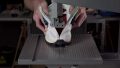
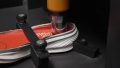
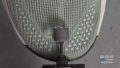
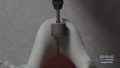
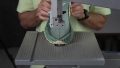
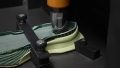
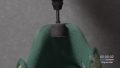
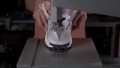
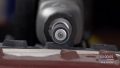
For these tests, we use a Dremel to intentionally (try to) damage the shoe. Then we assign a durability score based on the result: how wide and deep the dent is. We assign 5/5 when the Dremel barely touches the shoe and 1/5 when the dent is deep and wide or the Dremel simply goes through the upper entirely. The toebox in the video above scored 2/5.
The heel padding area in the video above was assigned a score of 5/5.
The durability of the toebox is especially important if you often encounter sharp obstacles and love running on single tracks through thick forest, with low pointy bushes or sharp rocks. The heel padding can suffer premature wear and tear if you have a pointy heel (bony bump/growth), if you don’t use a shoe horn when putting the shoe on, or if your heel tends to slip in the shoe.
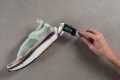
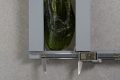
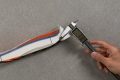
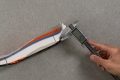
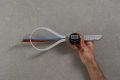
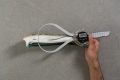
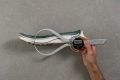
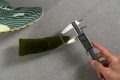
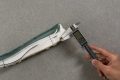
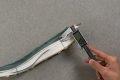
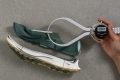
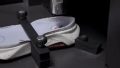
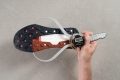
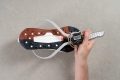
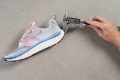
This outsole ended up with a dent that was 1.0 mm deep. This is right around the average.
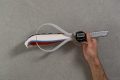
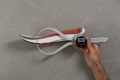
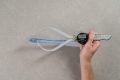
When testing the durability of the outsole, we don’t assess the damage, but use a tire tread gauge instead. We get a reading on the depth of the dent, and the deeper it is, the less durable the outsole.
Similar buying guides