7 Best Stability Walking Shoes in 2026

We buy shoes ourselves. We earn commissions when you buy through us, at no extra cost. Why trust us
If you have mild to moderate overpronation, the least you would want to have when exploring cities are awfully painful feet. To avoid this, you've got to lace up the comfiest footwear that gives you much-needed support. Don't fret, as we've done the leg work for you.
We've subjected stability walking shoes to extensive testing so we could choose and analyze which pair provides an extraordinary amount of support. To find the best, we checked shoes from different brands, with varying kinds of features and closure systems. We tested all these shoes on the test walks and we tested them in our lab.
To make things easier, we crafted our recommendations under various categories for your quick reference.
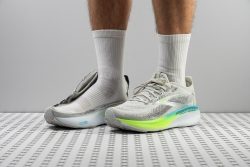

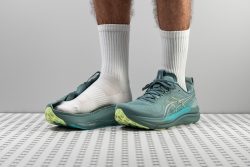
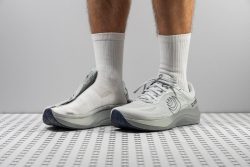

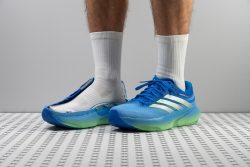
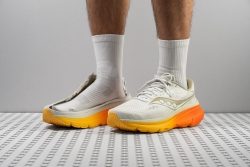
How we test stability walking shoes
To deliver an unbiased and fair review, this is what we have to do:
- We buy stability walking shoes with our own money. It doesn't matter how much they cost, we do not accept donations and sponsorships.
- We walked in the shoes during short and long trips, for recreation and work, and on concrete and other flooring.
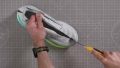
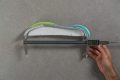
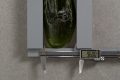
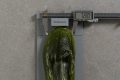
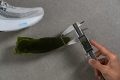
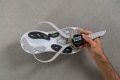
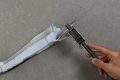
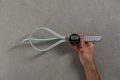
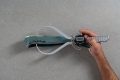
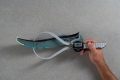
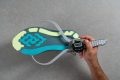
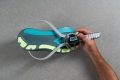
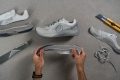
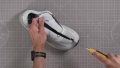
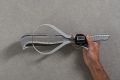
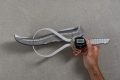
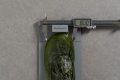
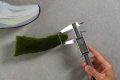
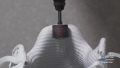
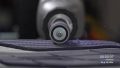
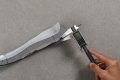
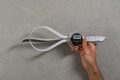
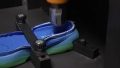
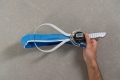
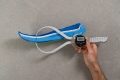
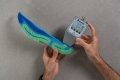
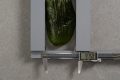
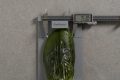
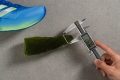
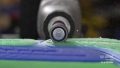
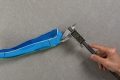
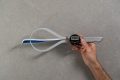
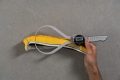
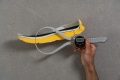
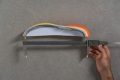
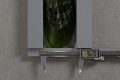
- We also go deeper by testing them in our lab. We are especially interested in arch support and stability features. Are there dual-density midsoles? Are there side walls? What makes this shoe laterally stable? To avoid shoes that are too soft and squishy, we measure the midsole softness with an Asker C durometer. We also measure the with of the platform using digital calipers, we assess the heel counter stiffness, and measure the shock absorption.
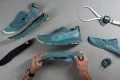
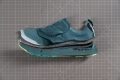
- We even dissect the shoes open so we can unfold every detail about them.
Best stability walking shoes overall


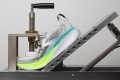
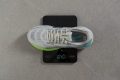


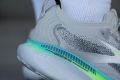
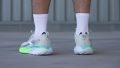


What makes it the best?
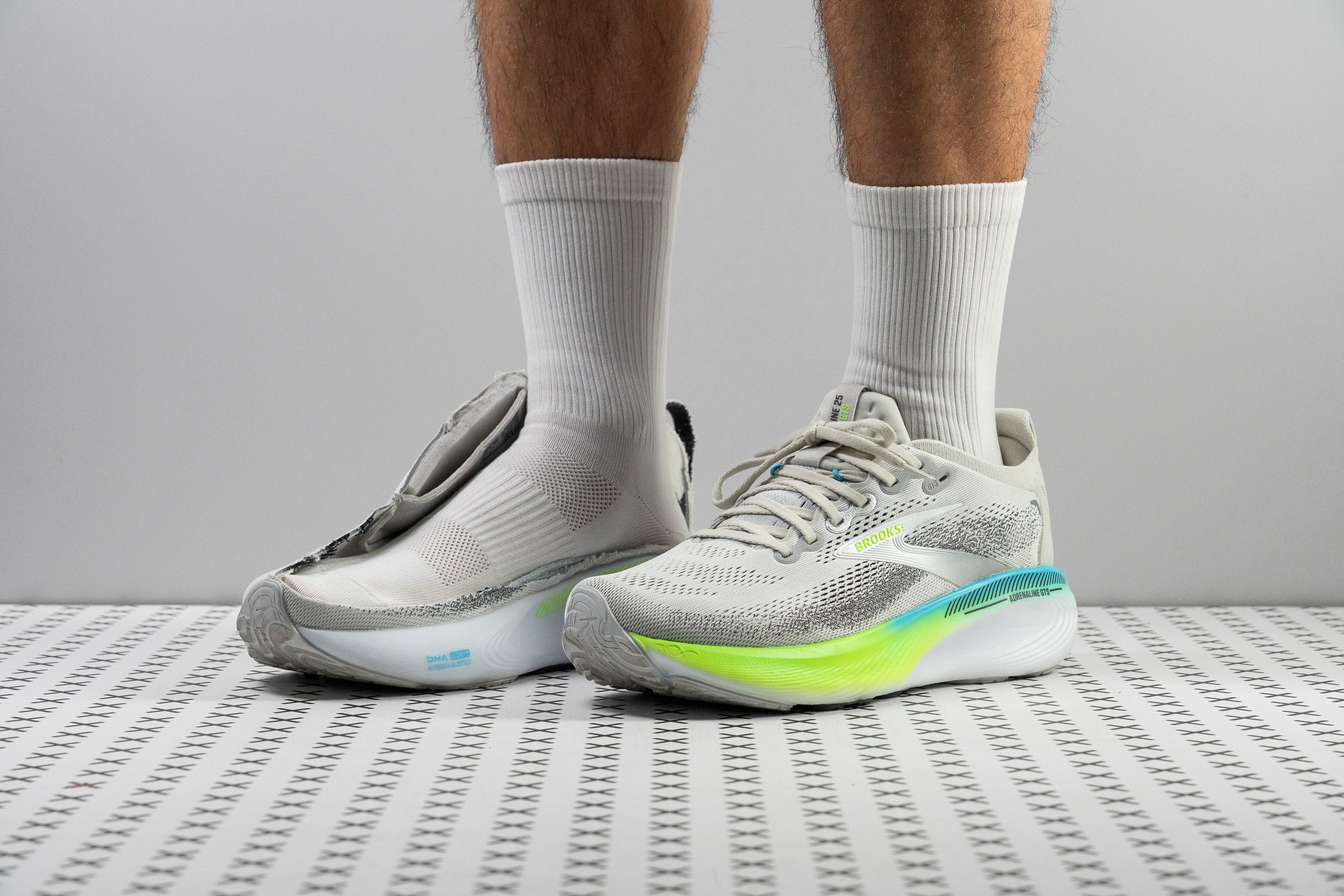
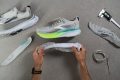
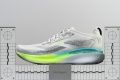
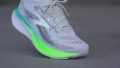
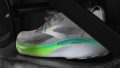
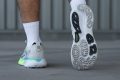
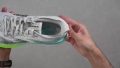
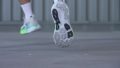
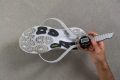
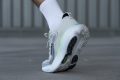
The Brooks Adrenaline GTS 25 stands out as the highlight of the stability walking category, delivering a forgiving yet steady ride. What we discovered inside our lab aligns with our experience: this shoe provides unwavering support through the GuideRails System and offers the perfect mix of traction and durability in the outsole.
The GuideRails technology extends along both sides of the shoe to deliver a more secure sensation underfoot. It prevents excessive pronation and spillovers because our feet are contained within the shoe, especially since the midsole is massive at 117.7/100.7 mm.
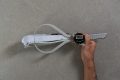
It offers effective support when our feet are tired, yet remains versatile for daily wear. In our bend test, we found it to be 7% more flexible than average, boosting its comfort for long hours on foot.
Furthermore, it delivered all-weather readiness, with a strong result of 0.59 in our traction test. Moreover, it only sustained a minimal 0.5 mm dent in our abrasion test, proving its longevity and giving us the confidence to use the shoe regularly.
However, this version still isn’t fully gusseted and still lacks reflective elements. Although these are minor issues that can easily be fixed.
Pros
- Excellent stability with subtle support
- Softer midsole foam
- Improved shock absorption
- World-class outsole durability
- Excellent upper comfort
- Better traction
- Reduced drop adds versatility
- Still ideal for heel strikers
- Comfy and durable for daily wear
Cons
- Needs to lose weight ASAP
- Modest energy return in the heel
- Minor price increase
Stability walking shoes with the best shock absorption


What makes it the best?
Long walks in the Saucony Hurricane 26 did not lead to any pain, muscle soreness, or excessive movement. Instead, every step felt secure and properly aligned while staying well-protected. Even our lab can’t deny its status as the best shock-absorbing stability walking shoe.
During testing, we were on cloud nine even as we stood all day. Despite its strong support, the shoe doesn't compromise on comfort. Our caliper proves it stands tall at 38.3/32.4 mm, more generous than the average walking shoe (32.8/22.4 mm). Our arches enjoyed the secure sensation of the midsole, and our heels enjoyed gentle landings, proven by its heavenly 145 SA rating, 30% above average.
While many shoes of this height feel unsteady, Hurricane 26 enhanced stability through its vast base and CenterPath technology. Our caliper reveals an extra-wide landing platform of 129.8/112.3 mm to find our balance. The CenterPath includes massive sidewalls that keep us centered and deliver resistance against lateral movements and ankle rolls.
However, it has a moderate drop of 5.9 mm that may limit its appeal to people with calf, Achilles tendon, or ankle issues. If a steeper offset is more comfortable, then Hurricane 26 isn’t the right trainer.
Pros
- Excellent energy return from brand-new foam
- Great choice for marathon training
- Perfect for long runs
- Smooth heel-to-toe transitions
- Breathable design
- Supportive platform without excessive stiffness
- Traction is better than ever before
- Surprisingly lightweight for its gargantuan size
- Good durability scores
- Premium comfort
- A super-trainer stability shoe!
Cons
- Insanely broad midsole may feel overly bulky
- Price can be a real hurdle
- Slightly less stable than top rivals
Stability walking shoes with the best traction



What makes it the best?
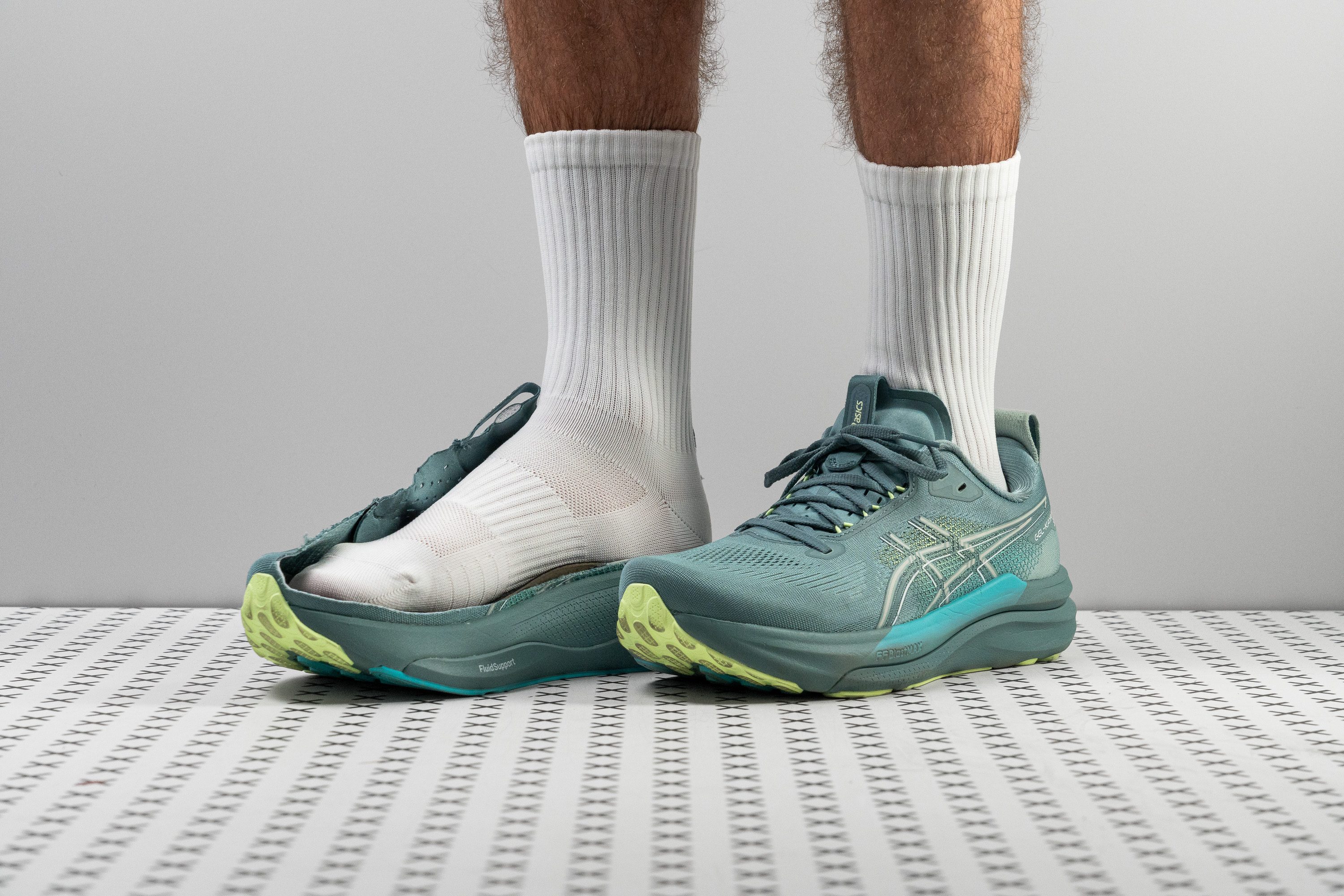
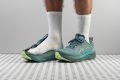
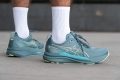
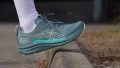
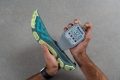
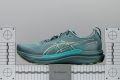
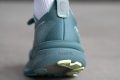
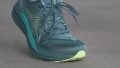
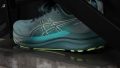
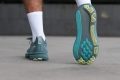
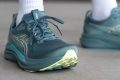
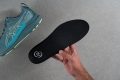
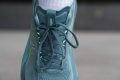
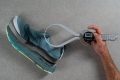
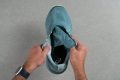
With unwavering support, undeniable comfort, and a slip-resistant outsole, the ASICS Gel Kayano 33 is unstoppable in and out of the lab. It has subtle yet effective stability without making the ride firm. It’s easy to wear this shoe all day because of its unwavering nature, ultimately making it our stability walking shoe with the best traction.
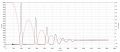
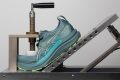
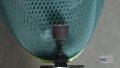
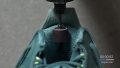
The Hybrid ASICSGRIP is one of a kind, scoring one of the highest results in our traction test at 0.93, making it 80% grippier than the average walking shoe. During our walks, we had no hesitation passing through puddles or slippery tiles as the shoes kept us in control.
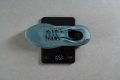
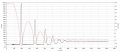
We thoroughly enjoyed the shoe’s impact-protective ride. Diving deeper into the midsole, the heel scored a great shock absorption score of 132 SA, resulting in softer landings. We never ran out of cushioning with its forgiving 36.8 mm foam.
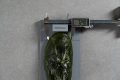
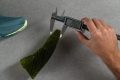
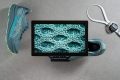
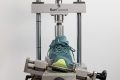
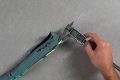
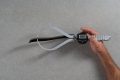
Staying true to its core, GK 33 offers reliable support through its vast base, rigid midsole, and the FluidSupport system. All work hand in hand to create a reassuring sense of security with every step we take. Our caliper verifies the platform is massive at 120.7/97.1 mm.
We think the outsole could have been thinner to trim the shoe’s weight. Those who don’t like a bottom-heavy shoe should skip this pair.
Pros
- Softest-ever Kayano
- More natural support without sacrificing stability
- Dependable durability
- Premium-grade comfort
- Avoids a price hike
- Improved lacing system
- Refined, modern outsole
- Works for all footstrikes
- Finally a foam upgrade
Cons
- But still delivers low energy return
- Less stable for extreme overpronators
- Feels heavy
Best stability walking shoes for wide feet



What makes it the best?
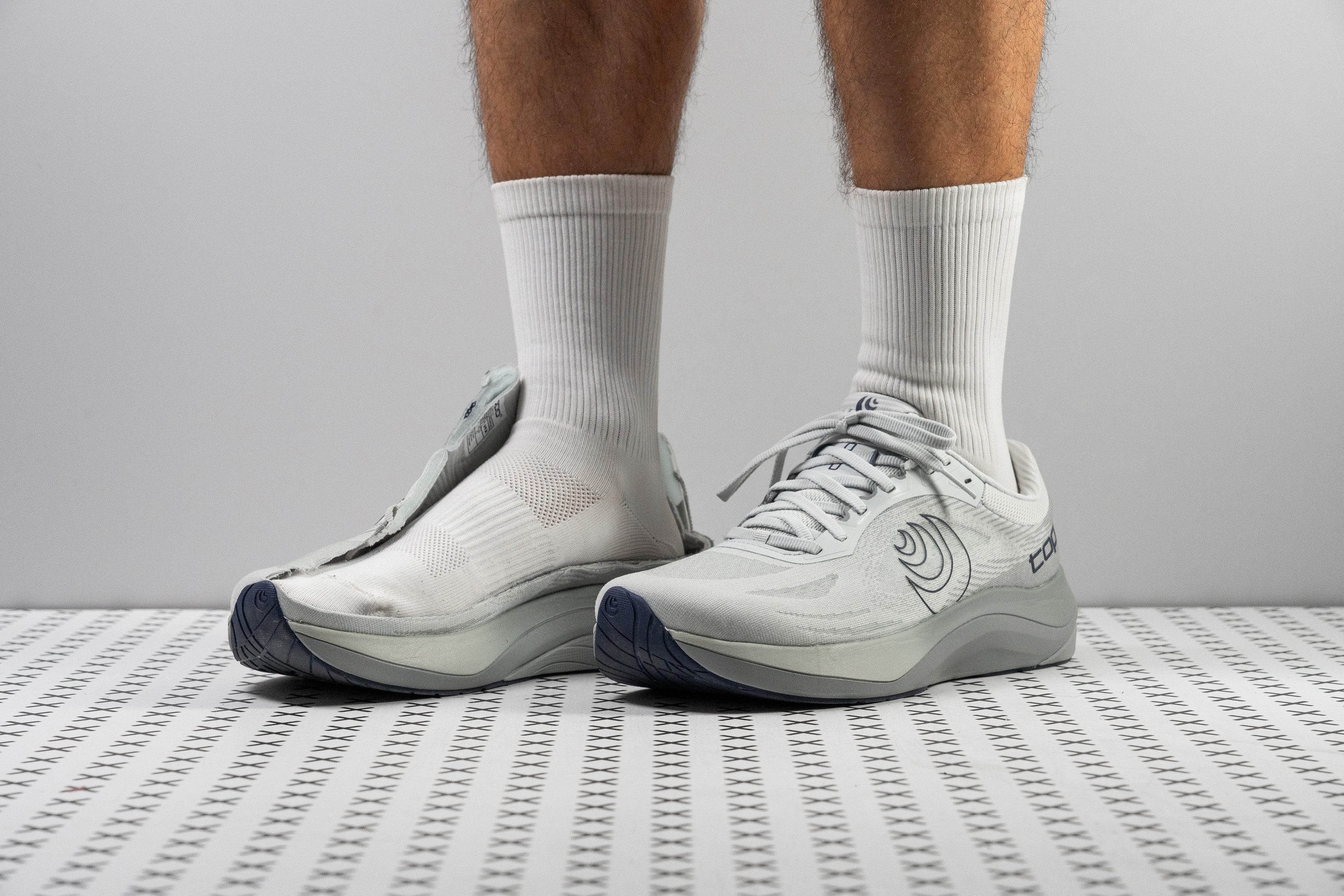
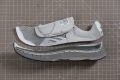
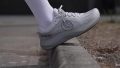
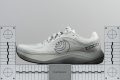
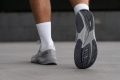
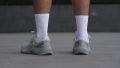
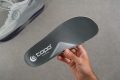
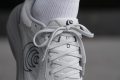
The Topo Ultrafly 6 is our best stability walking shoe for wide feet because of its reliable support, broad fit, and surprisingly fluid midsole. Our lab tests show it has subtle elements that contribute to our surefootedness, yet remains versatile for daily wear.
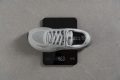
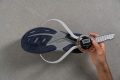
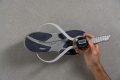
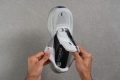
We’re welcomed with lots of room up front. Measuring our gel mold, the broadest part measures 96.7 mm, 2.4 mm wider than average, making it suitable for wide or swollen feet. Even the toebox exceeds the average by 13% with its 80.3 mm measurement.
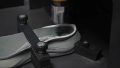
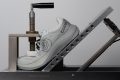
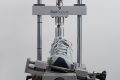
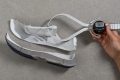
Upon slicing the shoe in half, we found a medial post doing most of the work, effectively keeping us stable and centered. It generates torsional rigidity, as we’ve verified in our test that Ultrafly 6 is 23% more twist-resistant than average.
Another source of surefootedness is the moderate 33.0/26.4 mm platform. It enhances surface connection and also flexibility, which helps us feel more agile during our walks. In our bend test, Ultrafly 6 emerged 18% more flexible than average.
Ultrafly 6 draws stability from its firm midsole, so those seeking a plush sensation underfoot won’t find that here.
Pros
- Anatomical toebox allows for toe splay
- Stable ride with updated support
- Secure fit despite roomy forefoot
- Ideal option for custom orthotics
- Outstanding outsole durability
- Comfortable upper
- Looks a bit better than previous models
- Doubles as a walking shoe
- Interesting pick for beginners
Cons
- Outdated midsole tech
- Low shock absorption
- Limited to easy runs
- High torsional rigidity may bother some
Best lightweight stability walking shoes


What makes it the best?
Even with its airy feel, HOKA Arahi 9 reassured us of stability on our extended walks. In our lab tests, it stands out as a leader in the lightweight category. Its featherlike nature is counterbalanced with a supportive midsole and grippy outsole, without compromising comfort.
It was a delight to bring Arahi 9 on our brisk walks as our scales revealed its mere 9.8 oz (278g) build vs. the 10.3 (293g) average walking shoe. At this weight, we are surprised by the generous cushioning that spoiled us with leg-saving comfort. Our caliper confirms its stack rises to 38.0/27.7 mm and offers supreme comfort through its high shock absorption of 138 SA in the heel.
Our confidence in every step feels stronger than ever, thanks to the wide heel and HOKA’s H-Frame technology. Each landing feels surefooted as our caliper shows an extra width of 5.4 mm in the rear. Meanwhile, the H-Frame mitigates excessive twists and lateral motions to protect us from injuries.
Our traction test proves that Arahi 9 is 30% grippier than average, scoring an all-weather-ready result of 0.64.
With great stability comes rigidity, which our bend test confirms, as it needed 12% more force to bend to 30 degrees than the average walking shoe. Those who prefer a more natural feel should look for more flexible trainers.
Pros
- Stable support without a rigid feel
- Improved traction on wet roads
- Very good durability
- Ideal for easy miles
- Works for runners with Haglund's
- Smooth heel-to-toe transitions
- Enhanced upper
- Can handle daily use without any issue
- Available in D, 2E and 4E widths
- Clever lacing system
Cons
- Disappointing energy return (again)
- Price increase feels difficult to justify
- Heavier than its predecessor
- Non-gusseted tongue is a miss
Best mild stability walking shoes
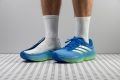
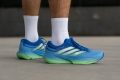




What makes it the best?
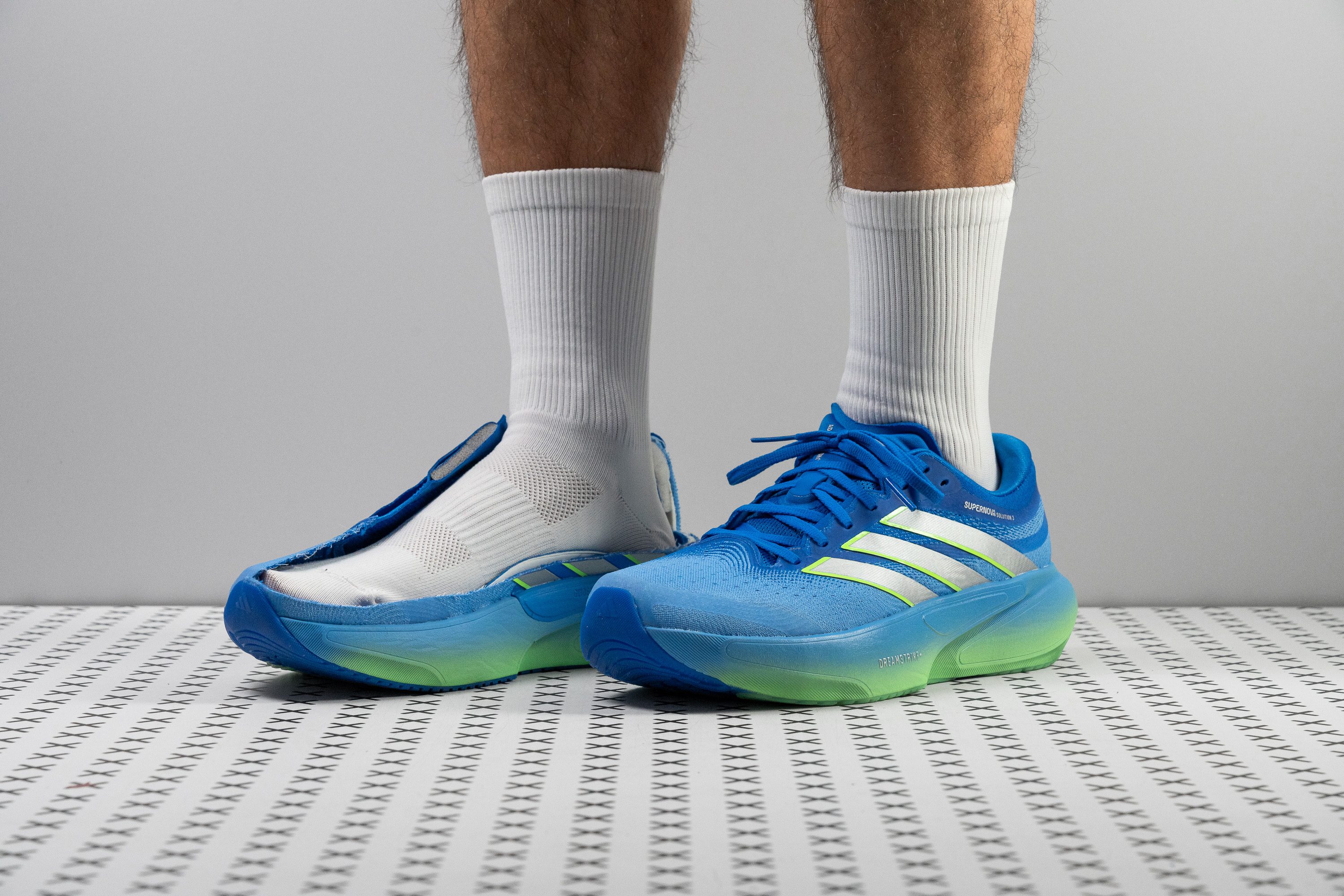
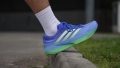
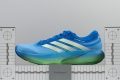
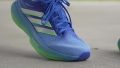
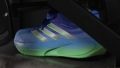
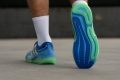
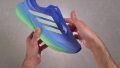
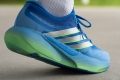
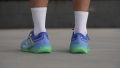
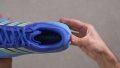
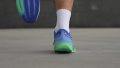
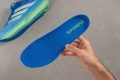
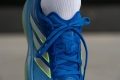
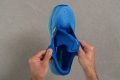
The adidas Supernova Solution 3 marries comfort and support in perfect harmony, allowing us to switch off our brains as we get our steps in. Diving deeper in the lab, we found that its Guide Your Ride system effectively limits pronation without stiffening the midsole. It’s also impressively light for a stability walking shoe, making it our top pick for mild stability in this category.
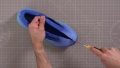
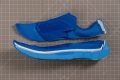
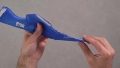
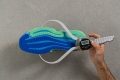
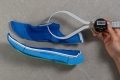
We sliced the shoe in half and found that it infuses gentle support for moderate pronation through the Guide Your Ride system, which is a firmer foam positioned under the arch to prevent excessive collapsing.
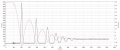
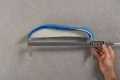
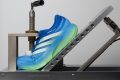
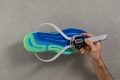
Since this trainer focuses on moderate guidance, it's not rigid at all! We didn’t have to fight much resistance to bend our feet, emerging only 11% stiffer than the average walking shoe in our 30-degree test. Other stability walking shoes score much higher. Its forgiving ride shines torsionally, since our test shows it’s 13% more fluid than average, enhancing its natural, unobtrusive ride.
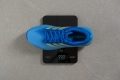
Another feature that keeps the experience refreshing is its light 9.9 oz (281g) build, staying below the 10.3 oz (291g) average walking shoe.
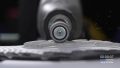
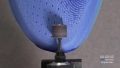
However, our Dremel carved a deep 1.3 mm dent into the outsole during our abrasion test, raising concerns about premature wear along the inner side. This is the area overpronators typically wear down first. If this will be a problem, we encourage finding a more durable pair.
Pros
- Improved, more modern look
- Excellent traction
- Supportive but not clunky
- Roomy fit
- Same MSRP as predecessor
- Moderate rocker works well daily
- Feels good for neutral runners too
Cons
- A bit heavy
- Energy return is unexpectedly low
- Poor ventilation
Stability walking shoes with the best breathability

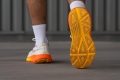
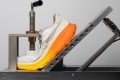
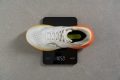


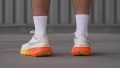


What makes it the best?
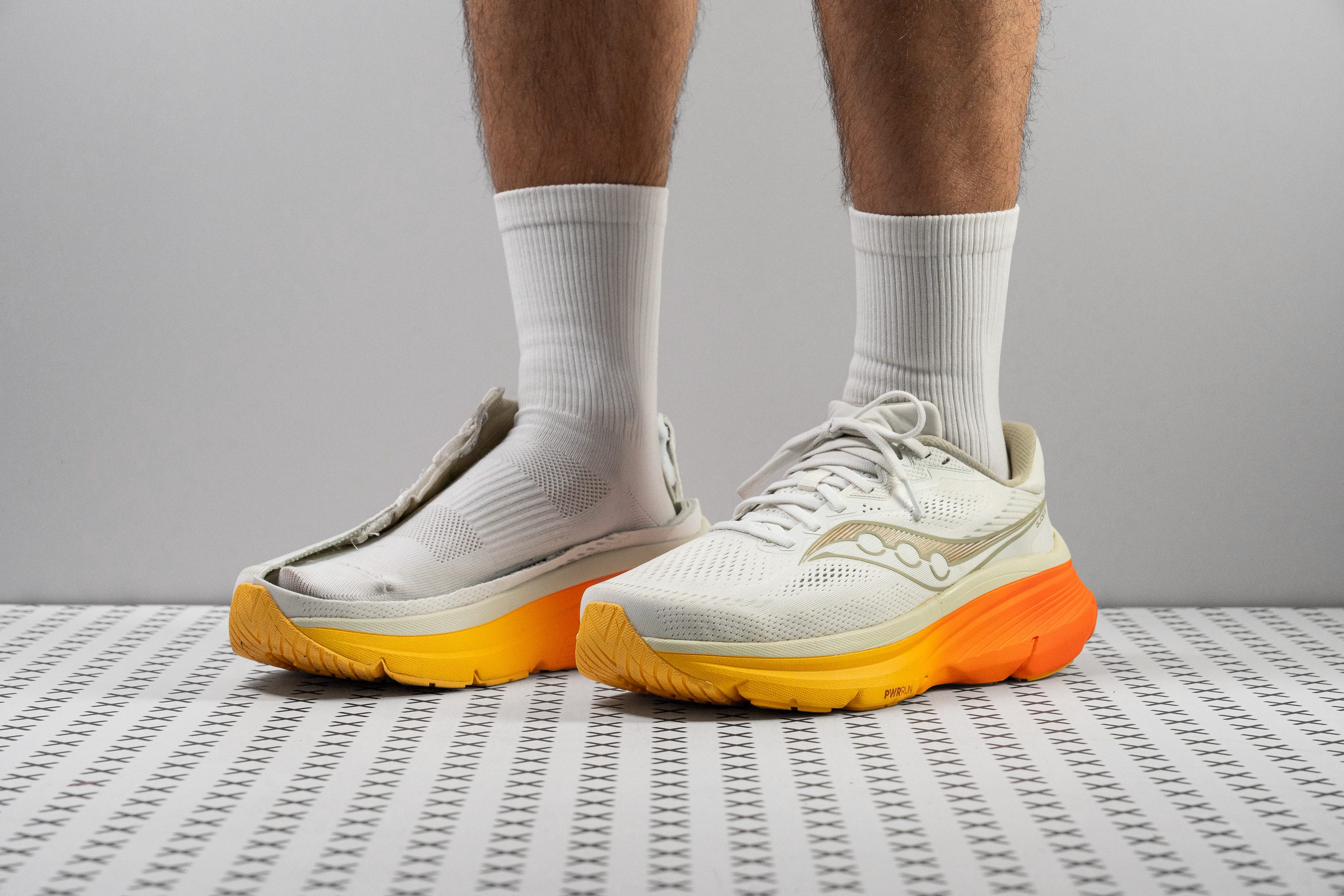
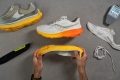
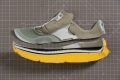
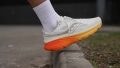
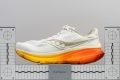
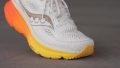
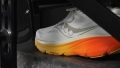
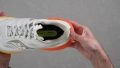
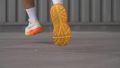
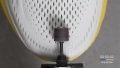
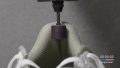
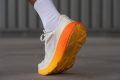
The Saucony Guide 19 feels exceptionally well-cushioned and stable, words that don’t always seem to go together. Lab tests verify Guide 19’s lasting comfort through its deep impact protection, while delivering subtle guidance through its CenterPath technology. However, its performance in our climate-controlled test is hard to ignore, making it our best breathable stability walking shoe.
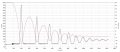
We tested the shoe in our machine for 3 hours to see if there would be any sweat buildup. It scored a superb 93 BR rating, which means it’s able to keep our feet dry 24% better than average, making it suitable for long hours of wear and warmer weather.
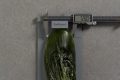
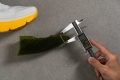
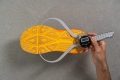
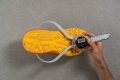
Guide 19 elevates comfort to new heights with its exceptionally plush midsole. We measured an above-average stack height of 37.4/31.4 mm, yet what emphasizes its cushioned sensation is its great shock absorption of 144 SA in the heel. For context, it reduces ground feel 29% better than the average walking shoe.
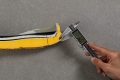
To balance out the shoe’s height and softness, it features the CenterPath technology, composed of tall sidewalls and a broad base. We measured the platform at 120.0/104.2 mm, giving us lots of room to find our balance with every step.
However, it tipped the scales at 10.5 oz (298g), making it heavier than the standard walking shoe. Those looking for ultra-light trainers should check elsewhere.
Pros
- Top-tier breathability
- Massive platform delivers excellent support
- Flexible feel despite being a stability shoe
- Excellent outsole durability
- Softer foam improves daily comfort
- Secure lockdown
- Keeps the same price
- Improved aesthetics
- Well-designed rocker for smooth transitions
- Perfect for midfoot strikers
Cons
- Needs to lose weight
- Not for extreme heel strikers
- PWRRUN starts to feel dated
Who can benefit from stability walking shoes
Stability shoes are specifically designed for people with overpronation, a gait pattern with excessive inward rolling of the foot.

These shoes are built differently from ‘neutral’ shoes because they feature additional supportive elements that prevent the foot from collapsing. You will find brands listing ‘stability’ as a separate footwear category on their websites:
- HOKA: ‘extra built-in support designed for overpronators’
- ASICS: ‘extra support with structure for people who overpronate’
- Brooks: ‘built-in technology to help reduce excessive movement’
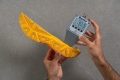
Example of a stability shoe preventing the foot from tipping over.
However, you don’t necessarily need to have a diagnosed case of overpronation to benefit from the more supportive nature of this shoe category. You might appreciate the added stability if:
- You simply prefer a steadier and more planted underfoot experience.
- You spend all day walking and standing and want to minimize fatigue.
- You are a heavier walker who needs shoes with more substance to avoid midsole compression.
- You are an older person who could use more stability and balance underfoot.
What makes a walking shoe stable
In recent years, stability shoes have shifted away from feeling like corrective orthopedic footwear toward providing unintrusive guidance for the foot.
Sometimes you can’t even tell which shoe is the supportive one from looks alone! The good old medial posts have given way to dual-density foams, midsole flares, raised sidewalls, and other subtle design elements that keep the foot aligned without feeling like a burden.

In our lab, we perform several tests and measurements to reveal each shoe’s level of support and the specific stabilizing components it uses.
They can be boiled down to the following 3 characteristics:
- Wide base
- Structured platform
- Secure heel and lockdown
Wide base
The broader the shoe’s platform, the more surface area your foot receives upon landing. And that’s what makes it harder for the foot to roll inwards.
Stability shoes often seem bulkier because they feature visible flares in both the heel and the forefoot. And with modern shoes getting taller and softer, a wider base becomes increasingly important to offset the inherent instability of a higher platform.

A broader heel is even more important in walking shoes, as that’s where most of the body weight falls upon landing and where the excessive inward rolling of the foot starts.

Having measured hundreds of walking shoe midsoles with a digital caliper, we found that stability shoes can get as wide as 110-130 mm in the forefoot and 85-105 mm in the heel (in a men’s US size 9).
Here is an overview of stability walking shoes with the broadest midsole dimensions.
Structured platform
Brands keep producing different variations of stabilizing technologies, but essentially they all feature some form of asymmetrical midsole tooling, strategic placement of firmer foam, and raised sidewalls to cradle the foot and prevent it from tipping sideways.

Curiously, our torsional rigidity tests showed that these technologies vary in the degree of stiffness they impose across the shoe platform.
For example, stability shoes with ASICS FluidSupport, New Balance Stability Plane, and HOKA H-Frame technologies exhibited higher stiffness results.

Shoes with Nike Midfoot Support System and Brooks GuideRails offered a balance between stiffness and pliability.

Meanwhile, shoes that employed Saucony CenterPath and adidas Guide Your Ride proved to be rather pliable in the midfoot!

However, it is important to note that lower torsional rigidity does NOT automatically mean less stability! As shoe technologies evolve, brands invent new ways to ensure stability without compromising softness and overall comfort of the ride. In other words, compensate the wearer’s overpronation without them even knowing about it!

But after all, it all comes down to personal preference:
- Some people enjoy having more substance under the arch, and they welcome the rigidity that comes with it.
- Some people find traditional stability shoes too restrictive, blocky, and less natural, and appreciate more forgiving designs.
Either way, here is an overview of stability shoes, ranked by their highest and lowest torsional rigidity scores.
Secure heel and lockdown
No matter how wide and stable a shoe’s platform is, it won’t feel truly supportive if the upper fails to provide a secure lockdown. Without it, the foot ends up wobbling and shifting inside the shoe, undermining stability.
A sufficiently structured and well-padded heel counter therefore becomes another important stability component.

Most stability walking shoes reinforce the heel area with external clips and raised midsole sidewalls in addition to internal heel counters.
In our lab, we rely on a manual push-and-squeeze test to rate each shoe’s heel counter stiffness on a scale of 1 to 5.
Most stability shoes land at 4, but there are also quite a few models with scores of 3 and 5. And yet again, stiffer does not necessarily mean better for everyone. Folks with severe overpronation may want to opt for higher stiffness, whereas people with a Haglund’s deformity may prefer more forgiving heels.
Stability does not equal firmness
The latest releases keep breaking the stereotype that stability walking shoes must always be firm and unforgiving.
Having collected hundreds of durometer measurements, we were impressed by just how plush foams can get in stability shoes!
Sure, plusher foams are usually paired with firmer carriers that keep midsole compression in check, but the overall underfoot experience remains comfortably soft.

Depending on your personal needs and preferences, you can gravitate towards either side of the spectrum:
- Soft: less than 33 AC
- Balanced: 33 - 42 AC
- Firm: 42 AC or more
Weight of stability walking shoes
It is true that stability shoes generally weigh an extra ounce or two simply because they pack more components and materials. However, this doesn’t mean that all of these shoes are heavy per se.
In our lab, we weigh each tested shoe in the same men’s US size 9 to obtain comparable results.

Here is an overview of the lightest stability walking shoes as of today:
Similar buying guides