7 Best Super Shoes in 2026

We buy shoes ourselves. We earn commissions when you buy through us, at no extra cost. Why trust us
Everything you wanted to learn about super shoes is here: what makes them super? How responsive are they really? Are they worth the investment? Who will not benefit from them? How are they different from super trainers? And more. We’ve covered it all.
For those who prefer a TL;DR, we’ve highlighted the best super shoes in different categories. We did so based on both test runs and lab tests.
How we test super shoes
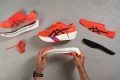
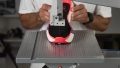
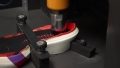
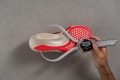
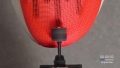
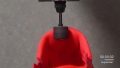
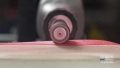
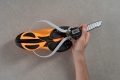
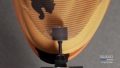
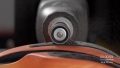
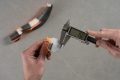
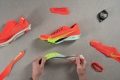
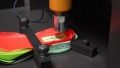
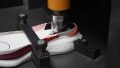
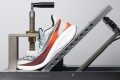
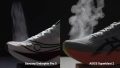
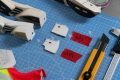
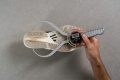
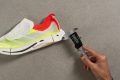
Just because these are called super shoes does not mean they can stand up against our band saw, dremel, or any other machine. Here’s exactly how a super shoe’s road through our testing process looks:
- We purchase the shoes because we concluded we should, and we do so with our own money. We don’t sign contracts with the brand,s and we don’t answer to anyone about what we publish
- We test the shoes outside the lab on different test runs (different paces, terrains, weather conditions).
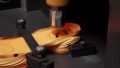
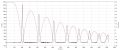
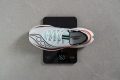
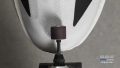
- We test the shoes in the lab. When it comes to super shoes, we have to focus on the SPEED. These are race shoes and they need to be explosive. What better to explain this than a) energy return, b) platform stiffness (including a plate, if it's present), c) the weight, and d) the overall design (we measure shock absorption, midsole softness, longitudinal stiffness, and other features).
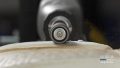
- All our tests are standardized, which means that all super shoes are given identical treatment, be it the force applied, Dremel’s RPM, the weight of the ball dropped on it during shock absorption and energy return testing, and so on.
- Once we’re done, we publish all the results, and we don’t sugarcoat. Lab data, backed with personal experience, at their finest.
If you’d like to learn more about how we test super shoes, or any other footwear for that matter, head over to our Methodology page.
Best super shoes overall



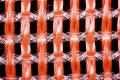

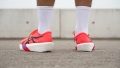

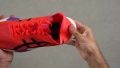
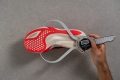
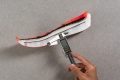
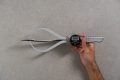
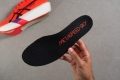
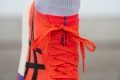
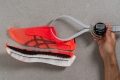
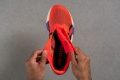
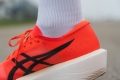
What makes it the best?
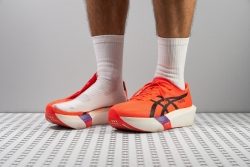
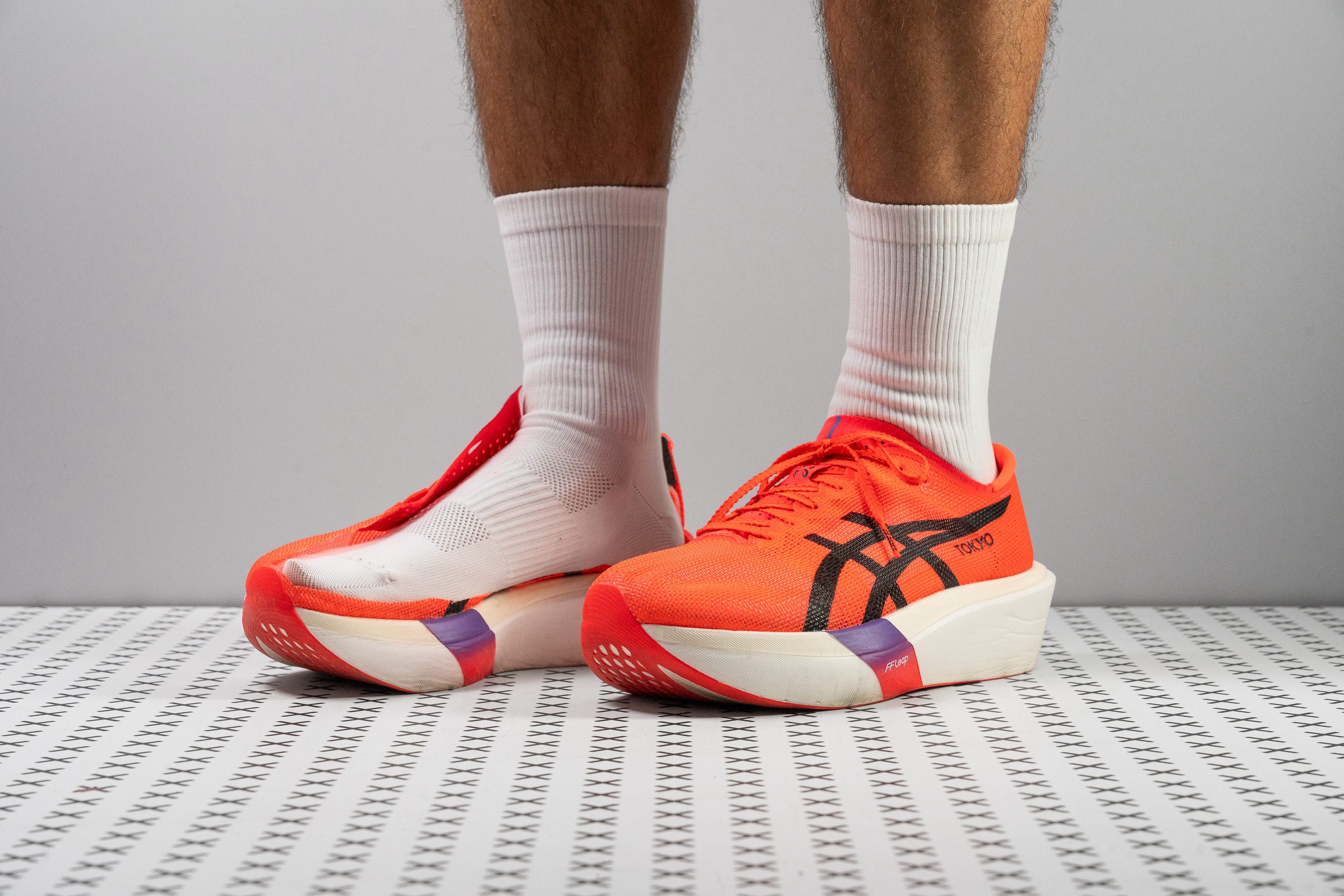
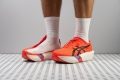
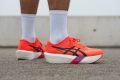
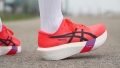
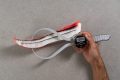
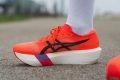
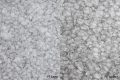
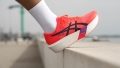
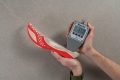
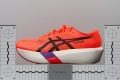
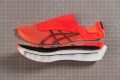
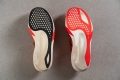
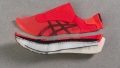
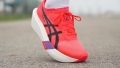
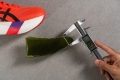
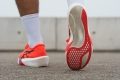
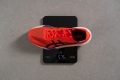
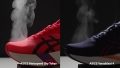
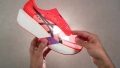
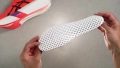
The ASICS Metaspeed Sky Tokyo proved to be unbeatable on course and in the lab. It offers an exhilarating ride through its ultra-light construction, while offering maximum speed through its propulsive foam and carbon plate, and maximum comfort through its impact-reducing cushion. With all these and more, the Metaspeed Sky Tokyo deserves the crown as the ultimate super shoe!
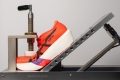
Our feet can confirm that this racer is a true powerhouse, yet we wanted to capture its explosiveness by recording its energy return scores: a solid 78.5% in the heel and 78.2% in the forefoot, one of the highest we’ve seen! It also includes a flat-shaped carbon plate in the midsole, enhancing both snappiness and stability in our strides.
For demanding distances such as marathons, the Metaspeed Sky Tokyo offers tons of impact protection in its mega 38.7/32.7 mm stack. Testing for shock absorption, it generated high scores of 147 SA in the heel and 122 SA in the forefoot, soothing our legs with every landing and allowing us to save strength for the final stretch of our races.
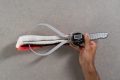
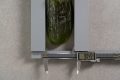
With top speed and comfort, it’s amazing how this ASICS racer packs so much in its featherlight 5.7 oz (163g) build. With 23.5% weight savings vs. the average super shoe in the lab, it makes a significant difference in agility and comfort.
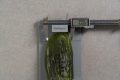
However, its very narrow 75.0 mm heel and low 6.0 mm drop will create shaky landings for rear strikers. These runners should prioritize a super shoe that works with, not against, their natural stride.
Pros
- Light as a feather
- Explosive energy return
- Marathon-ready cushioning
- Fantastic ASICSGRIP outsole
- Generous toebox height
- FF Leap is a true next-level foam
- Secure lockdown
- Excellent breathability
Cons
- Higher price tag
- Narrow toebox
- Unstable for heel strikers
Super shoes with the best energy return







What makes it the best?
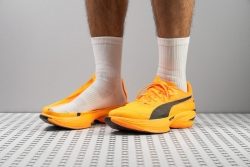
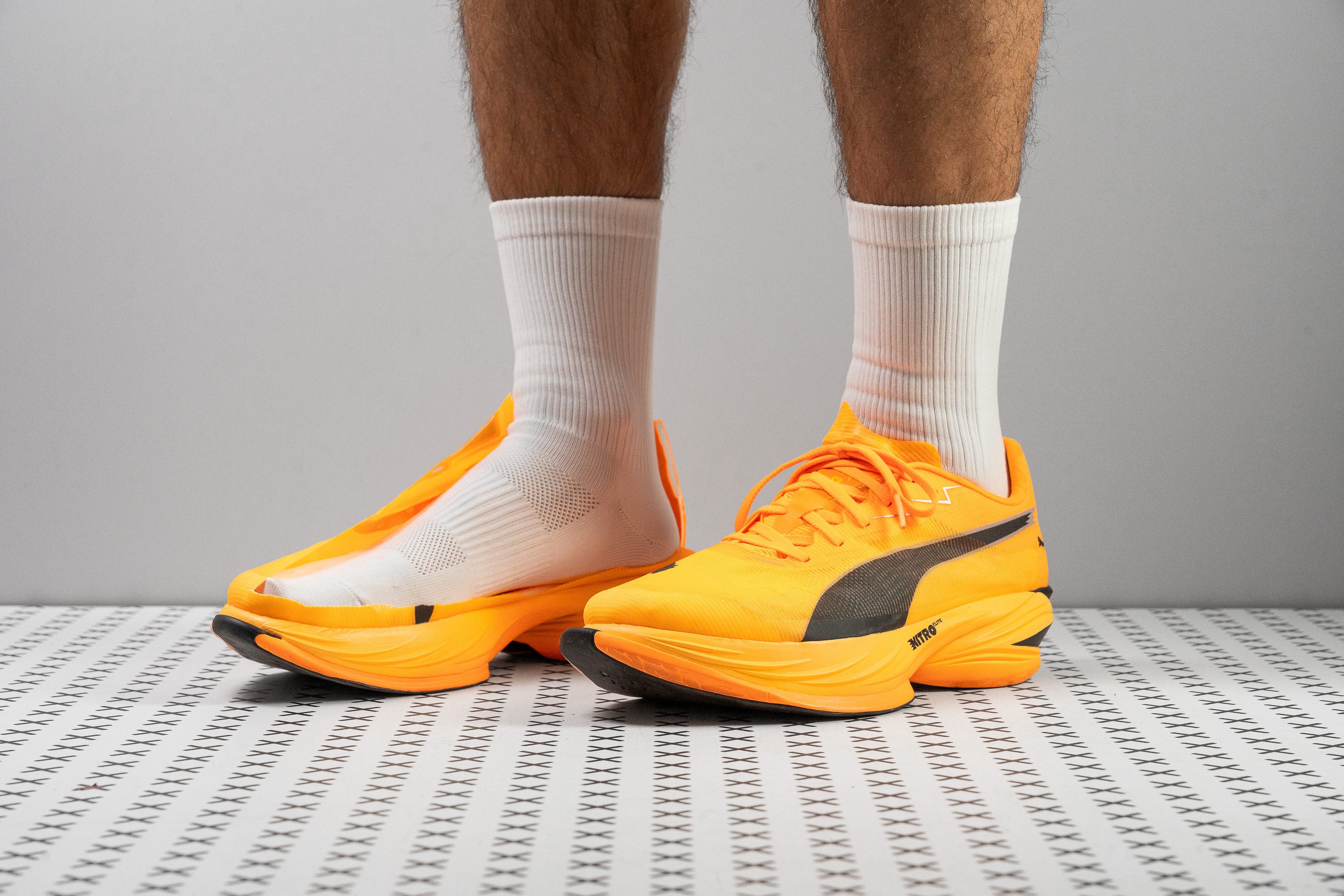
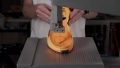
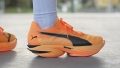
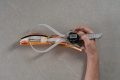
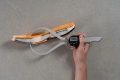
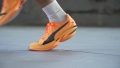
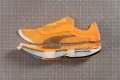
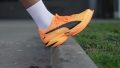
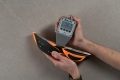
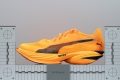
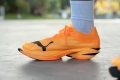
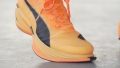
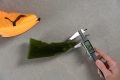
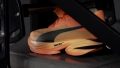
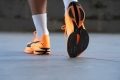
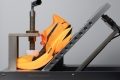
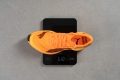
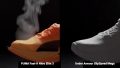
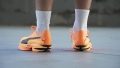
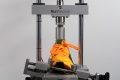
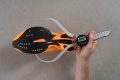
We tested super shoes both in the lab and on the road, and while all delivered massive energy return, the PUMA Fast-R Nitro Elite 3 stood above the rest. Its state-of-the-art foam feels next-level, creating an exhilarating ride. Paired with a lightweight build and shock-absorbing cushioning, comfort comes effortlessly—even at top speed.
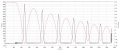
The midsole’s explosive nature is immediately noticeable underfoot. The Nitro Elite foam proves its elite status with solid energy return scores of 80.4% in the heel and 82.6% in the forefoot. Moreover, the midsole includes the extended PWRPLATE, which adds further propulsion to our strides.
With every electric takeoff, a smooth landing follows. The foam is not only responsive, but it also reduces impact on our muscles! Our shock absorption test reveals impressive scores of 148 SA in the heel and 124 SA in the forefoot, proving this racer is long-distance ready.
Because of the cutting-edge technologies of this shoe, it manages to weigh only 6.1 oz (173g). That’s exceptionally light considering the average competition shoe is 18.8% heavier.
On the downside, its wild ride can make it difficult to control, especially when fatigue sets in during the latter part of the race. Runners in need of more stability should go for super shoes with more support.
Pros
- Insanely fast and incredibly fun
- Exceptional energy return from A-TPU foam
- Premium Ultraweave upper
- Innovative extended plate design
- Perfect for 5K/10K
- Excellent shock absorption for long distances
- Includes two different lace types
- Reliable lockdown
- Huge weight reduction compared to version 2
Cons
- Higher price than before
- Extremely unstable
- Very limited durability
- Unsuitable for heel strikers
Best super shoes for 5K/10K














What makes it the best?
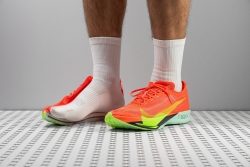
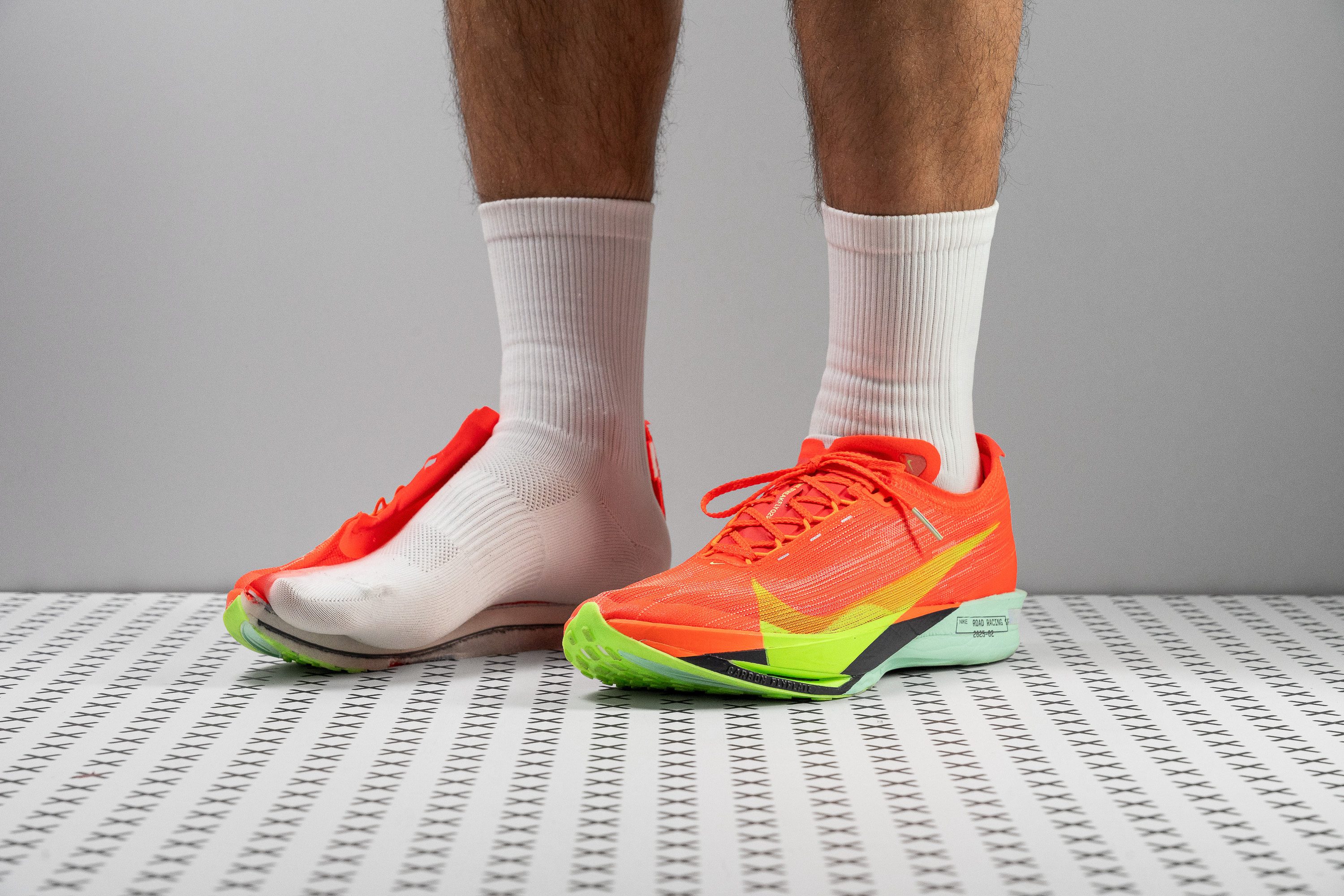
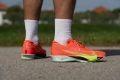
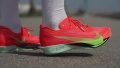
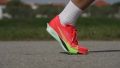
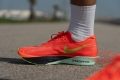
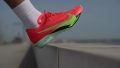
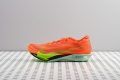
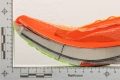
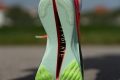
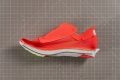
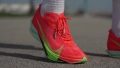
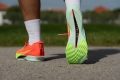
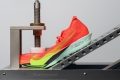
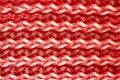
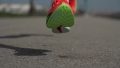
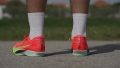
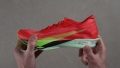
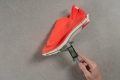
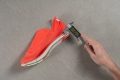
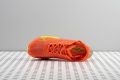
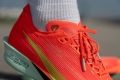
The Nike Streakfly 2 has a barely-there build and stripped-down speed that offers a one-of-a-kind experience. With its track-like features and high-feedback propulsion, we verified in the lab that it’s a standout super shoe that’s optimized for 5K/10K running.
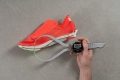
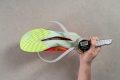
It feels like a track shoe with its low 27.0/23.3 mm midsole. It offers direct ground feedback with its minimal cushion and low 3.7 mm drop, but feels less harsh on the foot because of its super-reactive cushioning.
Testing for its energy return, we recorded massive scores of 76.3% in the heel and 77.9% in the forefoot, offering boundless power and strong forward momentum. The curve in the forefoot area is wildly exhilarating, especially when we land on its sweet spot.
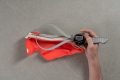
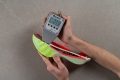
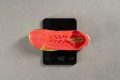
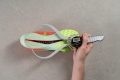
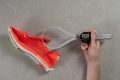
Its featherlike construction boosts our agility like no other. Weighing only 4.5 oz (128g), it offers a true barefoot experience, especially since the midsole has almost no resistance to bending! In our flex test, it emerged 54.2% more pliable than average.
A minimalist at heart, the toebox has a narrow width and limited vertical clearance, resulting in a low-volume upper. Runners who are uncomfortable with the mesh resting on top of the toes should consider alternatives.
Pros
- Feather-light build
- Ideal for 5K/10K races
- Wild, fun and fast
- Now features a carbon-fiber plate
- Much quicker than its predecessor
- Top-tier ZoomX foam
- Perfect for track workouts
- Not pricey all things considered
- Can stretch up to half marathon
- Grips well on dry and wet roads
Cons
- Not for heel strikers
- Only for short distances
- Narrow toebox
- Lacks stability
Best super shoes with plush foam








What makes it the best?
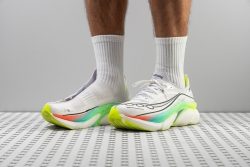
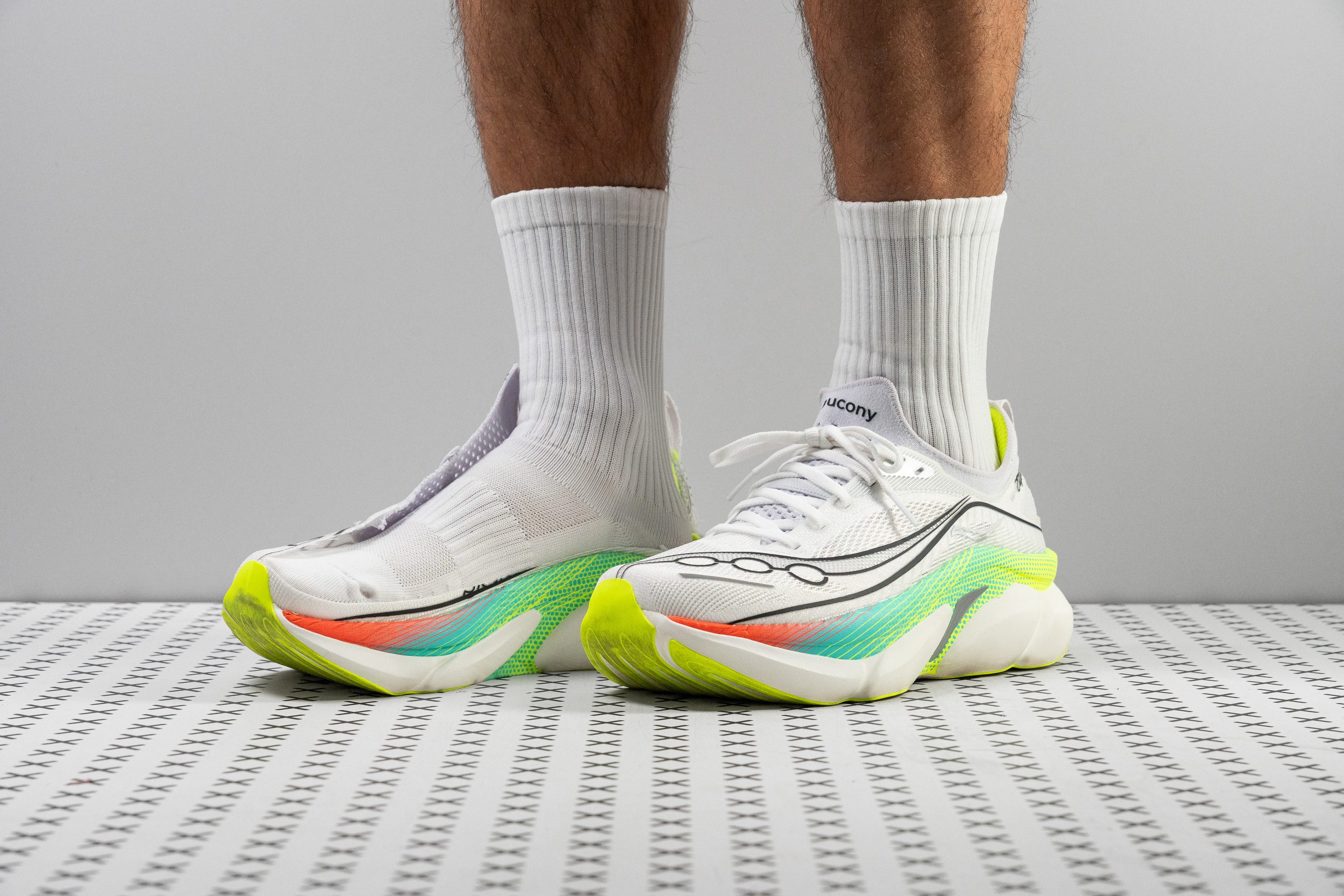
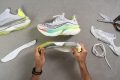
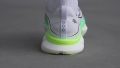
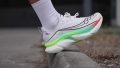
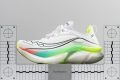
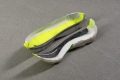
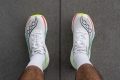
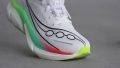
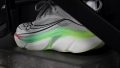
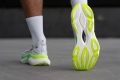
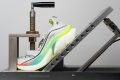
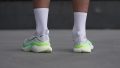
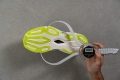
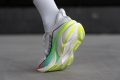
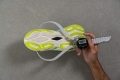
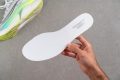
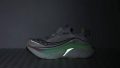
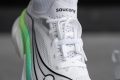
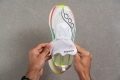
The Saucony Endorphin Elite 3 brought the clouds to the street, blending height, softness, and lightning power in one airy package. Our lab results verify what our feet instantly knew: the EE3 has the best plush foam in the super shoe category.
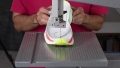
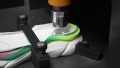
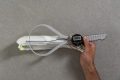
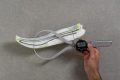
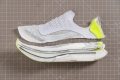
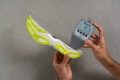
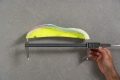
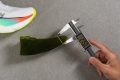
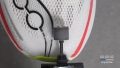
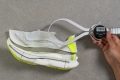
It’s hard to find a midsole that can match the EE3. Its height is a mega 39.8/34.1 mm, and features an ultra-soft foam, proven by our durometer with a low 15.5 AC result, a mind-blowing 130% below average.
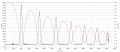
To reflect the gentle landings we felt underneath, we tested for the foam’s shock absorption, and it returned elite scores of 160 SA in the heel and 131 SA in the forefoot. It proves its superiority in comfort by exceeding the respective averages in all these aspects.
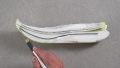
The IncrediRUN cushion is not only soft, but also insanely energetic! We recorded top-level scores of 80.6% in the heel and 81.0% in the forefoot, proving it’s a powerhouse shoe! The midsole works together with the forked carbon plate to propel us forward relentlessly.
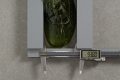
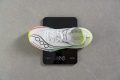
Cementing its super shoe status is its featherlight 7.4 oz (210g) construction. Despite its height, EE3 manages to weigh 19% below the average running shoe in our roster, making it the cream of the crop!
As we expected, EE3’s plush foam brings shaky landings. We can only recommend this pair to advanced runners with proper form.
Pros
- Ultra-soft yet bouncy foam
- Excellent shock absorption
- Improved stability over previous version
- Secure fit and heel lockdown
- Durable outsole rubber
- Explosive, fun ride
- Excellent breathability
- Can handle anything from 5K to 42K
- Beautiful design
- Maxed-out yet legal stack height
- Excellent tongue
Cons
- Heavier than rivals
- Still a very unstable ride
- Premium price tag
- No sawtooth laces
Best super shoes for marathon




















What makes it the best?
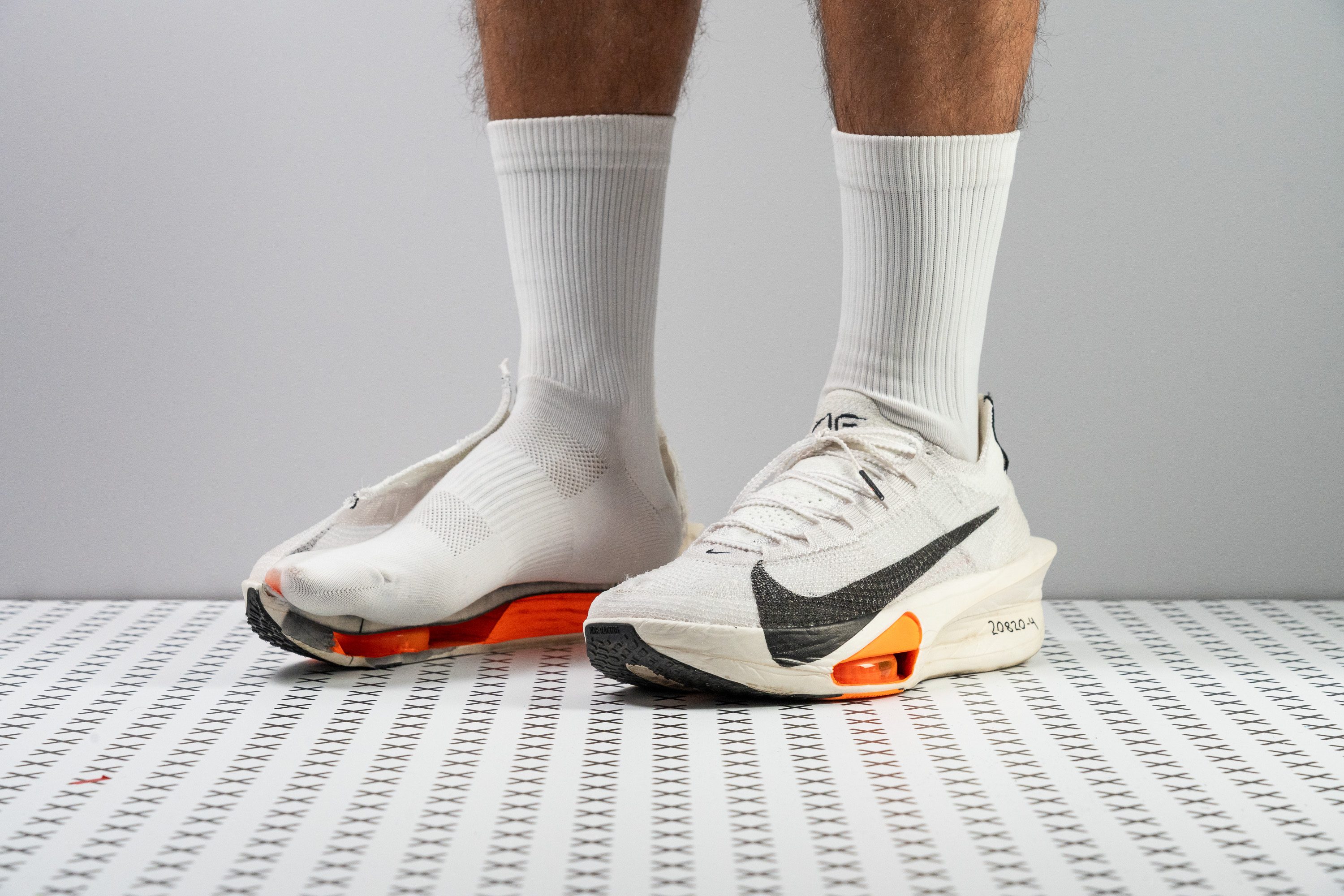
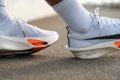
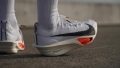
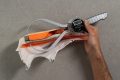
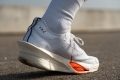
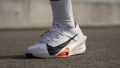
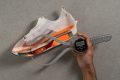
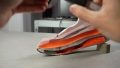
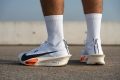
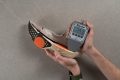
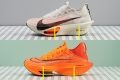
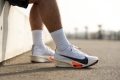
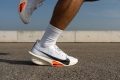
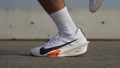
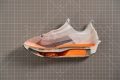
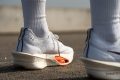
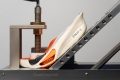
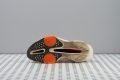
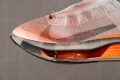
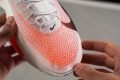
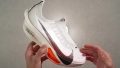
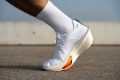
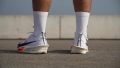
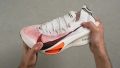
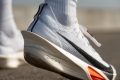
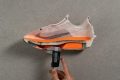
We’re mindblown how the Nike Alphafly 3 blends speed and comfort into perfect harmony. What’s even more amazing is that it excels further at long distances with its boundless energy and fatigue-reducing foam, backed up by lab results, claiming the top spot for marathons among the super shoe running line.
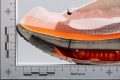
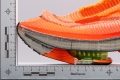
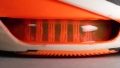
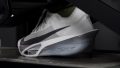
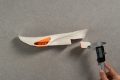
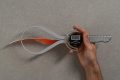
This racer brings the game to the next level, taking us fast and far like it’s a piece of cake. It releases strong, relentless energy through the ZoomX midsole and the Air Pods in the forefoot. Testing for Alphafly 3’s responsiveness, we recorded massive readings of 74.9% in the heel and 73.9% in the forefoot. The rigid FlyPlate plate acts like a springboard, launching us forward and enhancing stability.
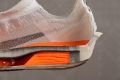
The ZoomX foam is truly a leg-saver with an above-average stack height of 38.1/29.6 mm. It provides much-needed cushioning for endurance runs, proven by world-class shock absorption scores of 144 SA in the heel and 113 SA in the forefoot. Truly, it helps us save energy for the final brutal miles of our runs.
The upper is equally praiseworthy too, with its lightweight Atomknit 3.0 that doesn’t feel restrictive, avoiding black toenails. It’s incredibly well-ventilated, scoring the highest rating on our breathability test, preventing blisters and hotspots. Moreover, its airy 7.1 oz (201g) construction creates a refreshing ride!
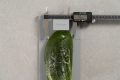
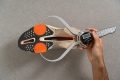
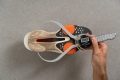
Unfortunately, the Fast Shot rubber will be quickly shot as it’s only 1.9 mm thick, and is 181.8% more vulnerable to wear vs. average. If this is a deal-breaker, we recommend finding a super shoe that can last several marathons.
Pros
- Remarkably lightweight despite its broad size
- Best-in-class breathability
- Excels in the marathon distance
- Repositioned Air Pods offer a better ride than the v2
- ZoomX foam delivers massive energy return
- Aids in forward momentum, especially when legs begin to fatigue
- Better than ever for 5K/10K racing
- Finally smooth transitions!
Cons
- Heel strikers might wear down the outsole quickly
- The arch could still be a challenge for some
- The sock-like tongue might not suit everyone
Best super shoes for heel strikers








What makes it the best?
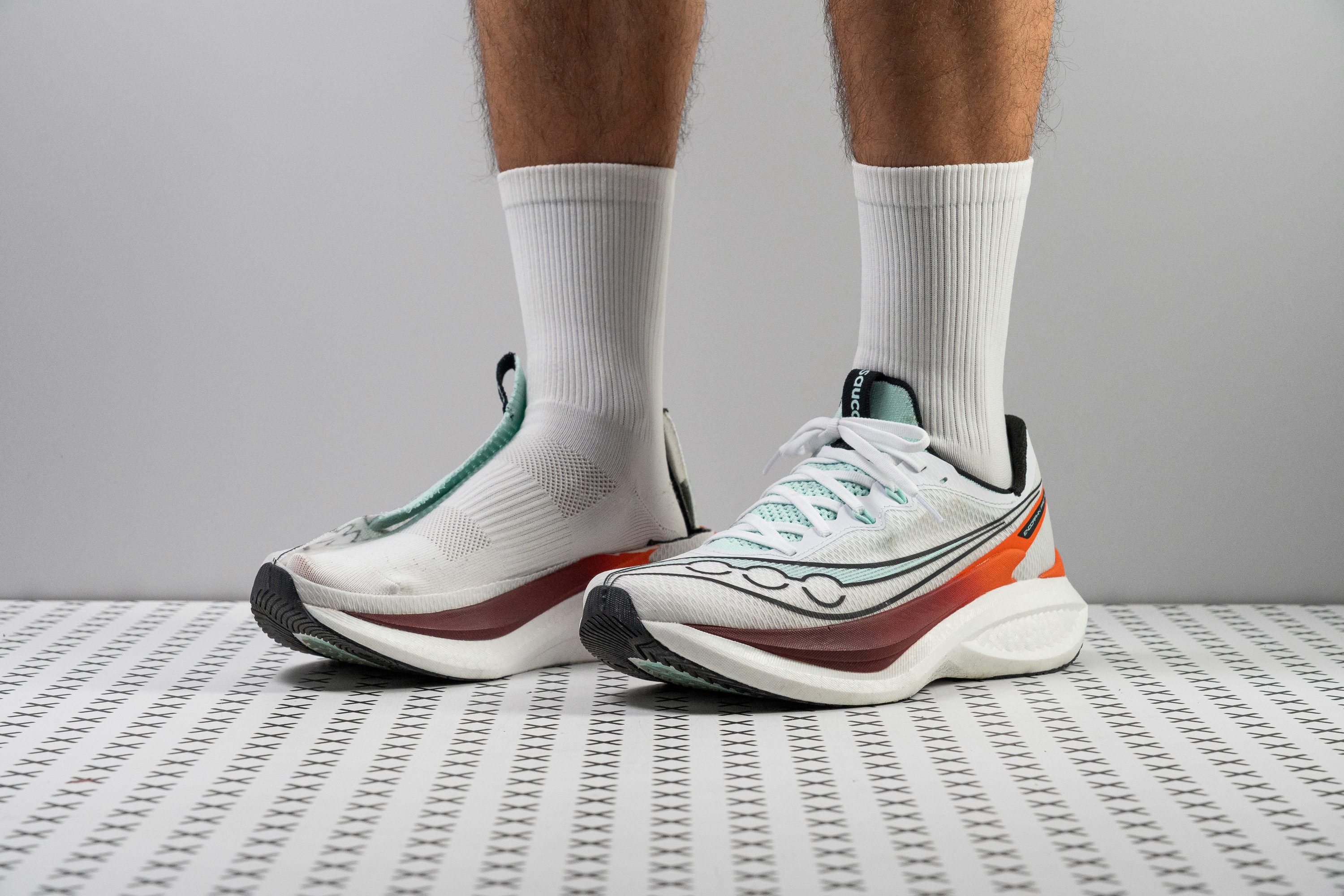
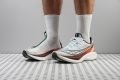
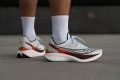
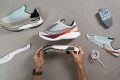
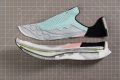
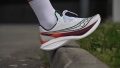
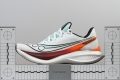
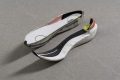
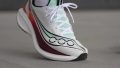
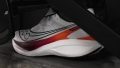
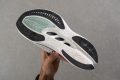
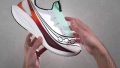
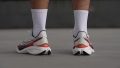
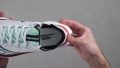
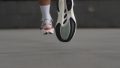
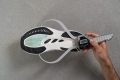
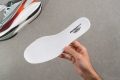
The Saucony Endorphin Pro 5 offers explosiveness together with comfort. Its light build and Speedroll technology create efficient and smooth forward motion, experienced by our feet and backed up by the lab. Plus, its outsole displays the perfect mix of grip and durability. Among super shoe running shoes, it suits heel strikers best.
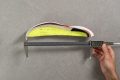
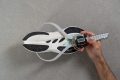
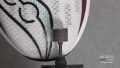
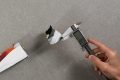
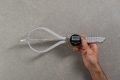
We measured a heel stack height of 36.5 mm, offering above-average shock absorption of 137 SA. No matter how far we run, impact will never feel too harsh on our legs. We measured a heel drop of 8.7 mm, which further promotes rear striking. And whenever we land on the heel cushion, it returns a strong energy return of 72.8%!
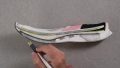
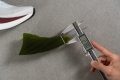
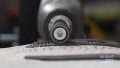
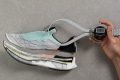
The EP5 offers excellent traction and underfoot protection, which is remarkable for a fast shoe, especially since super shoes' outsoles tend to have a limited lifespan. In our Dremel test, it showed 45% less damage than average, cementing its sturdiness. Moreover, it showed a strong 0.68 traction result, proving it’s race-ready, rain or shine.
For its strong build, we were surprised to discover a light 7.6 oz (215g) weight. Moreover, the Speedroll technology and the stiff carbon plate create sustained momentum and effortless transitions.
Running fast feels natural in the EP5. However, with a design centered on both comfort and power, it may still feel lacking for ultra-aggressive racers.
Pros
- Improved energy return
- Stable ride for a super shoe
- Amazing value
- Excellent outsole durability + great coverage
- Can work as a premium trainer too
- Ideal super shoe for heel strikers and beginners
- Foam got a bit softer
- Excellent stretchy knit tongue with pull tab
Cons
- Heavier than most super shoes
- Maybe a bit stiffer than it should
- Aggressive rocker won't work for everyone
Best super shoes for beginners


















What makes it the best?
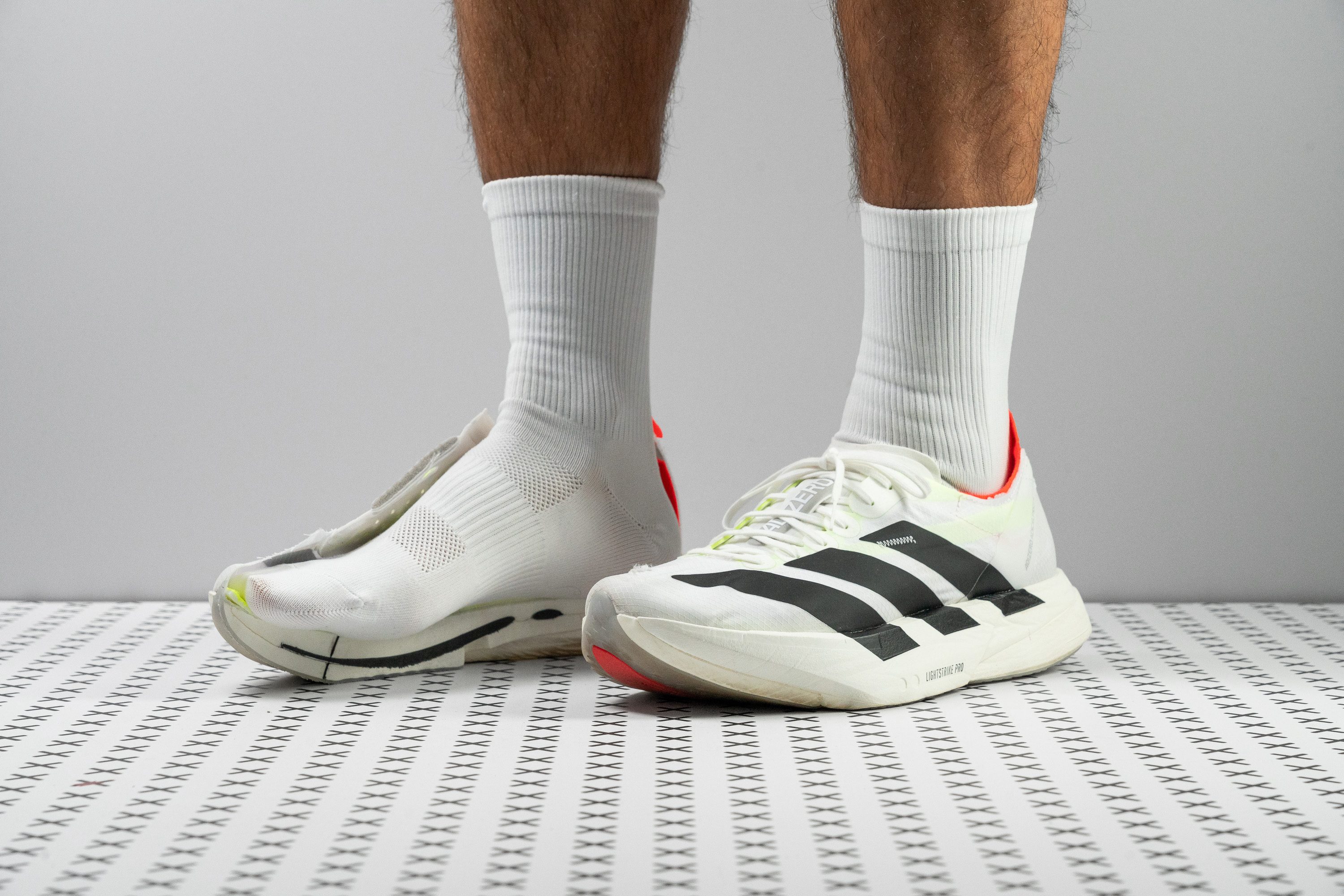
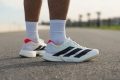
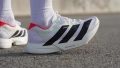
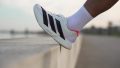
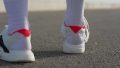
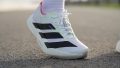
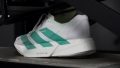
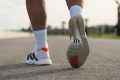
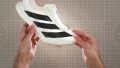
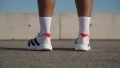
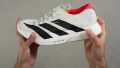
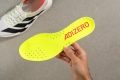
The adidas Adizero Adios Pro 4 is swift without being harsh on the feet. Our lab assessments verify its top-tier energy return, without compromising its serious leg protection and flexibility. This game-changing super shoe is impressively lightweight, and its unmatched comfort makes it our top pick for beginners.
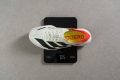
This powerhouse is made for racing, and our energy return test confirms our observations with elite scores of 80.4% in the heel and 80.3% in the forefoot. Every takeoff is done so with ease, especially since the AAP4 weighs only 7.1 oz (200g), 6.5% below the average competition shoe.
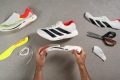
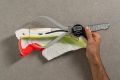
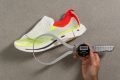
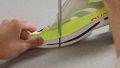
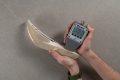
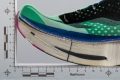
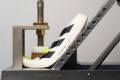
AAP4 achieves its beginner-friendly comfort through low resistance. Our bend test confirms it only needs a force of 22.7N to reach 30 degrees, making it one of the least rigid super shoes out there. This flexibility was achieved through the clever design of the Energy Rods 2.0 system. Rather than the usual full-length plate, this shoe has five carbon-infused rods that mimic our foot anatomy to achieve snappiness without too much stiffness.
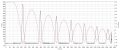
With every landing, a soothing cushion awaits. Our shock absorption test effectively reduces impact, with high ratings of 142/117 SA.
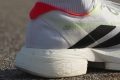
However, note that rear landings will feel shaky because of the narrow 80.4 mm heel. This shoe is ideal for midfoot and forefoot strikers.
Pros
- Softer, bouncier Lightstrike Pro foam
- Maintains the same price
- No more heel slippage
- Versatile from 5K to marathon distances
- Durable outsole with outstanding grip
- Fantastic for midfoot and forefoot strikers
- Improved for faster runners
- Comfortable, gusseted tongue
- Lighter than Adios Pro 3
Cons
- Unstable for every heel striker
- Narrow, tapered toebox
- Upper lacks breathability
- Midsole loses bounce quicker than AP3
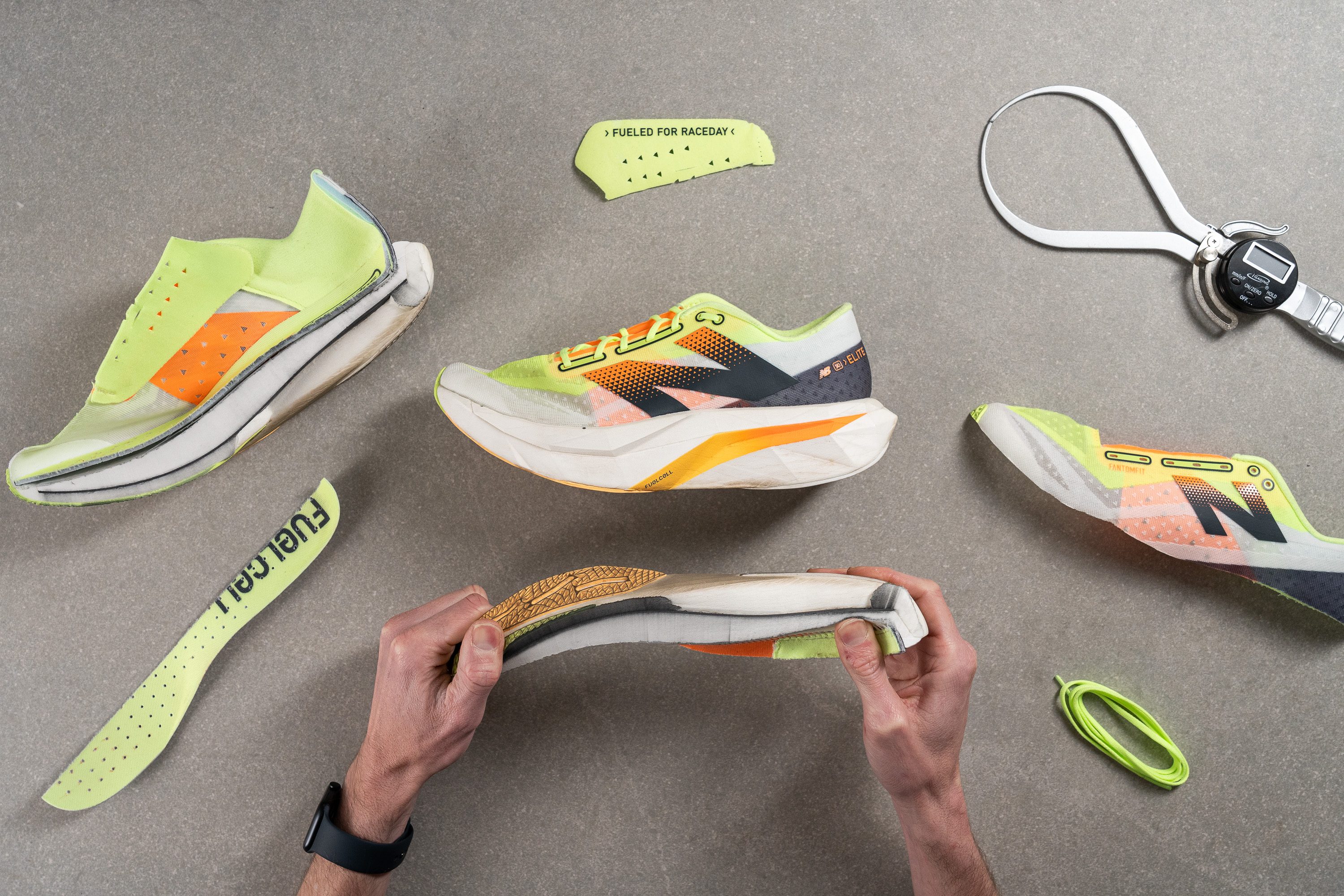
We did make the famous bounce look cool on Instagram, but we all know that looks are for Instagram and real data for the lab. That’s why we’re doing all this. Welcome to the in-depth analysis and lab testing of super shoes.
8 features of super shoes you should know
The definition of “super shoes” should not be different depending on who you ask. What adds significant value is lab data. Here’s how we differentiate super shoes from the rest - be it super trainers or regular running shoes.
- All super shoes are competition shoes. If you’re looking for similar technologies but in a daily/tempo package, best to check super trainers.
- Sky-high energy return. We’re talking 70% or more!
- Super shoes feature premium foam and a carbon-fiber plate.
- Rocker is almost mandatory! Talk about efficiency gains – how to accomplish them without a rocker? Everything is on the table.
- Platforms are stiff, meaning you can’t twist them a lot. They score 4/5 or 5/5 on our torsional rigidity test.
- The majority of super shoes are high-stacked, with an average heel stack height of 37.5 mm.
- Lightweight or featherlight! We’re talking 8.8 oz (250g) or less.
- They are very expensive, with the majority of shoes retailing in the $250-300 range.
Who super shoes are for?
Super shoes are made for experienced runners who can understand whether the shoe will work for them (depending on the running mechanics) and who are competitive and fast, meaning they can hit the right pace to properly activate the shoe.
It seems that many competitive runners understand this, given that 44% of marathoners wore super shoes according to Strava’s 2024 trend report!
|
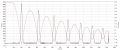
Why is a fast pace important? If you need numbers to convince you, rather than the brands just saying it's a competition shoe, look at these effects of running in the Vaporfly Next% 2:
|
If you’re doing research on super shoes, we recommend setting aside time to learn and understand which shoes are the best for you. Shoe designers have to implement, combine, and fine-tune dozens of different elements, from the shape and length of the carbon-fiber plate, its position, the exact foam compound and its thickness, to the platform width, rocker shape and aggressiveness, and other details. This is why one super shoe can work for you but not for your friend. Do your due diligence: read the reviews and lab data to make the investment worthwhile.
Are super shoes worth it?
Depends on who you ask.
Yes, if you’re looking to break another PB and if you’re serious about your races and hitting the goals. Super shoes may be less durable, but what you get in return is a chance to shave off a few seconds or even minutes (depending on the mileage) off your current record, and to feel less fatigued during the race and afterward.
If you’re a beginner or an average runner who is not competitive, or fast enough, and still not knowledgeable about foot strike, overstriding, or overall a proper running form, then super shoes are not worth the investment.
Energy return of super shoes: lab data
Energy return is THE reason to get super shoes because it’s what makes them so responsive and subjectively so fast. Energy return tells us how much of the energy is returned when a runner lands on the midsole and presses it. Some energy is spent on deformation and heat, and the rest is returned. The higher this number, obviously, the better!
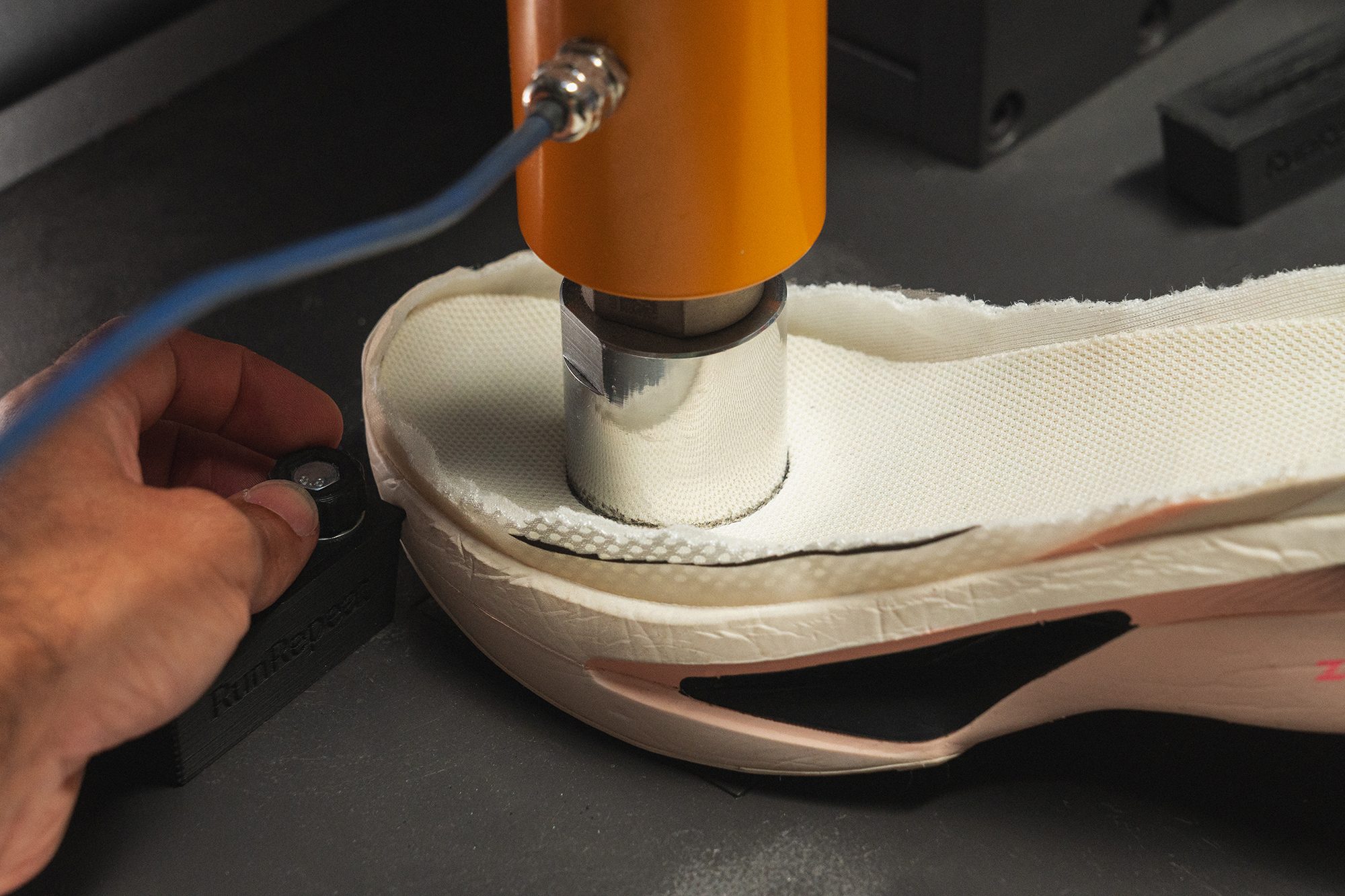
Testing the energy return of super shoes in RunRepeat lab
To test the energy return, we stick to the gold standard, ASTM F1976-13. We drop an 8.5 kg mass from a 50 mm height with a total energy input of 5J. The first 25 repetitions serve as a natural break-in of the shoe, so we use repetitions 26-30 for our lab data.
The thing about super shoes is that they always score remarkably high, above 70%. The average energy return of all super shoes we’ve tested so far is 76.1%. We, of course, always look at the energy return at the forefoot, because that’s the location that matters the most in running, the magic happens at the toe-off.
Shock absorption: how protective are super shoes?
In the case of super shoes, we can't talk about energy return and simply forget about shock absorption. Supercritical foams are all about leg-saving features and that means you (in most cases) get a great combination of high energy return and high shock absorption.
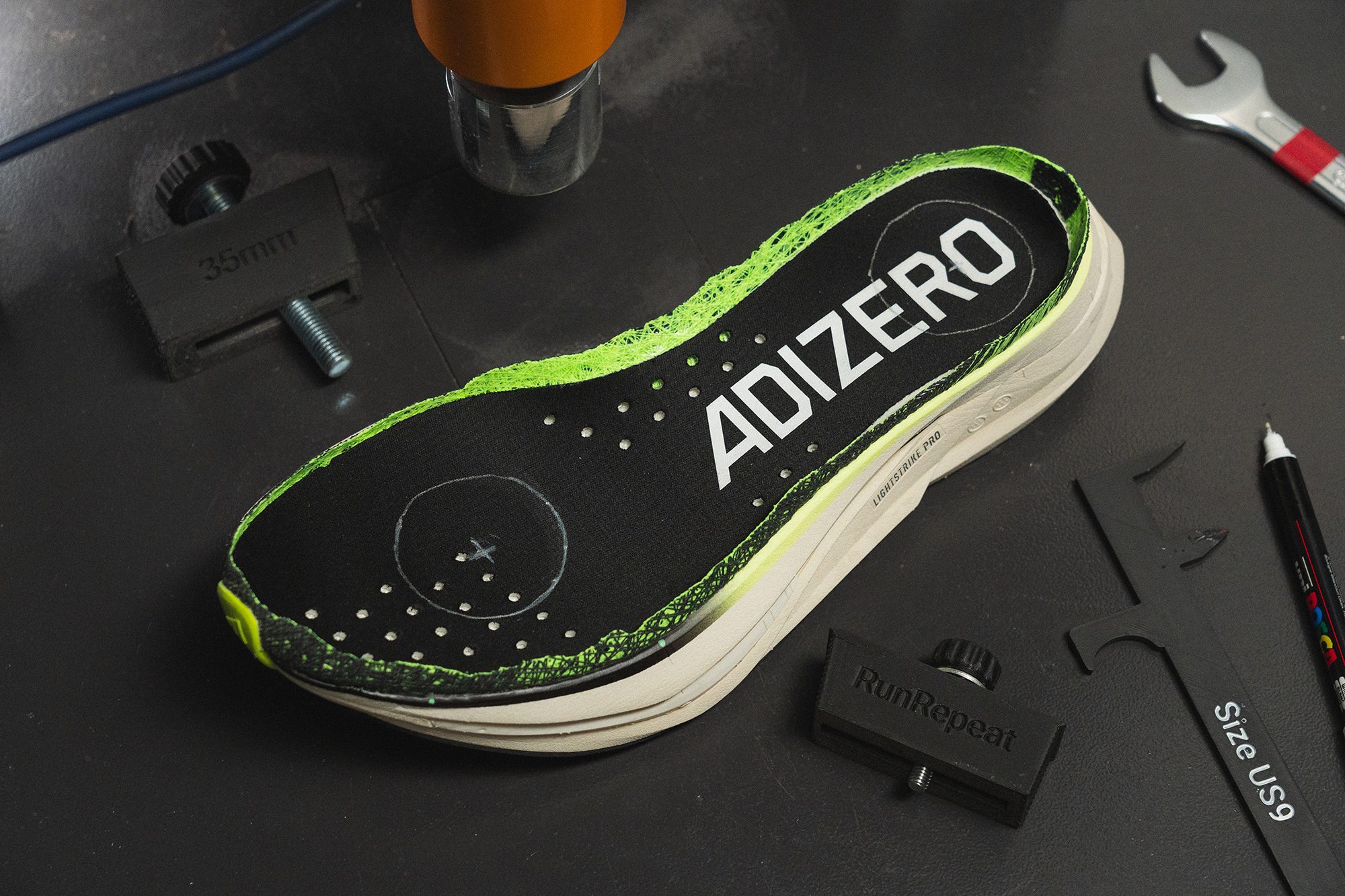
Shock absorption is the midsole's ability to dampen the impact forces and when it does that well, significantly less forces are sent to your legs. Less strain on the legs means less fatigue, which is THE goal. This is why we say that running shoes with high shock absorption are very protective; it's not about protection from outside elements like snow or sharp debris, but from the impact forces.
| These leg-saving features are certainly felt when building up the weekly mileage or doing longer runs (races) because the fatigue is milder, felt later, or completely avoided. We consider shock absorption (at the heel) high when it is above 130 SA. The average shock absorption of super shoes we've tested so far is 142.5 SA. |
If you're a forefoot striker, look at the shoes above that scored the highest in that area. Keep in mind, though, that shock absorption at the forefoot is always lower than at the heel (don't expect 130 SA, the average for the forefoot shock absorption of super shoes is 112.0 SA).
The role of carbon-fiber plates in super shoes
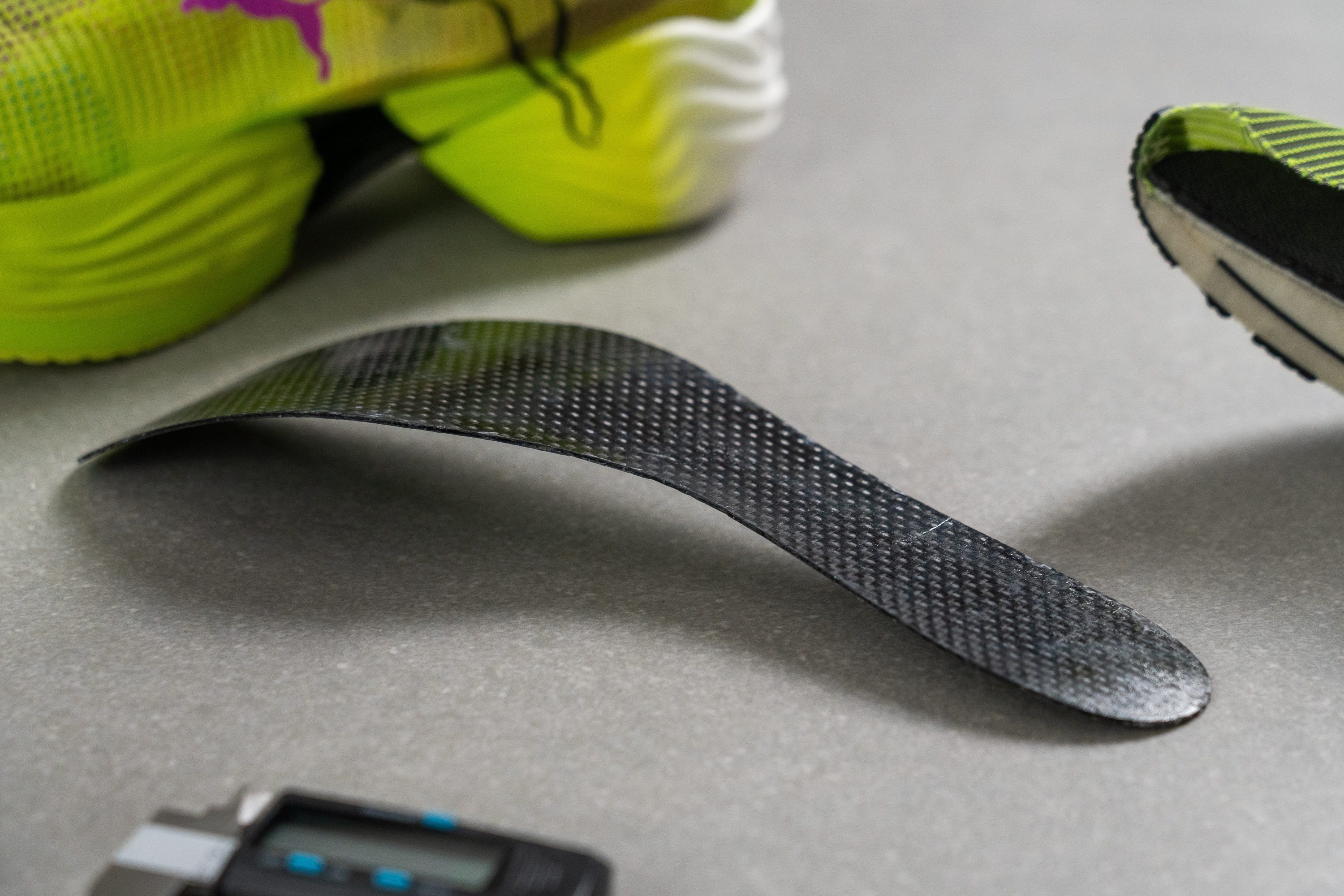
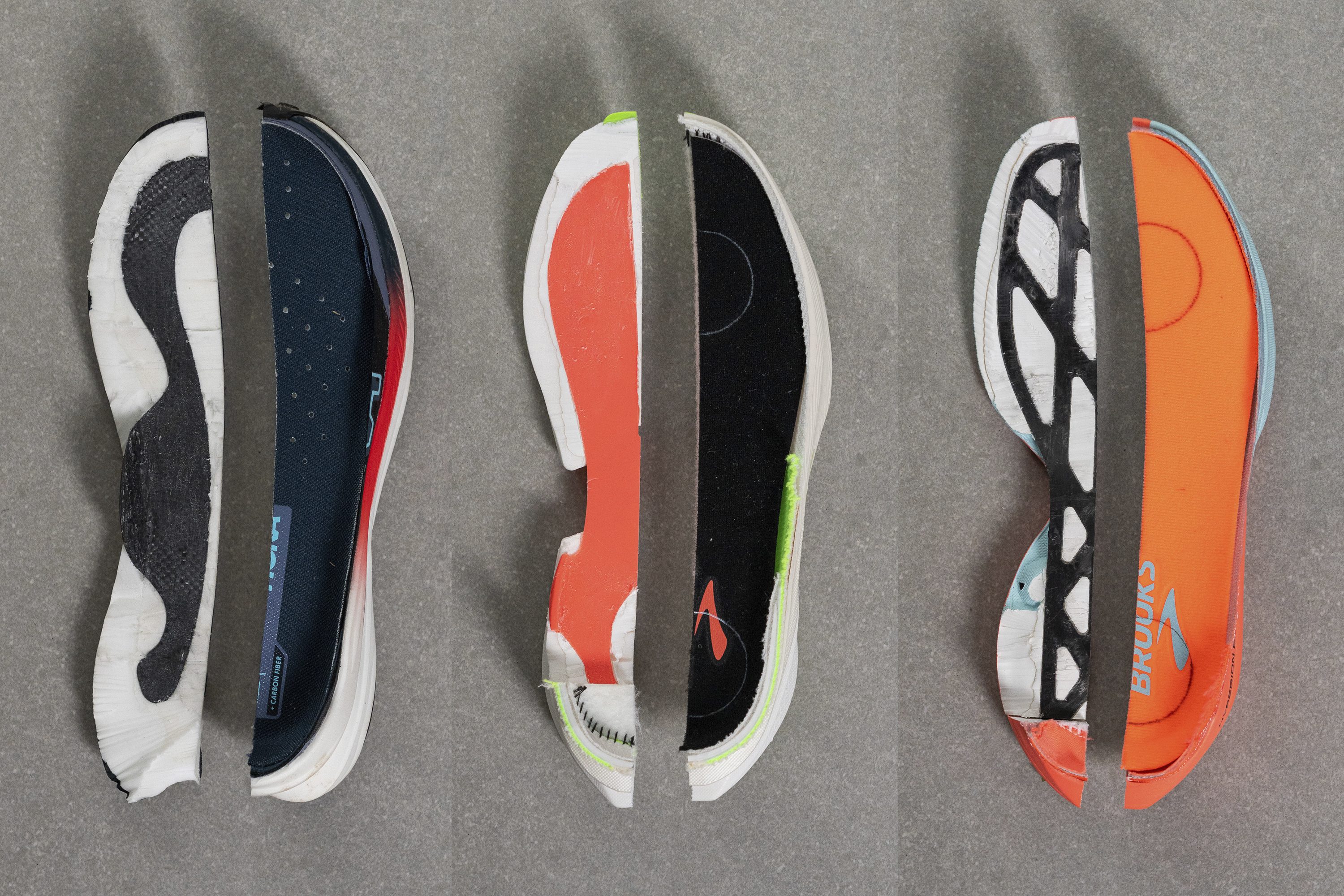
Carbon-fiber plates come in different designs and locations. They can be full-length or significantly shorter; they can be a single full piece or more like a fork; they can be placed closer to the insole or the outsole, etc. This is what the brands have to figure out: which carbon-fiber plate design and location brings the best performance benefits to the table.
The importance and trend of carbon-fiber plates are evident in the scientific world as well because new studies done on them keep popping up! Here are the highlights from the last 3 years:
- Running shoes with carbon-fiber plates create a more efficient toe-off thanks to a more propulsive push-off (Spencer et al., 2025)
- Curved carbon-fiber plates, unlike the flat ones, can reduce the mechanical load on the hip and knee joints (Xu et al., 2025).
- Another study looked at the plate curvature: Both flat and curved plates make force transmission more uniform, without increasing peak stress on key bones. Curved plates, however, reduced the forefoot pressure more than the flat plates and they improved how forces were distributed across the metatarsals without increasing bone stress. This suggests they may offer better injury protection (Song et al., 2024)
- Thicker carbon-fiber plates placed lower, near the outsole, reduced the forefoot pressure and strain the most. Plates positioned just under the insole actually increased the stress on the metatarsal bones (Song et al., 2023)
- Carbon-fiber plates may boost performance while reducing the injury risk by reducing the load on the knee and changing how the leg muscles work, especially at faster speeds. Caveat: runners should transition to these shoes gradually because of the increased tibialis anterior activity (Yang et al., 2025)
- When comparing a non-plated shoe (Nike Streakfly 6) and a plated one (Nike Vaporfly 4%), the plated one has proven to be better because it reduced metabolic cost by about 3.8% on level ground, 2.8% uphill, and 2.7% downhill. The Vaporfly 4% saved runners the most energy on flat ground (Whiting et al., 2022)
- Looking at the carbon-fiber insoles and not plates embedded in the midsoles, researchers found that the insoles didn’t produce real performance gains, but runners had experienced a psychological boost because they felt less tired and more explosive while wearing them (Dierickx et al., 2023)
- Carbon-plated running shoes (so-called TARS - technologically advanced running shoes) were compared to conventional cushioned running shoes and minimalist shoes and were shown to reduce ankle loading and lower forces in calf and foot muscles without adding extra load anywhere else. This suggests that carbon-plated running shoes may offer a safer and more efficient biomechanics (Kim et al., 2025)
If you’re interested in running shoes with a carbon-fiber plate, we recommend reading our guide, Best carbon-plated running shoes.
What is premium foam and why is it so important?
Running shoe midsoles can feature standard foam, premium foam, or both. When it’s a combination of the two, premium foam is put on top for responsiveness, and standard foam is put at the bottom for durability.
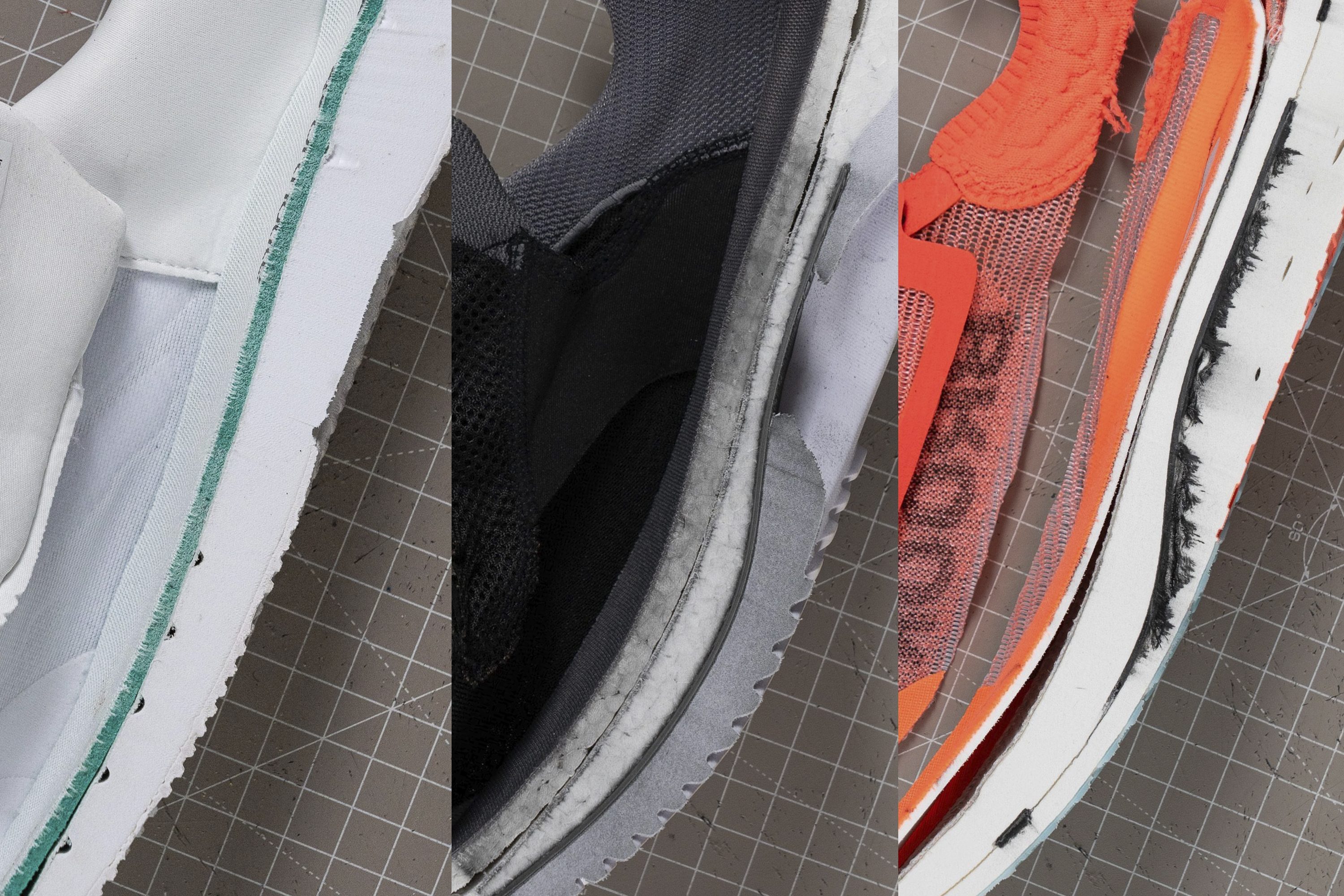
Premium foams are also called supercritical foams. The name comes from a gas in a supercritical state (not a gas and not a liquid), which is injected into the standard foam to create the premium one.
Supercritical foams are much more responsive and lighter than standard foams. This is why we find them in race shoes and some other running shoes like super trainers. They are also less durable, which is why standard foams dominate the daily trainer realm. Standard foams are also more durable, which makes sense given the needed mileage buildup that they should endure.
|
Take the premium foam out, and it’s no longer a super shoe. For a super shoe to work as intended, foam is crucial, together with a plate and overall shoe design. |
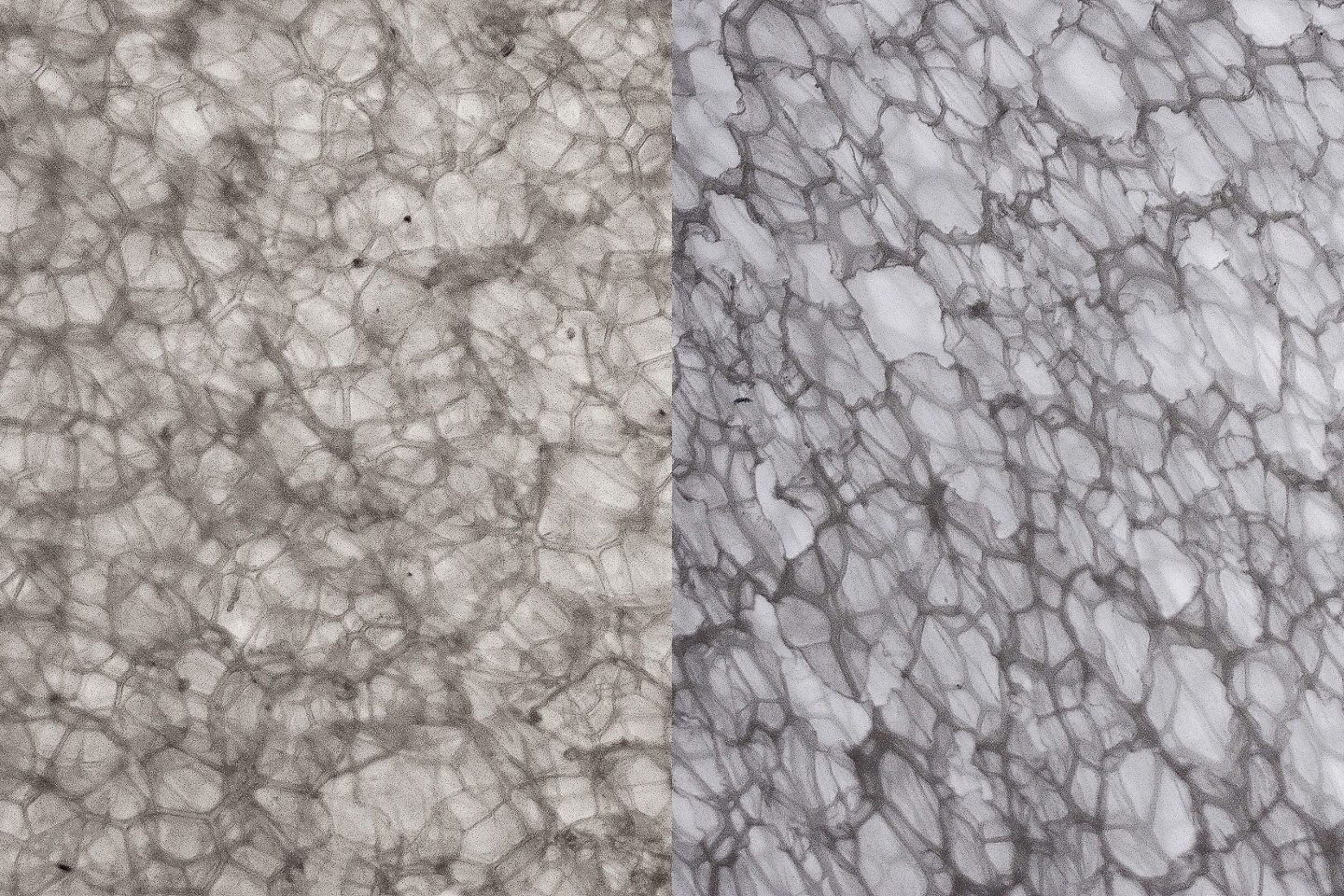
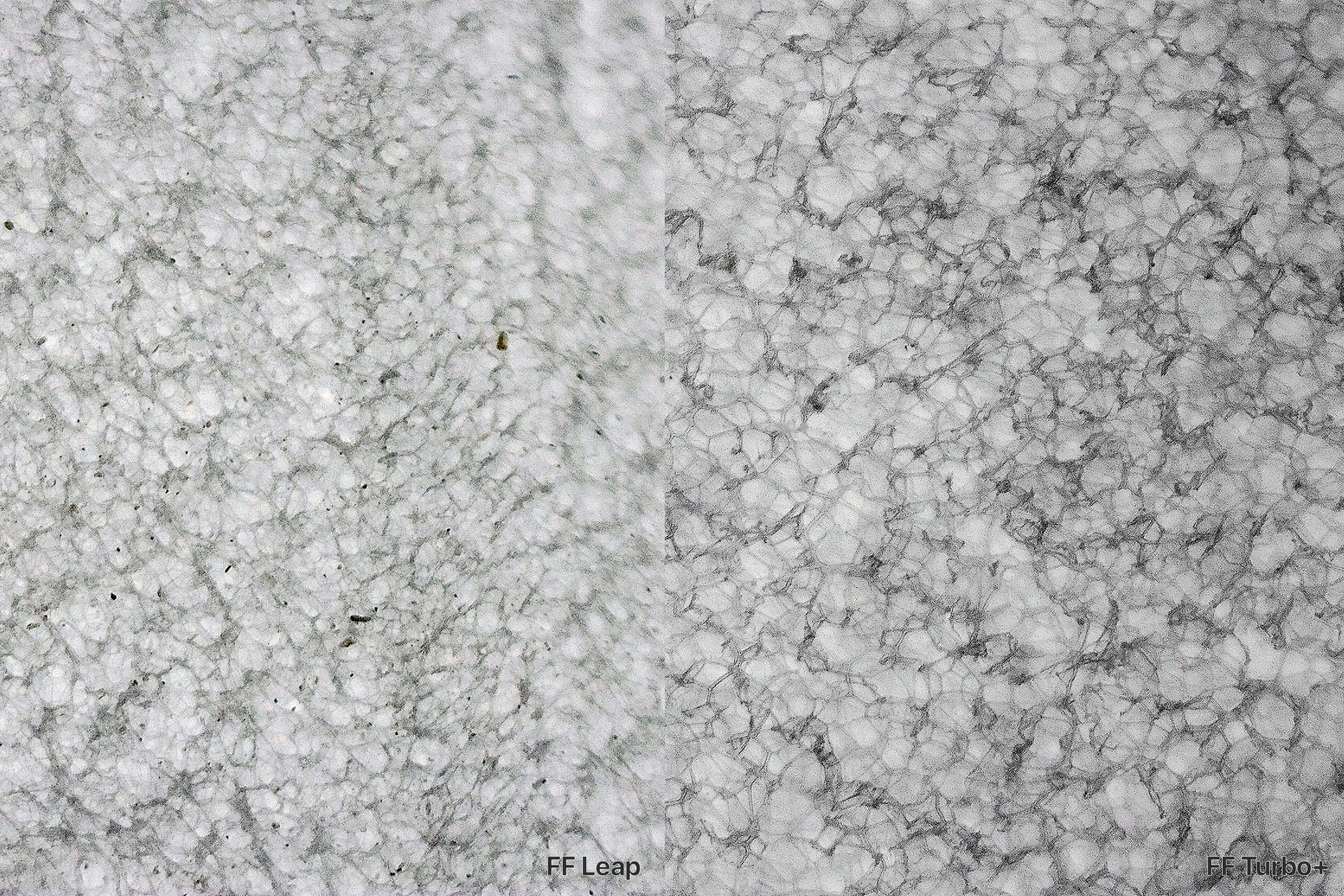
If you’re new to foams, we can not emphasize enough how important it is to get familiar with the types, their features, pros and cons, and other details in our Ultimate guide to running shoe foams. Or, skip everything and start with premium foams immediately.
Rocker in super shoes
The rocker design in super shoes varies, with some having a more aggressive forefoot rocker and a very mild slope at the heel, or having an aggressive heel rocker as well.
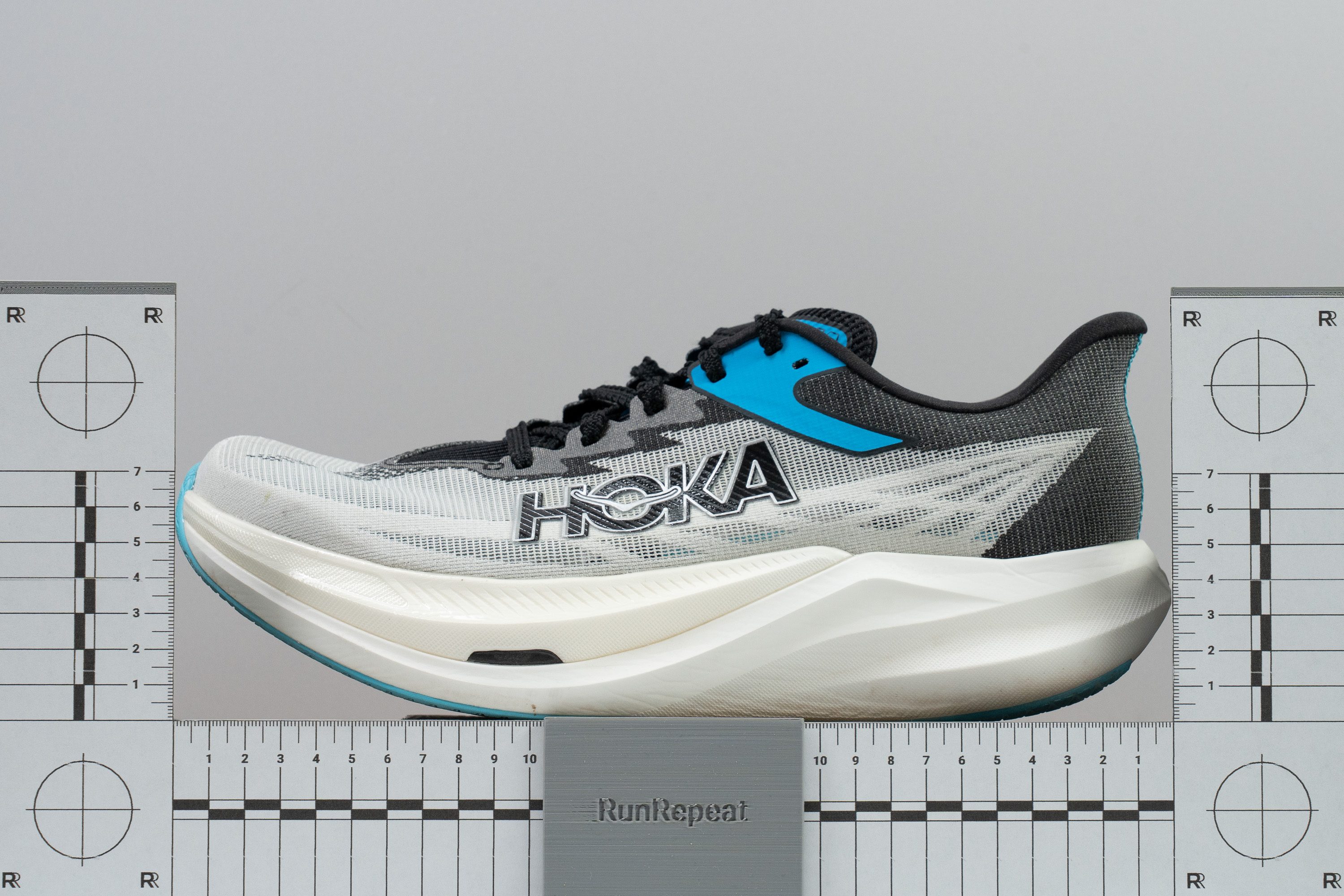
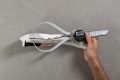
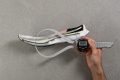
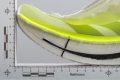
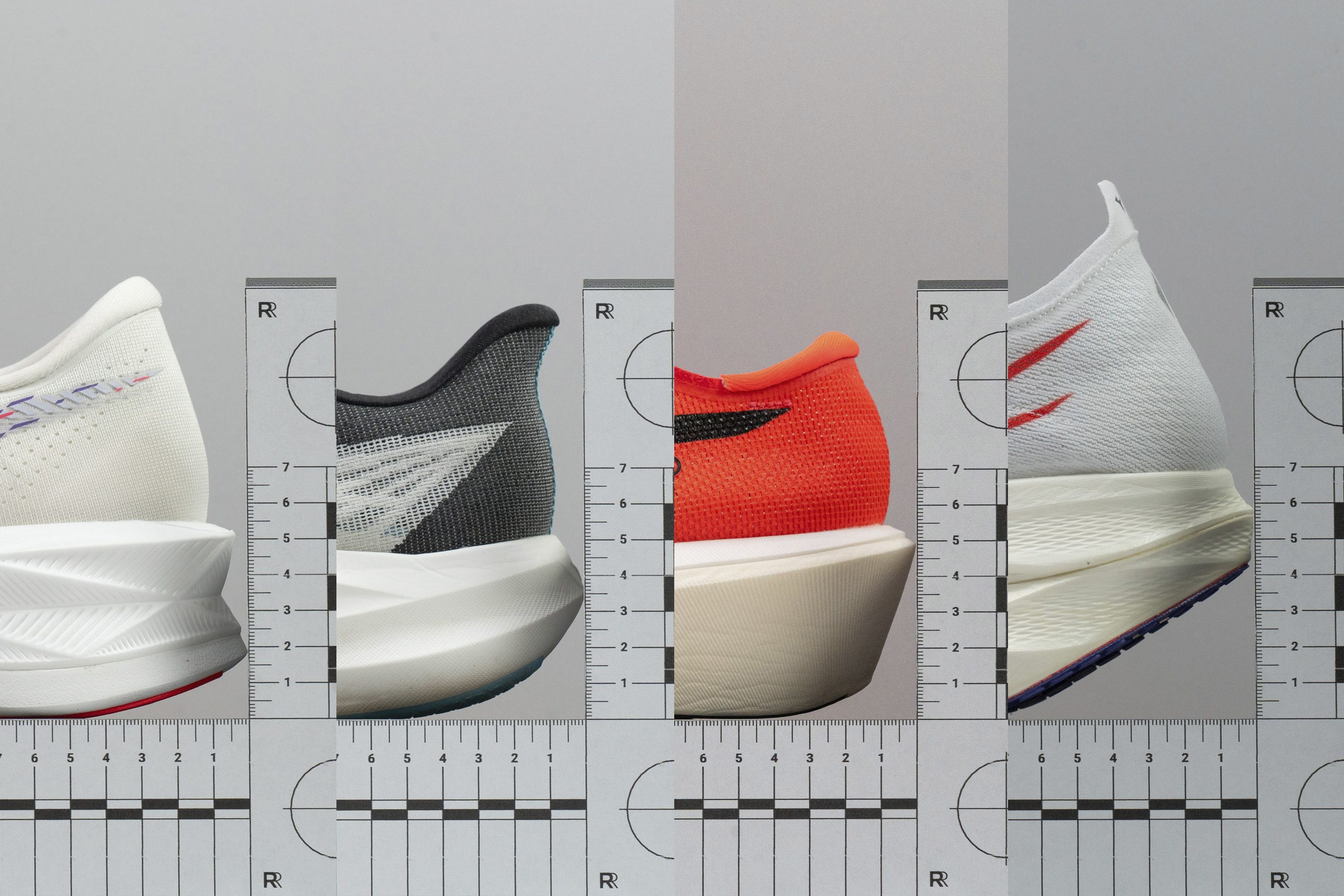
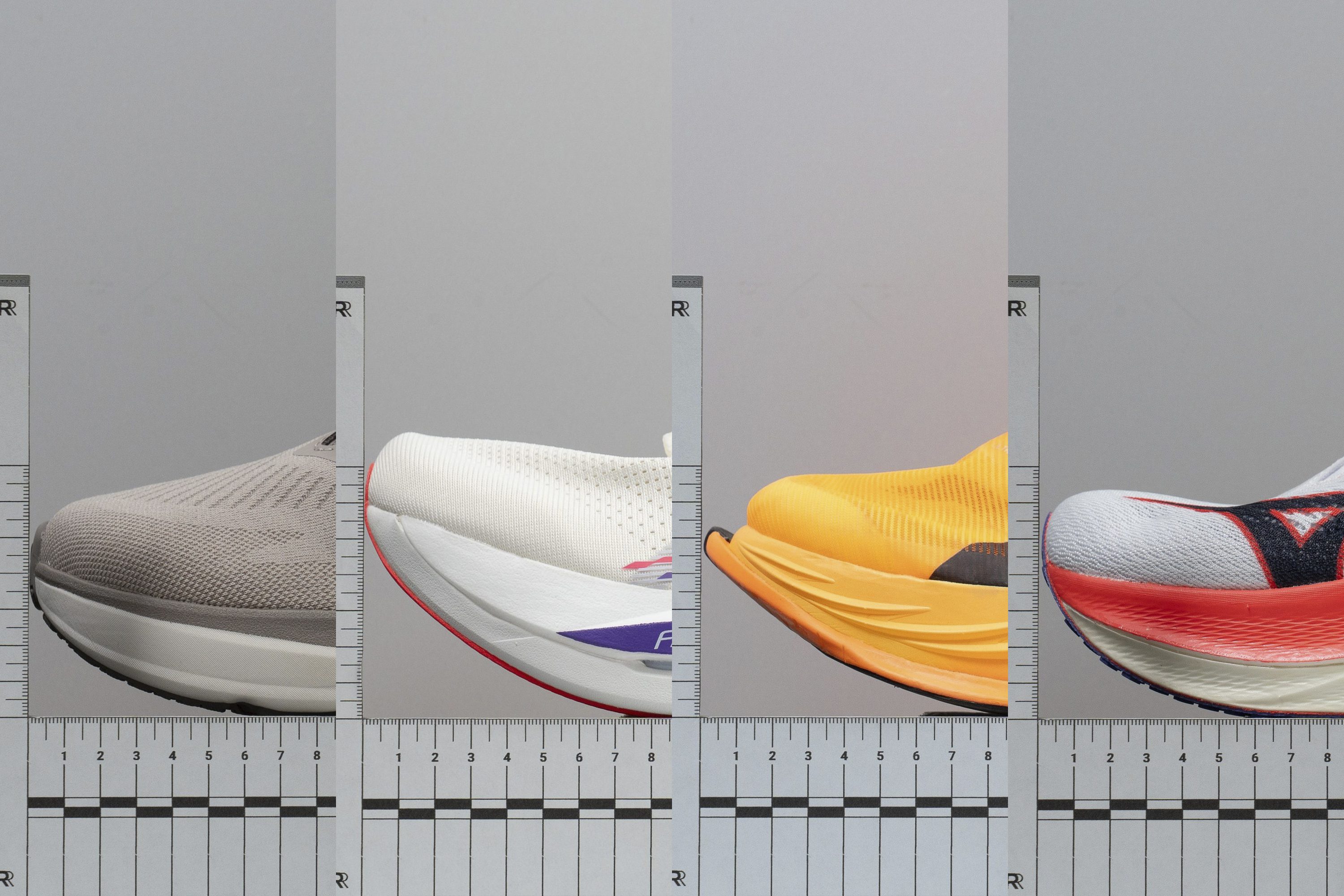
In the lab, we surround the shoe with rulers, which allows us to precisely see when the rocker starts (e.g,. early rocker vs late rocker) or how aggressive (high) it is.
|
Rocker geometry is another example where it’s best if a runner is knowledgeable about the terminology and their running biomechanics. Rockers are great for runners who are heel strikers (heel rocker!) and/or struggle with pain in the Achilles tendons, heel, plantar fascia, forefoot or toes, calves, hamstrings, and who have reduced big toe extension. Rocker is not recommended for runners with injuries or discomfort in knees (ITBS, meniscus tears, patellar tendinitis, etc.) or hips (strain, bursitis, labral tear, etc.). |
If you’re still unsure whether you covered all the basics about rockers, look no further: All you need to know about rockered running shoes.
Lab data for stack height and stiffness of super shoes
Most of the super shoes are high-stacked but lower than 40 mm to honor the official rule. This is a no-brainer, for a midsole to have great energy return and comfort for long-distance races (like half-marathon or marathon), it has to be high-stacked. Not just that, there also needs to be enough foam above and below the carbon plate. So, high stack it is.
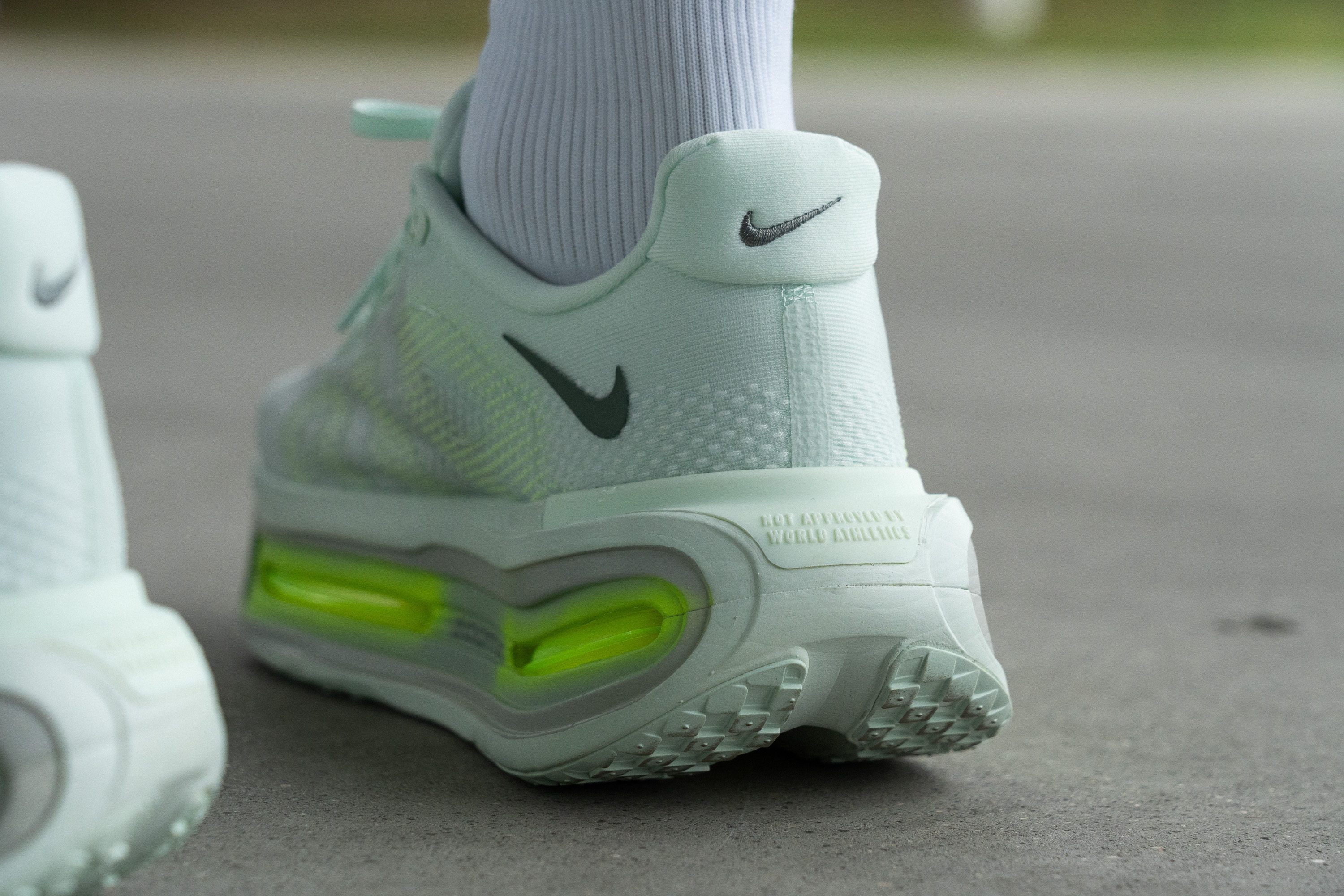
Here, you must be careful if you signed up for an official race, as 40 mm at the heel is the legal limit. The average heel stack height of super shoes is 37.5 mm, while the overall average heel stack height for all road running shoes we’ve tested so far sits at 34.8 mm.
A tall premium-foam platform needs something to make it more stable. Next to the carbon-fiber plate, it’s the torsional rigidity.
Assessing the torsional rigidity of a super shoe: 1/1 the most flexible, 5/5 the most rigid. The average torsional rigidity for super shoes is 4.3 and for all road shoes 3.5
Most of the super shoes are rigid or very rigid (scoring 4/5 or 5/5 on our test).
And, if you’re curious about the torsional rigidity of the highest super shoes, look no further:
When it comes to stiffness, many think of longitudinal stiffness first. This is also something we test in our lab. We measure how much force is needed to bend a shoe to 30 degrees, after adjusting for its rocker.
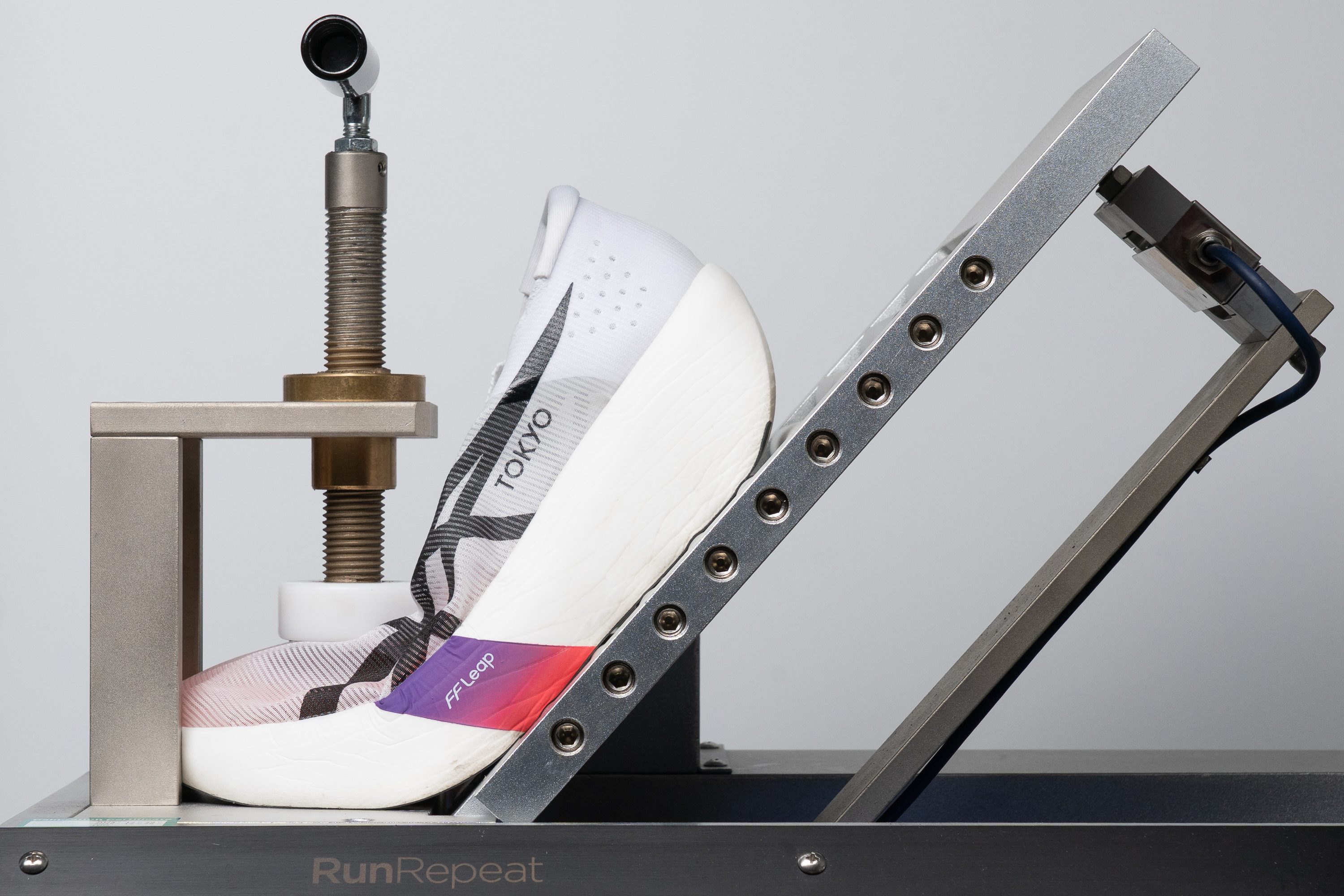
The more force needed = the stiffer the shoe. At the moment of writing this guide, the average stiffness for all road running shoes we tested in the lab sits at 15.2N, while the average for super shoes is 19.9N.
Lightness of super shoes
Given that super shoes are race-day shoes, they have to be lightweight. But, how light are we actually talking about? Let’s look at some numbers: road shoes, on average, weigh 9.3 oz (265g). Super shoes, on the other hand, weigh 6.9 oz (195.6g) on average!
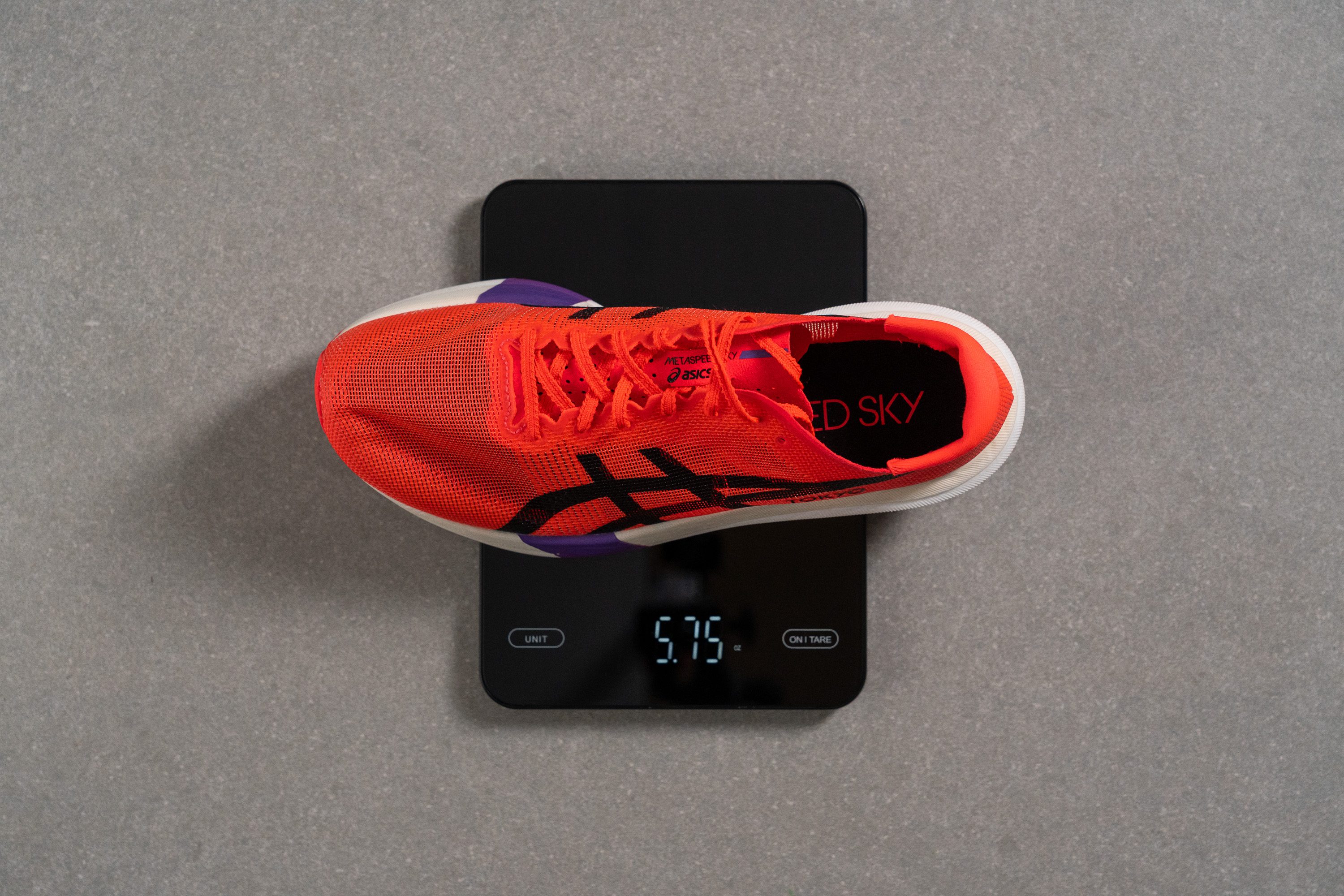
Why is this featherlightness so important? Because weight significantly impacts running shoe performance. And because it’s the super shoes that finally made the unimaginable possible: having a highly cushioned running shoe that is not, by default, significantly heavier, but the opposite.
How durable are super shoes?
Depends on which part of the shoe you’re inquiring about. In our lab, we test the durability of the outsole and the toebox, but what usually happens with super shoes is the premium foam bottoming out. It loses its main feature: energy return. This does not happen overnight, but runners do feel it and understand that it’s time to move on.
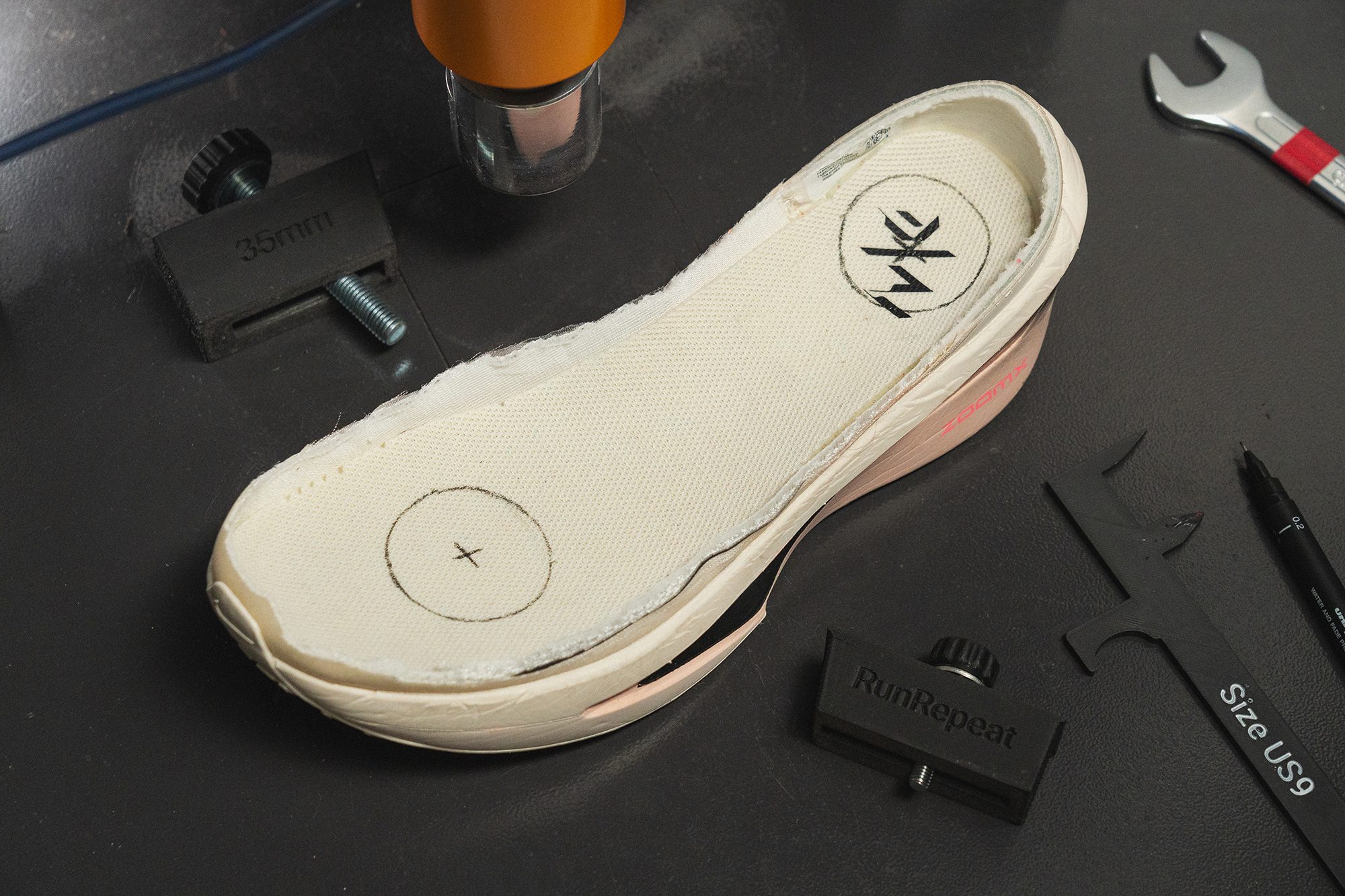
For the time being, we recommend looking at the always-up-to-date overview of premium foams with their main pros and cons, because when the foams are not durable, we do say so!
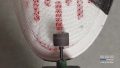
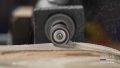
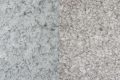
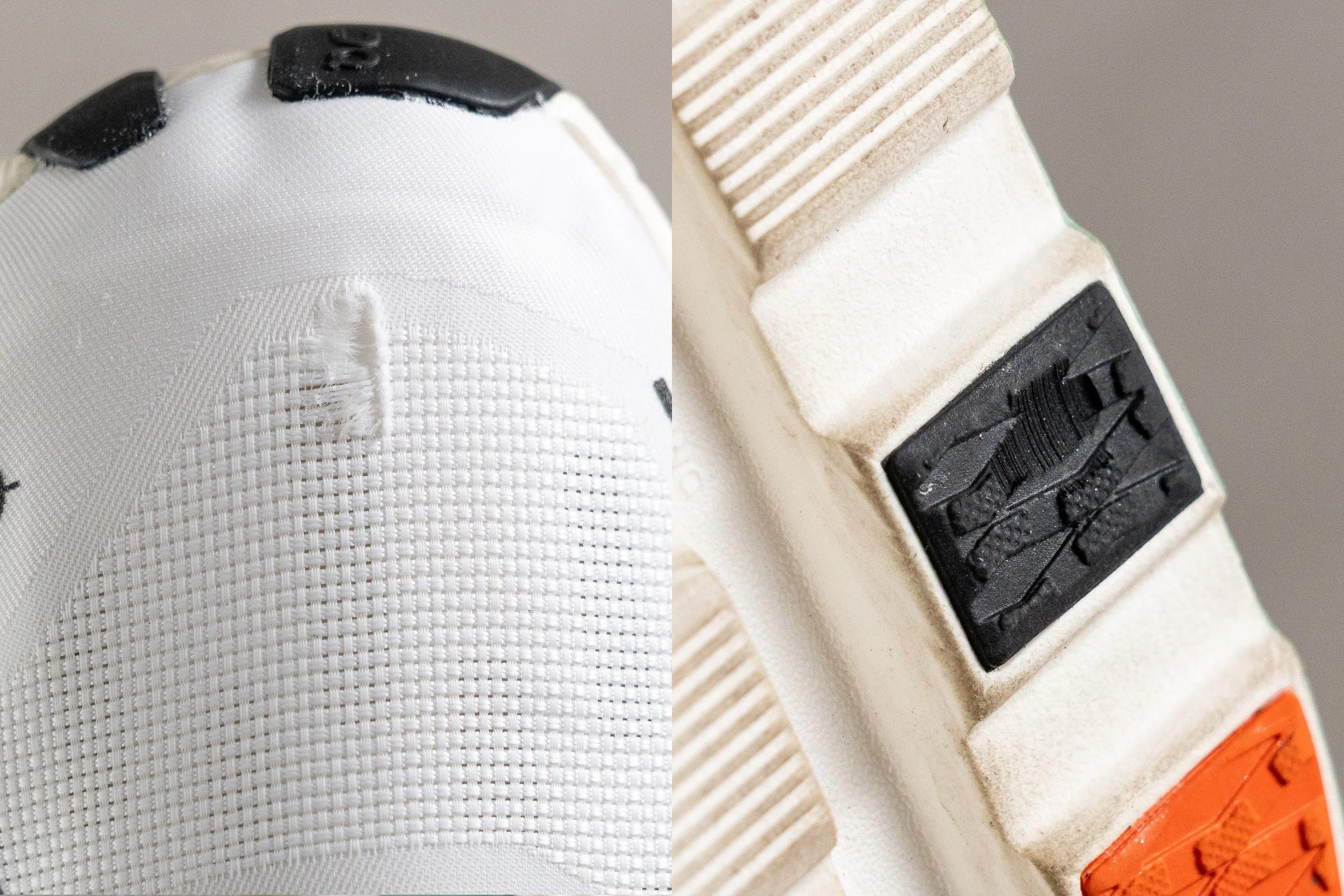
Testing the durability of the super shoe outsole. The deeper the hole, the less durable the outsole
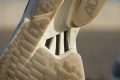
Outsole durability is very important in the world of super shoes because adding thicker rubber at the bottom means adding more weight and, not just that, but often there’s significantly less rubber coverage than you may be used to, all with the purpose of making the shoes as light as possible.
Here, we can also look at the outsole thickness.
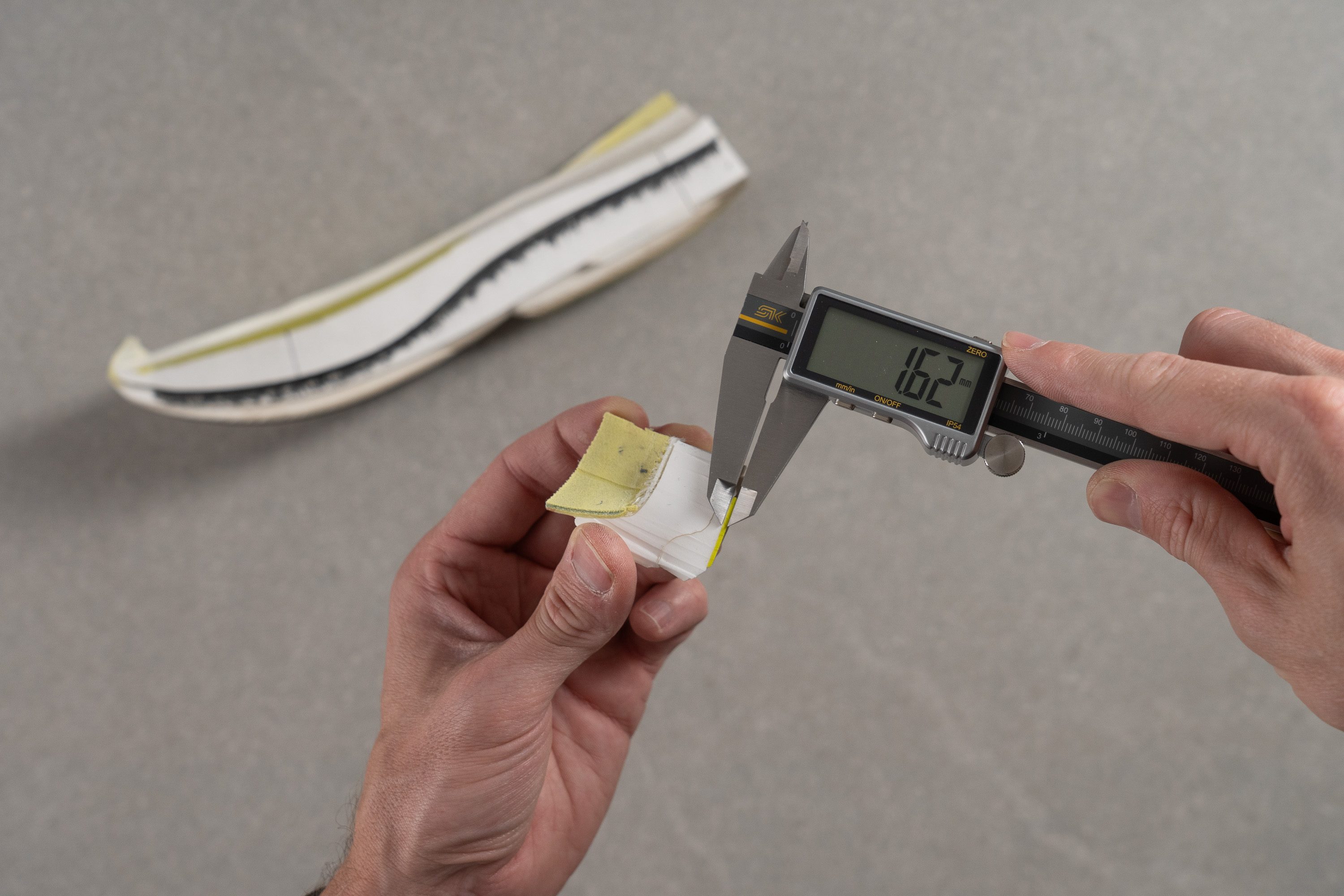
These numbers actually tell us how deep the dent was after our durability test. This measurement is taken with a tire tread gauge. The average outsole durability of super shoes (the average hole depth) is 1.5 mm, while for all road shoes it is 1.1 mm.
In extreme cases, it’s worth noting that we always perform the test at the heel, and if the shoe has no rubber there, the damage is obviously much bigger (as is the case with Vaporfly 4).
If the super shoe’s upper is what’s worrying you, let’s look at the lab test results.
Testing the durability of the super shoe’s toebox: the rating is done on a 1-5 scale, where 5/5 is the most durable
Super shoes with the best traction
Given that super shoes often skimp on the rubber coverage on the outsole, we all wondered about their traction at some point. Not just that, but the outsole rubber, when present, is often quite thin (as we’ve shown in the chapter above). So, what about traction?
Testing the traction of super shoes in RunRepeat lab (SATRA TM144 protocol)
When performing this test, we press a super shoe with a force of 500N at a 7-degree angle. The surface is wet concrete, and we measure the dynamic coefficient of friction (CoF) at the forefoot. The higher it is, the better. To be on the safe side (running in dry and wet weather), we recommend a CoF of at least 0.45. There are shoes that score higher than 0.80!
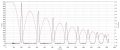
And, in case you were wondering, yes, we do have a list of super shoes with the lowest traction. And it’s not nearly as bad as one could think. This is because the unsafe feeling that you may get in super shoes usually comes from the instability (wobbling).
Super shoes vs. regular shoes
What makes them super, and why do they stand out from regular shoes? Let’s look at the breakdown.
|
Super shoes |
Regular shoes |
|
Competition only |
Daily, tempo, and competition |
|
Very expensive |
Can be quite budget-friendly |
|
Premium foams |
Premium and standard foams |
|
Carbon plate is a must |
The majority doesn’t have a plate |
|
High-stacked |
Can be barefoot, minimalist, average, and high-stacked |
|
Often unstable |
Can be very stable and even cater specifically to those with overpronation |
|
Difficult to twist (they are rigid) |
From very flexible to very rigid |
|
Not durable |
Can be very durable |
|
Lightweight to featherlight |
From heavy to lightweight |
|
Best for experienced (and fast) runners |
Many models are beginner-friendly and made for slow or recovery paces |
Super shoes vs. super trainers
We’ve covered the topic of super trainers in great detail in the Best super trainers guide.
Again, we think that a 1:1 breakdown is the best way to understand the differences!
|
Races only |
Daily runs + tempo, or tempo + competition |
|
<40 mm at the heel |
Can be >40 mm |
|
Carbon-fiber plate is a must |
Carbon plate optional |
|
Premium foams only |
At least 1 layer of premium foam |
|
Not durable enough |
More durable than super shoes |
|
Struggle with stability (narrow and tall platforms) |
More stable than super shoes (can have wider platforms) |
|
Lightweight or featherlight |
Heavier than super shoes, lighter than regular shoes |
|
Expensive |
From cheap to expensive |
Affordable super shoes - how to find them
Is there such a thing as an affordable super shoe? When it’s on sale, sure. These are pricey! Let’s look at the numbers: the average price of road running shoes is $149, while super shoes average at $259! And, the thing is, most of them have to cost a lot because of the amount of research put in and the materials: premium foams cost more than standard foams, carbon-fiber plates add to the overall cost, same as other parts of the shoe that have to be as light as possible to deliver the best possible performance to the race day, and so on.
However, you can always use our page dedicated to running shoe deals. Fingers crossed!
Similar buying guides