5 Best Under Armour Running Shoes in 2026

We buy shoes ourselves. We earn commissions when you buy through us, at no extra cost. Why trust us
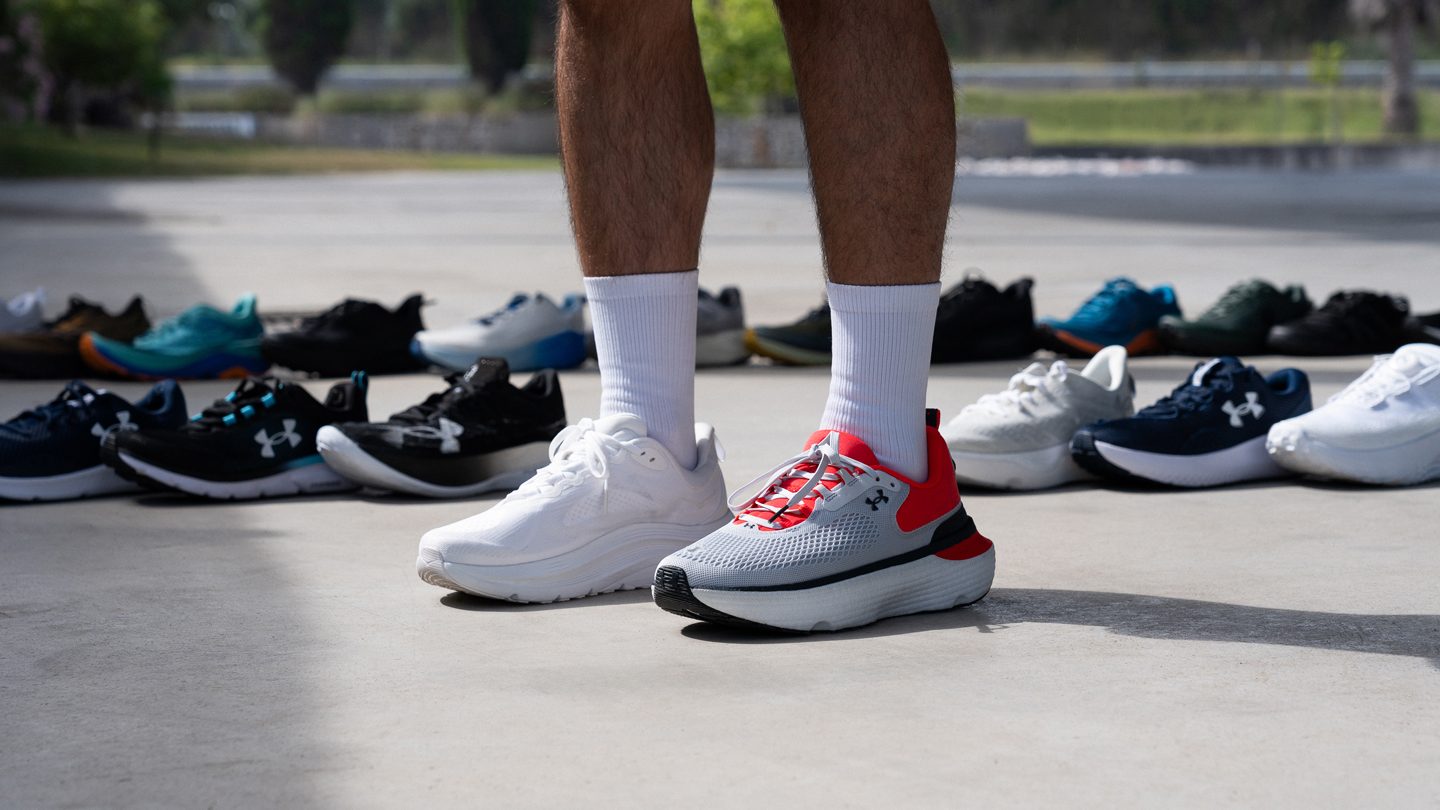
Under Armour may seem like a less popular brand when placed alongside Nike and adidas. However, UA offers various running shoes, and we're here to help you pick the best ones. We have personally bought (with our own money) and tested running shoes from Under Armour to see which ones truly stand out.
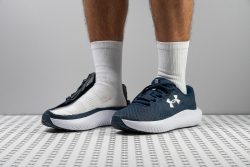
How we test Under Armour running shoes
To save you time, we spend hours reviewing every Under Armour shoe, testing them on the runs and in our shoe lab. As an independent shoe testing lab, we receive no free shoes from the brand.
Here is our process:
- We run in the shoes, covering different terrains and running at different paces to personally experience when and where the shoes shine.
- We cut shoes into pieces and measure 30+ data points related to their performance, such as energy return, shock absorption, breathability, midsole softness, upper and outsole durability, traction, etc.
- We publish all our in-depth reviews on our website.
- We pick the best of the best based on all the tests we do, inside and outside the lab.
Best Under Armour running shoes overall
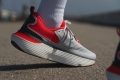
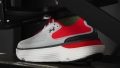
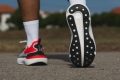
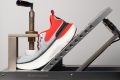
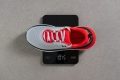


What makes it the best?
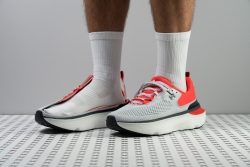
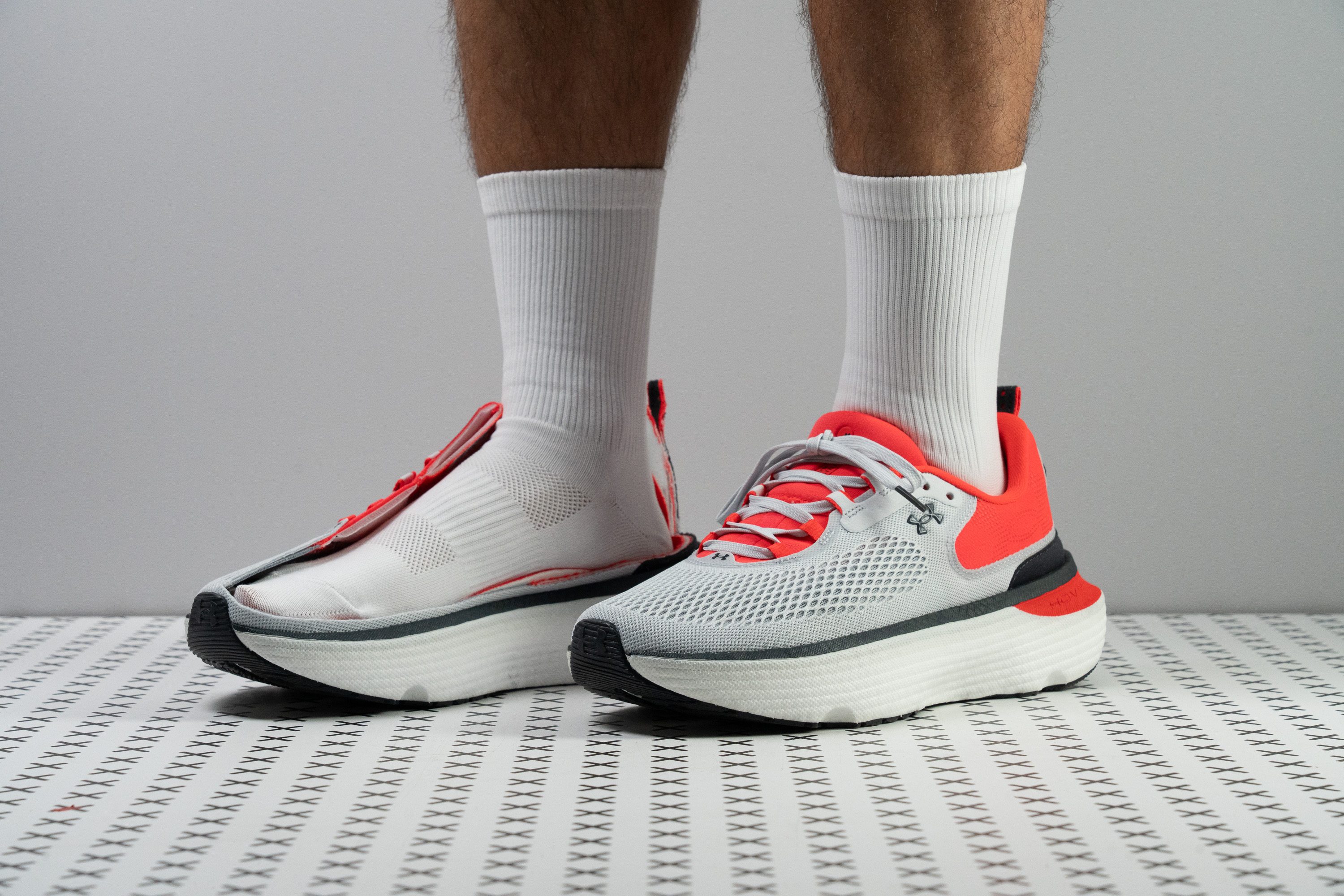
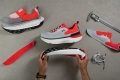
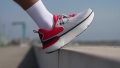
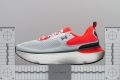
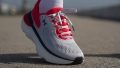
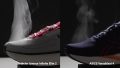
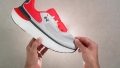
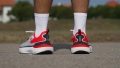
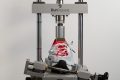
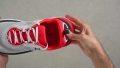
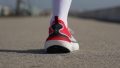
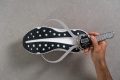
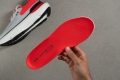
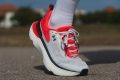
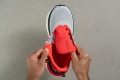
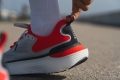
The Infinite Elite 2 delivered everything in one shoe – snappiness, deep cushioning, and balanced strides. Lab results verify its midsole offers springy toe-offs, gentle landings, and impressive stability, making it our top choice among Under Armour running shoes.
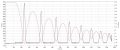
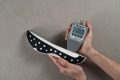
IE2 is anything but dull, and our energy return test validates our observation with very impressive scores of 72.6% in the heel and 74.8% in the forefoot. These figures indicate it can handle speed training effortlessly.
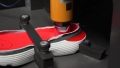
We can not only run fast, but far too, as IE2 packs tons of foam in its platform, 40.1/33.1 mm to be specific. Besides its height, the cushion itself can reduce the effects of impact, with above-average shock absorption scores of 144 SA in the heel and 121 SA in the forefoot.
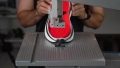
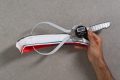
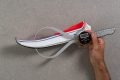
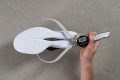
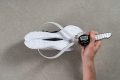
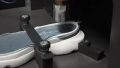
To ensure a safe ride, the stiff midsole reduces aggressive lateral movement during fast paces. In our attempts to twist the shoe, it resisted firmly, so we rated it with a high 4/5 torsional rigidity score.
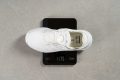
Unfortunately, this trainer tipped the scales to a heavy 10.2 oz (288g). Those seeking more agility should find a lightweight shoe.
Pros
- Explosive energy return
- Maxed-out cushioning
- Lighter and faster than version 1
- Stable despite its towering height
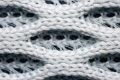
- Breathable upper
- Reliable lockdown
- A-tier durability
- Improved traction
- Shines for midfoot strikers
Cons
- Toebox is a bit narrow
- Still not a lightweight shoe
- Not flexible at all
Best Under Armour running shoes for race






What makes it the best?
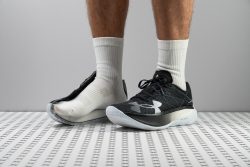
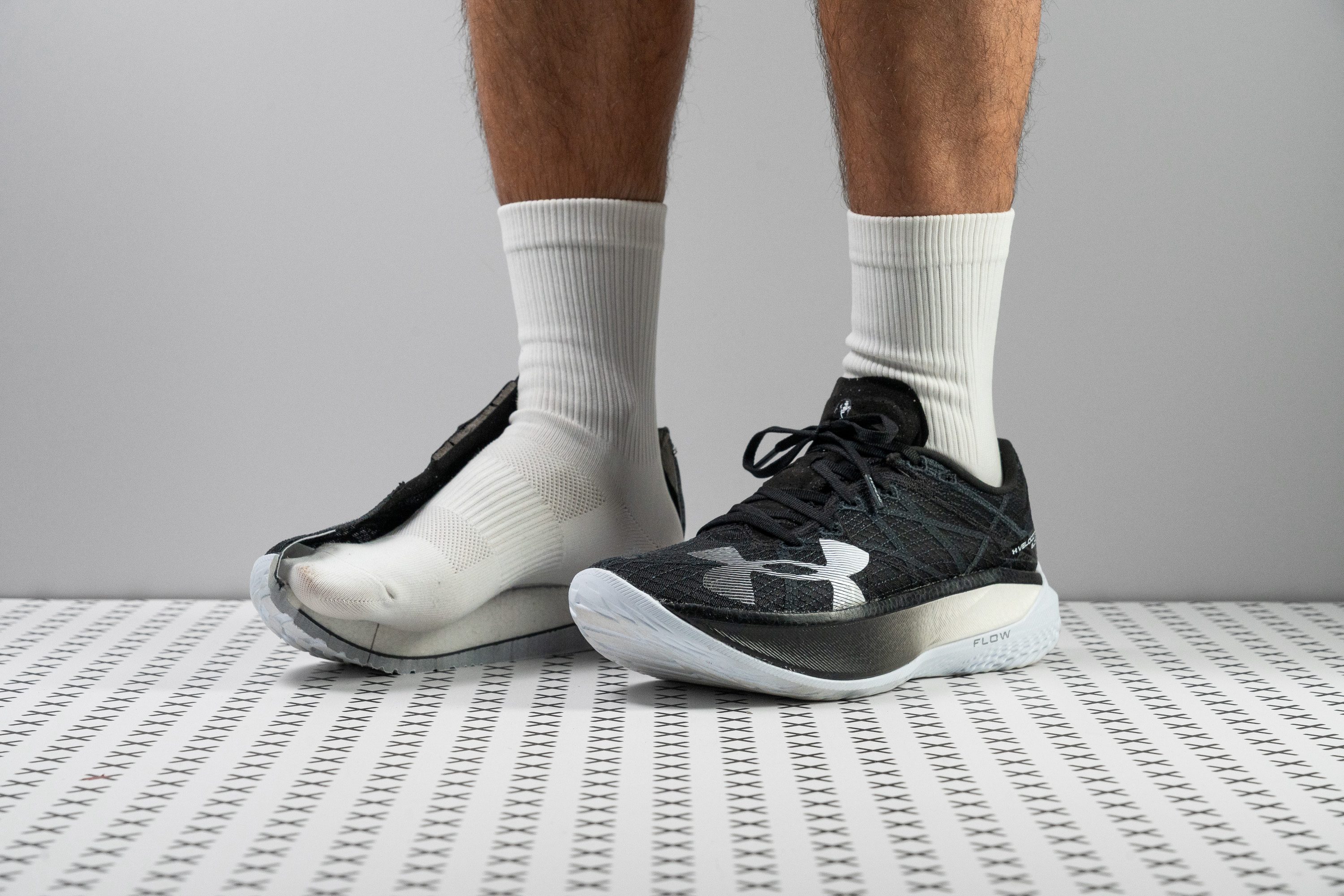
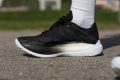
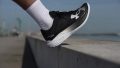
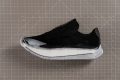
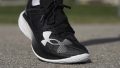
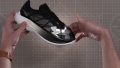
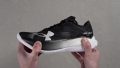
The Under Armour Velociti Elite 2 marries propulsion and impact protection well, making it our best Under Armour racer as it’s reliable for any distance. Lab results support our well-cushioned and dynamic experience on the road, topped off with seamless breathability.
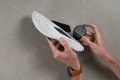
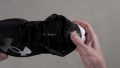
Slicing the midsole in half, we found a carbon plate embedded in the cushioning. Testing for the foam’s energy return, the heel impressed with 72.3% and the forefoot a solid 73.3%, which explains the bounce and liveliness we enjoyed in our runs.
Upon each takeoff, gentle landings followed. We credit the platform’s strong shock absorption, reaching above-average scores of 133 SA in the rear and 119 SA up front. These results indicate serious protection and readiness for up to marathon distances.
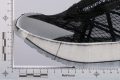
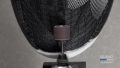
The ride feels like a breath of fresh air since the upper is extremely breezy. It showcased superior performance in our breathability tests, earning a well-deserved 5/5 score. We had no worries about hotspots and blisters and could purely focus on our performance.
However, its 9.1 oz (257g) weight is excessive for a super shoe. We expected more given its high $250 price. Speed runners who value lightness and agility should look elsewhere.
Pros
- Ultra-breathable upper
- Top energy return
- Solid traction
- Outstanding traction on dry surfaces
- Wide toebox (for a racer)
- Smooth transitions for midfoot strikers
- Complies with World Athletics
- Built for the marathon distance
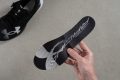
- TPE insole for added responsiveness
Cons
- Heavier than most rivals
- Midsole lacks top-tier energy return
- Outsole durability is a major concern
Best Under Armour daily running shoes









What makes it the best?
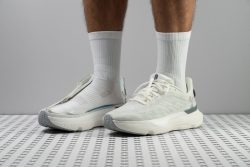
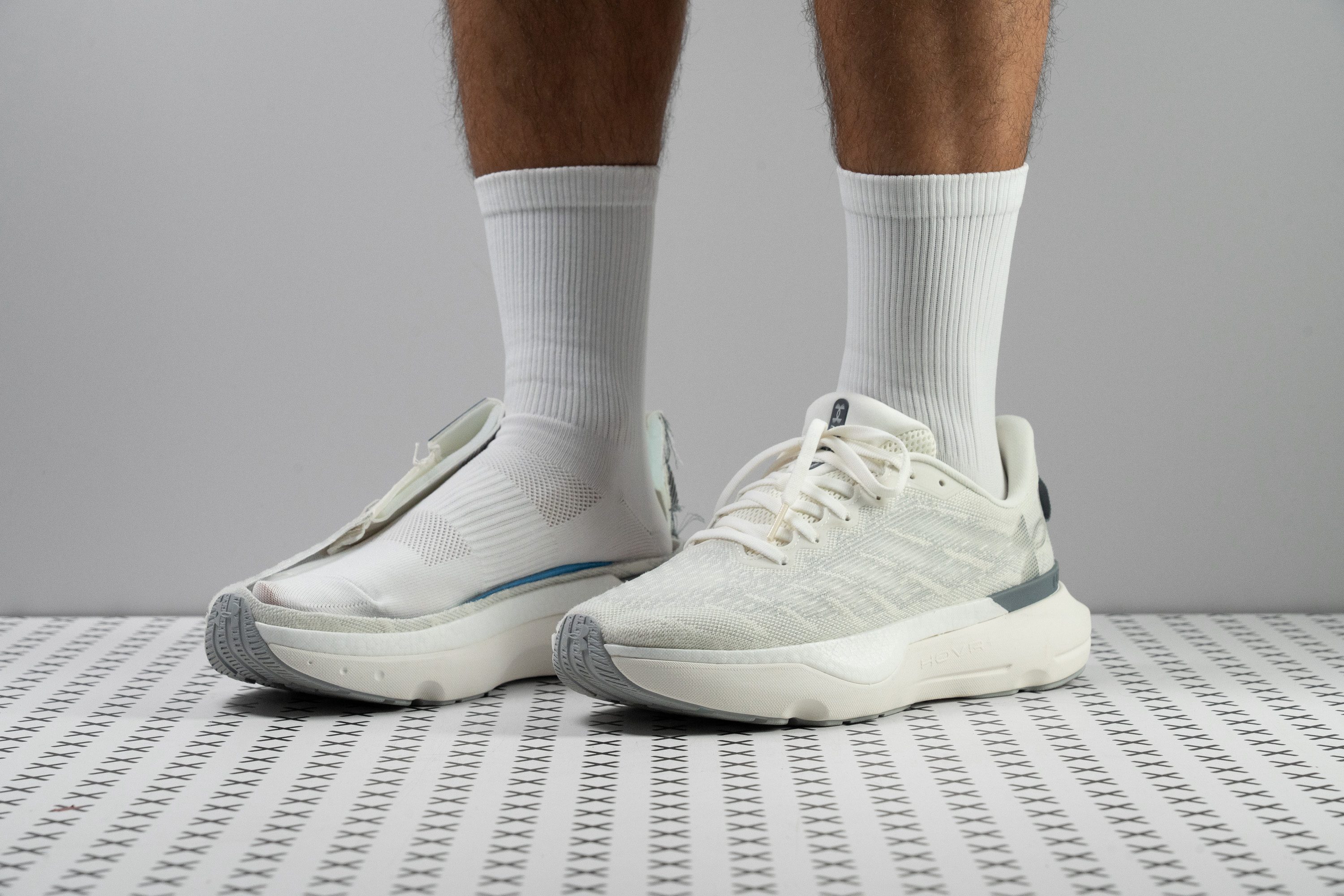
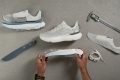
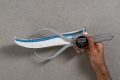
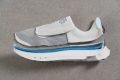
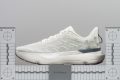
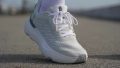
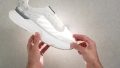
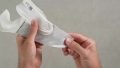
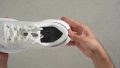
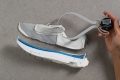
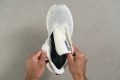
Among Under Armour running shoes, we found the Infinite Pro to be the best daily trainer. It’s comfortable for burning everyday mileage with its max-stack and strong ventilation, backed up by lab tests. Plus, we found it draws stability from its stiff build and broad heel.
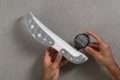
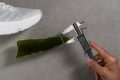
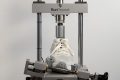
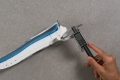
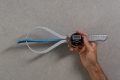
We measured the stack height of this trainer at 41.3/33.0 mm, comfortably exceeding the lab average. On foot, it’s hard to feel any ground feedback because the foam is so thick. Moreover, we recorded impressive shock absorption scores, especially at the forefoot with 116 SA.
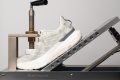
To offset potential imbalances from its height, Infinite Pro features a broad 97.8 mm heel. Moreover, it offers strong resistance to twisting, emerging 18% stiffer than average.
It features a plush knit upper without compromising ventilation. In our test, whatever smoke we pumped in could steadily escape, earning a solid 4/5 in breathability. This pair is not only ready for daily use but also all-year-round wear.
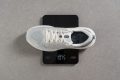
However, it felt heavy in terms of speed and weight. Its thick cushioning pulled its weight down to 10.8 oz (305g), making it 15% heavier than average. Since so many lightweight daily trainers are available, we recommend checking for alternatives if this feature is disappointing.
Pros
- Comfortable and breathable knit upper
- Maximalist stack height
- Stable platform for heel strikers
- Thick, padded tongue
- Durable outsole pods
- Competitive pricing
- Accurate 8-mm drop
- Solid traction
Cons
- Heavy weight
- Upper durability issues
- Less than expected shock absorption
- Stiff build
Best slip-on running shoes












What makes it the best?
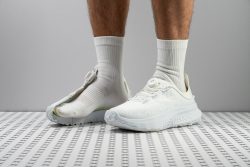
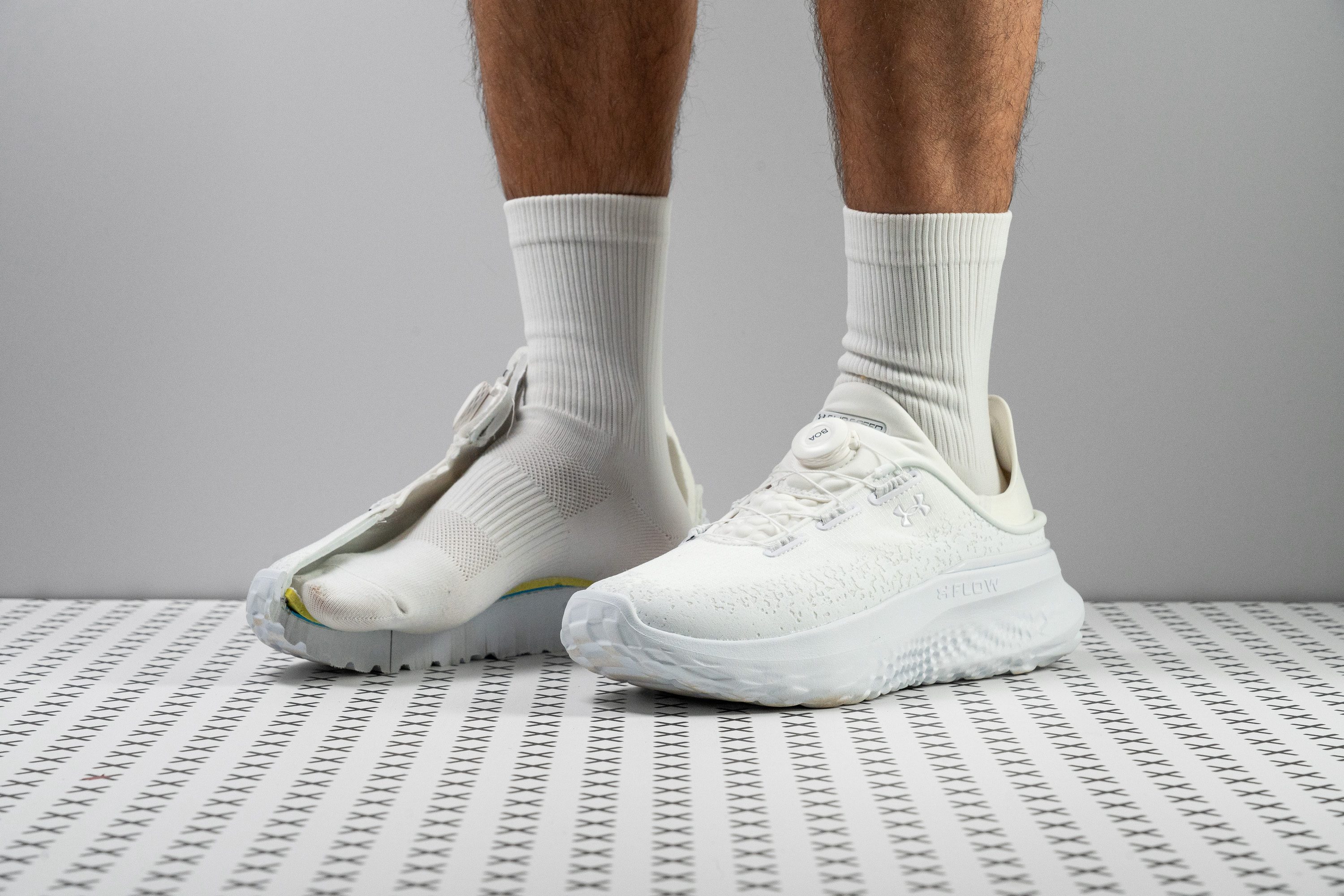
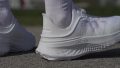
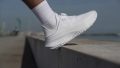
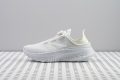
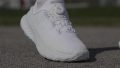
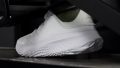
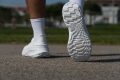
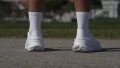
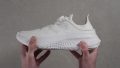
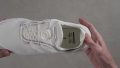
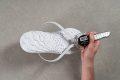
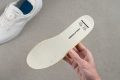
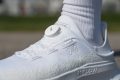
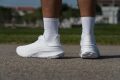
The Under Armour SlipSpeed Mega fits its name perfectly, with its quick and easy on and off wear because of its flexible and foldable heel, making it our best slip-on Under Armour running shoe in the lab. Its versatile design makes it suitable for activities beyond running. Plus, it’s impressively stable despite its thick platform.
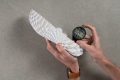
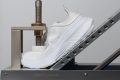
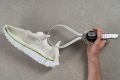
We pinched and folded the heel counter, and it followed immediately, earning the lowest 1/5 stiffness score. This collapsible design allows us to use it for casual wear and daily walks, too.
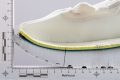
Underfoot, we measured a mega 40.7/28.8 mm cushion that lifted us off the ground. It offers enough impact protection, but also doesn’t erase surface feedback completely, which is a plus for some runners. Our shock absorption test shows near-average scores of 118 SA in the heel and 105 SA in the forefoot.
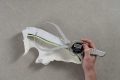
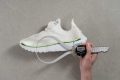
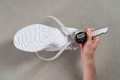
Given its height, SlipSpeed Mega counters instability with a broad base. Measuring 117.5/95.0 mm, we surely stayed within the confines of the shoe at all times.
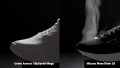
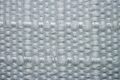
However, it has no ventilation at all, which caused us to overheat during warm weather. Runners who need airflow should find an alternative.
Pros
- Maximalist cushioning
- Convertible heel for dual-purpose wear
- Machine-washable for easy maintenance
- Lightning-fast BOA lacing system
- Fantastic toebox durability
- Ideal for cold weather
- Unique aesthetics
- Stable heel
- Fairly priced for having BOA
Cons
- Heavier than a brick
- Slippery on rainy days
- Outsole wears down fast
- Narrow toebox
Best budget Under Armour running shoes



What makes it the best?
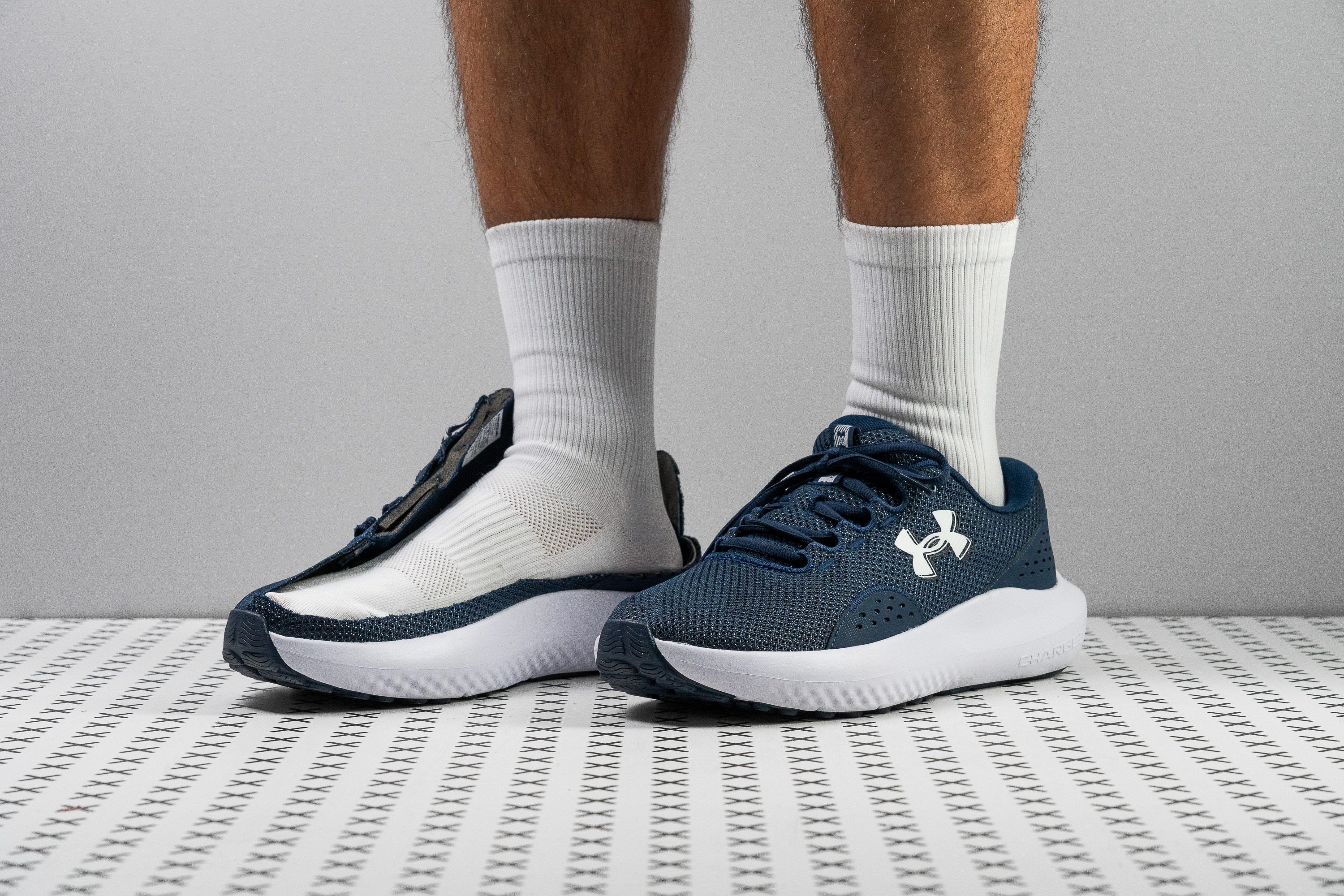
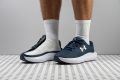
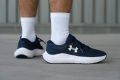
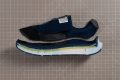
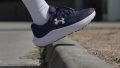
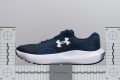
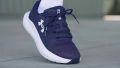
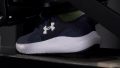
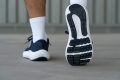
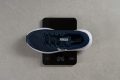
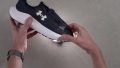
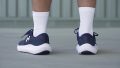
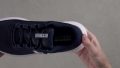
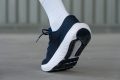
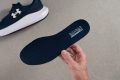
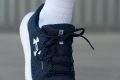
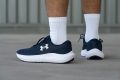
Our runs indicate that the Under Armour Surge 4 is a well-balanced shoe, limiting lateral movement while allowing fluidity for forward movement. It has several elements that cradle our feet in place, supported by a surprisingly durable outsole for its $65 price. Staying far under the $100 range, it’s our best budget Under Armour running shoe.
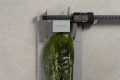
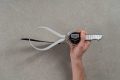
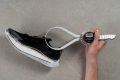
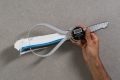
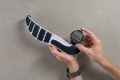
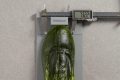
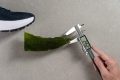
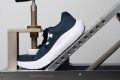
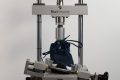
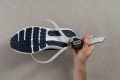
The lateral TPU heel inserts and broad platform offer a steady presence in our wear tests, keeping us centered within the shoe. They generate twist resistance, which we proved with a 4/5 torsional rigidity score in our assessment. Our caliper also verifies a wide 116.3/94.8 mm base.
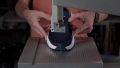
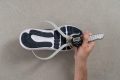
Thankfully, the shoe still has a lot of give for bending our feet. In our flex test, it emerged at par with average, enhancing comfort for easy days.
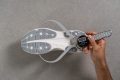
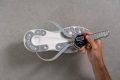
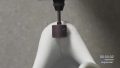
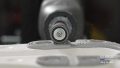
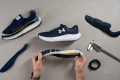
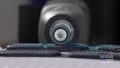
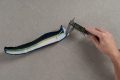
We tested the outsole immediately after minimal signs of use in our runs. Our Dremel shaved off only 0.9 mm of rubber, 18% less than the average. Being extra thick at 4.5 mm, we have a solid layer of protection underfoot, since the outsole won’t easily get punctured.
Sadly, while the outsole can take long mileage, our muscles can’t because of the shoe’s limited shock absorption. Those looking for a highly cushioned feel should go for another trainer.
Pros
- Good traction
- Very affordable price
- Stable and secure ride
- Ideal for heel strikers
- Comfortable heel and tongue
- Suitable for daily wear
- Pressure-free lacing system
- Durable outsole
Cons
- Very low energy return
- Weak shock absorption
- Not for serious running
- Firm feel underfoot
Under Armour’s ride has been a wild one, and it still is not clear what they are going for and whether they will focus on running more. Or flag football? Or apparel and not footwear? Here, we’ll answer the “Are Under Armour shoes good for running?” question. Regarding other questions, we’ll wait and see. And we will keep testing the shoes.
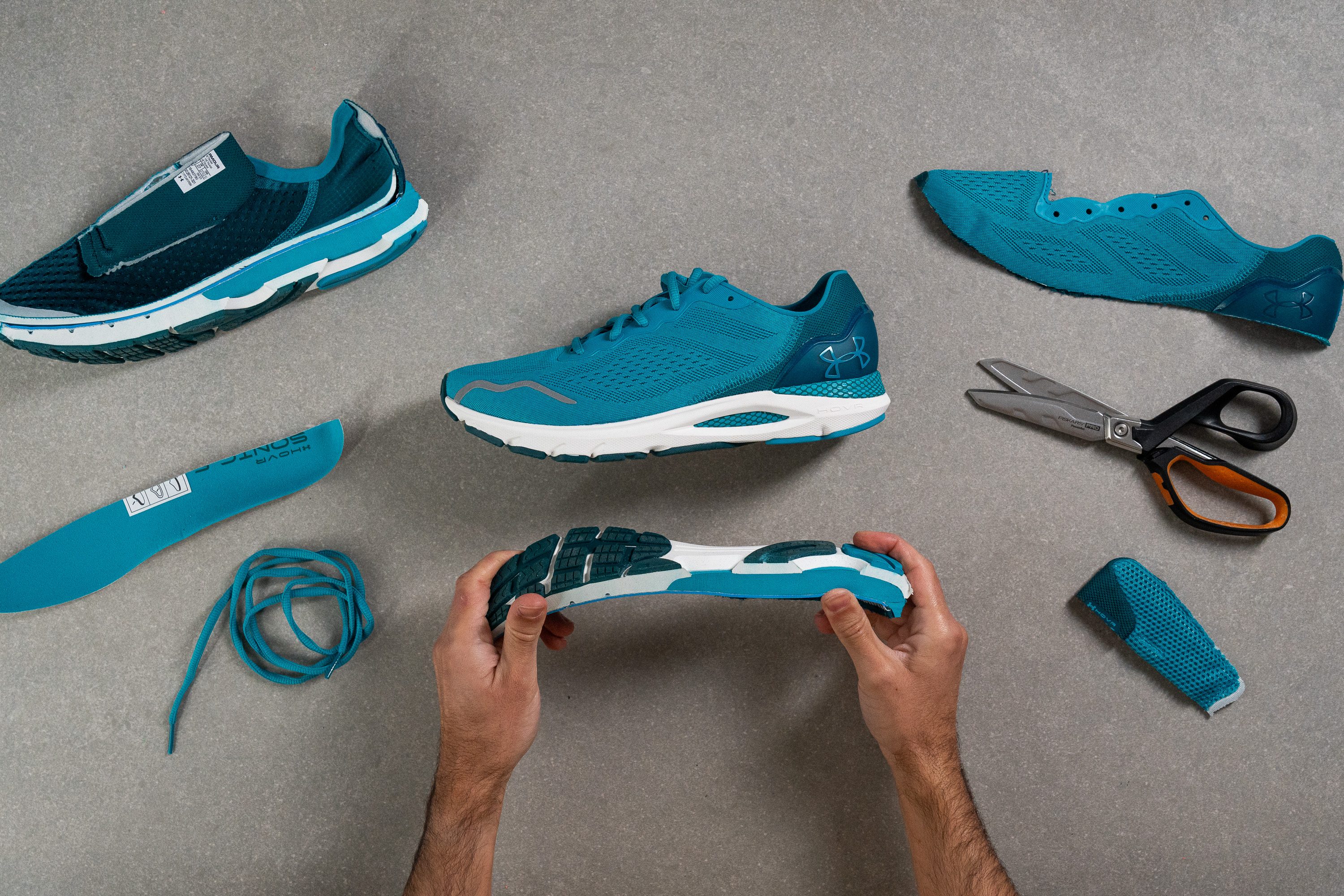
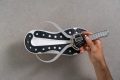
Proper lab testing means that we get to cut the shoes in half, detach the upper, and tear the shoes into smaller pieces, so that every bit gets inspected and tested.
How to nail the fit of UA running shoes
If you often struggle with the fit of running shoes, this is THE place to cover it all and make sure the shoe fits well. If, on the other hand, you don’t face such issues and you’re just wondering which size to get, we recommend heading over to the Under Armour size chart to convert sizes from different brands to Under Armour or to simply nail the size based on your foot length.
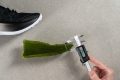
How we go about this is rather simple, looking at it now, but it took us quite some time to get here! We use a special gel formula that is poured into the shoes as a liquid. Then, we put the shoes into the freezer and wait for the gel to solidify. We end up with a perfect cast of the shoe’s interiors.
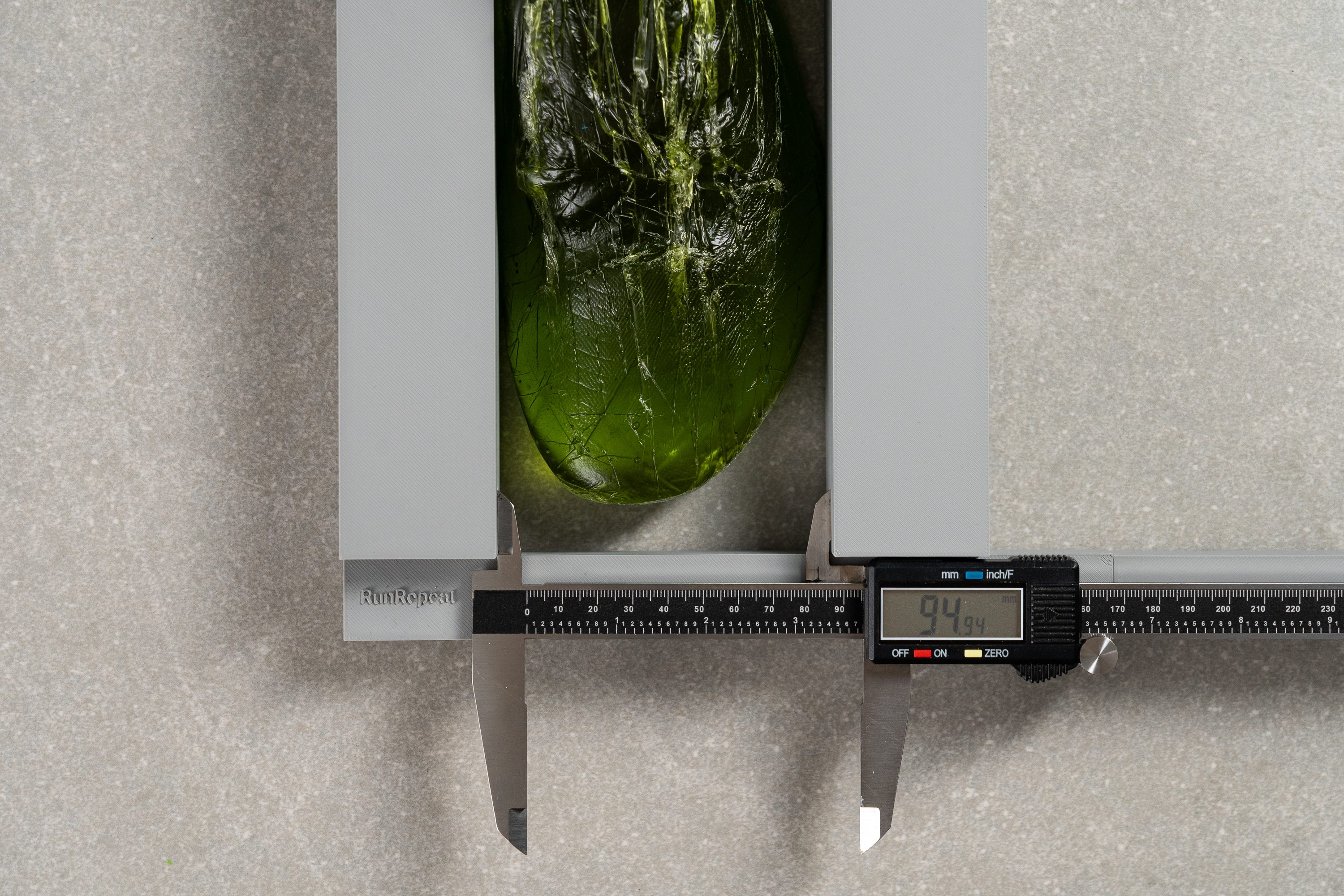
This measurement is super useful to runners who have narrower or wider feet; they can immediately tell whether they will slide within the shoe or whether it will be too tight.
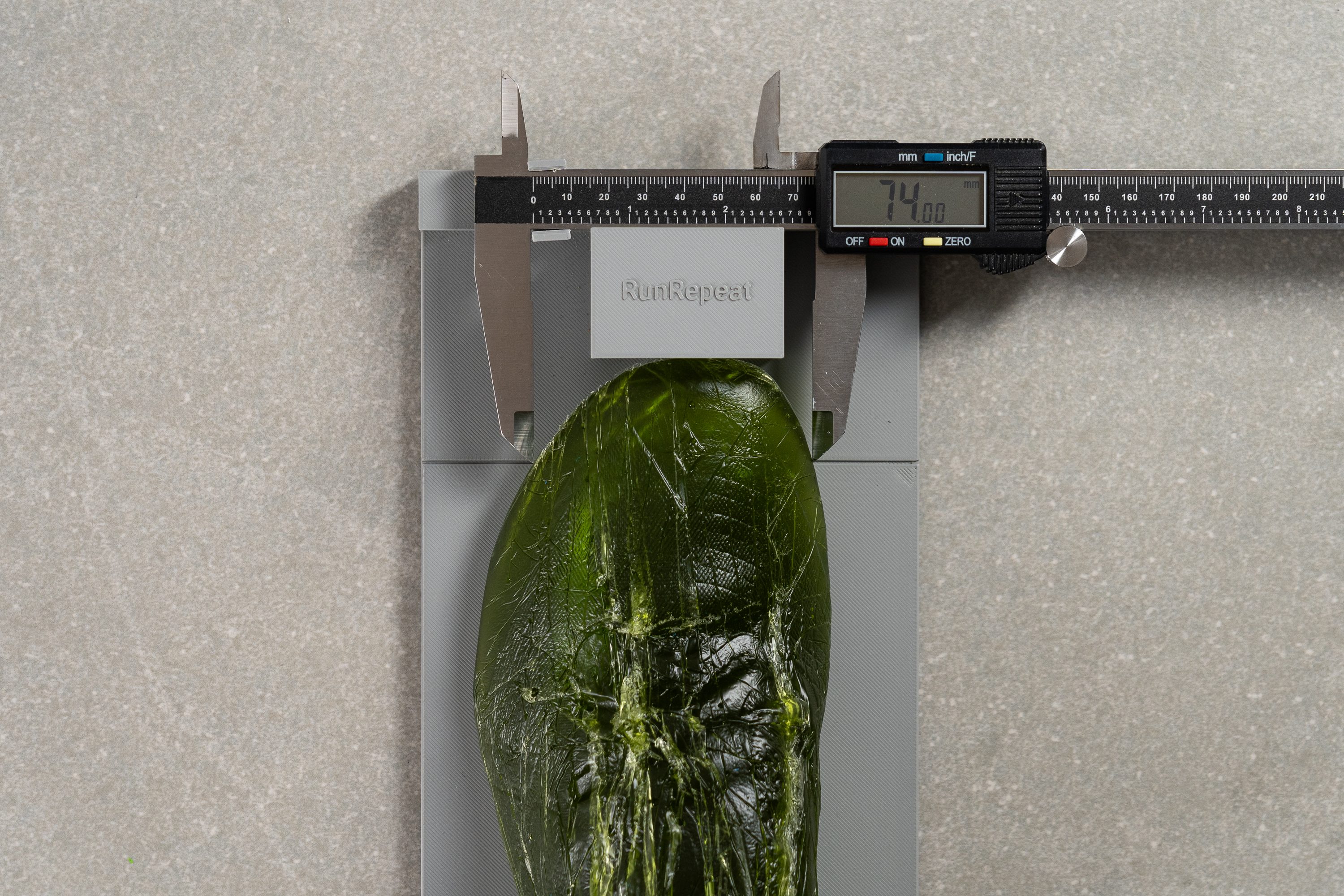
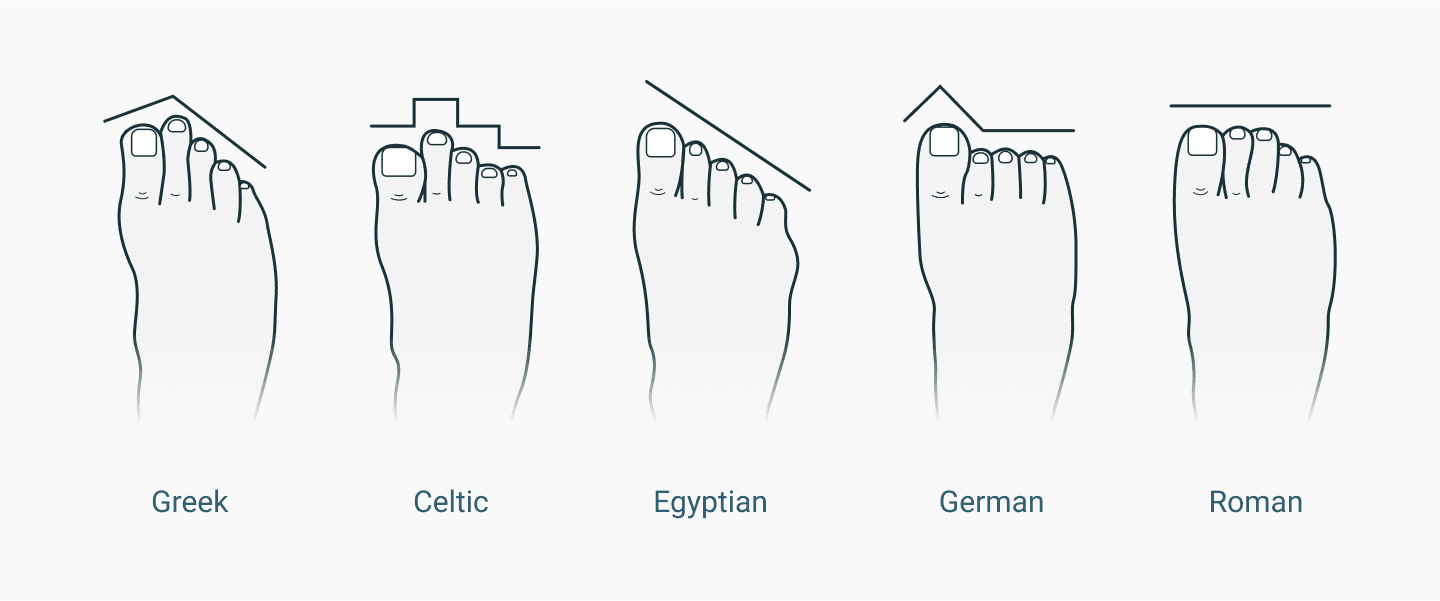
How much room you need in the toebox depends on the shape of your feet and, specifically, toes. This is what runners with a wide forefoot and runners who love to splay their fingers focus on the most. They must, because otherwise their toes get cramped, which may lead to rubbing, blisters, bleeding nails, bunions, and certainly pain.
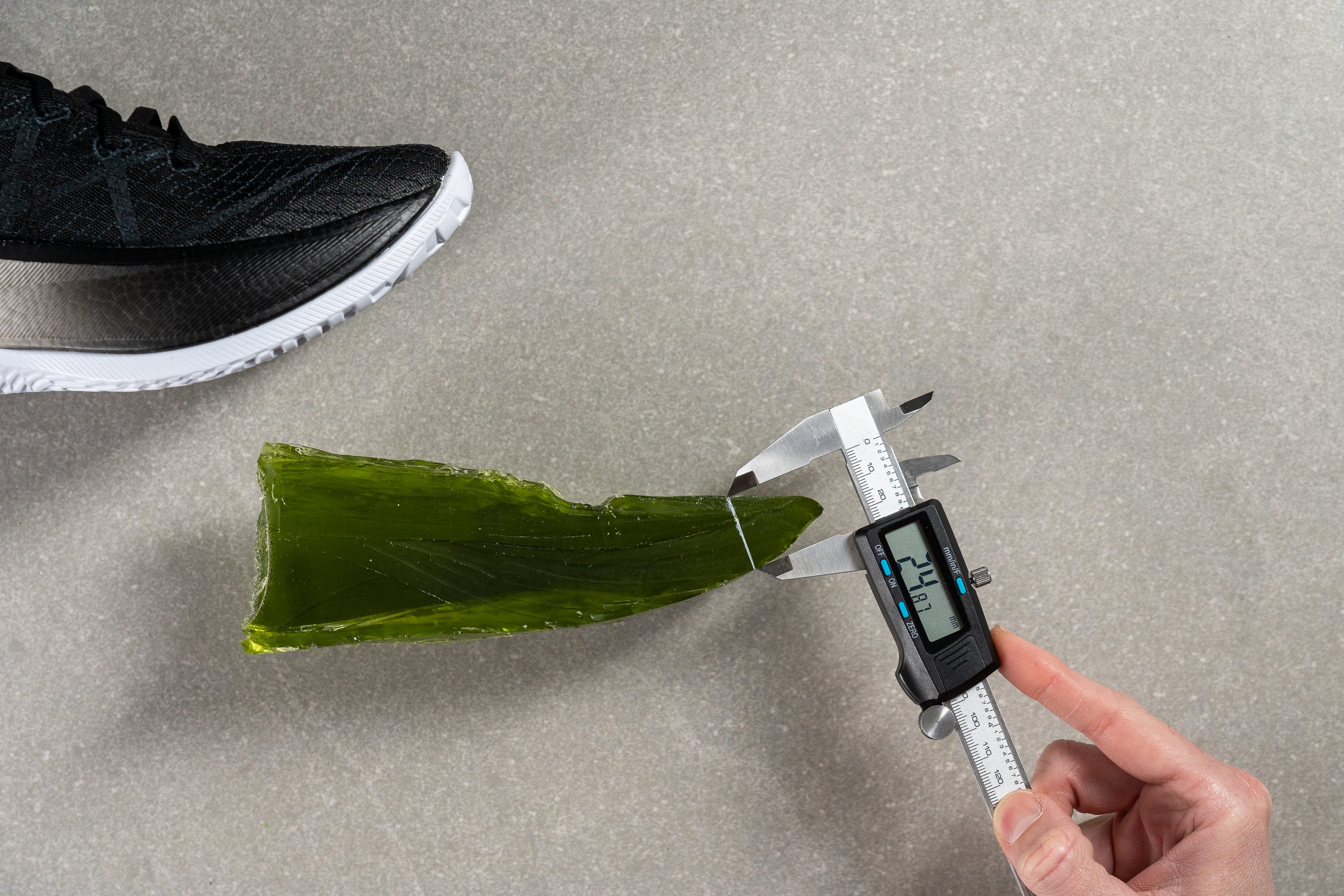
While the toebox ceiling may rest on the toes (lightly touching), especially if the upper is made of a soft material, this is an issue for runners with high-volume feet and big toes pointing up. We’re not talking about light touching anymore, but pressure that hurts and often ends up in black toenails and ruptured uppers (big toe wins its freedom).
The vertical space is even more important if the upper is made of stiff and harsh material, and not, say, knit, which is soft and pliable.
Energy return and shock absorption: lab data
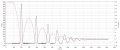
Brands may promote their new technologies but we’re here to test them. When it comes to cushioning, we can discuss many things, but here we’ll focus on 2 features: energy return, which tells us how responsive the shoe is, and shock absorption, which tells us how protective the midsole is (how good it is at dampening the impact at each landing).
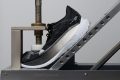
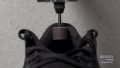
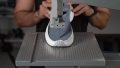
For this test, we cut away the upper, mark the testing spots on the insole (at 12% and 75% of the inner shoe length), lock the shoe in place, and drop an 8kg ball from 50mm height. As a result, we get energy return in % and shock absorption in SA. The higher the numbers, the better!
If this is your first time reading about energy return and shock absorption, look for energy return at the forefoot above 55% (which is moderate) if you’re focusing on slower runs (jogging) and above 65% if you want to experience very lively rides in race shoes.
For shock absorption, we recommend a minimum of 110 SA, which is considered moderate, and above 130 SA if you want something superb!
UA HOVR technology in the lab
Under Armour promotes it like this: “UA HOVR™ cushioning is all about returning energy—the springy feeling that powers you through your longest runs, your toughest workouts, your best plays.” So, let’s check it out!
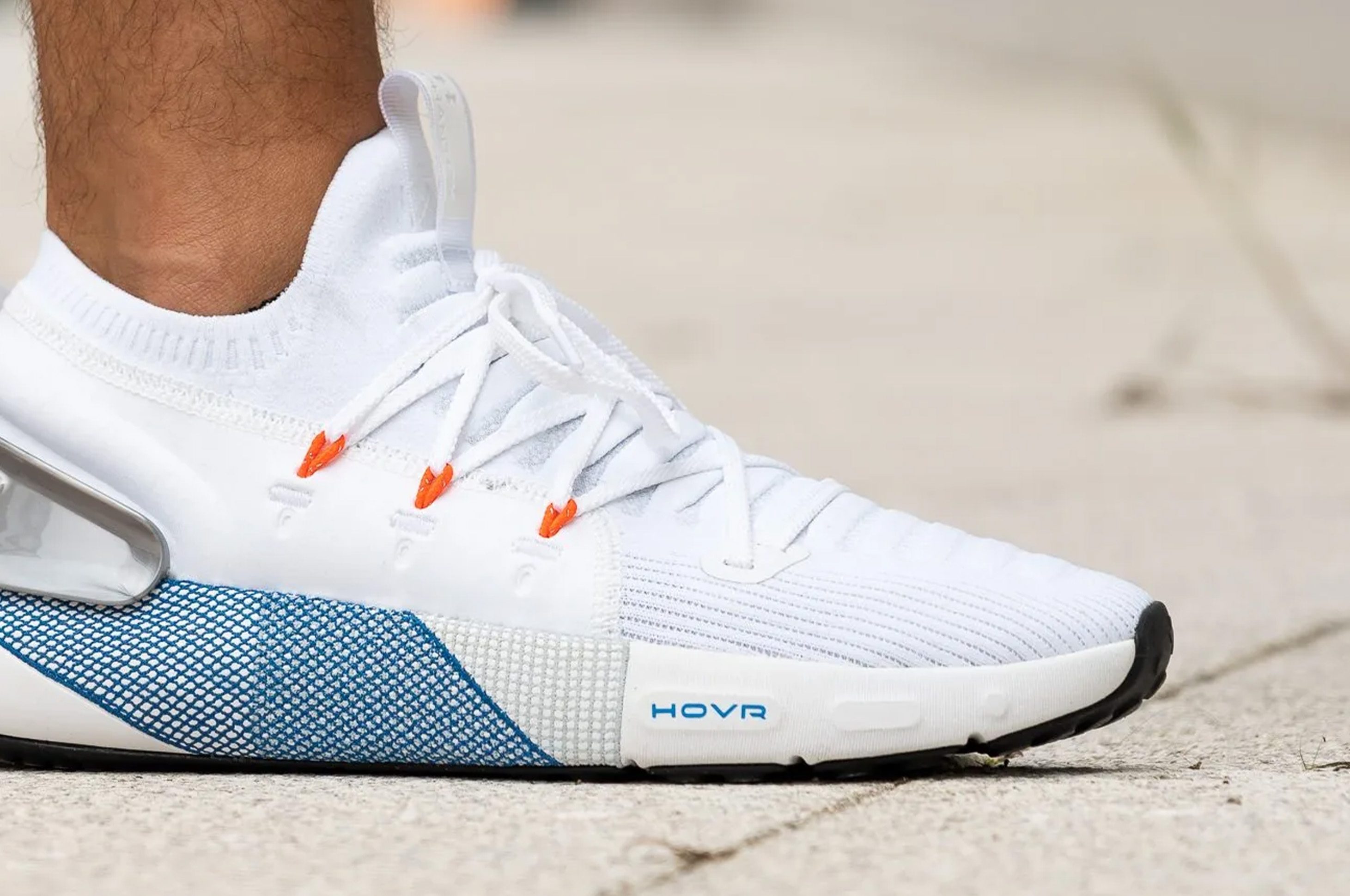
We have to highlight the difference between the HOVR and HOVR+. HOVR being the standard foam and offering a firm and non-bouncy ride. On the other hand, HOVR+ sounds similar, but it is a significantly different foam (TPU) with a higher energy return (and weight, unfortunately).
Sure, we haven’t tested many shoes but from what we can see here, the ride is not that springy. Moderate energy return falls between 55 and 65%, and shoes with high energy return (very springy ride) score higher than 65% on the energy return test.
UA Charged Cushioning® tested in RunRepeat lab
Again, let’s see if the brand’s promise of “Charged+ midsole cushioning provides unmatched softness & all-day comfort” stands here. So far, we've tested only Assert 10 for shock absorption (which we highly correlate with all-day comfort) and it scored 103.9 SA at the heel. This falls under low shock absorption, as we'd recommend at least 110 SA (which is moderate shock absorption).
While we’re here, we can add energy return as well. These features are called leg-saving features; when both score well on the tests, they bring long-term comfort and prevent premature leg and foot fatigue. Assert 10 scored only 38.5% on the energy return test, which is very low (we recommend at least 55%). Of course, it's a daily trainer, so the energy return does not have to be insane. Keep in mind that very responsive shoes score above 65%.
Durability of Under Armour running shoes
Durability of running shoes has to be discussed because it often helps answer “is this shoe worth the money”? In the lab, we test the durability of 3 sections: the toebox, the heel padding, and the outsole.
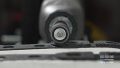
In all 3 cases, we use a Dremel and the tests are standardized, which means all shoes are treated the same: same time duration, same force, and same RPMs. When it comes to the toebox and the heel padding, we assign a 1-5 durability rating to each Under Armour shoe, based on how big and deep the dent is.
When it comes to the durability of the outsole, we also use a Dremel, but we don’t have to assess the damage!
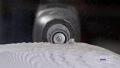
Because the outsole is made of a hard material, we use a tire tread gauge to measure the depth of the dent with a 0.1 mm precision. The deeper the dent, the less durable the outsole. The outsole in the video above ended up with a 1.0mm-deep hole.
Under Armour Flow is NOT durable
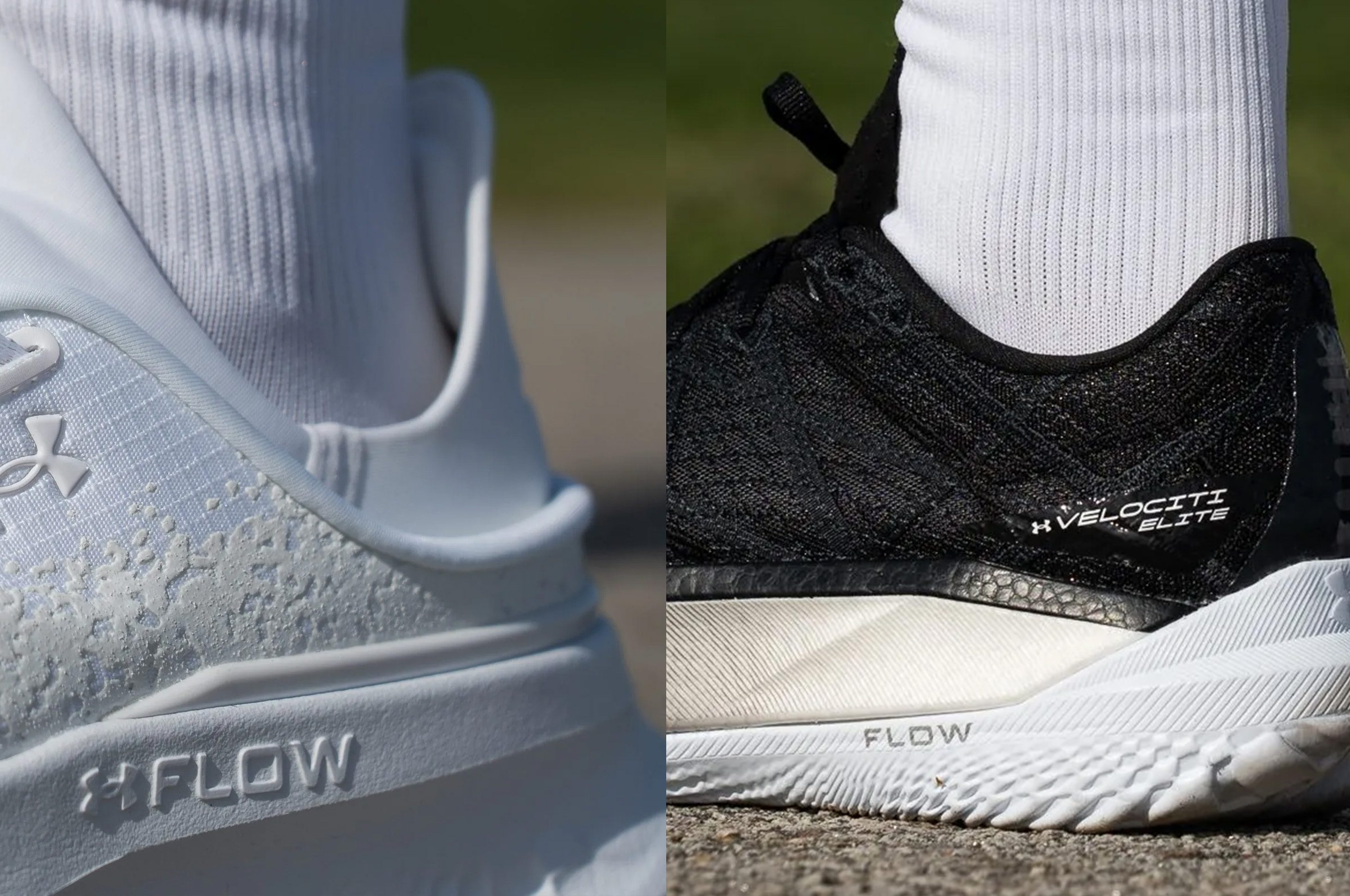
Under Armour Flow (which we wrote about in the guide on foams) is cushioning and sole in one. EVA foam for the midsole and rubberized EVA for the bottom (we want to say outsole but is it really an outsole?).
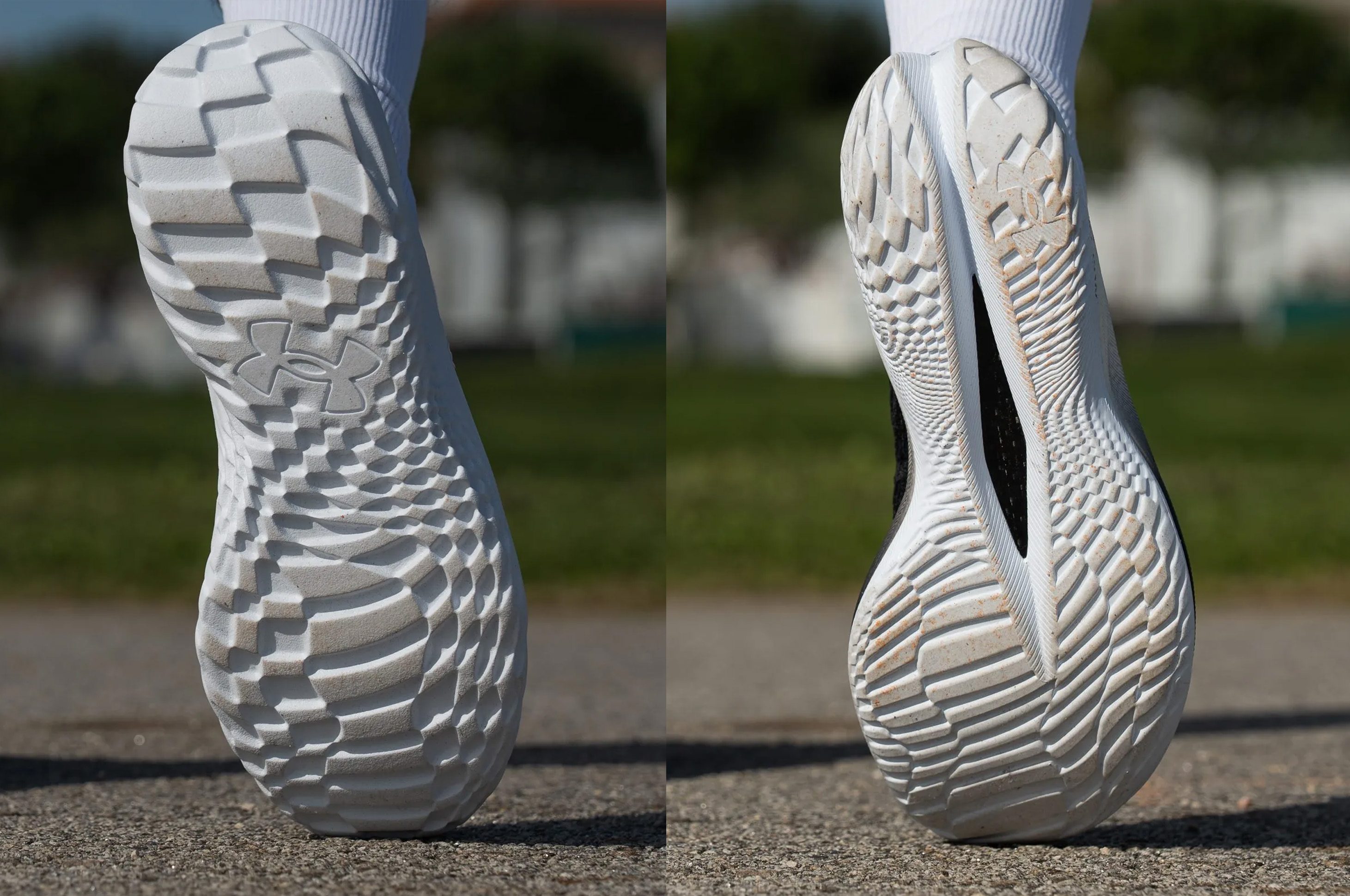
We would never expect these to excel in durability and this is a hypothesis worth testing.
As we can see in the video, the Dremel bit through the "outsole", creating a 7.0 mm hole. The average for all running shoes? 1.1 mm!
Under Armour running shoes with the best traction
Testing the traction, like any other test, has to be standardized. In this case, we follow the SATRA TM144 methodology.
The shoes are tested on wet concrete, which is the so-called testing in critical conditions and what we care about: how do shoes perform in wet conditions? The result of this test is a dynamic coefficient of friction, CoF. The higher it is, the better. Specifically, we recommend using running shoes with a CoF of at least 0.25 to be on the safer side, and with a CoF of at least 0.45 if you plan to run in wet weather often. This coefficient of friction higher than 0.45 is a must if the surfaces are wet and slick (think tiles, cobblestone, etc).
UA Flow outsole traction
We know that the Flow technology, which combines midsoles and soles, is not durable (when tested for outsole durability), but we can also look at the traction.
The scores are, as we can see in the table above, moderate (safe for dry surfaces, may slip on wet) and high (safe for wet weather).
How breathable are Under Armour running shoes?
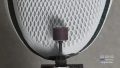
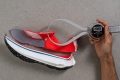
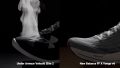
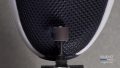
Runners with sweaty feet often check the breathability of the shoe first before making a purchase. Fortunately, they don’t have to browse for online reviews and wonder which climates other ran in or which socks they used (how thick, what was the material, etc.). We have an objective test which bases on us filling the shoes with smoke and assessing the amount of the smoke that comes out: where it passes through the upper and at what pace.
Based on this, we assign each running shoe a breathability score on a 1-5 scale, where 1/5 means the upper traps the heat and is winter-friendly, while 5/5 means the shoe is perfect for summer, as breezy as it gets! Everything in between, well, you can regulate the thickness and the material of the socks to make the shoes work (most likely).

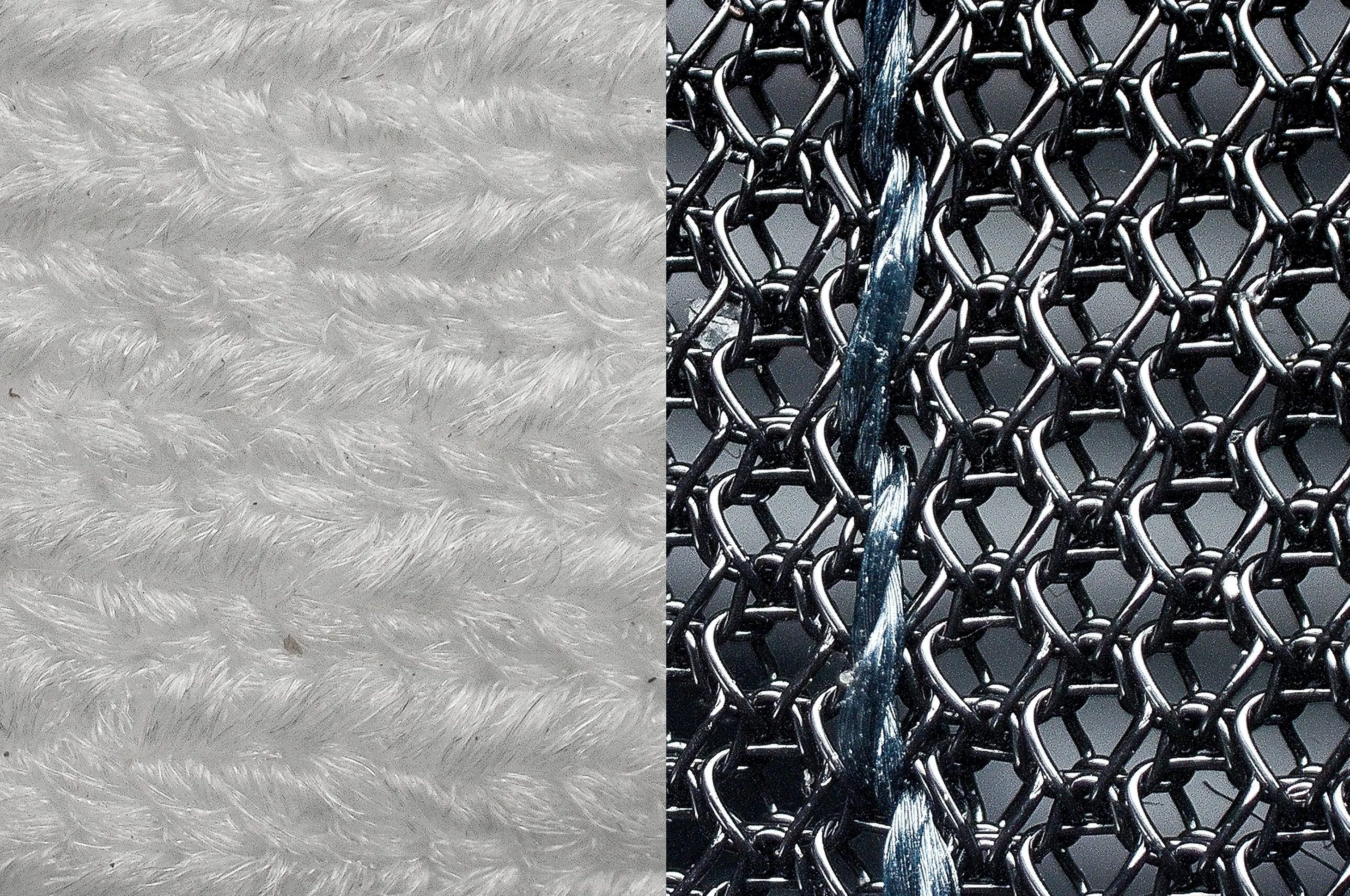
Then, we also look at the upper under the microscope and against the flashlight. From noticing extra layers and weird stitchings, to understanding how the threads are intertwined and whether the ventilation holes are real, we’re able to really dig deep and better understand why certain shoes breathe more or less.
Similar buying guides