7 Best Waterproof Hiking Shoes in 2026
We buy shoes ourselves. We earn commissions when you buy through us, at no extra cost. Why trust us
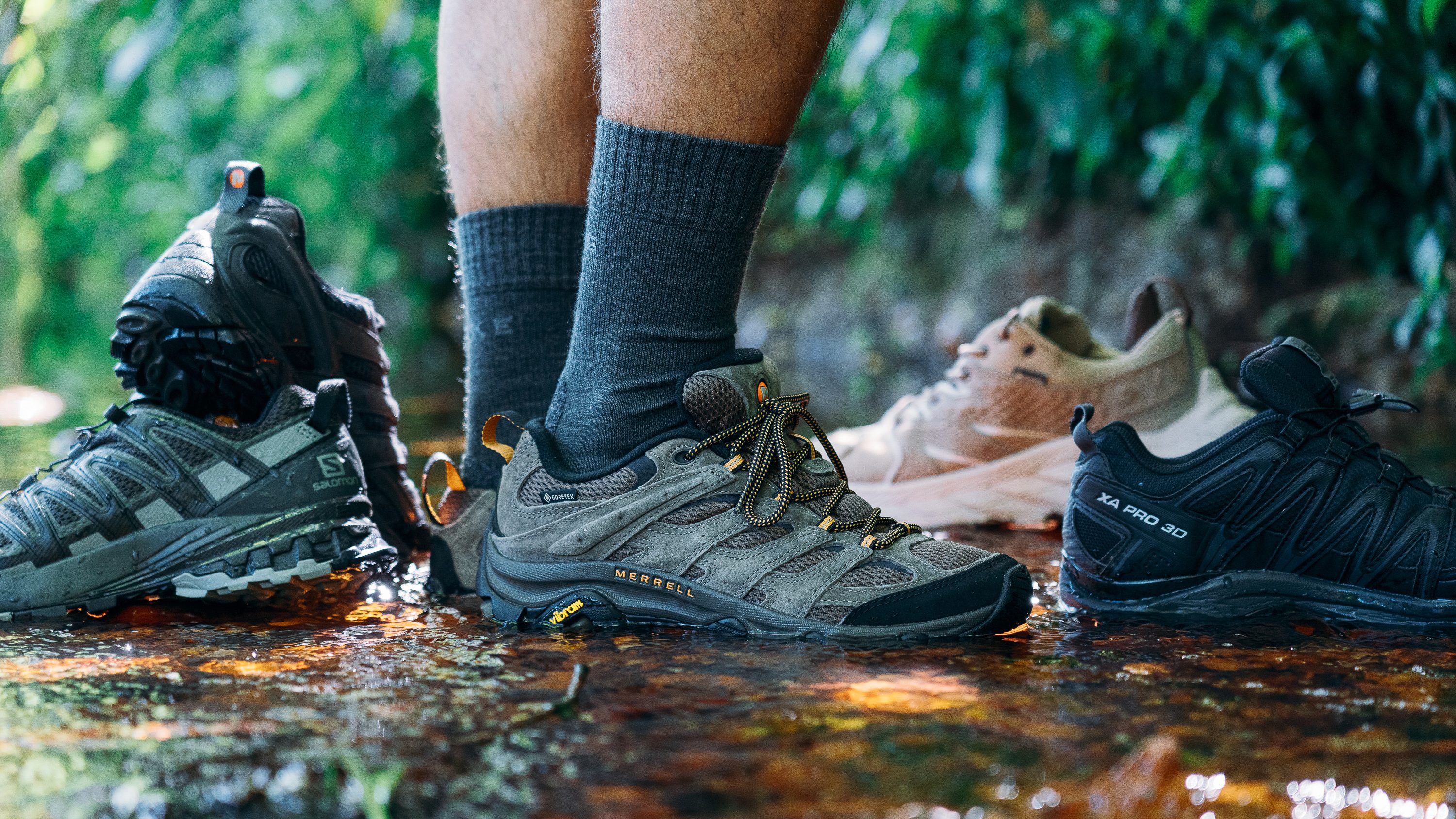
Some hikes are ruined by even light rain or morning dew. Not to mention rain showers. Your feet get soaked, and cold, and even blisters appear. That’s where waterproof hiking shoes enter the scene.
To help you get the best shoe on the market, we have personally tested waterproof hiking shoes in harsh conditions on the trails and in our lab. Are you buying one for backpacking, speed hiking, or some moderate day hikes? We’ve got a top pick for various categories.
And if you want to learn more about the levels of waterproofing or why Gore-Tex is so popular, check out our guide.

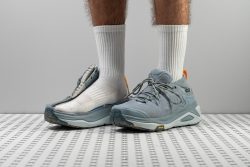
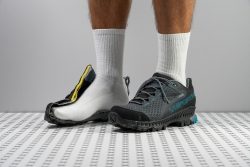
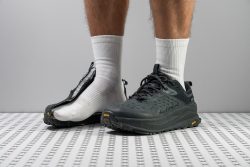
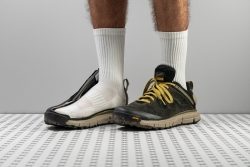
How we test waterproof hiking shoes
What we initially do is buy all the hiking shoes we are going to test. We get our funds from our own wallets, without accepting any donations from anyone. This way, we stay objective and unbiased.
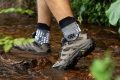
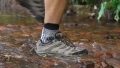
The next thing we do is wear testing. We go hiking and cover various trails and streams to fully test the shoes' capacity in different aspects, such as grip, water tightness, durability, and more.
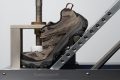
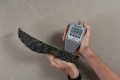
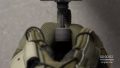
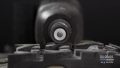
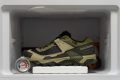
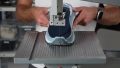
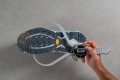
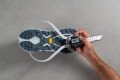
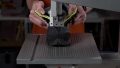
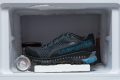
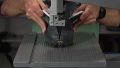
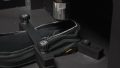
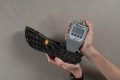
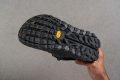
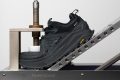
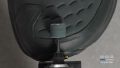
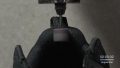
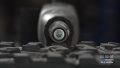
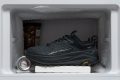
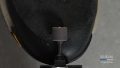
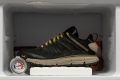
Before cutting the shoes in half in the lab, we perform the traction test. It's done following SATRA TM144 methodology, which means we're doing the test in so-called wet conditions (the surface is wet). Given that we are reviewing waterproof hiking shoes, this is straight up our alley. We also perform the breathability test by putting a hiking shoe in a climate-controlled chamber for 3 hours. We simulate sweating to understand how breathable the shoes are and whether the brands are wrong again when they promote breathability.
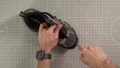
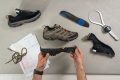
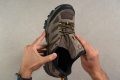
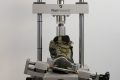
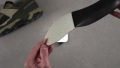
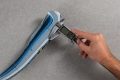
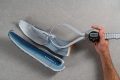
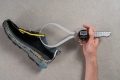
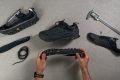
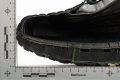
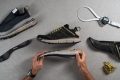
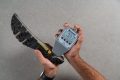
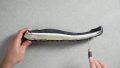
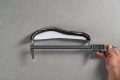
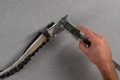
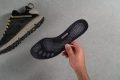
Then we cut the shoes in half and look at the waterproof membrane, other upper materials, extra reinforcements, rubber overlays, and summarize that into a published review, combining everything that was discovered in the lab, but also felt on the hikes.
Best waterproof hiking shoes overall

What makes it the best?
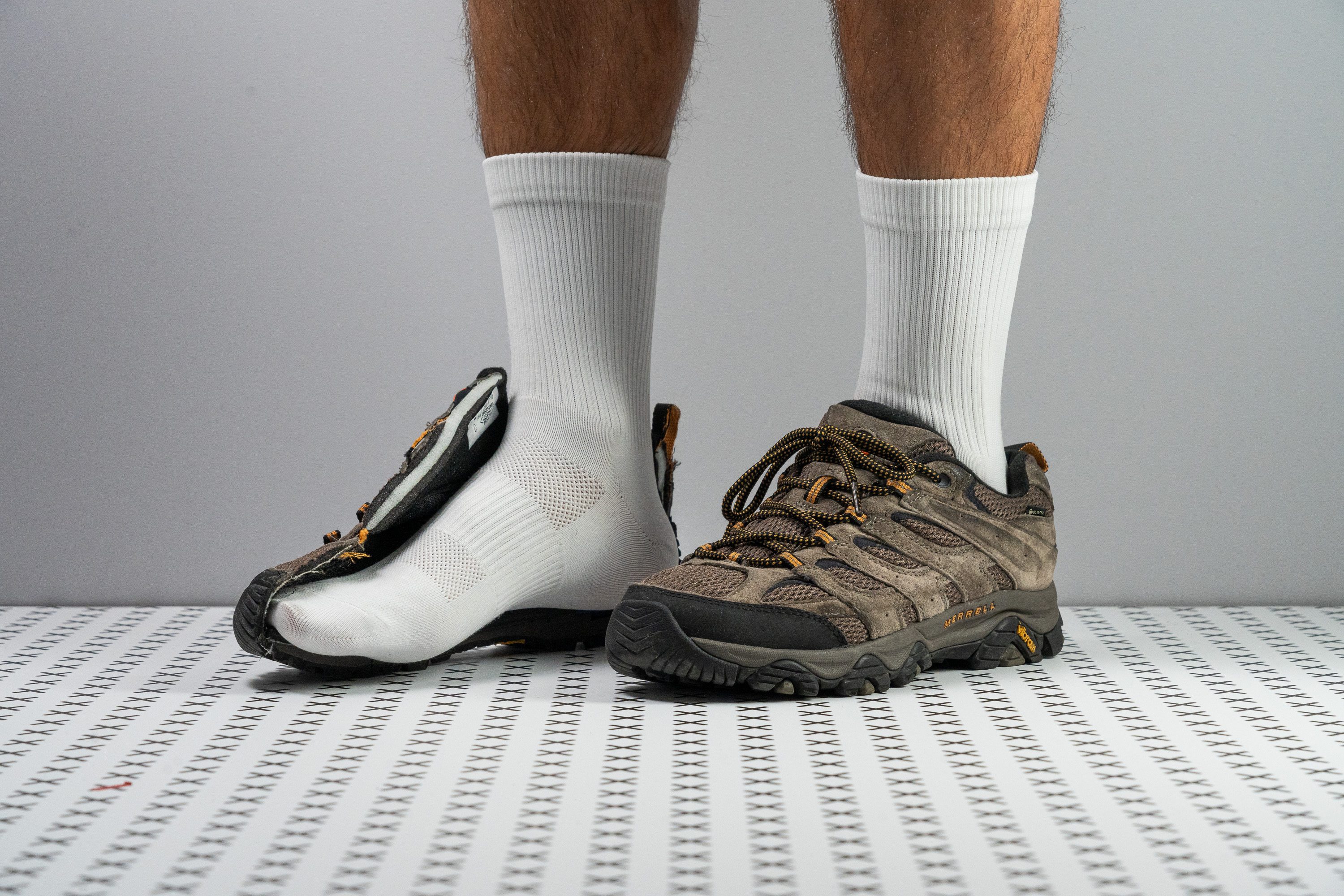
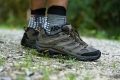
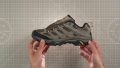
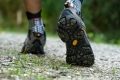
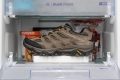
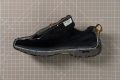
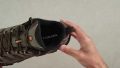
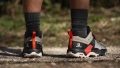
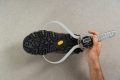
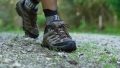
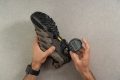
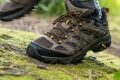
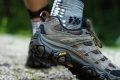
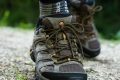
A very padded and gusseted tongue, flexible midsole, and overall waterproofness and protectiveness are packed in a day-one comfort hiking shoe called Merrell Moab 3 GTX. Add its Gore-Tex upper and Vibram outsole to the equation, and it’s the best waterproof hiking shoe out there.
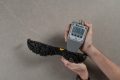
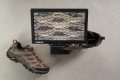
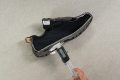
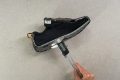
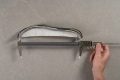
Although it has a Gore-Tex membrane, the Moab 3 GTX is not stiff. In the lab, we performed a flexibility test, and it only needed 15.2N to reach 30 degrees. Hiking shoes, on average, need a force of 18.3N, making it 16.9% more flexible! This adaptability improves comfort because it allows for more natural foot movement.
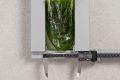
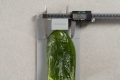
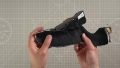
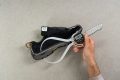
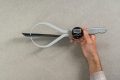
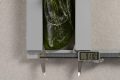
Let's not forget about the padding on the fully gusseted tongue. It's remarkable at 14.6 mm thickness, making it 4.4 mm thicker than the average one. It's soft, and it allowed us to tighten the laces as much as we needed without even a trace of a lace bite! Together with the Gore-Tex membrane in the upper, the shoe prevents air circulation, resulting in a 1/5 breathability score.
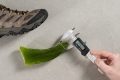
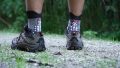
Hiking when it's raining proved to be a good exercise because we could focus on our training and form rather than worry about slips and ankle turns. The lugs on the Vibram rubber are 4.8 mm deep, and their bite is as versatile as it gets.
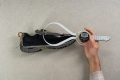
We can't have it all. That's why we don't recommend the Moab 3 GTX to hikers who prefer lightweight hiking shoes. Weighing 15.9 oz (452g), it falls on the heavier side because it is significantly heavier than the average 13.4 oz (380g) hiking shoe.
Pros
- Superb day-one comfort
- Brilliant surface adhesion
- Supportive like a work shoe
- Remarkably durable
- A-grade waterproofing
- Sheds mud quite well
- Protective toe box
- Incredible overall quality
Cons
- Heavy for a low-top
- Subpar breathability
- Its shoelaces unravel often
- Minimal shock absorption
Waterproof hiking shoes with the best shock absorption


What makes it the best?
No other waterproof hiking shoe can match the level of comfort we experienced in the adidas Terrex Freehiker 3 Low GTX, which is why we awarded it the best in shock absorption. Our in-depth lab analysis revealed deep, muscle-protecting cushioning, a broad base with dependable lugs for solid footing, and a watertight upper.
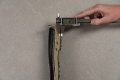
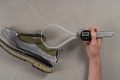
The shoe packs abundant cushioning into its midsole, shielding us from harsh impact and other ground elements. Our caliper reveals an above-average stack of 41.8/27.4 mm, delivering comfort for long miles regardless of footstrike and weight. Backing us up further is its high shock absorption score of 124 SA, and our feet definitely felt well taken care of.
The massive midsole and raised midsole topline deliver moderate support, and we never felt like losing our balance in the wide 119.1/91.2 mm platform.
Moreover, we measured the lugs that line the Continental outsole to be 3.7 mm, which proved their powerful grip as we crossed mixed terrains. In our traction test, the compound also impressed with its 0.83 rating, 20% above average.
The upper proved to be impermeable in our splash encounters as our feet remained safe and dry. However, we don’t recommend submerging this shoe since water can seep in through the low-cut collar.
Pros
- Abundant shock absorption
- Springy and responsive ride
- Excellent grip on wet surfaces
- Weighs much lighter than v2
- Great stability for moderate terrain
- Double-collar makes lockdown more secure
- Highly durable outsole
- True to size and medium width
Cons
- Feels disconnected form the trail
- Not for technical terrain
Best waterproof hiking shoes for technical terrain



What makes it the best?
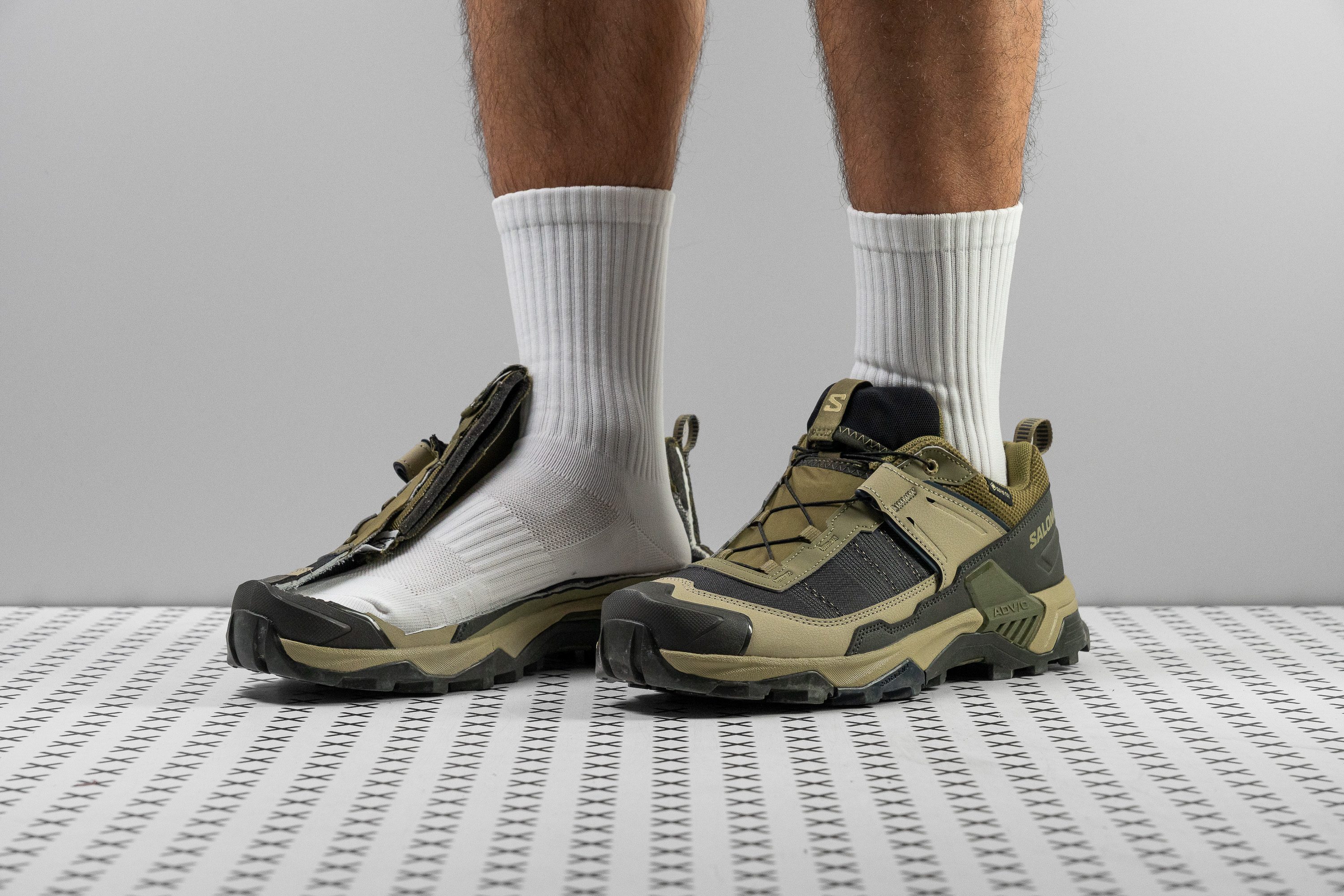
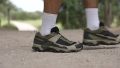
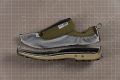
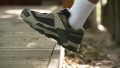
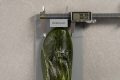
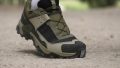
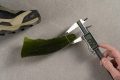
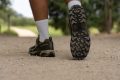
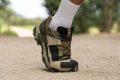
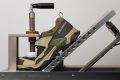
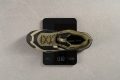
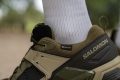
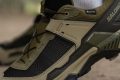
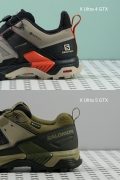
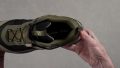
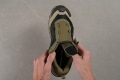
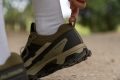
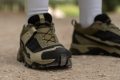
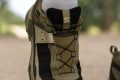
The Salomon X Ultra 5 GTX is a force to be reckoned with and is unafraid of even the most challenging conditions. It keeps us in close connection to the surface while effectively protecting us from unwanted debris, awkward foot placements, and slips. In the waterproof hiking shoes category, it’s the best for technical terrain.
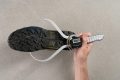
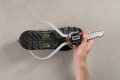
The ground-connected midsole offers stability and surface feedback, measuring below-average at 32.4/20.4 mm. Naturally, this enhances a well-planted sensation underfoot, along with its minimal shock absorption of 83 SA. This score means more awareness underfoot, which helps in navigating challenging trails. It also features the Advanced Chassis (ADV/C) in the midfoot, which prevents excessive lateral movements and ankle twists.
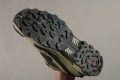
The outsole features All-Terrain Contagrip rubber, with deep 4.0 mm lugs that grasp wet rocks, loose scree, or even light mud. It does its job well, keeping us steady and confident as we explore even the tougher sections of the course. The outsole also serves as our shield underfoot, showing less damage than average in our abrasion test.
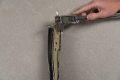
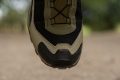
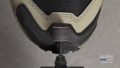
The shoe’s construction proved to be very protective, featuring a Gore-Tex membrane in the upper. It also has a toe bumper that resisted our Dremel well, earning a high 4/5 durability score.
However, the toebox has limited space. Hikers with wide feet will need to find a shoe with a more accommodating fit.
Pros
- Exceptionally stable for technical terrain
- Feels connected to the trail
- Excellent grip on mixed terrain
- Great balance of stability and agility
- Solid GTX waterproofing
- Reliable durability
- Secure lockdown
Cons
- Minimal cushioning
- Poor breathability
- Narrow fit
Best waterproof hiking shoes for backpacking







What makes it the best?
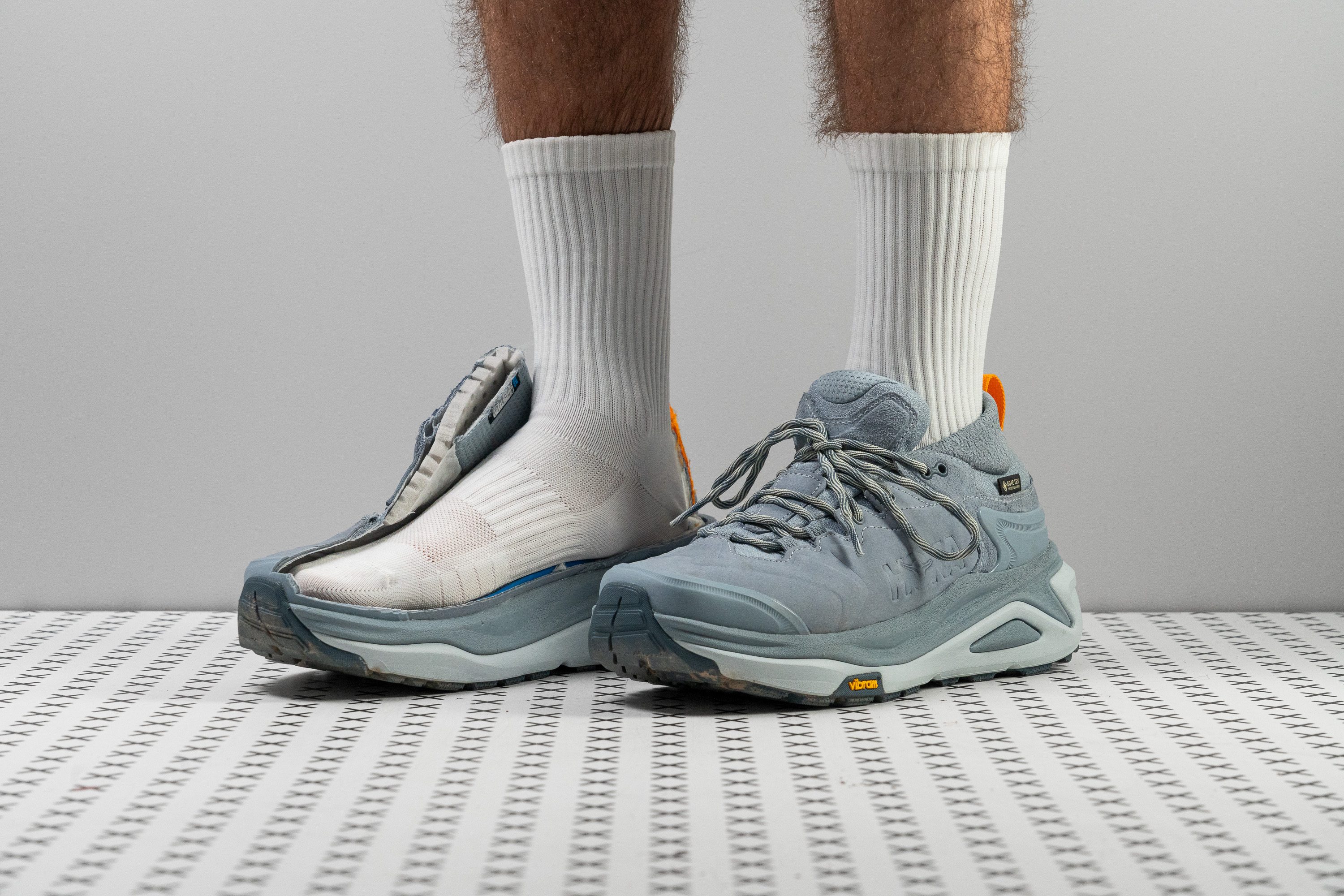
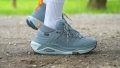
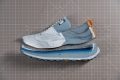
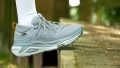
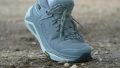
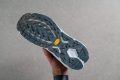
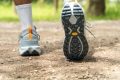
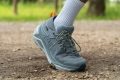
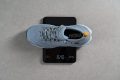
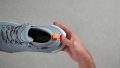
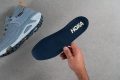
Among waterproof hiking shoes we rigorously tested in and out of the lab, the HOKA Kaha 3 Low GTX delivers protection, comfort, and stability like no other. It’s all about making us feel at home and preventing foot fatigue, making it our ultimate backpacking shoe in this category.
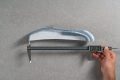
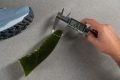
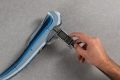
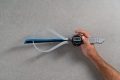
This pair is perfect for carrying heavy loads over long distances. Beneath our feet lies a monstrous 40.5/28.4 mm stack, bringing otherworldly comfort and impact protection. With its steep 12.1 mm offset, it shifts the load to our knees and hips, keeping our foot muscles and ankles protected.
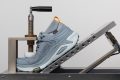
To offset any imbalances, the base is massive at 117.4/104.6 mm, ensuring we remain within the shoe at all times. It also showed 62% more resistance to twisting, effectively preventing any awkward foot placements.
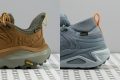
The Vibram Megagrip outsole also includes 3.7 mm multi-directional lugs that showcase a solid bite on grass, loose ground, mud, and wet rocks. We’re confident the outsole will last many hikes as it proved to be 33% sturdier than average in our Dremel test.
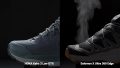
The nubuck upper is incredibly dense, preventing water and debris from getting in. It includes a Gore-Tex membrane, so it’s effectively airtight, shown by its 1/5 breathability score. However, as a low-top shoe, we recommend sticking to water levels below the ankle, as any water that seeps in won’t drain out.
Pros
- Great shock absorption for long hikes
- Massive buffer from the trail
- Boot-like stability for backpacking
- Heavenly comfortable step-in feel
- Amazing grip on wet, mixed and hilly terrain
- New form-fitting collar design
- Premium-level durability
Cons
- Much heavier than average
- Too chunky and blocky for rocky trails
- Not breathable
Waterproof hiking shoes with the best stability


What makes it the best?
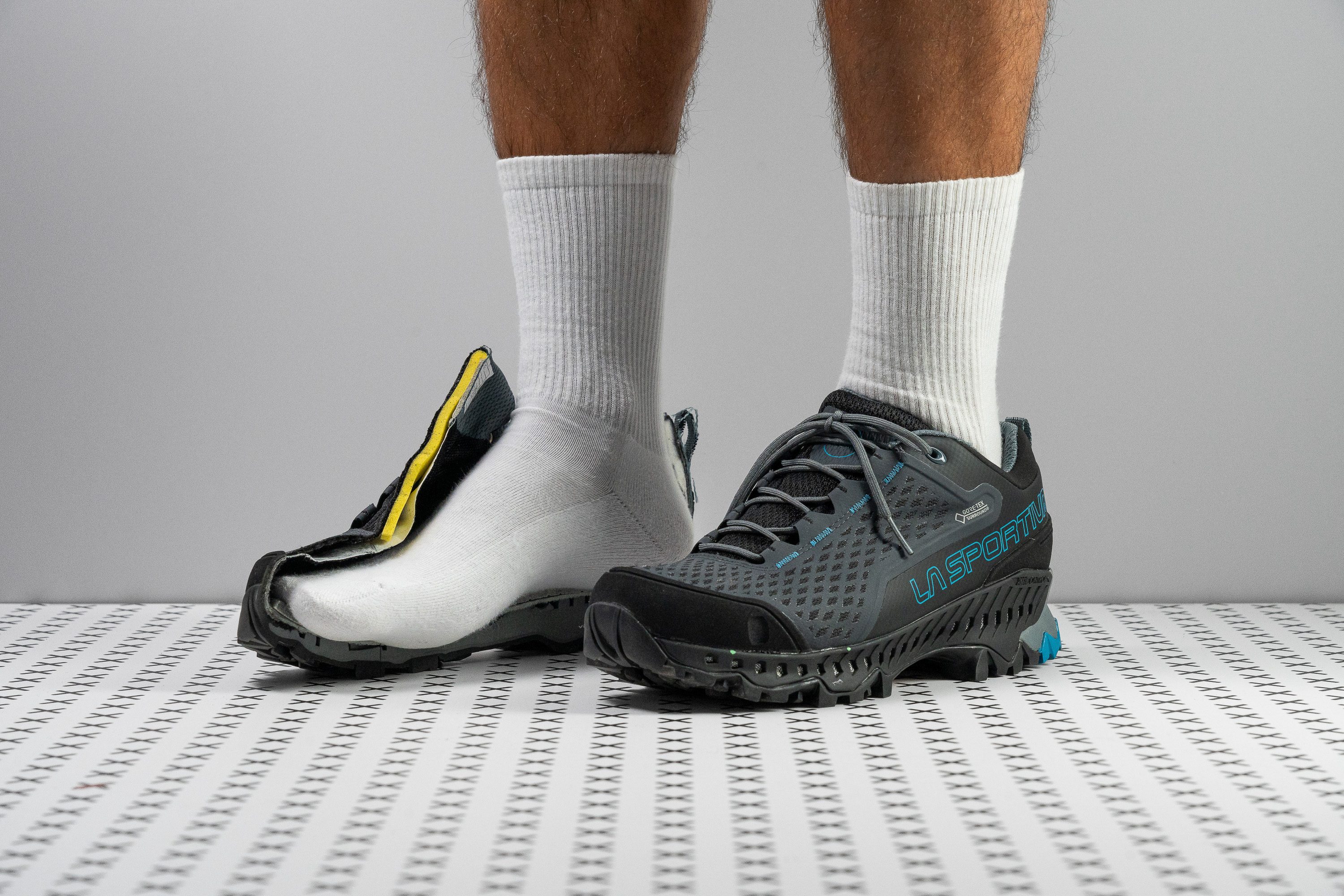
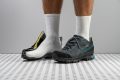
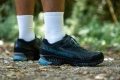
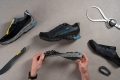
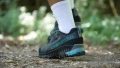
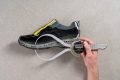
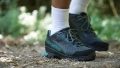
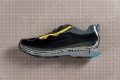
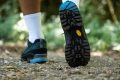
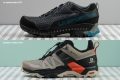
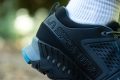
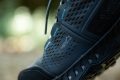
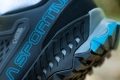
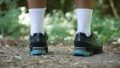
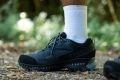
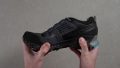
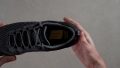
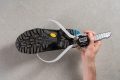
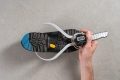
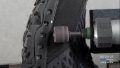
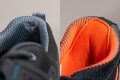
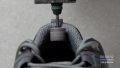
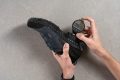
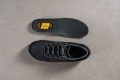
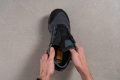
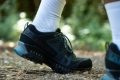
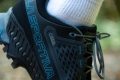
The La Sportiva Spire GTX inspires confident footing through its Vibram outsole and STB Control System, making it lead the stability game among waterproof hiking shoes. We confirmed it’s ready for snow or rain through lab tests, proving it takes protection seriously.
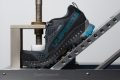
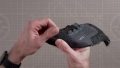
At the core of Spire GTX’s support is the STB Control System. It contains sturdy sidewalls that secure our feet inside the shoe, ensuring we don’t lose our balance. This technology adds structure to the midsole, evidenced by its high 4/5 torsional rigidity score.
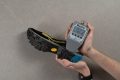
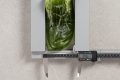
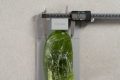
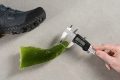
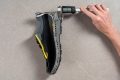
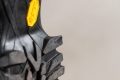
Turning the shoe upside down, we tested the Vibram outsole and recorded that it generates high traction at 0.36. Its grip on more technical terrains is further enhanced by the deep 4.3 mm lugs that bite the ground.
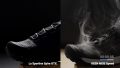
As we encounter puddles, our feet remain dry, courtesy of the Gore-Tex membrane and synthetic overlays that deliver effective waterproofing. We verified the upper’s impermeability when it scored the minimum 1/5 breathability score in our smoke test.
Unfortunately, all the protective features tipped the scales to a heavy 14.8 oz (420g) shoe. Hikers seeking a lightweight and agile option should look elsewhere.
Pros
- Feels like a backpacking boot with low collar
- Unparalleled stability and support
- Superb waterproofness with some breathabilty
- Mutes out rocks and debris like no other
- Excellent grip and braking
- Sturdy and durable construction
- Greater range of sizes allows to fine tune the fit
Cons
- Can feel tippy on rocky and hilly terrain
- Frail inner lining
- Gets even firmer in cold
Best waterpoof hiking shoes with wide toeboxes


What makes it the best?
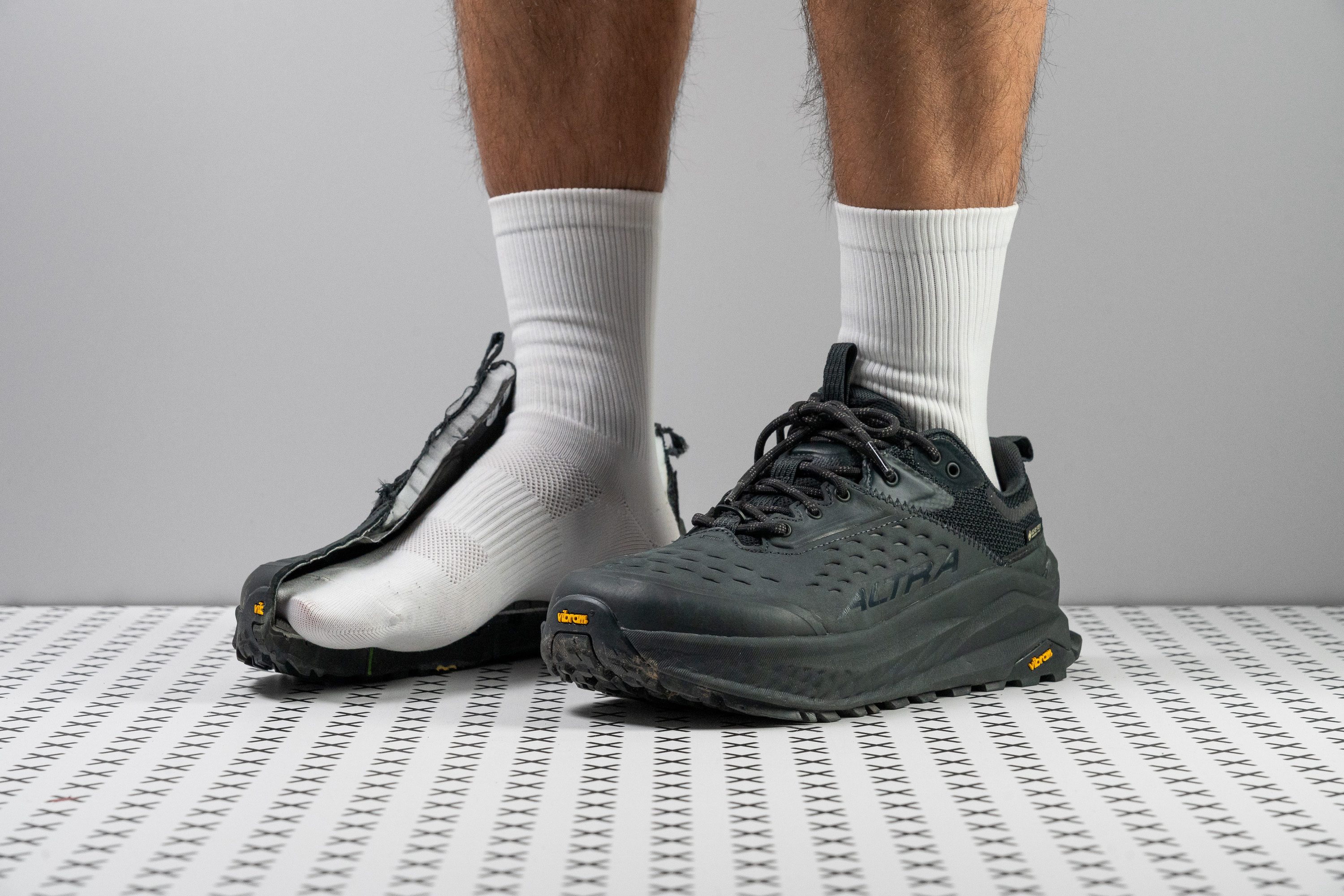
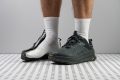
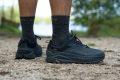
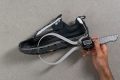
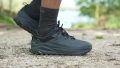
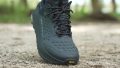
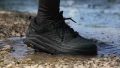
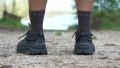
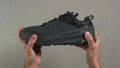
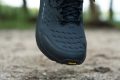
The Altra Olympus 6 Hike Low GTX offers overall protection in our treks, from its stable ride, grippy Vibram outsole to its airtight upper. In our further evaluation, comfort is seen in its highly accommodating fit, shattering lab records by having the best wide toebox among waterproof hiking shoes.
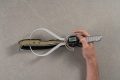
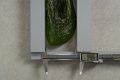
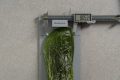
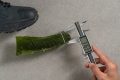
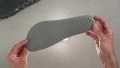
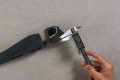
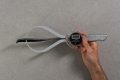
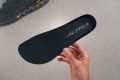
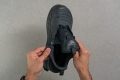
Staying true to Altra’s core, this shoe features an extra-large toebox. We created a gel mold to measure its interiors and recorded a massive 80.5 mm. For reference, the average is only 72.5 mm, making this pair feel very forgiving on foot.
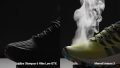
The upper consists of nubuck leather and the Gore-Tex Invisible Fit membrane, which both shield our feet against rain, puddles, and other wet scenarios. Not a wisp of smoke could escape in our lab test, proving the shoe’s impermeability with the minimum 1/5 breathability score.
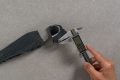
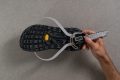
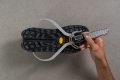
The shoe feels stable on varied moderate terrain, and our caliper shows a wide 117.2/101.3 mm base that inspires confidence in our strides. Underfoot, the Vibram Megagrip rubber held its ground well while the 3.2 mm lugs in varying sizes enhanced traction even more.
Note that the drop is 1.5 mm, much lower than the 10.7 mm average. This feature is all about preference, so those who prefer a steeper drop for less load in the lower leg muscles should go for another pair.
Pros
- Excellent shock absorption
- Comfortably soft cushioning
- Ultra padded and cozy step-in feel
- Exceptionally wide fit and footshaped toebox
- Extra wide and stable platform
- Highly durable leather and outsole
- Excellent grip on smooth and wet rocks
- Solid waterproofing
Cons
- Not a true zero-drop (1.5 mm)
- Midsole gets notably firmer in cold
- Frail inner lining
Best waterproof shoes for thru-hikes







What makes it the best?
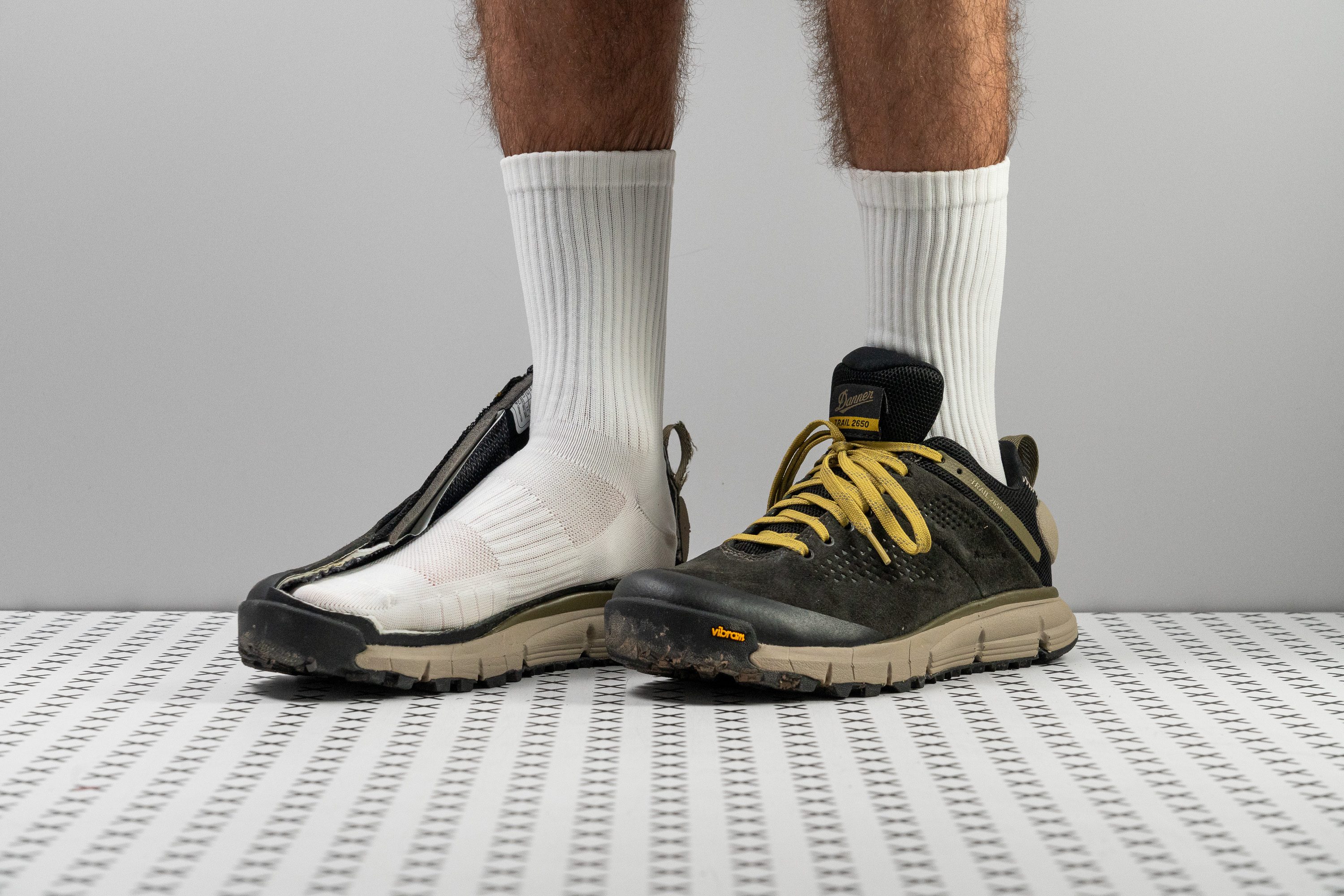
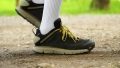
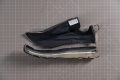
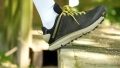
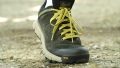
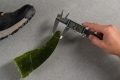
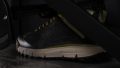
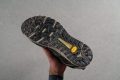
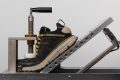
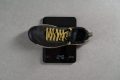
On days we want to mindlessly gobble the miles, we keep reaching for the Danner Trail 2650 GTX. It delivers lasting comfort with its impact protection and light build, while our lab tests confirm its weatherproof upper effectively keeps us safe and dry. Among waterproof hiking shoes, it’s the best for thru-hikes.
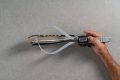
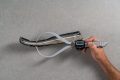
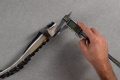
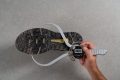
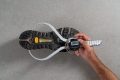
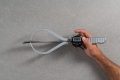
The well-balanced cushioning of this Danner shoe took all the stress and fatigue away with its remarkable impact protection. We measured a stack height of 35.2/20.3 mm and found a Trailguard shank that spans almost the entire length of the midsole. Comfort is emphasized through its delightful shock absorption, proven by its 118 SA score in our test.
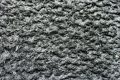
We had no worries when we suddenly encountered rain or harsh winds. The upper consists of a tightly woven textile that shields us from getting wet or cold. It also proved to be durable in our Dremel test with a solid 4/5 toebox durability score, keeping us safe from any protruding roots or plants.
Amazingly, it only weighs 12.4 oz (352g) despite its cushioning and upper protection. With 6% less weight to carry, it never burdened us during long hours of trekking.
However, it’s heavy in the pocket at $210. Hikers on a budget can check for cheaper alternatives since the average hiking shoe in our lab costs $151.
Pros
- One of the lightest GTX hiking shoes
- Great shock absorption
- Comfortable step-in feel
- High-quality suede upper
- Excellent grip on mixed terrain
- Stable for moderate hikes
- Protective rock plate
Cons
- Not for wide feet
- Steep heel-to-toe drop
- A bit overpriced
3 must-haves in waterproof hiking shoes
When shopping for waterproof hiking shoes, there are 3 things we strongly recommend looking for. Our recommendations come from extensive wear testing and shoe lab tests.
- Superb waterproofness. Usually, the shoe name itself indicates whether the shoe is waterproof or not. Look for GTX, Gore-Tex, WP, Waterproof,... in the shoe name.
- Breathability. Although, by default, waterproof hiking shoes tend to be less breathable than non-waterproof ones, we suggest looking for at least average breathability. In our world, that means a score of 3 out of 5 on the breathability test.
- Grip. Finding shoes with the grip you need depends on the terrain and we, of course, have a suggestion for every type of it.
We go down the rabbit hole for all 3 of these features below.
How to recognize waterproof hiking shoes
Look for words like Waterproof, WP, Gore-Tex, or GTX in the shoe name. If that’s not enough, check the specification of the upper (membrane).
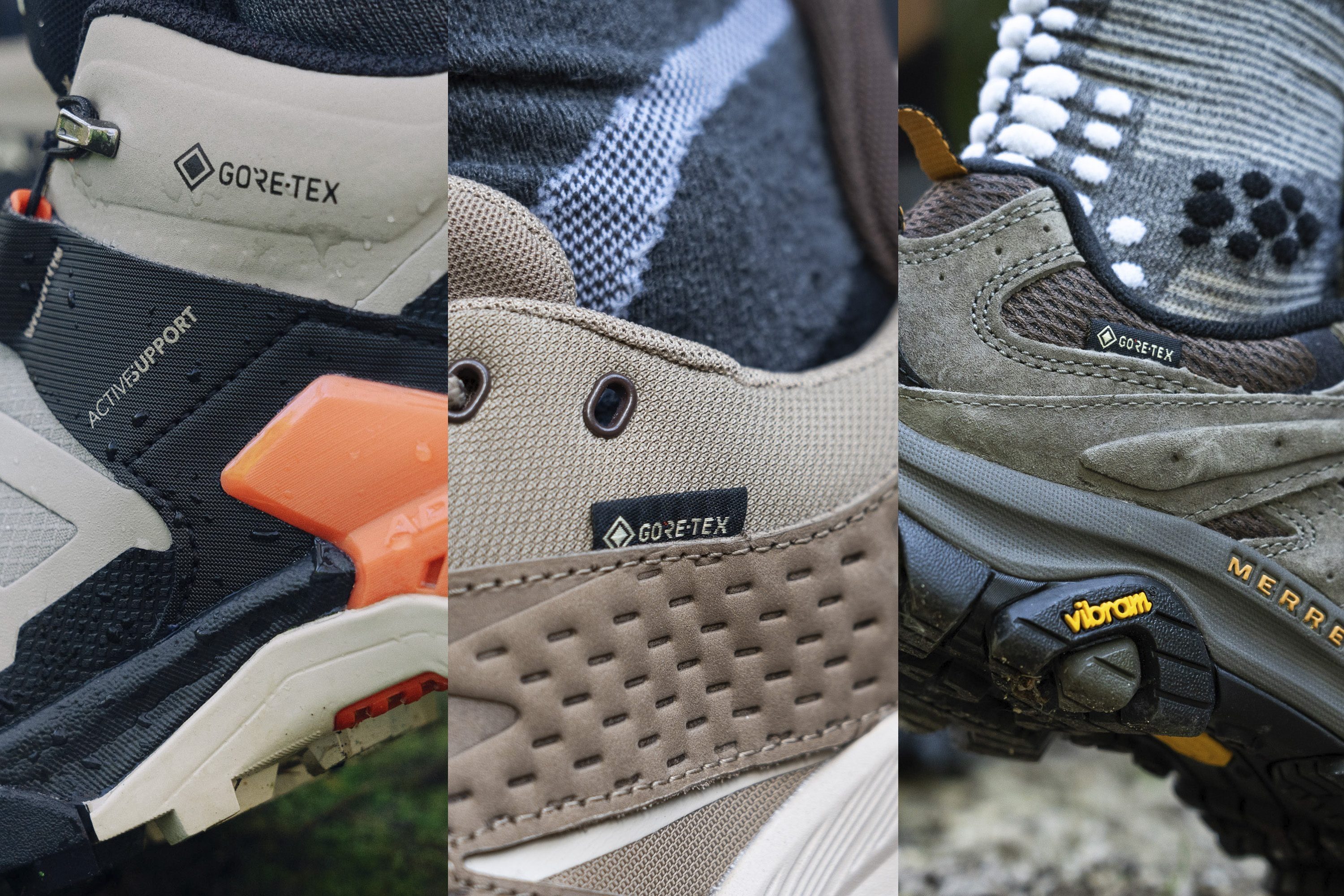
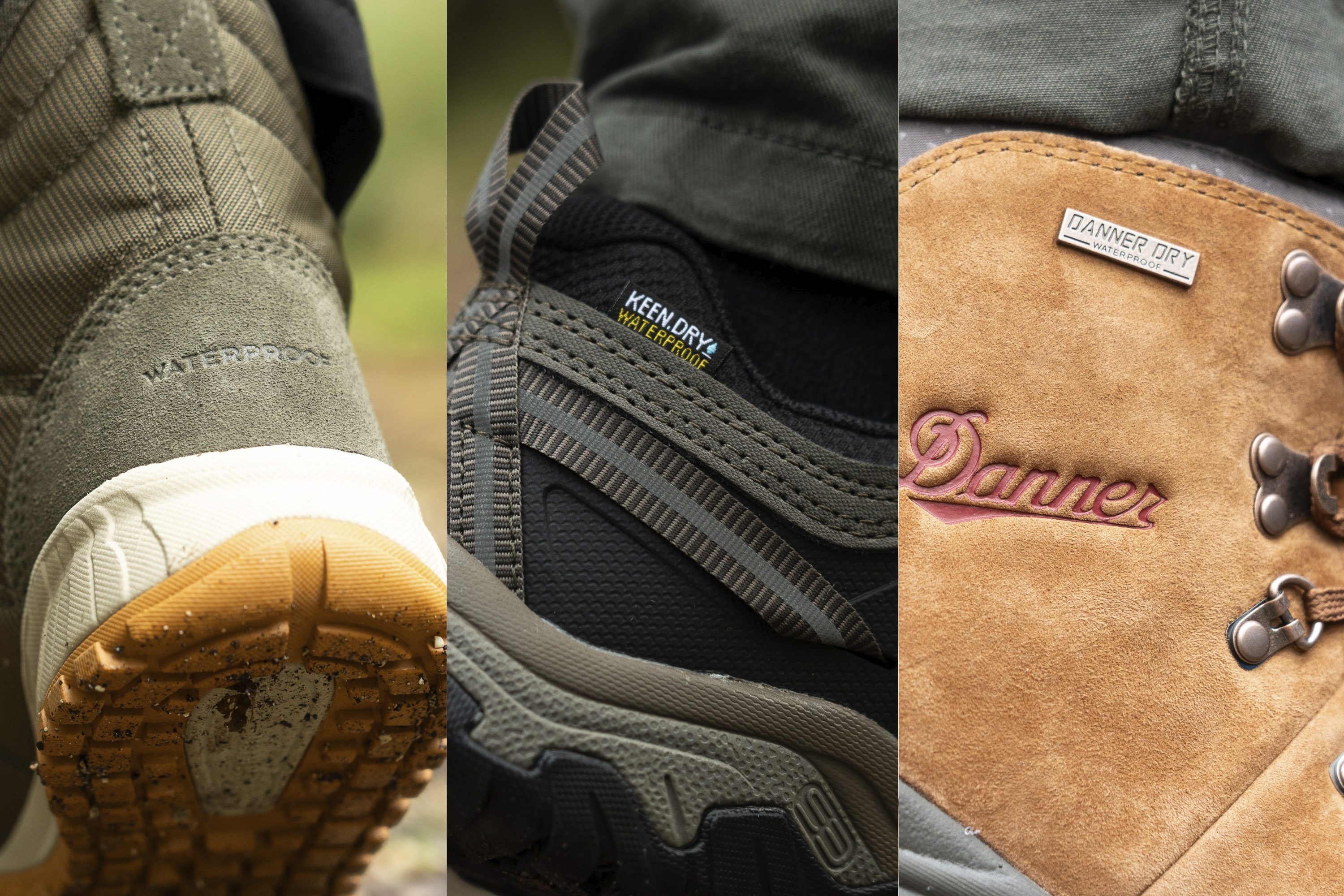
Make sure it is waterproof. Do not settle for water-repellent or water-resistant!
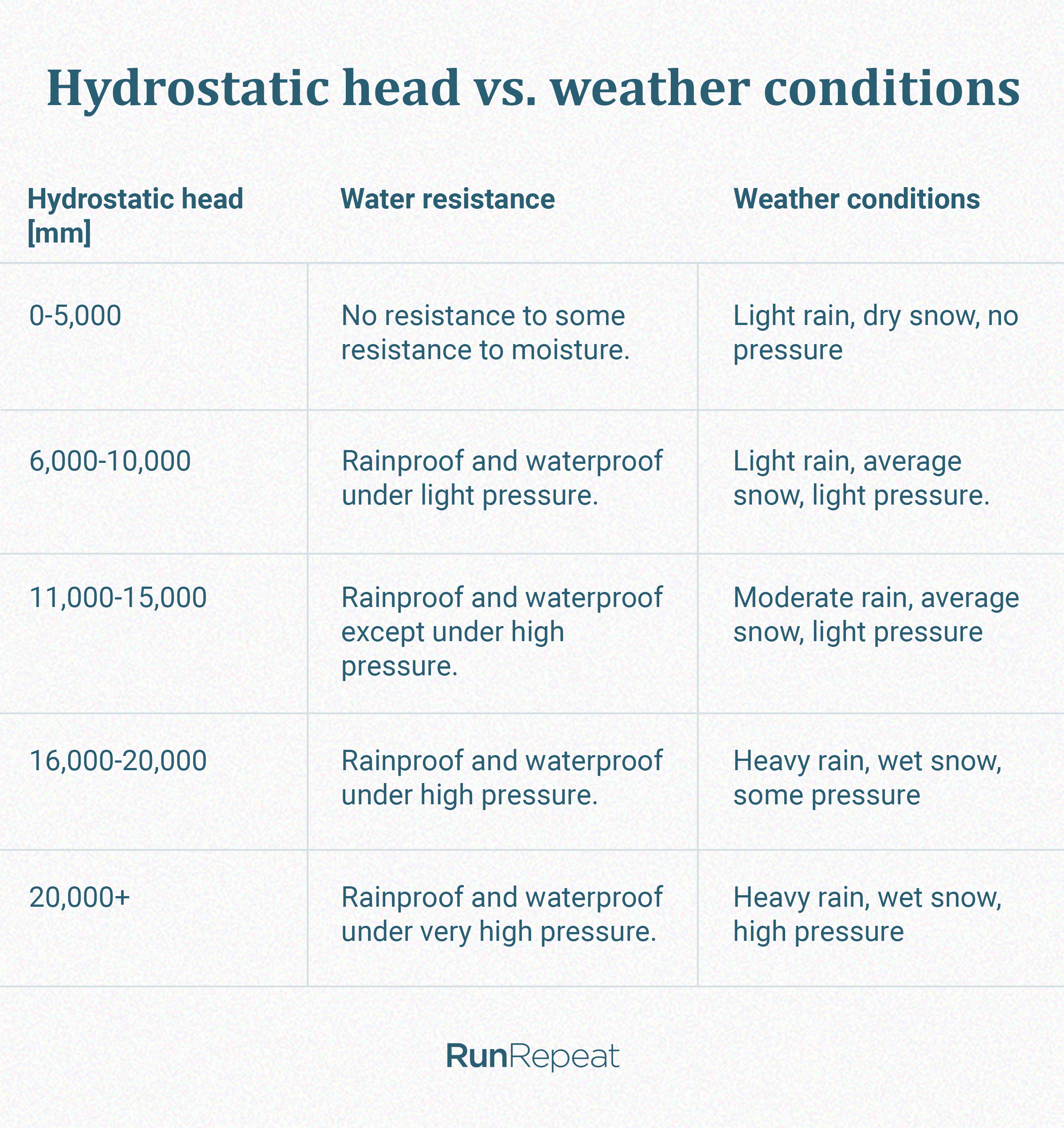
Every waterproof shoe comes with specifications of the waterproof membrane: how waterproof it really is. The number that tells us that is called hydrostatic head and it’s measured in millimeters. Hydrostatic head is measured by filling a tube with inner dimensions of 1’’x1’’ with water and putting it over a piece of certain fabric. It is the number of millimeters of water that the tube can take before water begins to leak through the material. The higher the number in mm, the more waterproof the fabric.
Consult this explanation below to understand better which membrane you need:
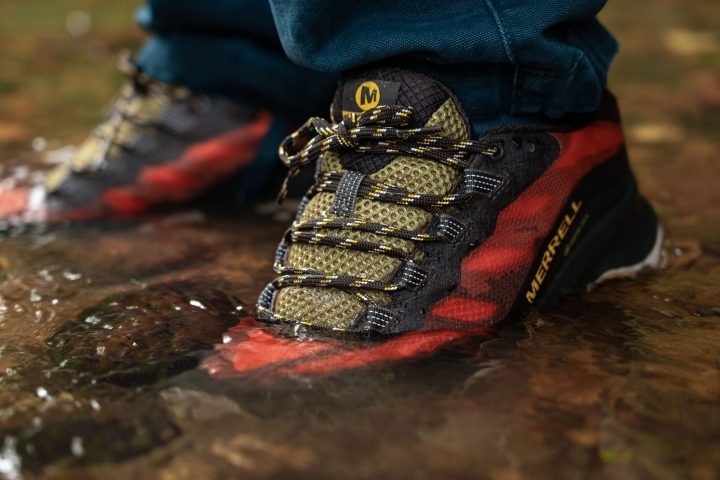
When we test hiking shoes, we subject them to various elements - snow, rain, or simply water, when crossing a creek or a stream.
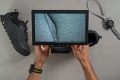
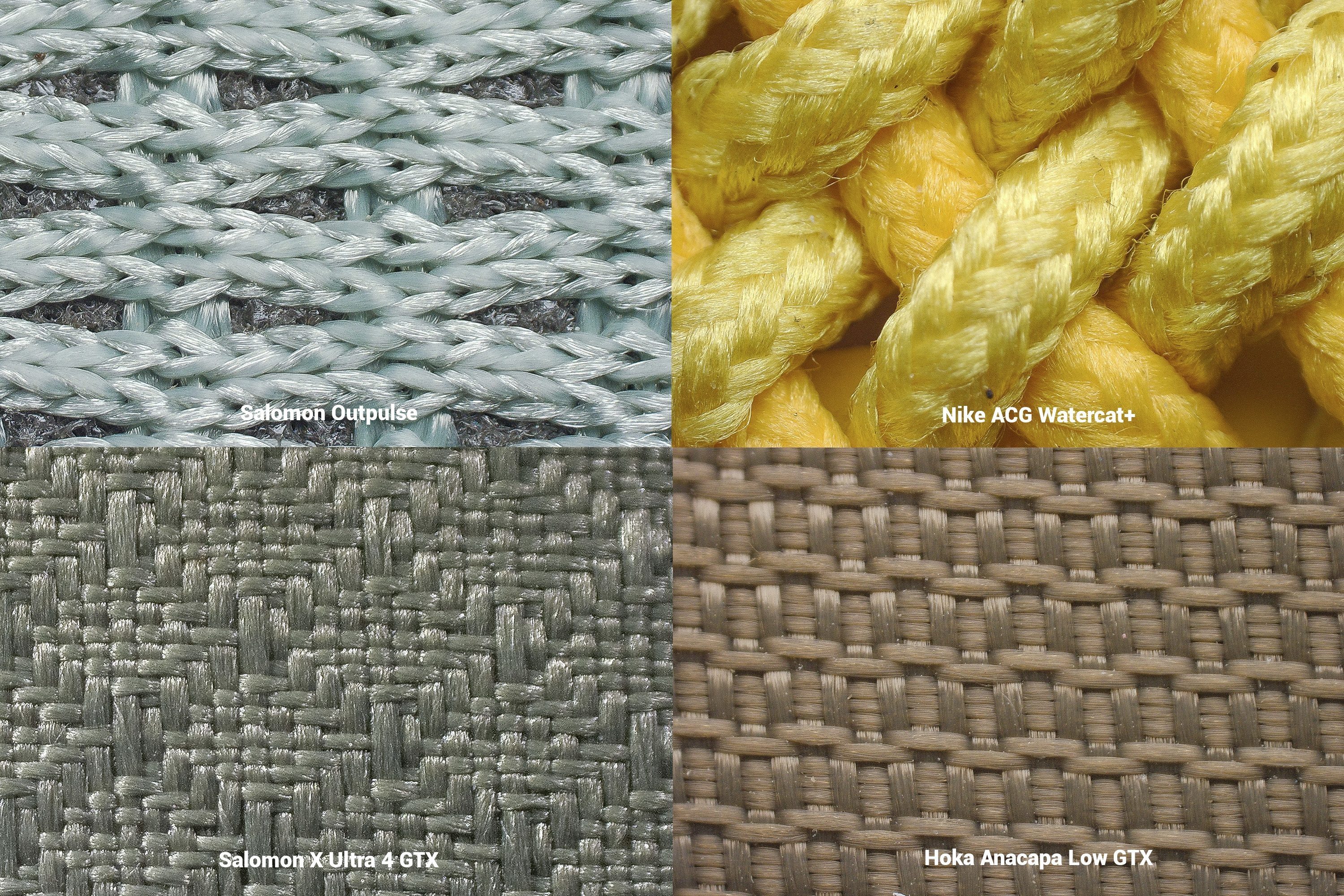
In the lab, we examine the upper under the microscope. This allows us to add another layer of testing to the breathability tests, but also to understand the construction of the waterproof upper.
But then, how breathable are waterproof hiking shoes?
Breathability of waterproof hiking shoes
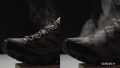
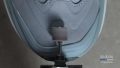
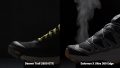
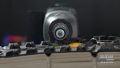
It’s a known fact that waterproof shoes are less breathable than non-waterproof ones. In the lab, we test this with a smoke machine. We pump smoke into the shoe and analyze how much of it comes out and where. In the example below, we compare a waterproof shoe to a non-waterproof one and notice how the latter is way more breathable:
In waterproof hiking shoes, it is really important to find those that are breathable, especially if you plan to use them in moderate to warm temperatures. It’s not an impossible task, thanks to our lab tests. See the list of our top 5 waterproof hiking shoes that actually don’t suck at breathability:
Even with the water-tight membrane, the water can still end up in your shoe. It can slide down your legs, your trousers, or you can simply get in a puddle you did not know was very deep.
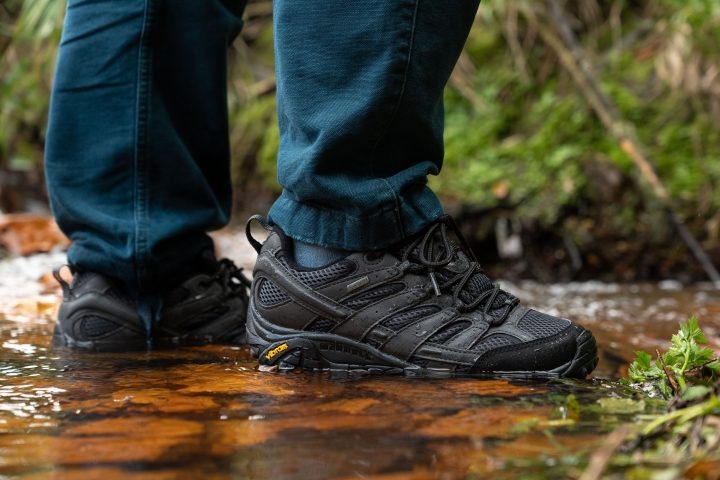
When this happens, all you want for your shoe is to breathe! Otherwise, your feet will spend a lot of time in, basically, water, and blisters could be the mildest consequence.
However, if you plan to hike in winter, you might want to look for less breathable shoes. Less breeze means more warmth. In that case, we advise these shoes:
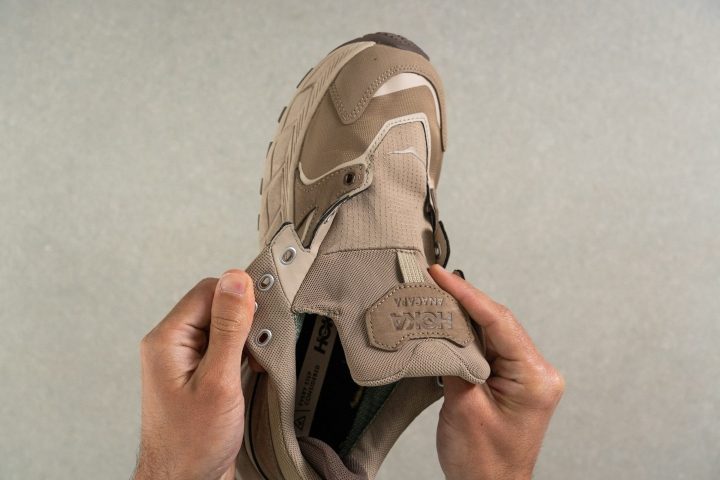
What’s a gusseted tongue and why do you need it
Tongues can be non-gusseted (not attached to the sides), semi-gusseted (partially attached to the sides) and fully-gusseted. Fully-gusseted tongues are attached to the sides of the shoe, below the eyelets on the inner side. Because of this, they can’t move freely to the sides and are much better and keeping the water, snow and debris outside the shoe.
Traction: it’s all about the lug depth
Waterproof hiking shoes imply wet weather and wet surfaces. Getting familiar with the tread patterns and lug depths helps immensely because it allows you to recognize the shoes that work well on the terrain you chose for your hike.
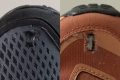
The harder and flatter the surface, the smaller the lugs. But, because wet weather means soft ground and additional elements like snow, mud and slush, we recommend looking for deep lugs: 4mm and above. The distance between the lugs should grow as the terrain gets stickier.
This image from trail running shoe tests shows the difference the best: first being a road-to-trail shoe with cramped shallow lugs, second being a shoe with deep lugs (many of them) and third being a shoe great for mud, with lugs that are further apart and very deep
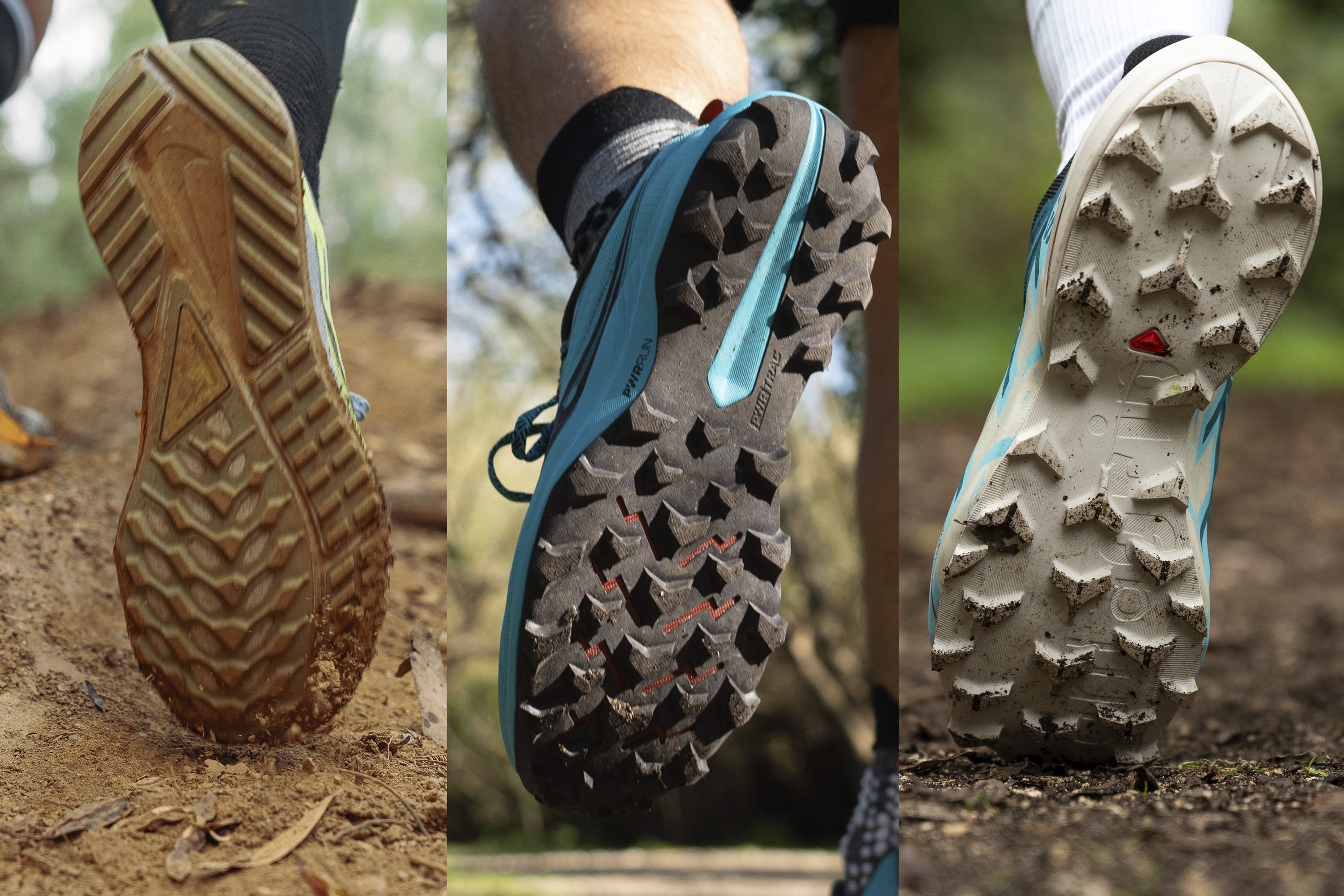
Because of this, mud shoes (both trail running shoes and hiking shoes) have deep lugs with a lot of space between them to help them shed mud more easily. Regular soft-ground shoes can also have deep lugs if they need to bite into the ground but can be more dense.
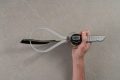
If the wet surfaces you’re hiking on are rather flat, we recommend softer rubber, which is usually better for such terrain, it is stickier than hard rubber. Among the most common ones is the Vibram Megagrip. In the lab, we measure the softness of the outsole with a durometer (shore HC). The lower the reading, the softer the rubber.
Shock absorption of waterproof hiking shoes
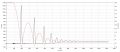
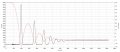
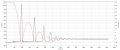
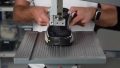
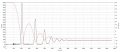
To determine the shock absorption of hiking shoes, we follow the ASTM F1976-13 methodology. This means that we use a specialized machine to drop an 8.5 kg mass from a height of 5cm (total energy input of 5J) onto the heel. This exact drop location is marked at 12% of the inner shoe length, which is where we also measure the heel stack height per World Athletics guidelines.
Measuring the shock absorption of waterproof hiking shoes
Shock absorption tells us effective the midsole is at dampening the impact. Think of it like this: when you're walking somewhere, rushing, and you have cushioned shoes on, you can pick up quite a pace and stomp those heels at the concrete, because there's a protective midsole keeping you safe. On the other hand, if you tried to do the same thing but barefoot, your heels would hurt a lot. Even if you were wearing barefoot shoes.
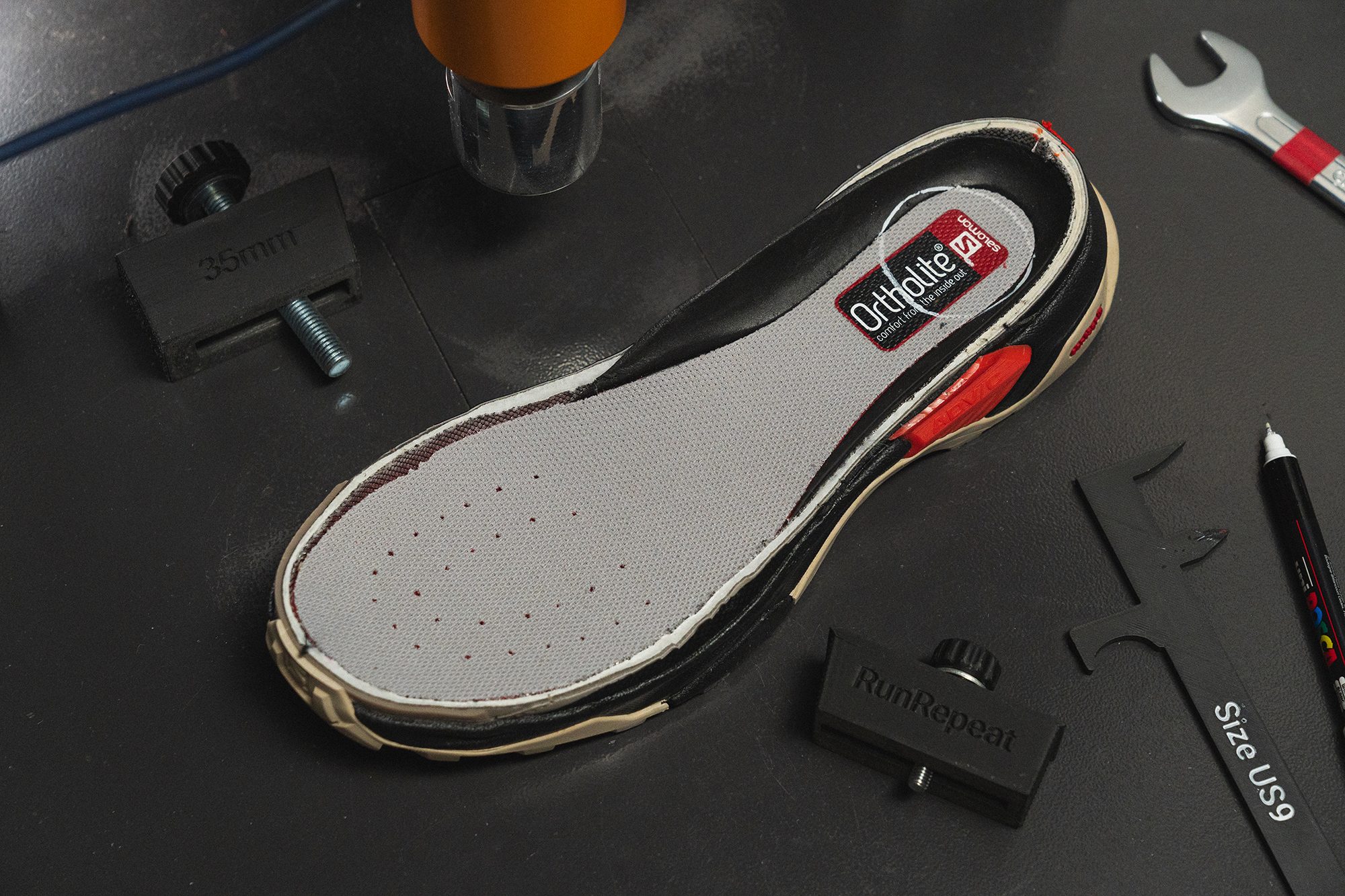
So, it's the midsole that deals with these impact forces and the better it is at absorbing them, the less stress is sent towards the hikers' legs. This is even more important for hikers who weigh more or carry heavy backpacks.
The higher the shock absorption, the better!
How durable are waterproof hiking shoes
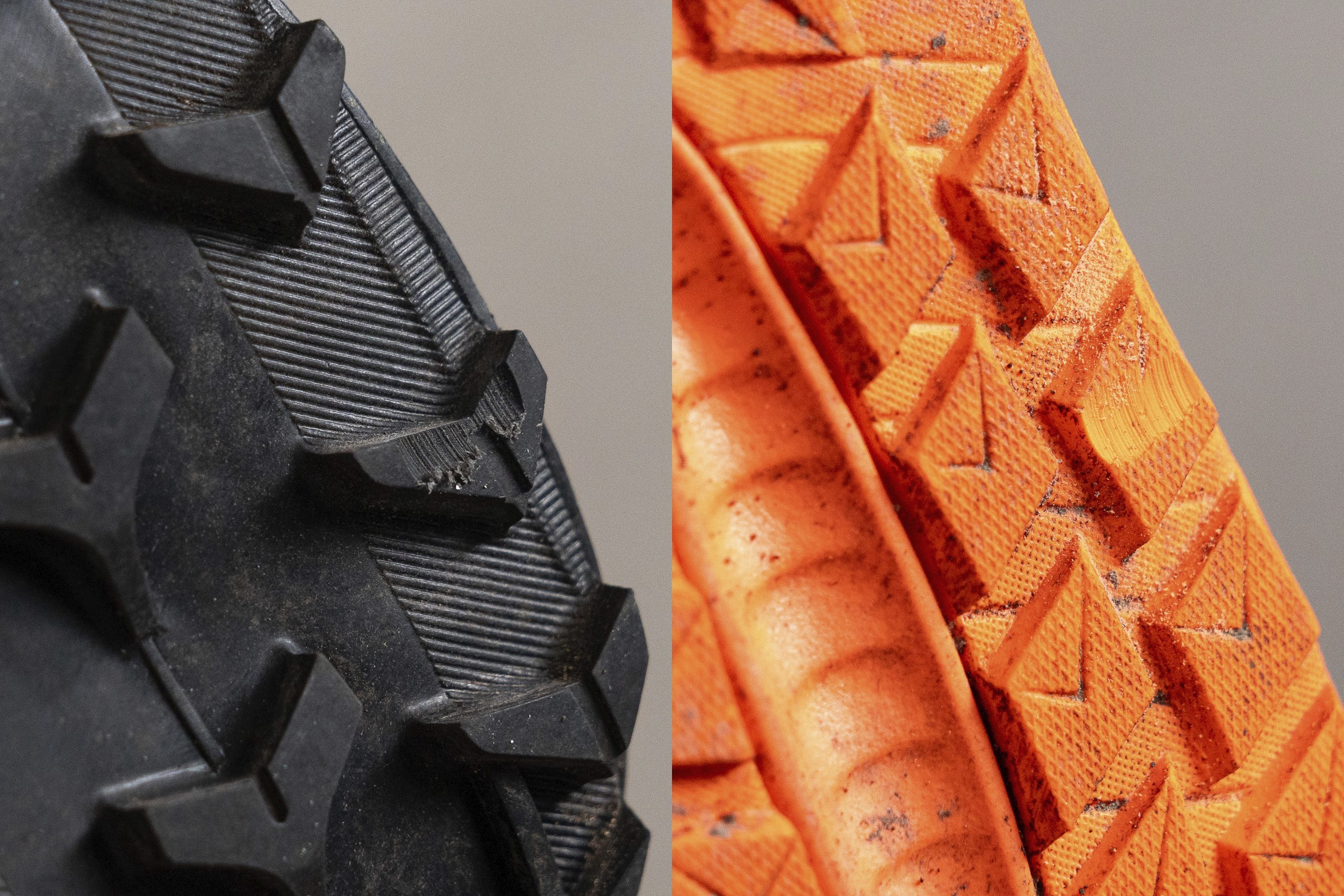
The durability of the softer rubber is usually worse than that of the harder rubber. Because of this, we recommend using deep-lug hiking shoes on soft ground and not on hard, flat surfaces.
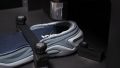
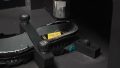
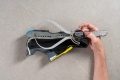
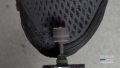
To determine the durability of the outsole, we press a Dremel against it and use a tread tire gauge to measure the dent the Dremel has made. This tells us how durable the outsole is - the bigger the damage (the dent), the less durable it is.
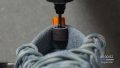
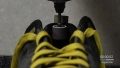
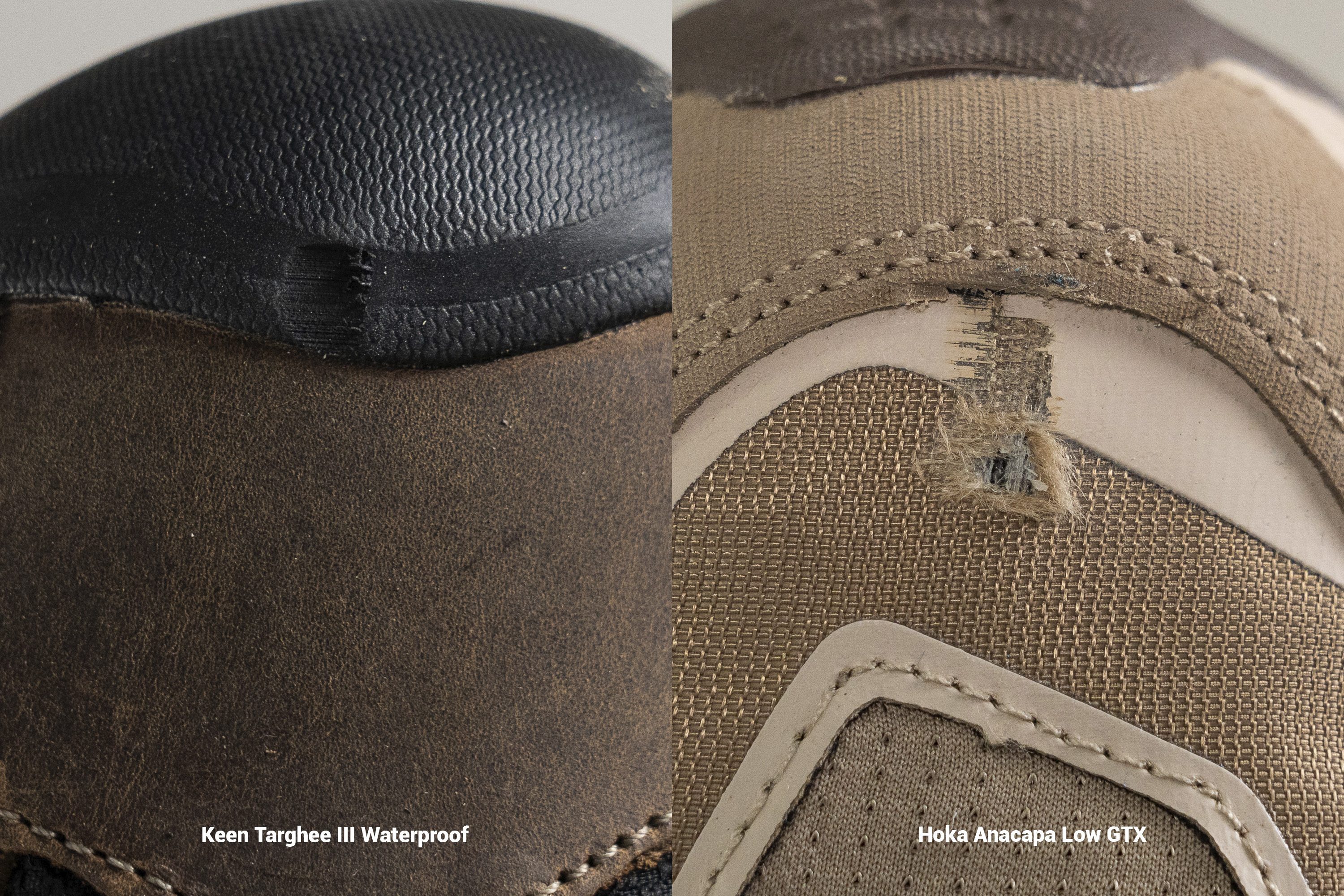
When it comes to testing the durability of the upper, we also use the Dremel but we then visually assess the damage on a scale of 1, for the least durable, to 5, for the most durable.
In the example below, we can see a hiking shoe on the left, which got the highest rating for durability (5/5), and on the right, a shoe that scored 2/5.
How to prevent water from getting into your hiking shoes
Use the gaiters! Ideally the knee-high ones. They are lightweight, pack easily, and can basically save the day. They also come in a waterproof version.
Waterproof, water-repellent, and water-resistant: explanation
This comparison explains all 3 types of shoe uppers that can, to some extent, deal with water: water-resistant, water-repellent and waterproof.
| Water-resistant | Water-repellent | Waterproof | |
| General characteristics | a tightly woven fabric that is naturally capable of resisting water upon contact | fabric treated with durable water-repellent (DWR) or hydrophobic chemicals | - fabric treated with DWR - have waterproofing membranes like Gore-Tex and OutDry - have seam-sealed construction for extra protection |
| Water protection level | low water protection | moderate water protection | high water protection |
| Water pressure resistance | 0-5000 mm (no pressure or moisture) | 6000-10000 mm (light pressure) | 10000-20000 mm (high to very high pressure) |
| Weather conditions best used in | light rain shower and dry snow | light rain and average snow | moderate to heavy rain and average to wet snow |
If you’re new to buying hiking shoes, make sure the fit is right!
In case this is your first pair of hiking shoes, here are are recommendations on the shopping process:
- Go shopping or try the shoes out later in the day, afternoon or evening. Our feet are naturally swollen then a bit from the whole day of activities and it is similar to what happens on hikes.
- Take the socks you plan to hike in with you and try the shoes on with them. Also use your orthotics if you have them.
- Look for the best comfort possible. There should be no hotspots and the shoe should not feel loose. Hikers prefer being able to put 1 finger behind the heel into the shoe when the foot is pushed forward to the max.
- Use the ramp to test the shoe completely, on uphills, downhills, uneven terrain. You should experience a perfect lockdown: no heel slipping, no feet sliding to the sides.
- Take into account that you might need to break the shoes in.
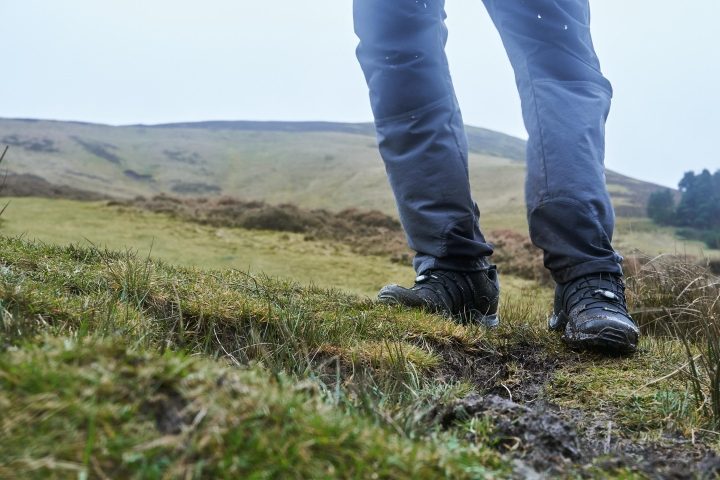
Please, read our beginner-friendly guide on hiking shoes. It covers all the necessary steps you should take to ensure you get the best hiking shoes for your needs.
Similar buying guides