7 Best Hiking Shoes With A Wide Toebox in 2026

We buy shoes ourselves. We earn commissions when you buy through us, at no extra cost. Why trust us
Give your feet a break from getting squished every time you hit on the trails. Get a glove-like feel with a dependable pair of hiking shoes for wide feet. Ill-fitting shoes can ruin an otherwise great outdoor adventure and put your feet and ankles at risk of injury or bruised toenails.
Having a wide-foot problem can be a real challenge when going for a day hike or a backpacking trip. You no longer have to suffer from unnecessary discomfort while tackling challenging terrains.
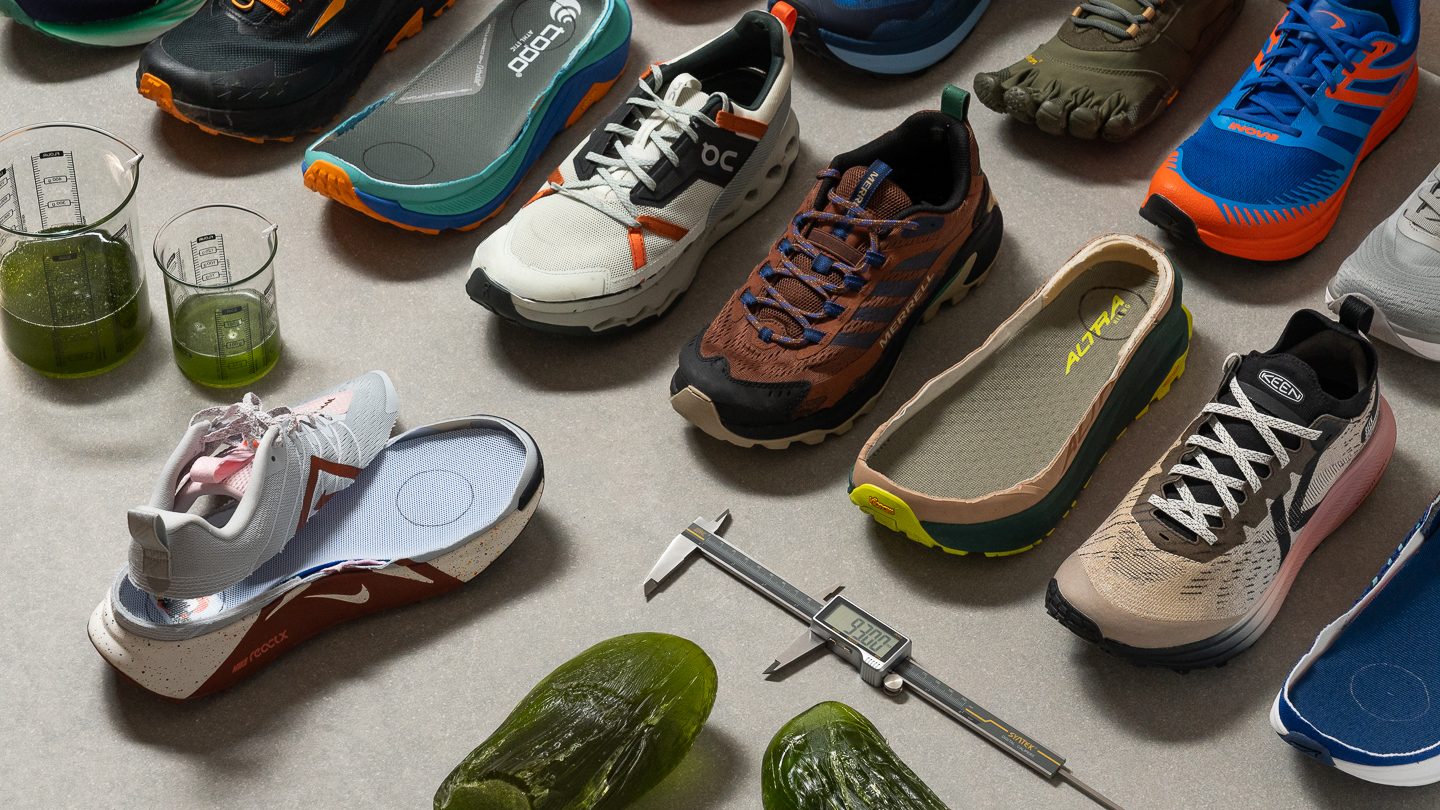
To help you find the ideal shoes for your feet, we’ve rounded up and tested the best hiking shoes for wide feet. When hiking in them, we paid special attention to the toe splay and whether the toes got cramped in the toebox, and in the lab, we made 2 toebox measurements to quantify the amount of inner space.
Take a quick look at our top picks in different categories.
How we test hiking shoes with a wide toebox
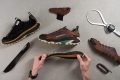
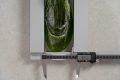
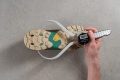
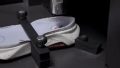
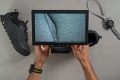
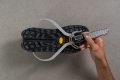
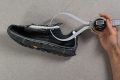
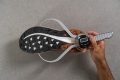
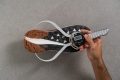
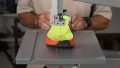
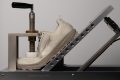
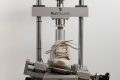
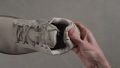
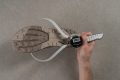
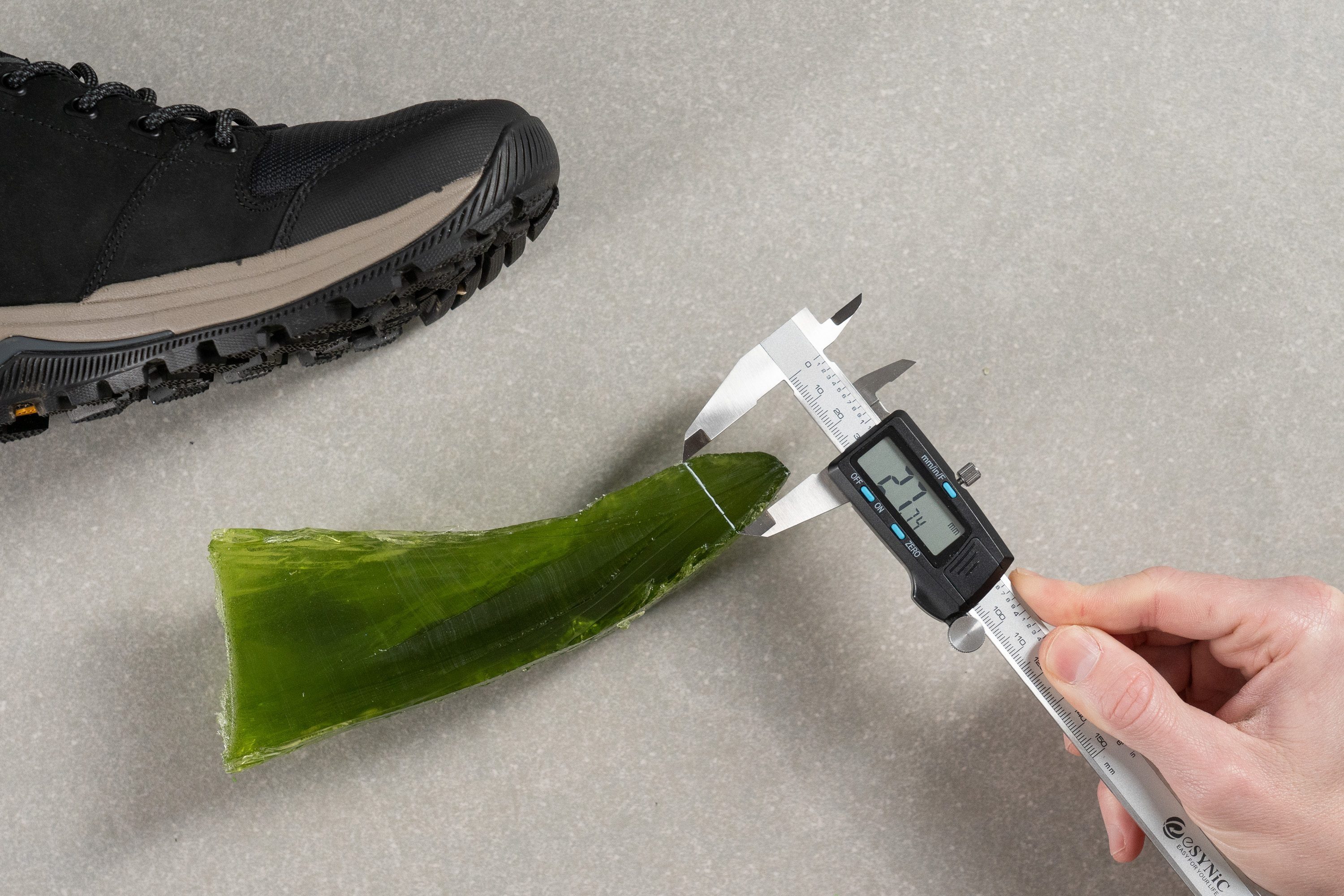
We hiked in these shoes thoroughly in various conditions. This allowed us to assess how the toes feel when the legs and feet swell. Are they cramped? Are there any blisters? And, in the lab, we created a gel cast of the shoes' interiors, which allowed us to accurately measure the width of the toebox and the height of the toebox box.
Not just that, but we also measured the width of the shoe, which is super important for hikers with less pointy feet; they can compare the 2 measurements and understand how pointy the toebox is (how much it tapers).
When it comes to which shoes we test, we invest our own resources to buy hiking shoes. This guarantees the 100% objectivity of our comprehensive reviews. We've explained our selection process in great detail on our Pipeline page. Once we're done with field testing and lab testing, we publish all the results on our website.
Best hiking shoes with a wide toebox overall
















What makes it the best?
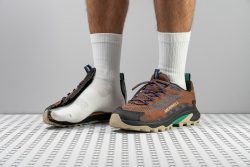
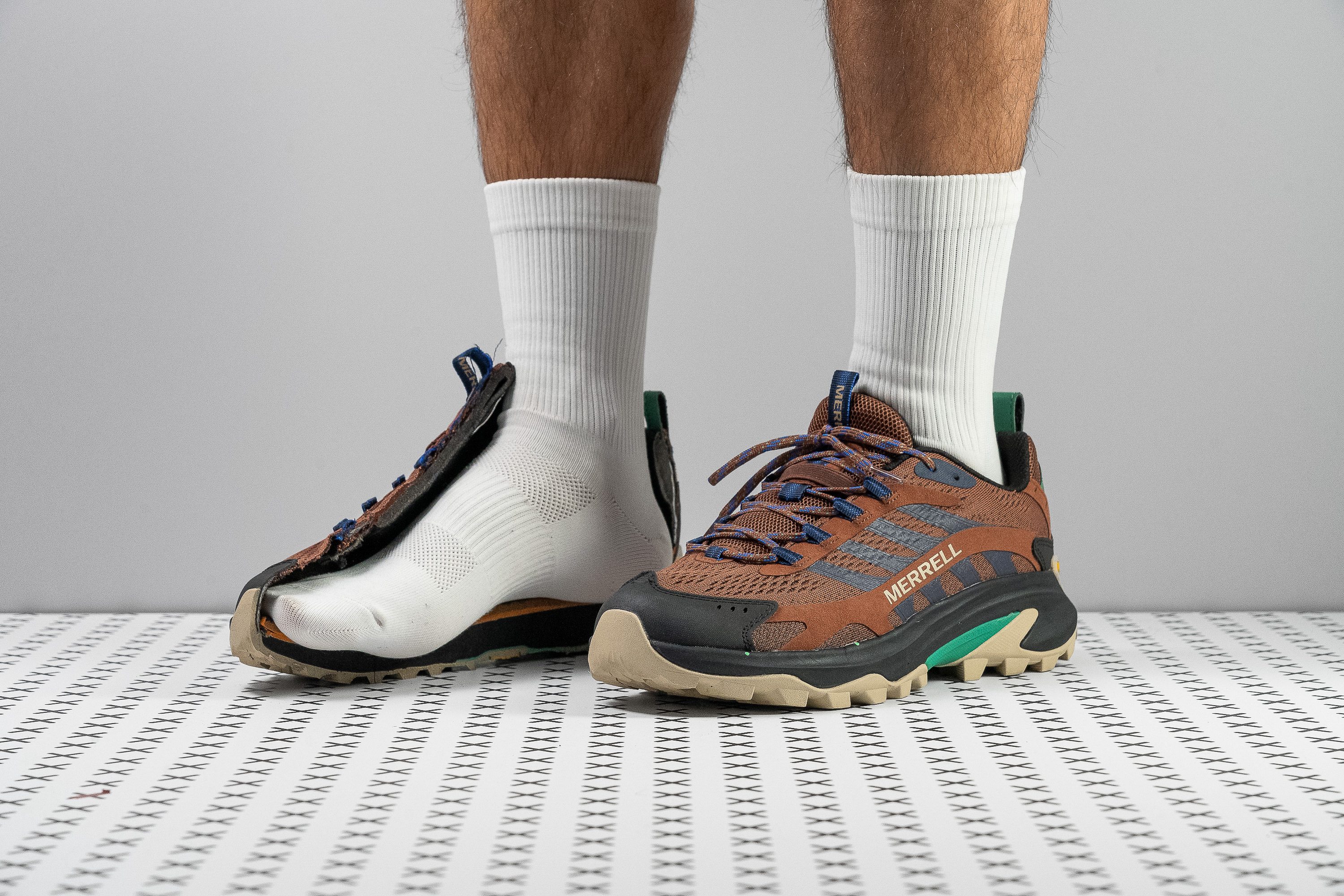
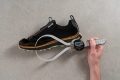
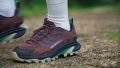
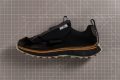
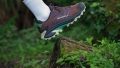
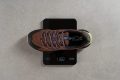
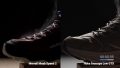
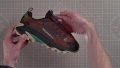
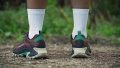
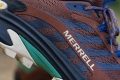
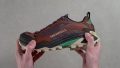
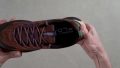
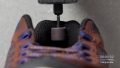
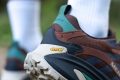
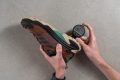
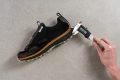
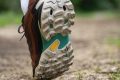
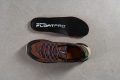
The Merrell Moab Speed 2 is our best hiking shoe with a wide toebox because, besides its spacious toebox, it packs a LOT of cushioning, support, and deep lugs! All of that comes in a lightweight yet robust-looking package, so there's nothing we could ask more of it.
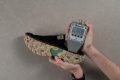
Looking at the toebox, Speed 2 is 75.1 mm wide at the big toe! This is certainly wider than the average and it feels so. Our toes were not cramped and we believe this is also great for hikers who cover longer distances because swelling is inevitable. Not just that, but this toebox is high as well! 7 mm higher than the average! We felt absolutely no pressure on our toes and we're sure there's no danger of getting black toenails in this roomy toebox.
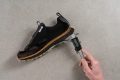
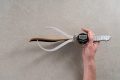
Moab Speed 2 packs so much cushioning in its 38.8/23.8 mm (at the heel/forefoot) platform, erasing the harshness of the ground. We measured the foam at 31.8 AC with our durometer, proving its comfort by being 32% softer than average. Surprisingly, it only weighs 11.6 oz (329g), 12.3% lighter than average.
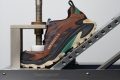
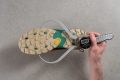
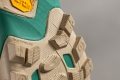
Each stride feels steady and controlled despite the shoe’s height. We discovered a FlexPlate in the midfoot that stabilizes the ride and a reliable Vibram rubber in the outsole. No matter what surface we tackled, the grippy rubber and 3.7 mm lugs ensured our safety.
A small nitpick is the non-gusseted tongue that gives room for small rocks to get in.
Pros
- One of the lightest hiking shoes
- Plush and abundant cushioning
- Great support and stability
- Perfect grip for moderate terrain
- Excellent durability
- Breathable for summer
- Cozy step-in feel
- Two loops for easy on-off
Cons
- Frail inner lining
- Small debris gets inside
Wide toebox hiking shoes with the best shock absorption

















What makes it the best?
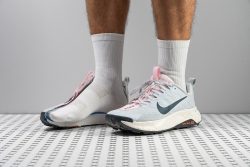
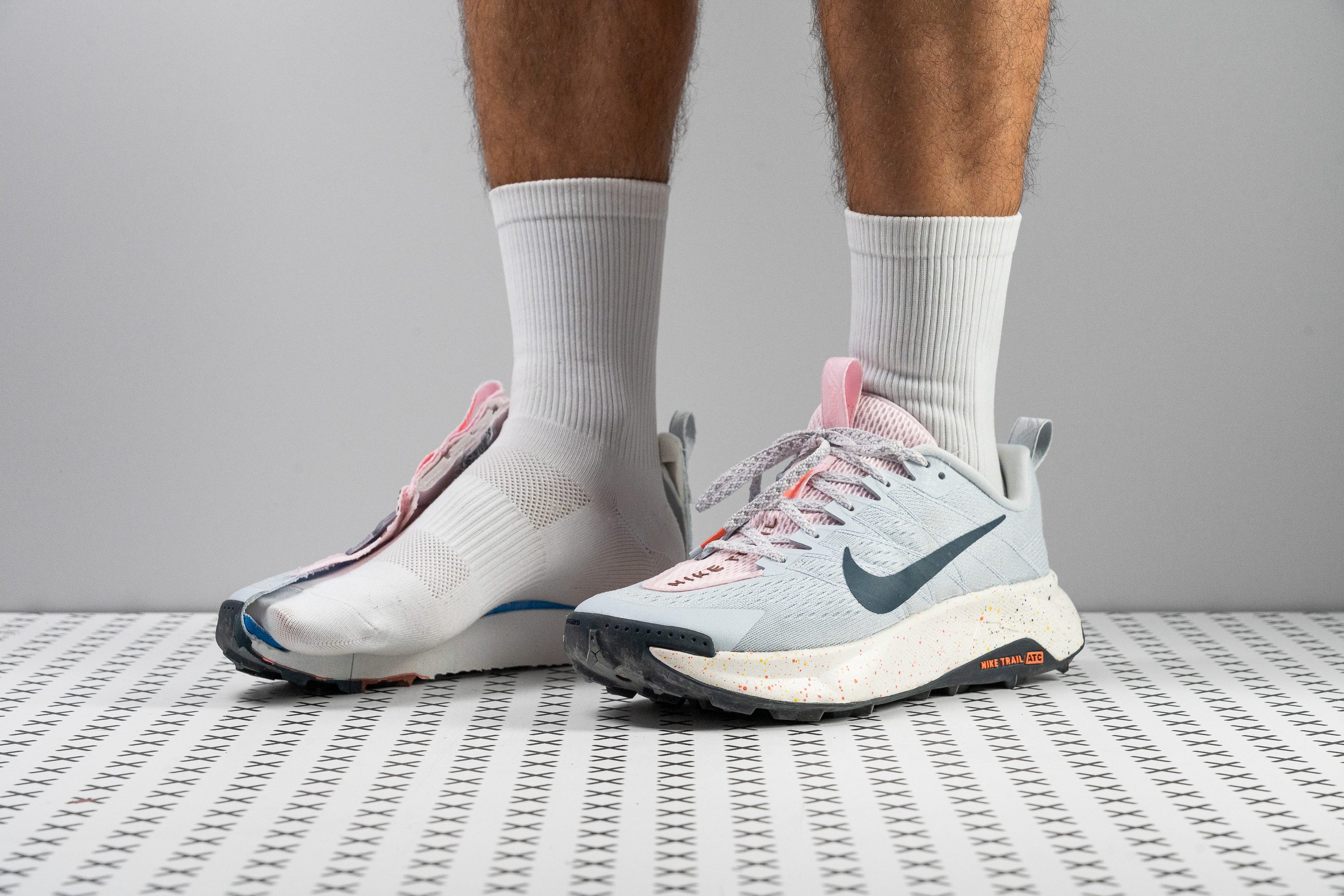
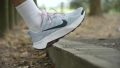
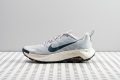
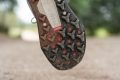
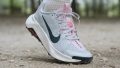
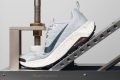
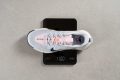
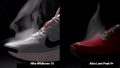
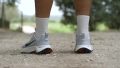
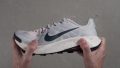
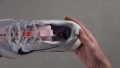
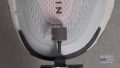
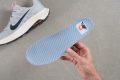
The Nike Wildhorse 10 stands out for the exceptional cushioning and robust support it offers for hikers. It has a roomy fit that accommodates wide feet and swelling, allowing us to savor our treks with confidence. Among wide-toe-box hiking shoes in our lab, this shoe provides top-tier shock absorption.
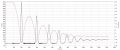
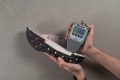
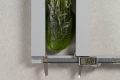
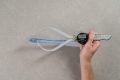
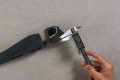
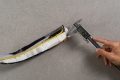
Measuring the stack’s thickness with our caliper, we found it to be a substantial 38.3/27.4 mm, effectively dampening repetitive impact and harsh objects under our feet. Enhancing its gentle sensation is the plush cushion, evidenced by its high shock absorption score of 144 SA in the rear.
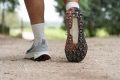
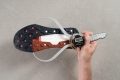
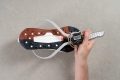
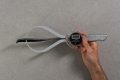
Moving to the wide base, our caliper shows it’s a generous 120.6/93.8 mm, ensuring surefooted strides even under heavy loads. The midsole remains resilient, even with loaded backpacks and long mileage, with its 3.4 mm lugs offering reliable traction.
Further enhancing comfort and control is its generous 75.4 mm big toe area. With extra vertical clearance as well, those with broad feet won’t have to endure unwanted pressure.
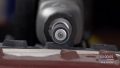
However, the outsole and toebox easily surrendered to our Dremel. Hikers looking for a sturdy shoe should consider more durable alternatives.
Pros
- Cushion-packed midsole
- Modernized upper
- Ideal for heel strikers
- Better build quality
- Bold new look with better finish
- Versatile
- Improved energy return
- Forefoot rock plate
Cons
- Still too heavy
- Mesh upper is fragile
- Brutal price hike
- Less agile than predecessors
Wide toebox hiking shoes with the best stability







What makes it the best?
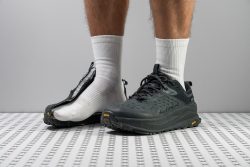
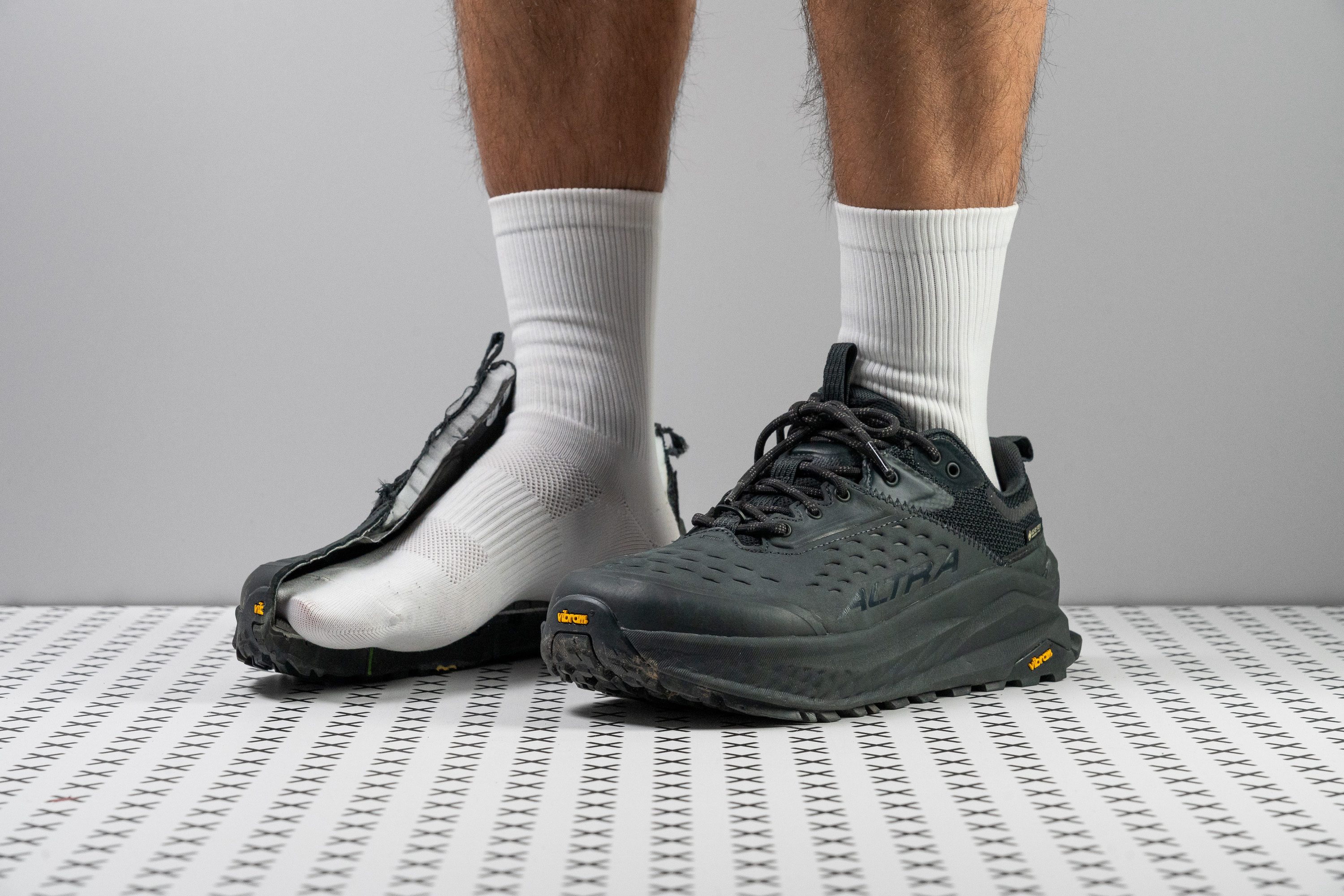
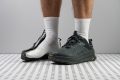
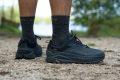
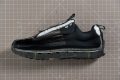
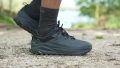
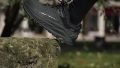
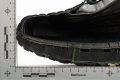
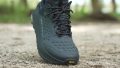
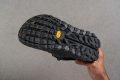
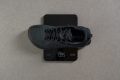
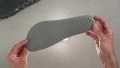
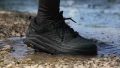
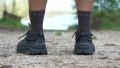
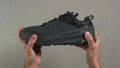
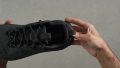
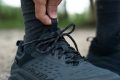
The Altra Olympus 6 Hike Low GTX reassures us that we won’t have to experience losing our footing through its wide platform, low drop, and sturdy lateral containment. Meanwhile, it features a cushioned forefoot with generous room for toe splaying. Backed up by lab results, it’s our best stability wide toebox hiking shoe.
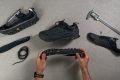
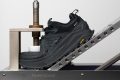
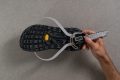
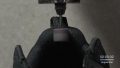
This shoe can handle even the most aggressive side-to-side movements, keeping us safe within the shoe. It has no give to twisting, so we rated it with the maximum 5/5 torsional rigidity score. Moreover, its broad 117.2/101.3 mm base secures our steps well.
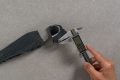
While the heel stack measures an average 31.0 mm, the forefoot is a generous 29.5 mm, offering tons of protection under the front part of our feet. The resulting offset is minimal at 1.5 mm, which enhances stability, too.
This pair features Altra’s Original FootShape Fit and delivers exactly as promised with a massive 80.5 mm toebox width. For context, the average is only 72.5 mm. It also has above-average vertical clearance of 31.6 mm, welcoming high-volume feet with ease.
Because of its zero drop, we cannot recommend this shoe to hikers with lower leg pain or issues. These people should find shoes with a steeper offset to target the hips and knees instead.
Pros
- Excellent shock absorption
- Comfortably soft cushioning
- Ultra padded and cozy step-in feel
- Exceptionally wide fit and footshaped toebox
- Extra wide and stable platform
- Highly durable leather and outsole
- Excellent grip on smooth and wet rocks
- Solid waterproofing
Cons
- Not a true zero-drop (1.5 mm)
- Midsole gets notably firmer in cold
- Frail inner lining
Wide toebox hiking shoes with the best durability















What makes it the best?
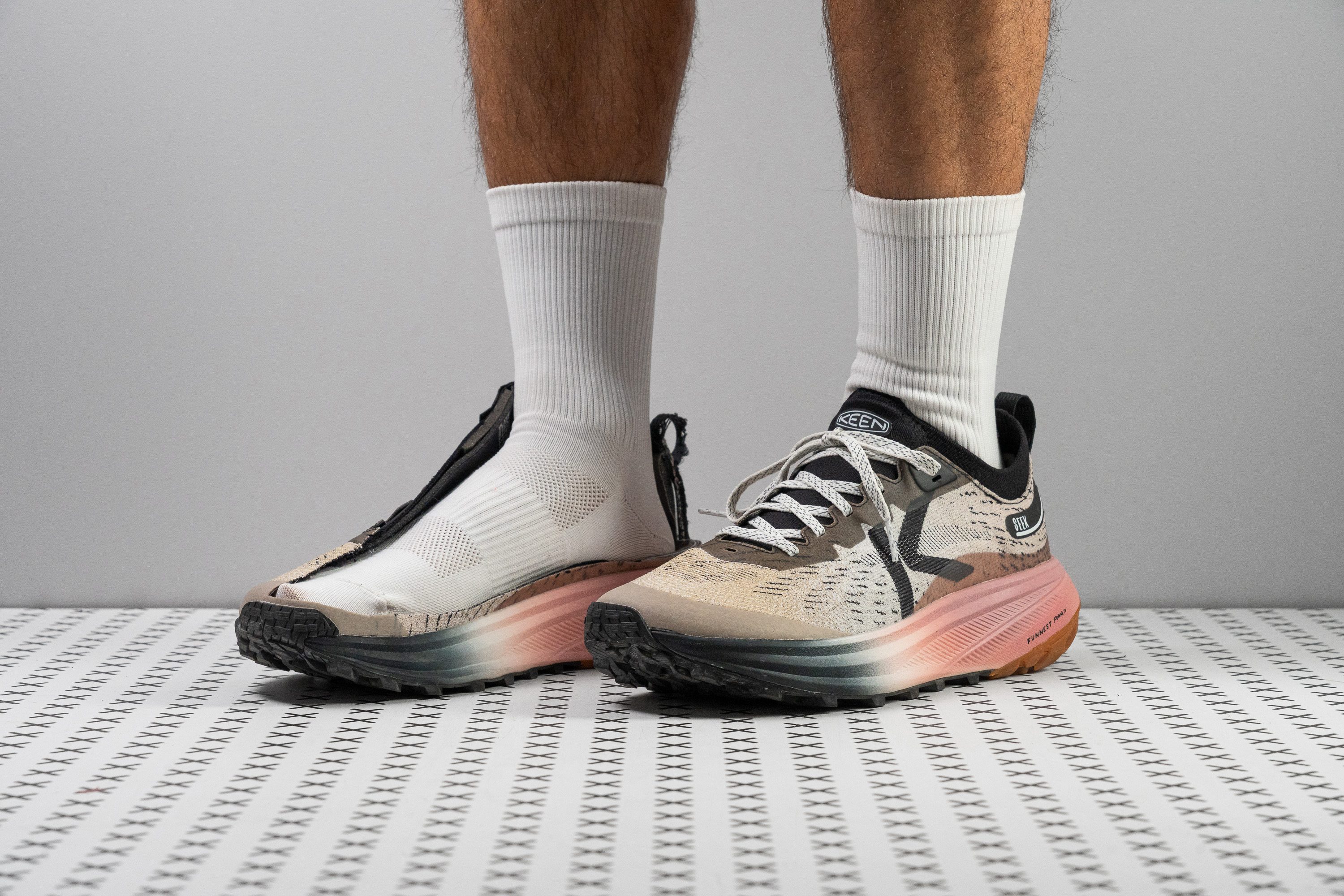
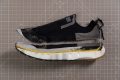
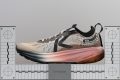
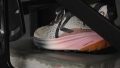
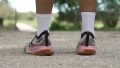
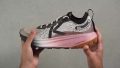
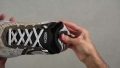
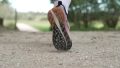
The KEEN Seek proves to be a day-long hiking essential, delivering a liberating experience on extended treks. Its protective construction effectively addresses common concerns like harsh landing impacts, cramped toes, and wear and tear, earning it the title of the ultimate durable wide hiking shoe.
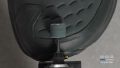
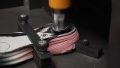
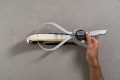
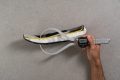
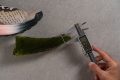
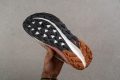
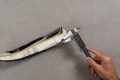
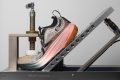
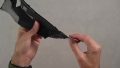
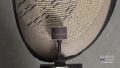
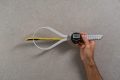
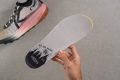
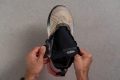
We experienced minimal wear on the shoe after several hikes, so we brought it into the lab for assessment. It smashed our Dremel test across the board, emerging victorious with high scores of 4/5 and 5/5 in toebox and heel padding durability, respectively. Moreover, the outsole ended up with 33.3% less damage than average. These shoes just keep on giving!
The spacious toebox of the Seek allows our toes to spread out comfortably. Its big toe area measures a massive 77.7 mm vs. the 74.6 mm average, preventing any unwanted rubbing or blisters.
Even underfoot, the Seek remains supportive. Right from the start, the cushioning made its presence felt. With a stack height of 36.3/27.7 mm, it delivers prolonged comfort and effective impact absorption. Further enhancing the comfort is its impressively soft midsole, recording above-average shock absorption scores of 137/110 SA.
This shoe is highly breathable, making it suitable for dry and warm weather. Therefore, we recommend hikers who often encounter wet or cold situations to get a waterproof shoe for better protection in these conditions.
Pros
- High shock absorption
- Remarkable overall durability
- High-quality knit upper
- Super-comfy sock-like tongue
- Advanced outsole design
- Works well for hiking too
- Handles well cold temperatures
- Flexible despite high-stack build
Cons
- Price may be high for some
- Heavier than competitors
- Not ideal for narrow-footed individuals
- Limited heel stability
Best wide-toebox hiking shoes for light terrain























What makes it the best?
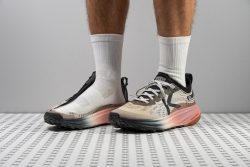
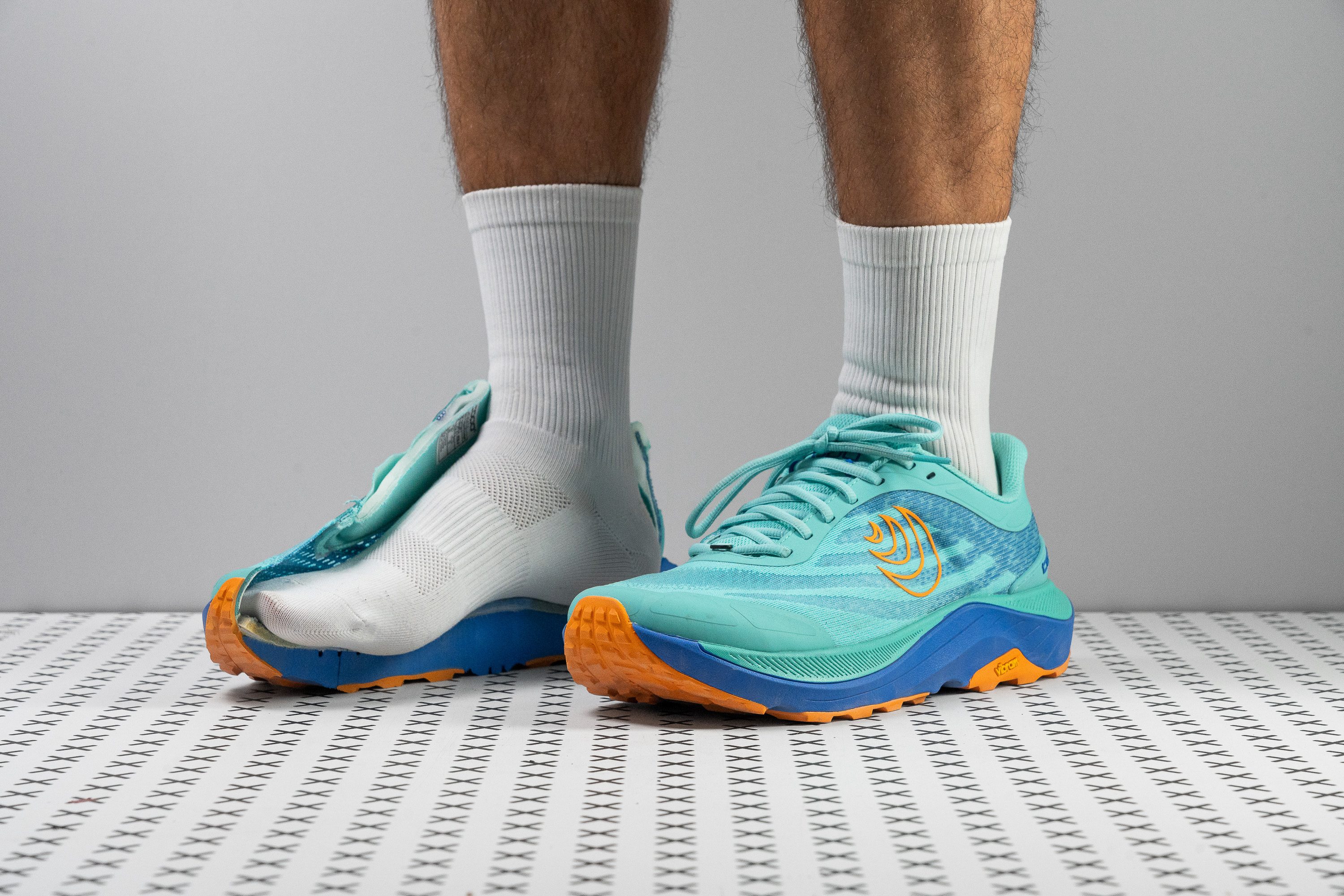
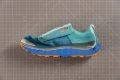
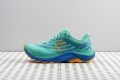
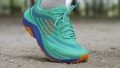
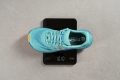
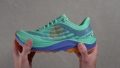
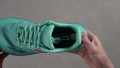
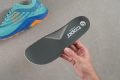
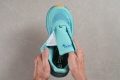
Among all the wide-toebox hiking shoes we tested on foot and in the lab, we found the Topo Ultraventure 4 to be the king of light terrain. Our experience tells us it’s made for the outdoors—offering an effortless ride, comfort for any distance, and unwavering grip for non-technical trails.
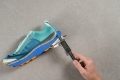
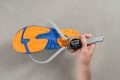
This shoe boasts a robust Vibram outsole with 3.2 mm lugs that display unquestionable grip on gravel roads, city parks, and light trails. It feels very protective from all the debris we step on and keeps us steady through uneven surfaces. Our Dremel confirms its tough nature with only 0.6 mm damage in our abrasion test.
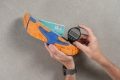
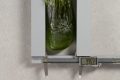
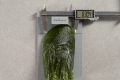
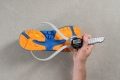
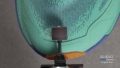
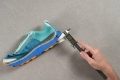
The spacious toebox offers lasting comfort, even as our feet swell. We created a gel mold to measure its interiors and found the toebox to be a massive 83.0 mm in width, with tons of vertical clearance at 29.7 mm.
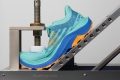
Additionally, the midsole moves freely with our motions. Its high level of flexibility keeps the ride natural and is perfect for days we want to relax. In our bend test, it emerged 29% more bendable than the average hiking shoe. At 10.1 oz (286g), it’s pretty light for trekking, too!
Bad news for overpronators, as the heel may feel a bit unstable. People who need more structured support should consider other options.
Pros
- Extra-roomy toebox
- Hardwearing Vibram outsole
- More flexible and comfortable than version 3
- Ideal for midfoot strikers
- Can handle ultra races
- Plush tongue improves comfort
- Excellent stability in the forefoot area
- Good lockdown with no tongue movement
Cons
- Not for narrow-footed runners
- Midsole lacks energy return
- No reflective elements
- Unstable heel
Best zero drop hiking shoes with a wide toebox



















What makes it the best?
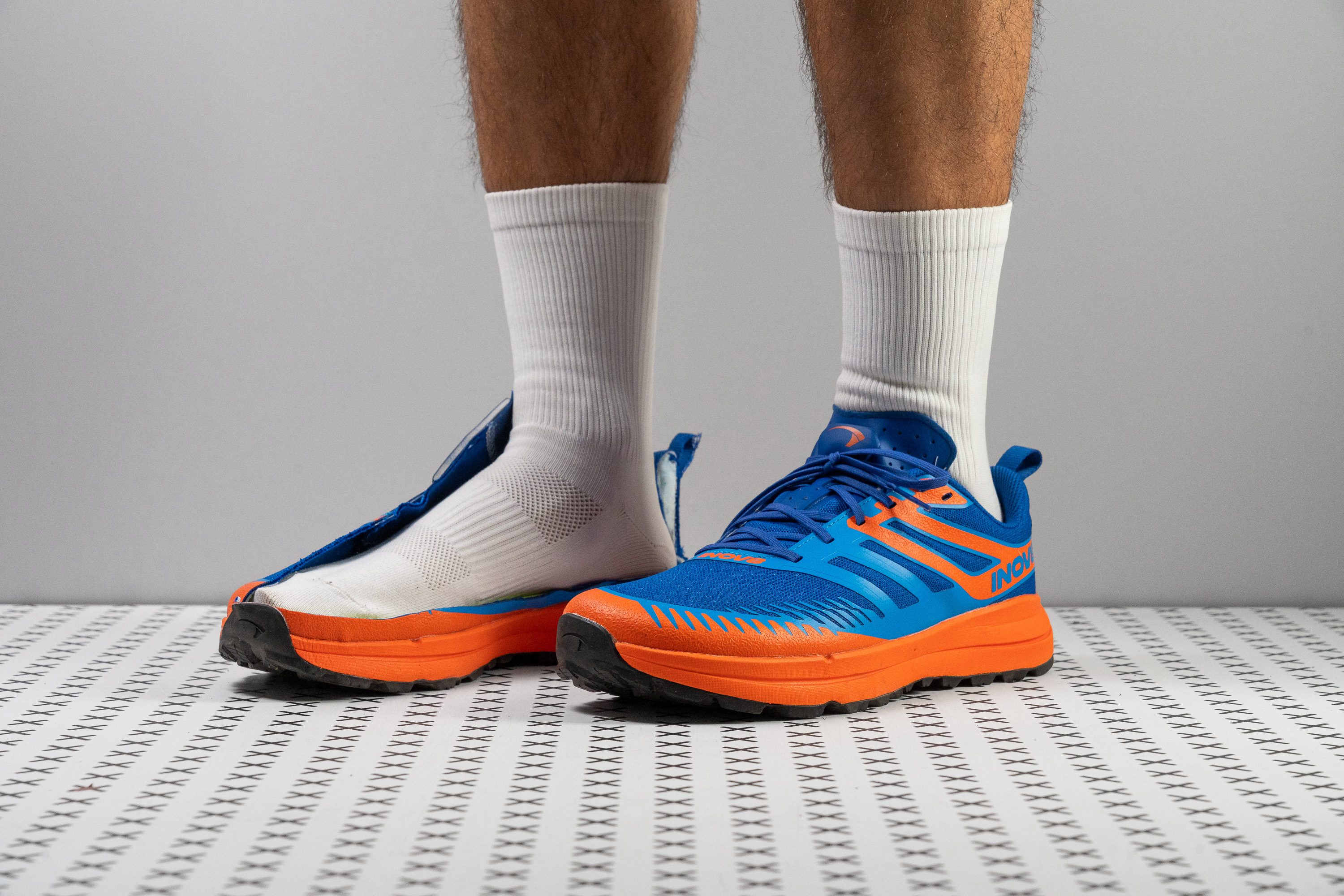
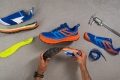
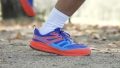
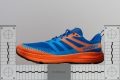
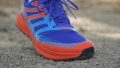
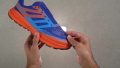
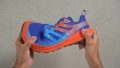
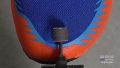
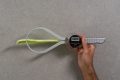
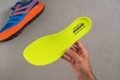
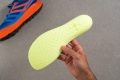
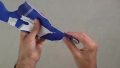
As its name suggests, the Inov8 Trailfly Zero is all about the barefoot feel, offering the best zero drop in the wide toebox hiking category. It has minimalist written all over it with its light weight, flexible build, and zero drop. Yet despite its simple nature, it offers comfort through its generous room and surprising shock absorption.
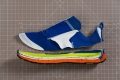
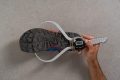
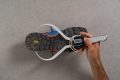
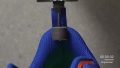
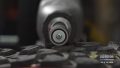
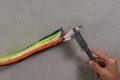
It has a close-to-the-ground stance with a thin layer separating our feet from the ground, specifically at 24.9/24.4 mm. The resulting offset is a minimal 0.5 mm, which enhances surface sensitivity. Despite being so close to the trails, we recorded impressive shock absorption ratings of 107/101 SA, allowing us to wear this pair all day.
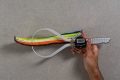
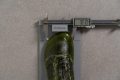
It has a rounded foot-shaped toebox, which we confirmed through our solidified gel mold. At the broadest part of the toebox, we measured it at 78.1 mm, making it welcoming even to those with swollen feet or bunions.
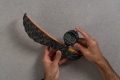
Another reason why the Trailfly Zero feels so natural on foot is because of its light and malleable build. Our scales show it’s only 9.4 oz (266g), 8.0% below average. Meanwhile, it barely resists foot-bending, emerging 47.3% more flexible than average in our 30-degree test.
With its 3.4 mm lugs, we found that the Trailfly Zero feels good on hard-packed terrain. We don’t advise it for soft ground like mud, since these surfaces require more aggressive traction.
Pros
- True zero-drop shoe
- Great shock absorption for a low stack
- Very grounded and trail-connected
- Roomy foot-shaped fit (+ wide option)
- Excellent grip on mixed terrain
- Lighter than the average trail shoe
- Extremely flexible design
- Durable Graphene Grip outsole
- Thick and responsive Boomerang insole
Cons
- Lacks a secure heel hold
- Upper could be more durable
Best lightweight hiking shoes with a wide toebox












What makes it the best?
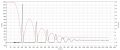
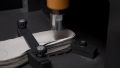
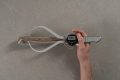
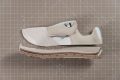
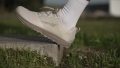
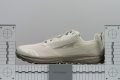
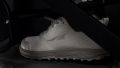
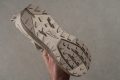
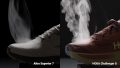
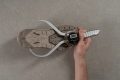
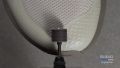
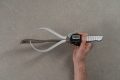
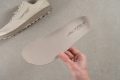
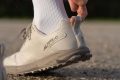
We crowned the Altra Superior 7 as the best lightweight wide-toebox hiking shoes. We were drawn to its natural ride and seamless transitions, all in a low-drop, high-flexibility shoe. Despite all these gentle features, it delivers grip in our treks and lab tests.
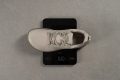
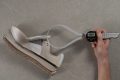
The Superior 7 is very easy to maneuver because it's light on the foot and moves freely with our natural strides. It feels like it’s barely there in a good way. Our scales show it’s only 8.3 oz (312g), 37% below the average hiking shoe.
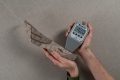
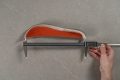
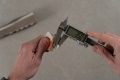
Its adaptability is further amplified by its flexible midsole, needing 52% less force than the average hiking shoe to reach 30 degrees in our bend test. We credit this result to its minimal 20.6/20.0 mm stack, with a resulting low 0.6 mm drop that enhances ground connection.
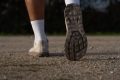
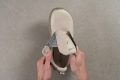
Ensuring roomy comfort is the wide toebox, where our toes could move freely. Our gel mold shows a 78.1 mm measurement in the toebox compared to the 72.3 mm average. This extra space improves a well-planted sensation, with further assistance from the versatile 3.5 mm lugs underneath. We hiked through rocky paths, loose dirt, and wet pavements, and saw that the shoe kept us steady every time.
However, its low impact protection may feel too harsh on the legs. Hikers who prefer more protected landings should find a more cushioned shoe.
Pros
- Excellent ground feel
- Flexible and natural underfoot
- Lightweight for a trail shoe
- Solid traction
- Good durability overall
- Excellent value
- Doubles as a hiking shoe
- True zero-drop design
- Gaiter attachment
Cons
- Not ideal for heel strikers
- Less roomy than other Altra shoes
- Low toebox height
- Foam feels really firm
Understanding the toebox width and shape
If you’re here, you’ve most likely experienced some or most of the following during hiking:
- Toes that are cramped so much that you’ve developed blisters or even some bleeding, as shorter toes were pressed too hard against longer ones and their nails rubbed too hard against the skin of longer toes
- Pain in the toebox area
- Bunions and/or bunionettes
- Stubborn and painful corns and calluses exactly where the pressure in the toebox was the highest.
If that’s the case, and you’ve experienced these in more than 1 hiking shoe (toebox), you most likely need a roomier one.

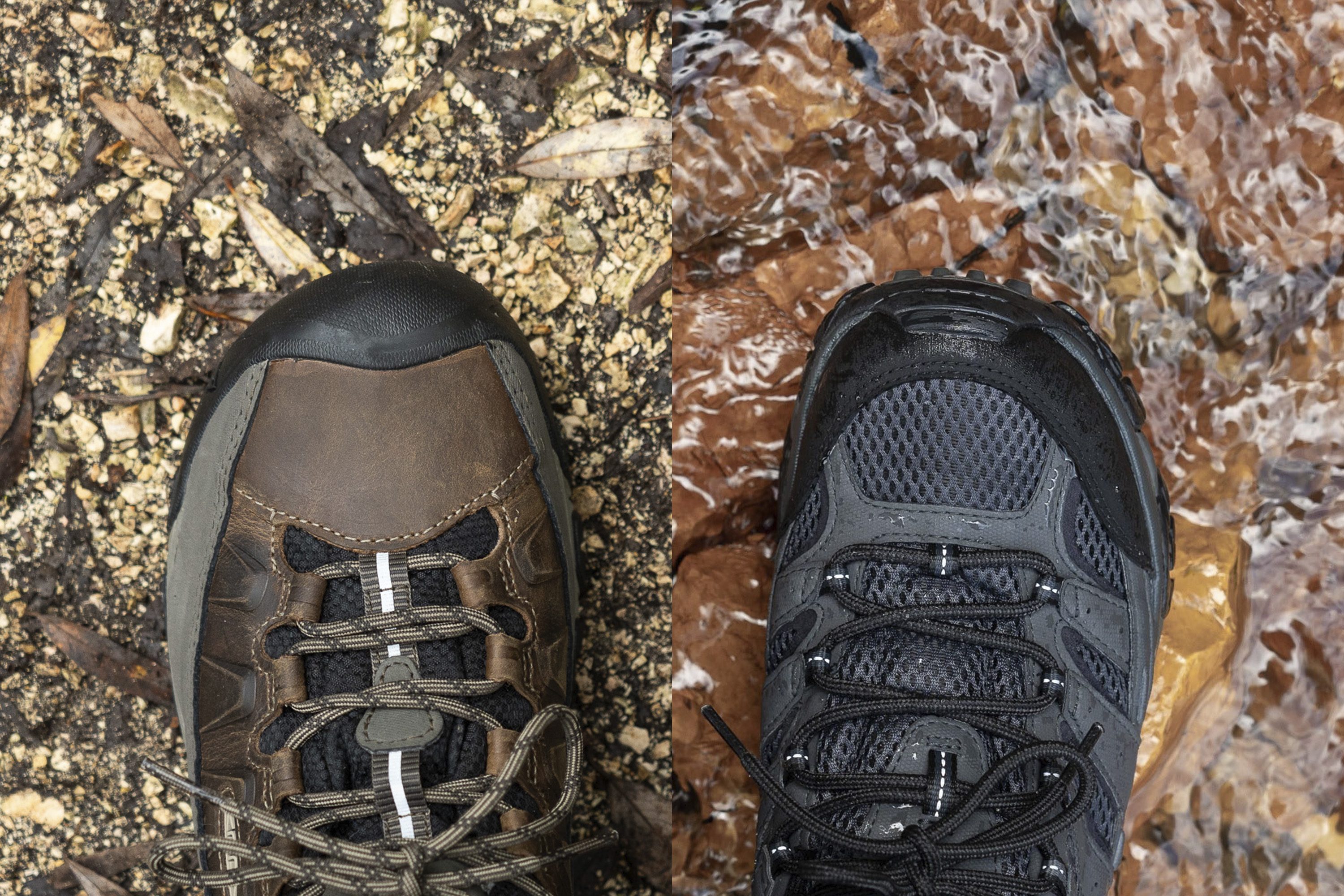
And, when it comes to the wide toebox, there are nuances. As you can see in the image above, not all of us have the same feet and toe shapes. Some need more room closer to the tip of the hiking shoe, while others need more room around the ball of the foot. Because of this, we stick to our lab measurements strongly.
Toebox width in hiking shoes: lab data
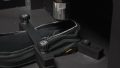
To measure the inner width of the hiking shoe toebox, we can’t just stick a caliper or a laser inside. There’s no room for that, and the anatomy of the shoe itself does not allow us to. So, we thought of a workaround that’s actually straight to the point!
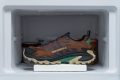
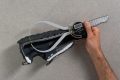
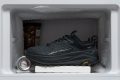
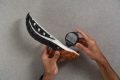
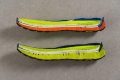
We’ve created a gel that, once poured into the shoe and frozen, gives us a perfect mold of the shoe's interiors
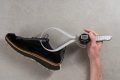
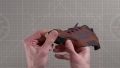
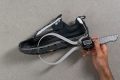
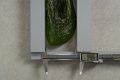
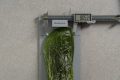
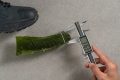
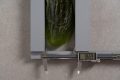
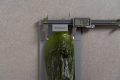
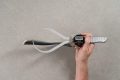
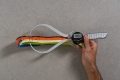
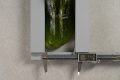
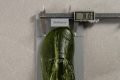
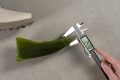
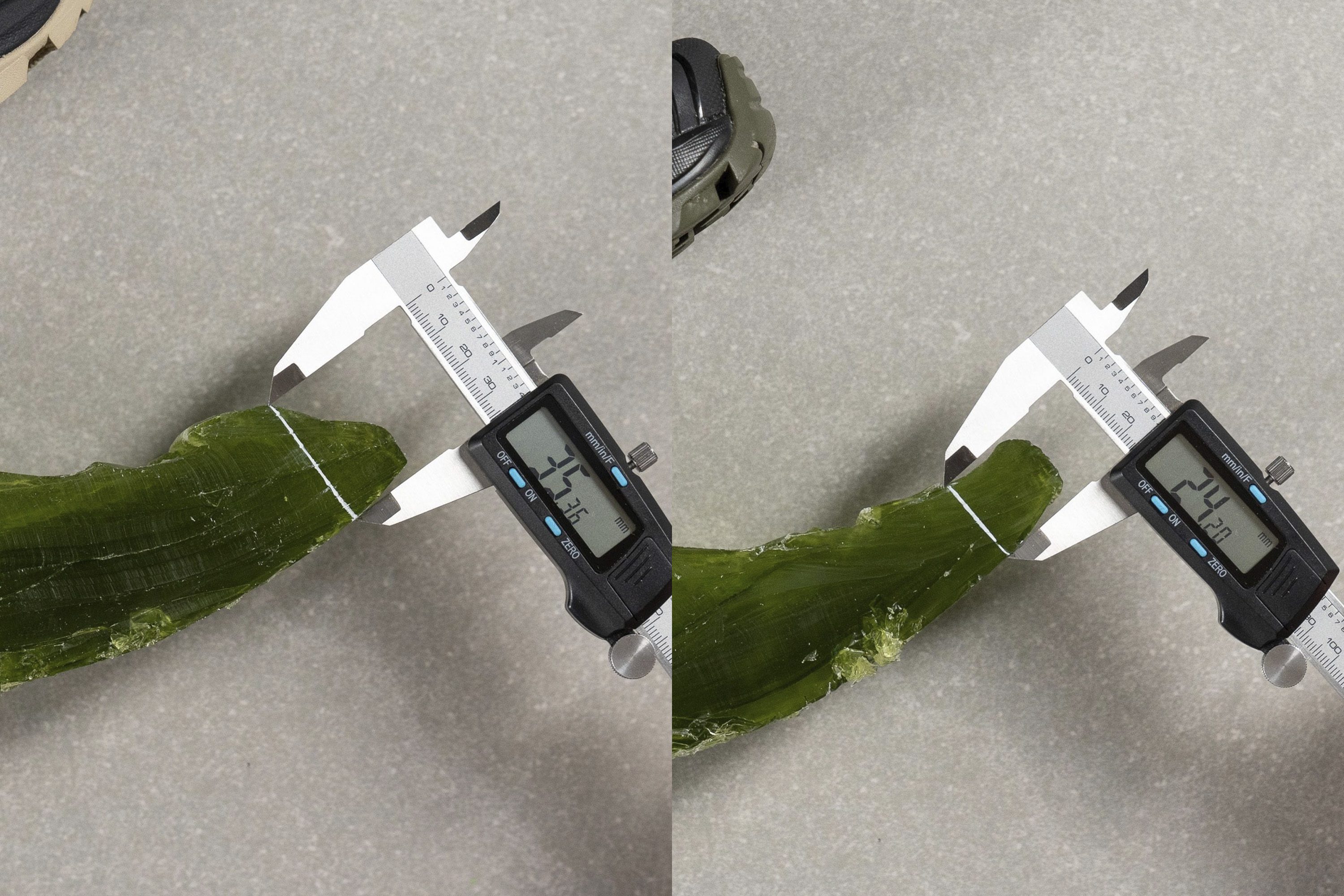
Once the gel has hardened, we take our calipers and measure the shoe width in 2 places: at the big toe and where it’s the widest.
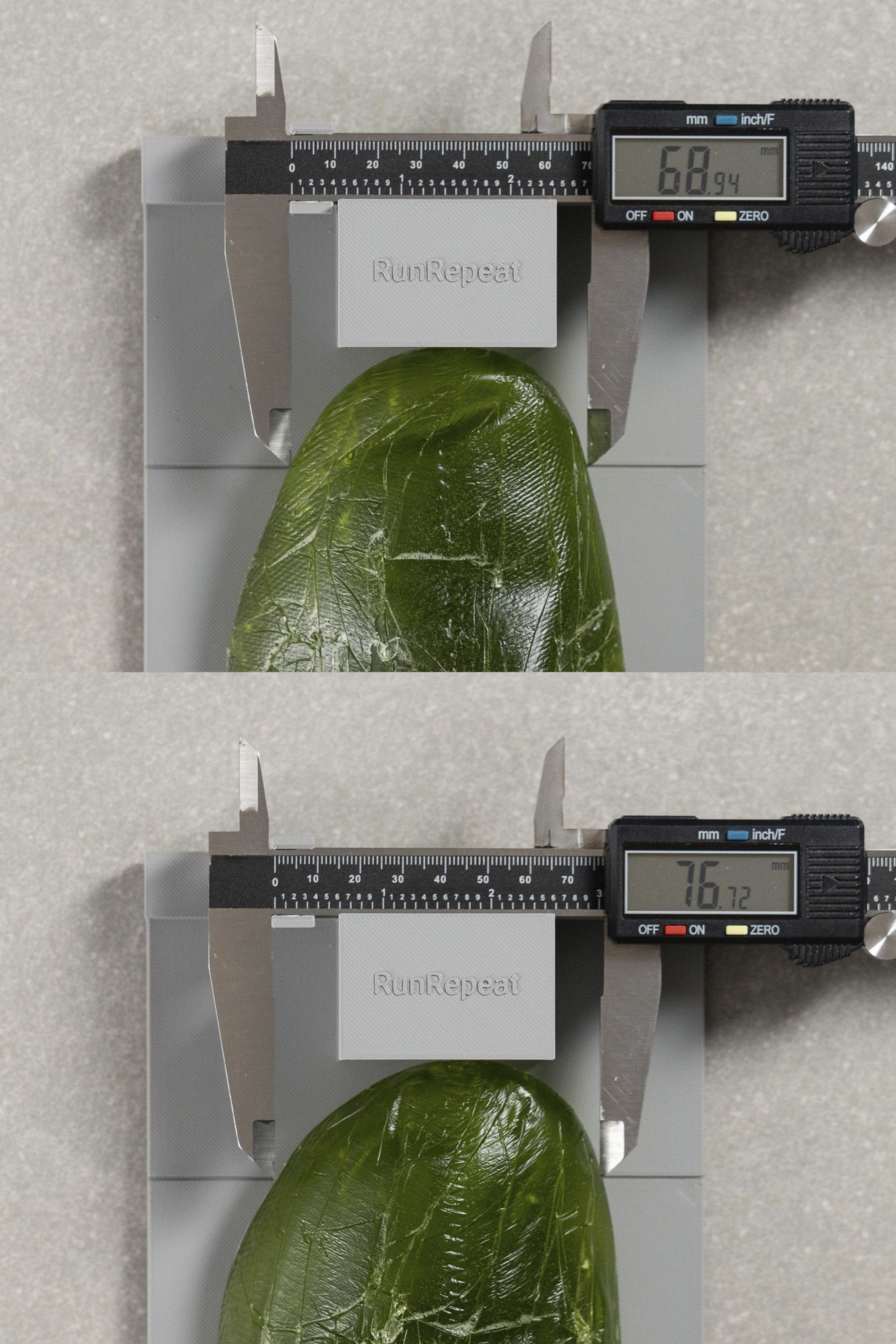
We use the big-toe width as a direct measurement of the toebox width. However, given the different shapes of feet, we can also look at another measurement.
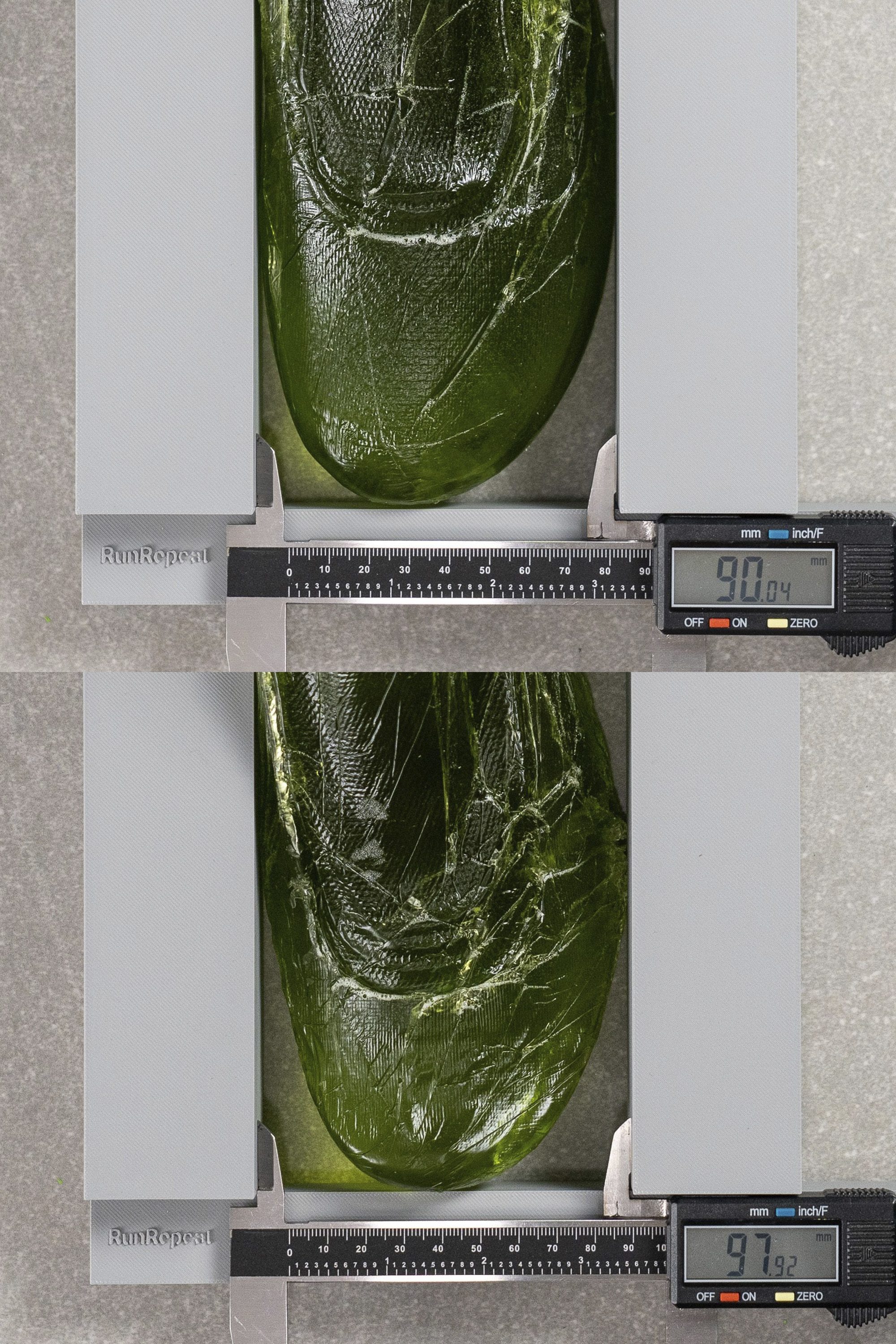
When looking at the toeboxes, we can use this measurement as well to talk about the shape of the toebox: some are pointy, others rounded.
The bigger the difference between the 2 width measurements, the pointier the toebox (more tapered). The smaller the difference, the rounder the toebox. It is that simple.
Knowing this, you can always look at our lab data to find out which toebox is wider or pointier.
Why lab data is so important
Hikers can comment on the toebox width and say whether it works for them and whether their toes can splay. Many experts can also visually inspect the toebox, but the lab data is superior because:
- The tests are standardized and objective. The results don’t depend on anyone else’s foot shape. We can look at both toebox width and shoe width, and conclude how wide and tapered the toebox is
- The data is comparable across all hiking shoes we’ve tested so far in the lab.
- The tests focus on the actual toebox width, which is its interior width. Others who comment on the width just by looking at the shoes don’t know how thick the upper is, which significantly varies from shoe to shoe. Then, some hiking shoes also have thick toe bumpers or upper overlays, which may create an illusion of a wide toebox.
- We also quantify toebox height, which no other measurement or assessment so far has been able to do.
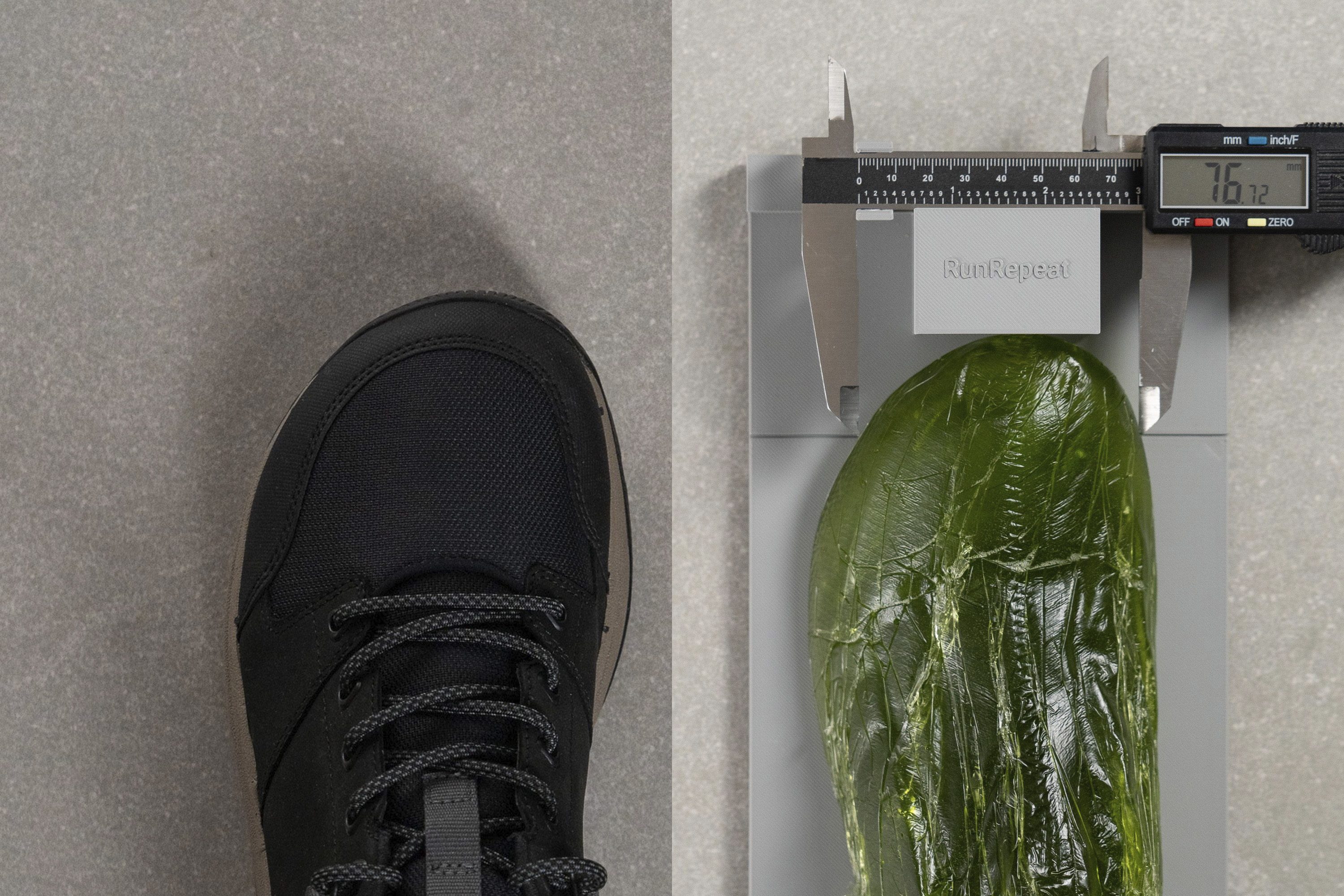
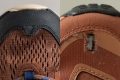
In the example above, we see a hiking boot that proves how the thickness of the upper varies throughout the toebox (although that's the case in practically all hiking shoes), which highlights the importance of gel-mold measurements even more:
- At the big toe, when measuring the toebox width on the outside using calipers, we got 87.0 mm. Measuring the width at the same place but on our gel mold, we got 76.7 mm
- Using calipers directly on the outside of the shoe, where it's the widest, we measured 103.8 mm. The same place measured on the gel mold got us 97.8 mm.
Toebox height in hiking shoes
Some hikers don’t just need horizontal space but also vertical. This is not something that is often discussed and brands certainly don’t give information on the toebox height. Enters: RunRepeat testing.
Knowing the toebox height of hiking shoes means avoiding horrible pressure on the toes and nails that sometimes ends up with black toenails, or preventing the big toe from hitting the toebox and maybe even poking a hole through it, by giving it enough vertical space.
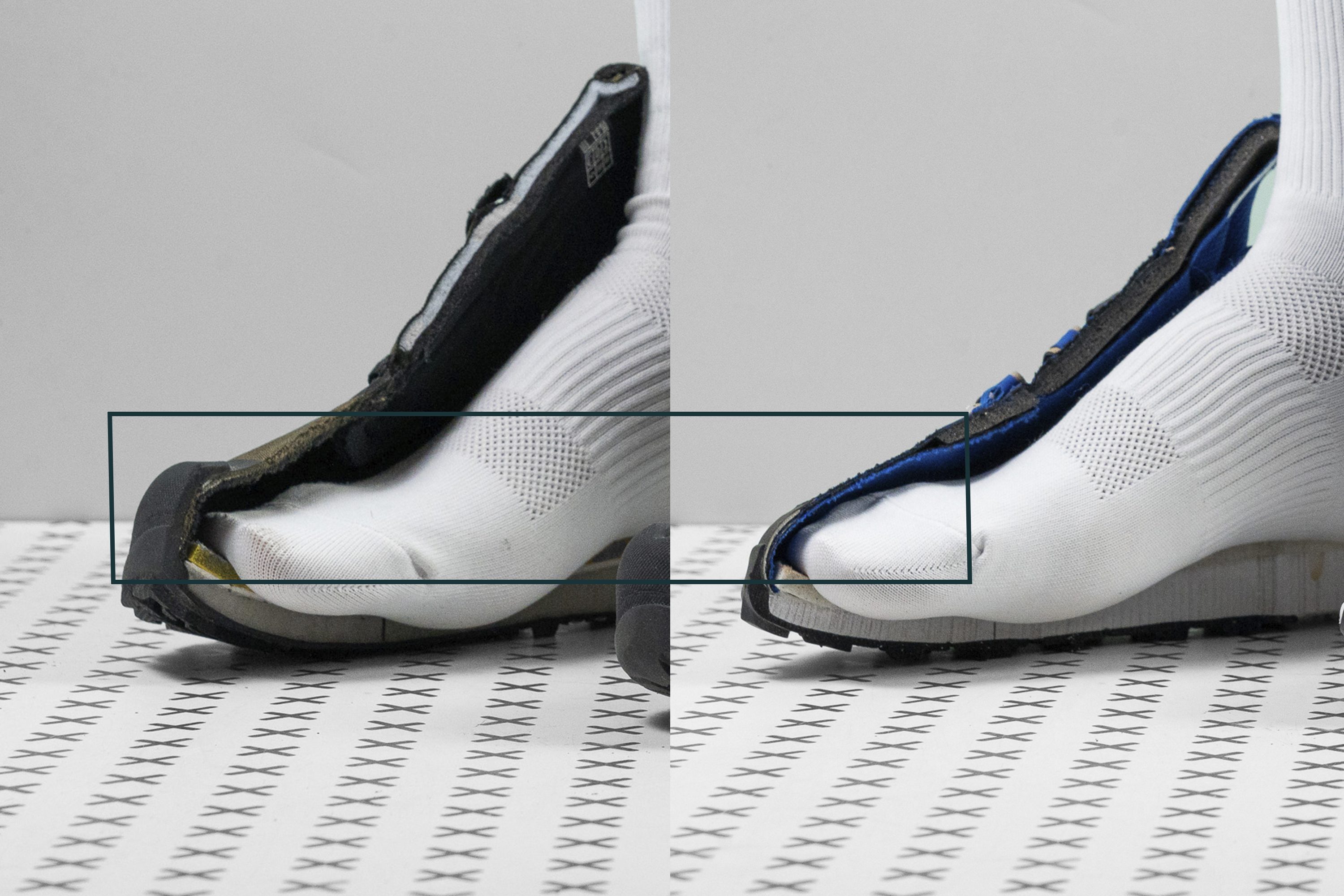
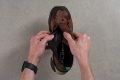
Keep in mind that hiking shoes with very stiff uppers don’t have any give. Toes that love extra room in the toebox usually enjoy softer materials. If that’s not an option, find a toebox that is as roomy as you need it to be.
Foot-shaped toebox in hiking shoes: what to expect
The name is self-explanatory and here’s what that looks like in the hiking world: See this Altra hiker that has a foot-shaped design (up), vs this shoe that has a regular design (down).
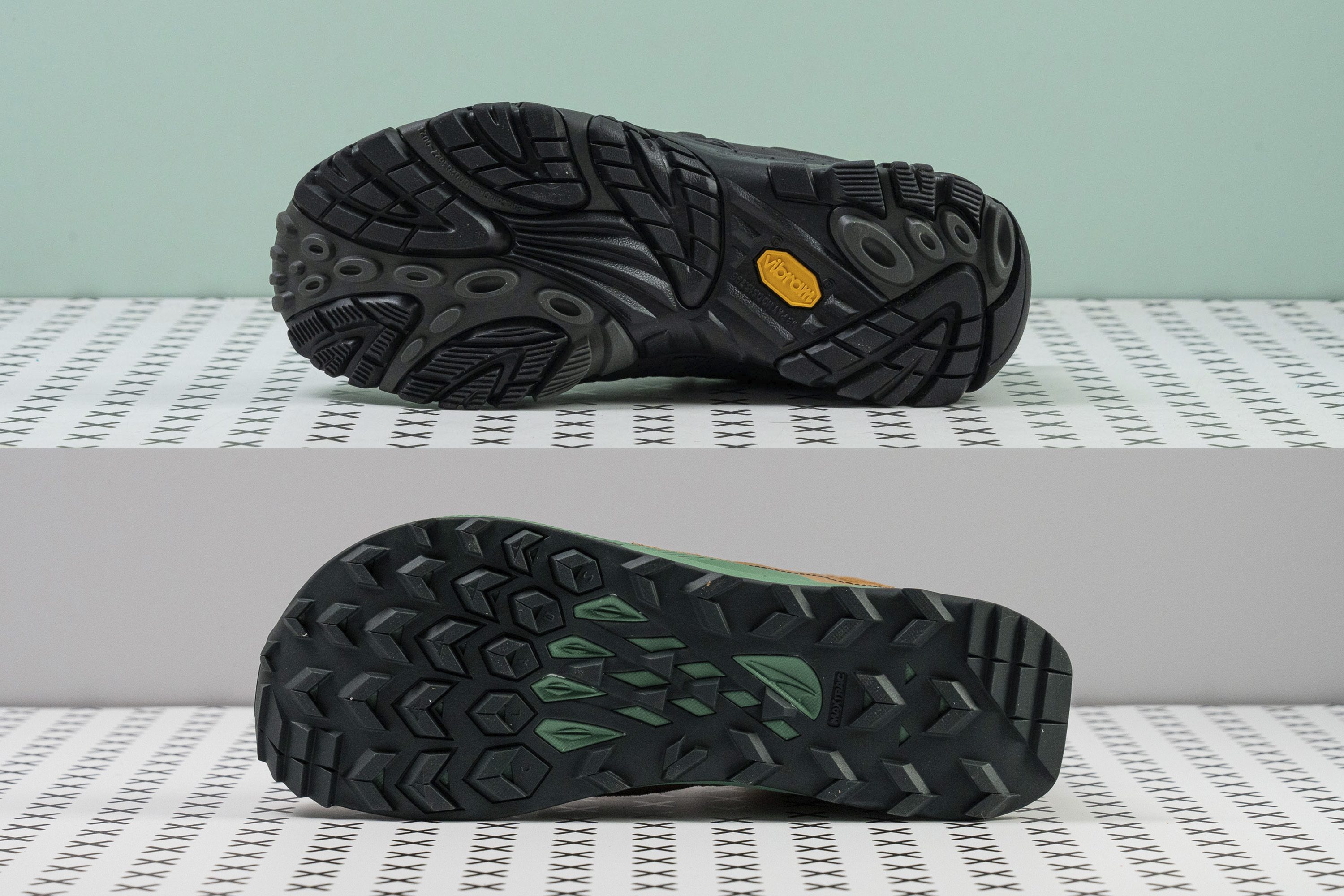
There are different brands that make hiking footwear with, what is usually referred to as, natural design (Altra, Topo, Vivobarefoot, etc.). These shoes are great for people who have a wider forefoot and who enjoy the feeling of the toe splay inside the shoes. This is a huge pro.
However, such shoes tend to come with a few warnings (technically, they are not cons): they tend to be minimalist, which means low to the ground. This equals less cushioning and more ground feel. Also, it means having a lower heel-to-toe drop that could also be 0 mm.
Making sudden changes in heel drop, especially when going from, say 10 mm, to zero drop, is a dangerous move and should be done cautiously.
If this is something that peaks your interest, we strongly recommend reading our in-depth guide on Heel drop: Heel to Toe Drop: The Ultimate Guide.
Consequences of a tight toebox
We can usually feel whether the toebox is narrow: our feet get cramped and we might feel the pain in an instant. However, the discomfort can happen later on as well, once our feet swell and we cover longer mileage.
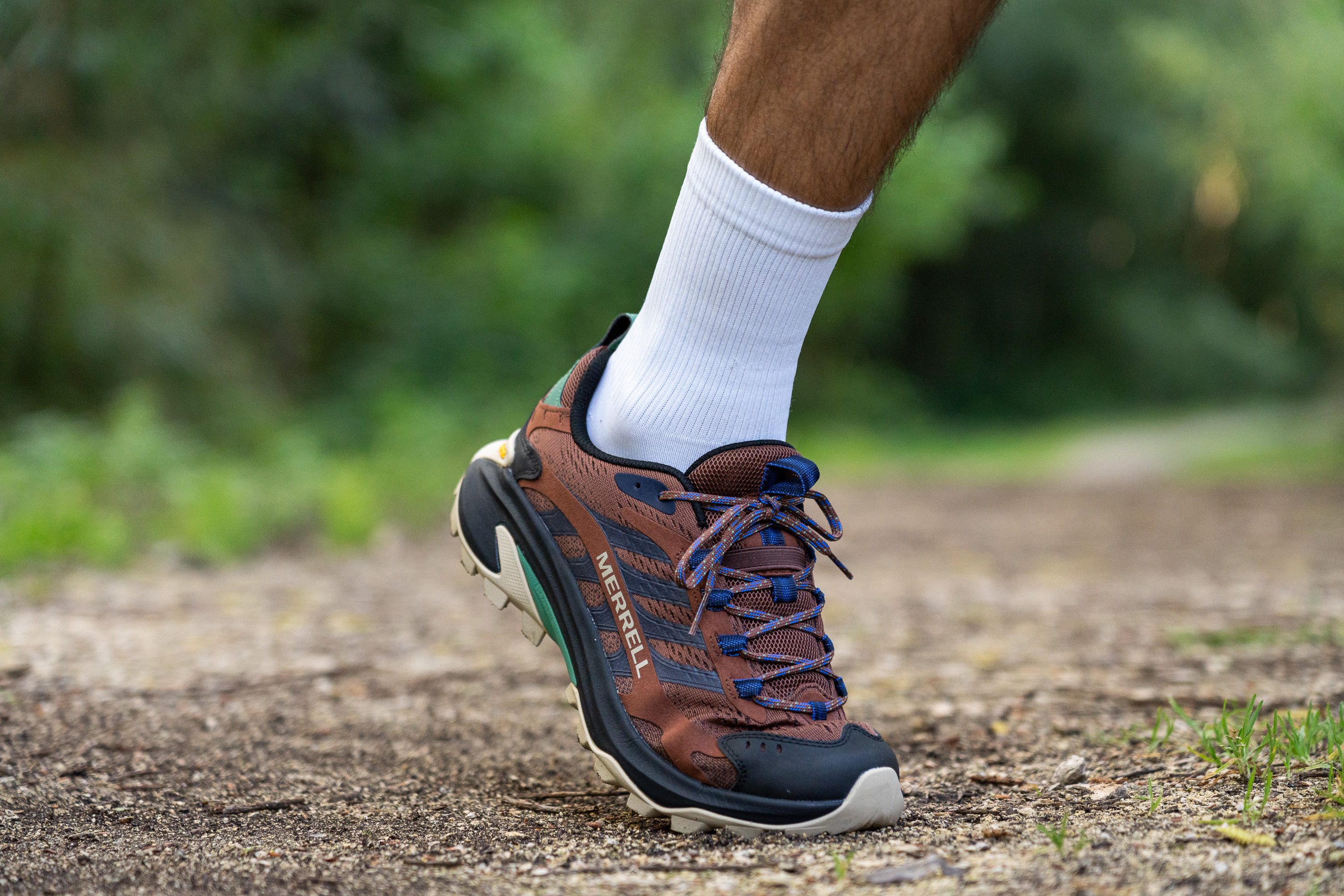
Here, we list the most common consequences of a tight toebox. This does not mean that the tight toebox is always the only responsible cause, so consider the list as a general guideline, not a precise diagnosis.
- Ingrown toenails and Morton’s Neuroma can both happen when the toebox is not wide enough. Best to look for a wider forefoot.
- Black toenails can happen both when the toebox is too tight or too low. This is when you should pay attention to the height of the toebox as well.
- Painful corns and calluses may not be painful at the beginning but should be “treated” with a wider toebox so that the condition does not worsen.
- Blisters, especially at the big toe or the pinky toe, can happen when the toebox of your hiking shoe is not wide enough.
- Hallux rigidus and Hallux valgus (bunions) should be treated with a wide toebox, to start with.
Why loose toebox fit is a bad idea
Hiking shoes should fit properly, just right. Not tight, not loose. Here’s what can happen if you decide to get a wider toebox than you actually need:
- Feet may start sliding, so your toes might instinctively try to stabilize the feet by clawing into the ground. This might lead to hammer toes and more tired feet.
- Constant rubbing can lead to blisters as well.
- Running on trails, especially on non-flat terrain, with a wider-than-needed toebox, is very risky. You may experience imbalance, slipping, and even falling.
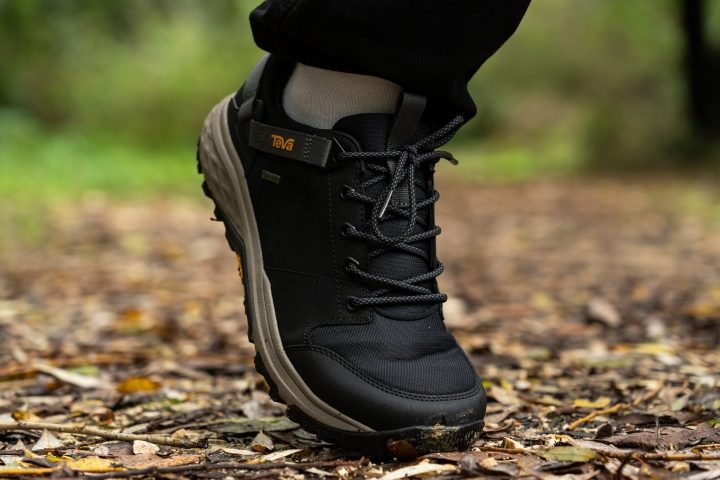
How hiking socks can help with the fit?
The most popular choice for hiking is Merino wool. Most socks have it, at least to some degree. But, what matters when we’re discussing the fit and not just performance is the thickness of the socks.
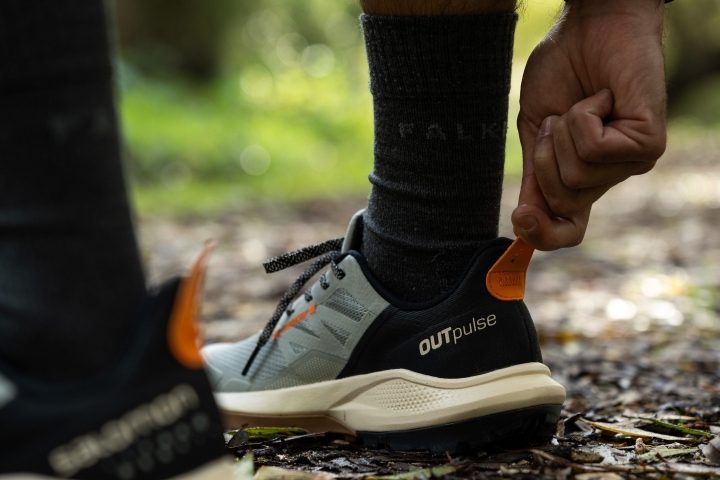
Very thin ones can definitely help, especially if they also do compression. They feel like the feet have got thinner a bit! And compression helps with (against) blisters as well. Regular socks are, well, regular and the shoe should feel normal in them. Thick socks, on the other hand, which are great for winter and because they offer a lot of cushioning, might make the shoes feel tight.
Similar buying guides