7 Best Walking Shoes With A Wide Toebox in 2026

We buy shoes ourselves. We earn commissions when you buy through us, at no extra cost. Why trust us
Wide foot-shaped toeboxes are most often associated with barefoot or minimalist shoes (i.e. Xero Shoes). However, there are quite a few regular cushioned shoes with pretty wide non-tapered toeboxes that accommodate all five toes comfortably. Actually, some footwear brands specifically design athletic shoes with large and round toeboxes (i.e. Altra and Topo Athletic). And those are not some ugly orthopedic shoes.
Even though roomy walking shoes are still the minority, there are significantly more options today as opposed to a few years ago. You even get to choose from multiple categories!
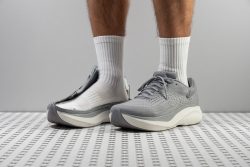
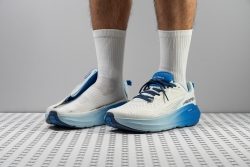
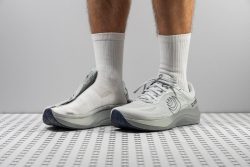
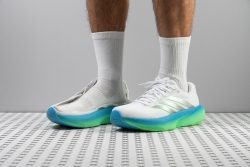
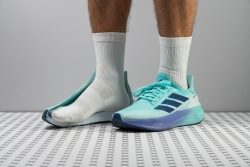
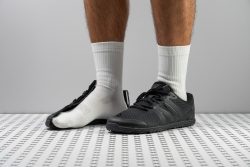
How we test walking shoes with a wide toebox
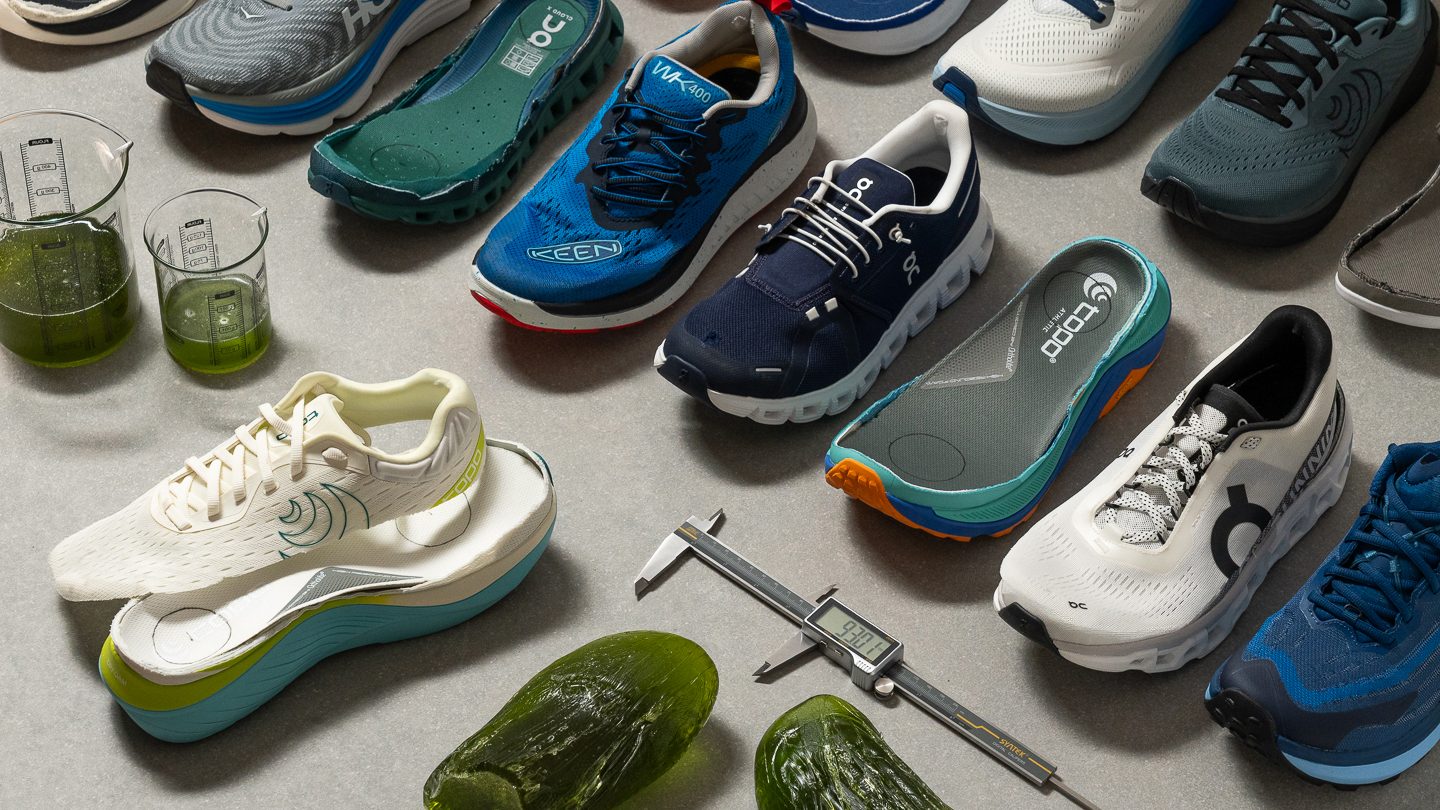
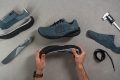
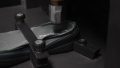
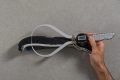
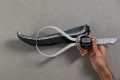
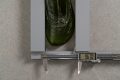
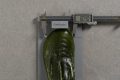
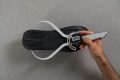
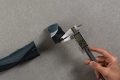
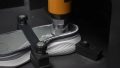
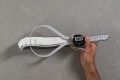
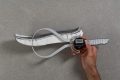
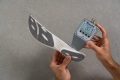
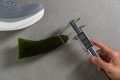
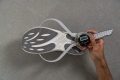
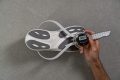
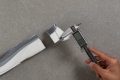
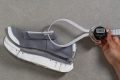
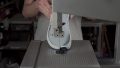
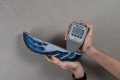
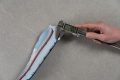
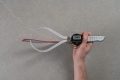
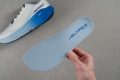
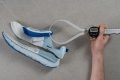
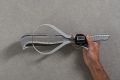
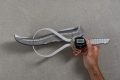
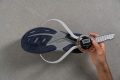
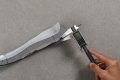
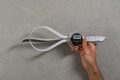
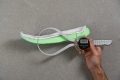
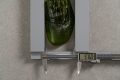
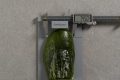
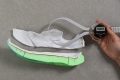
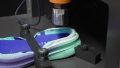
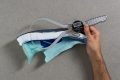
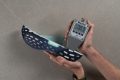
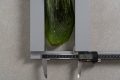
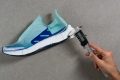
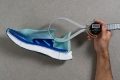
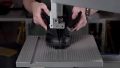
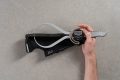
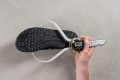
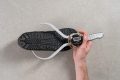
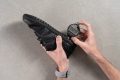
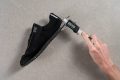
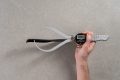
We use a custom gel substance to create one-to-one replicas of each walking shoe’s interior and measure its dimensions meticulously with a digital caliper. This allows us to filter out the shoes with truly wide toeboxes.
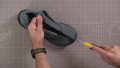
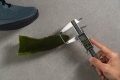
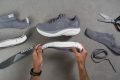
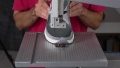
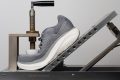
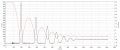
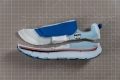
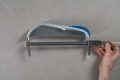
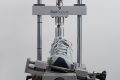
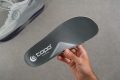
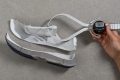
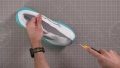
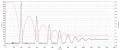
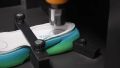
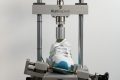
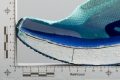
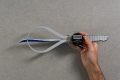
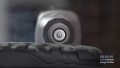
We then take each shoe through dozens of wear and lab tests to further inspect its shock absorption, stability, durability, among other key characteristics. This includes cutting the shoe in half and using calipers, durometers, and even some specialized machinery to retrieve every measurable parameter.
On top of it all, we deny sponsorships and buy all tested shoes with our own money to avoid brand loyalty and bias.
Best walking shoes with a wide toebox overall





What makes it the best?
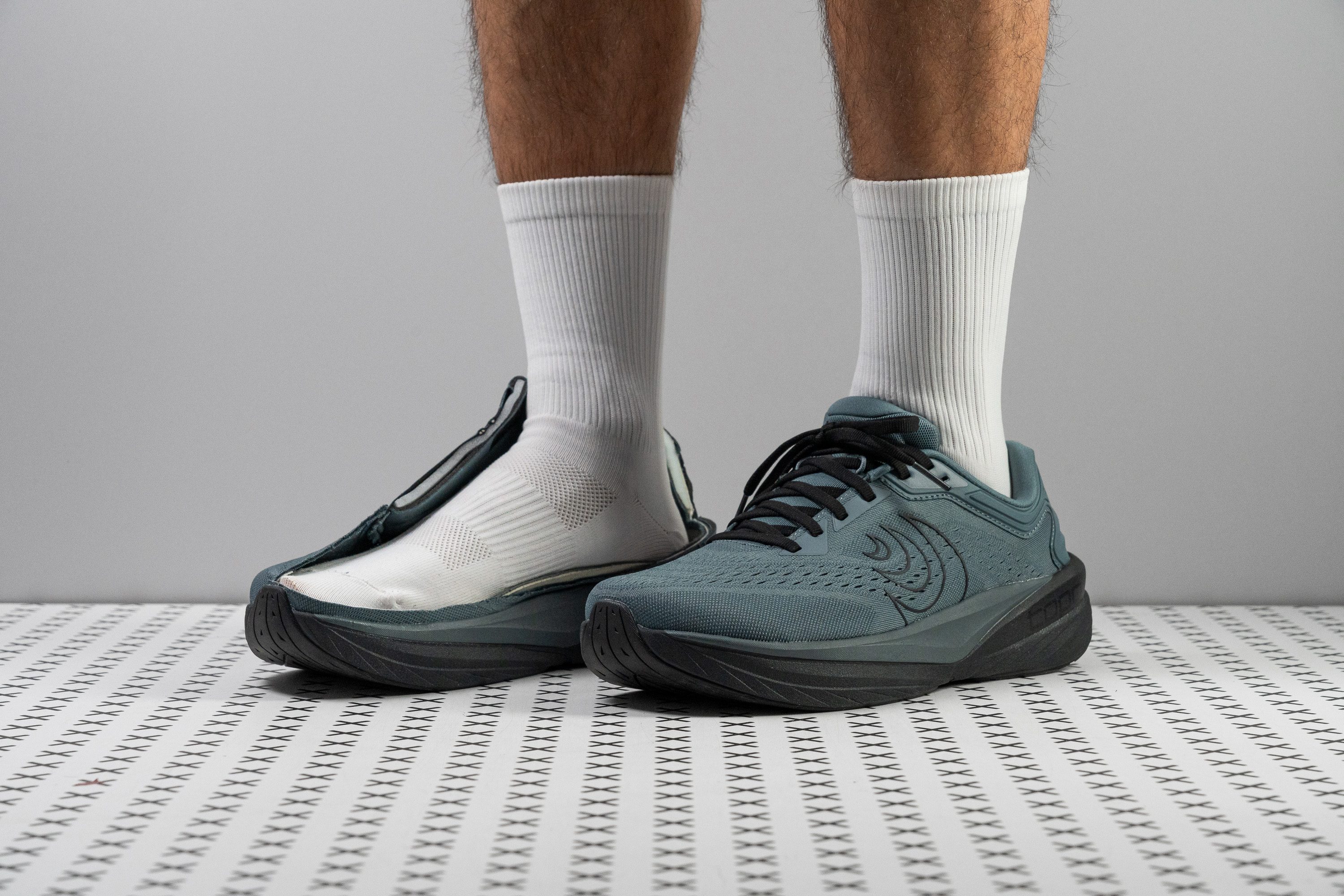
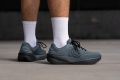
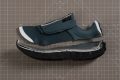
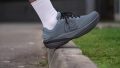
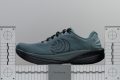
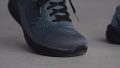
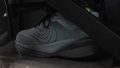
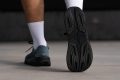
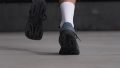
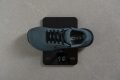
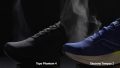
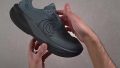
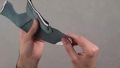
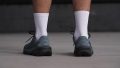
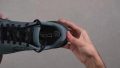
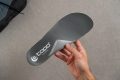
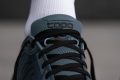
The Topo Phantom 4 offers a one-of-a-kind fit with its exceptionally roomy space, both horizontally and vertically, making it our top wide toebox walking shoe. Besides its accommodating fit, it offers a fluid and cushioned ride that keeps our wandering strolls fuss-free, as proven by our lab results.
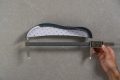
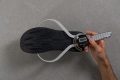
Phantom 4 features a natural foot-shaped silhouette, proven by our solidified gel mold. We measured a massive toebox with a width of 80.4 mm. Being 9.1% wider than average, it assures us it can accommodate very broad feet. Besides its width, it offers a generous vertical clearance of 31.3 mm vs. the 27.0 mm average. Even those with high-volume toes will feel at home with no pressure points.
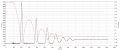
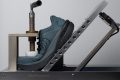
The platform soothed our muscles during long hours on foot with its strong ability to reduce impact. Our shock absorption test records a high result of 139 SA in the rear, backing up the cushioned sensation we felt in our strolls.
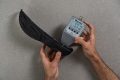
What also boosted the shoe’s comfort is its highly flexible build. In our bend test, it emerged 16.2% more adaptive than average, which means it takes less effort to move with the shoe.
We think the upper still has room for improvement. Besides its disappointing performance in our durability test (3/5), it also offers limited breathability (2/5).
Pros
- Improved shock absorption
- Softer midsole feel
- Wide anatomical toebox
- Outsole lasts forever
- Reasonable weight
- Works well for daily use too
- Comfortable upper
Cons
- Minor price increase
- Still low energy return
- Limited airflow
- Less stable than v3
Cushioned walking shoes with the best shock absorption





What makes it the best?
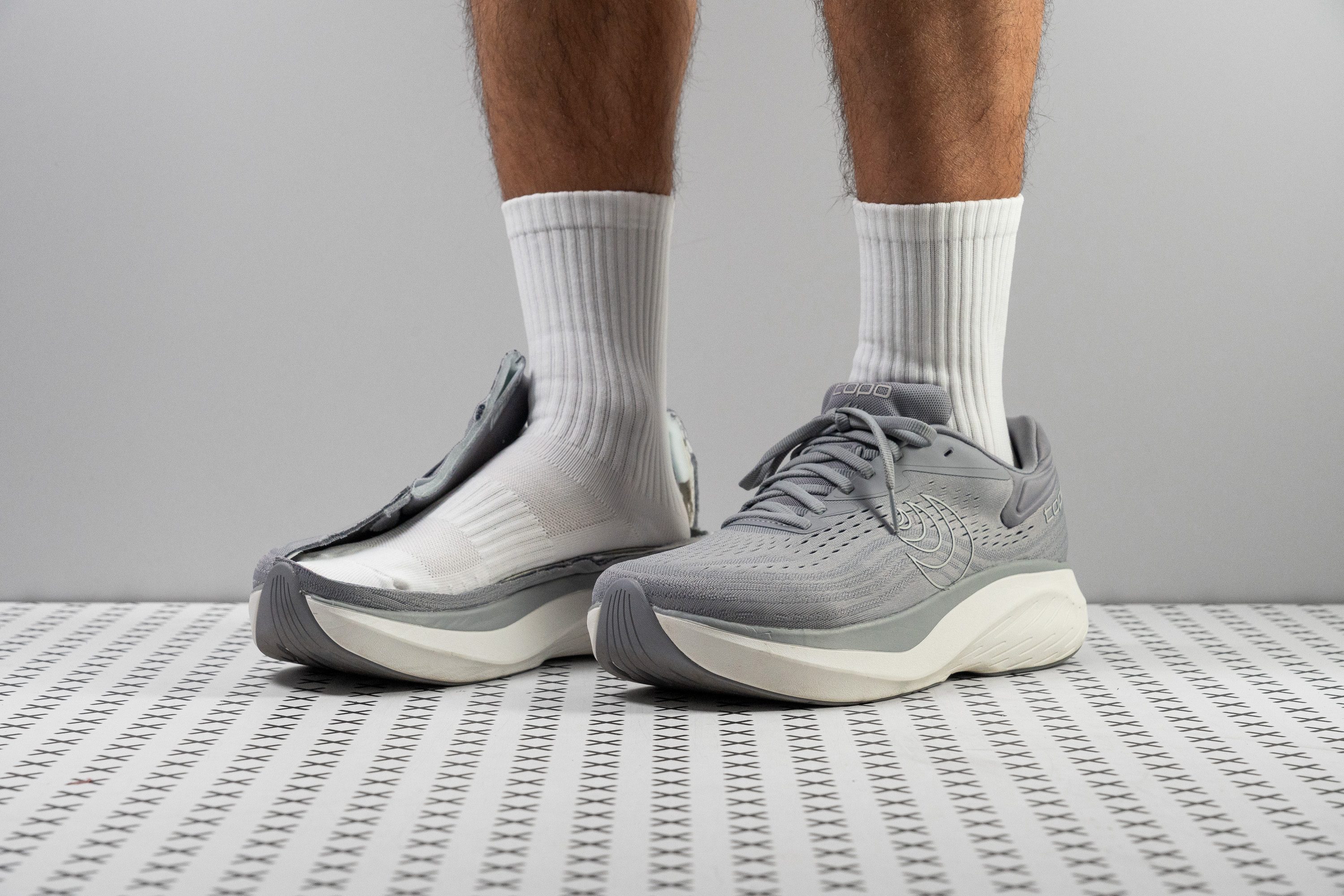
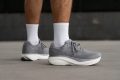
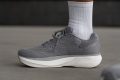
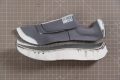
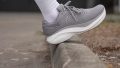
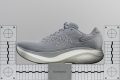
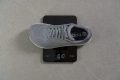
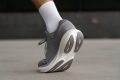
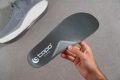
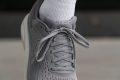
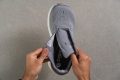
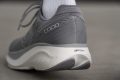
With its velvety and joint-friendly platform, spacious fit, and lightweight ride, the Topo Atmos 2 is a reliable companion for long hours on foot and multiple trips. We measured its foam in the lab to be thick and lush, making it our best shock-absorbing wide-toebox walking shoe.
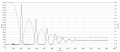
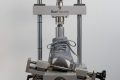
We could walk endlessly around town because the Atmos 2 really took the load off our joints. Measuring its impact protection, we got an above-average 145 SA score, meaning it's able to reduce leg stress 30% better than the standard.
Its spacious and non-tapered fit offers breathing room for our feet. Using our gel mold, the big toe area measures 82.0 mm vs. the 73.2 mm average. Being 12% wider, we had no unwanted pressure points.
For such a thick-stacked shoe, we find its 10.1 oz (286g) weight impressive, as it stays just below the average walking shoe.
Unfortunately, its focus on comfort makes it less stable than before. With minimal structure and near-average widths in the forefoot and heel, Atmos 2 isn’t ideal for those who need added support.
Pros
- Softer, more comfortable midsole
- Exceptionally roomy anatomical toebox
- Deep cushioning for easy miles
- Reasonably flexible despite high stack
- Good outsole durability
- Comfortable upper
- Performs well in cold weather
- Smooth, predictable ride
- Good option for all-day wear too
Cons
- Slight weight gain
- Less stable than v1
- Too roomy for slim feet
- Lacks energy return
Most lightweight walking shoes with a wide toebox












What makes it the best?
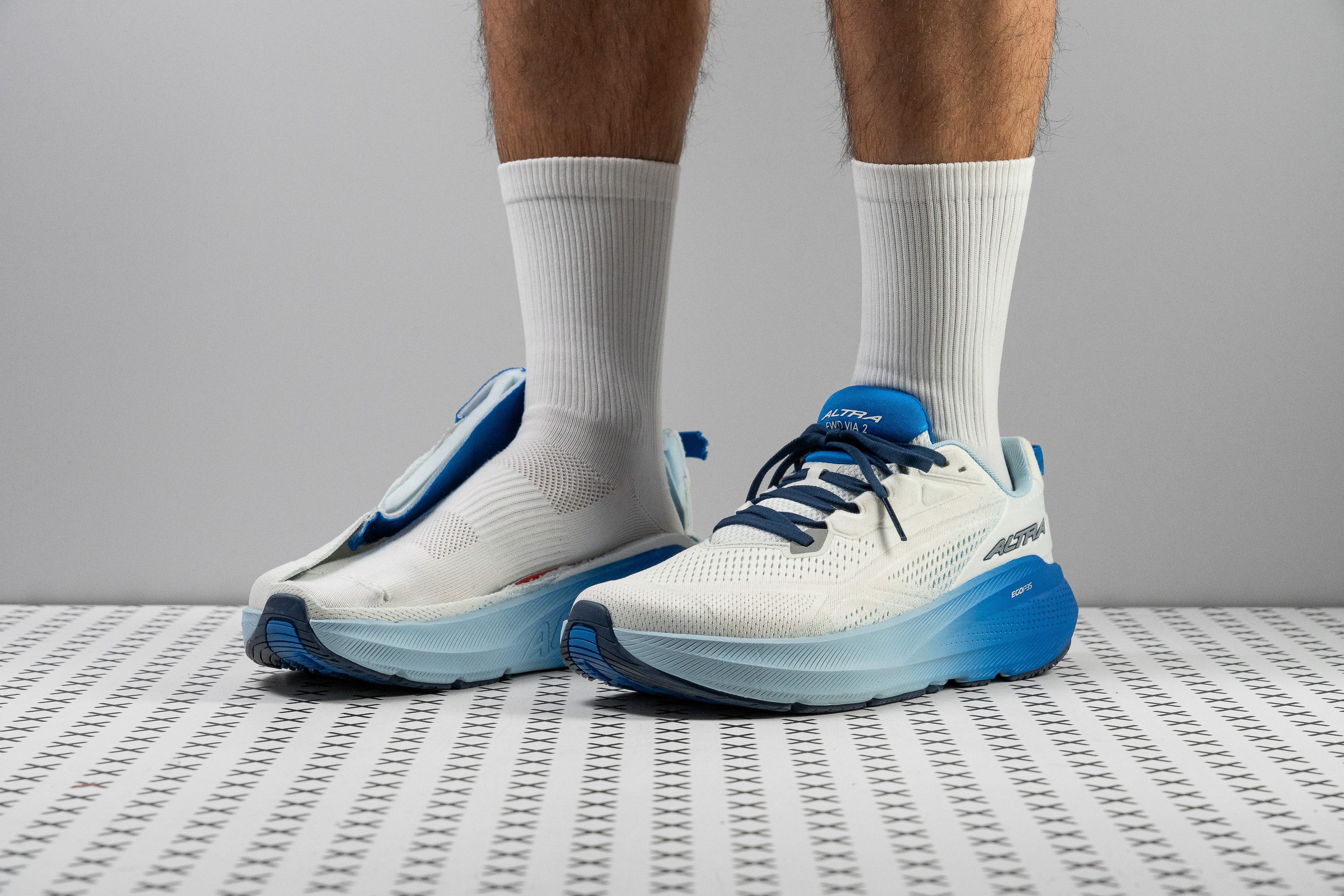
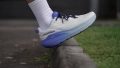
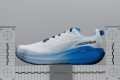
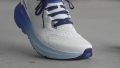
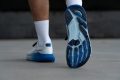
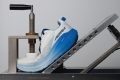
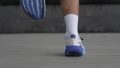
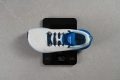
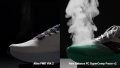
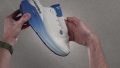
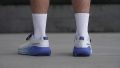
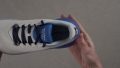
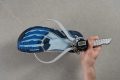
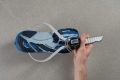
The Altra FWD VIA 2 feels freeing on our walks with its light, flexible, and spacious build, which we’ve proven in our lab tests. It boasts a roomy toebox and a non-resisting midsole, delivering unmatched comfort and the best lightweight experience among all the wide-toebox walking shoes we've tested.
FWD VIA 2 never felt heavy or cumbersome to carry while walking. Our scales reveal it’s only 9.6 oz (272g), 6% lighter than average.
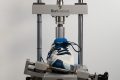
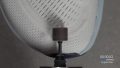
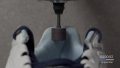
It offers minimal resistance to our natural movement, which enhances its weightless sensation. Our bend test backs us up with a flexibility score 15% above average.
Our toes had a lot of wiggle room, which kept the experience pleasant even during long hours of walking. Thankfully, there was no unwanted pressure, and even our pinky toes could relax. Using our gel mold, we measured the big toe area at a massive 82.4 mm, which is a whole 9.2 mm above average!
However, our feet couldn’t breathe in warmer conditions. Lab tests prove this pair’s limited airflow, so it’s only ideal to use in colder seasons.
Pros
- Much softer midsole than version 1
- Strong impact protection
- Very wide and roomy toebox
- Major improvement in grip
- Outsole is made to last forever
- Excellent space for natural toe splay
- Flexible build despite its high stack height
- Ideal for newcomers to Altra
Cons
- Small price increase
- Higher than expected drop
- Poor breathability
- Energy return still below average
Best stability walking shoes with a wide toebox










What makes it the best?
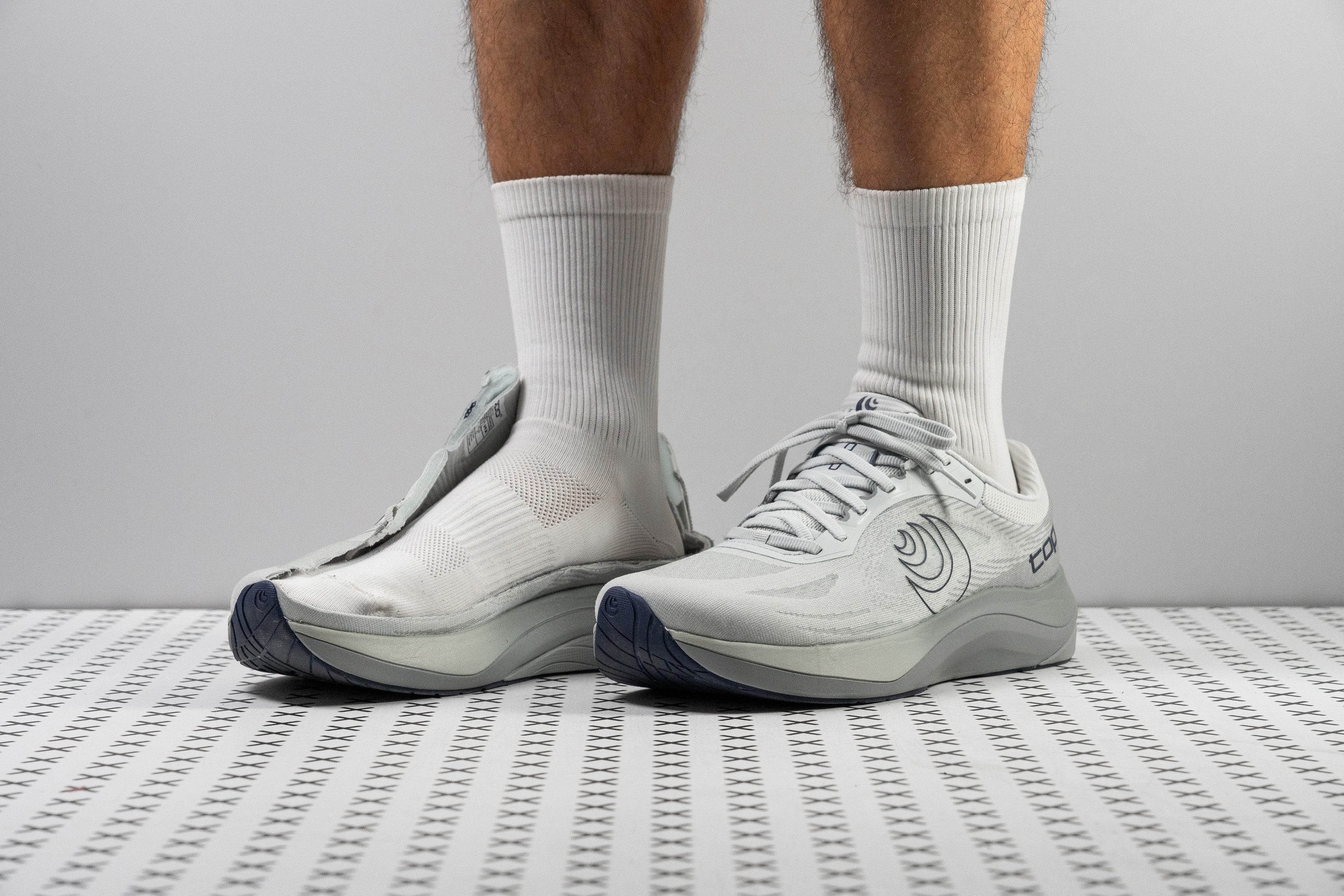
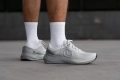
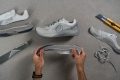
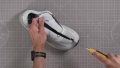
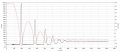
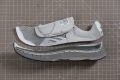
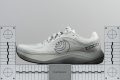
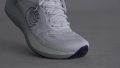
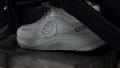
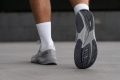
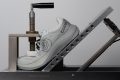
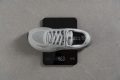
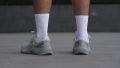
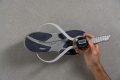
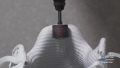
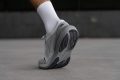
Among wide-toebox walking shoes, we felt the most secure with the Topo Ultrafly 6. It’s our best stability pick, offering steadiness and comfort like no other. In the lab, we found that it features a flexible midsole and a highly accommodating fit.
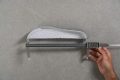
Ultrafly 6 boasts great surface awareness that contributes to steady balance. We measured a moderate stack height of 33.0/26.4 mm and found a medial post that offers reliable lateral support.
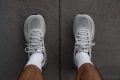
Moreover, our solidified gel mold proves it features a wide toebox, which enhances control and comfort. At 80.3 mm, there were no pressure points during our wear tests since it’s 13% wider than average.
We uncovered the secret to Ultrafly 6’s comfort and effortless feel. Our bend test shows a flexibility score 18% above average, flowing with our natural foot flexion instead of against it. Our strolls felt relaxed underfoot.
However, our intuitive sense of the ground comes at the expense of plush cushioning. Those who aren’t a fan of firm midsoles won’t enjoy the Ultrafly 6.
Pros
- Anatomical toebox allows for toe splay
- Stable ride with updated support
- Secure fit despite roomy forefoot
- Ideal option for custom orthotics
- Outstanding outsole durability
- Comfortable upper
- Looks a bit better than previous models
- Doubles as a walking shoe
- Interesting pick for beginners
Cons
- Outdated midsole tech
- Low shock absorption
- Limited to easy runs
- High torsional rigidity may bother some
Wide-toebox walking shoes with the best traction













What makes it the best?
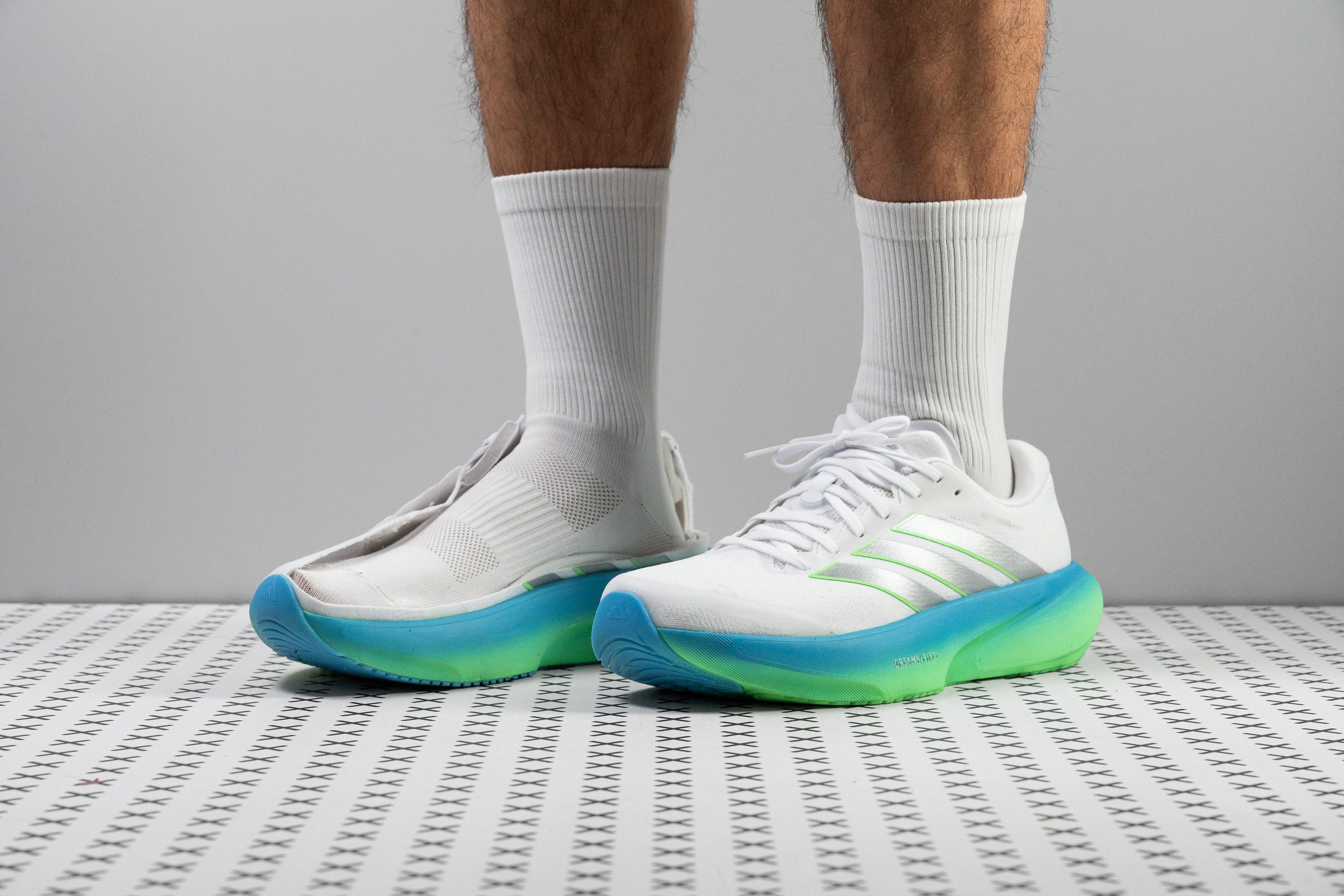
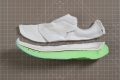
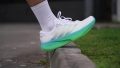
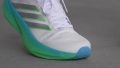
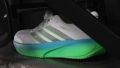
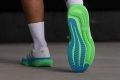
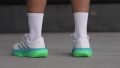
The adidas Supernova Rise 3 rose to the occasion and brought show-stopping grip in our strolls. It offers all-day comfort with its shock-absorbing platform and accommodating fit, backed up by our lab results. Among wide-toebox walking shoes, it’s undoubtedly superior in terms of traction.
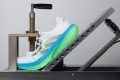
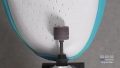
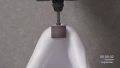
It’s amazing how we felt in control even on wet streets. In our traction test, the LIGHTTRAXION rubber returned one of the highest ratings we’ve seen: at 0.94, making it one of the grippiest walking shoes!
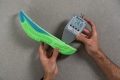
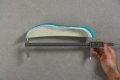
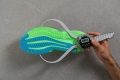
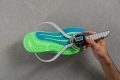
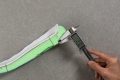
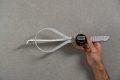
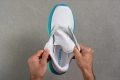
We also had room to find our balance and plant our whole feet on the ground because of Supernova Rise 3’s generous dimensions. We created a gel mold to capture its interiors, and verified a maximum width of 97.6 mm, much more forgiving than the 95.1 mm average.
The platform also offers strong shock absorption despite its moderate height. Testing for impact protection, the heel impressed with 140 SA, indicating lasting comfort.
Unfortunately, airflow is moderate, so we can only recommend this pair in cooler weather. Otherwise, we suggest going for a shoe with at least a 4/5 rating in breathability.
Pros
- More cushioning underfoot
- Crazy GOOD grip
- Roomy fit for high-volume feet
- Softer midsole feel
- Modernized design
- Comfort upgrade from Primeweave upper
- Accommodates all footstrikes
- Really solid value
- Improved stability
Cons
- Weak heel padding durability
- Energy return lower than v2
Wide-toebox walking shoes with the best durability





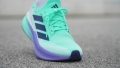














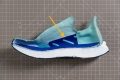
What makes it the best?
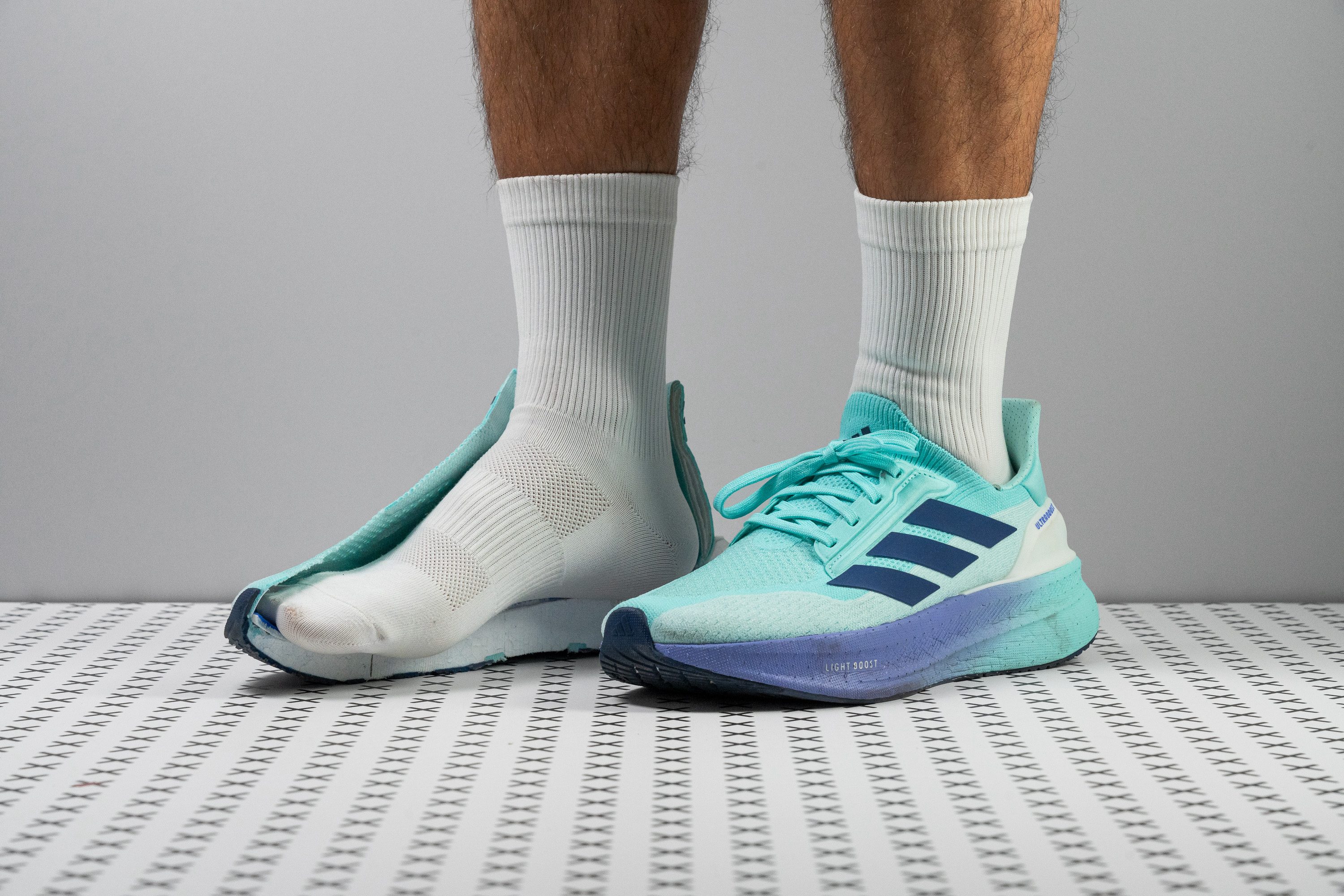
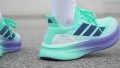
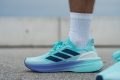
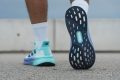
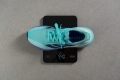
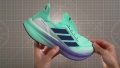
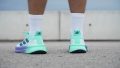
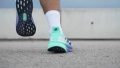
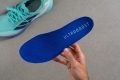
During our wear tests, the adidas Ultraboost 5X proved it could take all the abrasions and forces of the world, making it our best durable walking shoe with a wide toebox! It delivered the comfort we needed in our daily routine. Plus, it has a roomy build that’s the cherry on top, backed up by its impressive lab results.
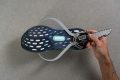
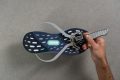
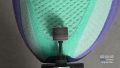
It doesn’t happen often that one shoe beats our Dremel test in the toebox, heel padding, and outsole, yet Ultraboost 5X wins with ease. It emerged unscathed after abrasion, earning top scores of 5/5 in toebox and inner lining durability. Meanwhile, the Continental rubber remained unharmed, showing 63.6% less damage than average.
The Ultraboost 5X moves as one with our feet, which makes it comfortable for various activities. In our bend test, it emerged 26.0% more flexible than average, proving it’s a do-it-all companion.
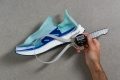
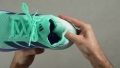
The shoe offers generous internal real estate, giving our toes more than enough room to settle in. Using our gel mold, we measured the big toe area at 75.4 mm, more forgiving than the 73.3 mm average. We didn’t have any pressure points even when wearing thicker socks.
The knit upper rests on top of our toes because of its limited vertical space, but we never found it a bother. However, those who are not comfortable with this feature should find shoes with more toebox height.
Pros
- Works well as a casual sneaker too
- Premium, high-quality materials throughout
- Stretchy, roomy upper
- Fantastic energy return
- Built-to-last durability
- Best Ultraboost version to date
- Stable for heel strikers
- Increased stack height
- Noticeable weight reduction
- Grips very well
Cons
- Steep price
- Ventilation falls short of expectations
- Limited to slower paces
- Less stack height than advertised
Best barefoot walking shoes with a wide toebox

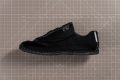
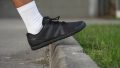
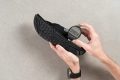
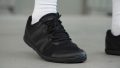




What makes it the best?
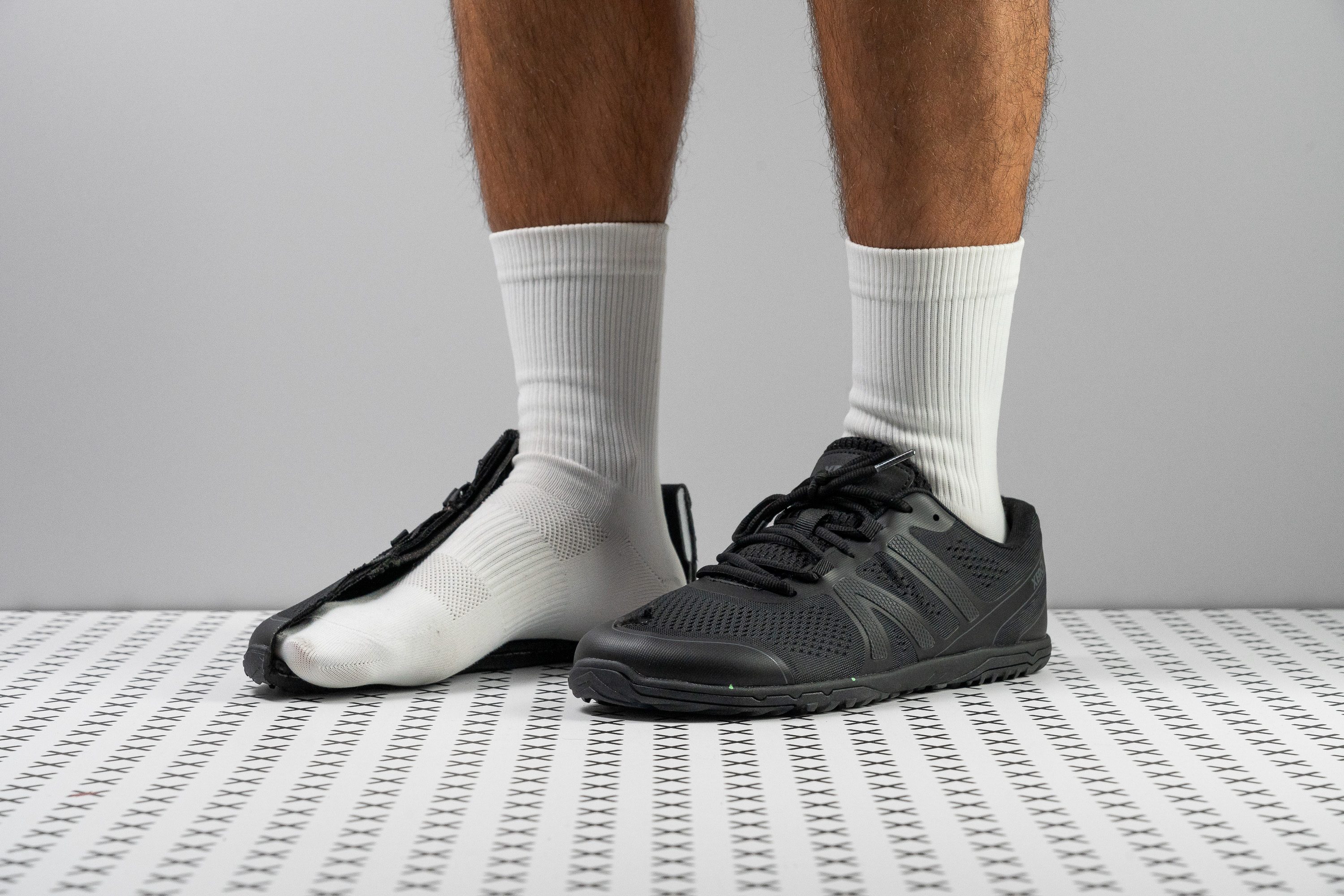
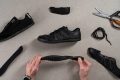
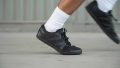
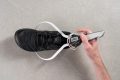
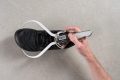
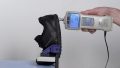
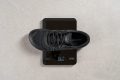
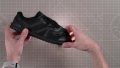
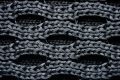
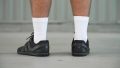
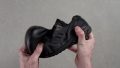
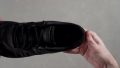
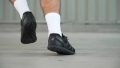
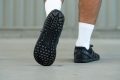
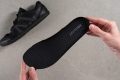
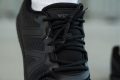
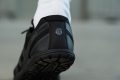
Among the wide-toebox walking shoes we put to the test on the streets, the Xero Shoes HFS II offers the best barefoot experience because it really feels like we have nothing on! Through lab tests, we discovered it embodies minimalism through its light weight, low resistance, and low profile, which explains its subtle presence.
HFS II doesn’t demand attention, especially since it only weighs 8.6 oz (244g), 7.9% below average. What makes it feel even lighter is its highly bendable midsole. In the lab, we discovered it needs 62.6% less force than average to reach a designated angle, validating its free-flowing nature.
We attribute its malleable build to its minimal stack that magnifies ground feel. With only 13.1/12.1 mm cushioning between our feet and the streets, it almost feels like we don’t have shoes on since the average is a much higher 34.2/25.6 mm. The 1.0 mm low heel drop also makes the ride feel more natural.
The spacious toebox contributes to its soothing presence. Our toes felt relaxed because the shoe barely tapers to the big toe area. We measured it at 86.7 mm, much more generous than the 78.4 mm average.
Since the cushion is so thin, we could barely feel any bounce to enhance the ride. Those seeking a spring in their steps should check alternatives.
Pros
- Anatomical toebox for natural toe splay
- Real minimalist design
- Reasonably priced
- Versatile for roads and light trails
- Amazing at gym workouts
- Ultra-flexible and easy to pack
- Full-length outsole coverage
- Superior ground feel
- Promotes feet strength
Cons
- Midsole lacks energy return
- Heavier than most minimalist shoes
- Durability still needs improvements
When to consider walking shoes with a wide toebox
If you’ve landed on this page, there is a high chance that you are experiencing some or even all of the following discomforts:
- your toes feel cramped in most shoes
- you often develop hot spots and blisters in the toe area
- your toes tend to swell and require more space during long walks
- you have foot deformities (bunions, bunionettes, hammer toes, claw toes, etc.) which get aggravated in most shoes
- you have Celtic, German, Roman foot type and never seem to get enough room for your big toe and pinkie toe.
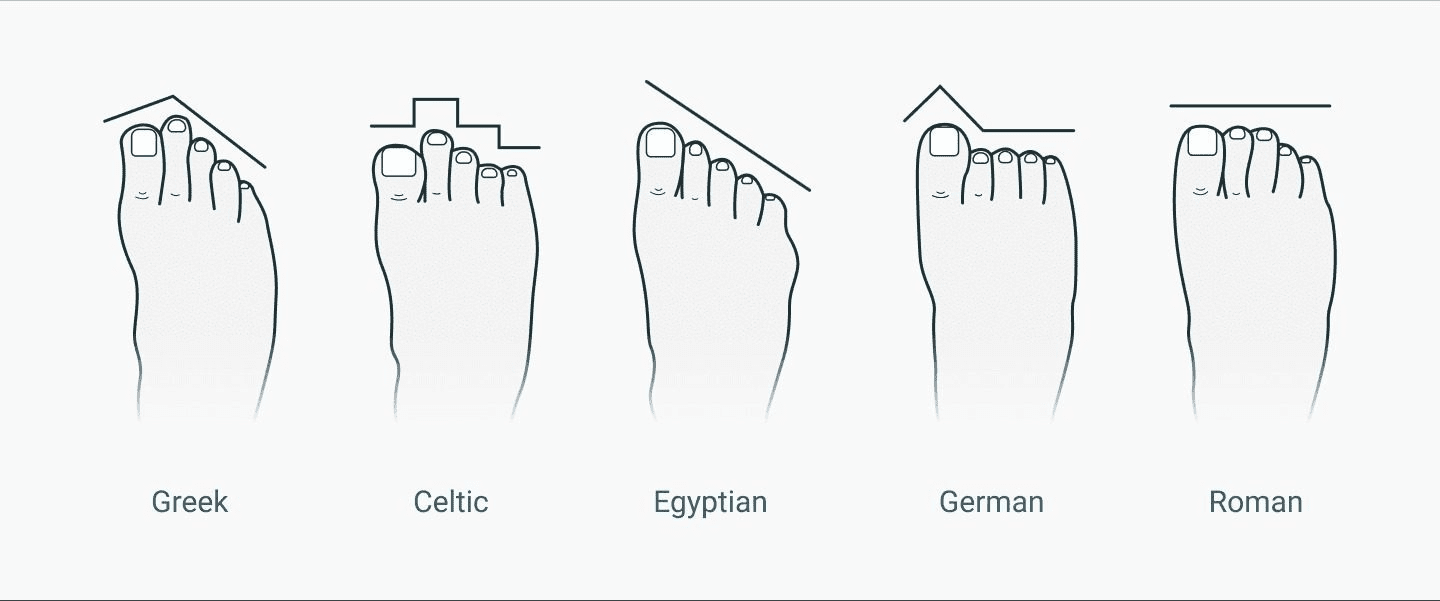
These are all surefire signs that your feet are in dire need of walking shoes with a wide toebox.
On another note, you don’t have to experience pain or discomfort to consider a wide toebox walking shoe. Maintaining that healthy wide toe spread is in itself a solid reason to choose roomy footwear.
|
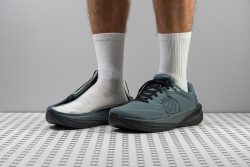
Please note that a wide toebox doesn’t always mean a wide shoe in general. |
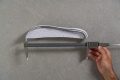
The photo below demonstrates how some shoes have a wide toebox but a medium fit in the heel and midfoot (top) while others are wide from the heel to the toes (bottom).
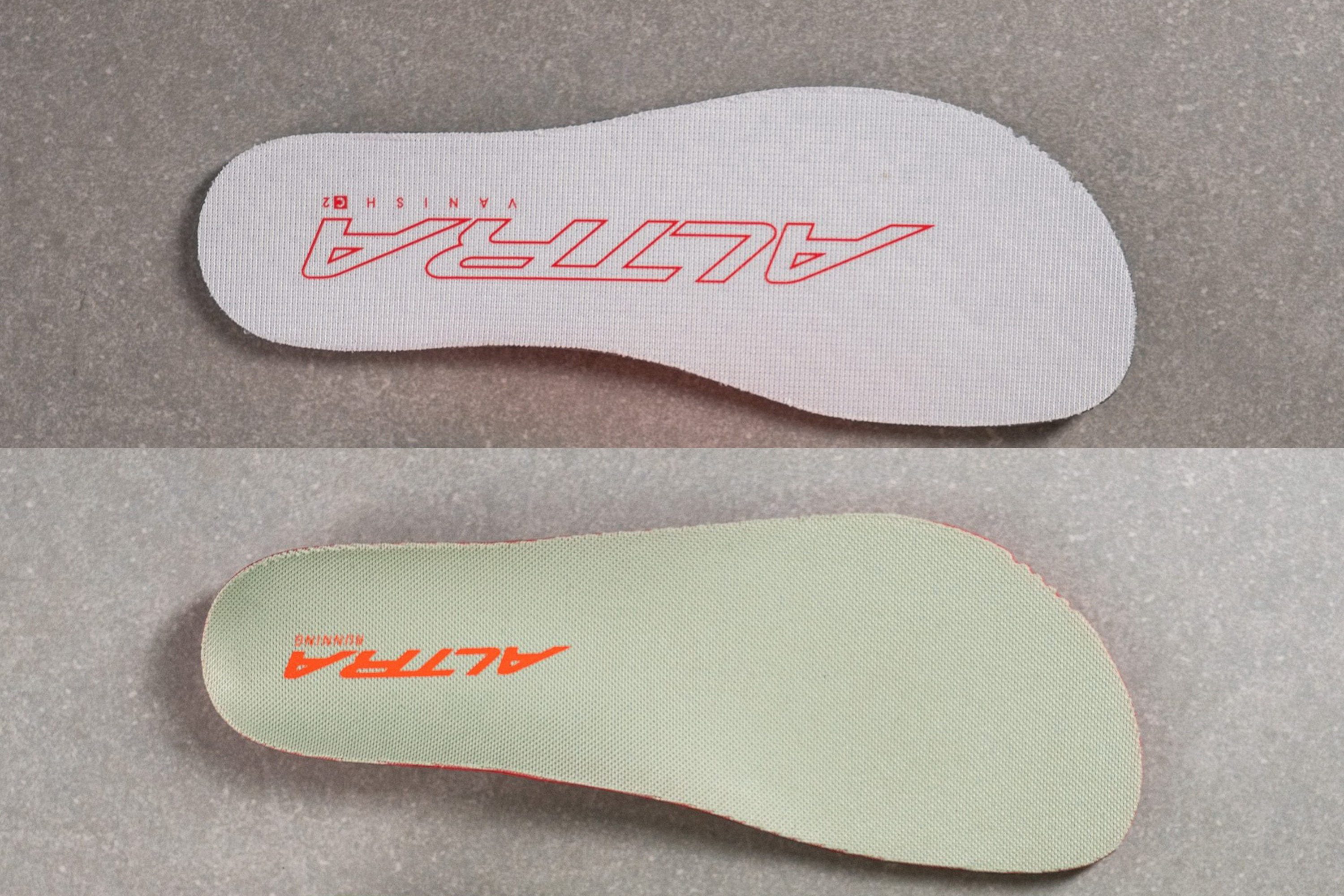
If you also experience pinch points or hot spots in the instep or in the midfoot (arch area), even when the laces aren’t tightly cinched, you most likely need a wide walking shoe in general. This could be a wide-fitting medium-width shoe or even a wide or extra-wide option. To learn more, see our guide on the best walking shoes for wide feet.
How we measure toebox width in the lab
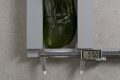
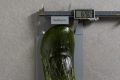
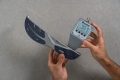
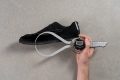
Here at RunRepeat, we have a proprietary methodology to measure each shoe’s internal space as accurately as possible. The process involves pouring liquid gel into the shoe and waiting until it solidifies in the fridge. We then use a digital caliper to measure the mold's width in three areas:
- shoe width in the widest part
- toebox width at the big toe
- toebox height at the big toe
|
We consider the shoe’s toebox as wide if it is wide in the big toe area. |
Why is that? Because we found that shoes can be wide in the metatarsal area but get really narrow and pointy towards the front.
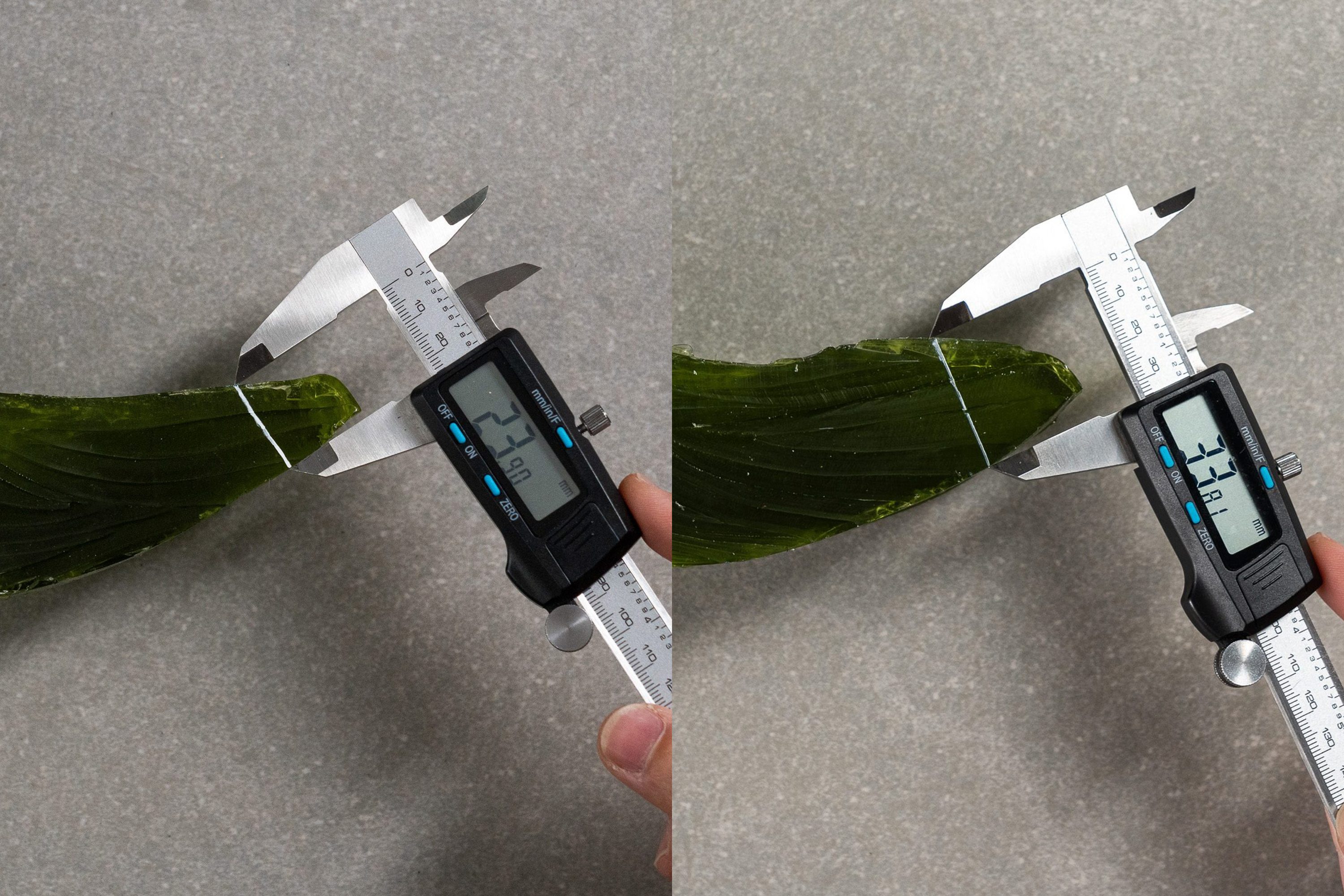
In the photo below, we measured the widest areas of two different shoes and our caliper showed nearly identical numbers.
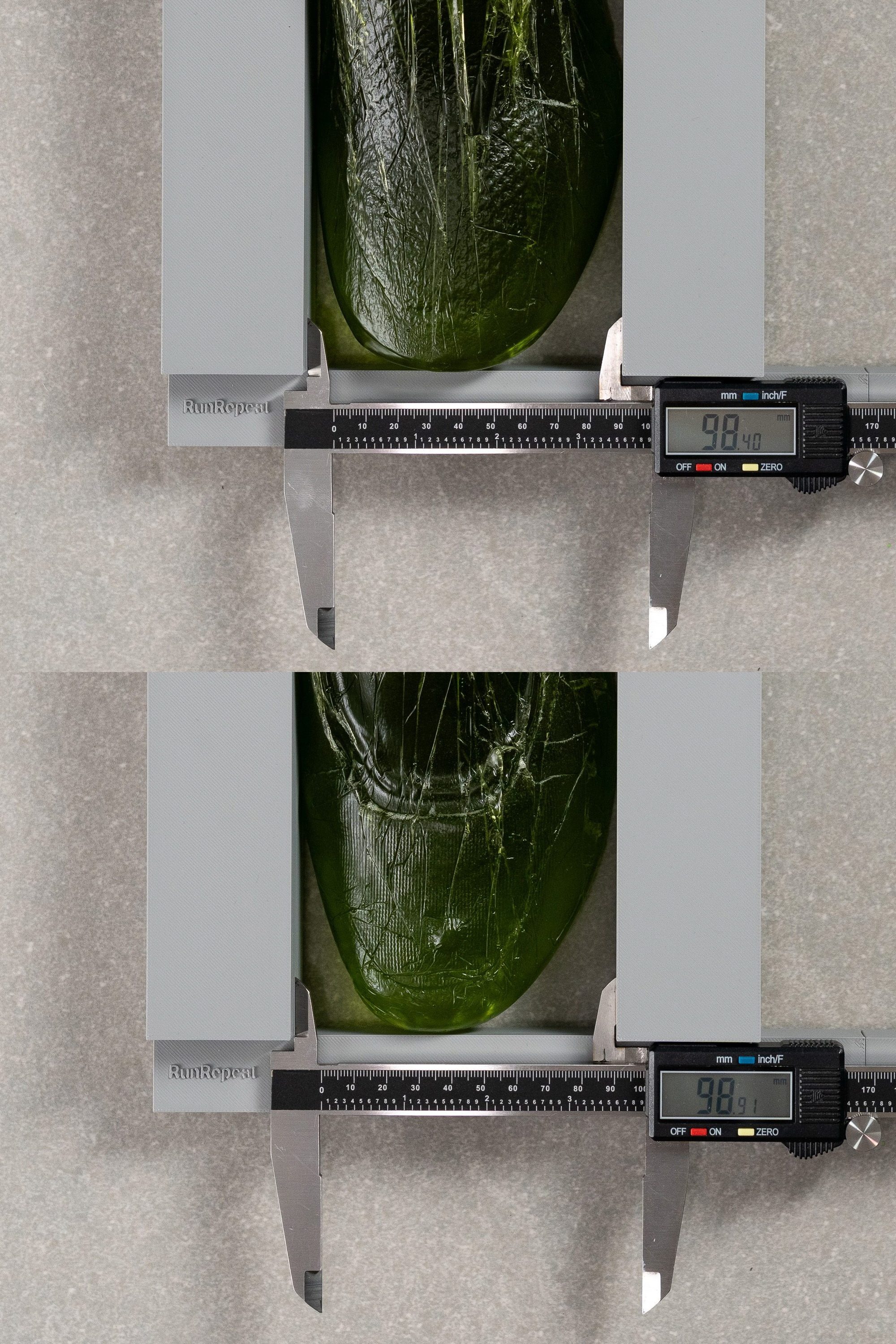
But as you can see, the toebox shape of these two shoes is notably different. Measuring both molds in the big toe area, we found the difference to be more than 7 mm!
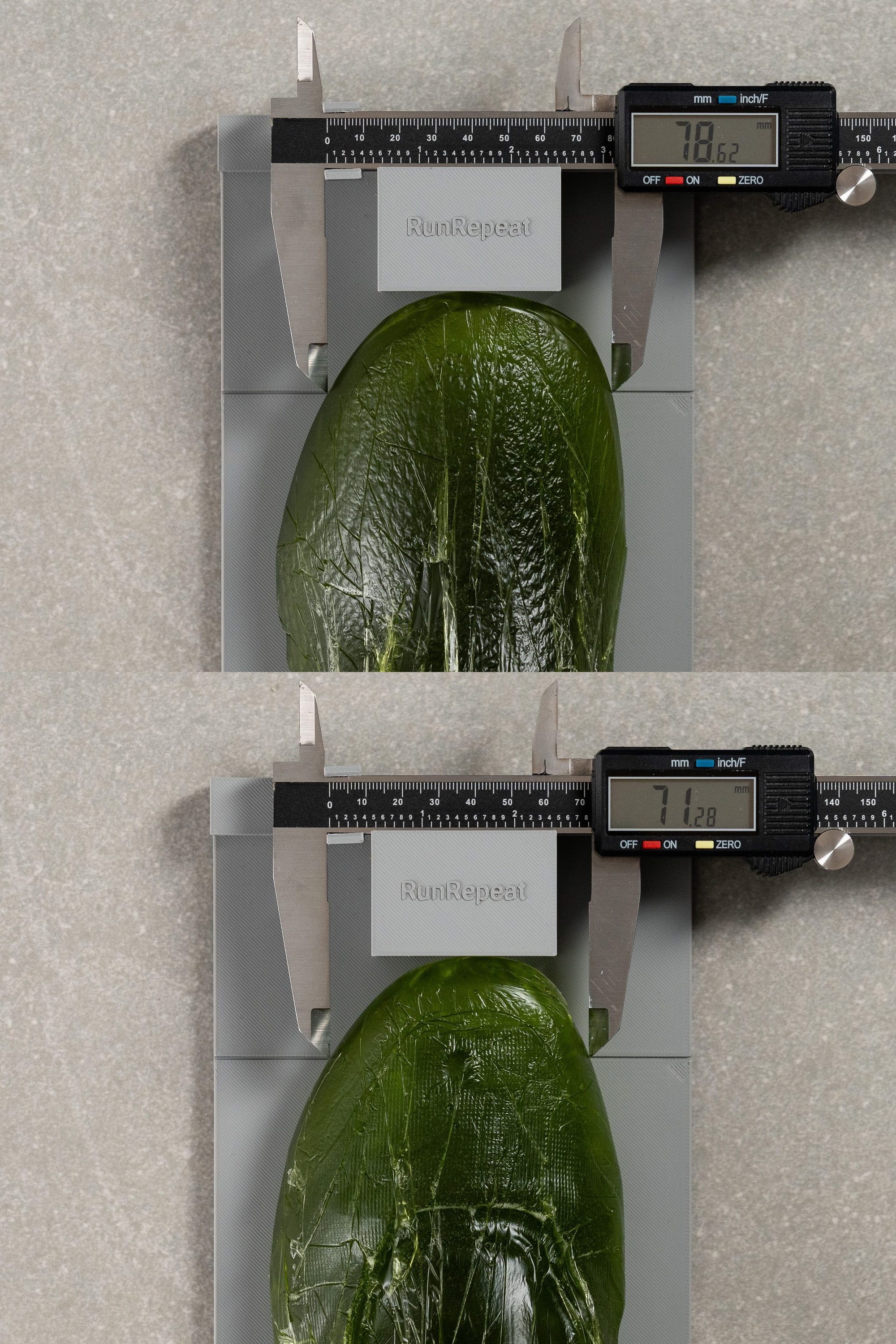
That’s why walking shoes with the most spacious toeboxes will always show an above-average width in the big toe area. Here are the roomiest of them:
Toebox height matters too
A wide toebox offers plenty of horizontal space to accommodate all five toes comfortably, but how about vertical space? Is there enough real estate above your toes as well?
This is particularly important for people with toenail concerns (i.e., black or ingrown toenails) as well as toe deformities (i.e., hammer toes, claw toes, mallet toes). With these conditions, you don’t want to experience any pressure from the toebox ceiling whatsoever.
Having poured and measured hundreds of shoe molds, we found that the difference between the lowest and the highest toeboxes can be as dramatic as 20 mm!
Similar buying guides