7 Most Durable Sneakers in 2026

We buy shoes ourselves. We earn commissions when you buy through us, at no extra cost. Why trust us
There are so many things we may pay attention to when it comes to the durability of the sneakers, and people can get very nitpicky. Here, we’re focusing on the main parts, and we lab test the durability of the toebox (upper), the outsole, and the heel padding. We also cover why you should think twice before falling for the sustainable sneakers trend. After all, we are prioritizing durability here.
If you’re not ready to dive deep, look at our top picks for different categories. These durable sneakers have outperformed their competitors, and we can claim so based on both field tests and lab tests.
How we test Most durable sneakers
First, we decide on which sneakers to buy and test. We do that by implementing our pipeline protocol. Once the sneakers arrive, we test them outside the lab, giving them a proper beating around the town, over various surfaces, and in different weather conditions.
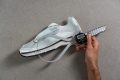
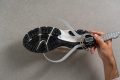
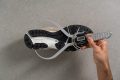
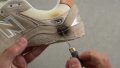
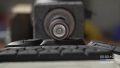
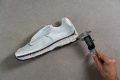
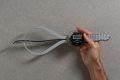
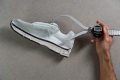
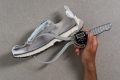
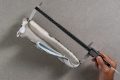
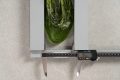
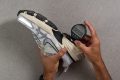
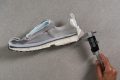
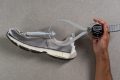
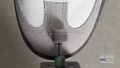
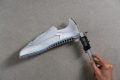
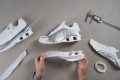
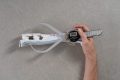
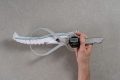
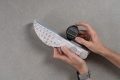
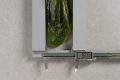
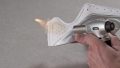
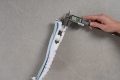
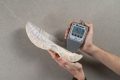
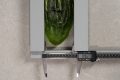
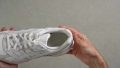
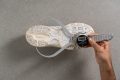
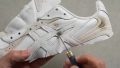
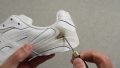
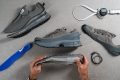
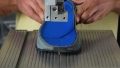
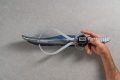
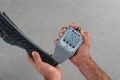
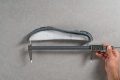
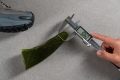
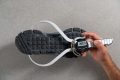
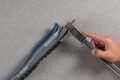
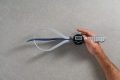
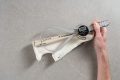
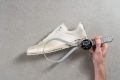
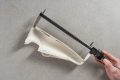
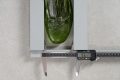
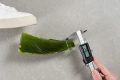
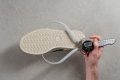
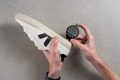
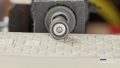
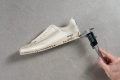
Then, we take them to the lab. Testing shoes in our lab is defined by our testing methodology. When it comes to durability, we use a Dremel and press it against the toebox, the heel padding, and the outsole. This allows you to find durability exactly where you need it (e.g., maybe it's the toebox that you usually end up tearing first because your big toes are pointing up). When we test the durability of the outsole, we use a tire tread gauge to measure the dent -> the deeper the dent, the less durable the outsole. We also measure its thickness to know how much of the material there is to be destroyed (before you get to the exposed midsole which would be incredibly bad).
All the tests are standardized, which makes the lab test results comparable across the whole sneaker category. All of the sneakers are given the identical treatment, be it the use of the same instruments, pressure/forces, time duration, testing surfaces, etc., and all of it is done at constant temperature and humidity.
We end up with more than 30 data points that describe different sneaker features, from tongue thickness and leather type to shock absorption and traction. Based on the overall results, we select the best performers and showcase them here.
Best durable sneakers overall



























What makes it the best?
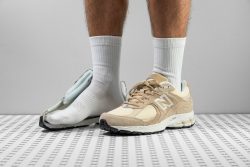
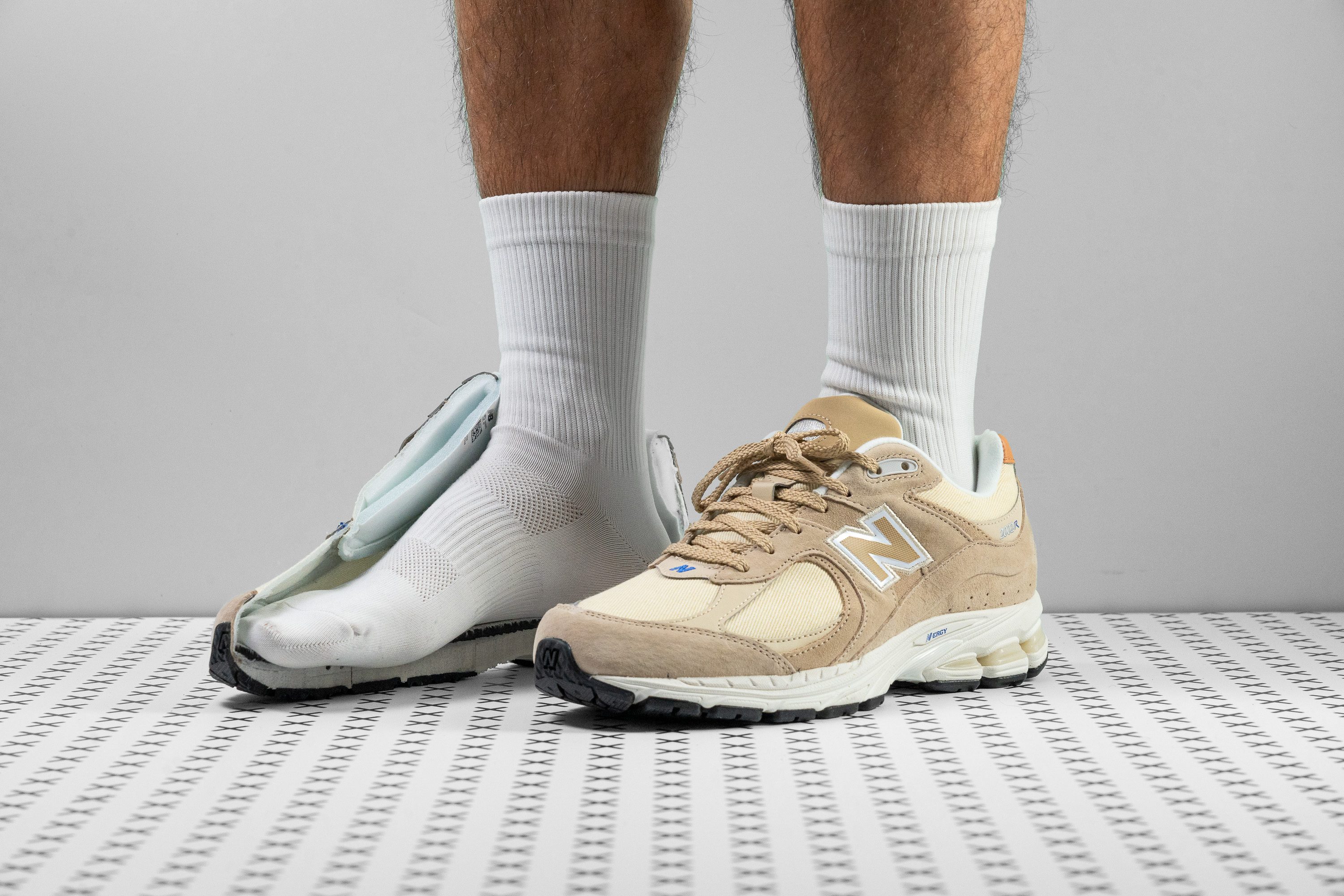
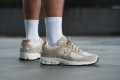
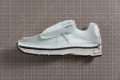
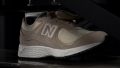
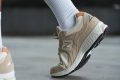
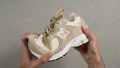
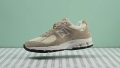
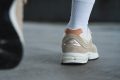
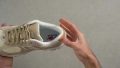
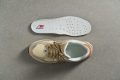
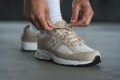
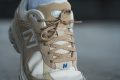
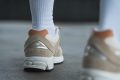
The New Balance 2002R is made to be a daily beater, offering all-around protection and reliable slip-resistance. Lab results also show it’s perfect for long hours of wear with its well-cushioned midsole, keeping us comfortable from morning until night.
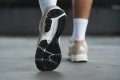
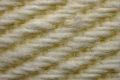
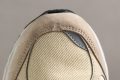
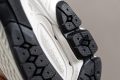
We assessed the suede upper and found it to be genuine, as it didn’t melt away in our torch test. Putting it under our Dremel test, it barely got damaged and earned a solid 4/5 in toebox durability. Even the outsole proved to be tough, showing 18% less wear than average.
The outsole also gave plenty of control over a wide range of surfaces. From slick tiles to wet sidewalks, we never felt like losing control. In our traction test, it earned a solid 0.59 score, making it 31% grippier than average.
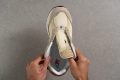
We turned our attention to the ABZORB midsole and measured it to be above average at 35.4/24.3 mm. Testing for the heel, we recorded a high shock absorption of 108 SA, which explains why our muscles felt fresh during our walks.
However, the suede material is not ideal for hot weather. Those who prefer maximum airflow should look elsewhere.
Pros
- Comfortable for all-day wear
- Protective cushioning technologies
- Durable upper materials
- Snug and supportive fit
- Reliable arch support
- Stable platform
- Grippy, running-inspired outsole
- Feels lightweight with a padded interior
- Stylish classic look that matches many outfits
Cons
- Not for wide feet
- Pricey
Durable sneakers with the best all-day comfort


























What makes it the best?
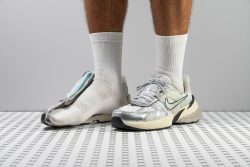
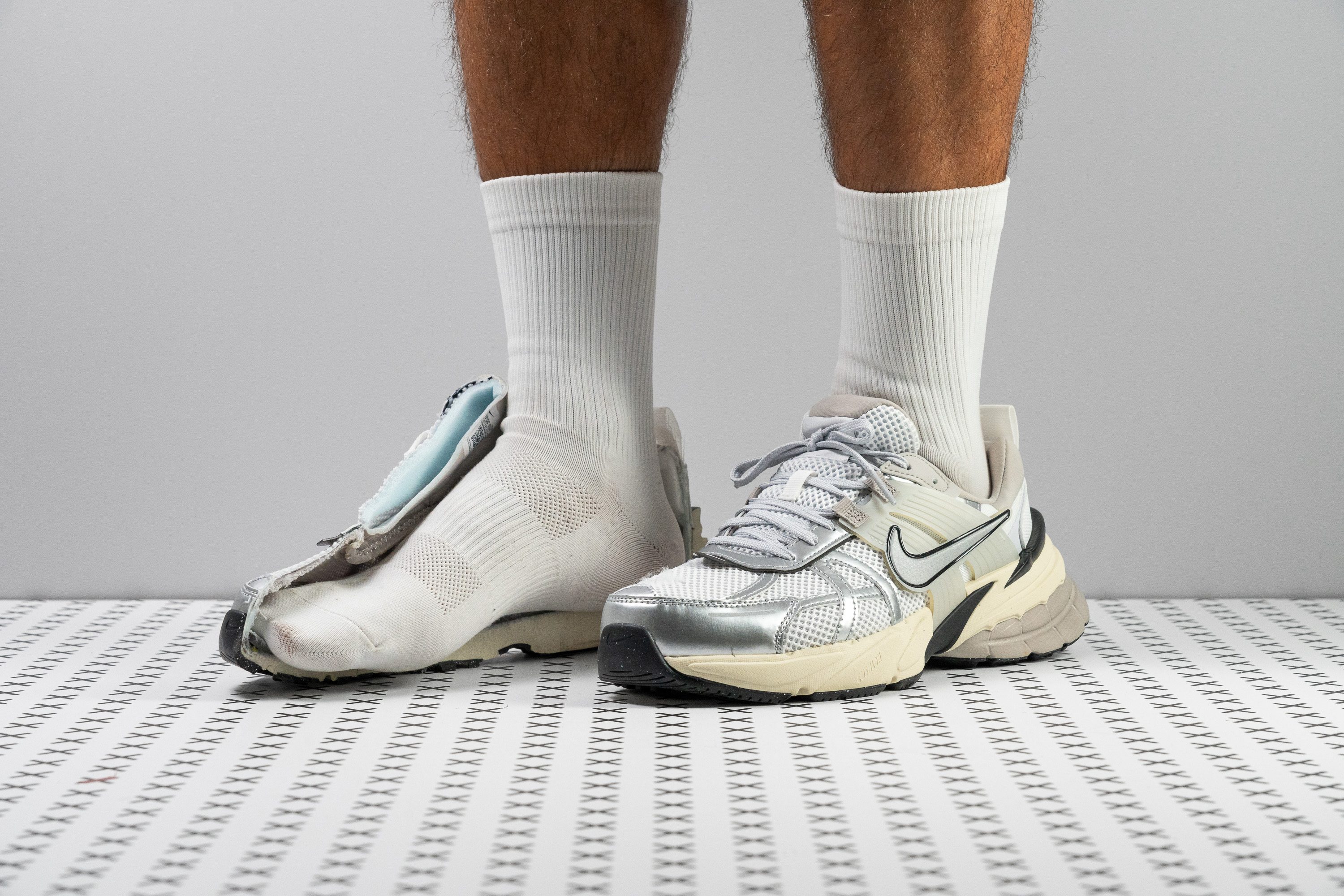
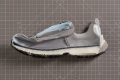
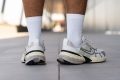
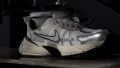
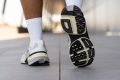
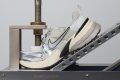
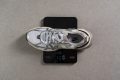
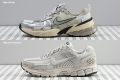
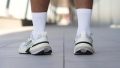
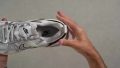
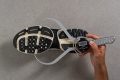
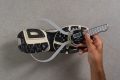
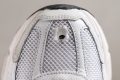
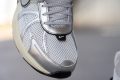
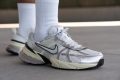
The Nike V2K Run wrapped us in breathable comfort without being easily worn out, as our lab results show. Beneath our feet lies a well-cushioned midsole that doesn’t compromise movement, flexibility, and weight. Truly, it offers the best all-day comfort among durable sneakers.
Long hours of standing didn’t feel like too much of a burden in this pair. V2K Run features a thick 33.9/21.2 mm midsole, yet what makes it feel plush is its great shock absorption of 123 SA in the heel.
Even with all the foam, the V2K Run remains fluid, enhancing an effortless sensation. Our bend test shows it’s 29% more flexible than average, while our scales confirm it’s 19% lighter than average. Altogether, it creates a freeing and relaxed experience.
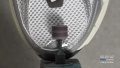
Another plus for comfort is its breathable upper. Smoke seamlessly escaped in our lab test, and we immediately awarded it the perfect 5/5 ventilation score. Thankfully, its ventilation doesn’t sacrifice the upper’s integrity, as it remained intact after our abrasion test. We gave it a 5/5 in toebox durability, which is rare for a highly breathable shoe.
Note that this model is offered as a women’s sneaker, so men’s sizes are limited.
Pros
- Fantastic cushioning for all-day wear
- Highly responsive and lively ride
- Surprisingly stable and supportive
- Comfortable in-shoe feel
- Excellent breathability for summer
- Secure lockdown and heel hold
- Notably lighter than average
- Reliable outsole grip
Cons
- Limited men's sizes and colors
- Pronounced toebox tapering
Best durable classic sneakers












































What makes it the best?
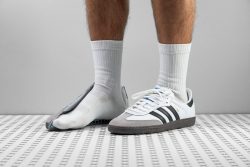
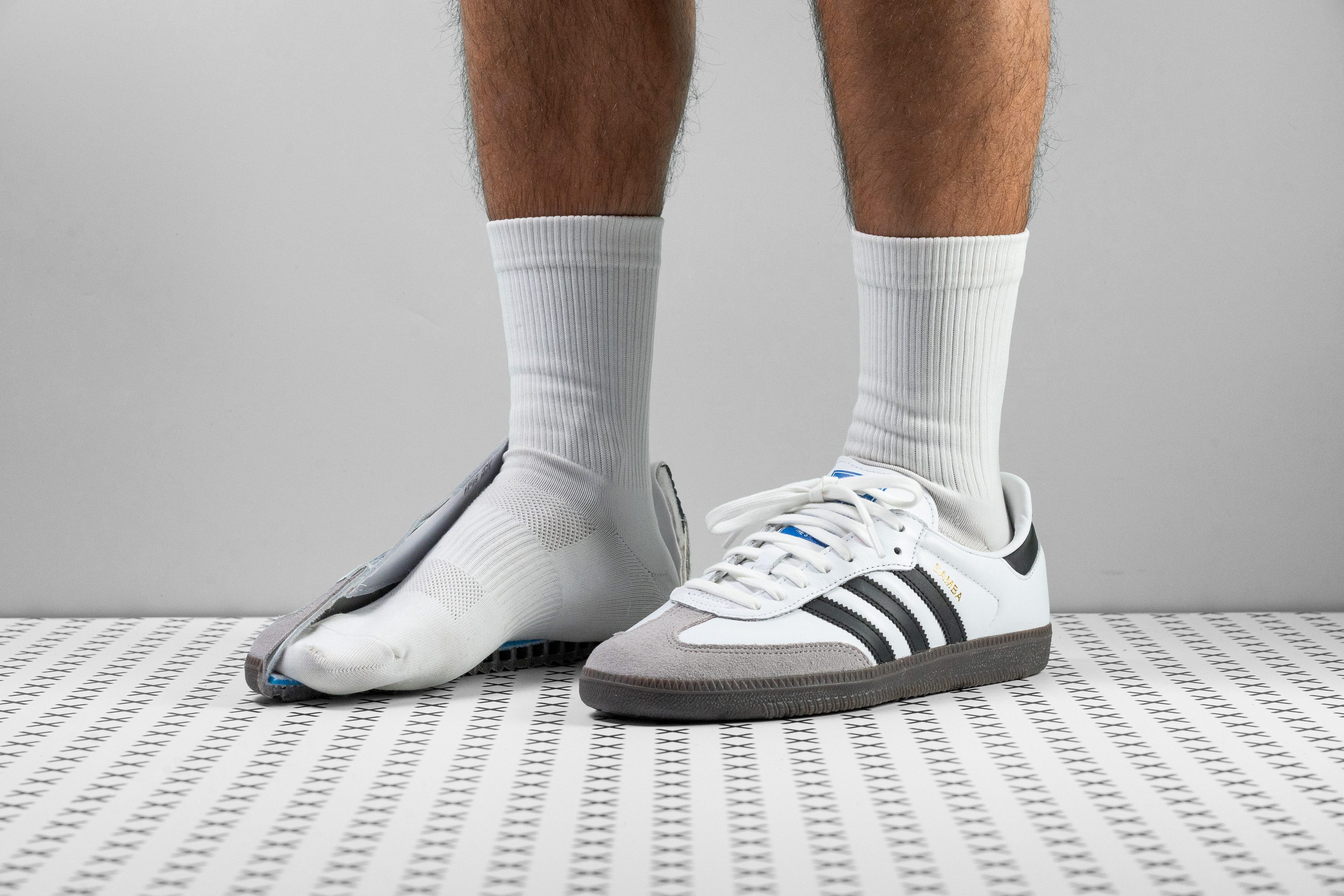
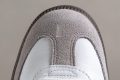
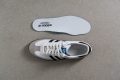
The adidas Samba OG is truly iconic, with its minimalist design and down-to-earth persona. Characterized by its low and slim profile, lab tests confirm its lightweight and easygoing feel. Plus, it features high-quality and wear-resistant materials, making it our best classic durable sneaker.
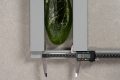
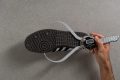
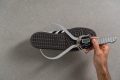
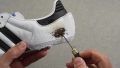
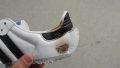
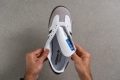
The upper features both suede and leather, which didn’t burn away in our torch test. Therefore, we verify that these materials are genuine. Our Dremel did not affect this kick, as it came out barely touched after abrasion. We awarded both the toebox and heel padding with the maximum 5/5 durability rating, while the outsole only showed a small 0.8 mm damage.
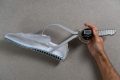
Inspired by its soccer roots, it features a low 20.3/11.7 mm profile. Because of its grounded design, it’s very pliable and adapts to our natural foot flexion well. In our bend test, we found it 37% more flexible than average.
Another benefit of its minimalist design is its low weight of 11.7 oz (335g), making it 14% lighter than the average sneaker.
However, it lacks grip, and we felt unsafe on slick tiles and wet pavements. Extra caution is needed during rainy days.
Pros
- Premium-quality and genuine materials
- Long-lasting design
- Lightweight and flexible
- Comfortable for all-day wear
- A lot of ground feel
- Easy to slip-on
- Great all-rounder
- Iconic 90s style
- It has eco-friendly versions
- Worth the price
Cons
- Slightly narrow and tight
- Lacks arch support
- Slippery gum outsole
Best durable futuristic sneakers






















What makes it the best?
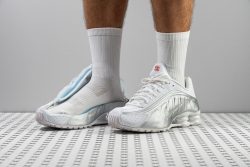
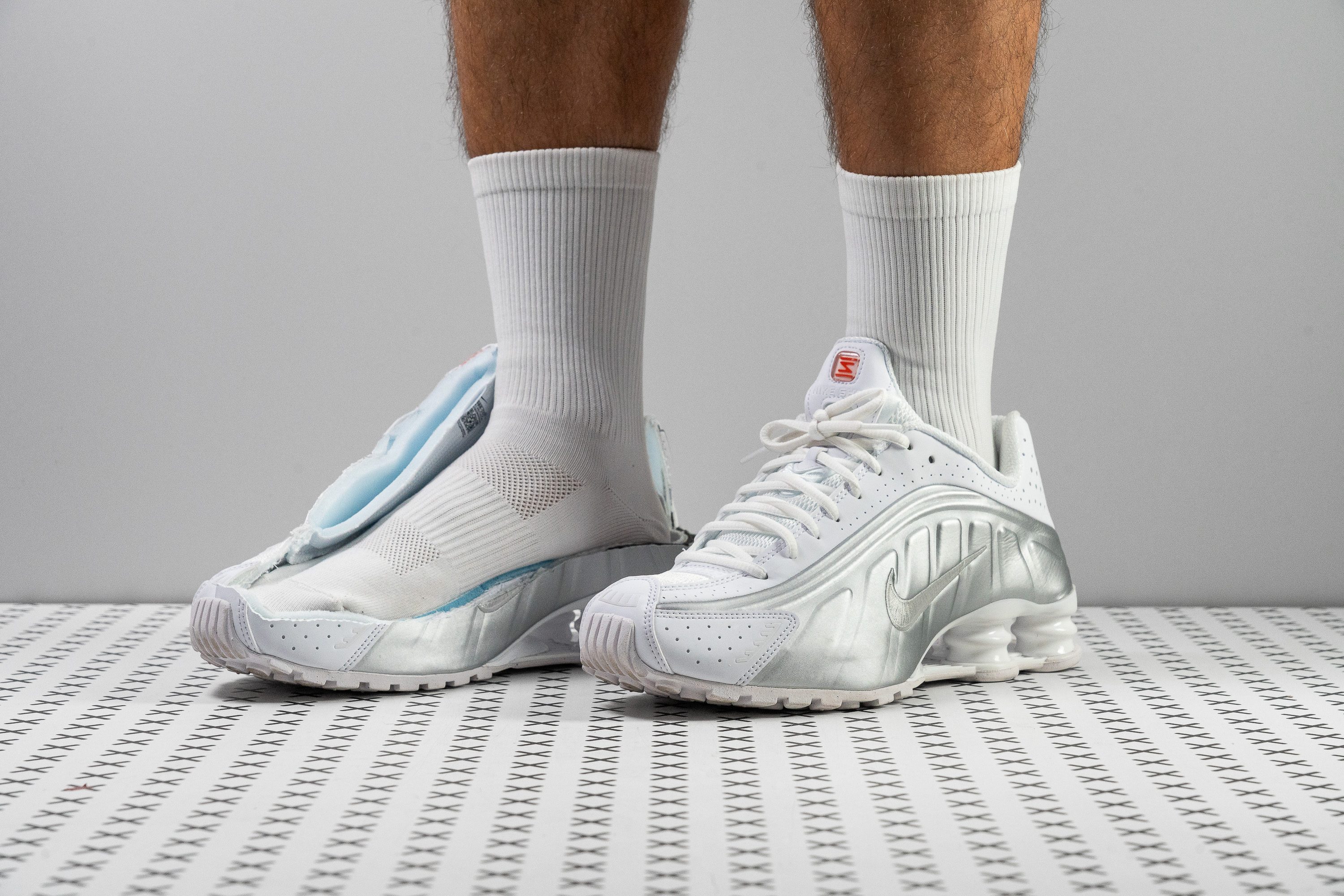
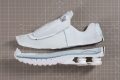
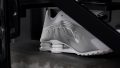
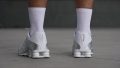
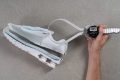
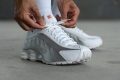
The Nike Shox R4 demonstrates exceptional durability in lab testing, and its reflective accents and bold silhouette put its design ahead of its time. It’s not all about looks, as it kept our feet happy and surefooted throughout our wear tests, making it our best futuristic durable sneaker.
We’re in for a fun ride that’s full of style as the Shox technology boosted our height and confidence! Using our caliper, we measured a staggering stack height of 42.4/27.0 mm, making it one of the tallest sneakers we’ve tested. Moreover, the heel reduces impact, verified by its great shock absorption score of 95 SA.
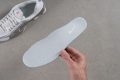
Despite all the comfort, it felt stable and supportive. We found the midsole 35% more twist-resistant than average, which helps prevent imbalances. Moreover, the 111.6/87.1 mm midsole is spacious enough to keep us within the confines of the shoe.
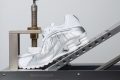
Testing for the shoe’s durability, Shox R4 beats the average across all sections in our Dremel test. Both the toebox and the inner lining looked untouched after abrasion, earning the maximum 5/5 durability score. Underfoot, the rubber also emerged with 27% less damage than average, cementing its overall rugged build.
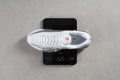
However, all these features made it feel bulky at 15.2 oz (432g). Sneakerheads looking for a compact and agile kick should check other options.
Pros
- Incredibly durable
- Great stability
- Bouncy ride with Nike's Shox tech
- Makes you taller
- Cool retro-futuristic style
- Trendy sporty vibe
- Reflective elements everywhere
- Decent breathability
Cons
- Heavy
- Pricey
Durable sneakers with the best stability





































What makes it the best?
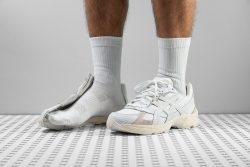
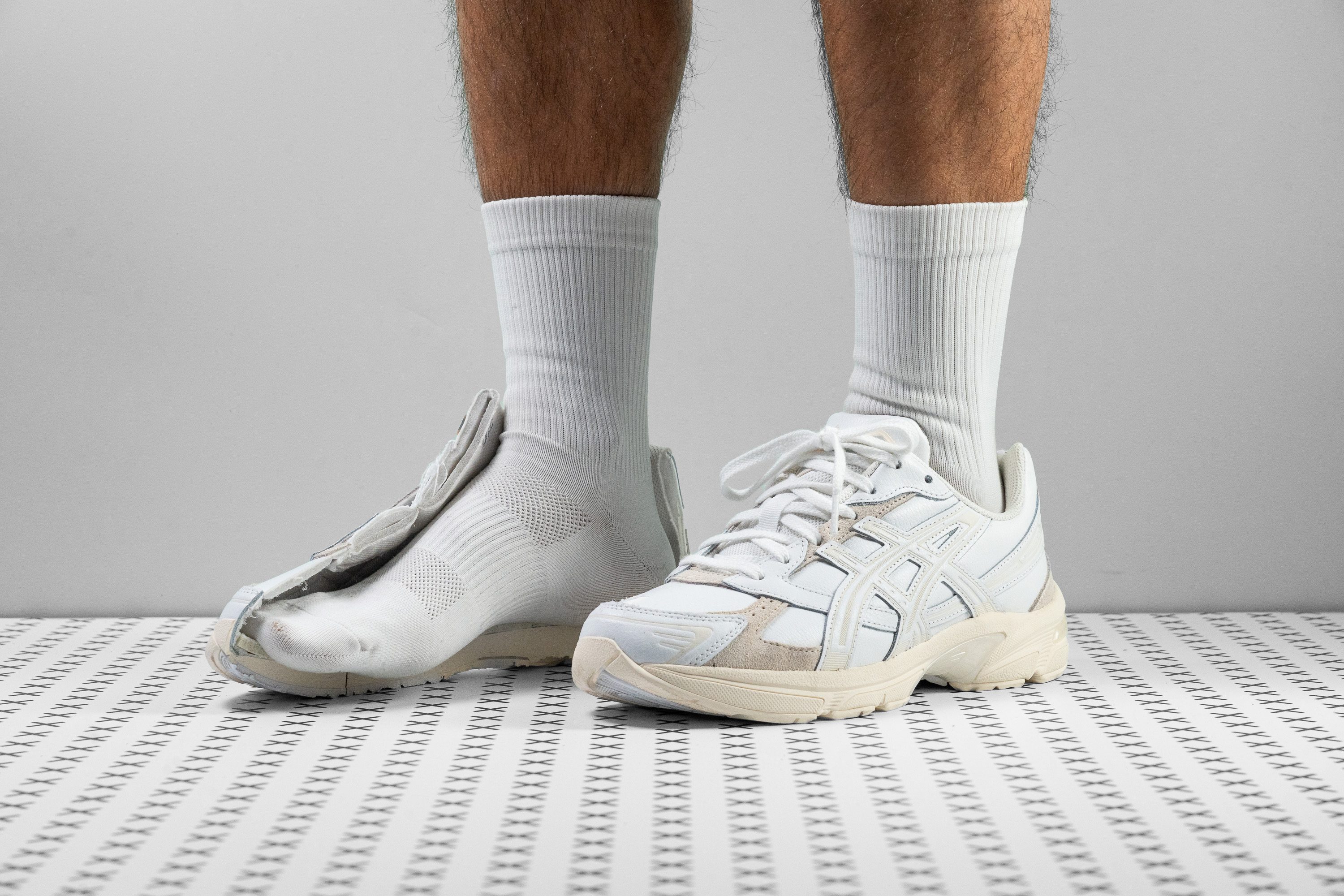
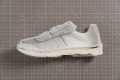
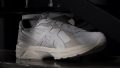
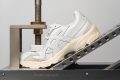
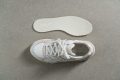
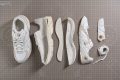
The ASICS Gel 1130 is a trusty companion, proving to deliver stable steps and a well-cushioned ride. It also exhibits impressive wear resistance in the lab. However, it stands out with the best stability among durable sneakers.
This kick used to be a stability running shoe, featuring the TRUSSTIC support system that limits lateral movement. In addition, it offers side-to-side containment through its broad 111.8/90.1 mm platform.
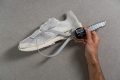
The midsole offers lasting comfort. It features GEL technology in the heel and up front to improve the cushioned sensation. In the rear, we measured a great shock absorption score of 114 SA, feeling 29% softer underfoot than average.
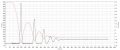
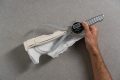
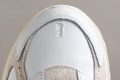
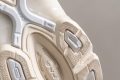
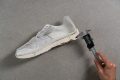
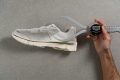
Its plush touch is balanced by a sturdy shell, as the Gel 1130 smashed our Dremel test across the board. In the outsole, it only sustained a tiny 0.9 mm dent. The toebox and heel padding both performed better than average with a 4/5 durability score.
We tested the leather version, and the downside of this particular model is that it lacks ventilation. Therefore, we can’t recommend this sneaker during the summer season.
Pros
- Comfortable for all-day wear
- Stable platform
- Top-notch materials
- Excellent craftsmanship
- Supportive foothold
- Grippy, running-inspired outsole
- Feels lightweight with a padded interior
- Roomy at the big toe
- Real suede and leather
- Cool 90s dad shoes retro vibe
Cons
- The leather version lacks breathability
- Quite stiff
Best durable sneakers for cold weather / winter














What makes it the best?
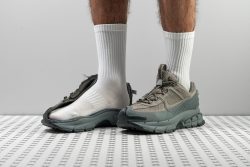
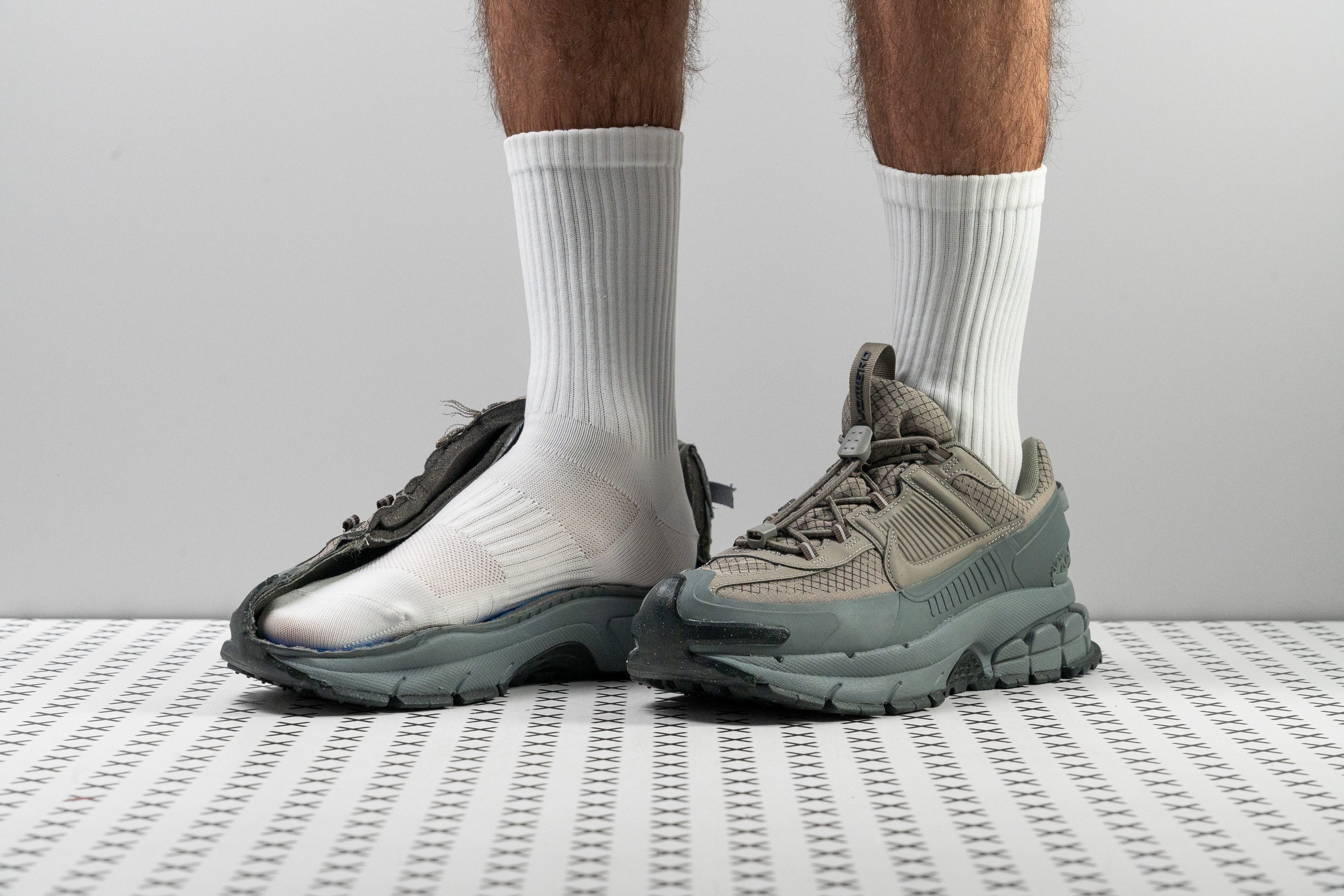
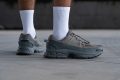
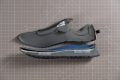
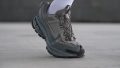
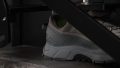
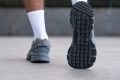
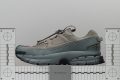
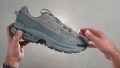
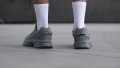
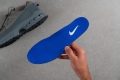
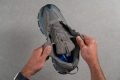
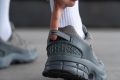
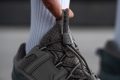
Our lab assessment reveals that the Nike Zoom Vomero Roam equips us with everything we need for winter—warmth, slip-resistance, and lasting comfort. It feels like a cozy embrace with its water-repellent upper and plush midsole, protected by a sturdy exterior from top to bottom. Among durable sneakers, Zoom Vomero Roam is the best for cold weather.
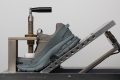
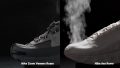
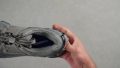
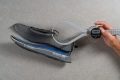
We assessed the ripstop upper and found it to be extremely airtight. It has a water-repellent finish, ensuring sharp winds or melted snow won’t enter the shoe. In our smoke test, we verified its airtight nature with the lowest 1/5 ventilation score. It's also resistant to abrasion, scoring the highest 5/5 toebox durability score.
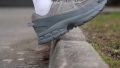
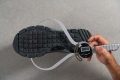
Underfoot, it features the High Abrasion Rubber Tech. Whether on slushy sidewalks or wet pavement, we could maintain our footing. Our traction test shows it’s 38% grippier than average. Stepping on rocks or roots also won’t be a problem, as our Dremel produced 27% less damage than average.
Underfoot, we measured a thick 35.2/25.0 mm chunk of foam beneath our feet. We found two large Zoom Air units in the heel and forefoot that soften the ride. Our shock absorption verifies its plushness with a 112 SA rating, 25% above average.
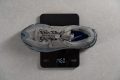
The midsole also runs exceptionally wide. What does a chunky and broad platform mean? Zoom Vomero Roam became heavy at 14.6 oz (414g). Those who want a lightweight kick should go for other models.
Pros
- Blocks moderate rain, snow, and splashes
- Fantastic shock absorption
- Zoom Air makes the ride springy
- Excellent traction for winter streets
- Great stability for long walks
- Promising durability
- Reflective elements
Cons
- Really snug fit
- Heavier than average
- Pricey
Best durable leather sneakers



























What makes it the best?
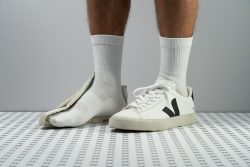
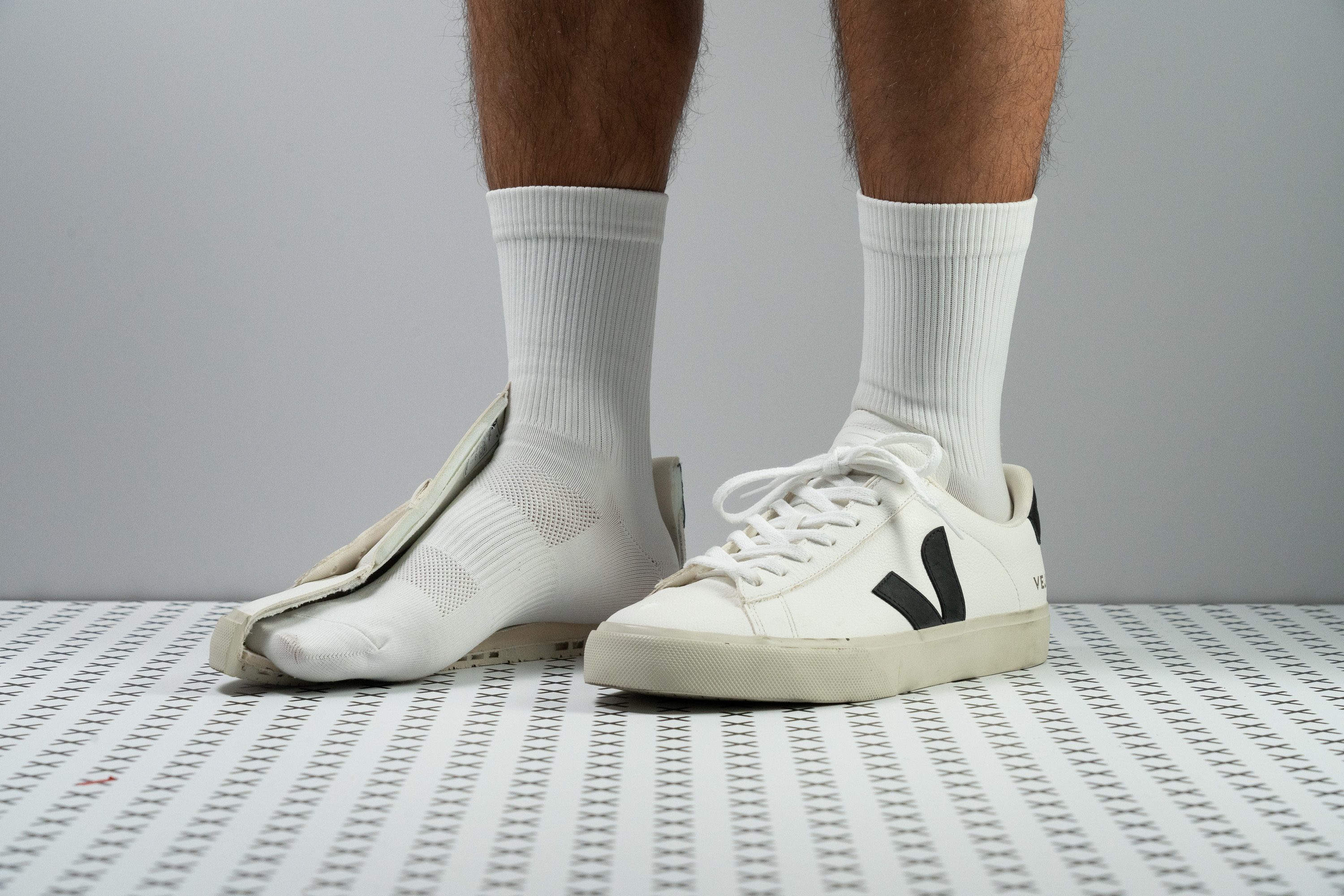
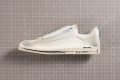
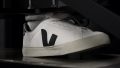
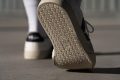
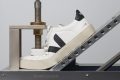
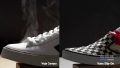
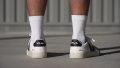
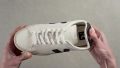
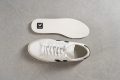
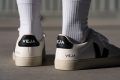
The VEJA Campo not only boasts a clean design, but a high-quality and durable build too. Proven by lab tests, it’s our best leather durable sneaker we’ve tested. Contrary to expectations, it actually feels really forgiving and comfortable during our walks.
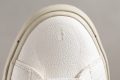
We observed the upper and found that the bovine leather is real since it didn’t melt away in our torch test like a synthetic material would. We also tested for its sturdiness, and it remained unscathed after our abrasion test, earning the highest 5/5 toebox durability score.
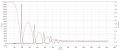
Even if it's made of leather, it surprisingly moves smoothly with our steps. In our flex test, it emerged 44% more adaptive than average, making it comfortable for everyday wear.
However, note that its midsole is comprised of the vulcanized sole, so it has no foam whatsoever. Those who prefer more cushioning or those with foot conditions should go for alternative models.
Pros
- Premium leather and craftsmanship
- Sustainable materials and manufacturing
- Clean and minimal aesthetics
- Light for a leather sneaker
- Low to the ground and stable
- Excellent durability
- Comfortably flexible
- Great outsole grip for wet and dry streets
Cons
- Not for all-day wear
- Quite expensive
- Long tongue chafes the skin
All the aspects of sneakers’ durability
When discussing the durability of sneakers, everyone has something different on their mind. Usually, it’s the one thing people struggle with the most, or the part of the sneaker that they tend to destroy first. For some, it could be the outsole, and for others, the heel padding, especially if they tend to completely fold the heel counter when putting the sneakers on, no shoe horn, or if their heel is slipping.
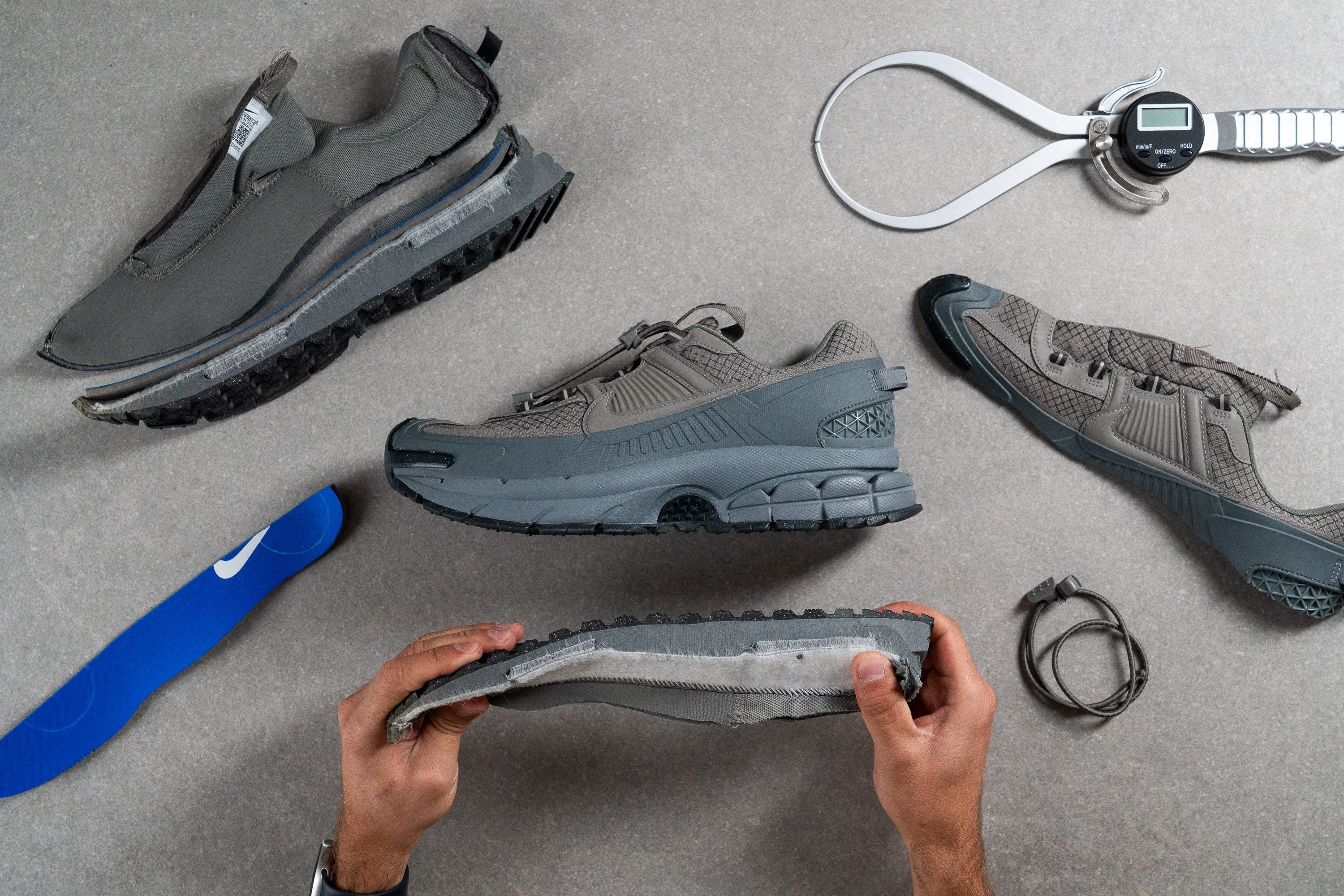
In our lab, we focus on the durability of 3 sneaker parts: the toebox, the heel padding, and the outsole. There are certainly more nuances, such as the durability of the laces, the strength of the glue used to connect the parts, the quality of the stitching, and so on. In our lab, we chose to focus on the most important and biggest sections, though.
Given that 24 billion shoes are added to the market each year, and that 22 billion end up in landfills or are incinerated, we’re not focusing on the durability simply for the sake of spending less money on sneakers, but also because it’s important to be aware of what our shopping habits are contributing to and making sure that we do better.
Durability of the upper: Dremel tests
Starting with the most obvious one: the upper. We do this because with sneakers, it’s mostly about how they look. Unlike, say, in hiking shoes, where we would prioritize good traction (outsole durability), or in rope climbing gym shoes, where we would discuss the durability of the rope guard.
We start by pressing our Dremel against the toebox. We do this always in the same place, using the same force (pressure) of 2N, time duration of 4 secons, and 5K RPMs (rotations per minute). It’s easy to notice that some uppers sustain bigger and others smaller damage. We rate this on a 1-5 scale, where 5/5 is assigned to the most durable toeboxes (barely a scratch), and 1/5 to the least durable ones (there is a deep hole that went through multiple layers or has pierced the toebox entirely).
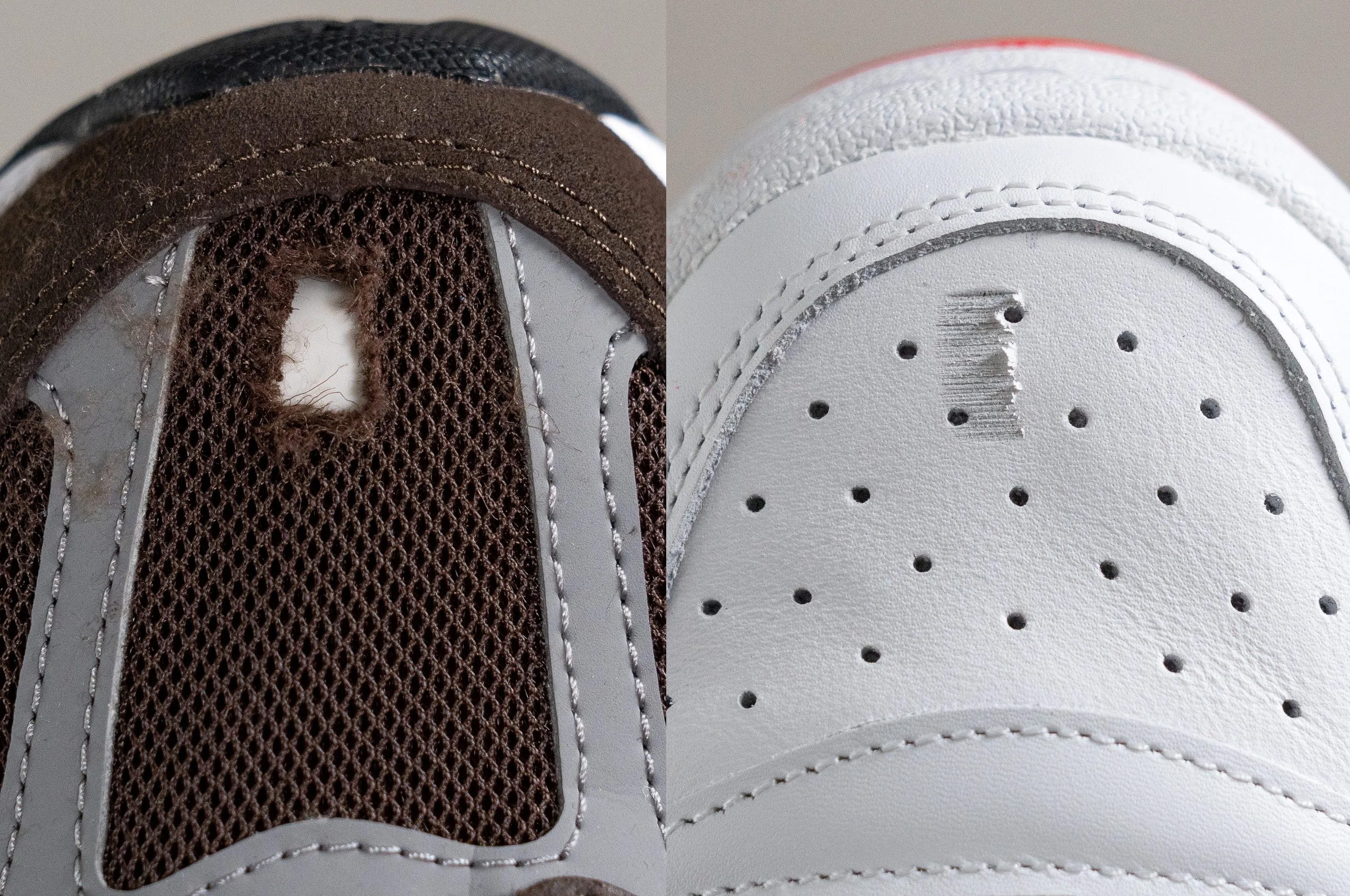
The durability of the toebox depends on the upper materials. Leather is more durable than cotton, mesh can be more durable than knit, and we also deal with mixed-material uppers, which can go both ways (more and less durable). BUT, there are nuances here, too! One study (Meyer et al., 2021) compared the technical performance of real leather to that of artificial leather and 9 leather alternatives and discovered that no alternative matched the real leather in terms of combined strength, flex-resistance, and handling of foot moisture.
Most durable sneaker outsoles
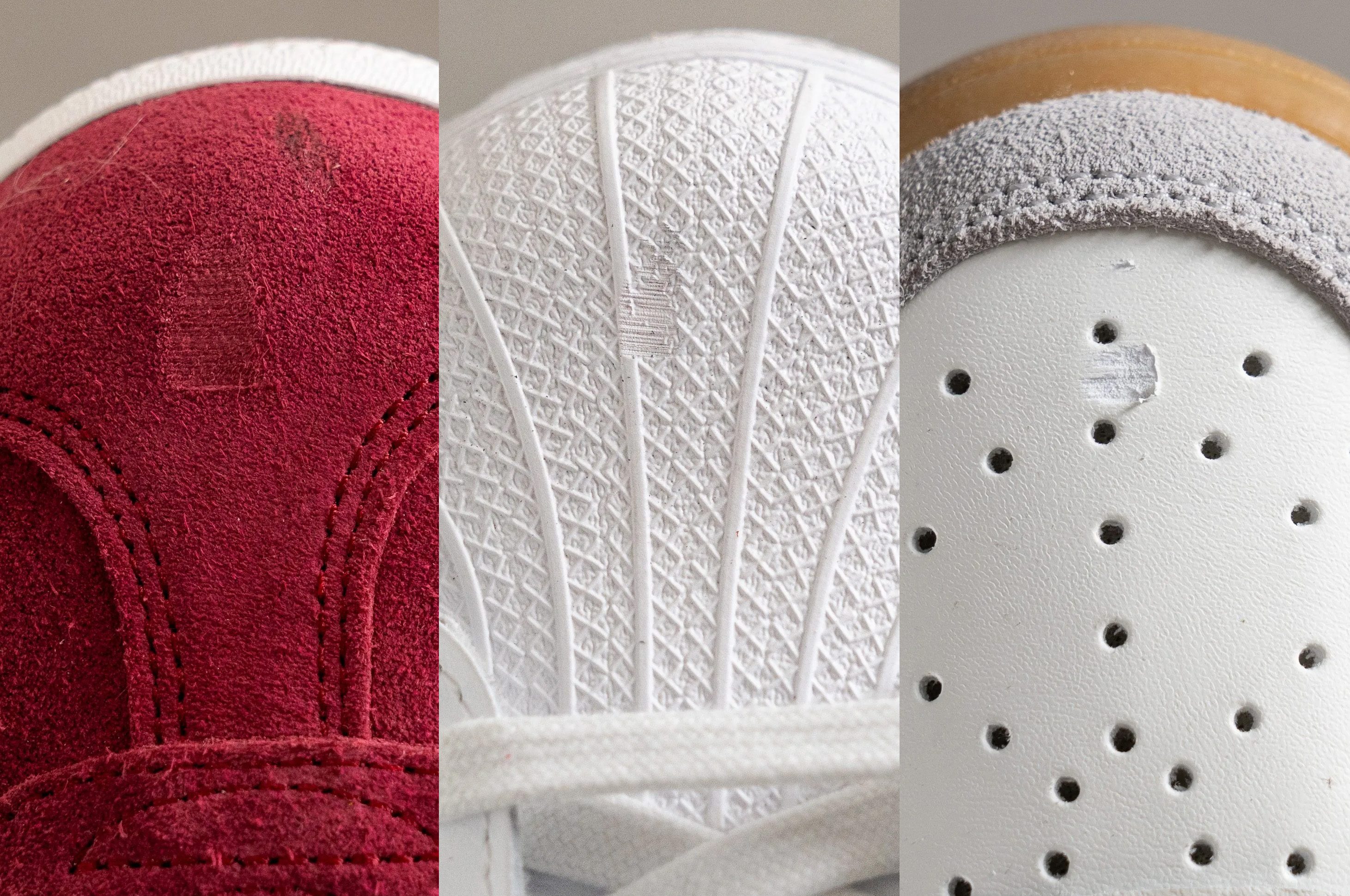
The outsole durability is usually prioritized by people who walk a lot in their sneakers or who have severe overpronation or supination. These types of pronation cause them to land heavily on the inner or outer side of the shoe, which is easily noticeable in the outsole wear after a while. The wear is not even, as it is when people have neutral pronation, but very uneven.
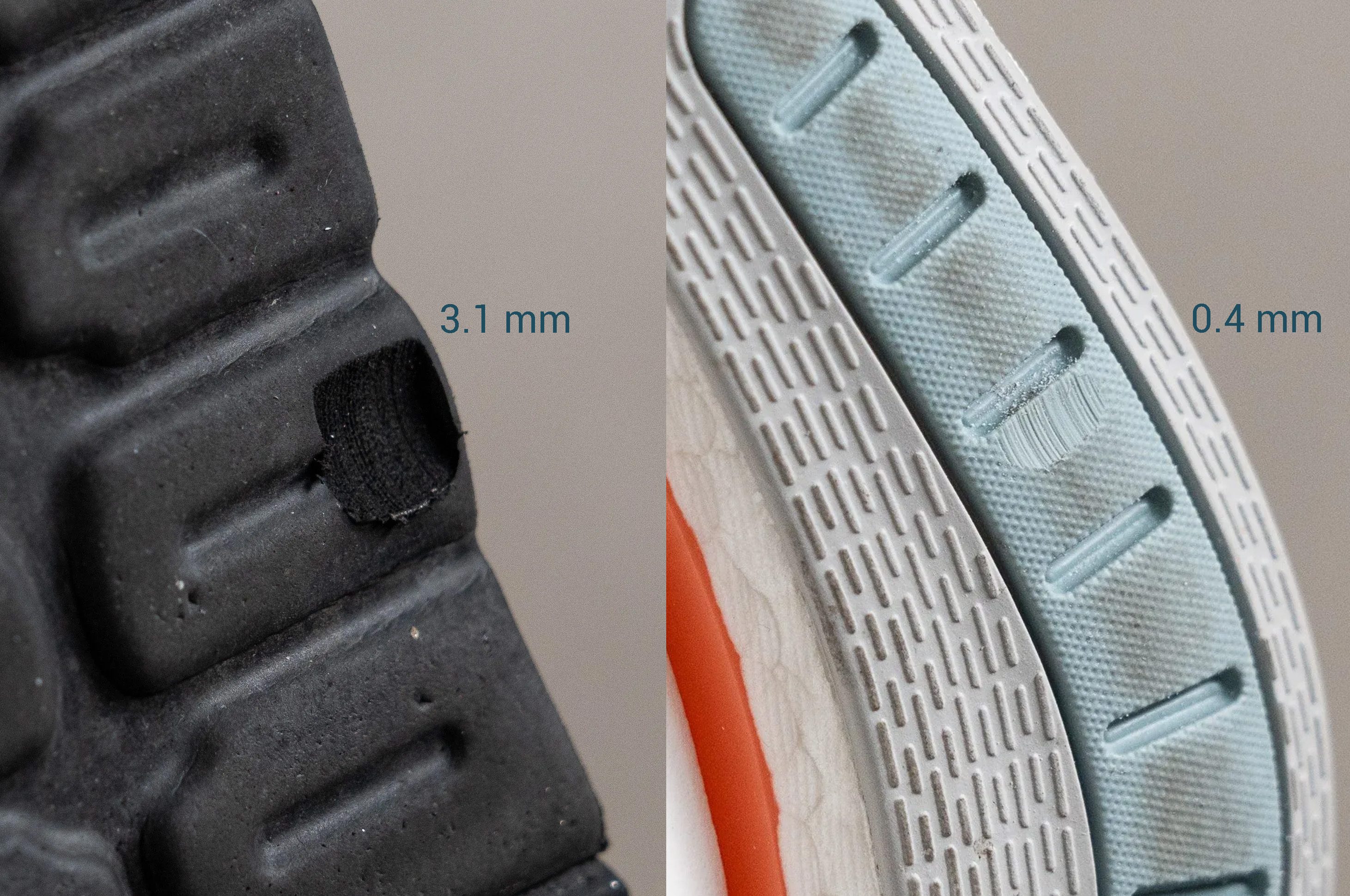
Again, we grab our Dremel and press it against the surface, this time, the outsole. Given that this test is standardized (as any other in our lab), we can say that the deeper it goes, the less durable the outsole. We quantify this with a tire tread gauge, which measures how deeply the Dremel bit into the outsole, with a 0.1 mm precision.
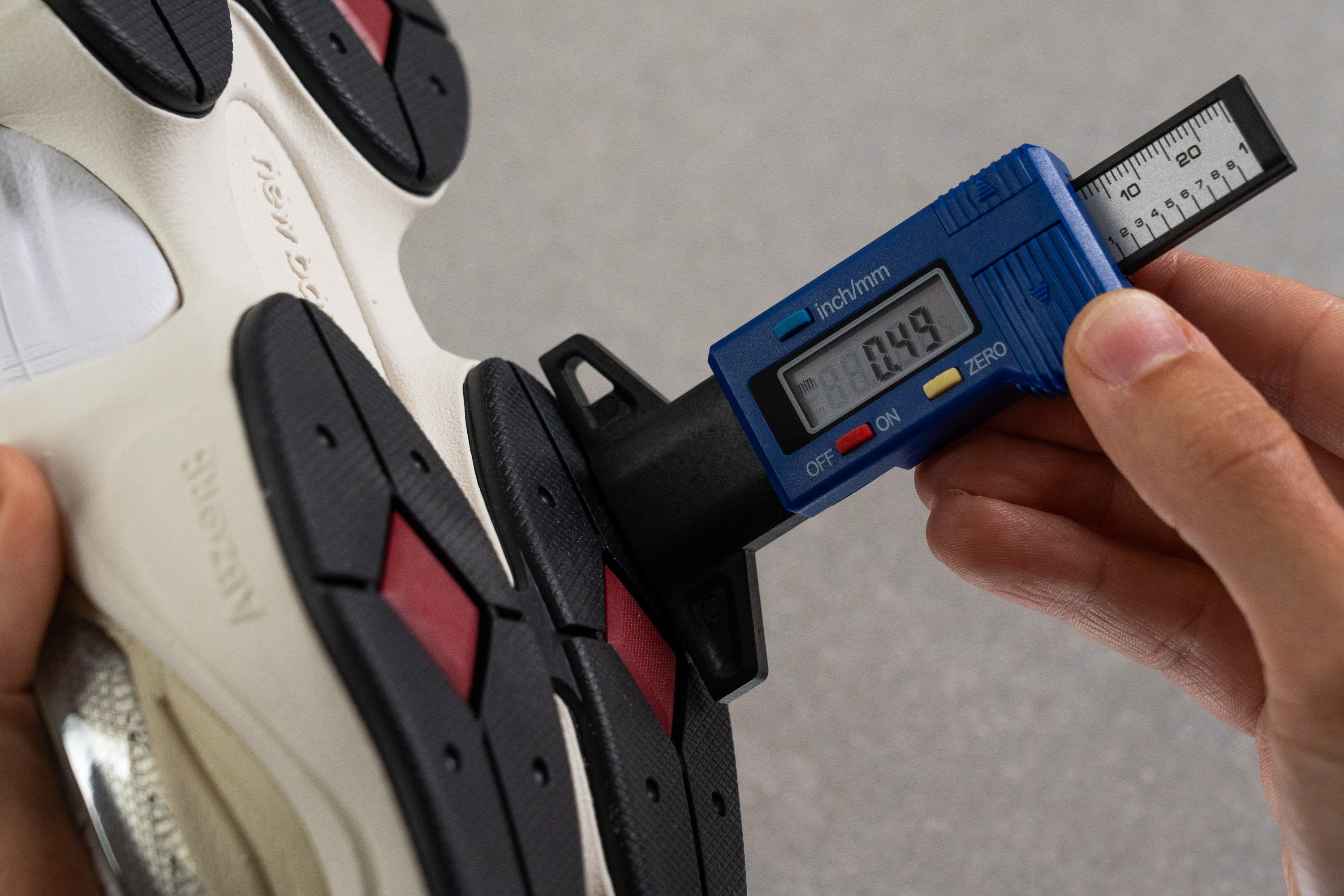
You can use this data to compare the durability of the outsoles across all sneakers.
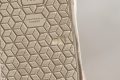
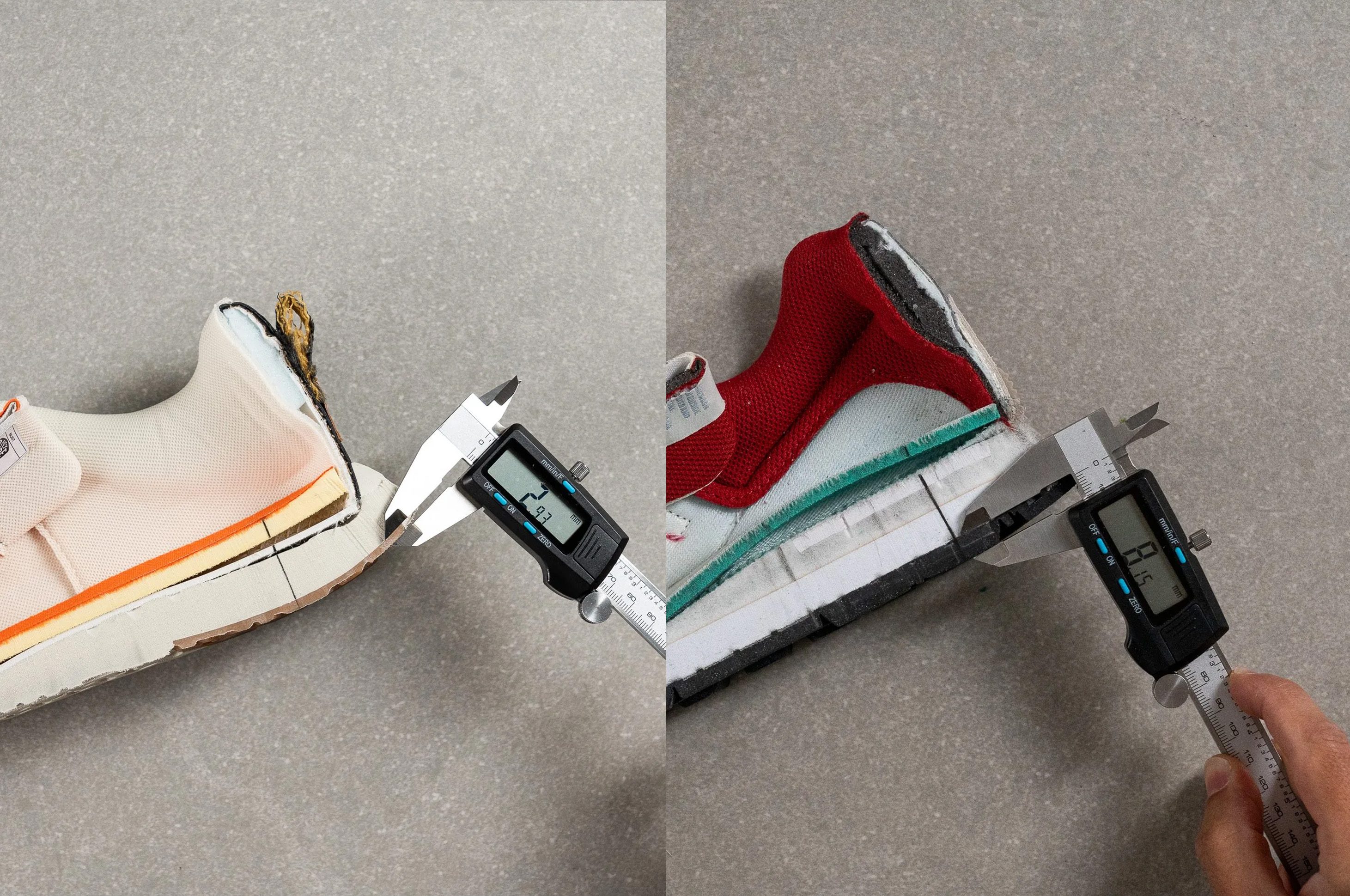
Now that you know how worn out the outsole can be, we can talk about the thickness of the outsole, too. The logic is simple: the thicker the outsole, the more material there is to be worn out.
Of course, when discussing outsoles, you may be curious about the traction, too. If you often spend time in wet weather, you want outsoles you can rely on, so you don’t end up slipping and sliding.
We test this too, and to be on the safe side, look for a coefficient of friction of at least 0.45. If you experience wet surfaces rarely or occasionally, you can also go for the 0.25-0.45 range, but higher than 0.45 is the safest.
Lab testing the durability of the heel padding in sneakers
Should you care about this part? Certainly, if you tend to put the sneakers on/off without untying the laces, if you don’t use a shoe horn and it’s a tight entrance, if you have prominent heel bones or Haglund’s deformity… but overall, if you’re here, you already know this is a weak spot in your sneakers, so let’s get to it.
We fire up our Dremel and press it against the heel padding. We then assess the damage on a 1-5 scale and you should look for 5/5 if you want the most durable heel padding areas out there!
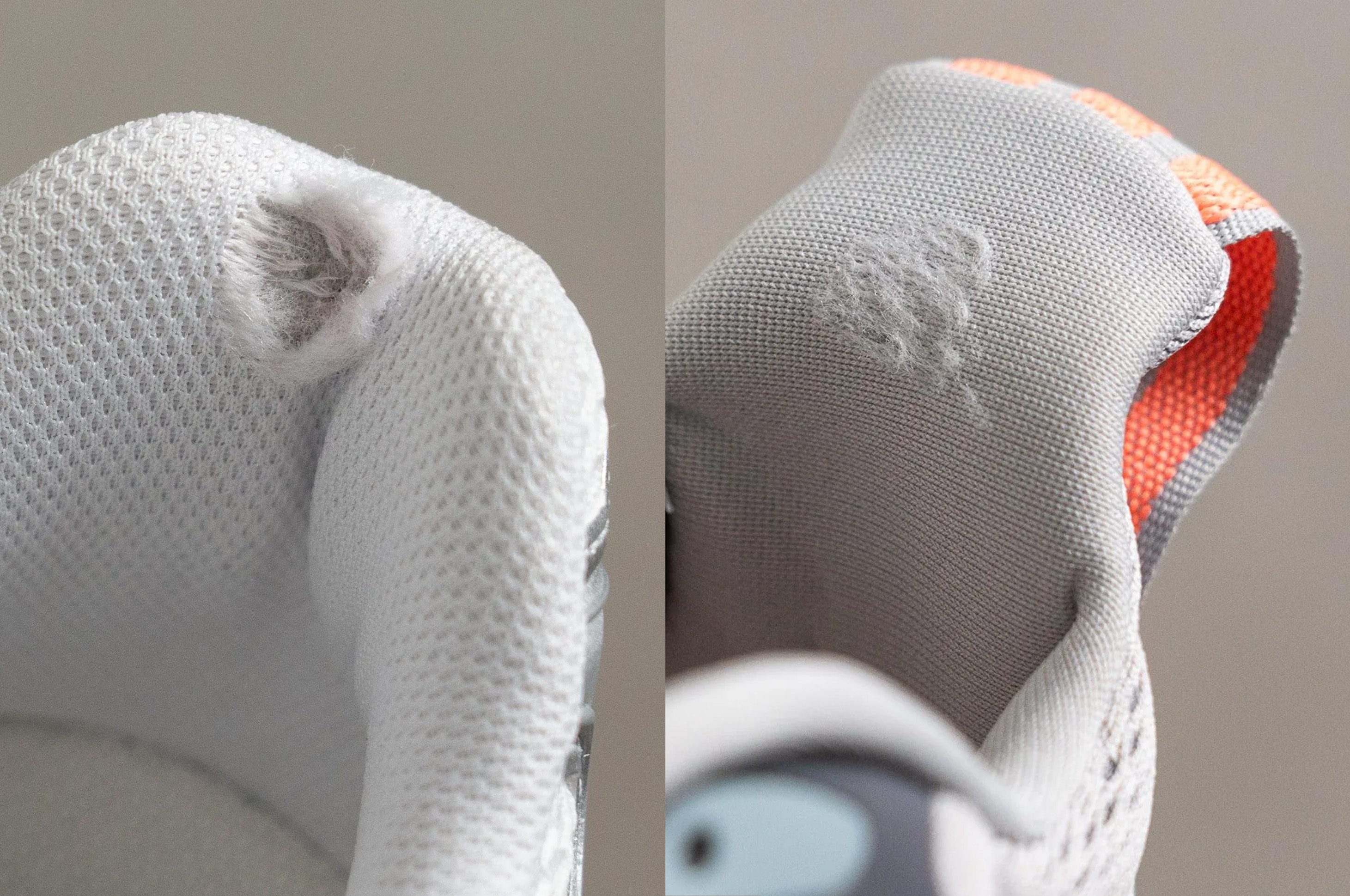
Of course, some of the sneakers can take more beating here, because the heel area is padded and has more layers. Others can not and you will soon reach a stiff part which will irritate your heel (and this may end up even in blood, depending on the thickness and cut of your socks).
Torching the sneakers in the lab to determine the leather/suede type
Given that the toebox durability depends on the choice of upper materials, we are often curious about the leather and suede quality. Are they real or fake? Are we being sold fake materials at higher prices under false or misleading advertising? Important questions that we love giving answers to.
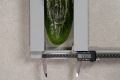
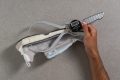
Real leather (above) burns with a smaller flame, it smells like burnt hair, and it chars; we can scratch it easily without it becoming sticky like glue.
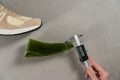
When met with the flame, fake leather (above) showcases a bigger flame, and it becomes very sticky.
What does this have to do with durability? Well, while some may think that leather is the most durable upper material, the thing is, it is not. There are too many nuances. Thicker genuine leather is more durable than fake leather or some knit uppers, but fake leather with synthetic overlays may be more durable than a very thin layer of real leather.
Synthetic materials can be done well, with a lot of layers and reinforcements, so that they don’t end up plasticky and peeling. This is why it is so important to inspect the material properly, not to just press a Dremel against it or torch it, but look at the raw cut, the layers, the colors, and determine what exactly it is made of.
Midsoles can get destroyed, too
Most of the studies focus on the durability of different foams in running shoes. Sneakers feature different midsoles but it does not mean we can not pull some conclusions here:
- Foams can bottom out and become dull. This most often happens in sneakers that are plush and the foam is soft. You will be able to feel this after a while, because the sneaker will simply no longer be as comfortable, and it may even start hurting your feet after a few hours.
- Heavier people put more pressure on the sneakers, while those with severe overpronation or underpronation use the sneakers unevenly, not just the outsole (as mentioned earlier) but also the foam. This can reduce the lifetime of the midsole.
- Midsoles in running shoes love rest time. If your sneakers feature something similar, best to give them time to bounce back (ideally, not use the same sneaker every day, the whole day, but add another sneaker to the rotation).
There are sneakers, usually the firmer ones that some even use for lifting, that are known almost as decade-long daily beaters. However, the liveliness of the midsole and its shock absorption (protection) does fade over time. The moment you feel the sneakers working less for you, you can try the same pair, only new, and compare the ride. You may be shocked by what you’ve been enduring.
Why “sustainable” isn’t always better?
Because we’re still not living in a world where sustainability and durability come together in the same package. This is also because “sustainability” is a 2-edged sword. There is so much greenwashing around us that it’s our responsibility to question brands’ claims, double-check their processes, and then make an informed decision. Let’s elaborate on this.
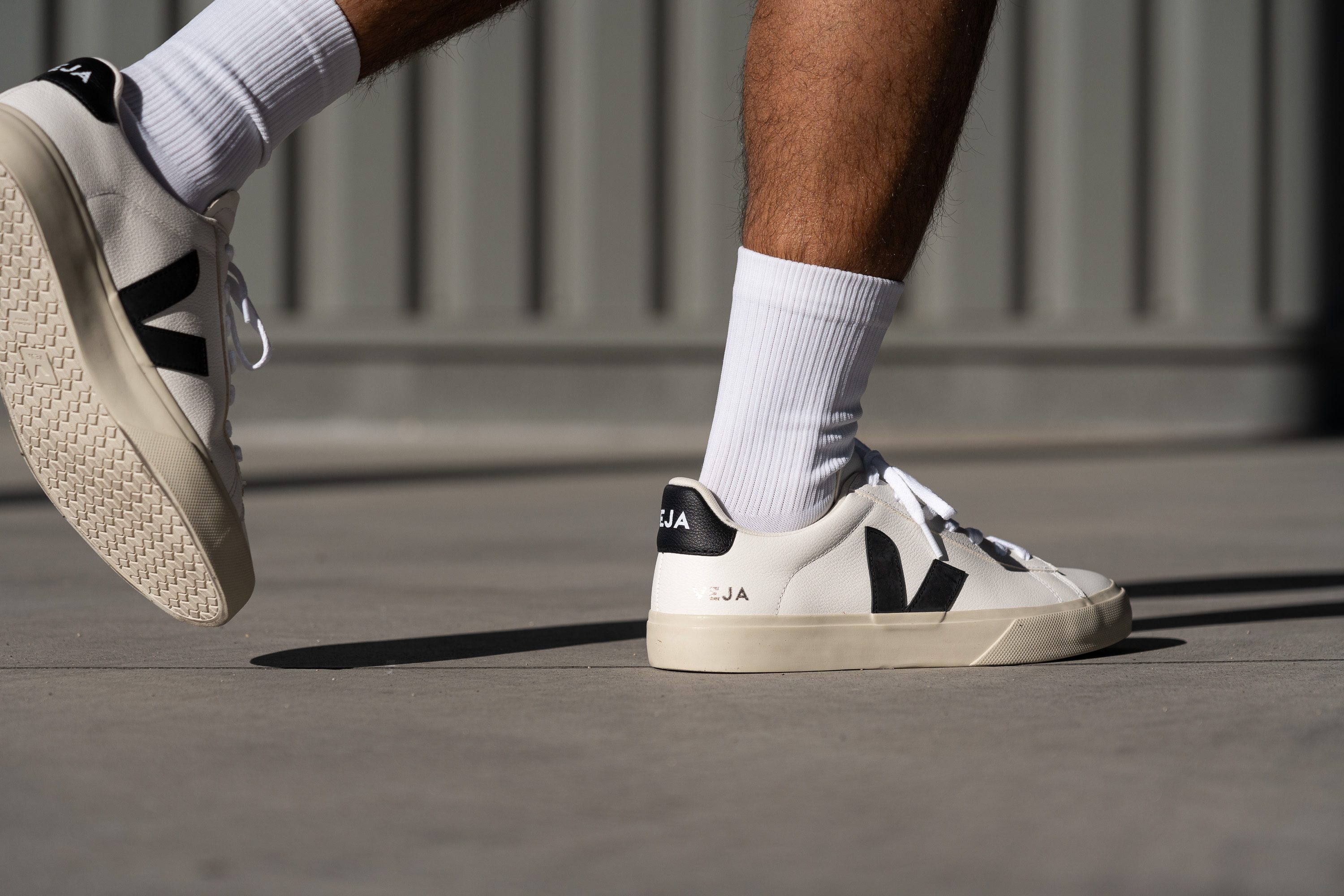
Of course, buying less and using a pair of sneakers for longer is better. And that’s what durable sneakers allow us to do. However, when discussing sustainability, you should get answers to these questions:
- How were materials sourced? What makes them sustainable? Are they recycled and to what %?
- What does the production process look like? Where does it happen? Which standards (fair wages, worker safety, environmental) are applied?
- What’s the packaging like? Did you know that 16% of the overall environmental shoe footprint goes to packaging?
- Does the brand offer some sort of recycling program? Can you send them an old pair to be resoled?
- How is disposal handled? Are there any guarantees on the biodegradability of the sneakers, and under what conditions? Often, lab conditions are significantly different from landfills, and in order for a sneaker to be broken down in a landfill in the time presented by the brand, special waste management and infrastructure are needed (which is often not clearly communicated). Is the brand offering to recycle the sneakers, and if so, how and where do they do it? Around 95% of used footwear ends up in landfills or is incinerated.
As you can see, the environmental impact is a huge topic and one not to be taken lightly. All of us should be mindful when shopping, but also aware of all the greenwashing happening.
How can you significantly decrease the durability of your sneakers?
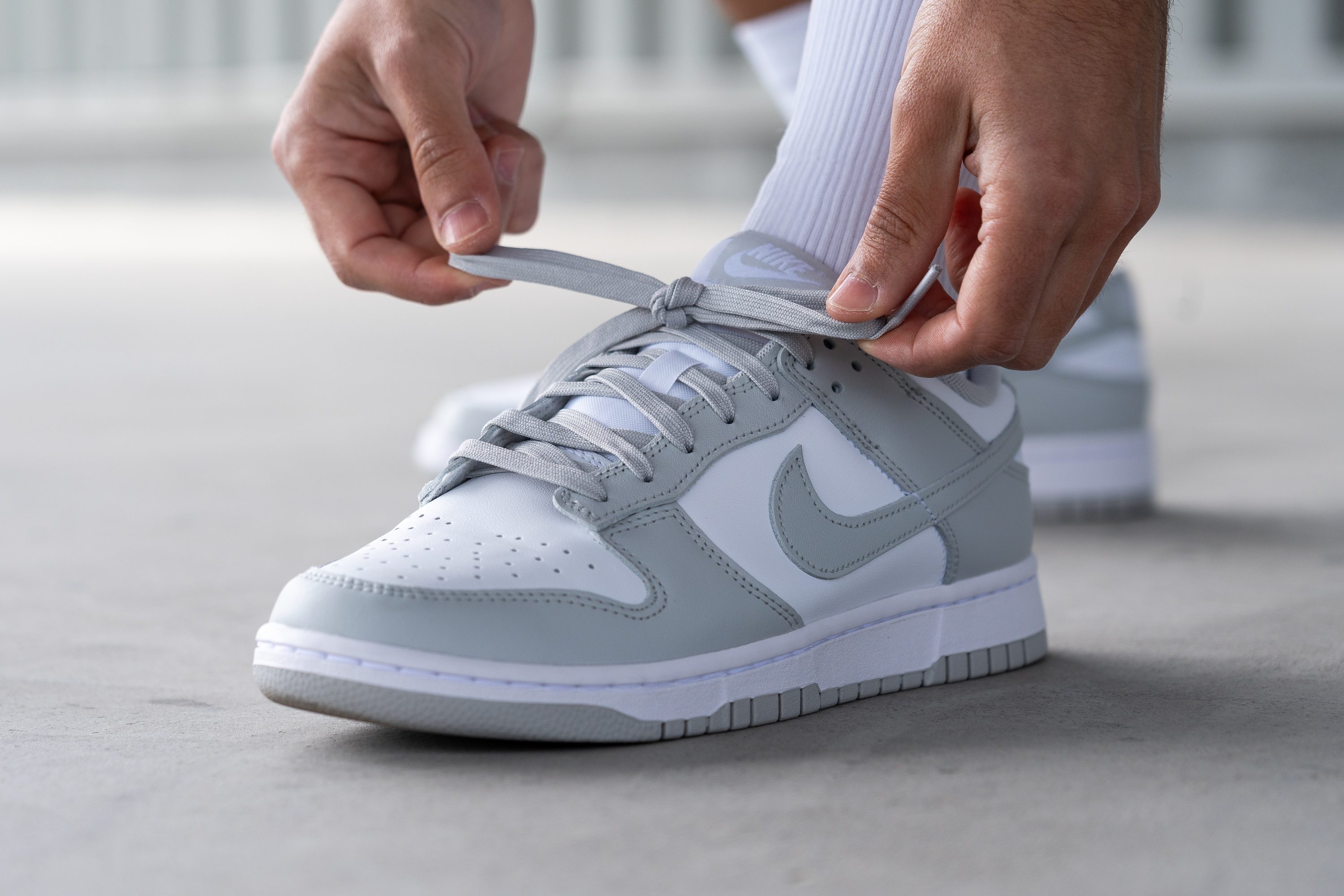
Easy! Here are examples:
- Putting sneakers in a washing machine if they are not meant to be washed like that
- Treating sneakers with harsh cleaning chemicals that destroy the materials. Especially whitening chemicals
- Using waterproofing sprays on textiles not meant to be impregnated with such chemicals.
- Not drying the sneakers immediately after they’ve been soaked (in rain, snow, puddles). Prolonged exposure to water, with no heat/ventilation afterward, leads to bad smells, glue weakening, and premature wear and tear of the materials.
Proper maintenance matters. Do the research and take care of your sneakers.
Resoling sneakers: pros and cons
Most of the sneakers can not be resoled because the upper is glued and not stitched. Overall, resoling options are there, but they depend on a) the experience and enthusiasm of your cobbler, and on b) how peculiar you are when it comes to the final look.
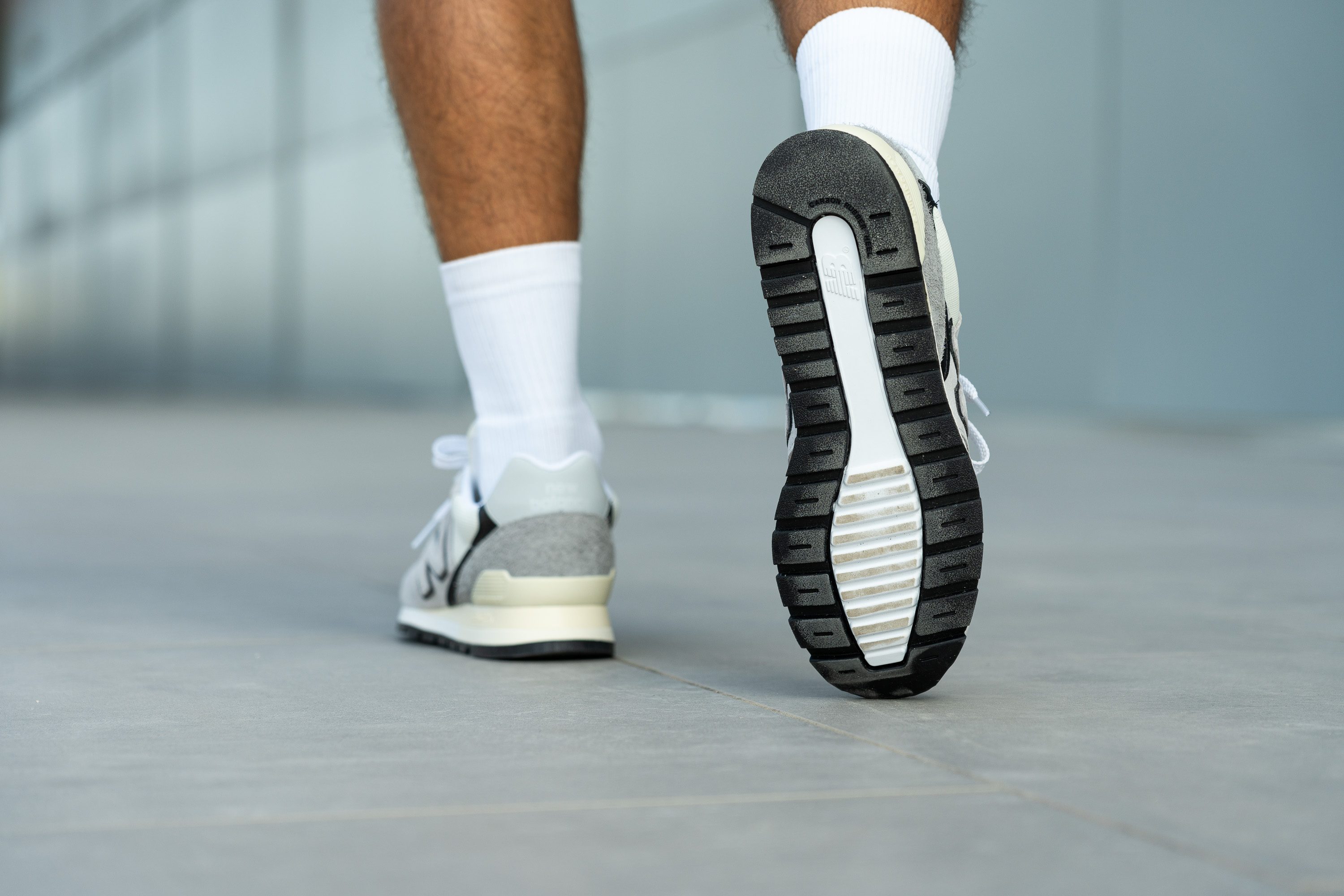
Often, you will be offered resoling options with different types of outsoles, none of which match the original one. When the upper is cemented, it’s difficult to detach it without damaging it. There are some companies that offer resoling, but a pair of such sneakers may cost you more than $600-800.
|
Resoling sneakers |
|
|
Pros |
Cons |
|
It’s good to think about buying less and reducing your ecological footprint |
Many sneakers are glued, not stitched and can’t be resoled |
|
By the time they need resoling, the upper may be trashed too |
|
|
New outsoles often do not match the original one (looks-wise and/or performance-wise) |
|
|
Sneakers that can be resoled and that come with that option from the brand are very expensive |
|
|
Stitched sneakers are often made of thick leather (forget breezy mesh uppers) |
|
As you can see, for now, the cons of resoling the sneakers heavily outweigh the pros. The story is significantly different in the world of hiking boots or work boots, where the leather upper is better with age (forms to your foot, patina, and so on) and the outsoles that are added are often identical to the ones you trashed. As an extra point, Vibram offers many options here if you want to change the grip (lug design and thickness).
Similar buying guides