7 Hiking Shoes With The Best Traction in 2026


We buy shoes ourselves. We earn commissions when you buy through us, at no extra cost. Why trust us
Gone are the days when we would look at the bottoms of hiking shoes and think, “yeah, this might do it.” Fortunately! Now we can finally quantify hiking shoes’ traction using different lab tests and lab results. Are there still many nuances there? Sure, but that’s what hiking is like, nuanced.
Traction in hiking is not nearly as straightforward as it is in road running. We don’t only have varying lug depth, lug design, and tread patterns, but also varying terrain, which goes from something as simple as hard-packed trails and gravel to steep, root-covered single trails, or deep mud and large, sharp rocks.
In this guide, we focus on grip, lugs, outsoles, what to pay attention to when buying new shoes or after a few hundred miles, and we highlight the best performers when it comes to traction.
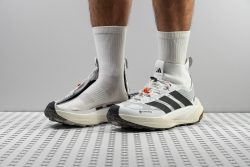
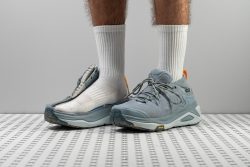
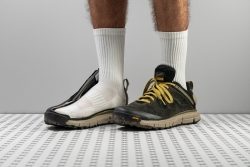
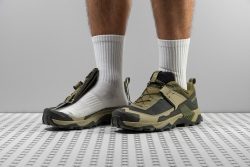
How we test hiking shoes with the best traction
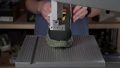
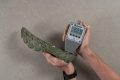
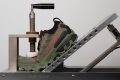
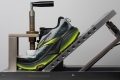
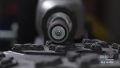
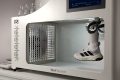
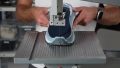
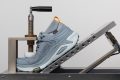
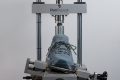
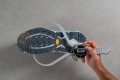
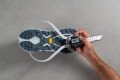
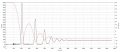
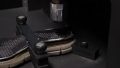
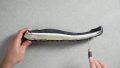
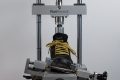
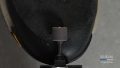
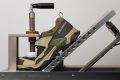
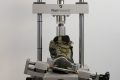
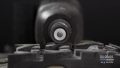
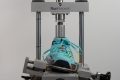
To list hiking shoes here, first we have to make sure that they actually have high traction. After thoroughly testing them on the trails, we take them to the lab and measure their dynamic coefficient of friction. We do this by following the SATRA TM144 methodology:
- The test is done on wet concrete.
- We press a hiking shoe against the surface at a 7-degree angle using 500N of force.
- We take note of the result (dynamic coefficient of friction).
- If the hiking shoe scores 0.65 or higher, it goes into the high-traction category.
We publish all our findings in a way that allows you to compare the shoes to the averages and to each other. This is possible because all our tests are standardized and even done at a constant temperature and humidity (both lab testing and shoe storage).
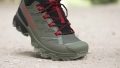
Best high traction hiking shoes overall
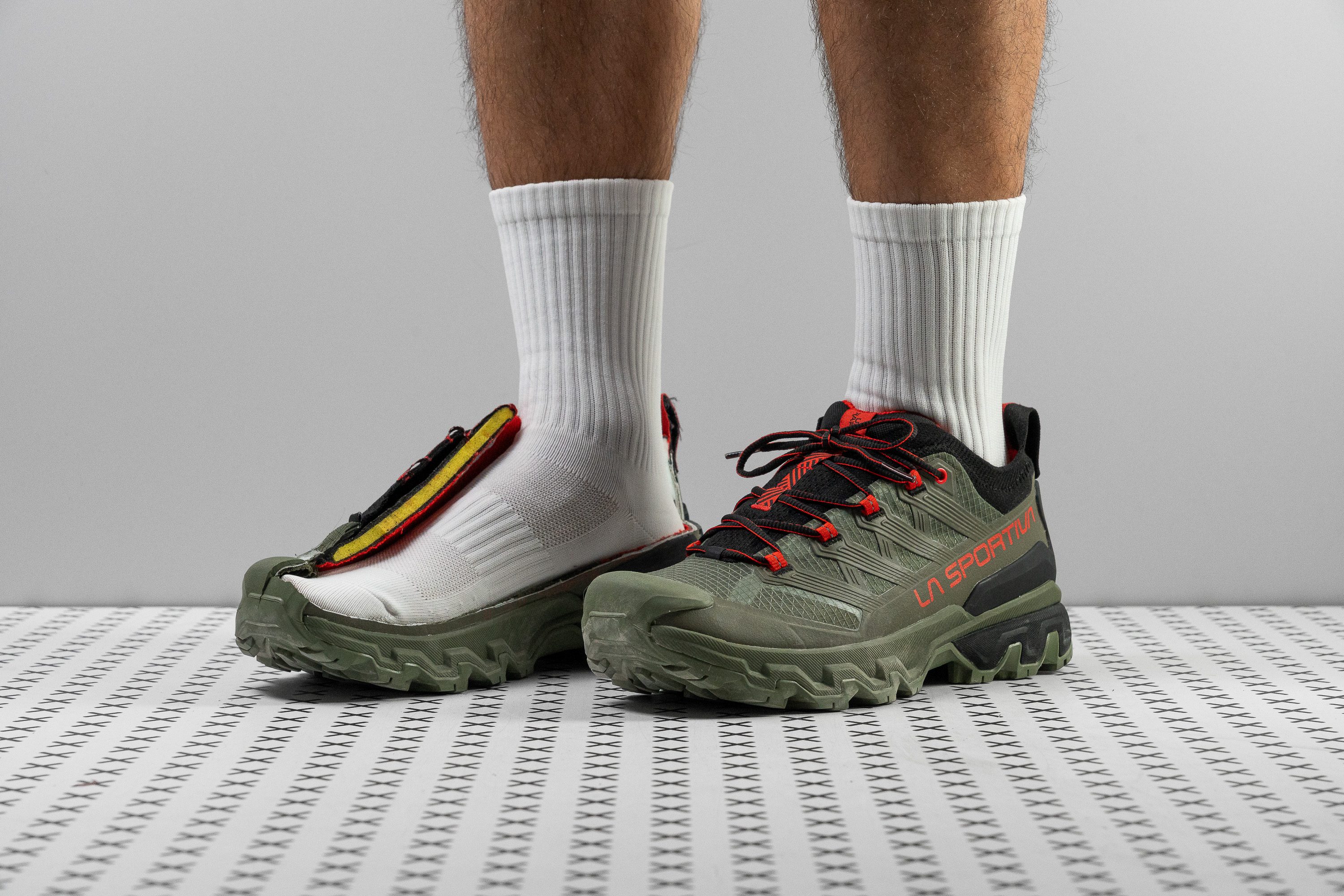
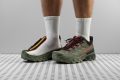
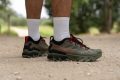

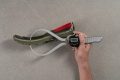
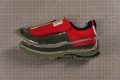
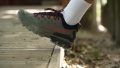
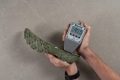




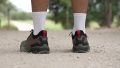
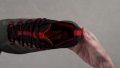
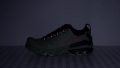
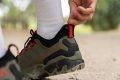

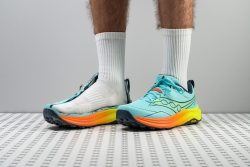
What makes it the best?
Pros
- Fantastic stability on technical terrain
- Excellent grip on varied surfaces
- Lighter than average
- True to width (roomier than v2)
- Good forefoot flexibility
- Secure foot lockdown
- Great protection from rocks and debris
Cons
- Poor breathability for warm weather
- Upper materials lack durability
Best high traction hiking shoes for day hikes
What makes it the best?
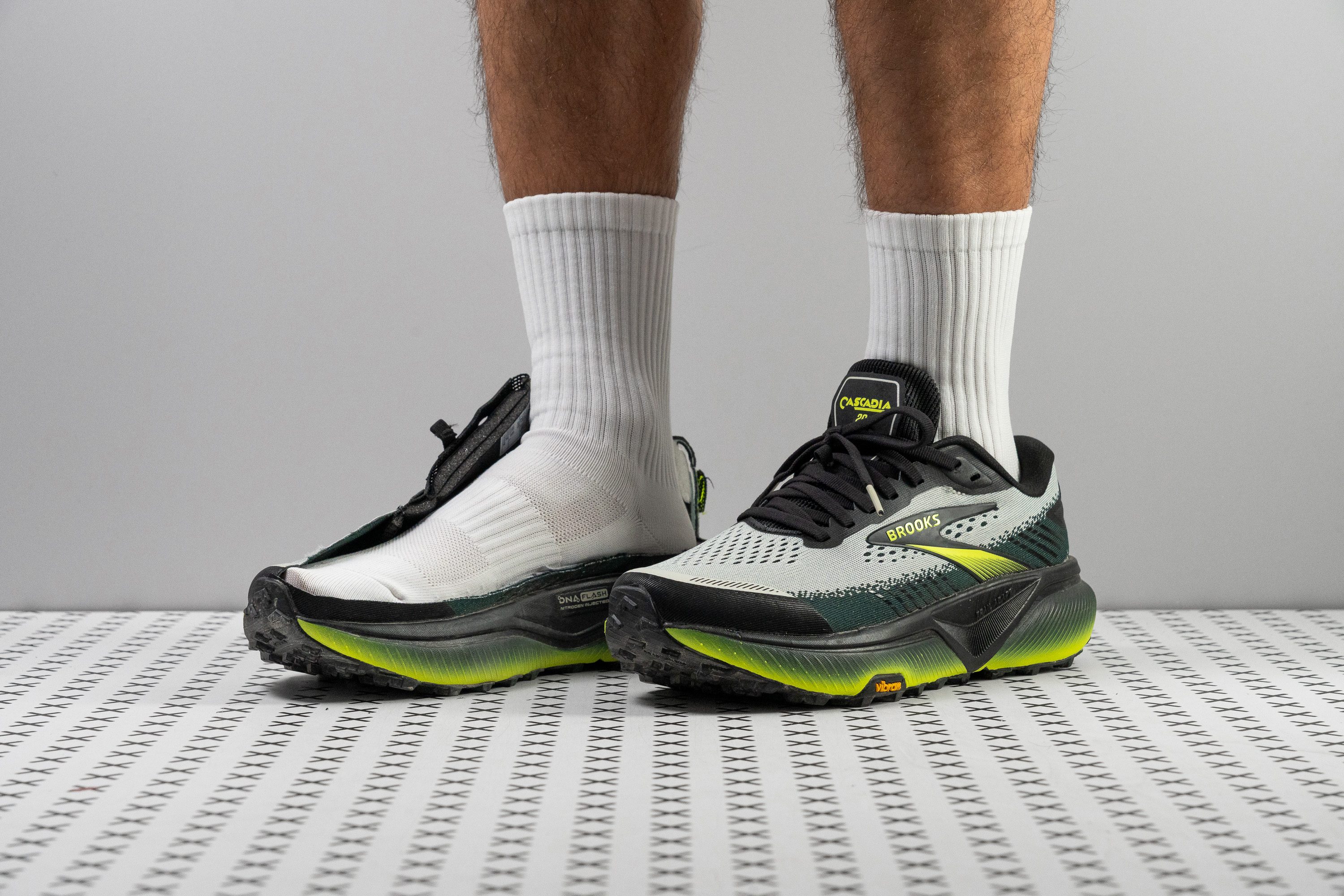
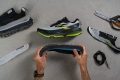
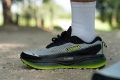
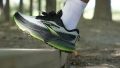
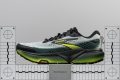
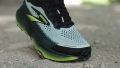
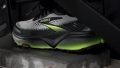
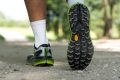
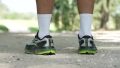
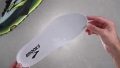
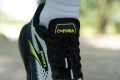
The Brooks Cascadia 20 offers what we need for our treks: comfort, stability, and relentless grip. Lab tests confirm its gentle support through TrailAdapt technology, without sacrificing cushioning or traction. In the high-traction hiking category, Cascadia 20 is the best for day hikes.
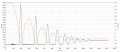
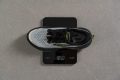
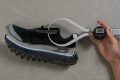
The midsole features plenty of foam, with thicknesses of 37.9/29.1 mm. Its cushioned sensation is further emphasized by its high shock absorption of 136 SA in the heel, making it 11% more protective than average. The TrailAdapt technology promotes a stable ride without too much intrusion. We’re still able to maneuver the shoe, as we recorded a torque of 15.6 Nm to twist the shoe, on par with average. The stiff heel counter (5/5) helps maintain our balance, along with the broad 117.7/98.5 mm base.
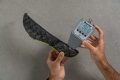
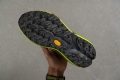
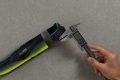
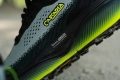
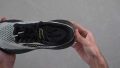
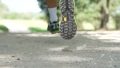
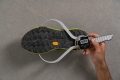
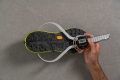
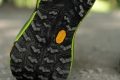
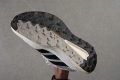
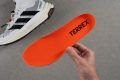
Underfoot, we found the world-class Vibram Megagrip and proved its reliability with a 0.79 traction score, 17% above average. We also measured 3.4 mm Traction Lugs, which include tiny dots on each lug to enhance the outsole’s bite when cornering.
However, Cascadia 20 isn’t the most rugged shoe, showing poor performance in our Dremel tests. Those who want a more durable shoe should check alternatives.
Pros
- Vibram Megagrip outsole
- Excellent stability
- Versatile for hiking and running
- More cushioning than previous Cascadias
- Plush step-in comfort
- Secure fit with zero slide
- Ideal for heel strikers
- Performs well on gravel roads
- Excellent value for money
- Lighter than v19
Cons
- Still a heavy trail shoe
- Snug fit limits wider feet
- Upper durability concerns
- Maybe a bit too firm for some
High traction hiking shoes with the best shock absorption









What makes it the best?
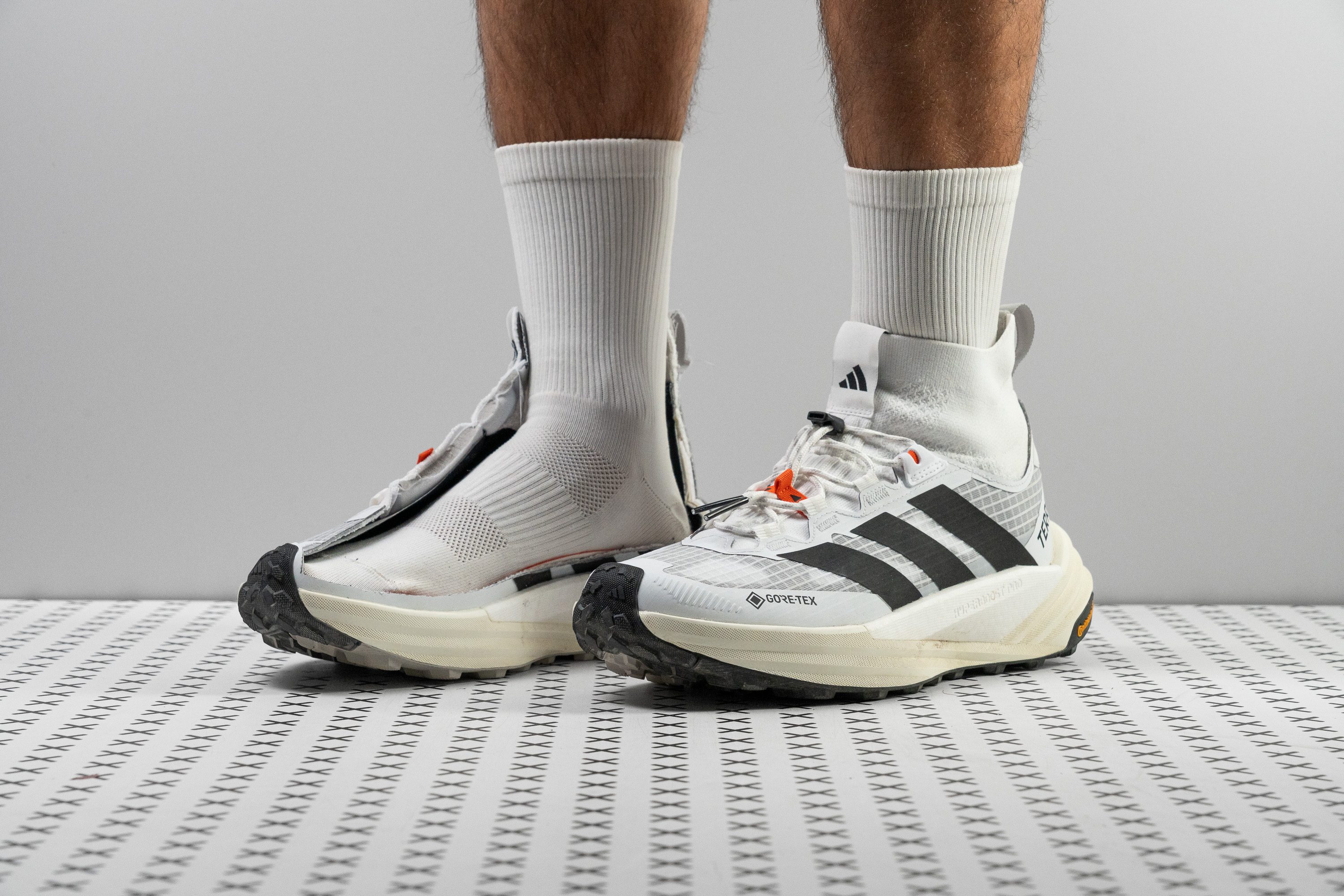
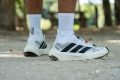
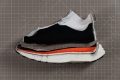
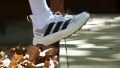
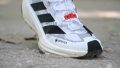
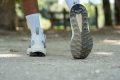
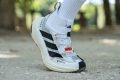
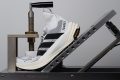
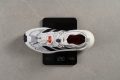
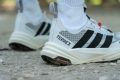
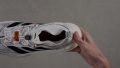
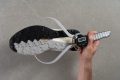
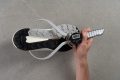
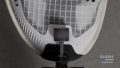
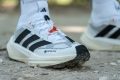
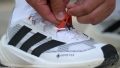
The adidas Terrex Freehiker 3 Low GTX packs a lot in one shoe: plush cushioning, bounce, and an unwavering outsole. It elevates comfort to the next level, as seen in its top-tier impact protection in the lab, while maintaining an effortless ride through its grip and speed. In the high-traction hiking shoe category, it delivers the best shock absorption.
This pair didn’t skimp on cushioning and even pushed the limits with its 41.8/27.4 mm stack height, which relieves pressure off our feet since we have so much foam underneath. Shock absorption is top-notch at 124 in the heel, making it one of the most cushioned hiking shoes we’ve tested.
To avoid a bottom-heavy feeling, the rear cushion returns a nice spring in our steps. Our energy return test reveals an impressive 53.6% score, creating consistent movement with less effort.
The Freehiker gave us full control of each step we took, even on slick surfaces. The Continental rubber showed top performance in our wet-condition test, earning one of the highest scores we’ve seen in the lab at 0.83, 20% above average.
Sadly, we cannot recommend this pair for technical terrain. Its 3.7 mm lugs are versatile up to moderate trails but lack that extra bite on rocky or muddy sections.
Pros
- Outstanding cushioning for all-day hikes and walks
- Excellent traction even on wet surfaces
- Much lighter than the Freehiker 2
- Dries quickly for a GTX shoe
- Stays warm in cooler weather
- High collar acts as a gaiter
- True to size and medium width
- Convenient Speed lacing
Cons
- Zero ground feel
- Low breathability
Best high traction hiking shoes for backpacking





What makes it the best?
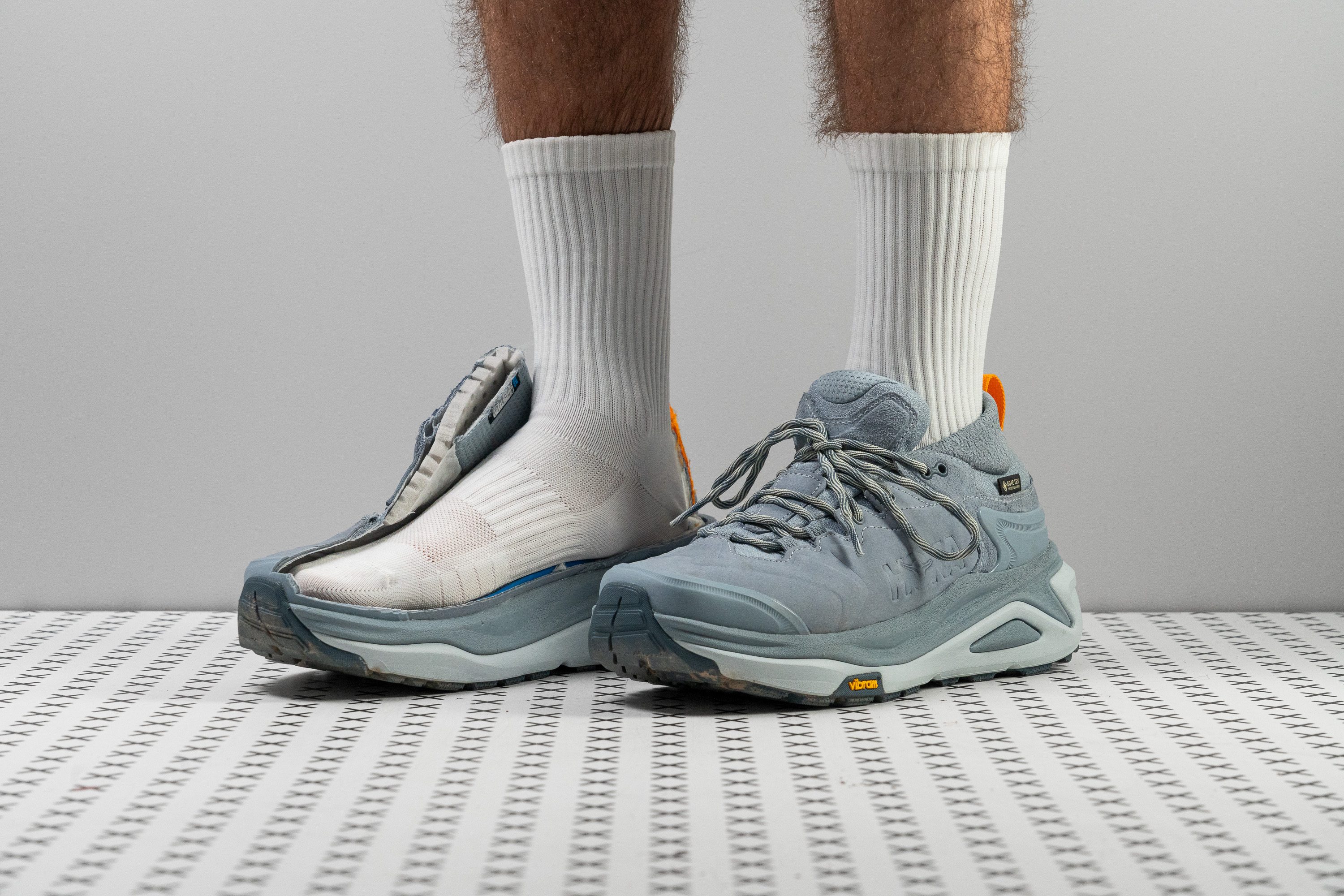
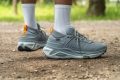
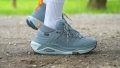
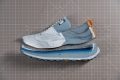
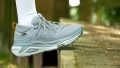
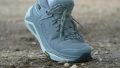
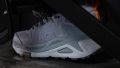
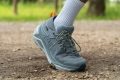
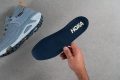
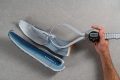
Through off-road excursions and lab analysis, we learned that the HOKA Kaha 3 Low GTX delivers a well-cushioned yet sturdy base with immense comfort and security. From its unshakeable support to its grippy Vibram outsole, it inspires confident and balanced strides on any terrain. Undoubtedly, it’s the best backpacking high-traction hiking shoe.
Our arches felt supported by the massive 40.5/28.4 mm platform that erases ground feel. Our shock absorption test confirms its 116 SA rating in the heel, translating to lower impact and reduced muscle stress. Even with heavy backpacks, the 12.1 mm offset supports our calves and ankles over long distances.
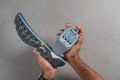
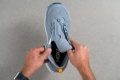
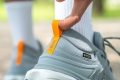
We never felt anxious on uneven ground as its stiff build gave us security. In our torsional rigidity test, this shoe emerged 81% more twist-resistant than average! Together with the tall and more enclosed collar, it enhances lockdown and prevents excessive lateral motions. The broad 117.4/104.6 mm base also helps us find our balance.
It’s no surprise that the Vibram Megagrip rubber is a consistent top performer in the lab, yet its solid result of 0.84 in our traction test still blew us away. We also measured 3.7 mm lugs that can handle boulders, grass, roots, and other surfaces with control.
However, its bulky 16.4 oz (465g) is meant for steady paces. We suggest going for a lighter shoe on easier terrain or shorter hikes for more agility.
Pros
- Great shock absorption for long hikes
- Massive buffer from the trail
- Boot-like stability for backpacking
- Heavenly comfortable step-in feel
- Amazing grip on wet, mixed and hilly terrain
- New form-fitting collar design
- Premium-level durability
Cons
- Much heavier than average
- Too chunky and blocky for rocky trails
- Not breathable
Best high traction hiking shoes for thru-hikes





What makes it the best?
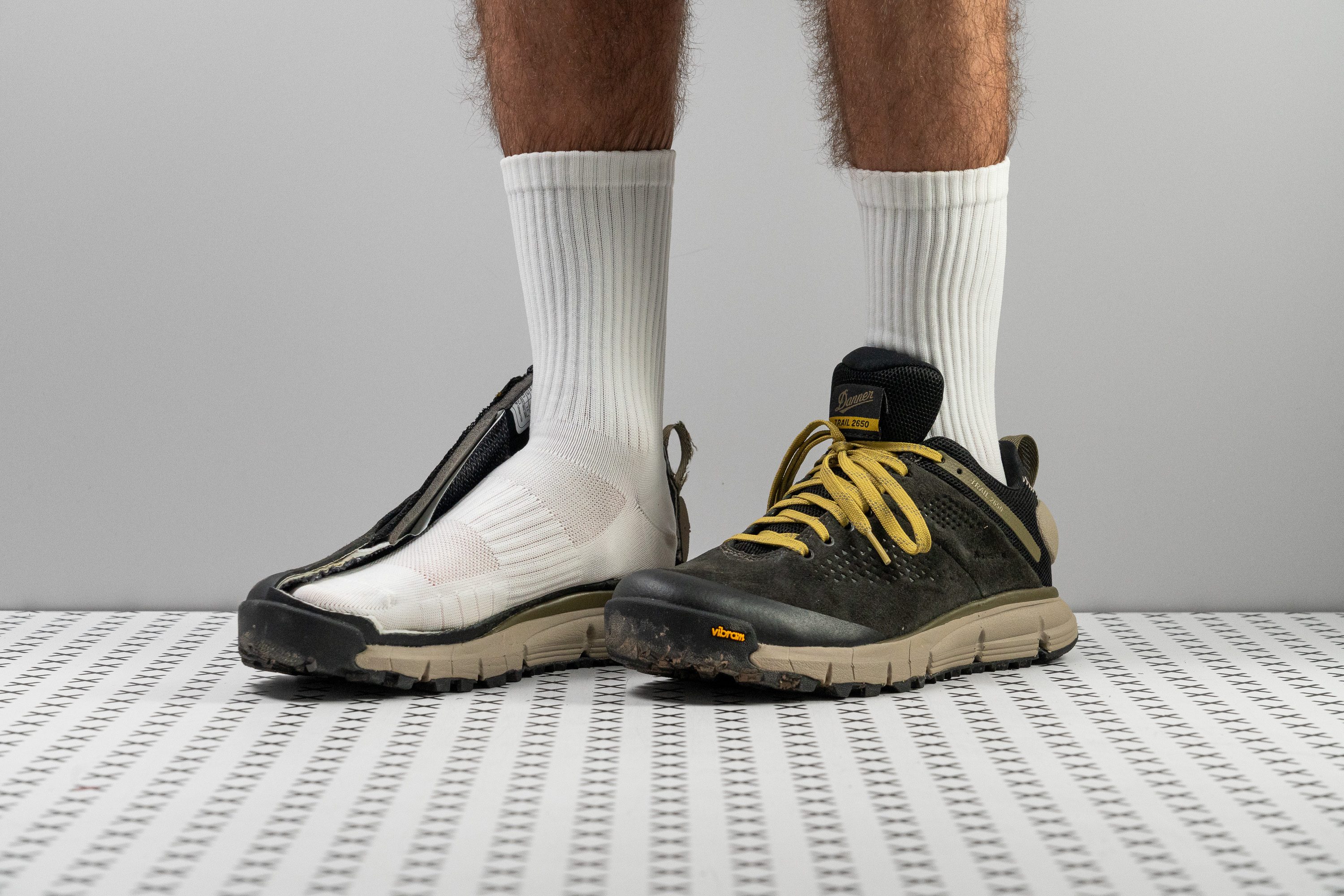
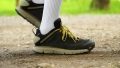
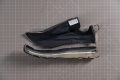
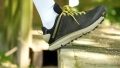
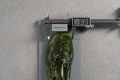
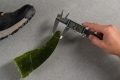
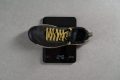
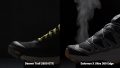
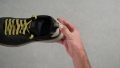
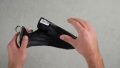
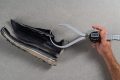
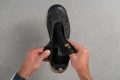
The Danner Trail 2650 kept us safe and comfortable when we tested them out. Built for various trail conditions, we continued throughout our day with no worries. It's light and shock-absorbing for all-day comfort, with a versatile Vibram outsole. Our lab results show it's best for thru-hikes among high-traction hiking shoes.
The Trail 2650 features a well-balanced platform of 35.2/20.3 mm. Comfort is highlighted through its impressive shock absorption of 118 SA in the heel, as it reduces the harshness of the ground effectively with each step. It’s also 6% lighter than the average hiking shoe at 12.4 oz (352g), making it easy to maneuver for long hours.
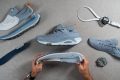
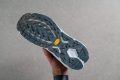
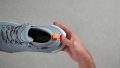
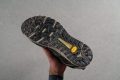
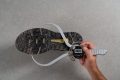
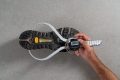
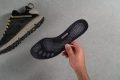
Flipping the shoe over, we found the Vibram 460 MegaGrip outsole, studded with 3.8 mm lugs that work well on wet, dry, loose, or hard-packed ground. It also features a Trailguard shank underfoot that serves as a rock plate for added protection.
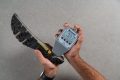
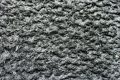
Under our microscope, we found the upper has no perforations, which was effective in keeping us dry. It also proved to be wear-resistant, scoring a solid 4/5 in toebox durability in our Dremel test.
However, its 14.9 mm offset is so steep that it causes some undesirable toe jamming, especially during descents. Hikers who prefer a more level platform should check lower-drop shoes.
Pros
- One of the lightest GTX hiking shoes
- Great shock absorption
- Comfortable step-in feel
- High-quality suede upper
- Excellent grip on mixed terrain
- Stable for moderate hikes
- Protective rock plate
Cons
- Not for wide feet
- Steep heel-to-toe drop
- A bit overpriced
Best high traction hiking shoes for technical terrain
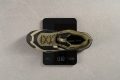



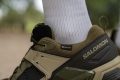
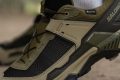
What makes it the best?
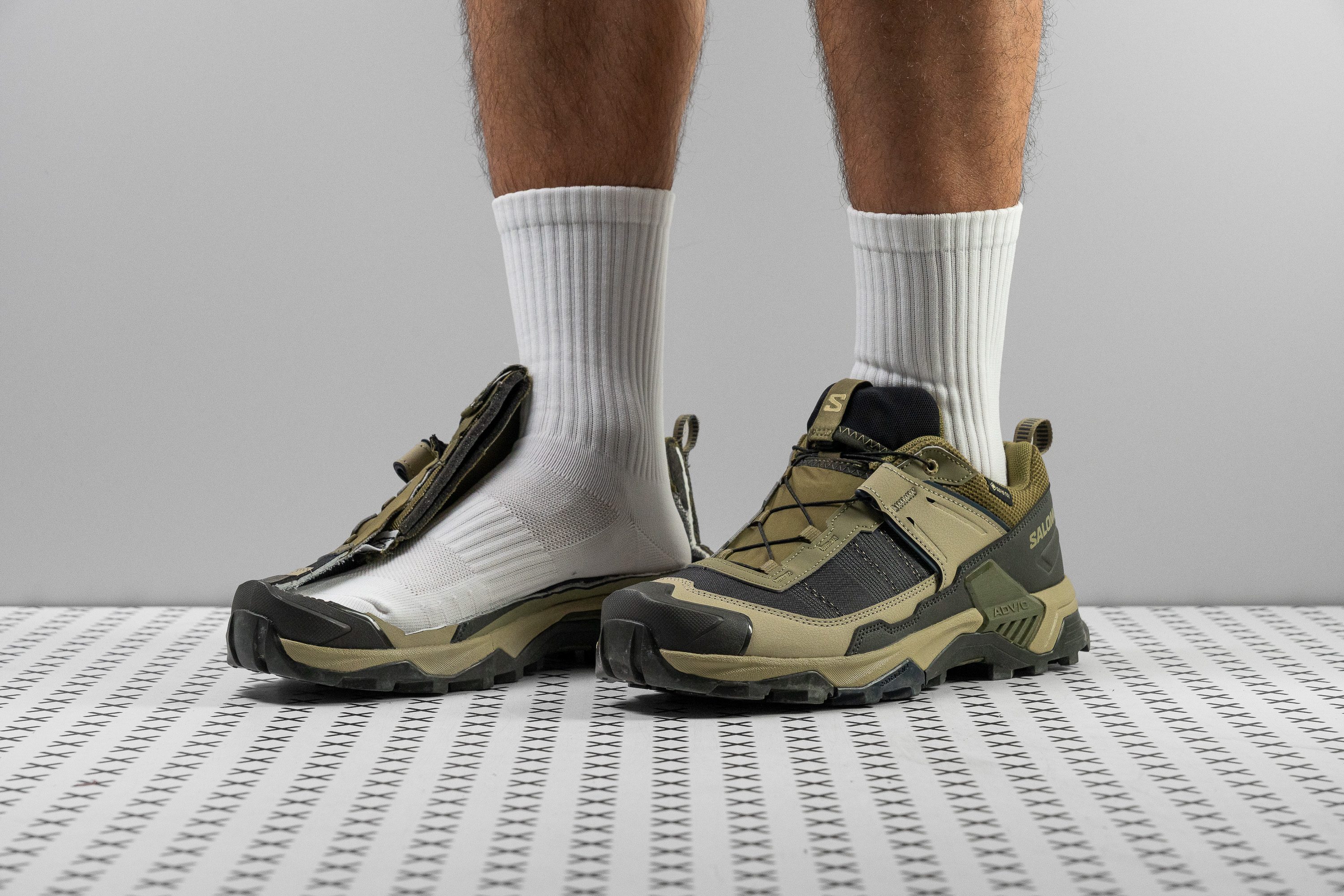
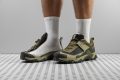
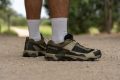
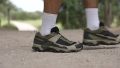
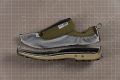
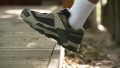
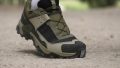
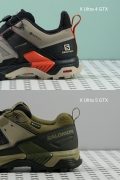
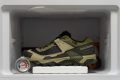
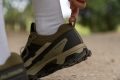
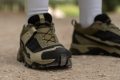
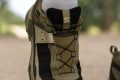
We discovered through countless trail adventures that the Salomon X Ultra 5 GTX offers so much control, protection, and undeniable grip that keeps us agile on technical terrain. As confirmed by our lab results, it hits the sweet spot between stability and adaptability, making it our best high-traction hiking shoe for technical terrain.
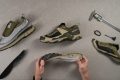
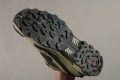
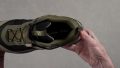
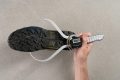
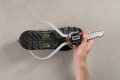
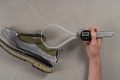
It was hard to ignore the outsole’s magnetic force to the ground, whether on soft, wet, or loose surfaces. We flipped the shoe over and measured 4.0 mm lugs, with a pronounced heel brake for descents. Moreover, the All-Terrain Contagrip rubber posted a strong traction score of 0.65, proving its all-terrain readiness.
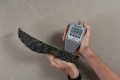
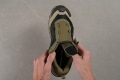
Even as we tackled demanding courses, we managed to stay in control due to the Active Support System and Advanced Chassis (ADV/C). These stabilizing components include a tough TPU in the midfoot and a side wing that enhances lockdown comfortably. The shoe felt stable even under heavy loads. Despite this, we could easily bend our forefoot and pick up the pace if we wanted to, emerging 18% more pliable than average in our bend test.
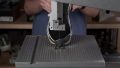
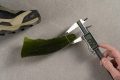
This shoe also proved to be durable from top to bottom. It features a toe bumper that scored a solid 4/5 in our Dremel test. Meanwhile, the outsole only had a tiny 0.8 mm dent in our abrasion test. With a thick 3.2 mm of rubber to burn through, plus the 4.0 mm lugs, our feet remain shielded underneath.
Because of its heightened surface awareness, the midsole feels far from cushioned, which may feel too harsh for some hikers. Those who prefer a bit more comfort should explore more forgiving options.
Pros
- Exceptionally stable for technical terrain
- Feels connected to the trail
- Excellent grip on mixed terrain
- Great balance of stability and agility
- Solid GTX waterproofing
- Reliable durability
- Secure lockdown
Cons
- Minimal cushioning
- Poor breathability
- Narrow fit
Best lightweight high traction hiking shoes





What makes it the best?
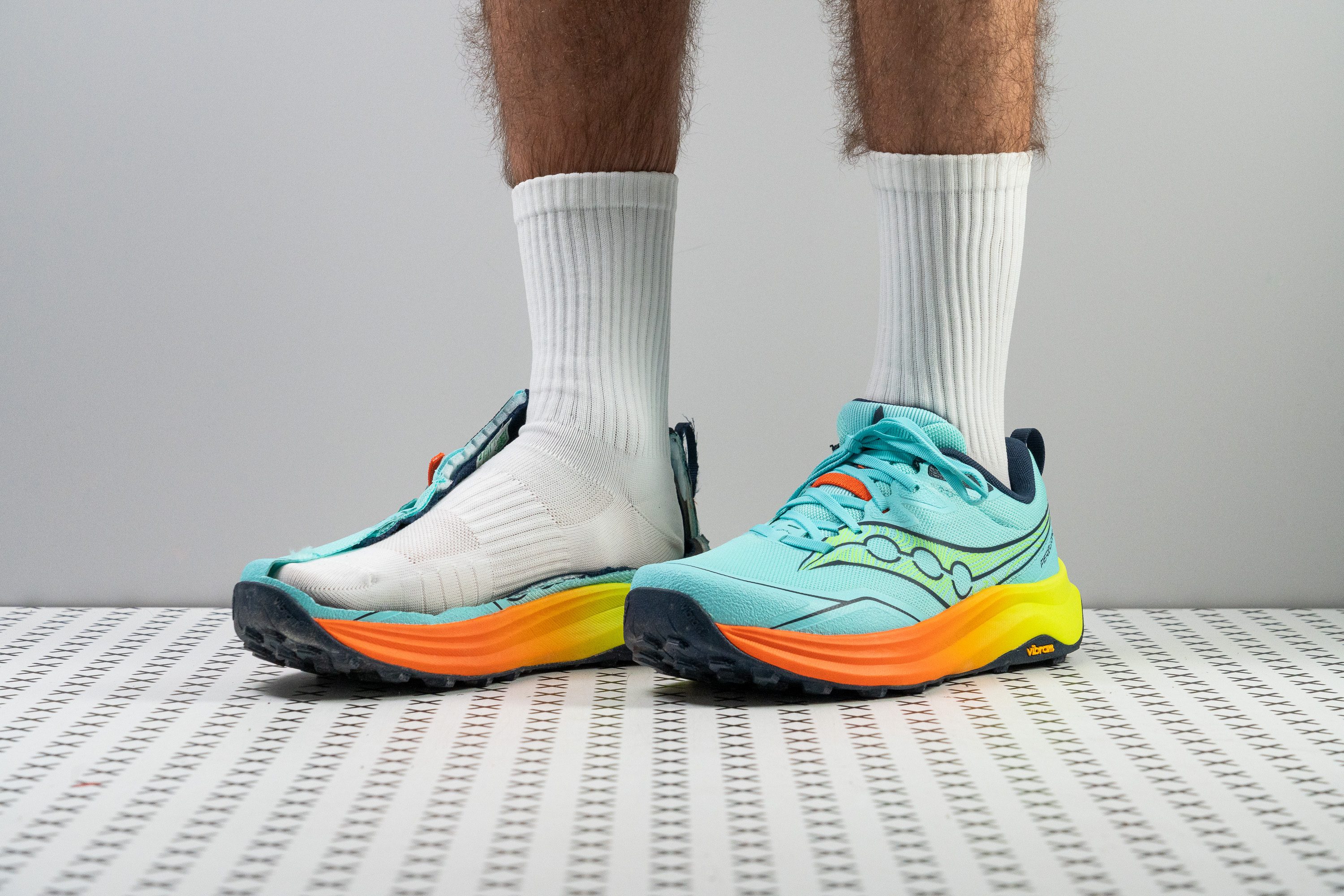
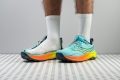
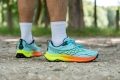
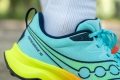
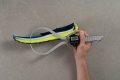
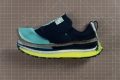
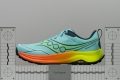
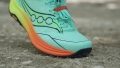
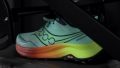
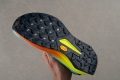
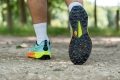
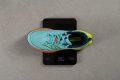
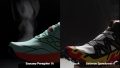
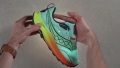
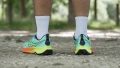
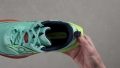
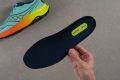
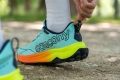
We enjoyed the lightness and comfort the Saucony Peregrine 16 brought to our treks. Lab tests show that its agility and impact protection allow us to go through the miles in a relaxed manner, without having to worry about losing grip because of the Vibram outsole. Among high-traction hiking shoes, it’s our best lightweight pick.
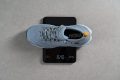
At only 9.8 oz (278g), Peregrine 16 is a solid choice for speed hikes because of its minimal package. For reference, the average hiking shoe is much bulkier at 13.2 oz (375g).
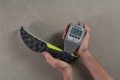
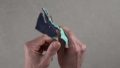
Its combination of an impact-dampening, bouncy heel feels soothing, making forward transitions more effortless. In the heel, we measured above-average ratings of 124 SA in shock absorption and 58.1% in energy return.
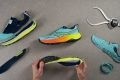
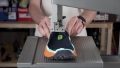
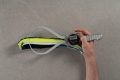
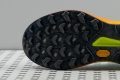
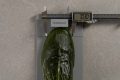
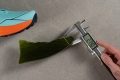
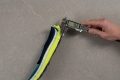
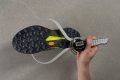
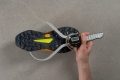
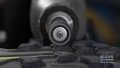
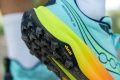
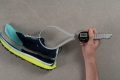
Its toughness shows in the outsole, with strong wear resistance, as shown by its tiny 0.5 mm dent in the lab. Moreover, the Vibram Megagrip compound proved to be all-terrain ready with its high 0.66 traction score. We measured 3.5 mm Traction Lugs that offer a good bite on various terrain.
However, the shoe’s tapered toebox limits its appeal to those with narrow to medium feet. We recommend those with broad feet to go for a pair with a more forgiving fit.
Pros
- Vibram Megagrip is in da house
- Stable ride
- Secure, confidence-inspiring fit
- Dependable workhorse for trail training
- Better than before on gravel roads
- Can handle hiking with ease
- Premium PWRRUN+ insole
- Comfortable foam
- Modern look
- Reasonable price
Cons
- Slight weight gain
- Tapered toebox
- Low drop limits appeal for some
Testing the traction of hiking shoes in the lab
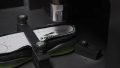
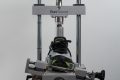
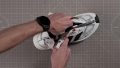
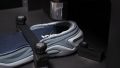
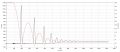
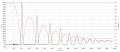
Doing this test allows us to assign a dynamic coefficient of friction to each hiking shoe.
You may think, “Wait, these are not real-life hiking conditions,” and we would agree if you’re mostly hiking on terrains that do not include wet flat rocks. However, it’s important to have a standardized test and to follow protocols (in this case, SATRA TM144). This test compares all outsoles and their traction in wet conditions.
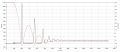
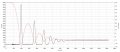
The result of the test is a dynamic coefficient of friction and, the higher it is, the better. When hiking shoes score lower than 0.55, we put them in the low-traction category.

When lug depth matters next to high traction
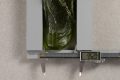
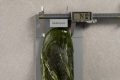
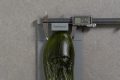
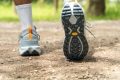
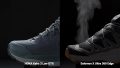
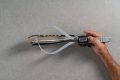
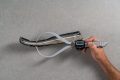
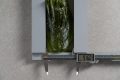
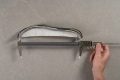
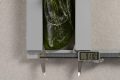
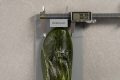
If you’re covering snowy patches, deep mud, and similar sticky situations, deep lugs are a must. Even mixed terrain, which means you’re doing a bit of everything, asks for at least 3.5 mm of lug depth. Deep lugs are counterproductive on wet slabs and trails covered with roots. Then, we’d look for something shallower than 3.5 mm.


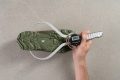
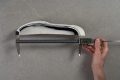
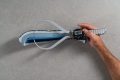
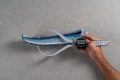
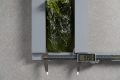
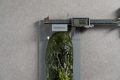
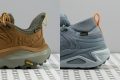
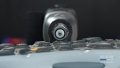
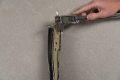
The difference between 3.0 mm lugs and 6.7 mm lugs in hiking shoes is clearly noticeable in the examples above.
Outsole durability in hiking shoes with high traction
When investing money into something, we naturally want the thing to last. In hiking, it’s not only about how long until the hiking shoe falls apart, but it’s also about traction. Once aggressive, sharp, and deep lugs can, in no time, become rounded and shallower. Traction degrades with wear and tear. That’s why it’s important to know how durable the outsoles are.
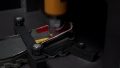
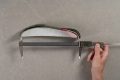
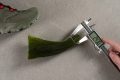
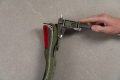
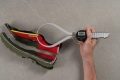
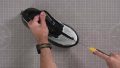
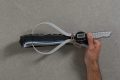
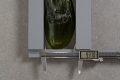
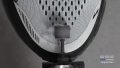
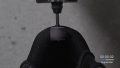
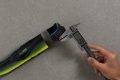
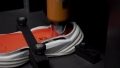
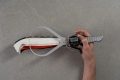
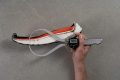
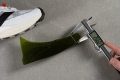
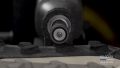
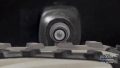
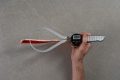
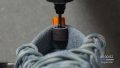
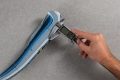
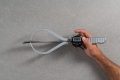
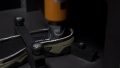
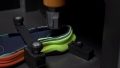
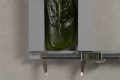
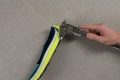
In the lab, we test the durability of the outsole by pressing a Dremel against it. This test is standardized; we always use the same force, RPMs, and time duration. This makes tests comparable, so we can sort hiking shoes by the most durable outsoles or by the least durable outsoles.

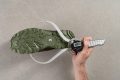
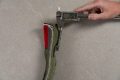
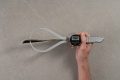
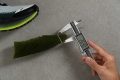
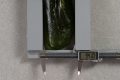
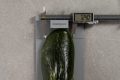
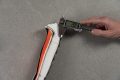
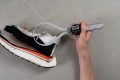
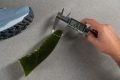
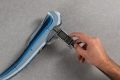
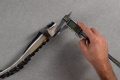
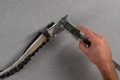
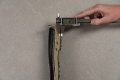
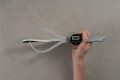
Once the Dremel test is done, we use a tire tread gauge to measure the depth of the damage. The deeper it is, the less durable the outsole!
Stiffness of hiking shoes with high traction
As mentioned before, stiffness matters in hiking because it can:
- Improve stability when hiking over scree slopes
- Reduce the ground contact area when you need it the most, for example, when hiking over wet roots
- Overall, improve support and stability, which is greatly appreciated on longer routes, especially when carrying a backpack.
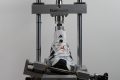
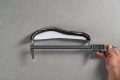
In the lab, we test the longitudinal and torsional stiffness of hiking shoes.

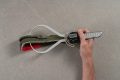
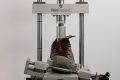
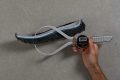
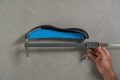
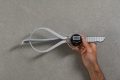
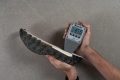
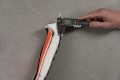
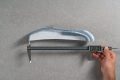
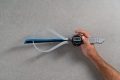
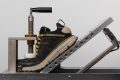
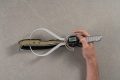
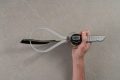
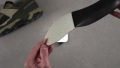
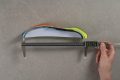
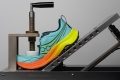
First, we lock the forefoot in place, then adjust for the forefoot rocker by placing the bottom plate under the heel, and then we bend the shoe to 30 degrees and measure how much force is needed for that action
More force needed = stiffer platforms. It’s worth noting that more flexible platforms feel more natural because our feet are flexible on their own, so these hiking shoes basically follow the natural foot flexion.

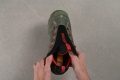
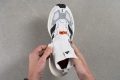
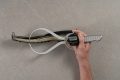
We don’t stop there, so we also measure the torsional rigidity. We do so by locking the shoe in place both horizontally and vertically, and then applying torsion to 10° towards the medial side and the lateral side of the shoe. The torsional rigidity metric basically tells us how twistable the hiking shoe is.
Traction is nuanced and depends on the terrain
Saying you want the best traction or the best grip is easy, but finding that is difficult because, first, you’d need to know what type of terrain you’ll be covering. Here are some general guidelines on what to pay attention to. They can also serve as a reminder that we need when asking the question “Which shoe has the best traction?”
Mixed/all terrain
- Important: varying lug thickness, ideally thicker than 3.0 mm.
- Counterproductive: extremes like very deep lugs (thicker than 5 mm), very stiff shoes (longitudinally and torsionally). Might be a safer route to avoid a rocker.

Loose dirt and scree slopes
- Important: thick lugs, torsionally rigid platforms, durable outsoles. Lug depth and geometry matter but vary. Look for braking lugs on the heel if you’re doing descents. Soft sticky lugs would wear out very fast, and you would end up with rounded, shallower lugs.
- Counterproductive: shoe flexibility (even better if it’s stiffer).
Smooth wet rocks, slabs
- Important: sticky rubber and large contact area, which means shallower lugs and flexible platforms.
- Counterproductive: deep lugs would reduce the contact surface. Rocker.
Wet roots
- Important: flexible platforms so that more rubber can “wrap” around the roots (bigger contact area). Sticky rubber. Foot placement: best to step on top perpendicular.
- Counterproductive: Rocker, deep lugs.

Mud and snow
- Important: very deep lugs (at least 4 mm) placed further apart to allow mud/snow shedding.
- Counterproductive: flexibility, immediate penetration matters more than the surface area.

Ice
-
Not about the shoe’s traction anymore. Look for outsoles with spikes or put on microspikes.
Similar buying guides