7 Best Hiking Shoes For Men in 2026

We buy shoes ourselves. We earn commissions when you buy through us, at no extra cost. Why trust us
When venturing into the wild, whether you prefer the well-maintained paths around nature reserves and parks or very demanding off-trail single tracks, it is imperative that you have the right gear on. Here, we cover everything, from traction and shock absorption to lug depth and durability.
If you prefer having the answers immediately, look at our selection of top picks and why we found them to be the best performers!
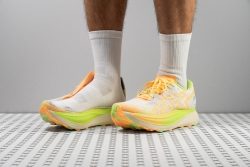
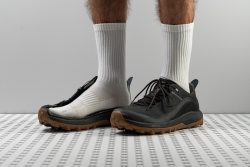
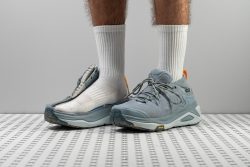
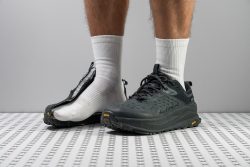
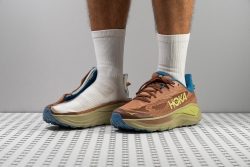
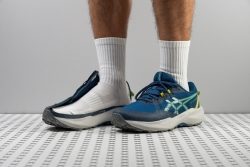
How we test hiking shoes for men
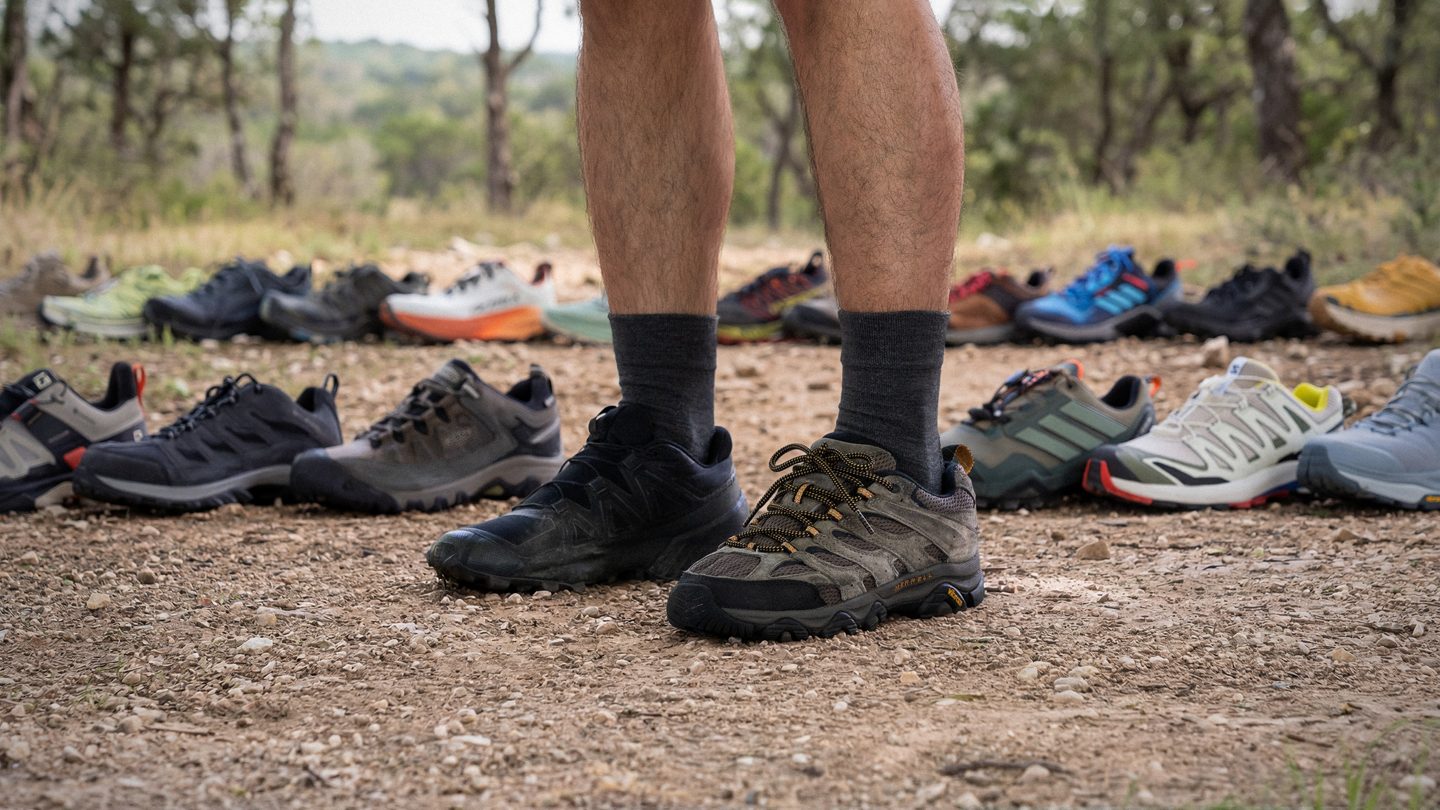
Our testing process is straightforward:
- To stay unbiased in the way we do our reviews, we buy men's hiking shoes using our own funds.
- We test each pair on the trails, carrying a heavy backpack, trying to run, covering wet and dry surfaces, basically doing our best to find the pros and cons.
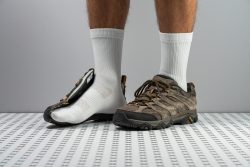
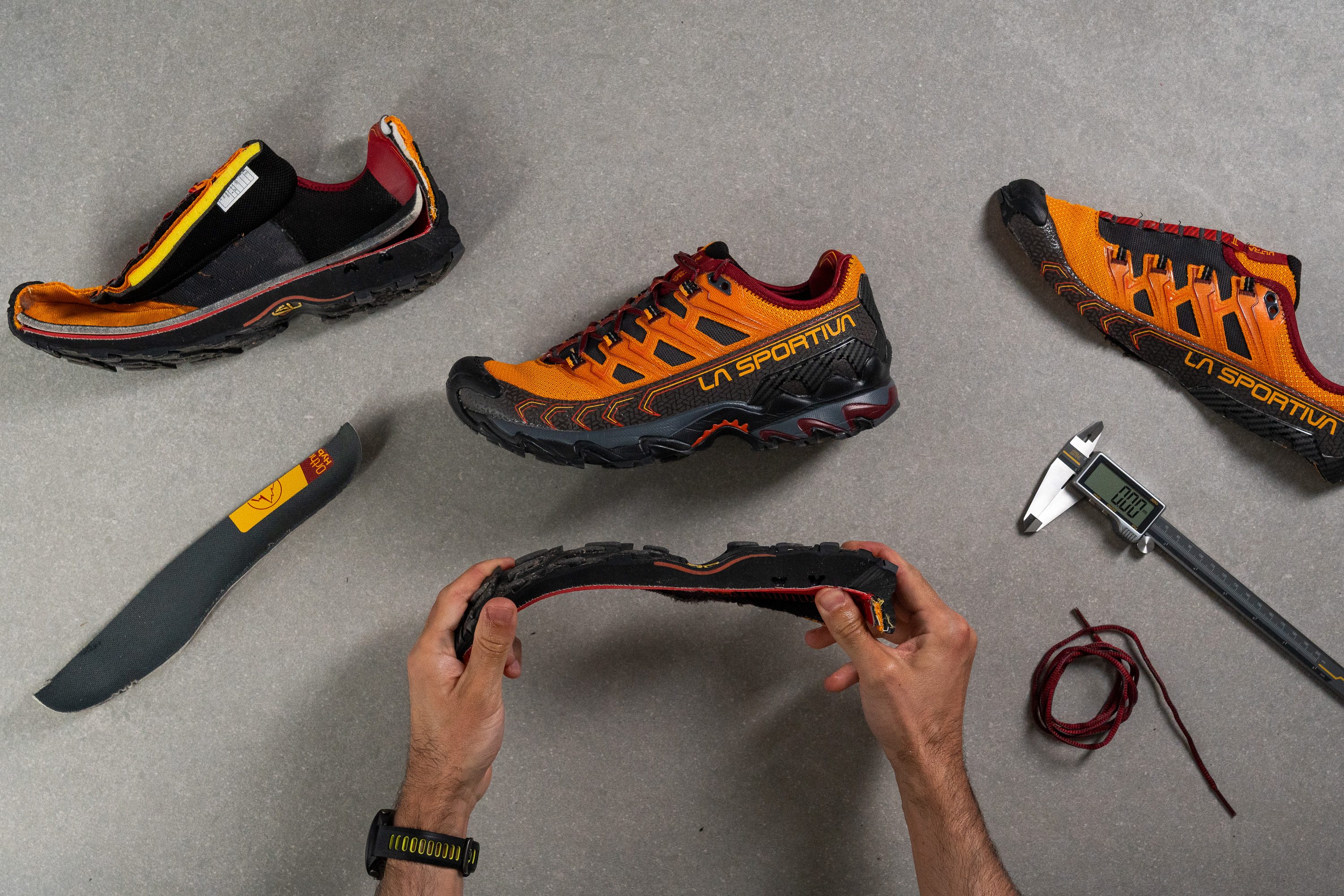
- We test the shoes in the lab and quantify their traction, outsole durability, breathability, and other features. This allows you to use our website to compare men's hiking shoes and find the one that fits your needs the best.
Best hiking shoes for men overall



What makes it the best?
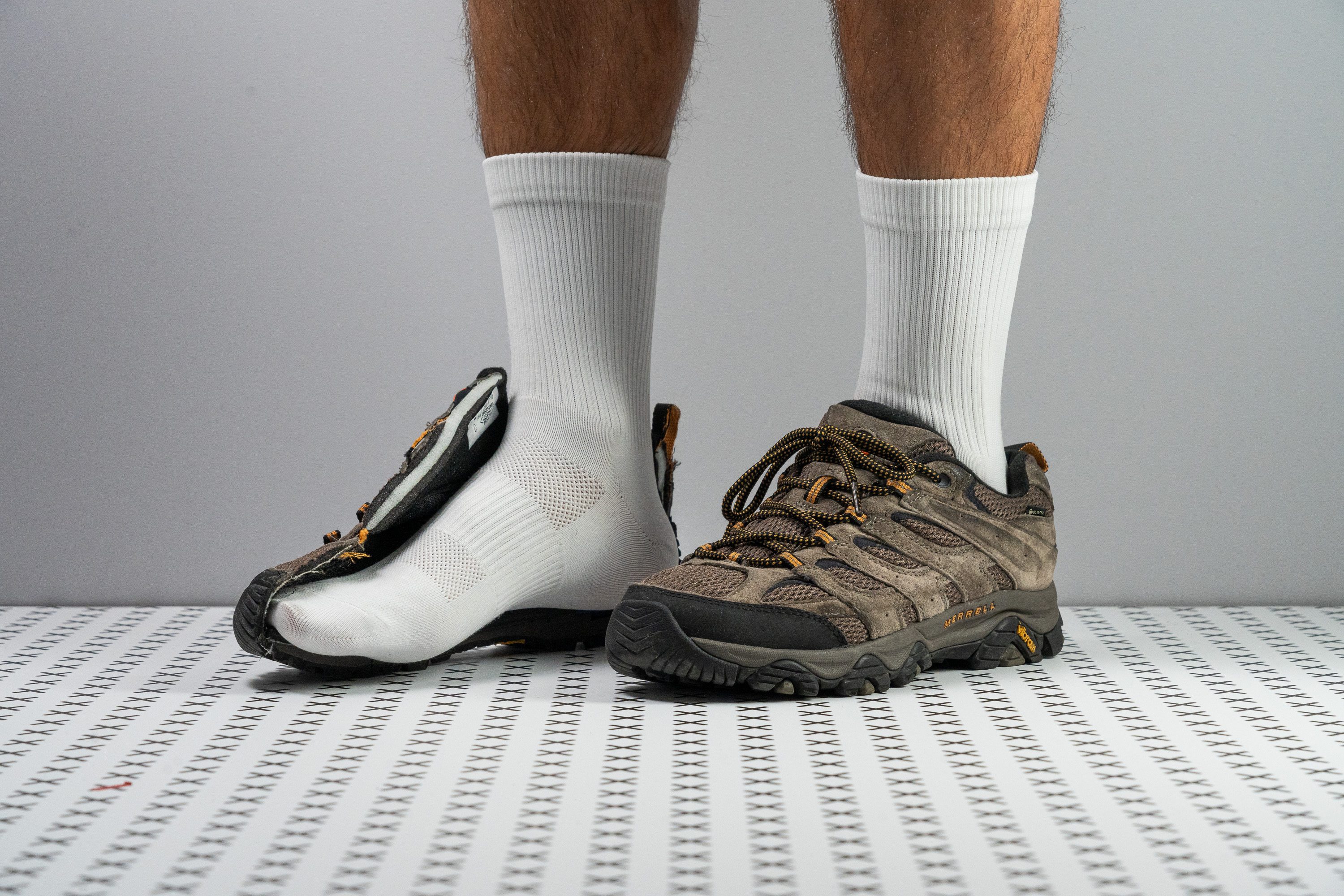
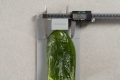
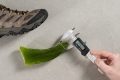
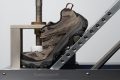
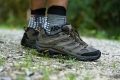
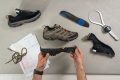
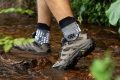
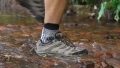
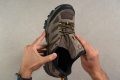
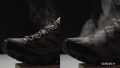
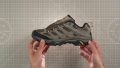
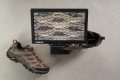
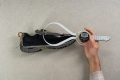
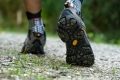
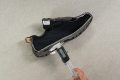
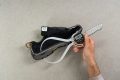
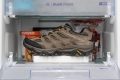
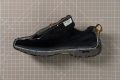
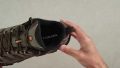
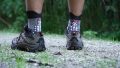
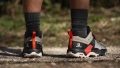
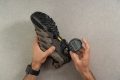
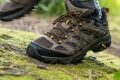
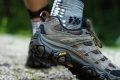
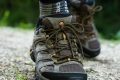
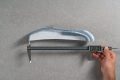
We could mindlessly wander in the wild while sporting the Merrell Moab 3 GTX because it delivers delightful comfort and subtle support. Our lab tests confirm it’s fluid in the right places and firm in a pleasant way, making it our best men’s hiking shoe overall.
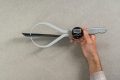
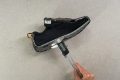
We experienced excellent underfoot protection and found the midsole to be an effective shield against harsh debris. Our durometer shows the cushioning is firm at 55.5 AC, but feels more forgiving on foot because of its pleasant spring. Together with the free-moving midsole, the ride feels easygoing. Our bend test confirms it’s 18% more flexible than average.
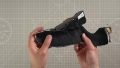
Our arches felt heavily supported by the nylon shank embedded in the midsole, stabilizing the heel and midfoot area. Plus, we rated the heel counter with a high 4/5 rigidity score, and it firmly held us in place without causing too much discomfort, perfect for men seeking subtle stability.
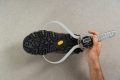
Our surefootedness also stems from the Vibram outsole and deep 4.8 mm lugs. We felt confident we could tackle any surface safely because of the reliable traction Moab 3 GTX displayed in our treks.
However, we didn’t feel agile at all, as reflected by our scale with a heavy build of 15.9 oz (452g). This shoe felt like a boot, so men who prefer otherwise should look for lighter shoes.
Pros
- Superb day-one comfort
- Brilliant surface adhesion
- Supportive like a work shoe
- Remarkably durable
- A-grade waterproofing
- Sheds mud quite well
- Protective toe box
- Incredible overall quality
Cons
- Heavy for a low-top
- Subpar breathability
- Its shoelaces unravel often
- Minimal shock absorption
Men's hiking shoes with the best shock absorption























What makes it the best?
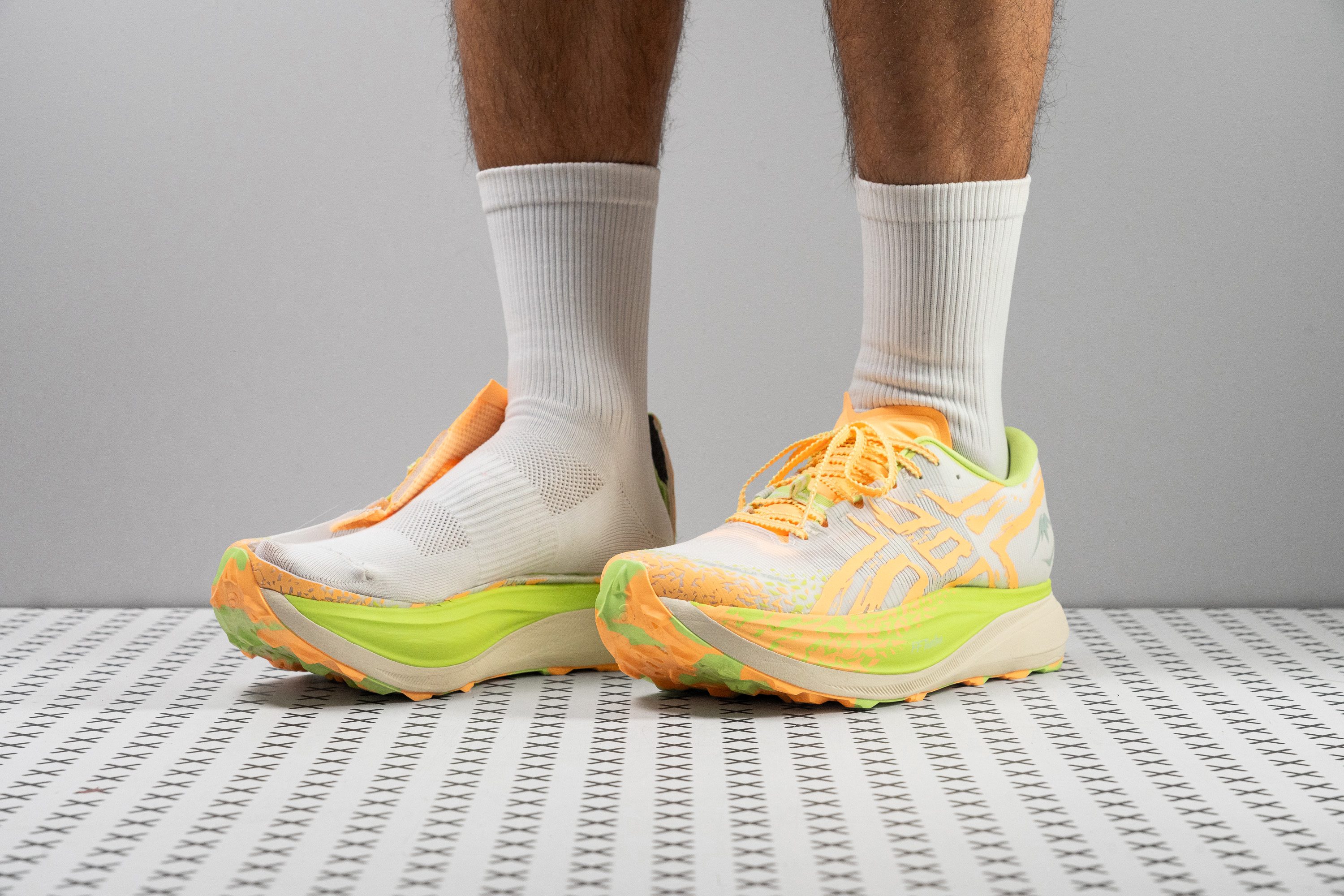
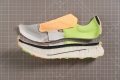
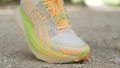
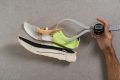
In our quest for the ultimate shock-absorbing hiking shoe for men, we rigorously tested various contenders, both in and out of the lab. The ASICS Metafuji Trail is exactly what we’re looking for, as it epitomizes maximalism in every aspect, enveloping our feet with luxurious padding in a minimal package.
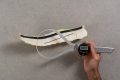
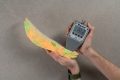
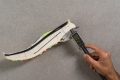
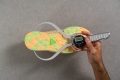
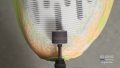
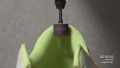
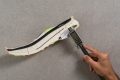
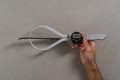
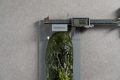
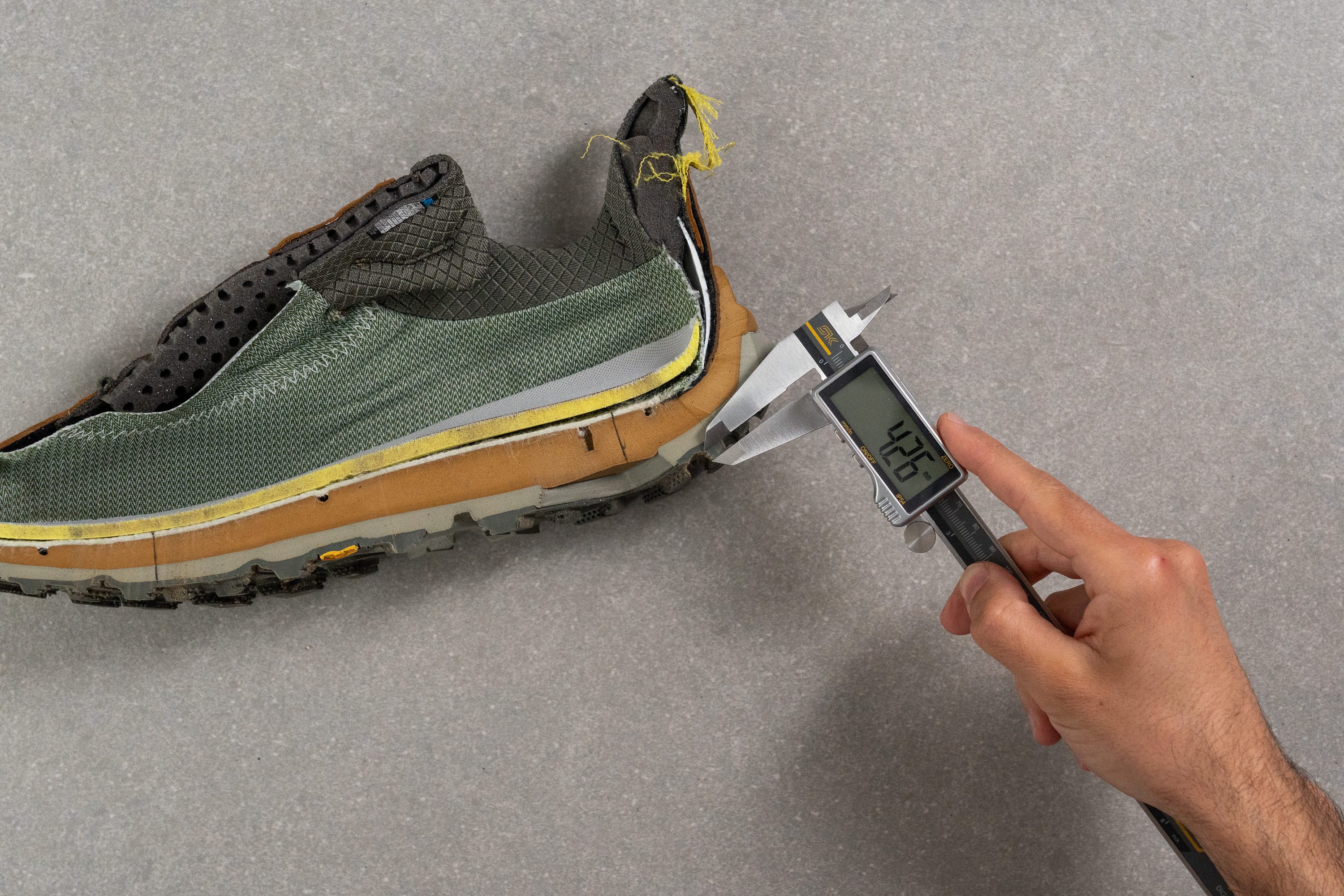
The shoe has the visual bulk, yet we’re blown away with the amount of foam it has. Our caliper measurements unveiled a towering stack height of 44.7 mm, boldly surpassing the 33.8 mm average. On top of this, the heel offers immense impact protection, proven by its 153 SA result in our shock absorption test. Its commitment to comfort is unparalleled as it’s 42% more protective than average, surpassing anything we've experienced before.
Despite its staggering measurements, it offers a remarkably agile ride. Our scales show it’s only 9.1 oz (258g), making it 31% lighter than the average hiking shoe. Men seeking a blend of high cushioning and low weight will find this pair a perfect fit!
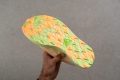
The ASICSGRIP performed well in our traction test, recording a solid 0.80 score. It features 2.7 mm lugs that are most ideal for gravel and easy terrain.
What we noticed is that the shoe lacks the natural feel some people are looking for. Because of its thick platform, it feels stiff underfoot. Men who prefer more flexibility should consider alternatives.
Pros
- Exceptional shock absorption
- Amazing ASICSGRIP outsole
- High-end build quality
- Ideal for narrow feet
- Lightweight for a trail shoe
- Fast-rolling forefoot rocker
- Ideal for easy, flat-ish ultras
- Outstanding upper with top ventilation
- Record-breaking stack height
Cons
- FF Blast+ foam limits energy return
- Expensive
- Minimal stability
- Delicate upper prone to tearing
Men's hiking shoes with the best durability
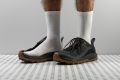
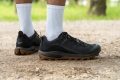
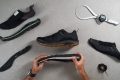
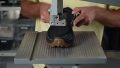
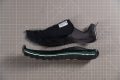
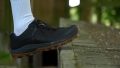

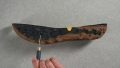
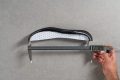


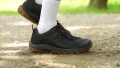
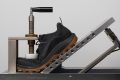
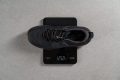
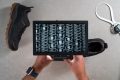


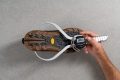
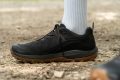
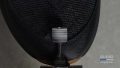
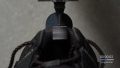


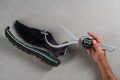
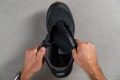
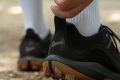
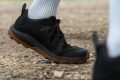
What makes it the best?
Pros
- Exceptionally high shock absorption
- Protective TPU rock plate
- Fantastic grip on mixed and rocky terrain
- Impressively light for its build
- Highly reliable stability
- Excellent durability (+resoleable)
- Secure lockdown
Cons
- Limited breathability
- Not for wide feet
- Low toebox height
Best men's hiking shoes for backpacking
















What makes it the best?
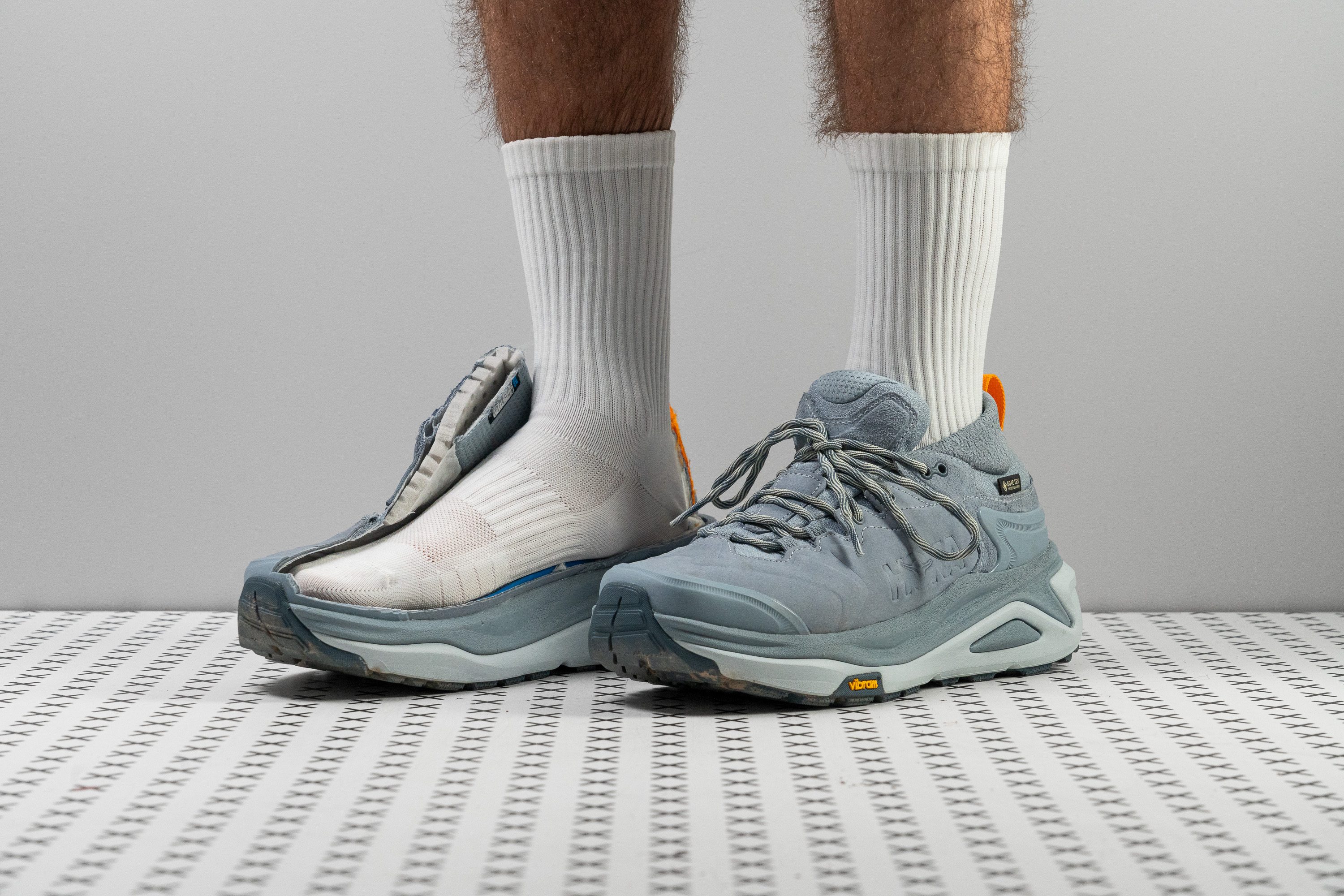
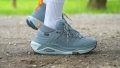
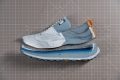
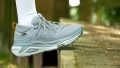
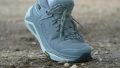
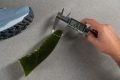
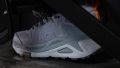
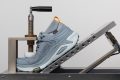
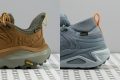
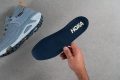
From its airtight upper to its rock-solid support and braking power, the HOKA Kaha 3 Low GTX took care of our feet during our trail adventures. Backed up by lab tests, we confirmed its stability through its secure lockdown while the cushioned base shielded us underfoot. It ticks the boxes and claims its position as our best backpacking men’s hiking shoe.
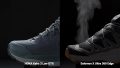
The nubuck upper looked solid; we confirmed its non-permeable nature with the presence of the Gore-Tex membrane, meaning it also blocks off water effectively. It also proved to be highly protective when it looked almost untouched after our Dremel test (4/5 durability).
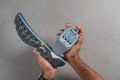
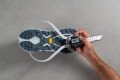
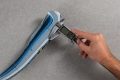
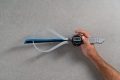
The rigid upper, together with the tall and enclosed collar, holds our ankles firmly. It needs a very high torque of 29.6 Nm to twist to our desired angle, which makes it more reliable for carrying heavy loads. The ride is further stabilized by the boot’s broad 117.4/104.6 mm base.
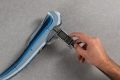
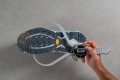
We measured a staggering stack height of 40.5/28.4 mm, carrying our arches well, with its high shock absorption of 116 SA in the heel, which matches male hikers who want to feel isolated from the trail.
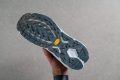
Beneath the midsole, we unveiled the world-class Vibram Megagrip outsole. It displays exceptional traction even on slippery surfaces, scoring 0.84 in our traction test. Moreover, its 3.7 mm lugs add to our control over various terrains.
Unfortunately, its heavy 16.4 oz (465g) weight can lead to fatigue during long-haul efforts. Men who prioritize a light and agile ride should search for another option.
Pros
- Great shock absorption for long hikes
- Massive buffer from the trail
- Boot-like stability for backpacking
- Heavenly comfortable step-in feel
- Amazing grip on wet, mixed and hilly terrain
- New form-fitting collar design
- Premium-level durability
Cons
- Much heavier than average
- Too chunky and blocky for rocky trails
- Not breathable
Best men's hiking shoes for wide feet






What makes it the best?
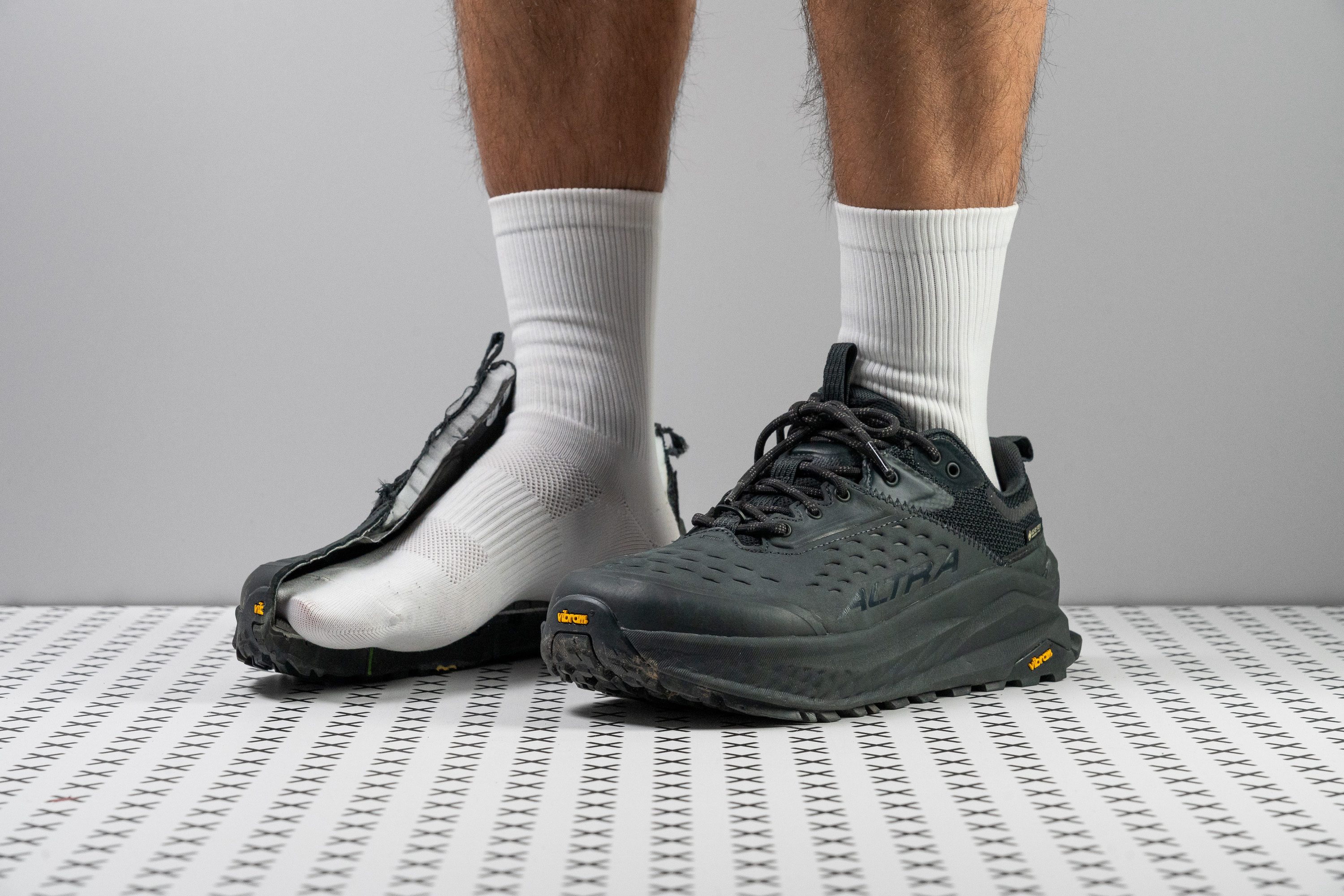
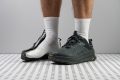
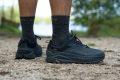
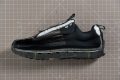
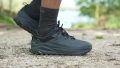
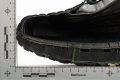
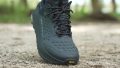
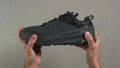
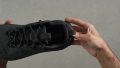
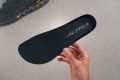
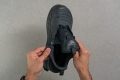
The Altra Olympus 6 Hike Low GTX has everything we’re looking for in an accommodating hiking shoe—a ground-sensitive yet protective cushion, a supportive midsole, and all-day comfort with its unrestricted fit. In the lab, it stood out as the best men’s hiking shoe for wide feet.
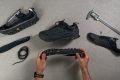
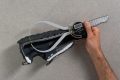
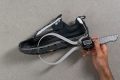
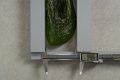
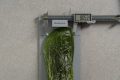
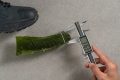
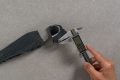
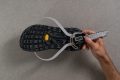
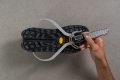
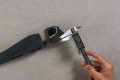
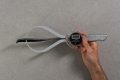
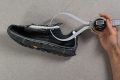
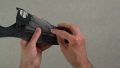
This Altra proved to be one of the widest in our roster, as its unique square shape provides generous wiggle room for our natural toe splaying. We created a 1:1 gel mold and measured the widest section at a massive 99.9 mm. It also barely tapers to the 80.5 mm toebox, providing ample space for swollen feet during longer treks.
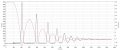
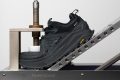
Its 1.5 mm heel drop feels almost non-existent and keeps the ride intuitive. Our steps feel controlled, crucial for maneuvering unpredictable grounds. Meanwhile, the heel shows impressive impact protection with its 118 SA rating, with a nice rebound as seen in its 55.7% energy return score.
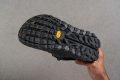
The base is 117.2/101.3 mm wide, giving us a huge surface area to rely on, enhancing our surefootedness. Meanwhile, the Vibram Megagrip outsole includes 3.2-mm lugs that grip well on loose ground and dry surfaces.
Unfortunately, we didn’t feel as surefooted on our encounters with mud and soft surfaces. Those who require more aggressive traction should look elsewhere.
Pros
- Excellent shock absorption
- Comfortably soft cushioning
- Ultra padded and cozy step-in feel
- Exceptionally wide fit and footshaped toebox
- Extra wide and stable platform
- Highly durable leather and outsole
- Excellent grip on smooth and wet rocks
- Solid waterproofing
Cons
- Not a true zero-drop (1.5 mm)
- Midsole gets notably firmer in cold
- Frail inner lining
Best lightweight hiking shoes for men





















What makes it the best?
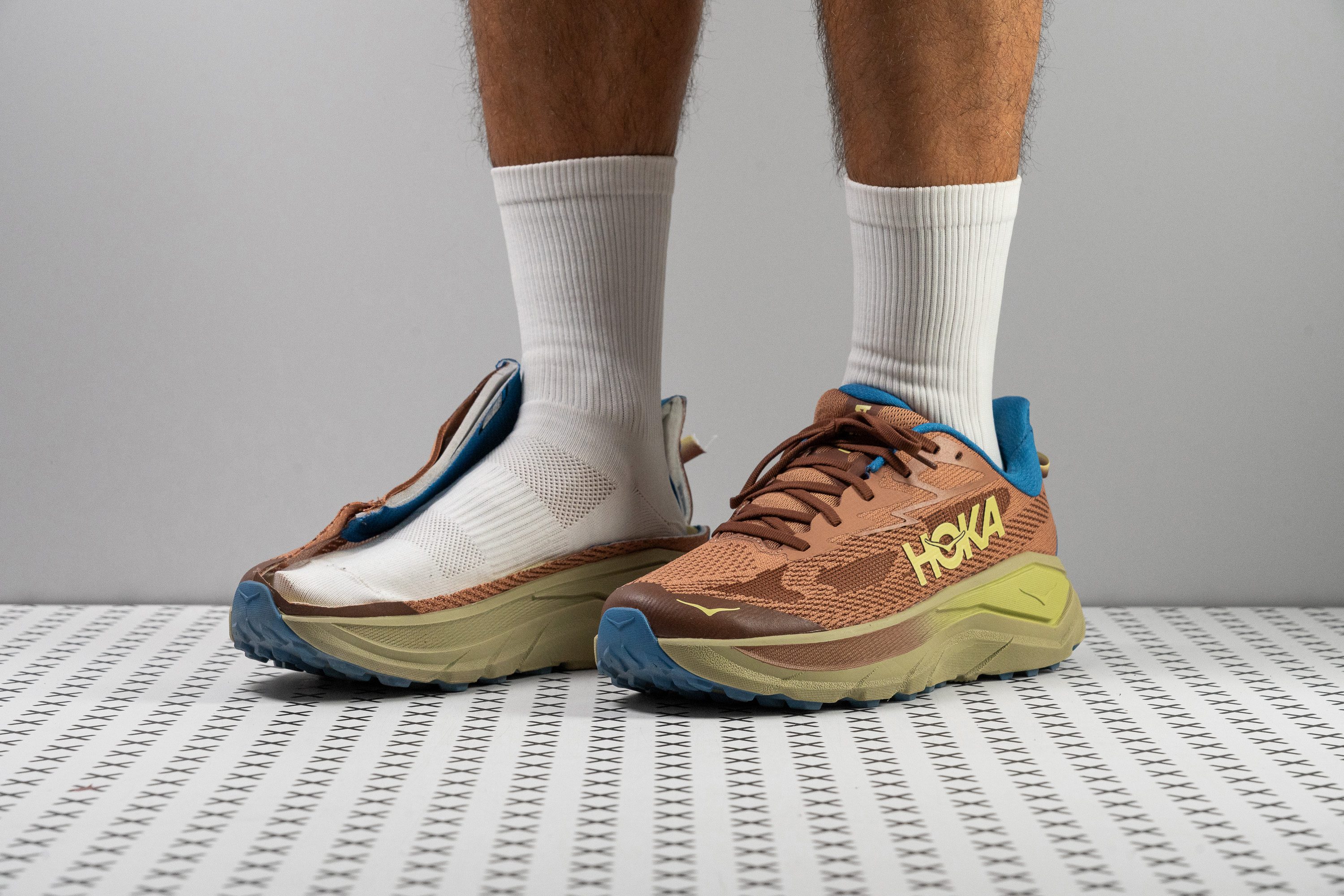
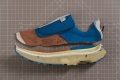
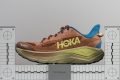
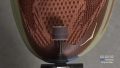
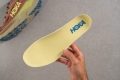
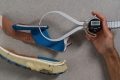
The HOKA Challenger 8 challenges lab standards yet goes with the flow on our feet. It offers freedom of movement and a fuss-free experience thanks to its light and flexible build. It delivers a highly cushioned core, complemented by its rugged exterior that performed well in the lab, making it our best lightweight men’s hiking shoe.
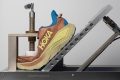
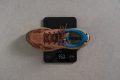
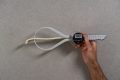
Challenger 8 allows us to mindlessly explore the trails. It bends freely with our feet, proven by its performance in our flex test. Being 35% more pliable than average, it’s perfect for men who enjoy a nimble feel. Together with its unassuming 9.5 oz (269g) build, a relaxed feel flooded our hikes, as it’s 28% lighter than average.
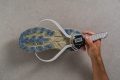
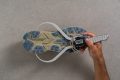
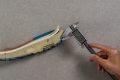
The midsole feels highly protective, proven by our caliper measurements of 40.2/30.1 mm and its staggering shock absorption of 152 SA in the heel. It completely erases ground impact, yet amazingly feels far from bulky in our treks.
On the occasion we encounter any upper slashes, the toebox can retain its integrity, as it resisted our Dremel well. Earning a solid 4/5 in durability, it will take a lot to wear its material down. Even the outsole emerged 33% more durable than average, cementing the shoe’s overall longevity.
However, men who prefer a terrain-connected experience may find its thick platform a major drawback. Male hikers who prefer strong ground feel should skip this HOKA shoe.
Pros
- Excellent cushioning with improved SA
- Flexible for a max-stack trail shoe
- Roomier than before
- Impressive durability
- Fantastic breathability
- Better suited for heel strikers
- Great stability for heel strikers
- Redesigned lugs for better grip
- Ideal for gravel
Cons
- Outdated CMEVA foam
- Slightly heavier than version 7
- Price increase
- Non-gusseted tongue
Best budget hiking shoes for men















What makes it the best?
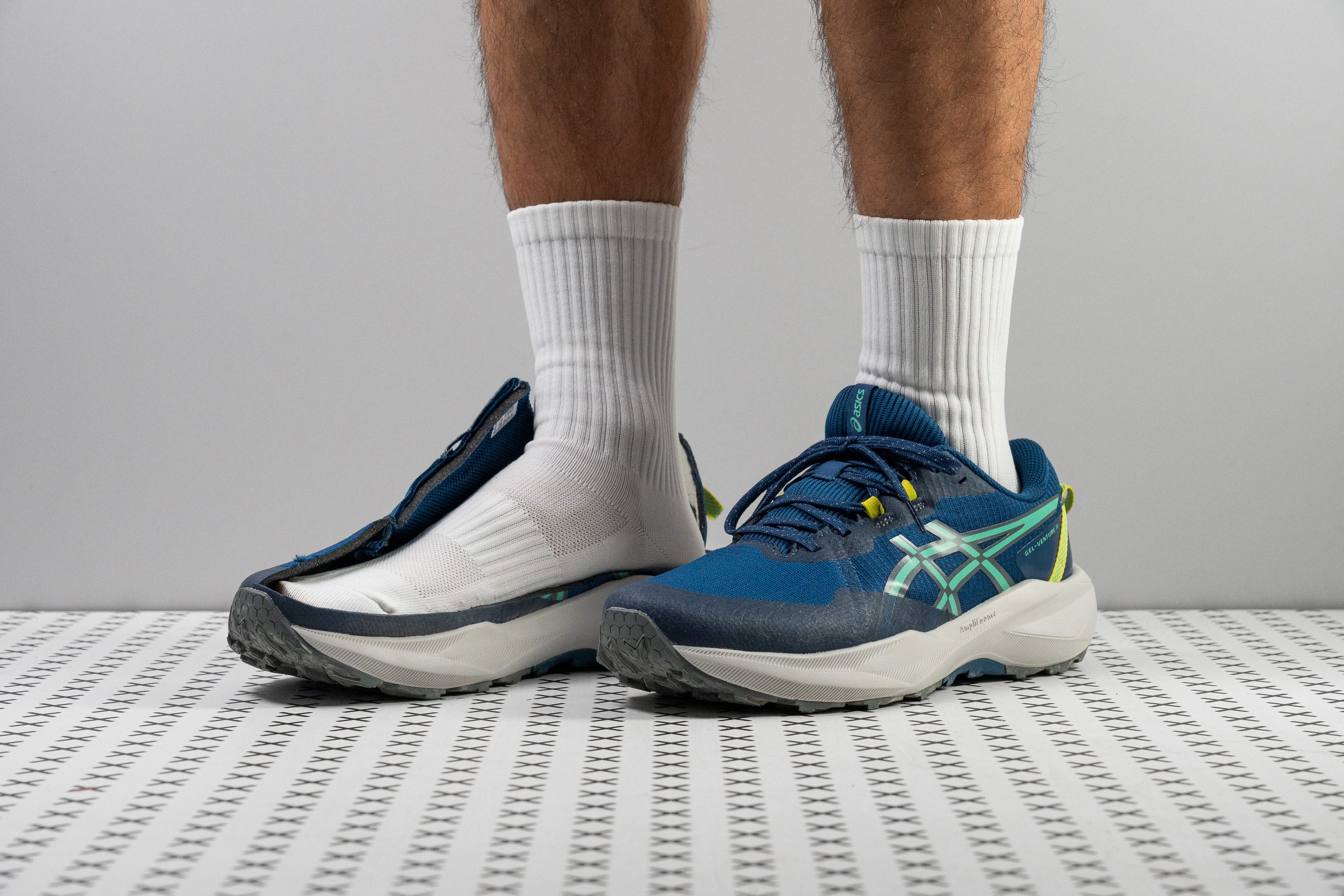
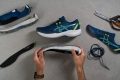
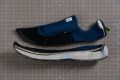
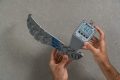
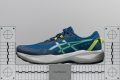
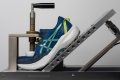
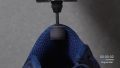
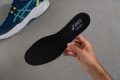
The ASICS Gel Venture 11 made sure we could adapt to various surfaces with its flexible midsole and versatile lugs. At $80, it’s 47% cheaper than average and still exceeded expectations in our lab assessment with remarkable durability, making it our best budget men’s hiking shoe.
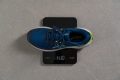
We enjoyed the natural ride, which felt good for long hours of wear. The midsole flows effortlessly with our feet, proven by our bend test, with a rating that’s 33% more flexible than average.
Our scales show it’s only 11.3 oz (320g), making it 14% lighter than average, which helps reduce fatigue since it’s agile and maneuverable.
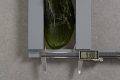
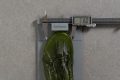
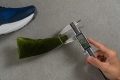
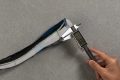
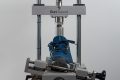
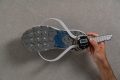
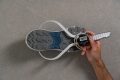
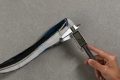
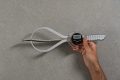
Underfoot, the outsole gave us the control we needed without being too overpowering. We measured the lugs at 3.3 mm, just the right depth for up to moderate terrain. We tested its durability with our Dremel, and it only showed a minimal 0.5 mm damage, showing stronger wear resistance compared to its pricier counterparts. Even male hikers who easily damage the outsoles of shoes won't have to face that problem with this affordable pair.
However, the toebox tapers more aggressively than the standard. Therefore, GV11's appeal is limited to those with narrow feet.
Pros
- Amazing durability
- Ideal for beginners
- High value-for-money
- Can handle more technical trails despite being beginner-oriented
- Incredible for cold winter runs
- Wider base helps with stability
- A lot of trail-inspired details for a budget price
- Durable upper
Cons
- Heavy shoe
- Not the best for wider feet
- Lackluster energy return and shock absorption
3 things to know when buying men’s hiking shoes
If this is your first rodeo, we have to talk about the 3 most important things, because everything else leads from there: the fit, hike difficulty/type, and the season.
Nailing the fit
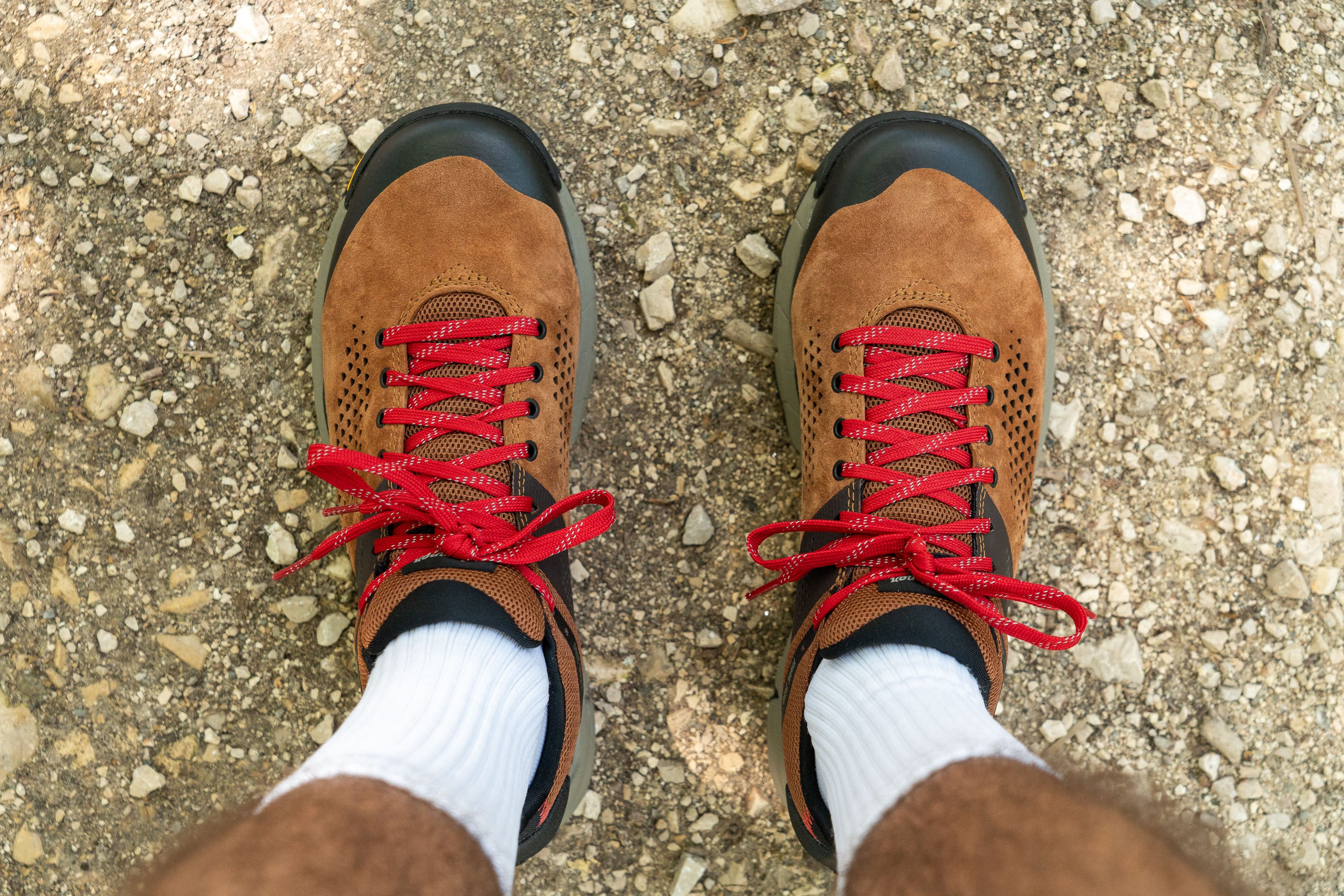
Nailing the fit is not just about figuring out which size you need, but also knowing that:
- you should try them on later in the day when your feet are more tired and swollen (because your feet will swell on the hike anyway and you should be prepared for that),
- you should test the shoes on the ramp in the store or at home, getting them to different positions, in order to assess whether they are comfortable on ascent/descents too, and not just on the flat terrain,
- your feet should not be sliding side to side or front to back. Good lockdown is everything.
In case you’re not sure about which size you need, we wrote about how to measure your feet. We also have size charts for all the brands, so that you can find your size easily or convert from one brand to another.
Keep in mind that some brands deviate from the standard. For example, Danner sells their Mountain Light Cascade in EE width (wide) by default, while for the Trail 2650, the default is (the industry standard) regular width, D (medium). That does not mean that the Cascade is significantly wider.
Hike difficulty or hike type
The anatomy of the hiking shoe, build quality, and basically everything depends on the hike difficulty and hike type. It’s best to know in advance what you plan to use the hiking shoes for:
- Urban hiking: city to trail, walks in the city parks, casual use, and so on. Some people love these shoes for woodworking, different crafts, going to the pub, and simply looking cool.
- Light hiking: light trails, well-maintained, quite short, and almost flat.
- Moderate hiking: covering a bit of everything, yet nothing too extreme. Can involve carrying a backpack and multi-day hikes, camping, other outdoor activities revolving around water, etc.
- Technical terrain: obstacles like roots or rocks, sharp debris. Maximum levels of stability and protection needed.
- Mud and snow: when you need very deep lugs made of very grippy rubber!
- Fast and light or speed hiking: prioritizing lightweight footwear and agility.
- Backpacking: a lot of stability needed! And good shock absorption.
If you’re browsing our website, you will find men’s hiking shoes tagged for different uses and terrains.
Season
Dry and hot? Prioritize breathability! Very cold? Look for shoes that trap the heat and are maybe even insulated. A lot of moisture, snow, rain? A waterproof membrane it is. Do you plan to do multi-day hikes? You need high drying potential. And yes, we do cover it all! Both in our hiking shoe review and here in this guide.
Traction in hiking shoes for men
Testing the traction is very straightforward in our lab. We take the shoe, angle it to 7 degrees, press it against the surface using a force of 500N, and measure the dynamic coefficient of friction. We do this in the so-called critical conditions (we wet the surface). This is the standard: SATRA TM144.
If you want superb traction, look for the highest coefficient of friction possible. We consider it super when it’s higher than 0.65 and moderate when it’s in the 0.55-0.65 range. Of course, traction is only one side of the story. We also have to look at the lug depth, lug orientation, and overall tread pattern.
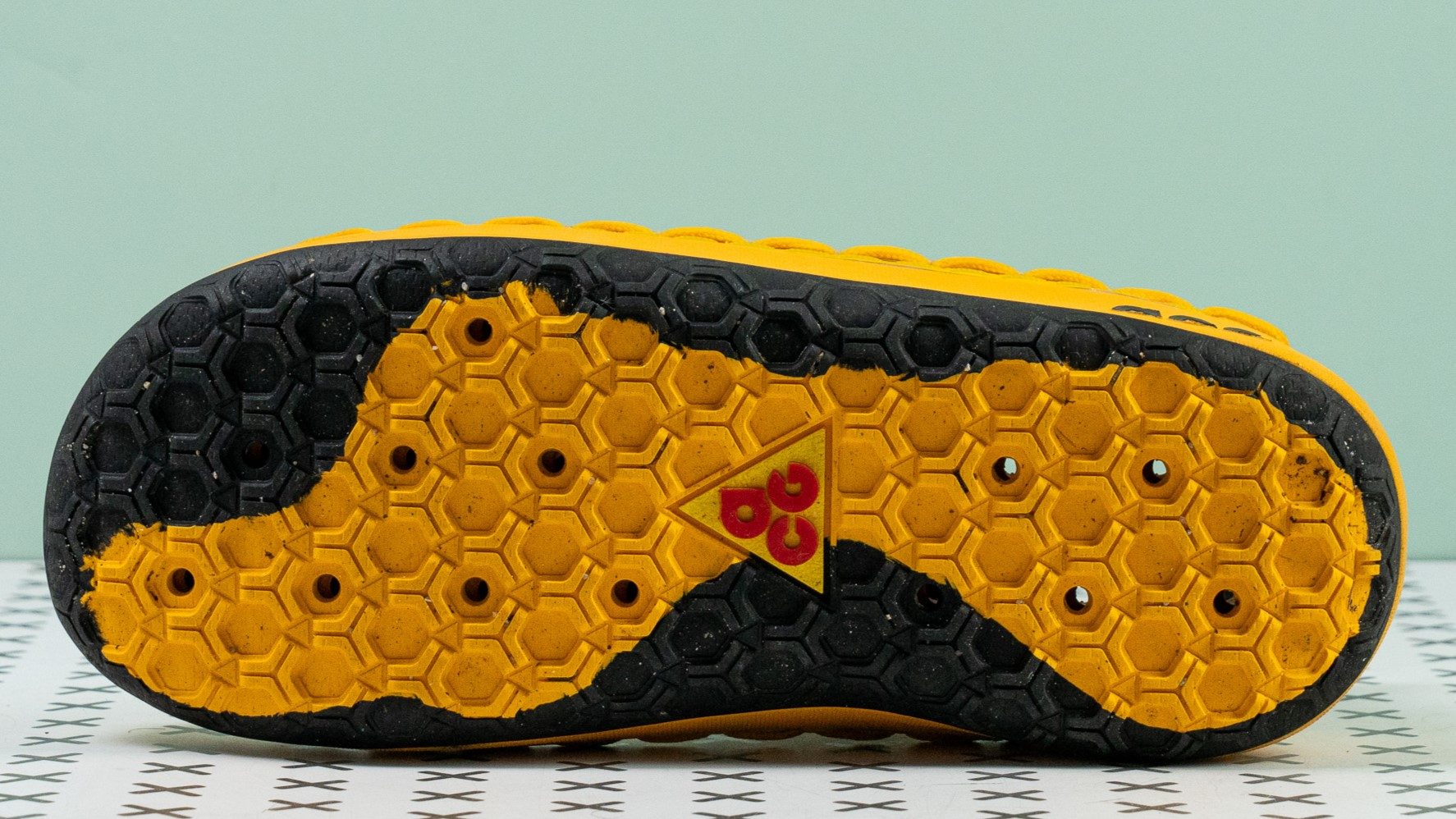
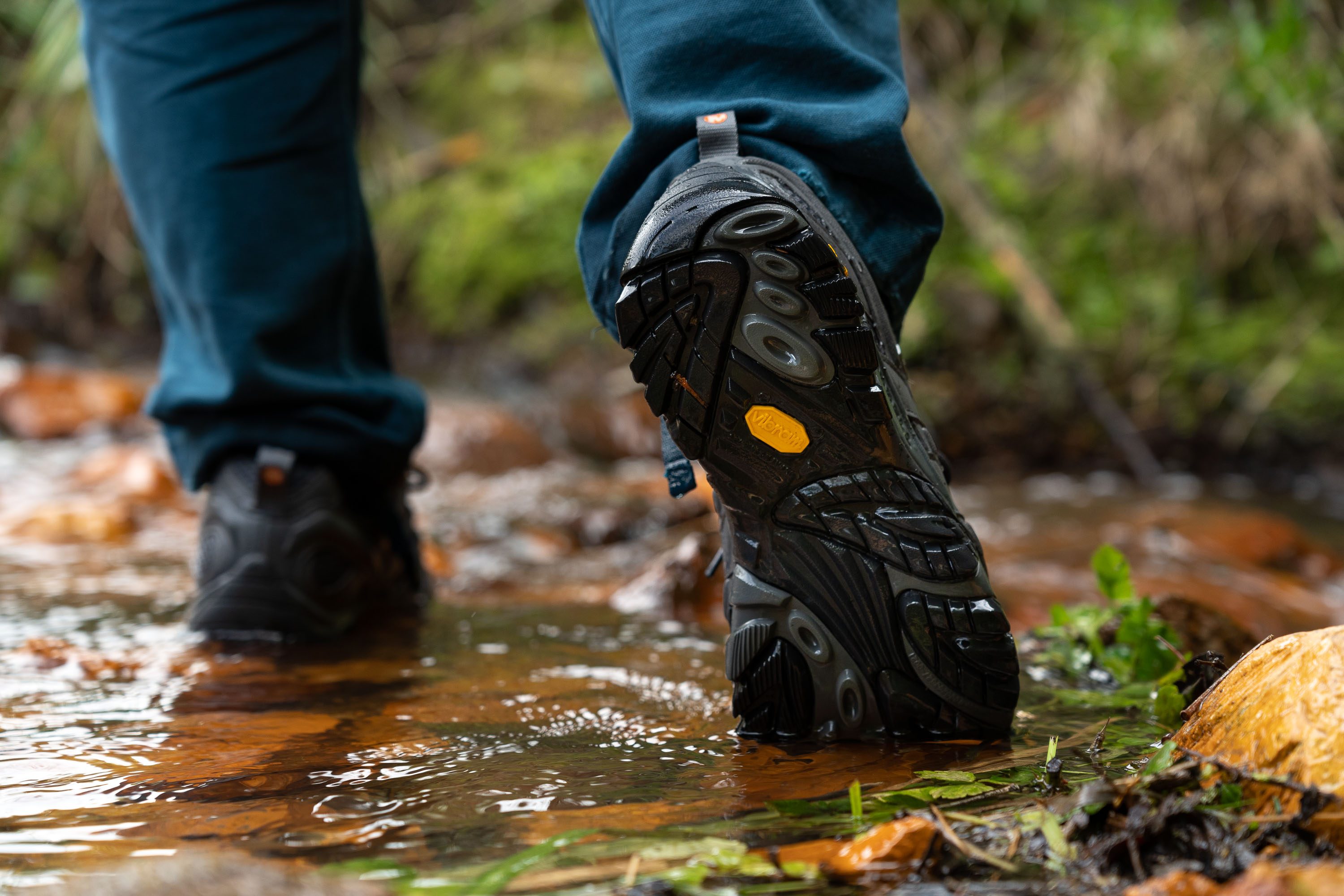
And then, looking at the outsoles, we can see significant differences. More channels and grooves = better for rain and channeling the rain out; thicker lugs placed further apart = better for mud and snow shedding; a lot of dense lugs = great for hard surfaces like flat rocks.
Finding the most durable men’s hiking shoes
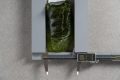
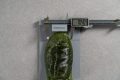
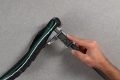
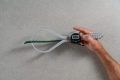
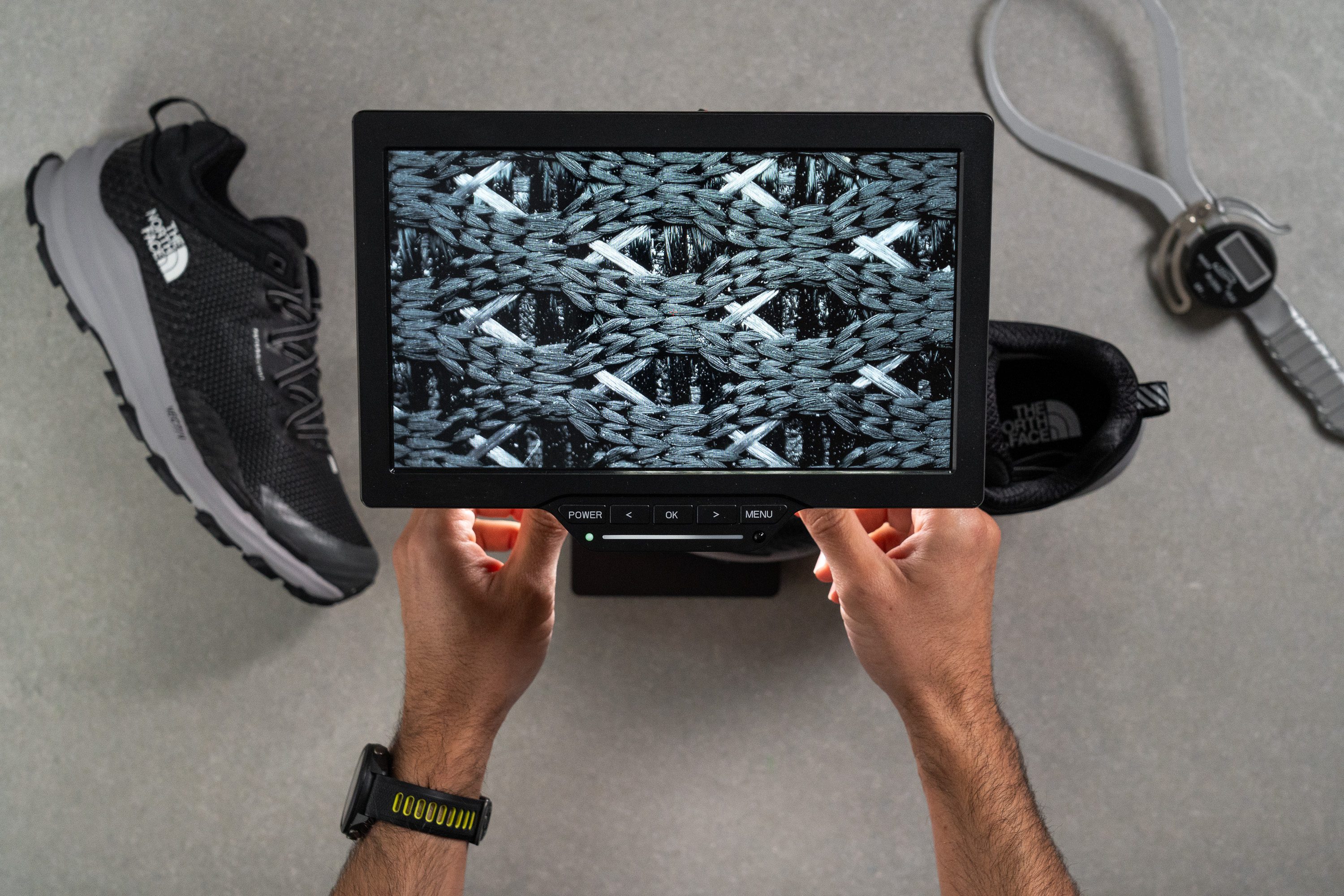
When investing in a pair of hiking shoes, we all want them to last as long as possible. We test the durability of 3 hiking shoe parts: the toebox, the heel padding, and the outsole. If you’re already an experienced hiker looking for a more durable shoe, you may already know which part of your shoe gets destroyed first, and look for better performance in that area.
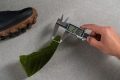
The toebox in hiking shoes often features some sort of reinforcement, like a toebumper or upper overlays. Those can be closer to the ground and not on the top where we perform the test, and it’s what the test results highly depend on, obviously.
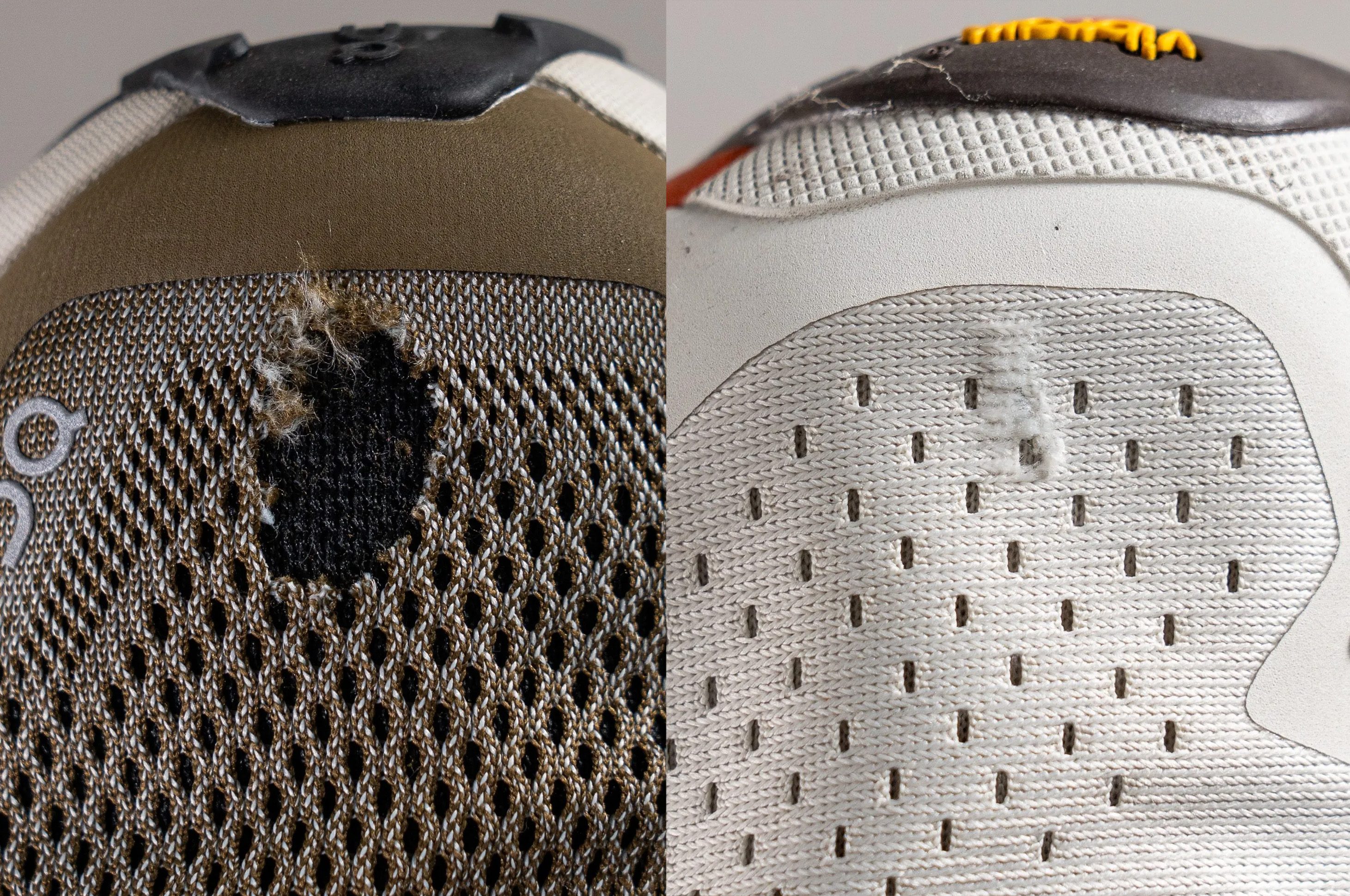
Then, we put our Dremel against the padding behind the heel. Yes, it’s THAT area. The one that gets damaged easily if you have a bony heel or you like to force your feet inside the shoes without the help of a shoehorn.
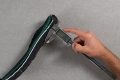
Last but not least, we press the Dremel against the outsole. No need to assign a 1-5 rating this time because we can use a tire tread gauge to measure just how deep the Dremel went (the deeper the dent, the less durable the outsole).
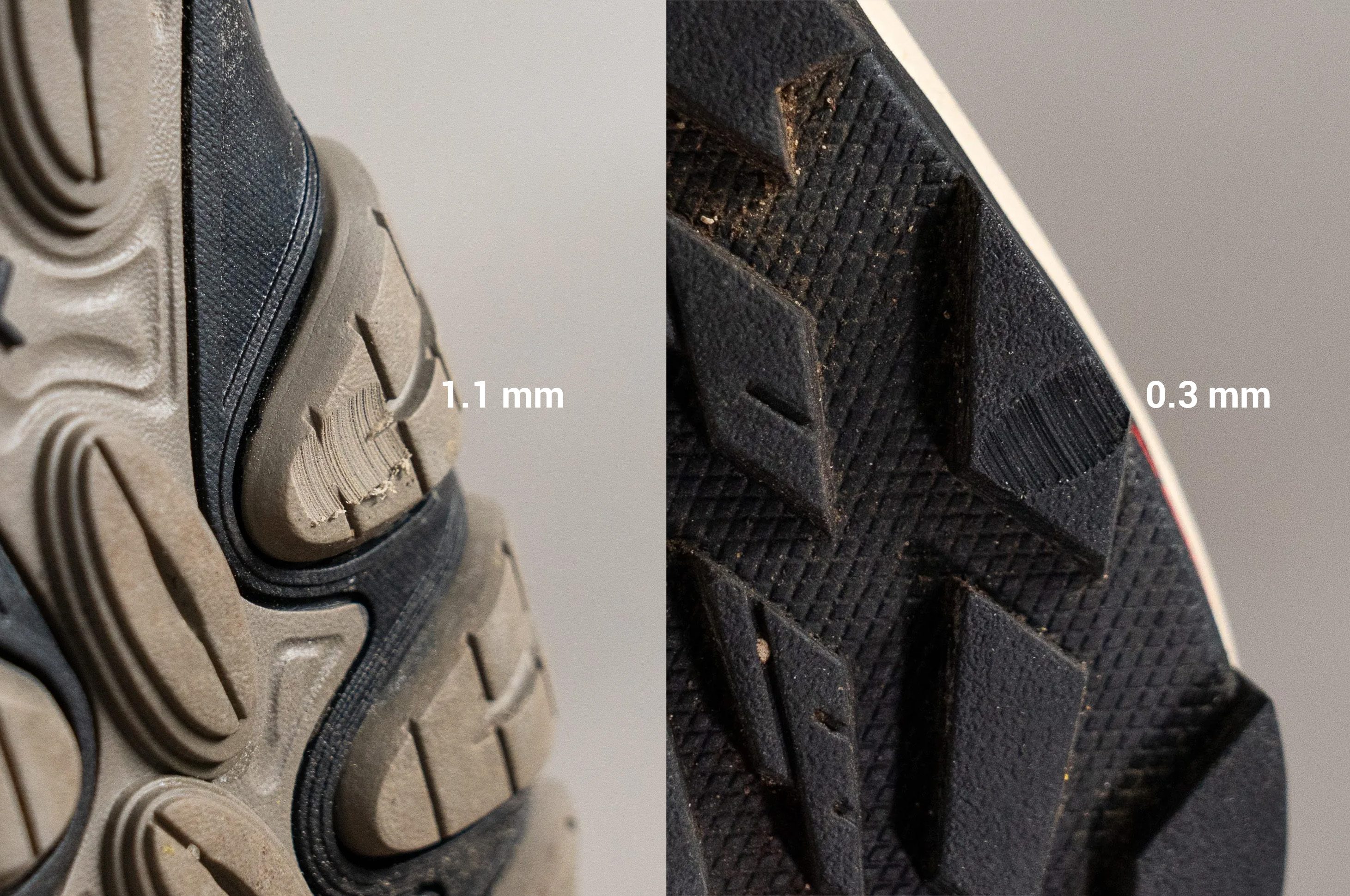
While scratches on the upper or heel padding are not good looking, they don’t ruin your hike. But, if your lugs get worn too much, as in, they lose a few millimeters of their thickness, the outsole simply may not offer the traction you are used to.
Men's hiking shoes with the best cushioning
When it comes to cushioning, we're curious about 3 things: midsole softness, shock absorption, and energy return.
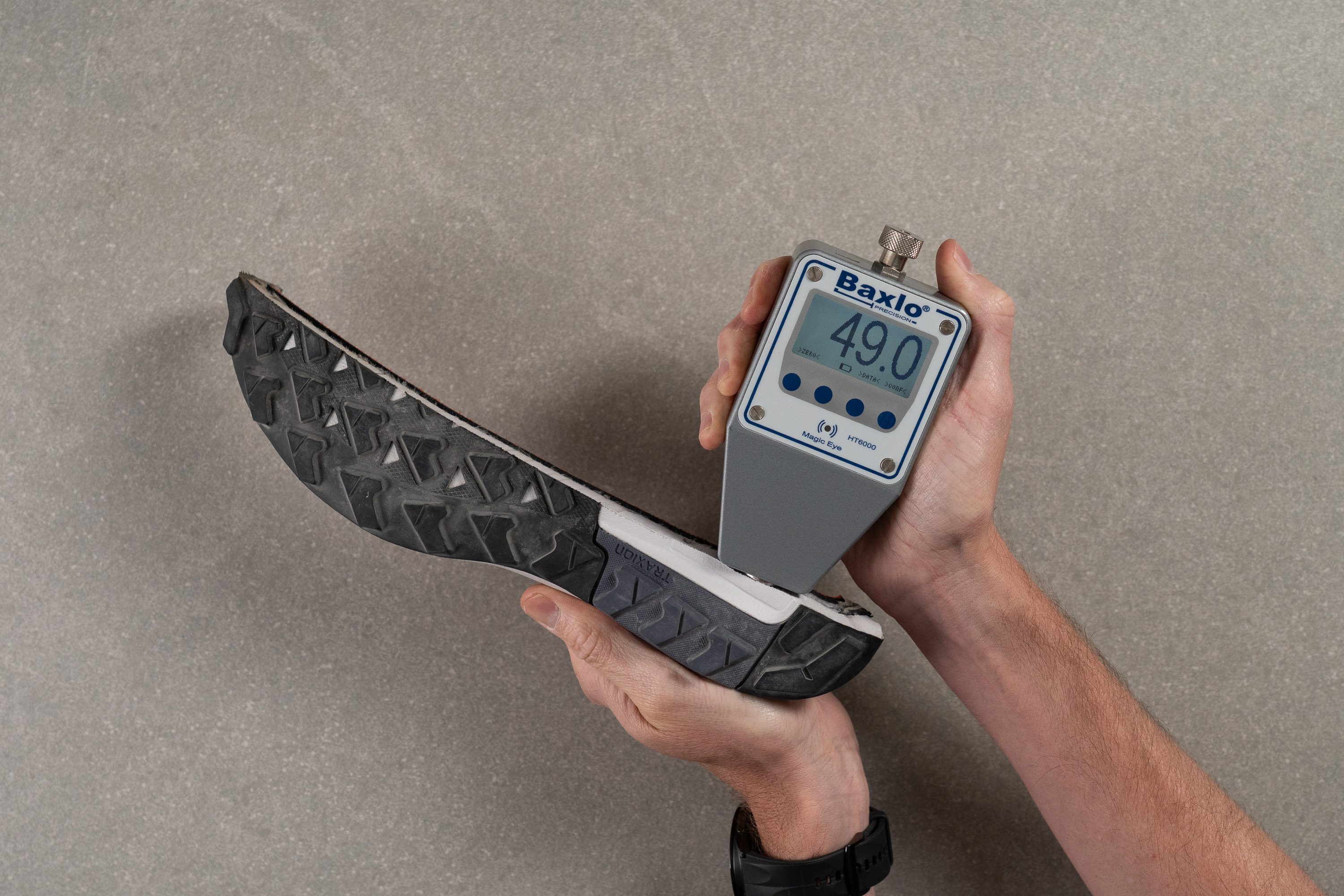
Men dreaming of clouds under their feet usually think that only Hoka hiking shoes offer that. With this test, it's easy to find the softest midsoles, if that's your thing. The current average midsole softness of men's hiking shoes is 45.0 AC.
However, for prolonged comfort, we focus on shock absorption.
Shock absorption tells us how good the hiking shoe's midsole is at reducing the impact forces. Every time you stomp, the shoe deals with stress that would have otherwise been sent to your legs. Just imagine stomping on the concrete and then on the midsole.
Obviously, the higher the shock absorption, the better. Especially if you're doing longer hikes, carry a heavy backpack, or simply weigh more. During the same test, we also measure energy return. This test tells us how lively (propulsive) the ride is and it's actually much more important in trail running than hiking. That being said, if you occasionally run too or do speed hiking, it's good to check this test as well.
A little bit of everything: all-around hiking shoes for men
When versatility is the key, we look for all-around hiking shoes. These hiking shoes can do a bit of everything but are most reliable on moderate terrain.
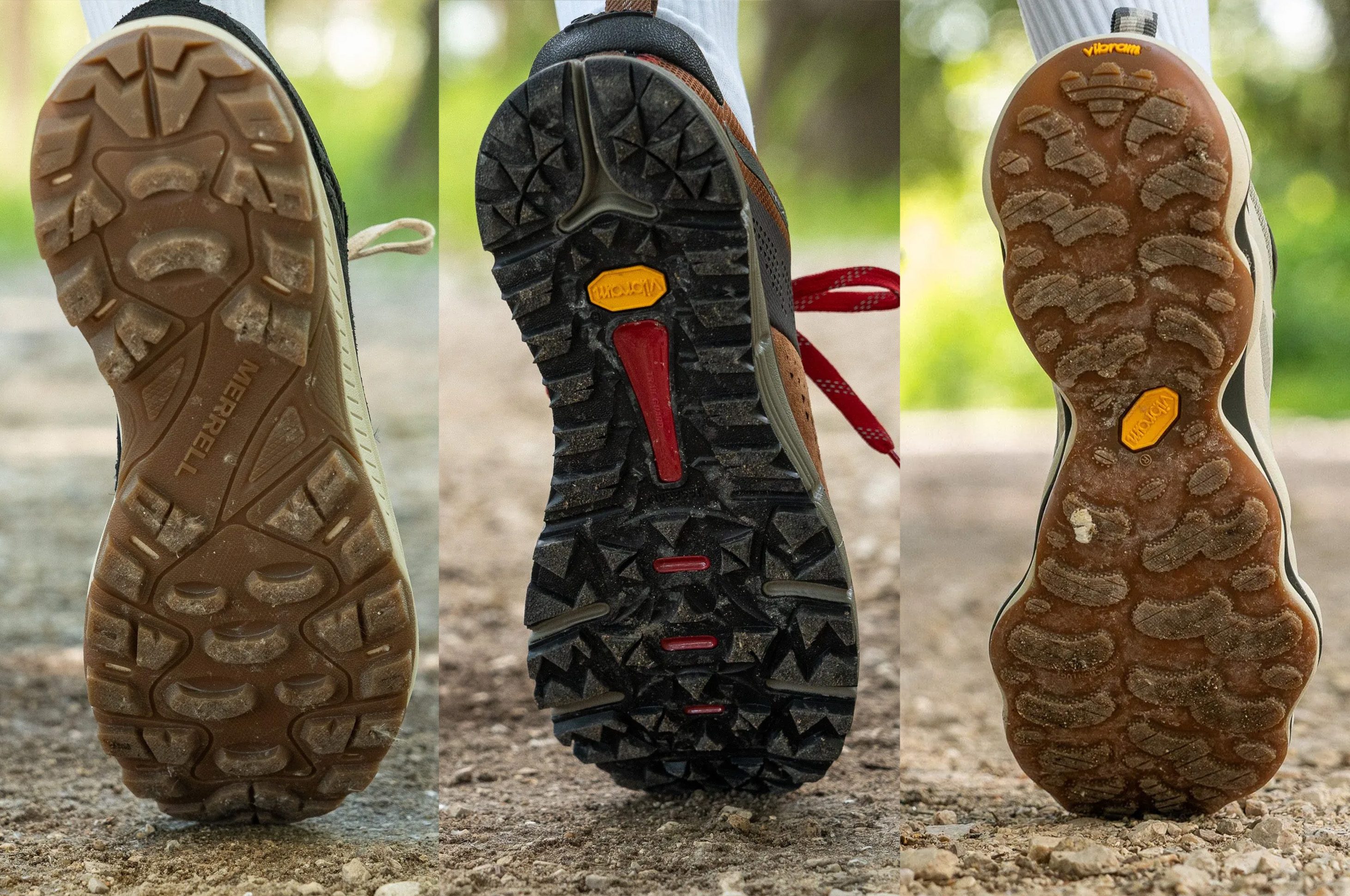
They are also more protective than urban hikers, but they don’t excel on technical terrain. Moderate terrain sits between hard-packed, mostly flat trails, and obstacle-covered or technical trails that are often very steep.
Best casual hiking shoes for men
Sometimes, it’s not about the summit or the traverse. It’s not about doing your best on the climb. It can be about loving the outdoorsy looks and wanting the sturdiness or protection even when hitting the city. The pub, the park, or the market. That’s when urban hiking shoes enter the scene.
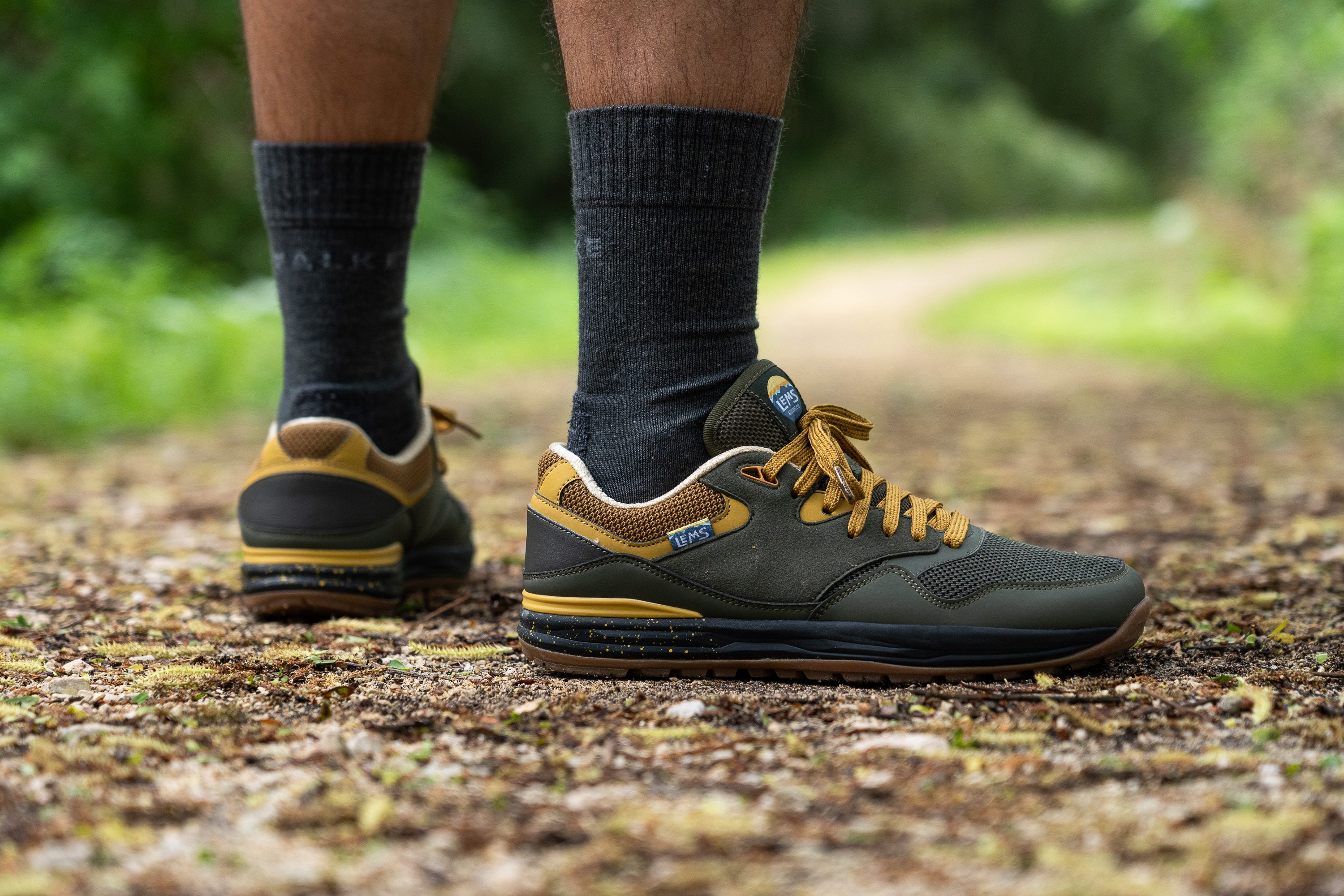
Some of these hiking shoes may even have deep lugs, but when everything is taken into account - their build, their durability, traction, shock absorption - they are best for casual wear. Door to trail! OK to be used on light trails, but don’t expect them to be versatile if your appetite grows.
Hiking shoe choices for technical terrain
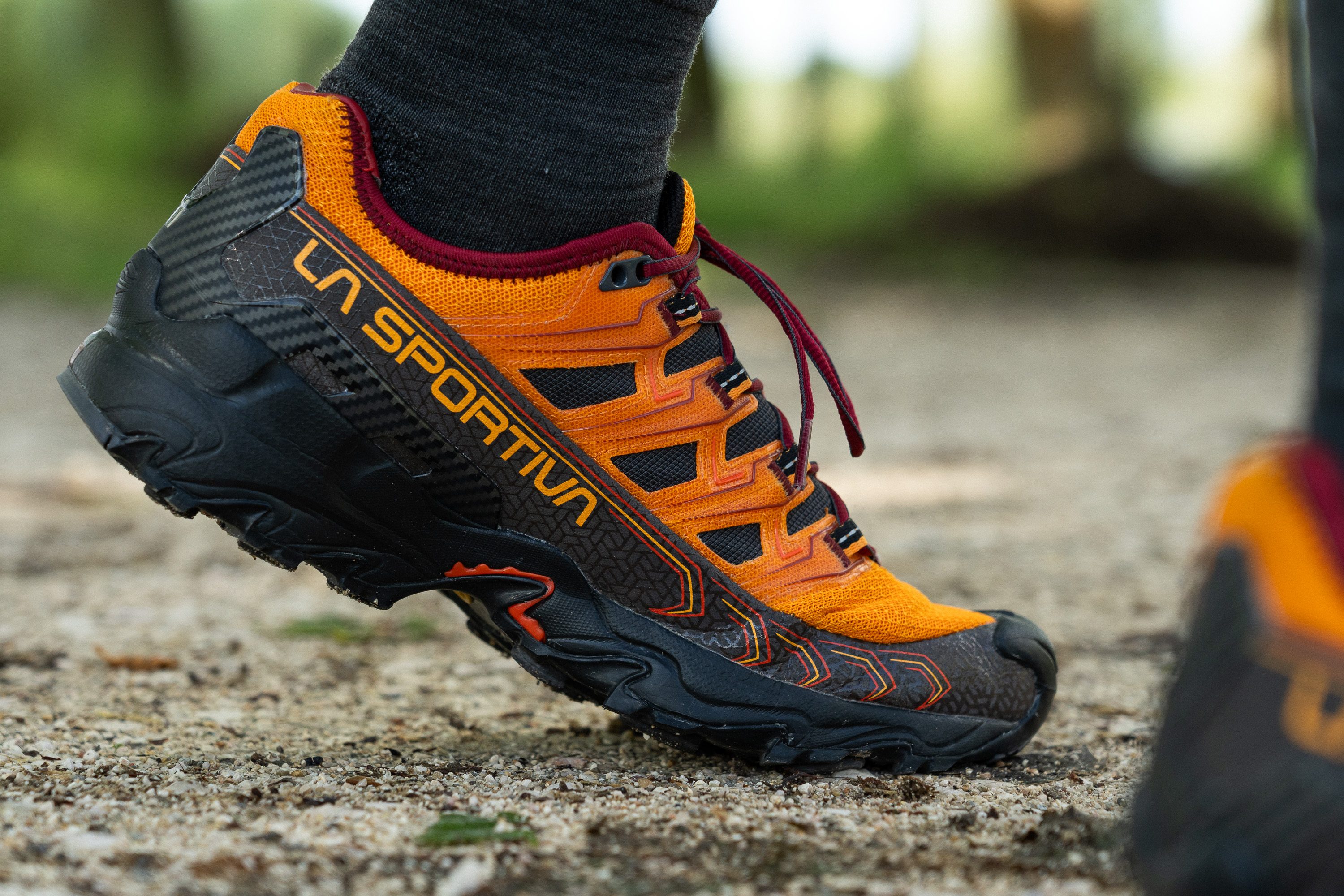
You see them coming: pebbles, scree, roots, debris, maybe even mud? Ugh, better safe than sorry! What’s the best approach here? Again, depends on the terrain. If you plan to hike over scree and rocky areas, prioritize stiffness and protection. Stiffness of the platform will keep you stable and not wobbly because no one likes twisted ankles, right? Protection is obvious; rocks can be very harsh.
When it comes to mud, you need thick lugs placed further away from each other. Grippy rubber. And here, actually, the immediate bite, especially when the terrain is not flat, matters much more than the stiffness.
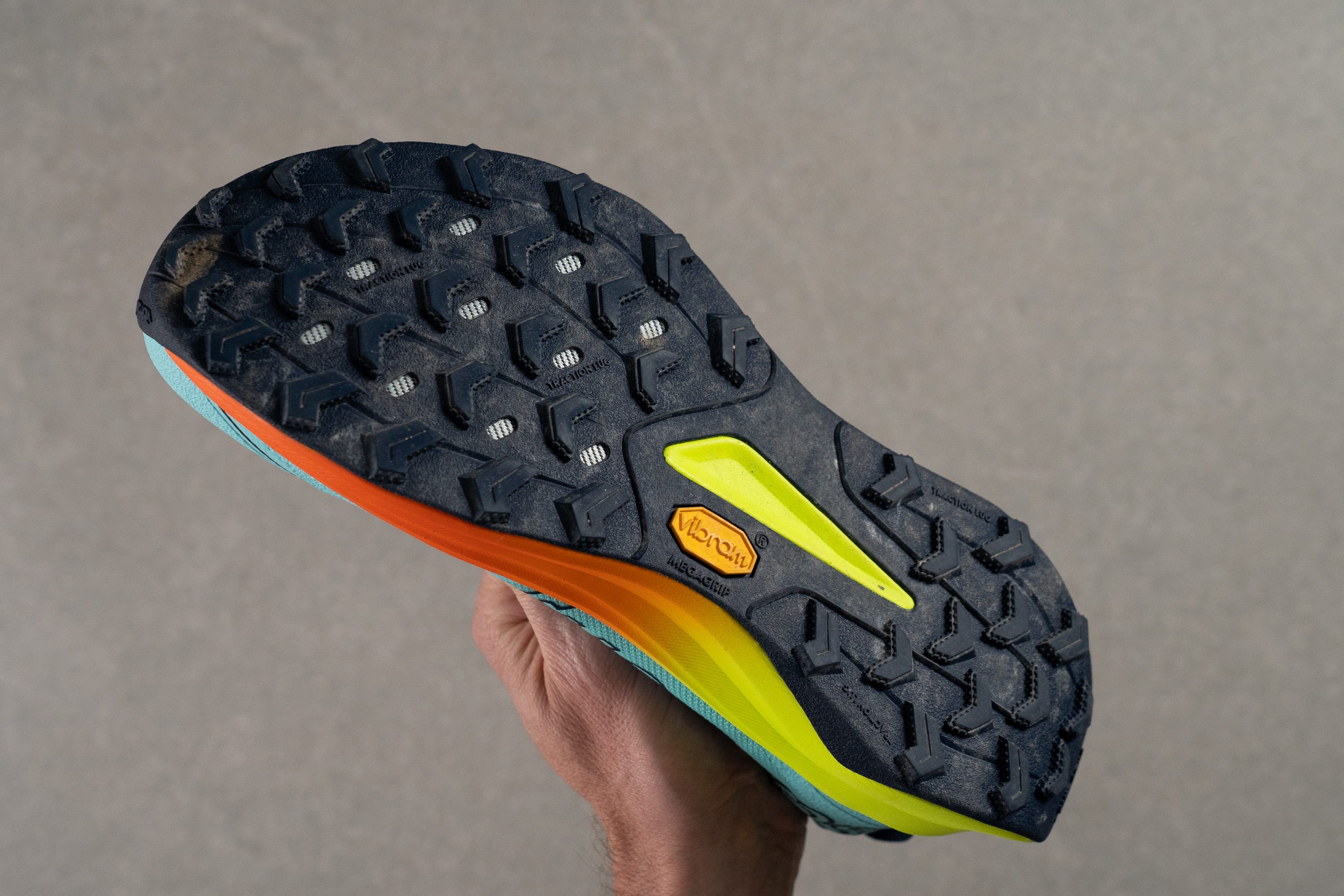
As you can see, the terrain dictates the levels of grip, traction, protection, and stability you may need.
Best men’s hiking shoes for summer: breathability lab test
Compared to trail running shoes, hiking shoes are not nearly as breathable. In winter, we rarely worry about this; we appreciate the warmth. Then comes summer and the search starts: best socks for sweaty feet, best hiking shoes for warm days, etc. Fortunately, this is something we started testing in the lab!
This test tells us 2 things:
- How breathable the shoe is, or how much sweat is moved away from the skin. It’s simple: the drier the feet, the better! Sweat on skin means more discomfort and blisters and noone wants that.
- How effectively the shoe’s materials evaporate the moisture. This is especially important for hikers doing multi-day hikes because it tells us whether the shoe is quick or slow to dry.
Basically, we want both numbers to be as high as possible. But we have to keep in mind that we’re still talking about hiking footwear, and not lightweight trail runners. For context, based on the numbers we have at the moment of writing this guide, the average breathability for trail running shoes is 71 BR, while it’s 59 BR for hiking shoes. Drying potential, on the other hand, averages at 51% for trail runners and 39% for hiking shoes.
Waterproof hiking shoes for men
Even walking your dog in the morning over wet grass can ruin the activity the moment your feet feel the socks getting wet and cold. Not to mention if you’re actually planning a hike where you may encounter rain, snow, or mud. Enter waterproof membranes!
The most popular waterproof membrane on the market is Gore-Tex.
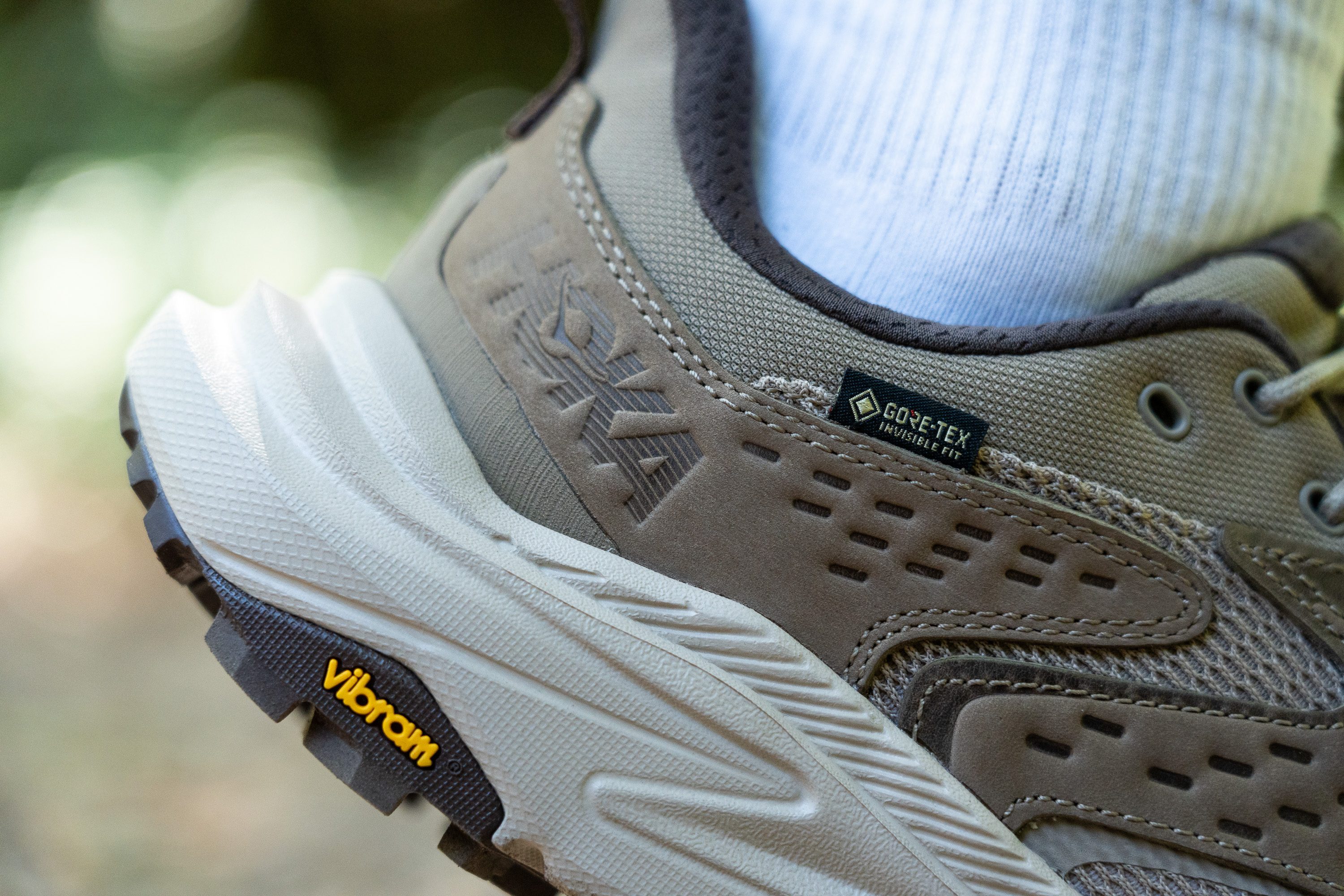
However, some brands develop their own waterproof membranes, so “GTX” is not the only indicator of waterproofing in the world of hiking shoes.
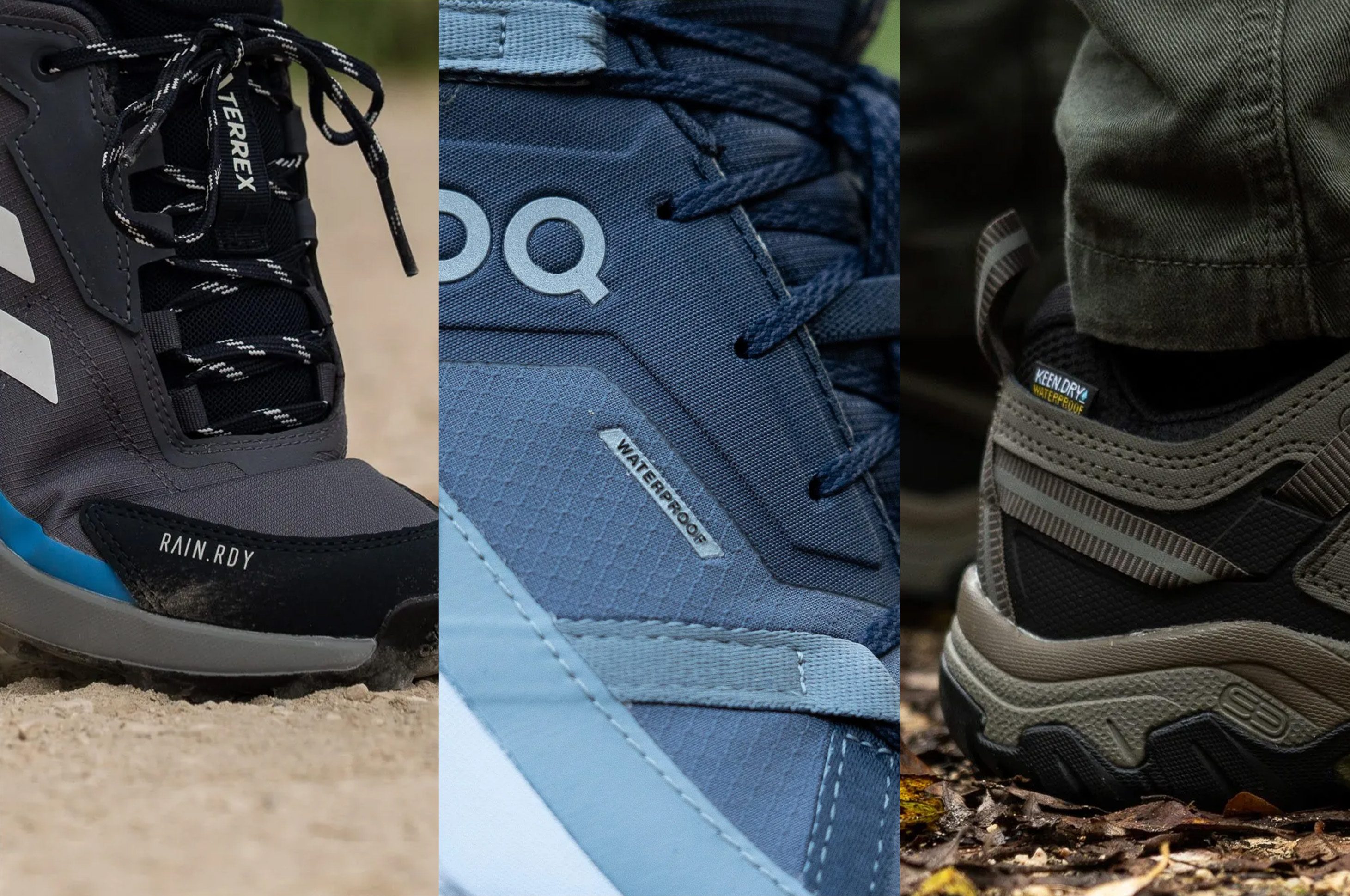
What you can expect from waterproof hiking shoes: water stays out, but heat stays inside. These shoes are never breezy. It’s best to use them in colder weather.
We actually test the breathability and the drying potential in our lab and, while some shoes manage to score higher on the breathability test (moving the sweat away from the skin), they can’t score nearly as high on the drying potential test (overall sweat that has evaporated through the shoe’s materials).
Weight of men’s hiking shoes: accurate lab data
Many hikers look for lightweight hiking shoes, whether it’s because they plan to do some speed hiking or they simply prefer going fast and light. We’re here to help those hikers and also to note very heavy hiking shoes, as they may be too heavy for beginners and put more stress on their legs.
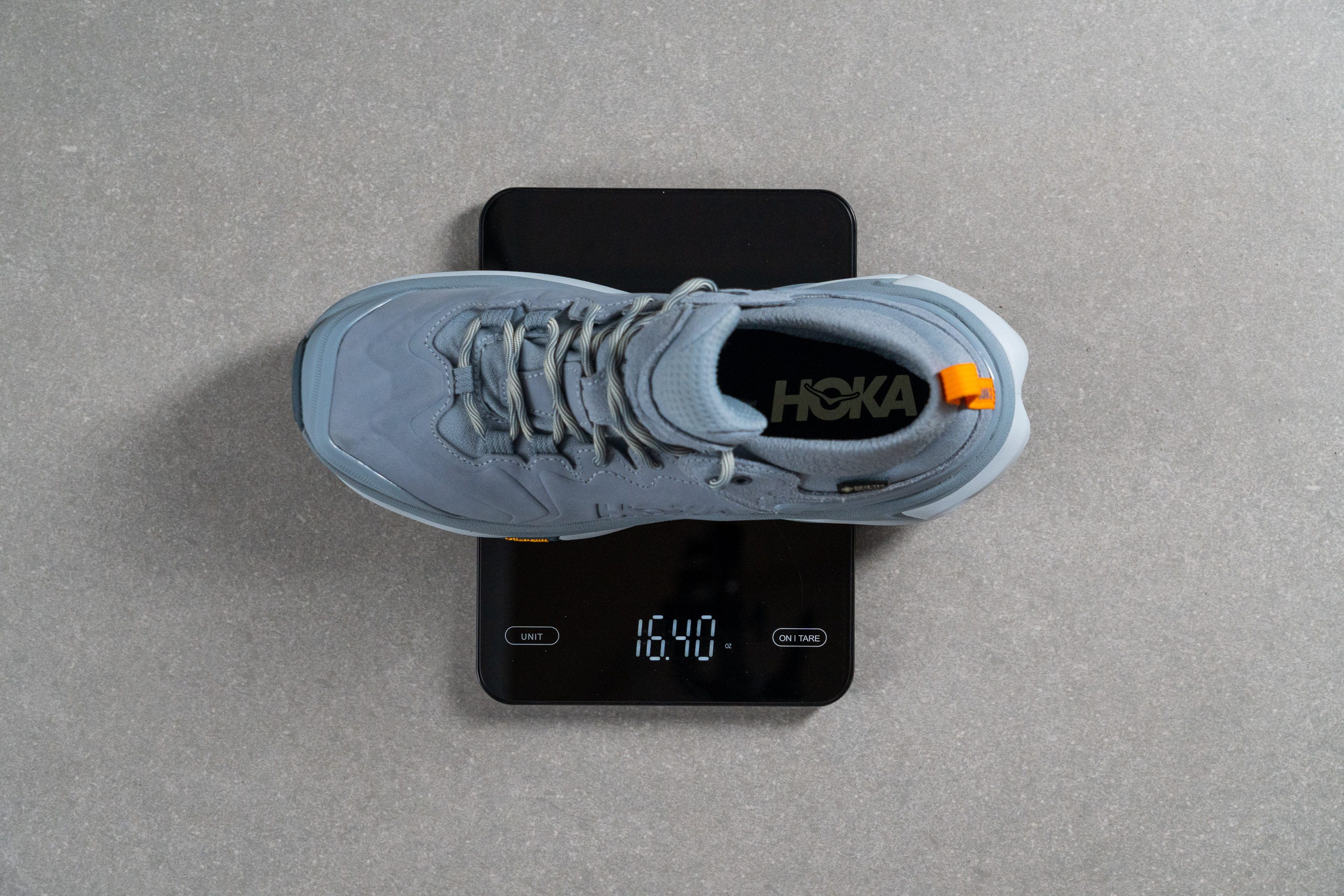
The average weight of all hiking shoes we’ve tested so far is 13.3 oz (376.4g) and we consider them lightweight when they weigh less than 14.1 oz (400g).
Just in case, here are the heaviest hiking shoes too:
Similar buying guides