6 Best Sneakers For Plantar Fasciitis in 2026

We buy shoes ourselves. We earn commissions when you buy through us, at no extra cost. Why trust us
Plantar fasciitis is a common injury, and it usually means you have to take it easy during the rehab. There are some sneaker features that can help along the way because they make sure that other leg muscles and tendons deal with the stress, so that the plantar fascia, which is already inflamed, does not have to work extra.
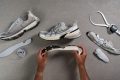
Based on our wear tests and lab tests, we realized which features feel super good when dealing with plantar fasciitis and, here, we talk about them all and back our claims with lab data. We also highlight the crème of the crop in different categories and elaborate why those sneakers deserve to be at the very top.
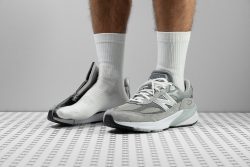
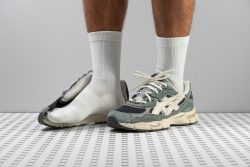
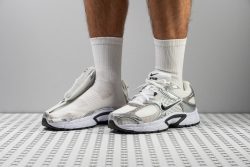
How we test sneakers for plantar fasciitis
On one side, there are enthusiasts who get sneakers for free and are often nudged in a direction the brand dictates. What to (not) talk about or what to promote the sneakers for.
On the other side, there's an independent shoe lab that we created and our testers who are interested in how the sneaker actually fits, feels, and performs, and not which brand it is. To keep this objective approach, we:
- Buy the sneakers with our own money
- Test sneakers in various conditions and make sure there are no brand ambassadors on our team
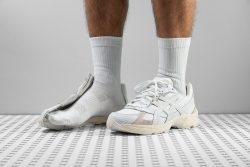
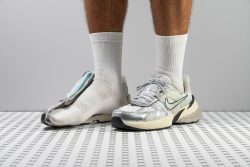
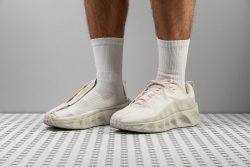
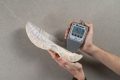
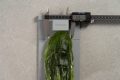
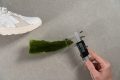
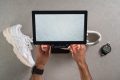
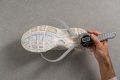
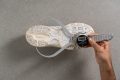
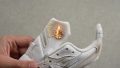
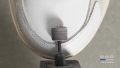
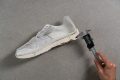
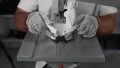
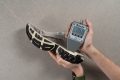
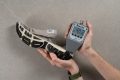
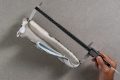
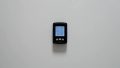
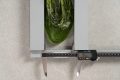
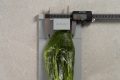
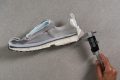
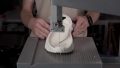
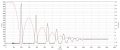
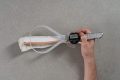
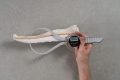
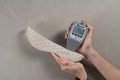
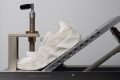
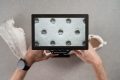
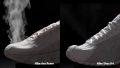
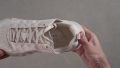
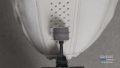
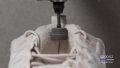
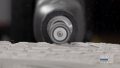
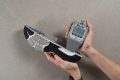
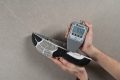
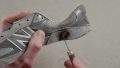
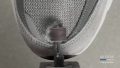
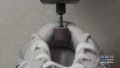
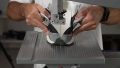
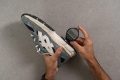
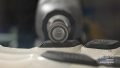
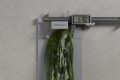
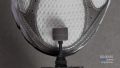
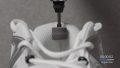
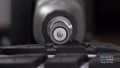
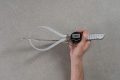
- Lab test the sneakers. Given that we're dealing with plantar fasciitis here, we have to put 4 tests under the spotlight: shock absorption, because the sneakers have to be kind to your feet and not send extra stress to them. Torsional rigidity and stiffness of the heel counter, because stable platforms that lock the heel in place are needed. And, we stick a durometer needle into the midsole to filter out the ones that would be too soft for plantar fasciitis.
- Publish everything we find out so that it's available to everyone.
Best sneakers for plantar fasciitis overall


What makes it the best?
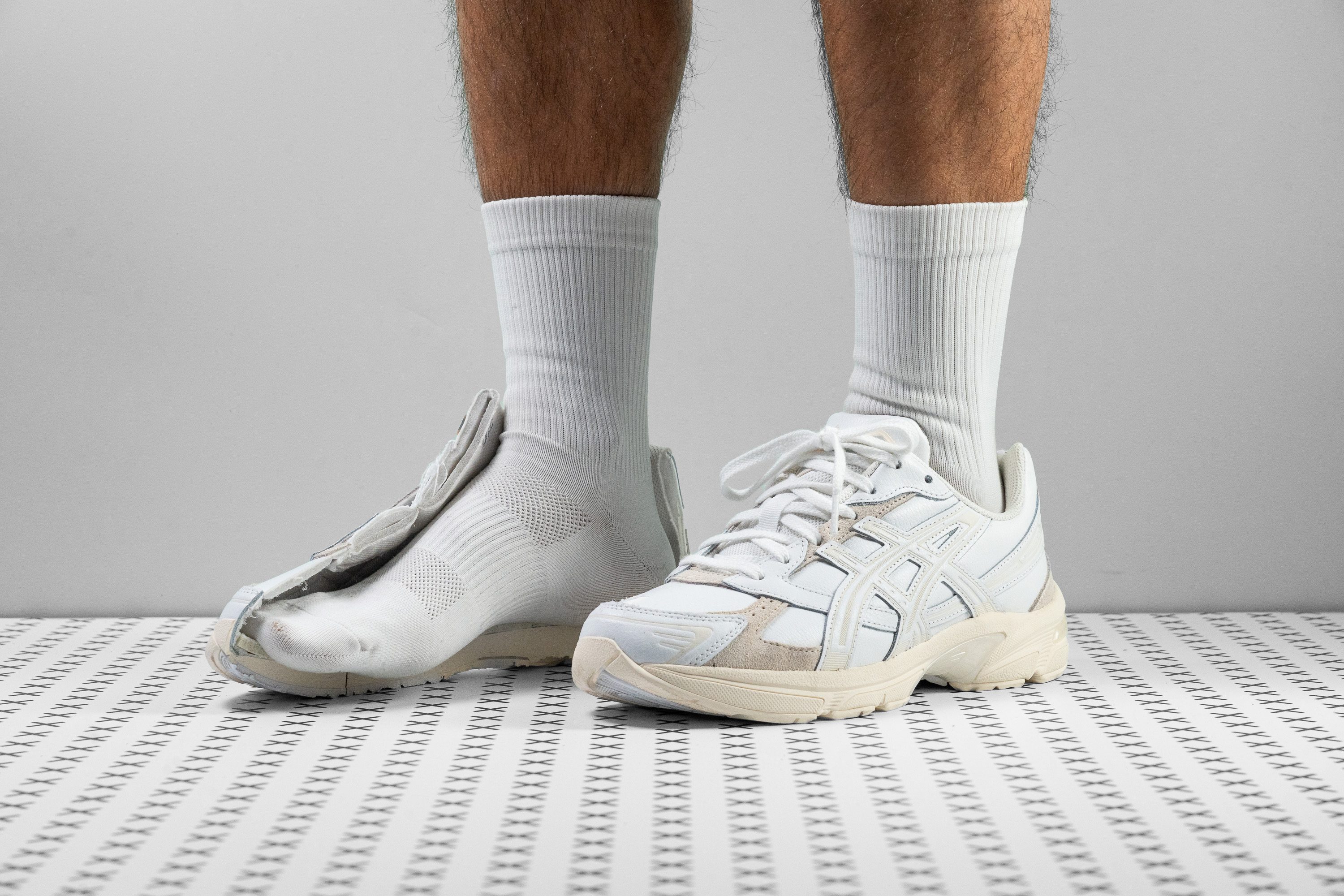
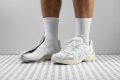
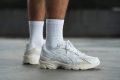
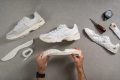
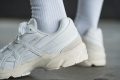
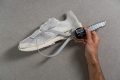
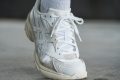
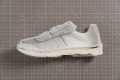
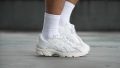
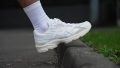
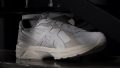
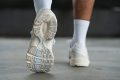
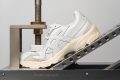
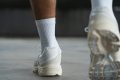
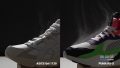
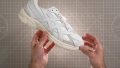
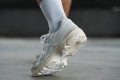
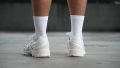
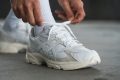
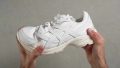
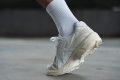
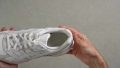
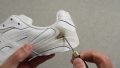
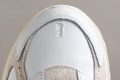
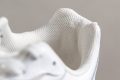
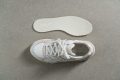
The ASICS Gel 1130 is all about comfort with a touch of support in the right areas. In our walks, we enjoyed its Gel technology that softened the ride, its sturdy TRUSSTIC support, and its lightweight build that surprised us in the lab. Easily, it’s our best plantar fasciitis sneaker overall.
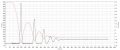
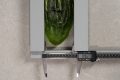
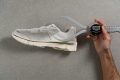
Gel 1130 delivers otherworldly comfort, and our feet can’t deny it! We measured its stack height as just above the average at 32.3/22.3 mm, which leads to a steep 10.0 mm drop that takes the pressure off our heels. The midsole has Gel cushioning up front and in the rear, evidenced by the latter’s strong shock absorption of 114 SA.
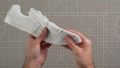
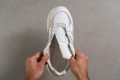
Inspired by running shoes of the 2000s, it features the TRUSSTIC support system. The platform feels stable because of its high torsional rigidity. It took much effort to twist the shoe with our hands, so we gave it a 4/5 rating.
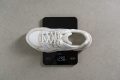
Thankfully, the case is different when it comes to its weight. At 12.9 oz (366g), it’s 5% below average, allowing us to move freely and comfortably.
Unfortunately, its comfort is limited to cooler weather. We tested the leather version, which traps in our body heat and sweat.
Pros
- Comfortable for all-day wear
- Stable platform
- Top-notch materials
- Excellent craftsmanship
- Supportive foothold
- Grippy, running-inspired outsole
- Feels lightweight with a padded interior
- Roomy at the big toe
- Real suede and leather
- Cool 90s dad shoes retro vibe
Cons
- The leather version lacks breathability
- Quite stiff
Sneakers for plantar fasciitis with the best shock absorption


What makes it the best?
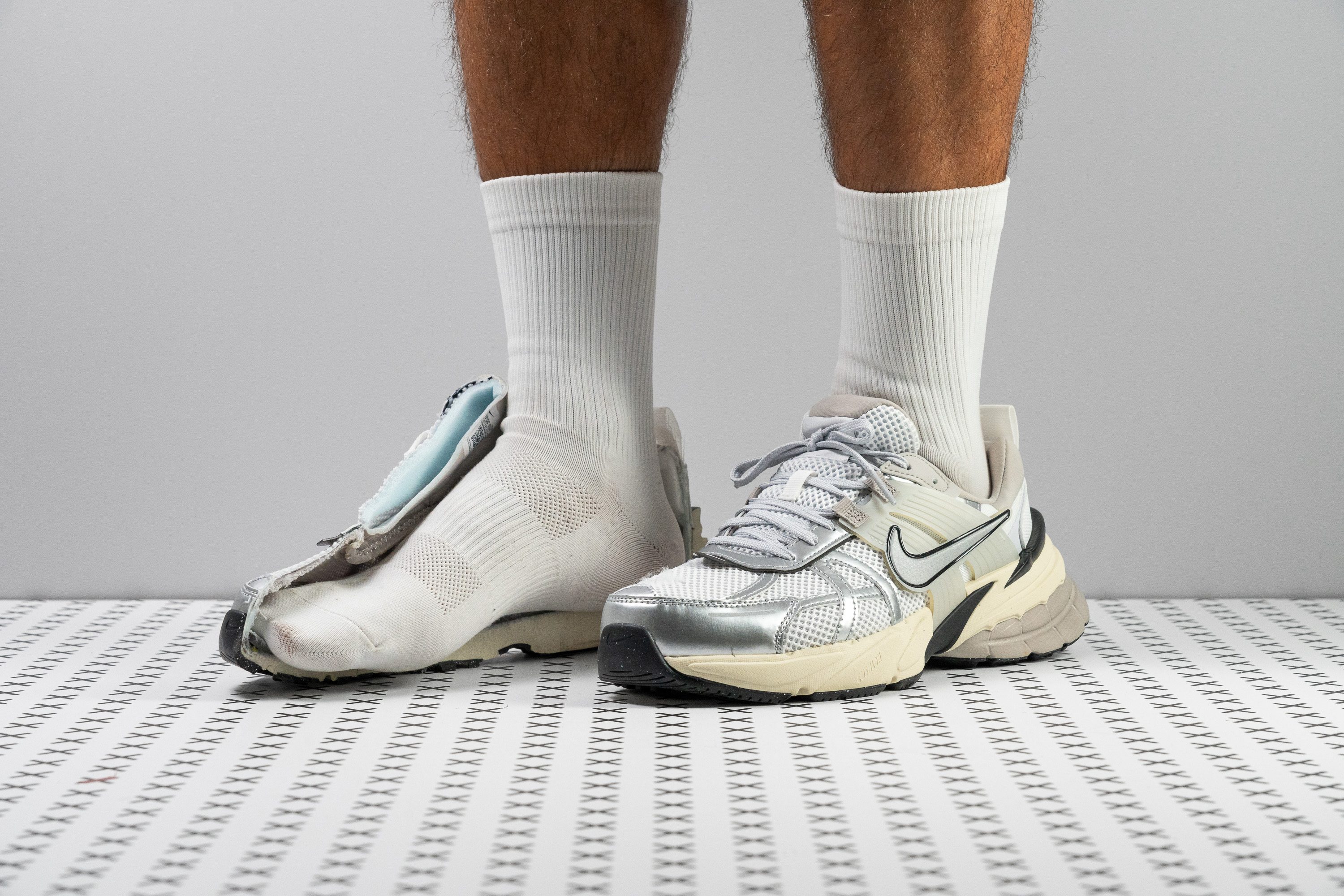
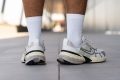
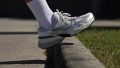
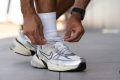
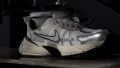
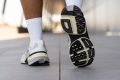
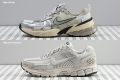
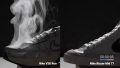
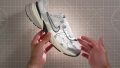
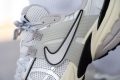
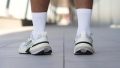
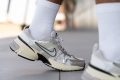
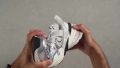
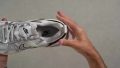
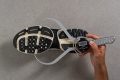
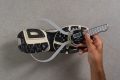
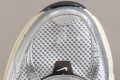
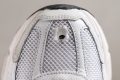
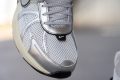
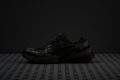
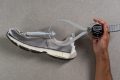
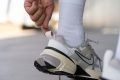
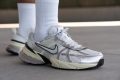
The Nike V2K Run allowed us to strut the streets with a highly cushioned and surefooted sensation. Lab tests reveal it has a protective cushion and a broad midsole safeguarding our muscles and joints, without tipping the scales. Among plantar fasciitis sneakers, the V2K Run stands out with the best shock absorption.
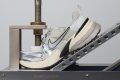
The shoe cradled our feet with plush, forgiving landings. It felt comfortable to stand for long hours and was stable enough when we carried some load. Our shock absorption test backs this up with a high 123 SA rating in the heel, offering 38% better impact protection than average.
Its anchored sensation stems from its stiff elements and wide platform. It offers strong lateral support through its TPU cage in the midfoot and its TPU element under our arch. We had no instances of losing our stance because the base is a massive 115.1/98.2 mm.
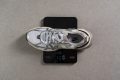
It never felt bulky to carry around. That’s because it’s only 11.1 oz (315g), 18% lighter than the average sneaker. Plus, the midsole shows high flexibility, exceeding the average by 29% in our bend test. Overall, it creates an effortless feel.
However, the shoe has a streamlined silhouette towards the front, so we can’t recommend this pair to those with high-volume or broad feet.
Pros
- Fantastic cushioning for all-day wear
- Highly responsive and lively ride
- Surprisingly stable and supportive
- Comfortable in-shoe feel
- Excellent breathability for summer
- Secure lockdown and heel hold
- Notably lighter than average
- Reliable outsole grip
Cons
- Limited men's sizes and colors
- Pronounced toebox tapering
Best lightweight sneakers for plantar fasciitis




What makes it the best?
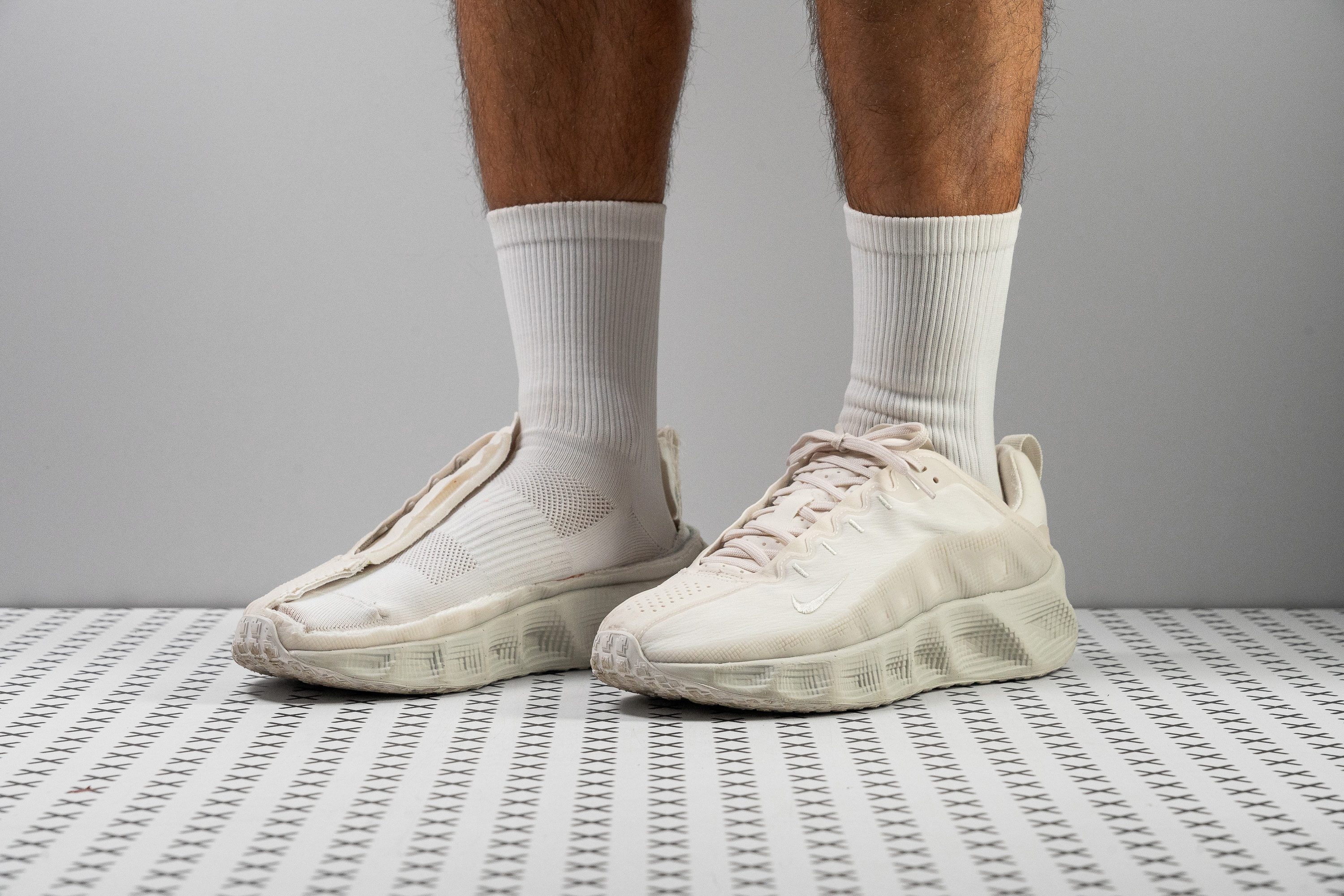
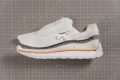
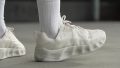
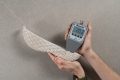
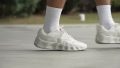
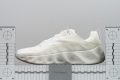
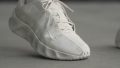
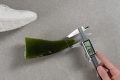
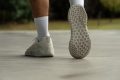
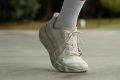
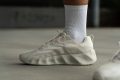
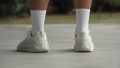
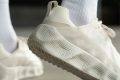
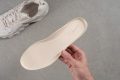
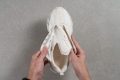
The Nike Ava Rover is an absolute pleasure to walk in, delivering plush impact protection, lively bounce, and dependable support in an impressively agile ride. Lab tests show it features the advanced ReactX foam and strong slip resistance in the outsole. Our feet couldn’t deny that it stands out as the best lightweight plantar fasciitis sneaker we’ve tested!
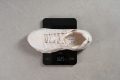
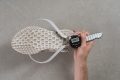
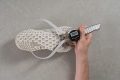
The sneaker feels incredibly light, making movement effortless and natural. Our scales show it’s only 10.2 oz (289g), 25% below average. Its flexible midsole enhances the weightless sensation, making it easy to maneuver. In our bend test, it emerged 20% more adaptive than average.
The ReactX midsole offers outstanding shock absorption, evidenced by its impressive 116 SA rating in the heel. Being 30% above average, it’s one of the most cushioned sneakers in our roster despite its average height. Moreover, the bouncy heel, scoring 59.2% in our energy return test, reduces effort to move forward. Altogether, our muscles remain fresh longer.
It’s hard to lose balance in Ava Rover’s broad 117.4/97.9 mm midsole. On top of that, the extended footprint features grippy rubber below. Scoring 0.69 in our traction test, we have no doubts about the sneaker’s control on wet pavements.
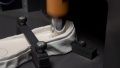
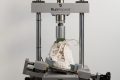
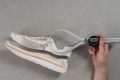
However, our Dremel left a significant 1.2 mm dent in the outsole, leaving concerns regarding its longevity. The grippy pattern might also be less effective once the rubber wears off.
Pros
- Wonderful shock absorption for all-day wear
- Super bouncy ride with the ReactX foam
- Soft and cozy underfoot experience
- Accommodating fit
- Amazing outsole grip on wet and dry surfaces
- Great flexibility for natural foot movement
- Much lighter than average
- Breathable, summer-ready upper
- Very wide platform offers stability
- Surprisingly durable upper
Cons
- Thin outsole causes durability concerns
- Not much arch support
Best dad shoes for plantar fasciitis

What makes it the best?
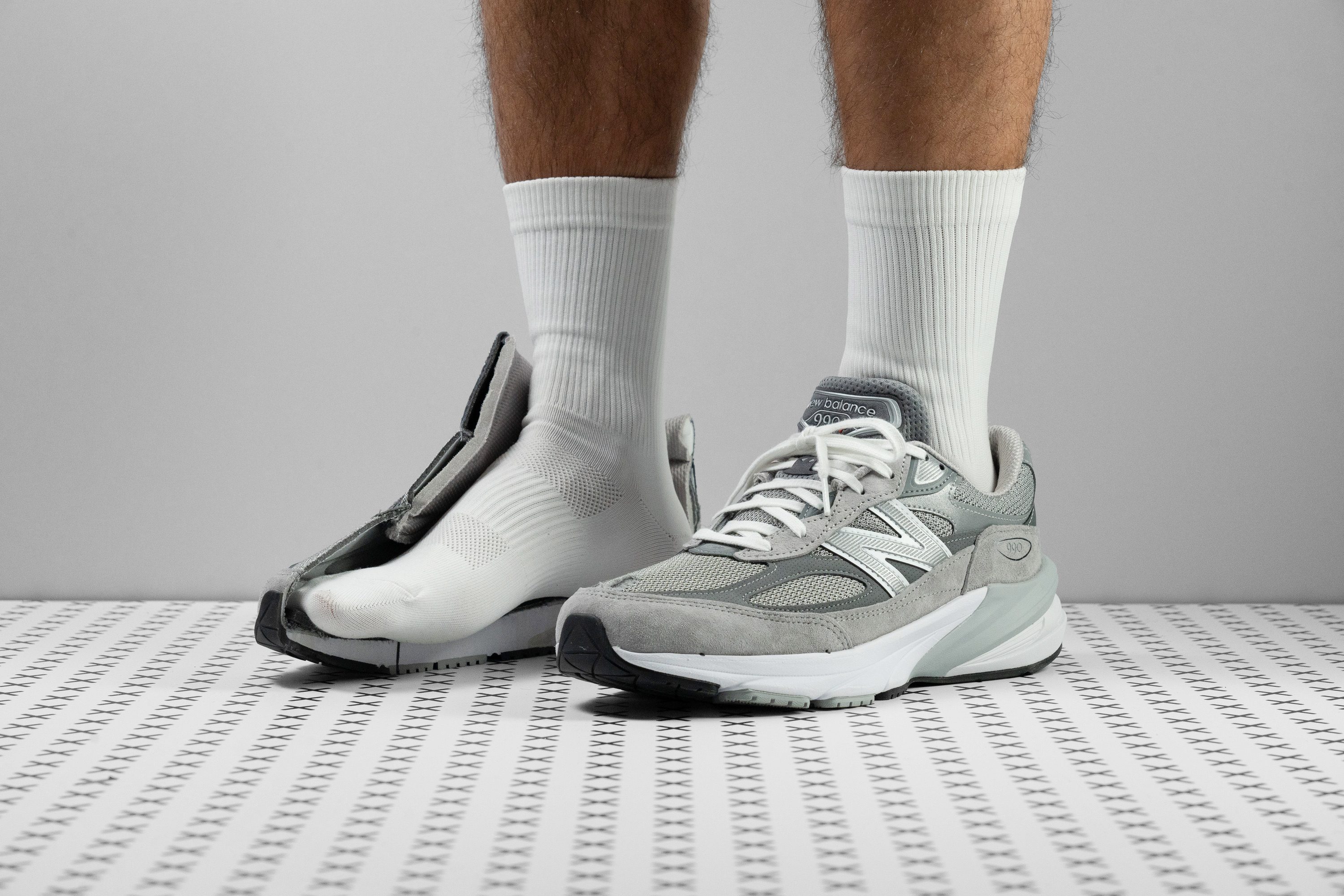
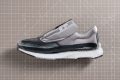
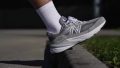
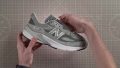
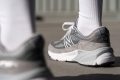
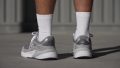
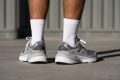
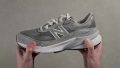
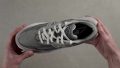
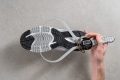
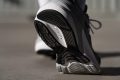
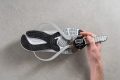
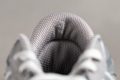
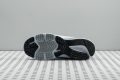
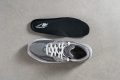
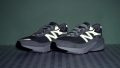
Offering both comfort and sturdy support in a chunky and retro-looking package, the New Balance 990 v6 is our best dad shoe among plantar fasciitis sneakers. Proven in the lab and out on the streets, it gave us a steady platform with plush heel cushioning, in a lightweight package for all-day wear.
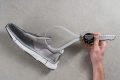
The presence of the FuelCell midsole was a pleasant surprise, offering bottomless cushioning with its 39.1/23.8 mm stack. Moreover, the rear dampens impact effectively with its high 102 SA rating, meaning it reduces the stress of landings 14.6% better than average.
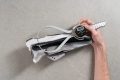
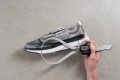
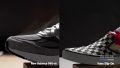
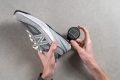
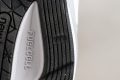
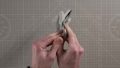
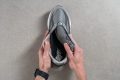
Designed with arch support in mind, the 990 v6 features the ENCAP rim that wraps around the heel. It makes the midsole more rigid so that we don’t move laterally excessively, which may cause additional strain on our feet. In our manual test, we gave both its heel counter and torsional rigidity high 4/5 and 5/5 scores, respectively.
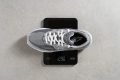
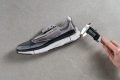
Thankfully, 990 v6 only weighs 12.9 oz (366g), creating a smoother and more natural ride. Despite its chunky midsole, it’s 6.2% lighter than average.
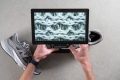
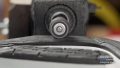
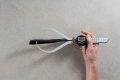
Sadly, the upper surrendered easily to our Dremel. Sneakerheads searching for long-lasting daily beaters should find another pair.
Pros
- Unexpectedly lighter than average
- Real suede and quality materials
- Extra thick cushioning for all-day wear
- Mind-blowing arch support and stability
- Exceptionally hard-wearing outsole
- Fantastic breathability
- Well-padded all around
- Six(!) widths available
Cons
- Very delicate toebox mesh
- A bit stiff
Sneakers for plantar fasciitis with the best stability
What makes it the best?
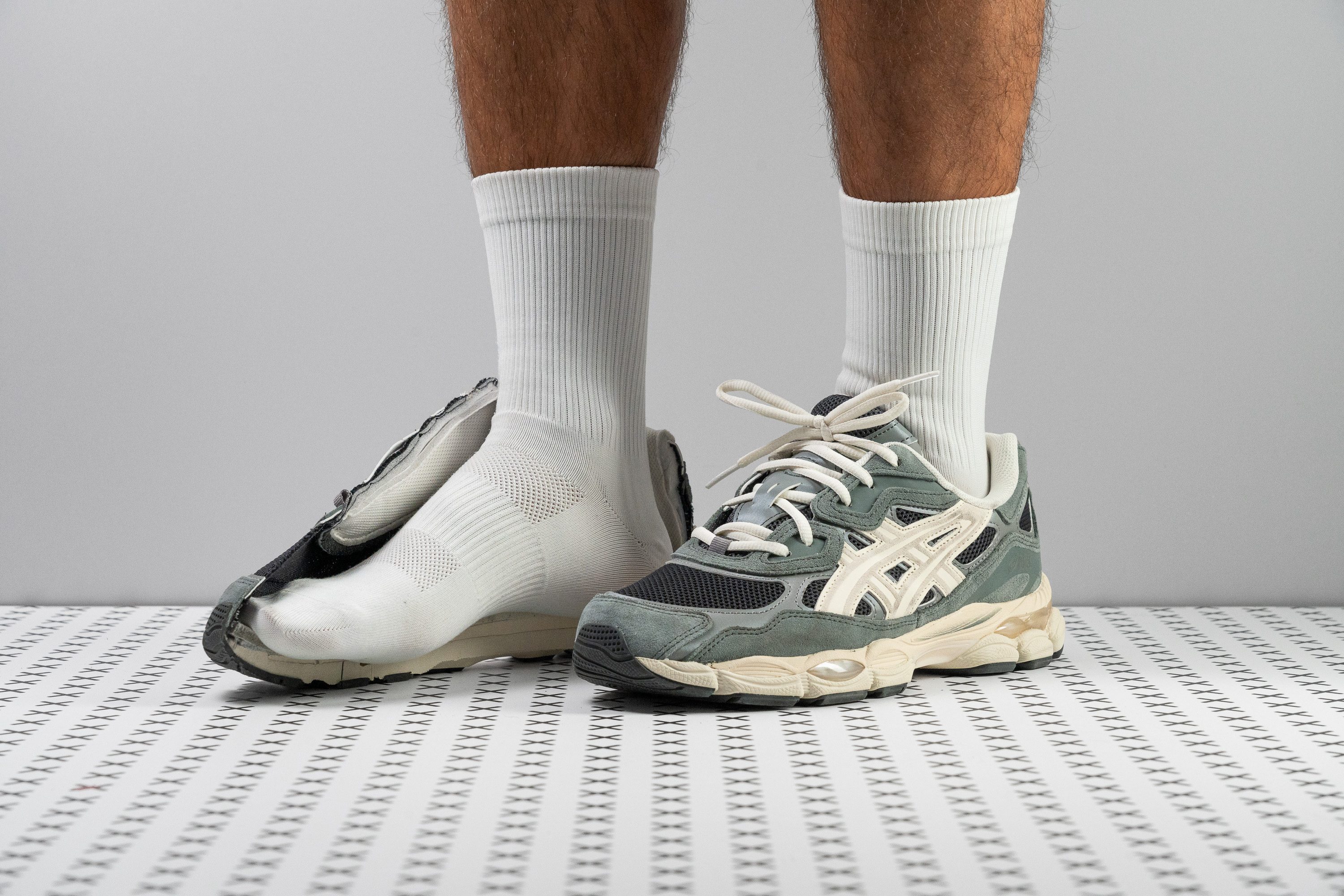
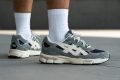
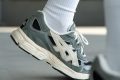
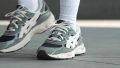
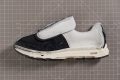
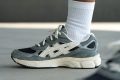
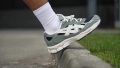
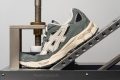
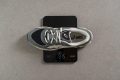
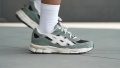
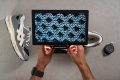
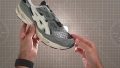
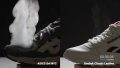
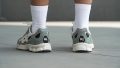
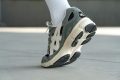
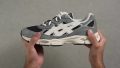
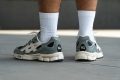
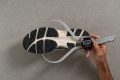
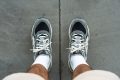
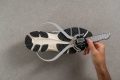
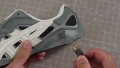
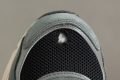
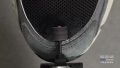
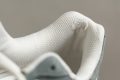
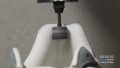
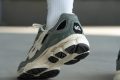
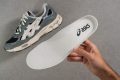
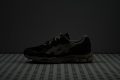
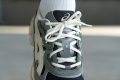
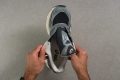
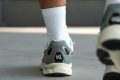
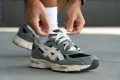
The ASICS Gel NYC offers brilliant impact protection and support that keeps our heels and arches happy. We felt surefooted throughout our walks because of its wide and firm base, which we proved in the lab. With its secure foothold and surprising lightness, we awarded it as our best stability plantar fasciitis sneaker.
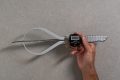
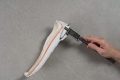
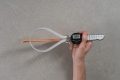
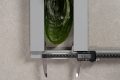
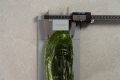
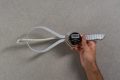
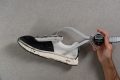
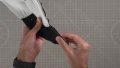
The broad base also offers undeniable support, giving us extra room to find our footing securely. Our caliper confirms it is indeed massive at 114.6/91.6 mm vs. the 109.2/84.3 mm average. The heel counter held us in place with confidence and comfort, evidenced by its 4/5 stiffness rating in our manual assessment.
We had a good slab of foam between our feet and the ground, validated by our caliper with an above-average 34.8/24.8 mm stack. To relieve our heels from strain, the rear includes a GEL insert for gentler landings, with its softness seen in its high shock absorption of 104 SA.
We enjoyed how Gel NYC was not a burden on the foot. In fact, our scales show that at 13.2 oz (373g), it’s even 3% lighter than average.
However, it’s built delicately and is prone to premature wear. Be careful not to overuse this pair so that it can last longer.
Pros
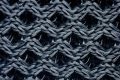
- Incredibly breathable
- Very comfortable
- Supportive and stable
- Features GEL techonology
- Fits true to size
- Feels light on foot
- Great mix of style and function
- Super trendy retro runner vibes
- Excellent grip even on wet
Cons
- Not durable
- Not for running
Best budget sneakers for plantar fasciitis



What makes it the best?
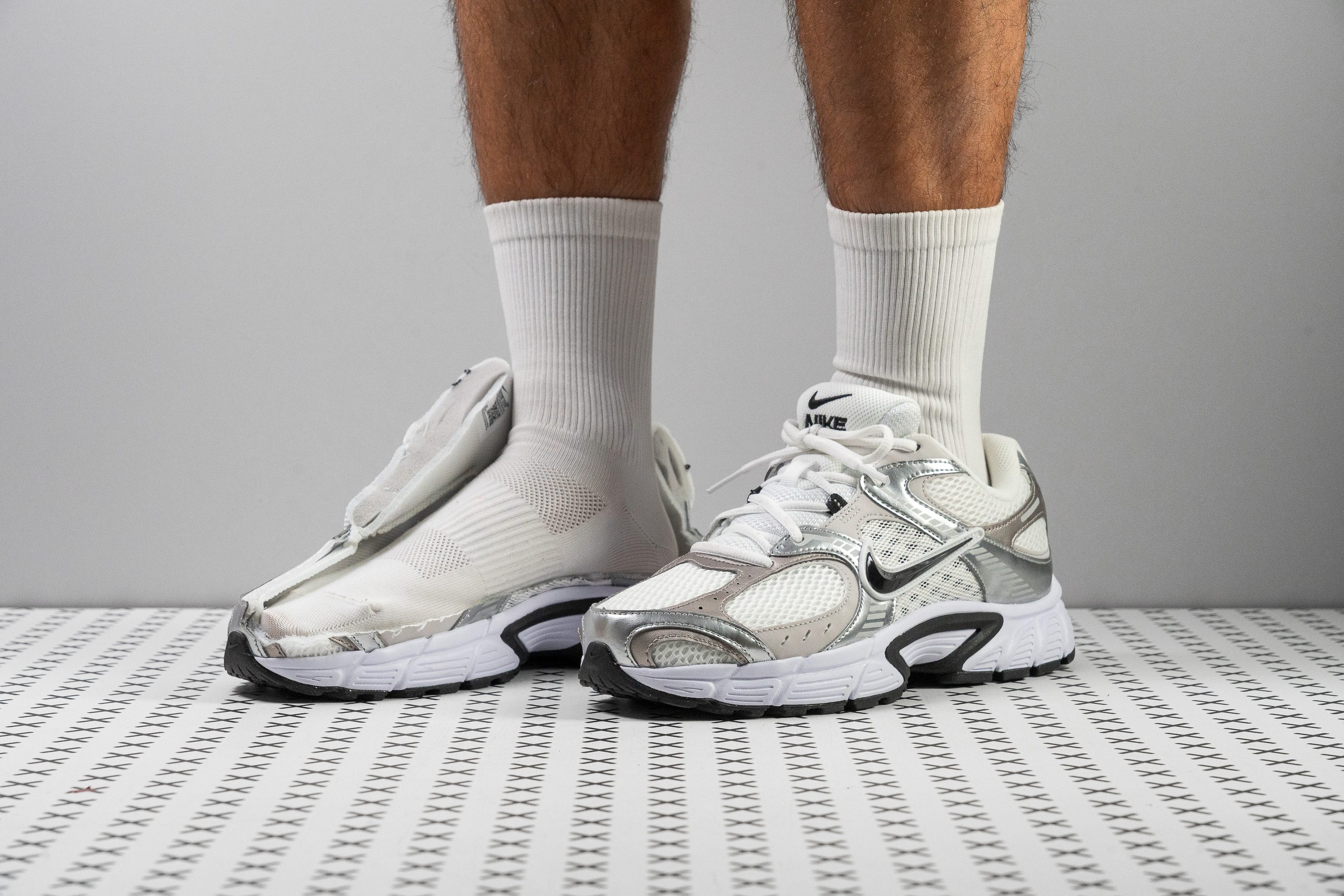
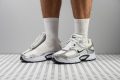
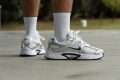
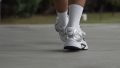
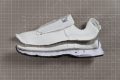
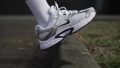
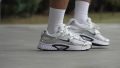
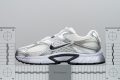
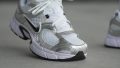
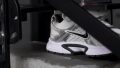
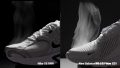
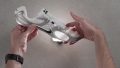
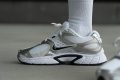
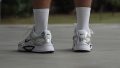
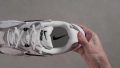
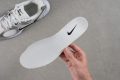
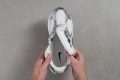
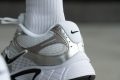
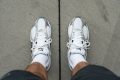
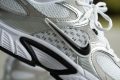
The Nike V5 RNR is a highly supportive and well-cushioned pair that’s wrapped in a lightweight package. Our feet enjoyed its easy yet surefooted sensation. At $95, it’s 24% cheaper than the average kick in our lab, making it our best-budget plantar fasciitis sneaker.
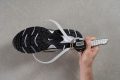
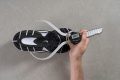
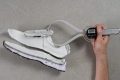
The cushion effectively protected our feet from additional pressure and strain, especially our heels, with its world-class shock absorption of 121 SA. Our caliper shows its stack is above-average at 35.4/23.9 mm, featuring an 11.5 mm drop that enhances a forward-rolling ride.
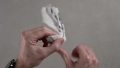
We didn’t experience any unwanted arch collapse. Even when our feet got tired, we experienced limited lateral movement because of the plastic shank in the midfoot. In our assessment, the heel counter also had very little give, so we awarded it a high 4/5 stiffness score.
V5 RNR is not only light in the pocket, but on the feet too. Our scales show it weighs 12.5 oz (354g), 8% below average. We like how it’s one less thing to carry and worry about!
However, this sneaker has a streamlined design up front that may feel less comfortable for those with wide feet. If this is the case, we recommend finding a pair with a broader fit.
Pros
- Unbelievable shock absorption for the price
- Light rocker makes the ride smoother
- Good support and stability for flat feet
- Insane outsole traction on wet and dry
- Extra puffy tongue and collar
- Comfortable in-shoe feel
- Fantastic value for money
Cons
- Snug and narrow fit (not for wide feet)
- Not as breathable as it appears
Plantar fasciitis symptoms and causes
Plantar fasciitis is a condition in which the plantar fascia gets overused and inflamed. This can happen for many reasons: simple overuse, bad footwear or footwear that should have been replaced sooner, plantar fascia compensating for other muscles and tendons (like calves or Achilles tendons), and, therefore, overworking, and so on.
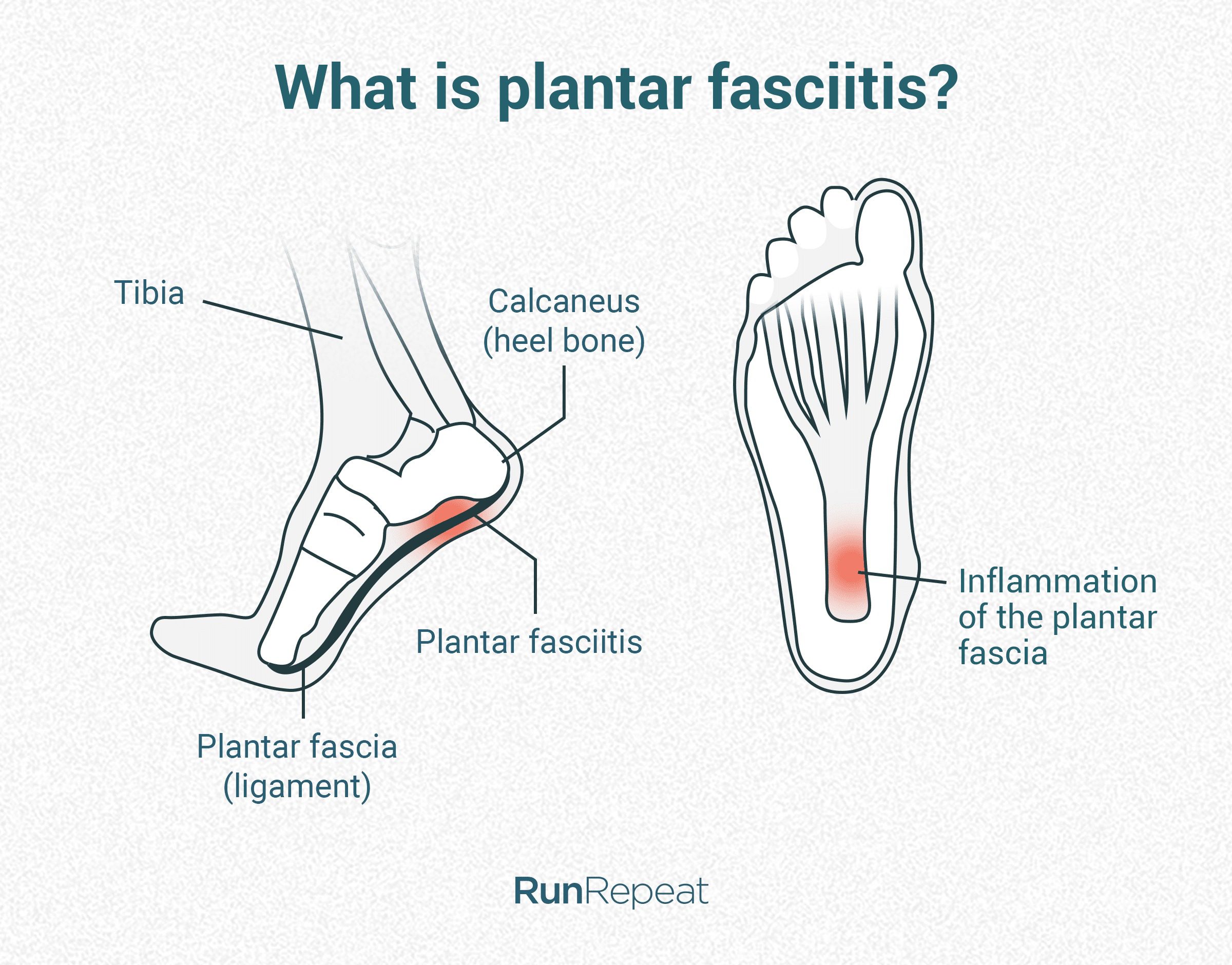
The plantar fascia stretches between the ball of the foot and the heel bone. When it gets overused, it starts hurting at the bottom of the foot around the heel and the arch. This is especially felt when you wake up and with the first few steps you take.
If you’re experiencing what looks like plantar fasciitis, we recommend seeing a specialist first to get a proper diagnosis and rehabilitation plan. This guide is not here to offer a medical diagnosis but to talk about features in sneakers that may help while you’re dealing with plantar fasciitis. Other conditions and injuries may cause heel pain, so we strongly recommend confirming or denying plantar fasciitis.
How can sneakers for plantar fasciitis actually help you
Sneakers can’t heal plantar fasciitis. It can help along the way and, given that plantar fasciitis is often an overuse injury, it’s important to take it easy and follow a rehab plan.
Given the location of the plantar fascia, sneakers for plantar fasciitis help get rid of any work it does not have to do. By this, we mean sending the stress to the other parts of the legs, decreasing the stress itself. This is accomplished with a:
- high heel drop, which utilizes higher leg muscles and not foot muscles
- cushioned platform which helps increases the shock absorption the sneaker is able to do thanks to all the cushioning
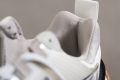
- stiff heel counter, which locks the heel in place which means that it moves less so the plantar fascia is working less
- torsionally rigid platform which prevents excessive twisting of the foot which would put a lot of extra pressure on the plantar fascia.
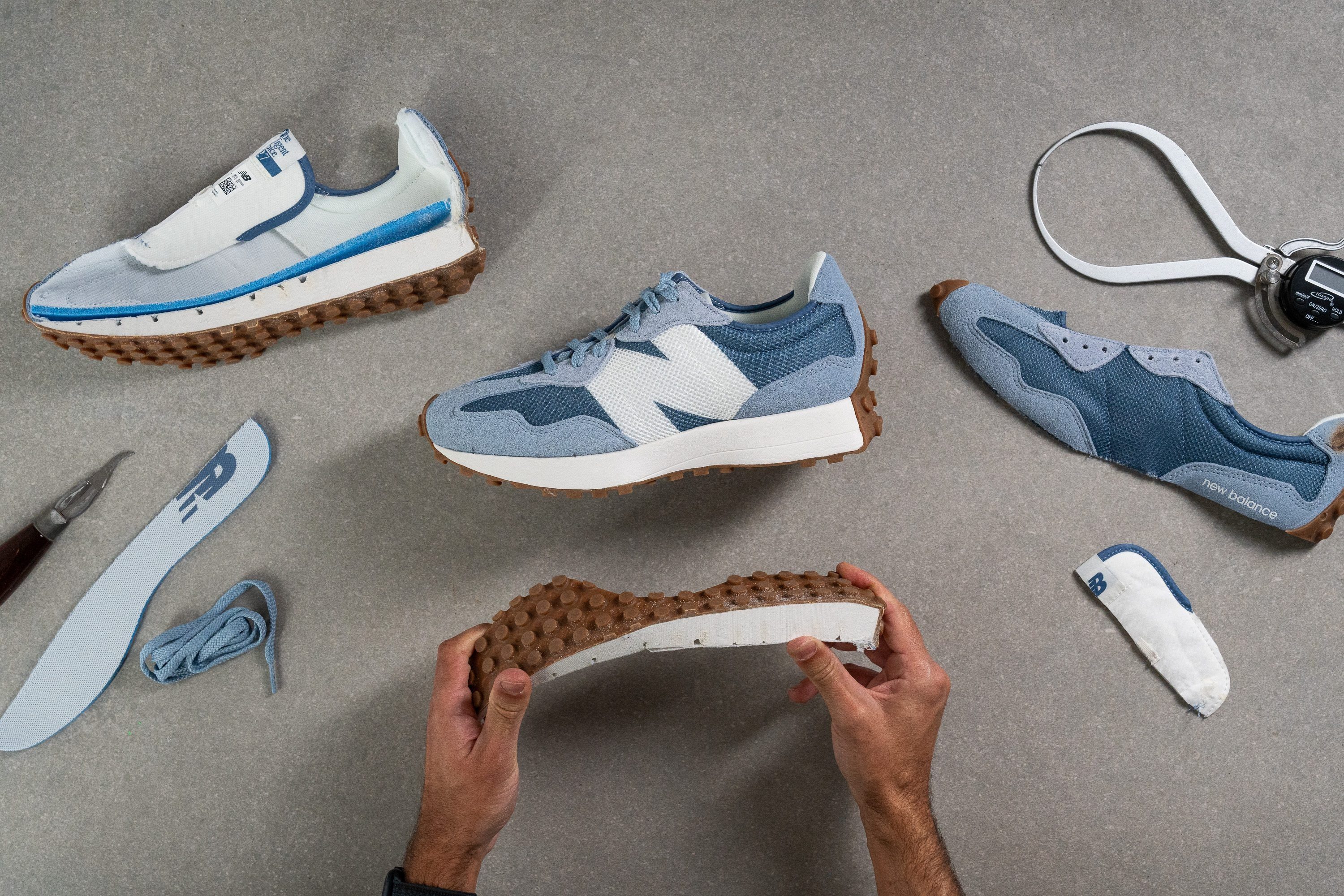
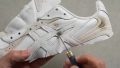
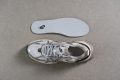
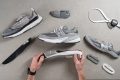
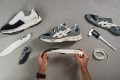
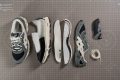
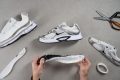
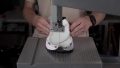
All the sneakers for plantar fasciitis that we test go through extensive testing and, for some of it, we have to cut the sneakers into pieces. This allows us to examine and measure various bits and pieces.
5 features to look for in sneakers for plantar fasciitis
Based on our wear tests and lab tests, we realized that these 5 features are needed if you’re struggling with plantar fasciitis:
- Sneakers should have a shock absorption of at least 100 SA to be protective enough
- High heel drop, 8mm at least
- Midsoles that are not plush (too soft). We recommend those that scored at least 33 using an Asker C durometer
- Torsionally rigid platforms
- Stiff heel counters.
We will dive deep into each of these features below to explain why we find them so important for plantar fasciitis.
1. Shock absorption is very important when you’re experiencing plantar fasciitis
Shock absorption tells us how protective the midsole is in terms of dealing with the impact forces. When shock absorption is good (high), the midsole attenuates the impact, which means that less stress is sent to the legs. Given the nature of plantar fasciitis, this feature is very important because our feet already have an injury to deal with.
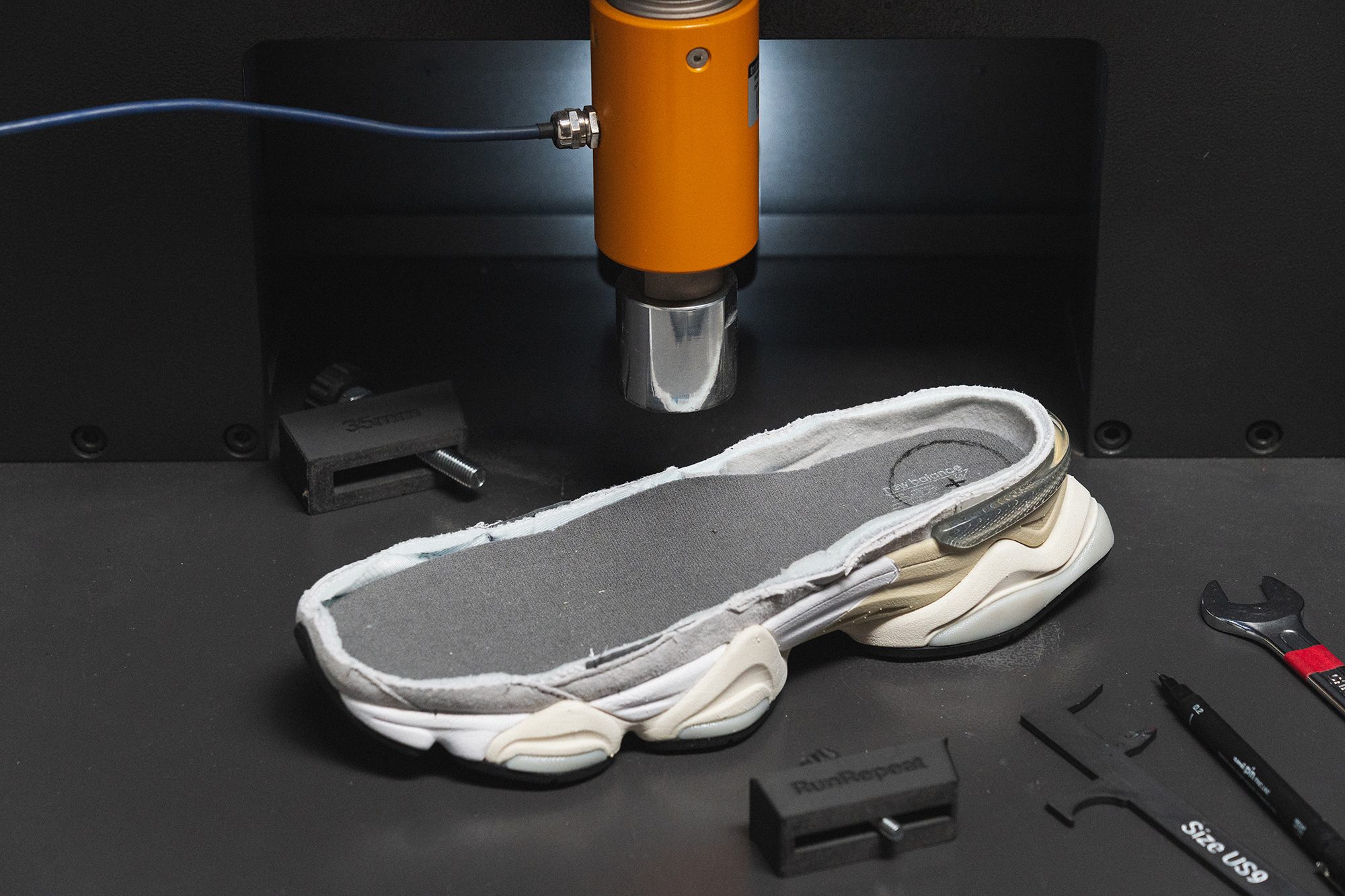
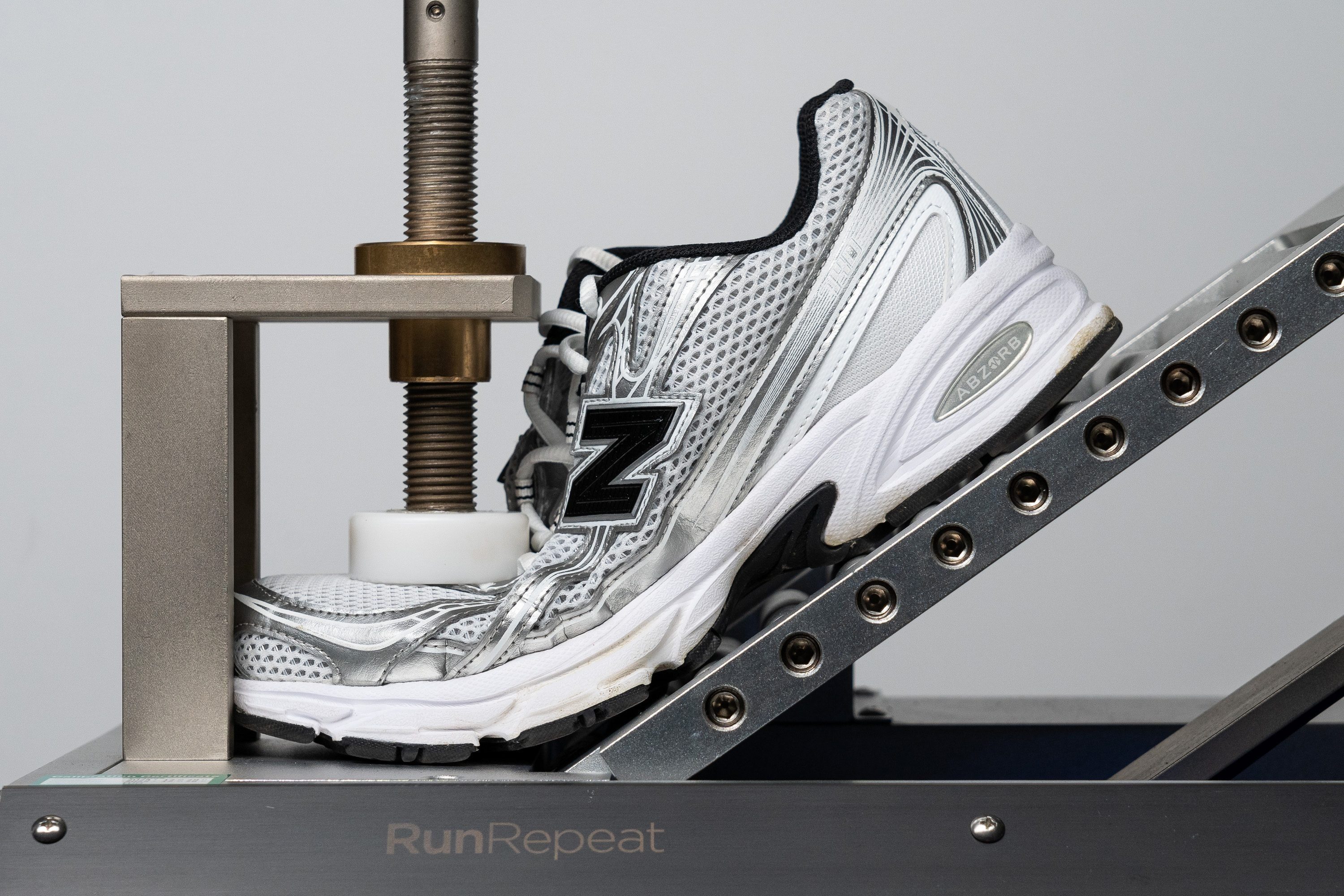
Testing the shock absorption of sneakers for plantar fasciitis following the ASTM F1976 13 methodology
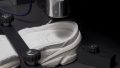
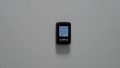
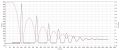
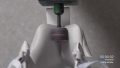
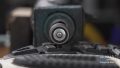
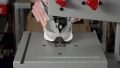
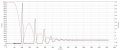
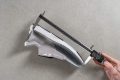
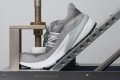
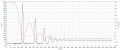
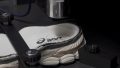
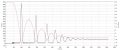
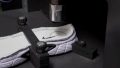
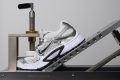
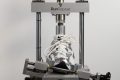
When testing the shock absorption, we use a specialized machine and honor the ASTM F1976 13 protocol. This means that we drop an 8.5kg mass from a 5 cm height onto the heel, exactly at 12% of the inner shoe length. This standardization of the test means that each sneaker is treated the same.
2. High heel drop is a must for plantar fasciitis
Heel-to-toe drop, or heel drop, is the difference in height between the heel and the forefoot in footwear. It goes from 0 mm, which we call zero drop, to very high or, better to say, very steep! The highest heel drop we’ve measured so far in our lab is 22.6 mm.
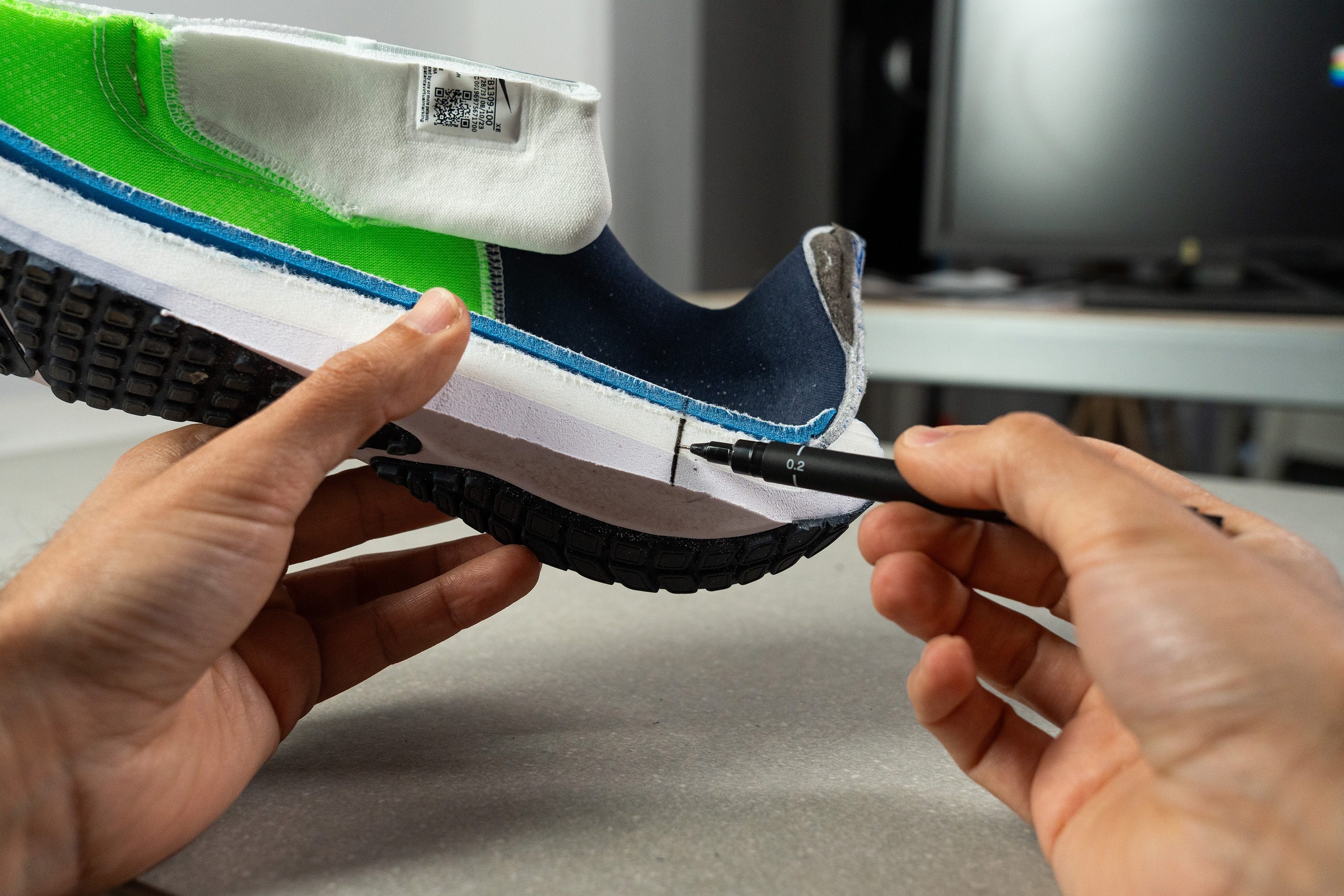
Based on plenty of research done for running shoes, there are 4 groups of heel drops: zero, low, mid, and high. For plantar fasciitis, we recommend a drop of 8 mm or higher (high heel drop). We do so because it’s important to relieve the plantar fascia of any pressure that is not necessary and, by choosing a higher drop, we’re choosing to utilize higher-leg muscles more than the lower ones.
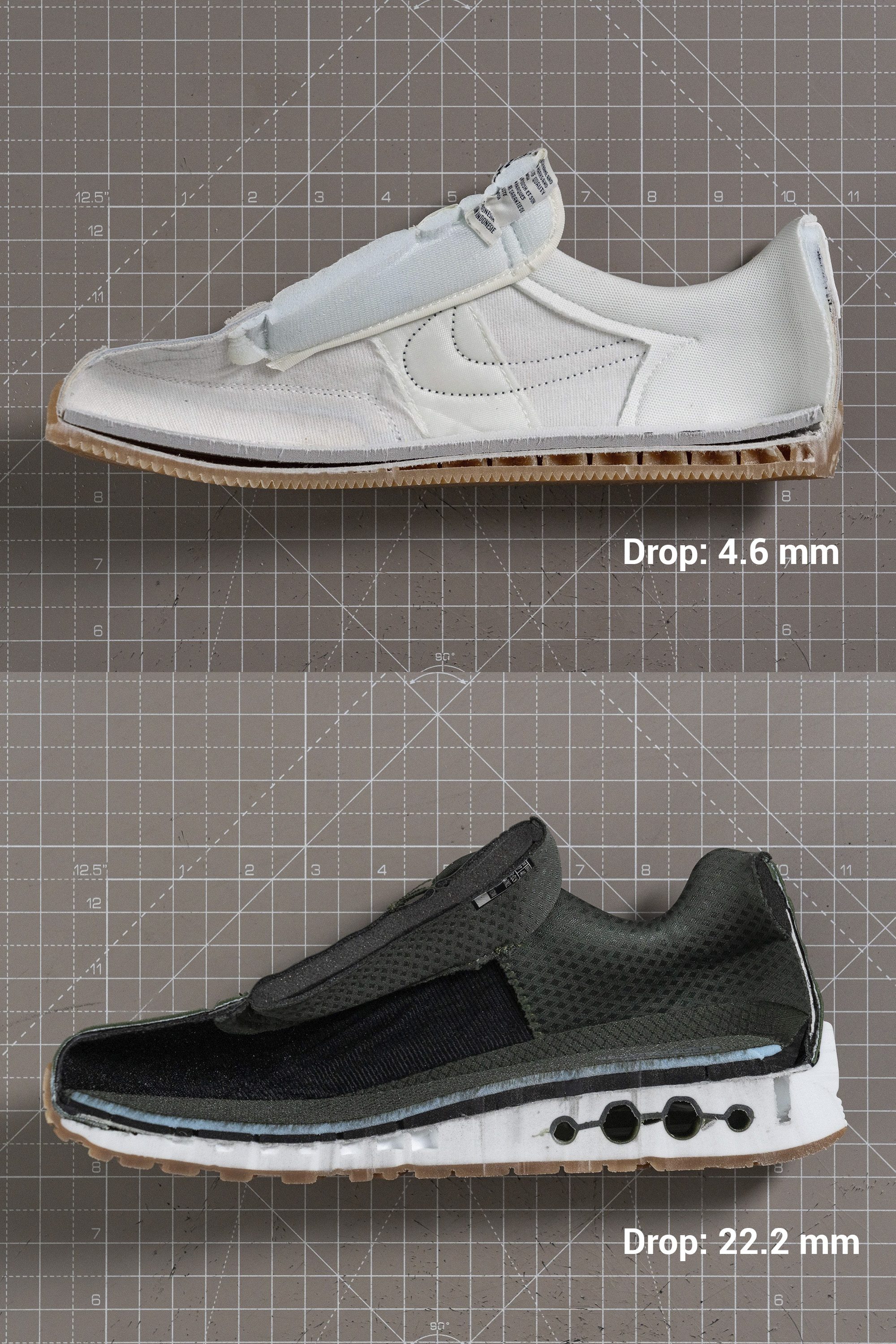
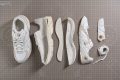
If you like steep sneakers, here’s a selection of those with the highest heel to toe drop:
3. Very soft midsoles are out of the picture
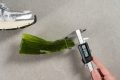
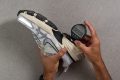
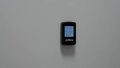
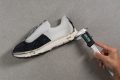
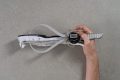
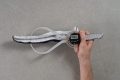
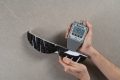
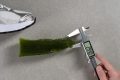
The softness of the midsole is measured with a shore A durometer on a sneaker that’s cut in half, as that’s the only proper way to do it. Once the needle is stuck into the midsole, we get a reading on a digital display and the higher it is, the firmer the midsole.
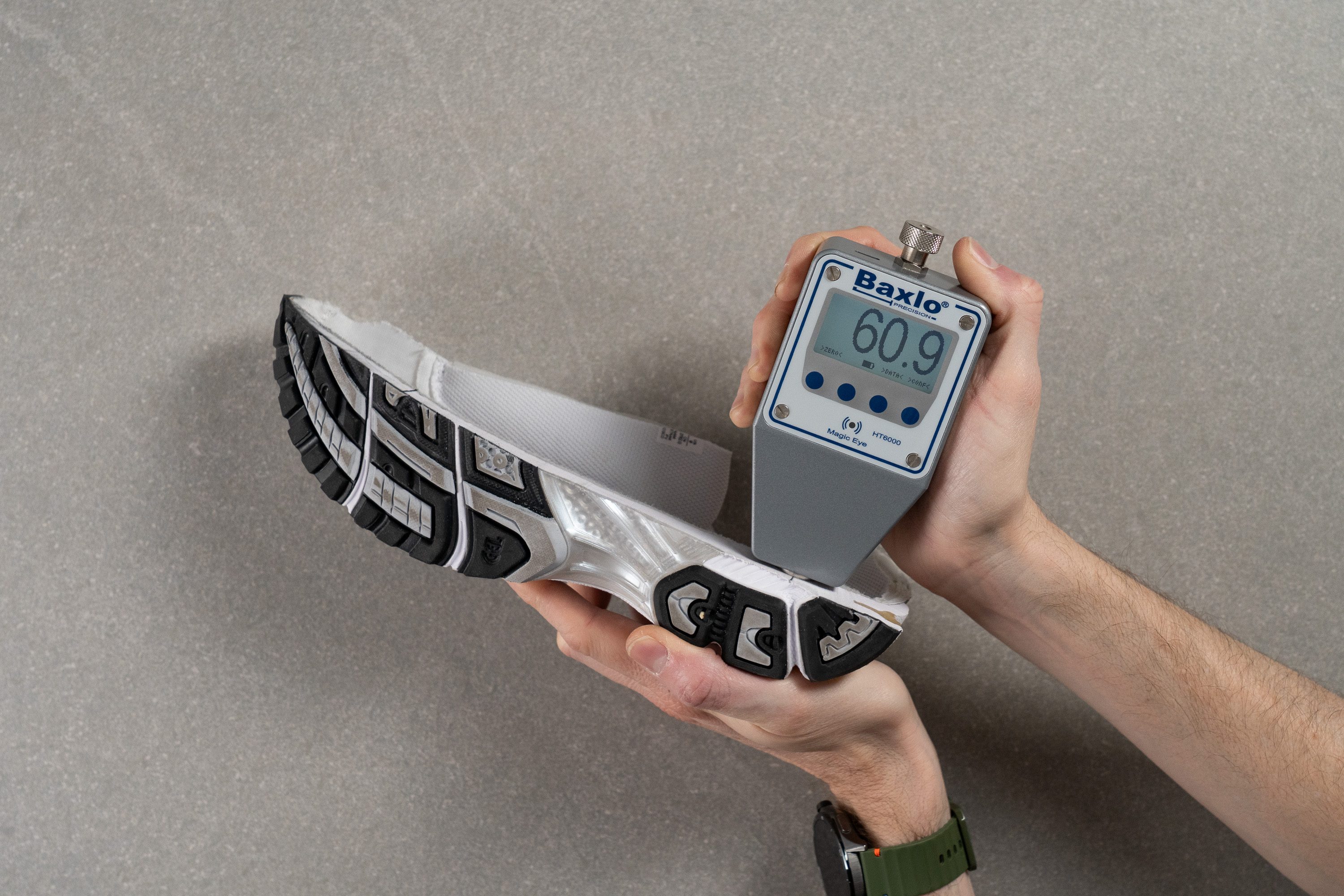
For those experiencing plantar fasciitis, we recommend a midsole softness of at least 33. Fortunately, the majority of sneakers are above that limit! At the moment of writing this guide, the measured softness range is 34-81 AC.
We recommend this just to be on the safe side and avoid too soft midsoles. These midsoles would make the platform more unstable as the feet may be able to wobble. Any extra (micro) movement may put more stress on the plantar fascia and we wantt to avoid that.
4. Hard to get twist sneakers are great for plantar fasciitis
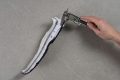
If you hold a sneaker in your hands, you can do 2 things to test its flexibility: try to bend it, to test its longitudinal stiffness, and try to twist it, to test its torsional rigidity. When talking about plantar fasciitis, we care about the latter.
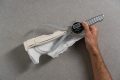
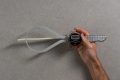
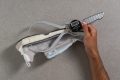
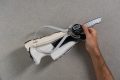
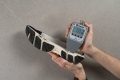
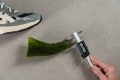
Assessing torsional rigidity on a 1-5 scale, where 5/5 is the most rigid and 1/5 very flexible. This sneaker scored 5/5
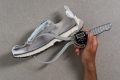
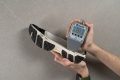
We recommend finding sneakers that scored 3/5, 4/5, or 5/5 on our torsional rigidity assessment. This means that if you try to twist them with your own hands, they will resist it. This torsional rigidity is important because it does not allow the foot to twist. This twisting would make the foot muscles work more, and, with the plantar fascia already inflamed, it could bring more stress to it.
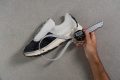
We recommend avoiding sneakers that are easy to twist, like this one, which scored 1/5 on our torsional rigidity test
Unlike this twisting movement, longitudinal flexibility is about being able to bend the foot with the sneaker. This is possible in flexible sneakers and not possible in longitudinally stiff sneakers. The great thing is, you can choose which one you want.
If you’re looking for sneakers that bend more naturally with your feet, look for lower numbers under Flexibility/Stiffness.
This torsional rigidity that we recommend is another reason why minimalist sneakers are out of the picture for those struggling with plantar fasciitis. The super flexible (in all directions) platform offers no support, there’s not enough midsole to cushion the impact, and the heel drop is not high enough to save the plantar fascia from additional stress.
5. You will love stiff heel counters in sneakers for plantar fasciitis
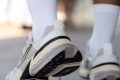
Together with a torsionally rigid platform, stiff heel counters feel super supportive! In our experience, they are important because they lock the heel in place and add an extra layer of stability. This is almost immediately felt.
Very stiff heel counter (5/5)
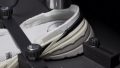
In our lab, we assess the stiffness of the heel counter by squeezing it and pushing it. We assign it a 1-5 rating, where 1/5 is the very flexible and 5/5 very stiff. For plantar fasciitis, we recommend heel counters that scored at least 3/5.
Very flexible heel counter (1/5) is pliable and often even sock-like but offers zero support
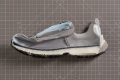
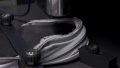
Although this stiffness may sound harsh, we have some good news: these stiff heel counters are padded. Often, very padded! Look at the examples below.
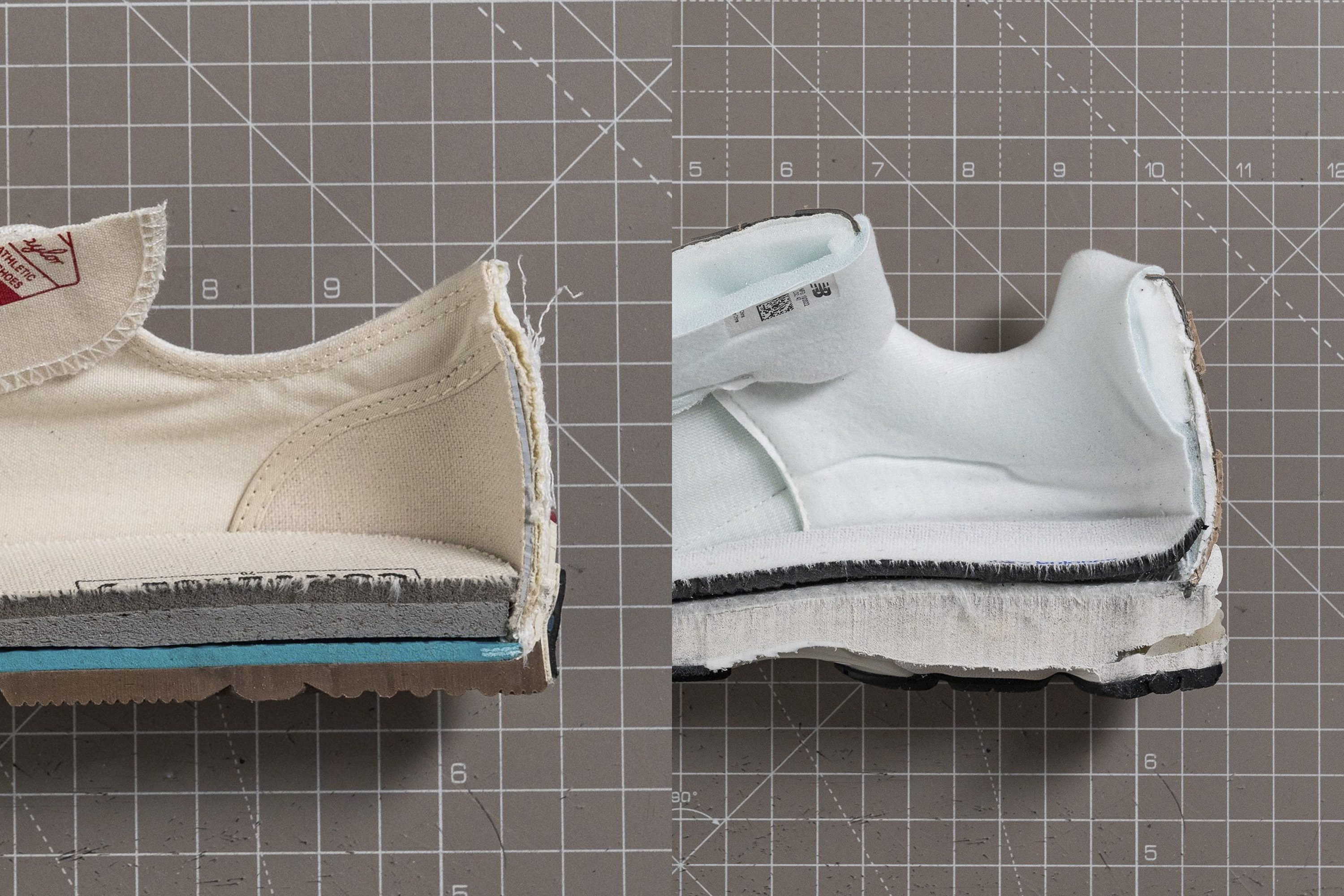
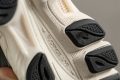
This stiffness comes from internal and/or external heel counters.
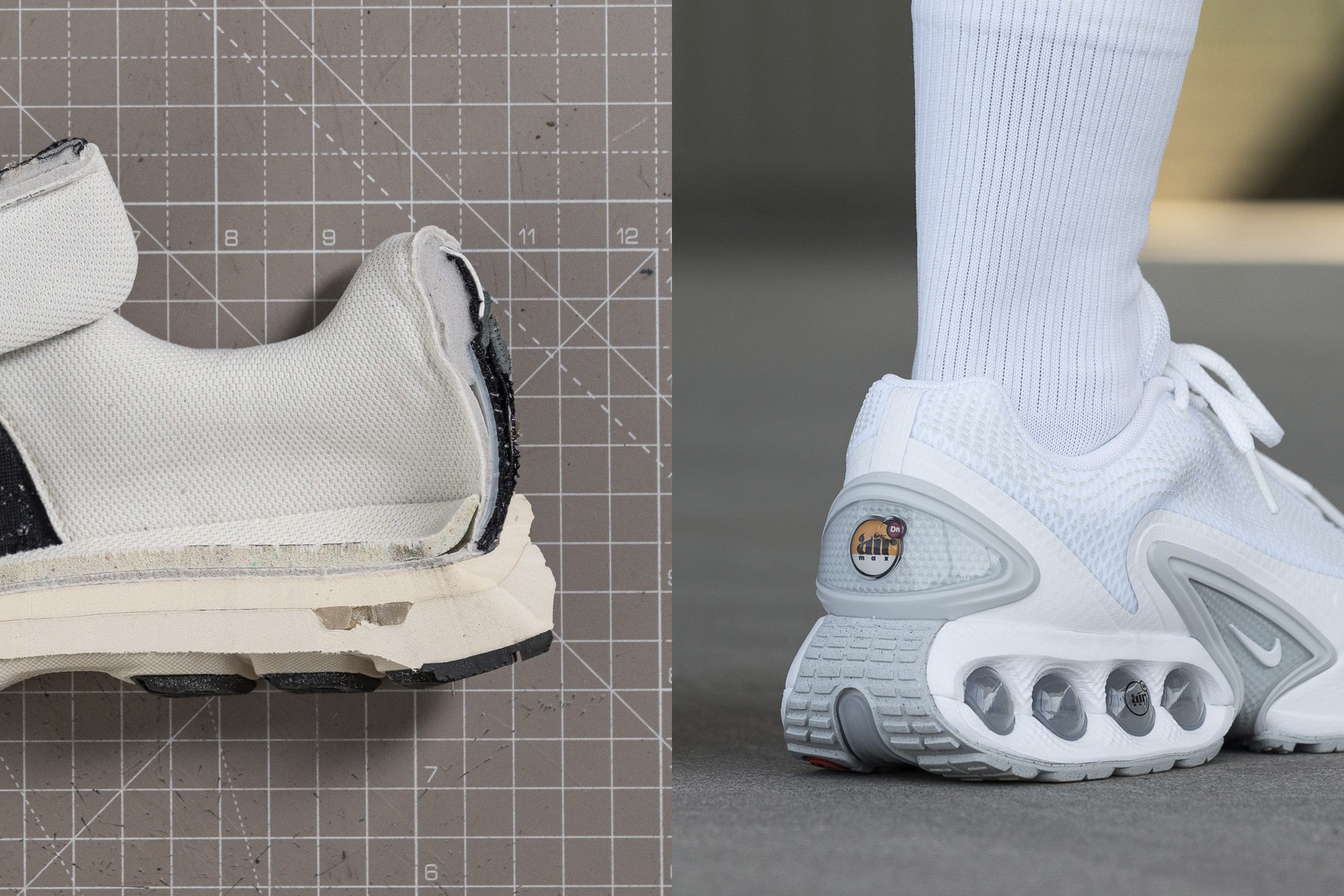
The external ones are easy to notice, and the internal ones are visible when we cut the sneakers in half.
Finding budget sneakers for plantar fasciitis
Even if the sneaker you're considering is expensive at the moment, you may wait for it to get discounted. At any moment, you can look at the price history on our website or set a price alert so that you're notified once the price drops. You can also visit the deals page to look for the biggest discounts!
In the table above, MSRP stands for manufacturer's suggested retail price. This means that we're looking at the prices when the sneakers were released. The good thing is, discounts happen all the time and you can look for them.
Similar buying guides