








Our verdict
- Urban 50
- Speed 56
- Day hiking 82
- Backpacking 81
Pros
- Mesmerizing comfort
- Surprisingly light
- Terrific surface traction
- Quite durable
- True to size
- Supportive underfoot
- Exemplary craftsmanship
- Breathable for mild temperatures
Cons
- Not for wide feet
- Needs breaking-in
Awards
- Top pick in best hiking boots
- Top pick in best backpacking boots
- Top 30% in hiking boots
Comparison
The most similar hiking boots compared
+ + Add a shoe | |||||
|---|---|---|---|---|---|
| Our score | 88 Great | 87 Great | 89 Great | 87 Great | |
| Price | $229 | $185 | $235 | $249 | |
| Trail terrain | Snow / Icy terrainRocky / Technical terrainVersatile / Moderate terrain | Rocky / Technical terrainVersatile / Moderate terrain | Snow / Icy terrainRocky / Technical terrainVersatile / Moderate terrain | Snow / Icy terrainRocky / Technical terrainVersatile / Moderate terrain | |
| Shock absorption | - | Moderate | Low | - | |
| Energy return | - | Moderate | High | - | |
| Traction | - | Low | - | - | |
| Weight lab Weight brand | 20.6 oz / 583g 20.6 oz / 585g | 15.4 oz / 437g 15.5 oz / 440g | 21.2 oz / 601g 19.4 oz / 550g | 20 oz / 567g 19.6 oz / 555g | |
| Lightweight | ✗ | ✓ | ✗ | ✗ | |
| Breathability | Warm | Warm | Warm | Warm | |
| Use | BackpackingDay Hiking | BackpackingDay Hiking | BackpackingDay Hiking | Backpacking | |
| Orthotic friendly | ✓ | ✓ | ✓ | ✓ | |
| Drop lab | 14.0 mm | 12.7 mm | 12.6 mm | 18.5 mm | |
| Size | Slightly small | True to size | Slightly small | True to size | |
| Midsole softness | - | Firm | Firm | Firm | |
| Difference in midsole softness in cold | Small | Small | Normal | Small | |
| Heel counter stiffness | Moderate | Flexible | Moderate | Stiff | |
| Stiffness | - | Stiff | Stiff | - | |
| Outsole hardness | Hard | - | Very soft | Hard | |
| Waterproofing | Waterproof | Waterproof | Waterproof | Waterproof | |
| Material | Suede | Textile | Leather | LeatherSuedeTextile | |
| Season | - | Winter | Winter | Winter | |
| Toebox durability | Good | Decent | Good | Good | |
| Heel padding durability | Good | Decent | Decent | Good | |
| Outsole durability | Good | Bad | Decent | Decent | |
| Width / fit | Medium | Medium | Medium | Wide | |
| Toebox width | Narrow | Medium | Medium | Medium | |
| Lug depth | 4.0 mm | 3.5 mm | 4.7 mm | 4.0 mm | |
| Heel stack lab | 34.2 mm | 32.5 mm | 36.3 mm | 41.8 mm | |
| Forefoot | 20.2 mm | 19.8 mm | 23.7 mm | 23.3 mm | |
| Widths available | Normal | NormalWide | Normal | Normal | |
| Technology | Gore-TexVibram | Gore-Tex | Gore-Tex | Gore-Tex | |
| Cut | Mid cut | Mid cut | Mid cut | High cut | |
| Removable insole | ✓ | ✓ | ✓ | ✓ | |
| Ranking | #13 Top 30% | #14 Top 32% | #10 Top 23% | #16 Top 37% | |
| Popularity | #43 Bottom 2% | #1 Top 3% | #25 Bottom 43% | #29 Bottom 34% |

Who should buy
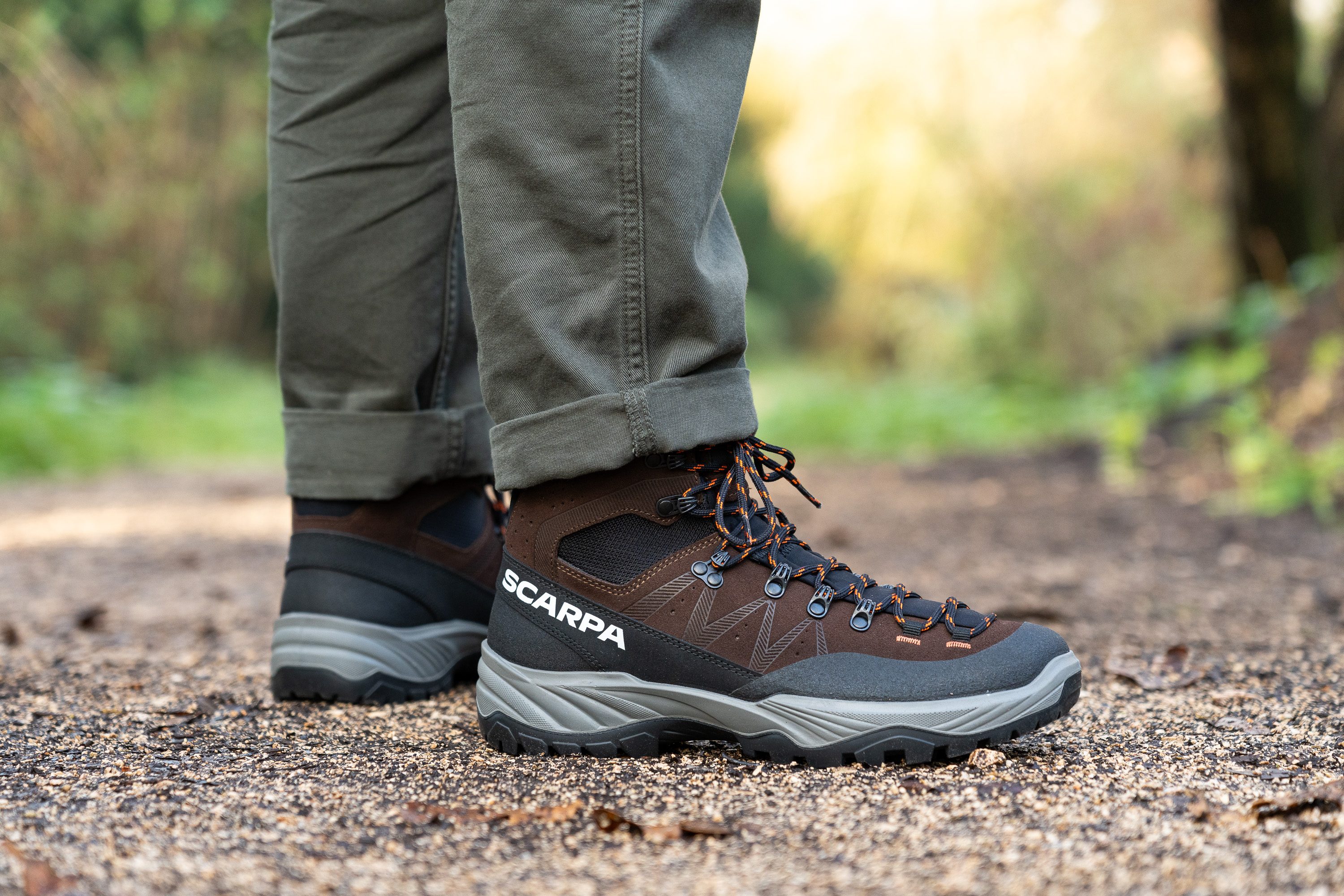
We recommend the Vento GTX as an excellent choice for outdoor enthusiasts who:
- want a stable yet not overly burly boot for lighter and more fast-paced hikers
- need a moderately warm, waterproof boot for year-round use
- foot protection and durability in their hiking boots
Who should NOT buy
The Vento GTX's toebox doesn't have much space for the toes to splay out, making it a blister magnet for those with broad feet. We recommend the Salomon Quest 4 GTX or the Keen Pyrenees as roomier alternatives.
As a waterproof boot, the Vento GTX's leather upper does a great job of sealing our foot from the elements though this does make for a toasty ride. For a boot that boasts more suitable airflow for those dry, fairweather hikes, we recommend the Keen Voyageur Mid instead.
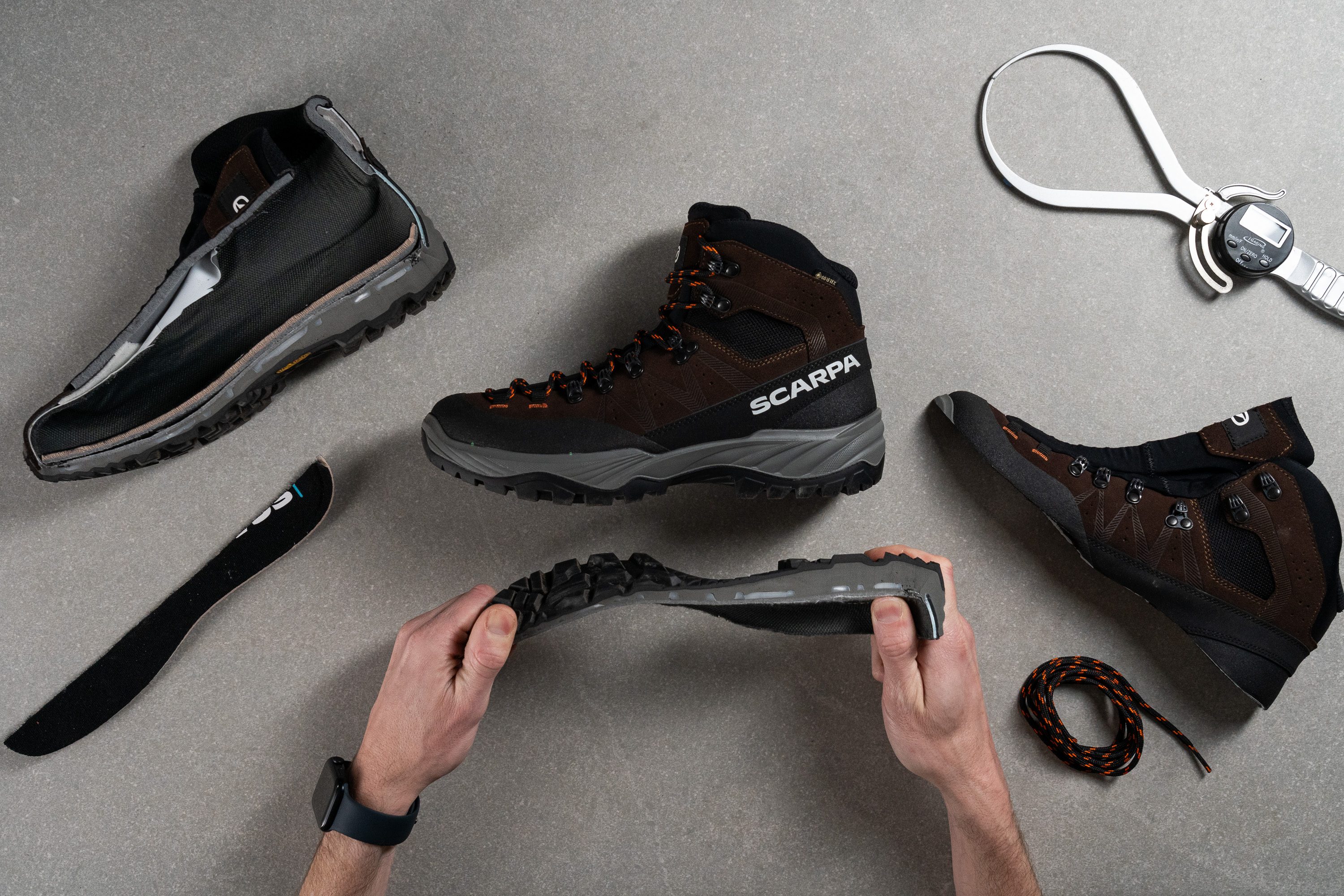
The Vento GTX is a relatively heavy boot, and if you want a lighter option that feels quick and nimble underfoot for those more casual hikes, we recommend the Salomon Outpulse Mid GTX instead.
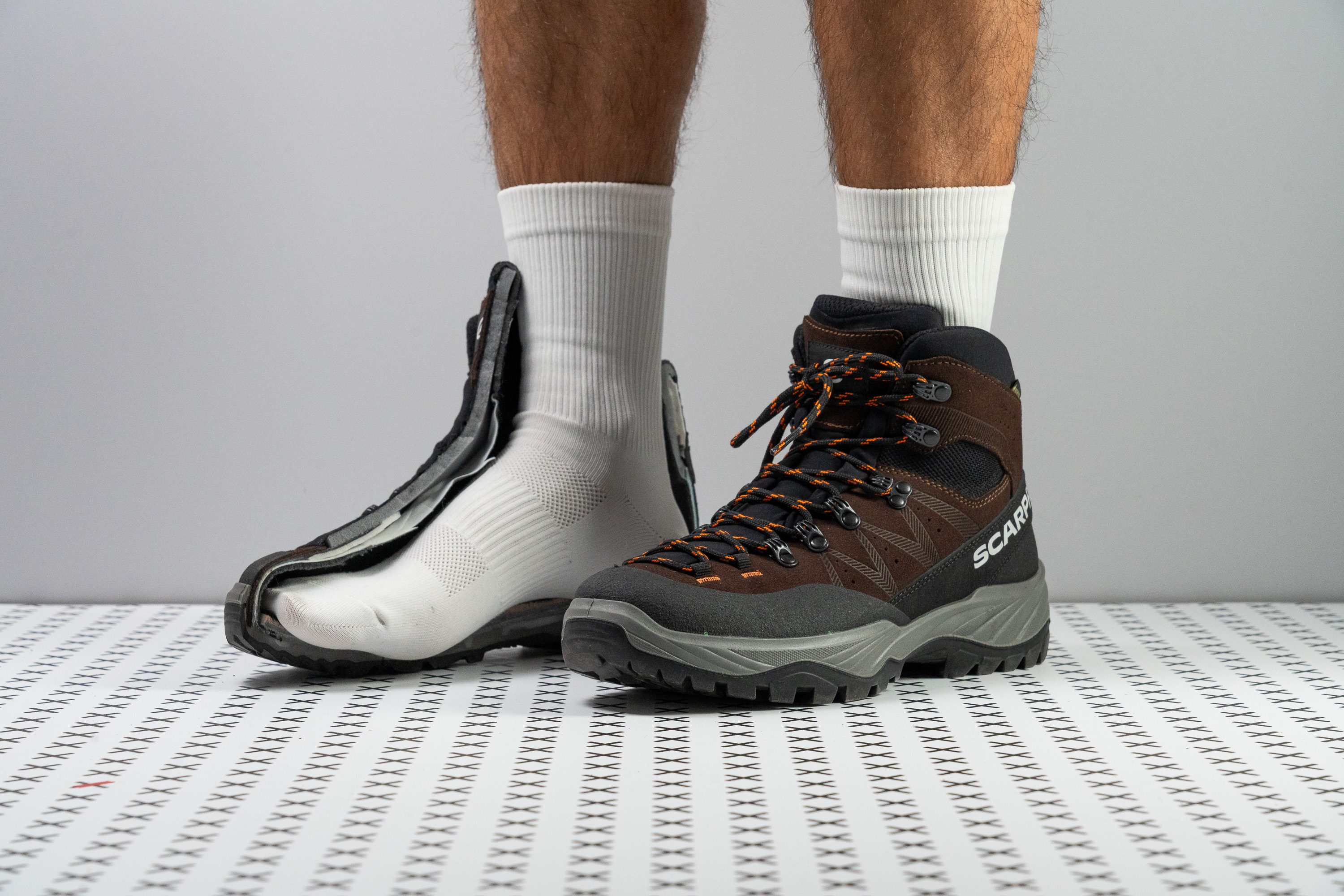
Scarpa Vento GTX is the new name for the Scarpa Boreas GTX
The boot was initially released as the Scarpa Boreas GTX in 2022. But apparently, the name of the Greek god Boreas, who ruled the cold north wind, storms, and winter, wasn't the best match for this boot's comparatively light construction. Meanwhile, the new word 'Vento,' Italian for 'wind,' better represents its less rugged, non-insulated build, which supports fast-paced day hikes and overnight adventures.
Cushioning
Heel stack
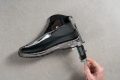
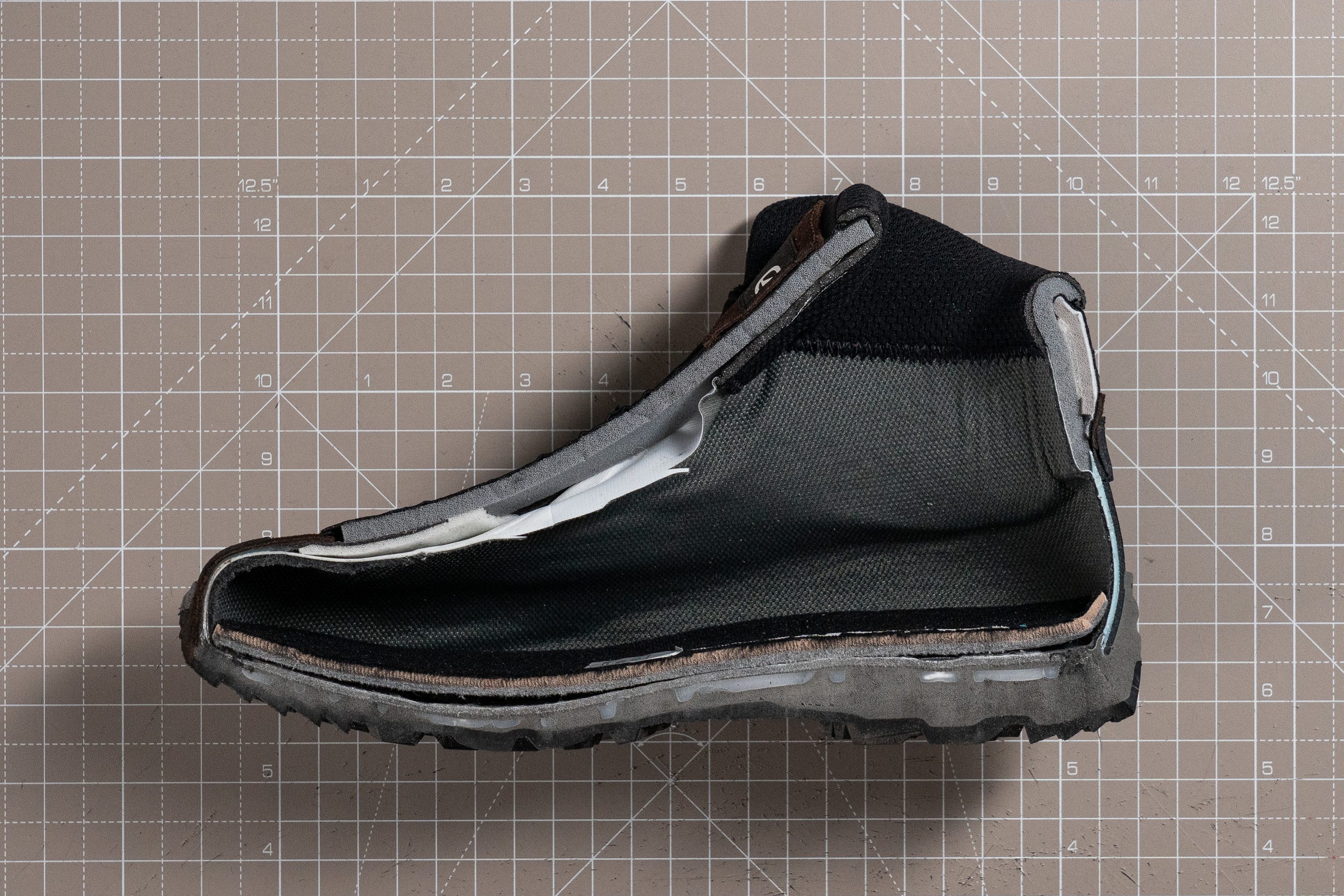
The Vento GTX's heel stack is within spitting range of our current lab average at 34.2 mm thick according to our caliper measurements. This gives us a healthy amount of midsole foam to effectively dampen our landings and keep us high above any underfoot hazards while hiking in this boot.
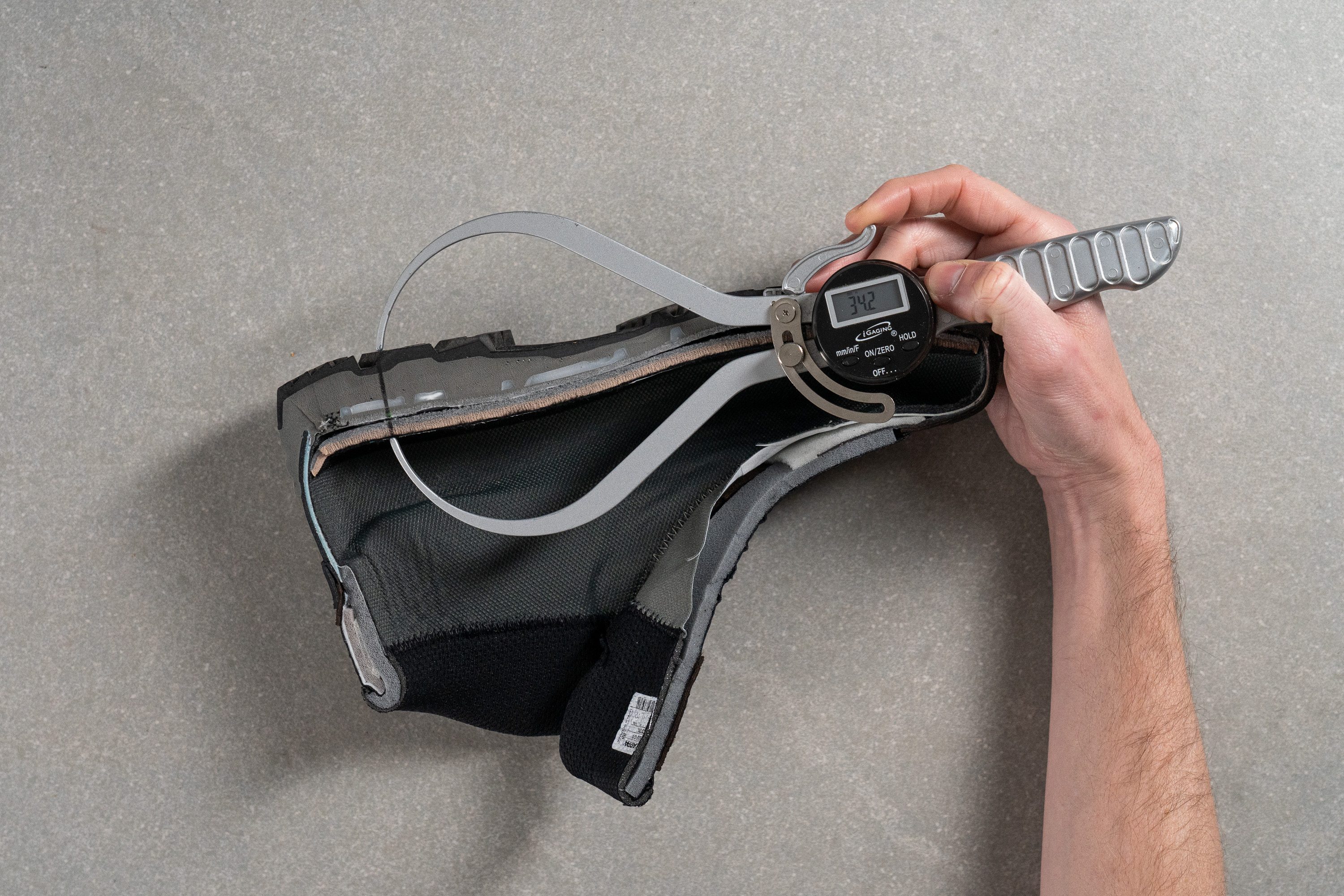
| Vento GTX | 34.2 mm |
| Average | 36.0 mm |
Forefoot stack
The boot's forefoot stack is also just shy of our current lab average at 20.2 mm thick. This amount of foam also adequately mutes the harsh surface below while still keeping us low enough to the ground for stable and intuitive toe-offs.
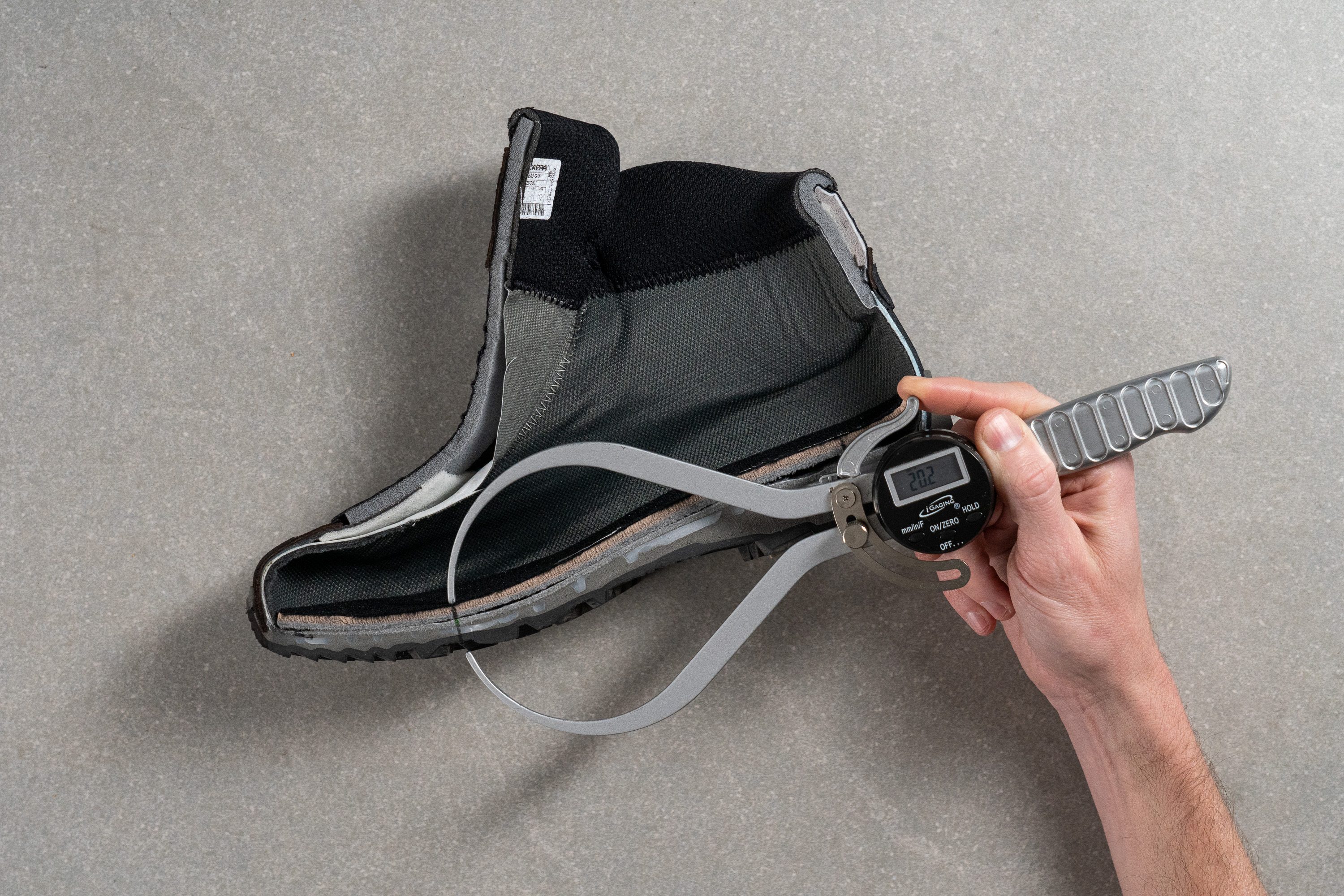
| Vento GTX | 20.2 mm |
| Average | 23.5 mm |
Drop
With the stack heights falling so close to the average, it's no wonder that the Vento GTX boasts an average drop height of 14 mm. This provides a healthy mix of an elevated and protected heel with a more grounded forefoot that's ideal for hiking.
For those curious about a more parallel-to-the-ground hiking experience, we recommend the zero-drop Altra Lone Peak Hiker 2 instead.
| Vento GTX | 14.0 mm |
| Average | 12.4 mm |
Midsole softness
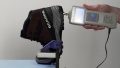
Pressing our durometer against the Vento GTX's midsole yields a harder-than-average reading of 28.1 HA.
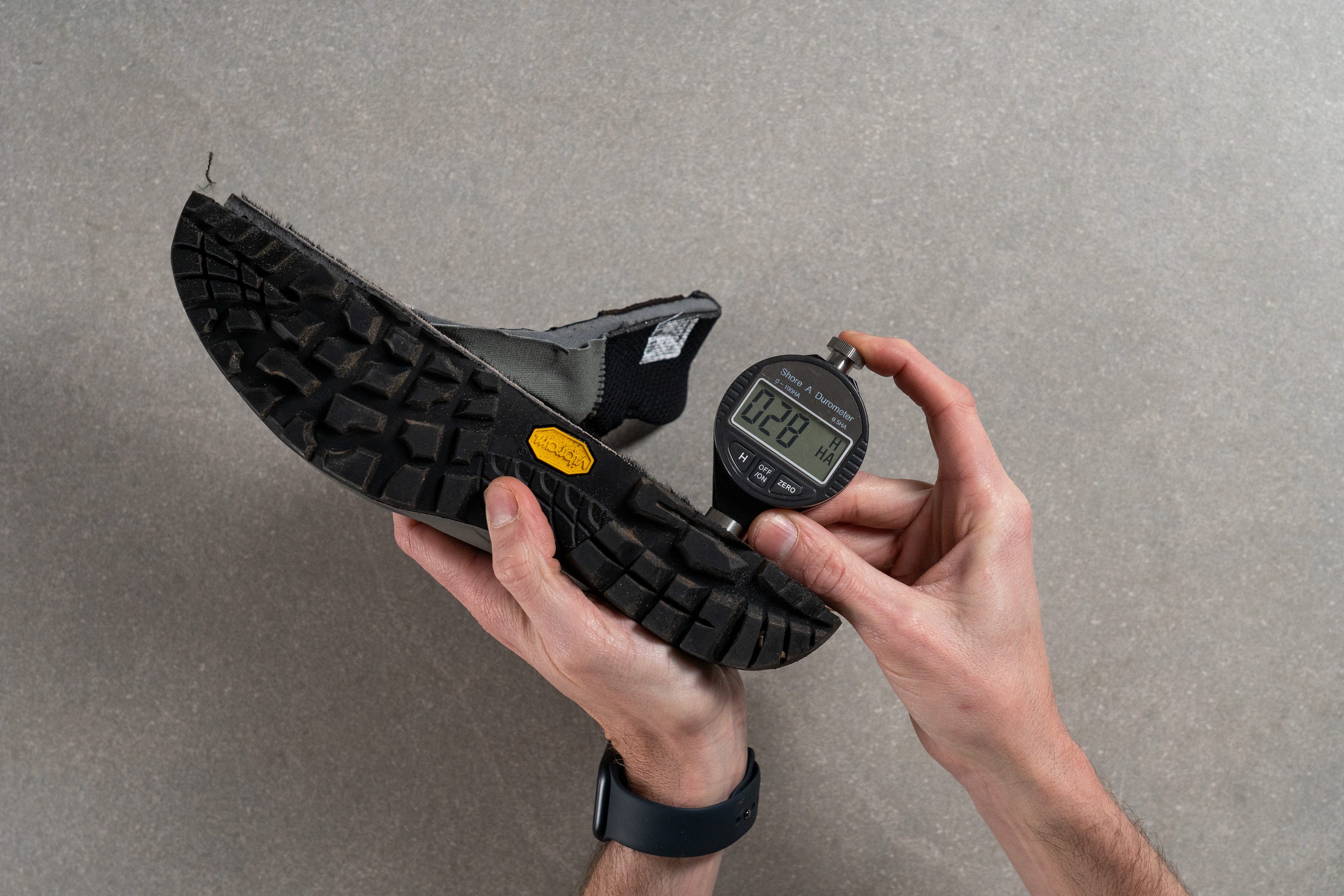
This means that, while protective, the boot's midsole feels quite brick-like underfoot due to how little it compresses under our weight.
However, for what this lacks in comfort it more than makes up for with a stable and tank-like ride that gave our feet an invulnerable sensation as we stomped along the trails. This is especially beneficial for backpacking adventures as the firm foam won't feel wobbly under the added weight of heavy gear.
| Vento GTX | 28.1 HA |
| Average | 28.7 HA |
Size and fit
Size
Scarpa Vento GTX fits slightly small (17 votes).
Internal length
| Vento GTX | 271.0 mm |
| Average | 270.8 mm |
Width / Fit
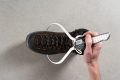
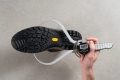
Using our caliper, we measured the Vento GTX's toebox to be 100.8 mm wide at its widest point.
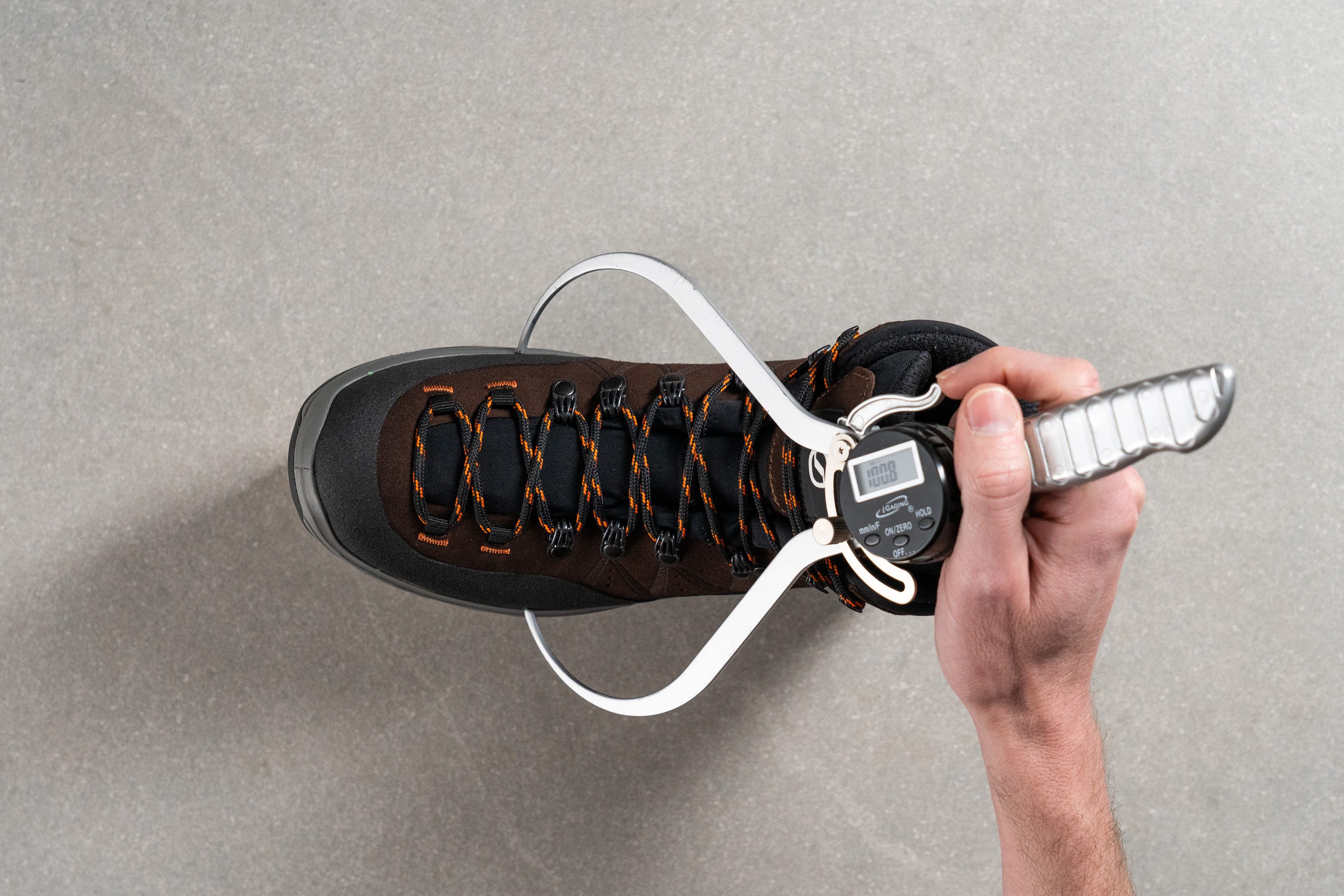
This is a little narrower than average but should be a comfy fit for those with narrow to normal-width feet. Broad-footed hikers, on the other hand, should consider a roomier alternative like the Keen Pyrenees which is spacious enough to account for some foot swelling towards the end of longer excursions.
This test follows an older methodology, which is why you don't see recently tested shoes in the chart. Results from different methodologies can not be compared.
| Vento GTX | 100.8 mm |
| Average | 101.9 mm |
Toebox width
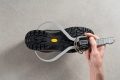
The Vento GTX's toebox tapers to 75.1 mm wide at the big toe which is significantly narrower than our current lab average.
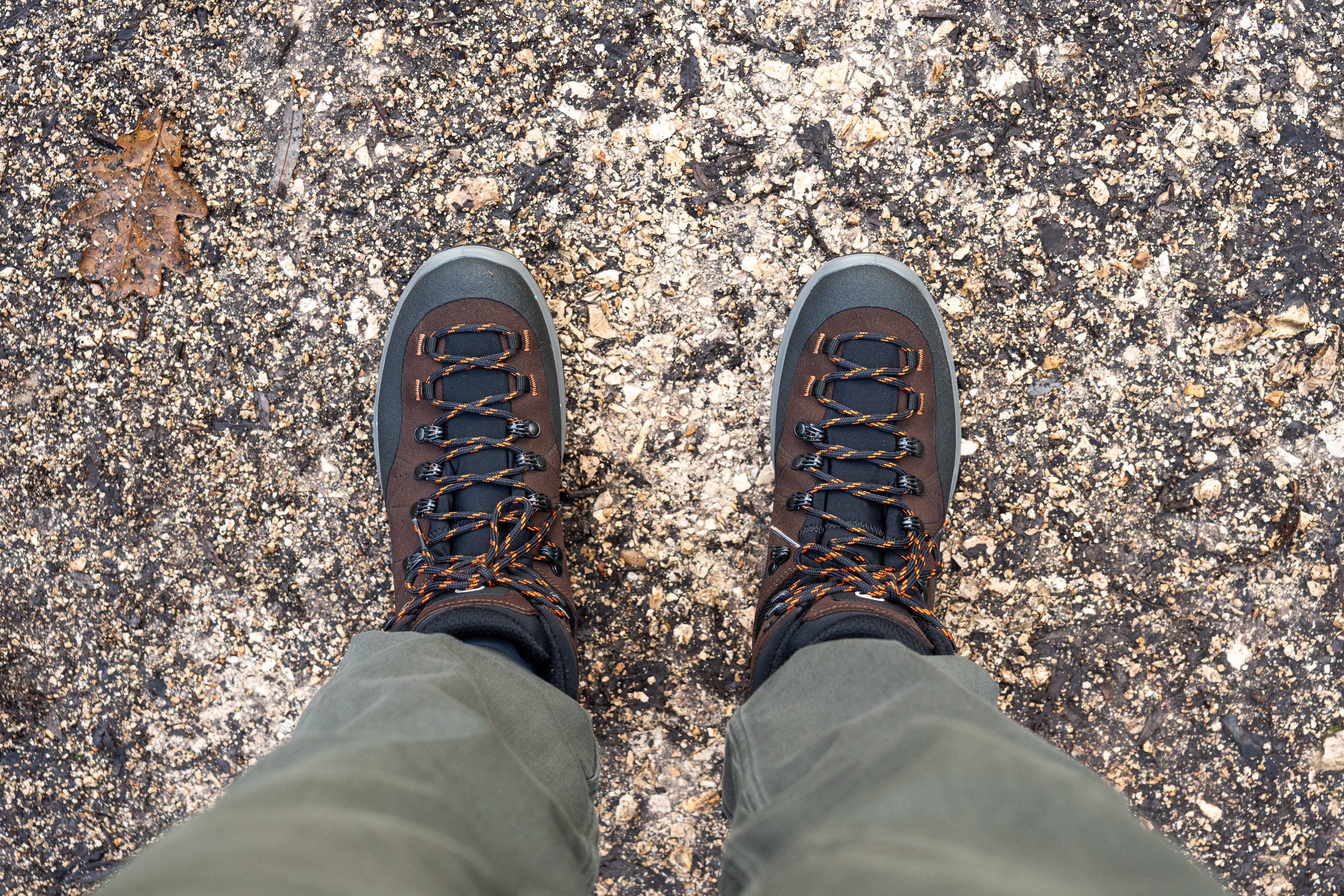
This feels a little constrictive and limits how much our toes can splay while hiking in this boot. Depending on foot shape, this can lead to hotspots and/or blisters if the big toe is constantly butting up against the sidewalls, especially if frequently descending hills.
For a boot with a more natural, foot-shaped silhouette, we recommend checking out the Altra Lone Peak Hiker 2 as an alternative that boasts more real estate for the toes.
This test follows an older methodology, which is why you don't see recently tested shoes in the chart. Results from different methodologies can not be compared.
| Vento GTX | 75.1 mm |
| Average | 78.6 mm |
Traction / Grip
Lug depth
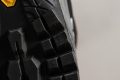
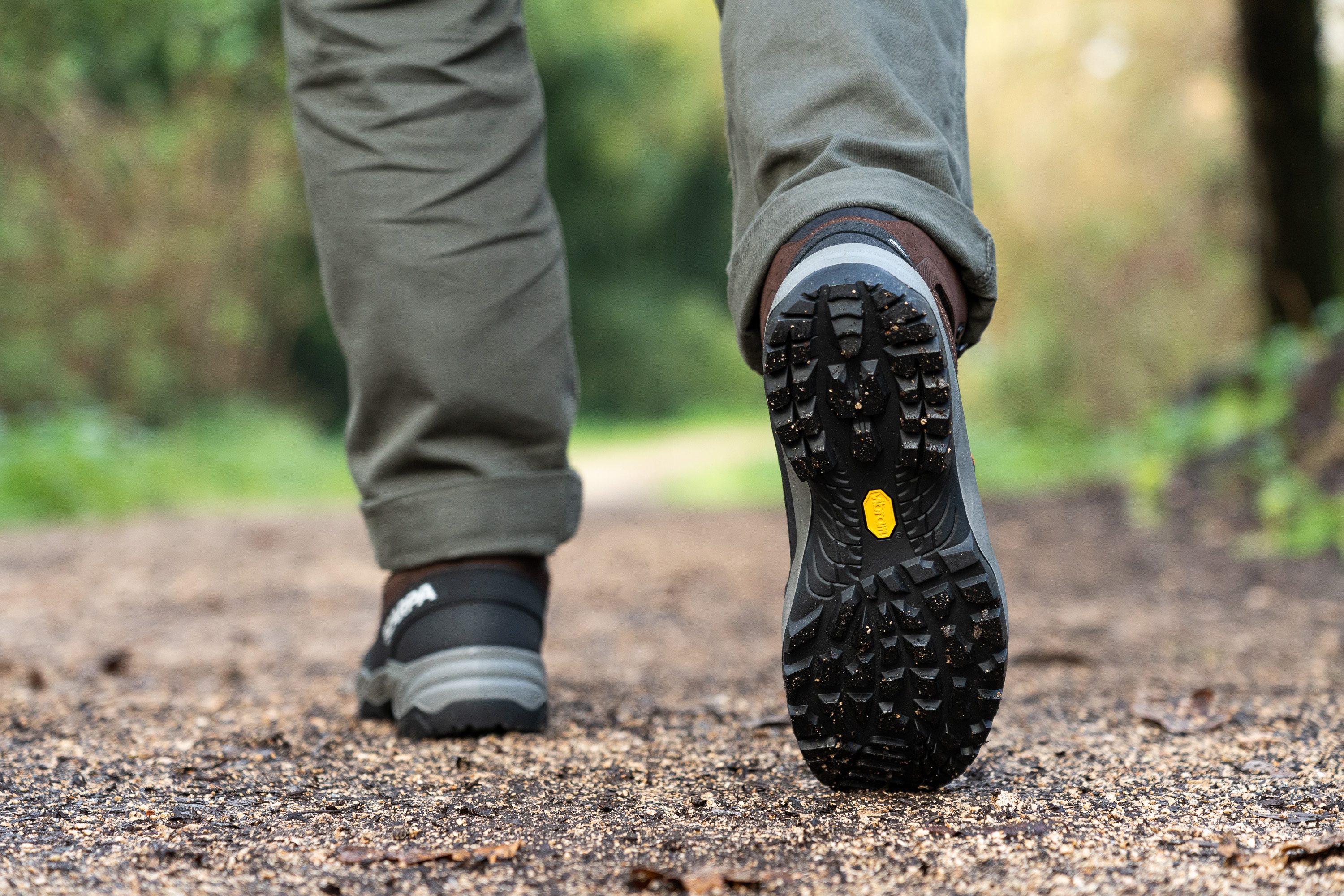
At 4 mm thick according to our caliper measurements, the Vento GTX's outsole lugs are on par with our current lab average.
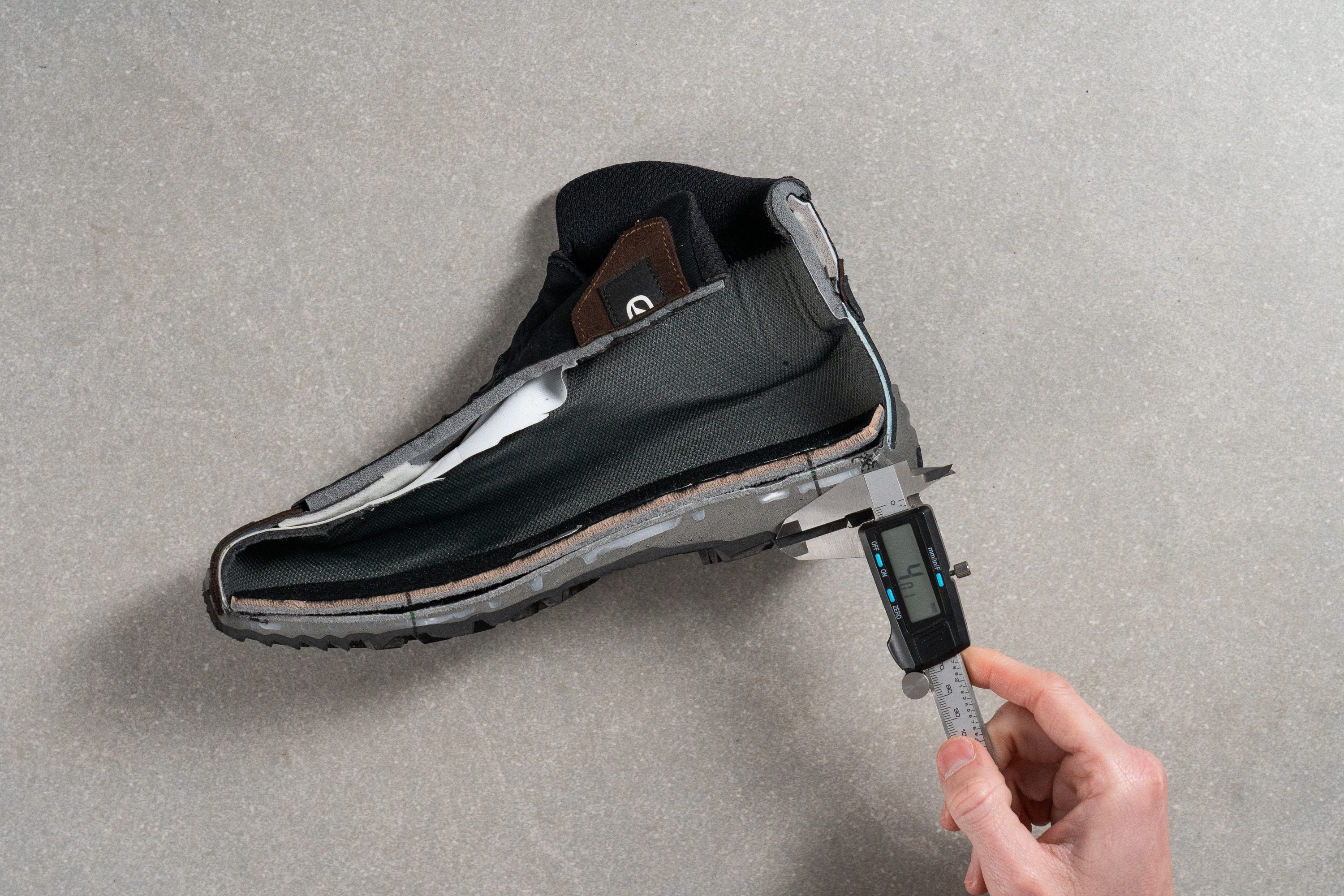
They also form an aggressive tread pattern that provides us with excellent traction on just about every surface we come across. Not to mention the stickiness of the Vibram compound which means that wet and mossy rocks didn't give us much pause as we splashed through riverbed crossings.
| Vento GTX | 4.0 mm |
| Average | 4.2 mm |
Flexibility / Stiffness
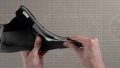
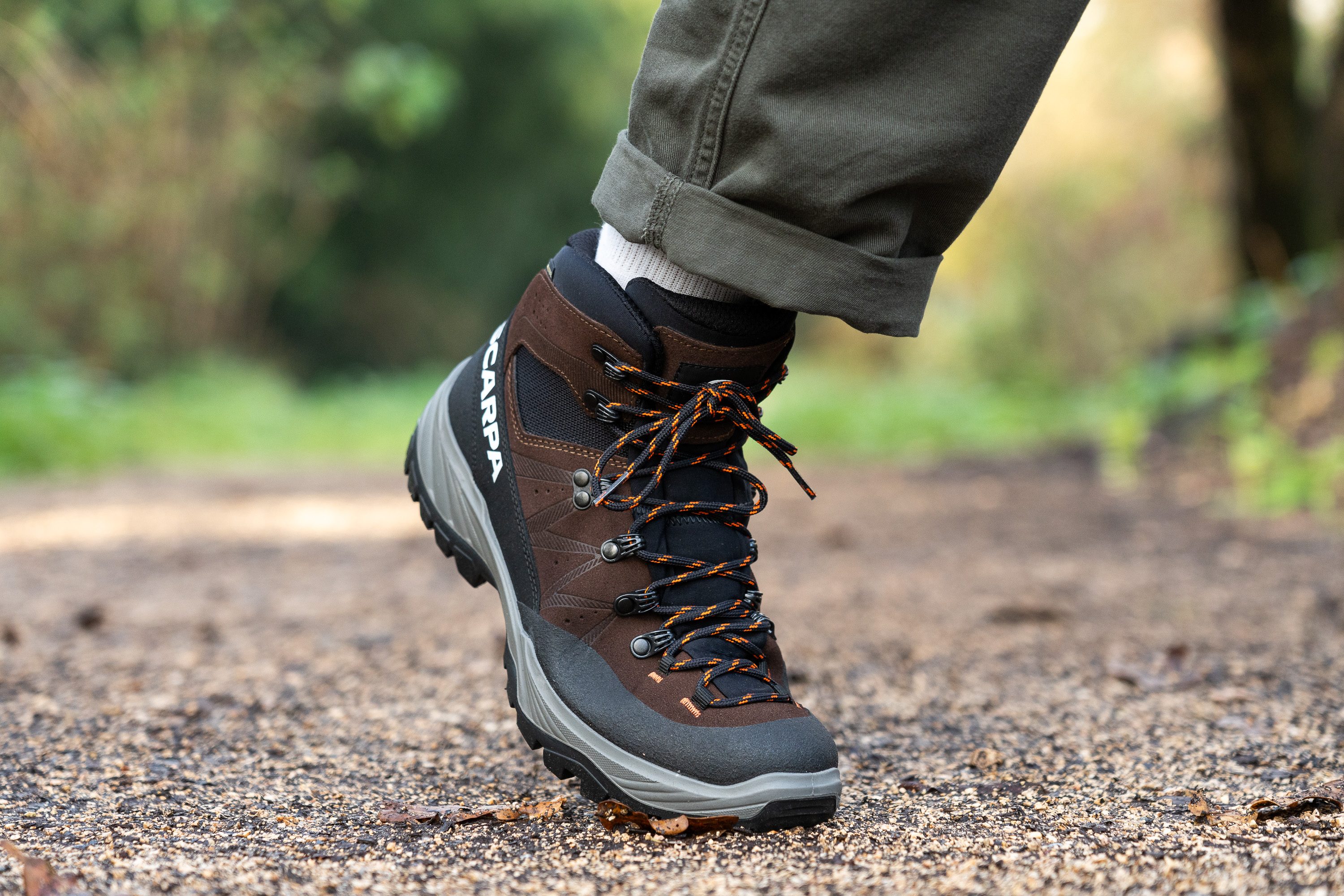
We secured the Vento GTX to our workbench and found that 44N of force is needed to bend it 90 degrees. This is very slightly stiffer than the average but still a rather stiff result.
While being inflexible does sacrifice some level of comfort as our foot struggles to flex naturally within the boot, it also gives us a much more stable feeling on the ground as our foot isn't liable to bend over every obstacle we encounter. This also helps in preventing foot fatigue from over-flexion and is very supportive for those suffering from conditions like plantar fasciitis.
This test follows an older methodology, which is why you don't see recently tested shoes in the chart. Results from different methodologies can not be compared.
| Vento GTX | 44.0N |
| Average | 44.7N |
Weight
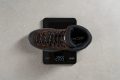
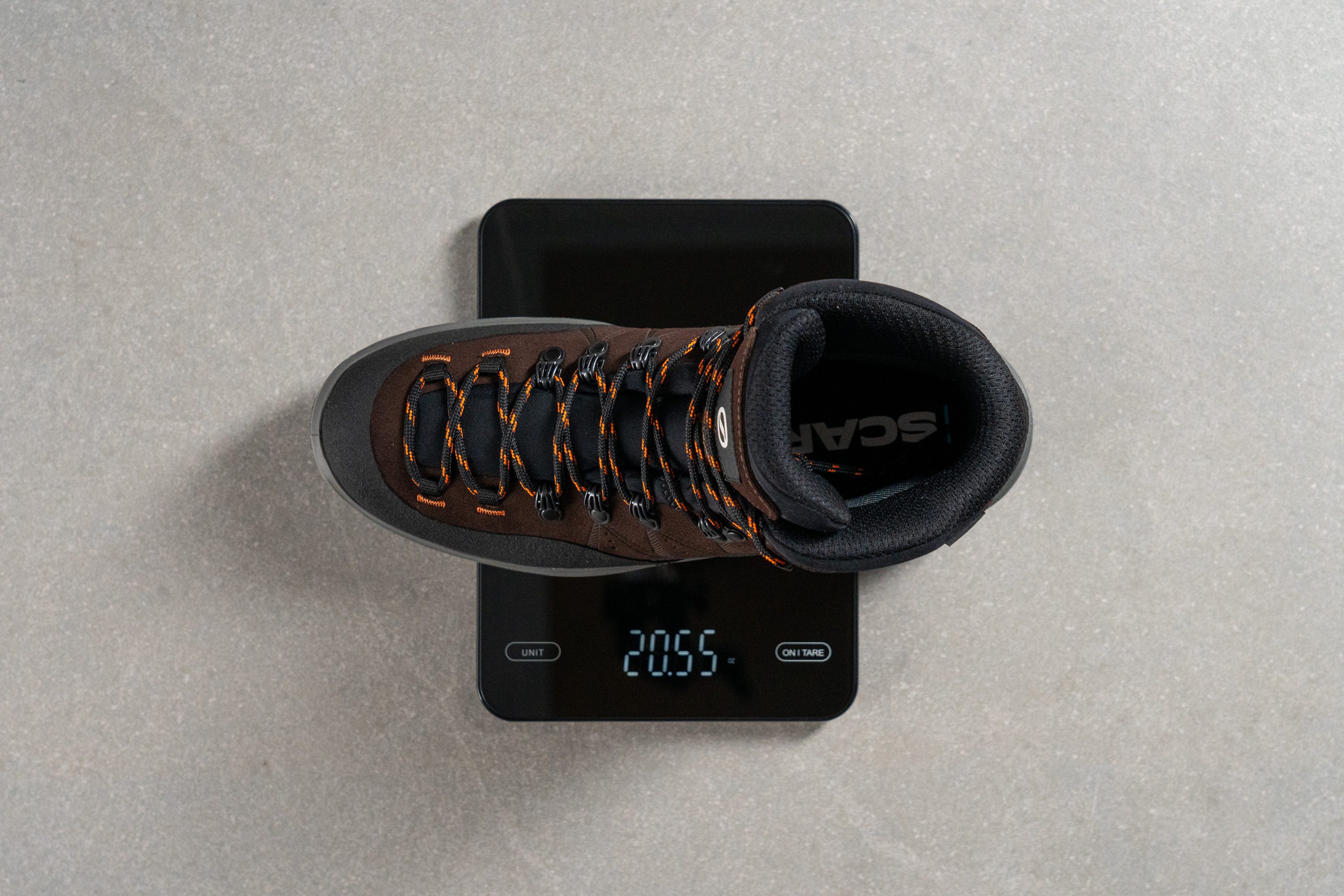
Tipping our scale at 20.6 oz (583g), the Vento GTX is heavier than the average hiking boot based on our findings in the lab so far. That said, we didn't find its weight prohibitive as we were still comfortably able to gobble up the mile markers during our longer test hikes. What's more, that added heft gives us the feeling of having a sturdy base while carrying a heavy pack.
| Vento GTX | 20.6 oz (583g) |
| Average | 18.2 oz (517g) |
Breathability
Breathability test
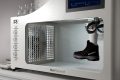
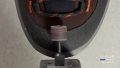
UpdatedThe Scarpa Vento GTX offers slightly better breathability than the average hiking boot, with a lab test result of 48 BR. While it’s not high enough to call the boot summer-ready, it manages sweat rather well for an all-day hike in moderate temperatures.
| Vento GTX | 48 BR |
| Average | 46 BR |
Drying potential
NewTo assess the boot’s ability to stay dry over time, we simulated a sweating foot inside our breathability machine for 3 hours and recorded that 24% of sweat evaporated from the Vento GTX. This is an average result among our lab-tested hiking boots, indicating moderate sweat buildup on long distances.
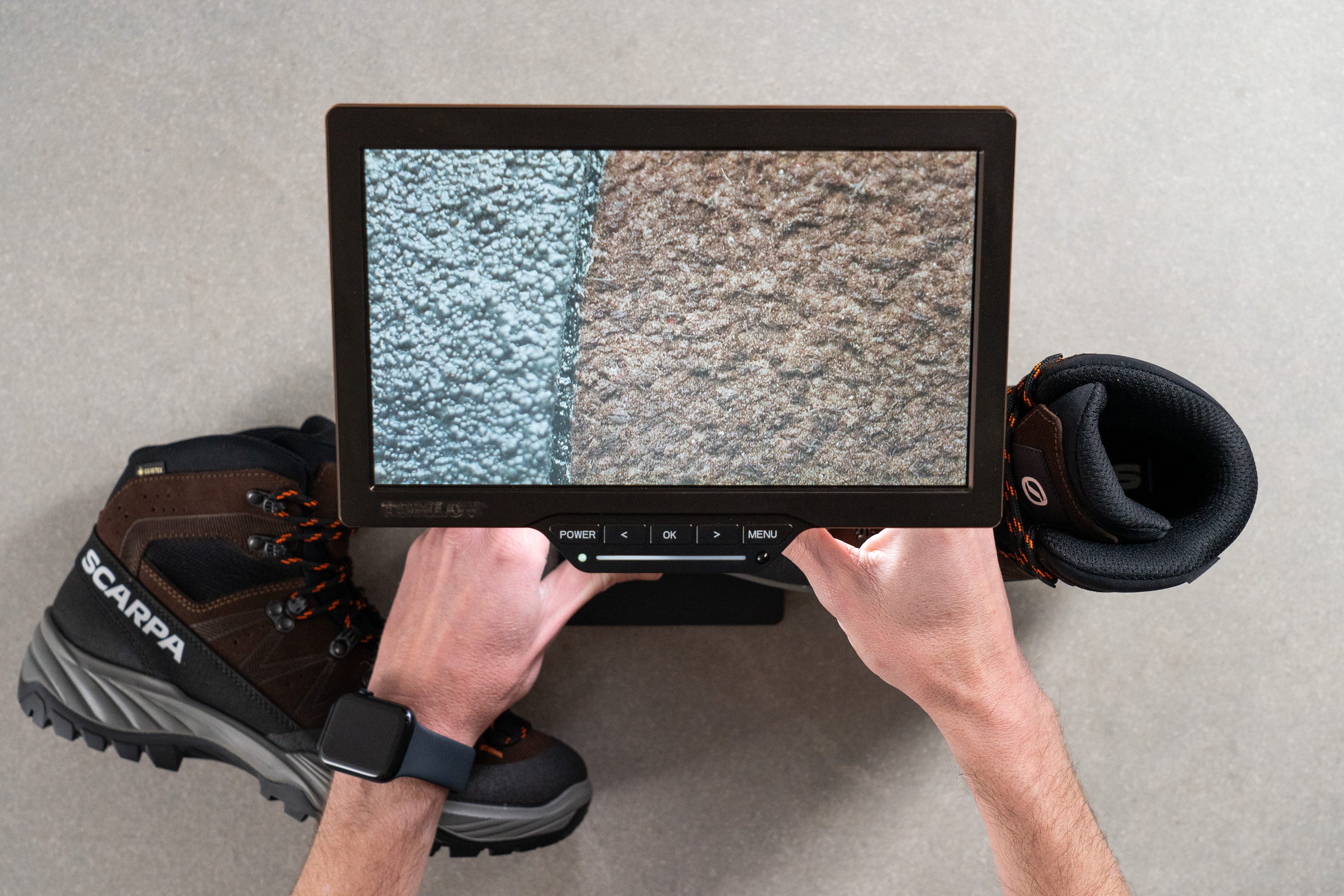
| Vento GTX | 24% |
| Average | 25% |
Insulation
NewWe believe that the word ‘Vento’ in this Scarpa boot’s name helps to explain its below-average insulation of 0.254 m² K/W. As our lab test showed, the boot's relatively quick heat loss required more power to keep the footform inside it at 38°C.
Because of that, we believe the Scarpa Vento GTX shines on more active hikes in mild temperatures, but not for winter adventures.
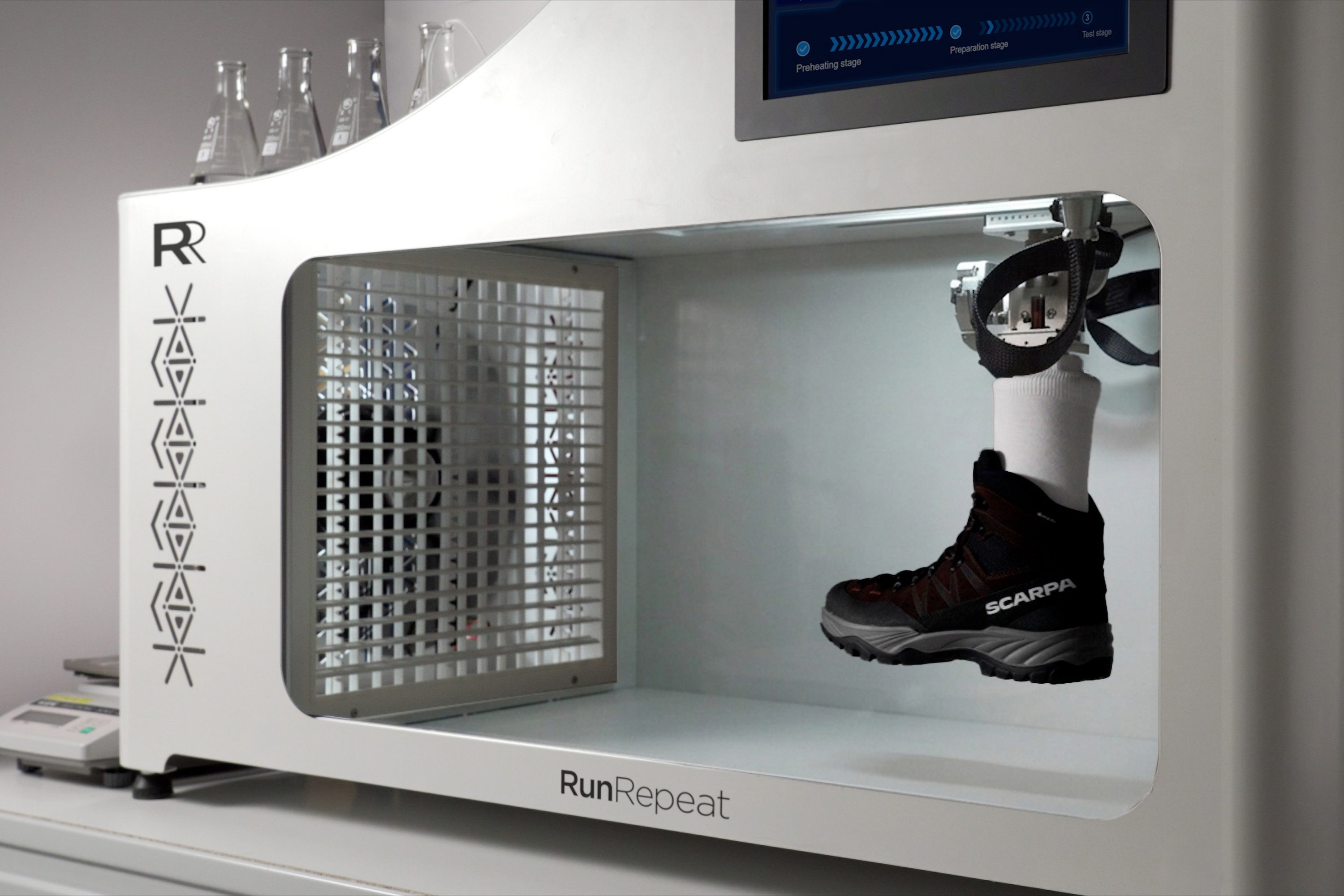
| Vento GTX | 0.254 |
| Average | 0.263 |
Waterproofing
Its Gore-Tex membrane, fully-gusseted tongue, and high-rise collar work together to keep water from both seeping in and spilling over the top.
Stability
Lateral stability test
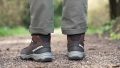
The stability of the Vento GTX is surely the boot's crowning glory. Whether laden with camping gear or not, we were able to scamper along the trail with the surefootedness of a mountain while testing this well-grounded boot. We'll explore below how the Vento GTX achieves this feat despite its relatively narrow platform.
Torsional rigidity
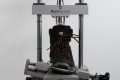
As a lighter hiking boot from Scarpa, the Vento GTX required a moderate torque of 23.5 Nm to twist by 10 degrees to the left and to the right. It resists lateral torsion well enough for faster and lighter hikes.
But please note that it is much more pliable than traditional backpacking boots like Scarpa Rush TRK GTX (32.7 Nm).
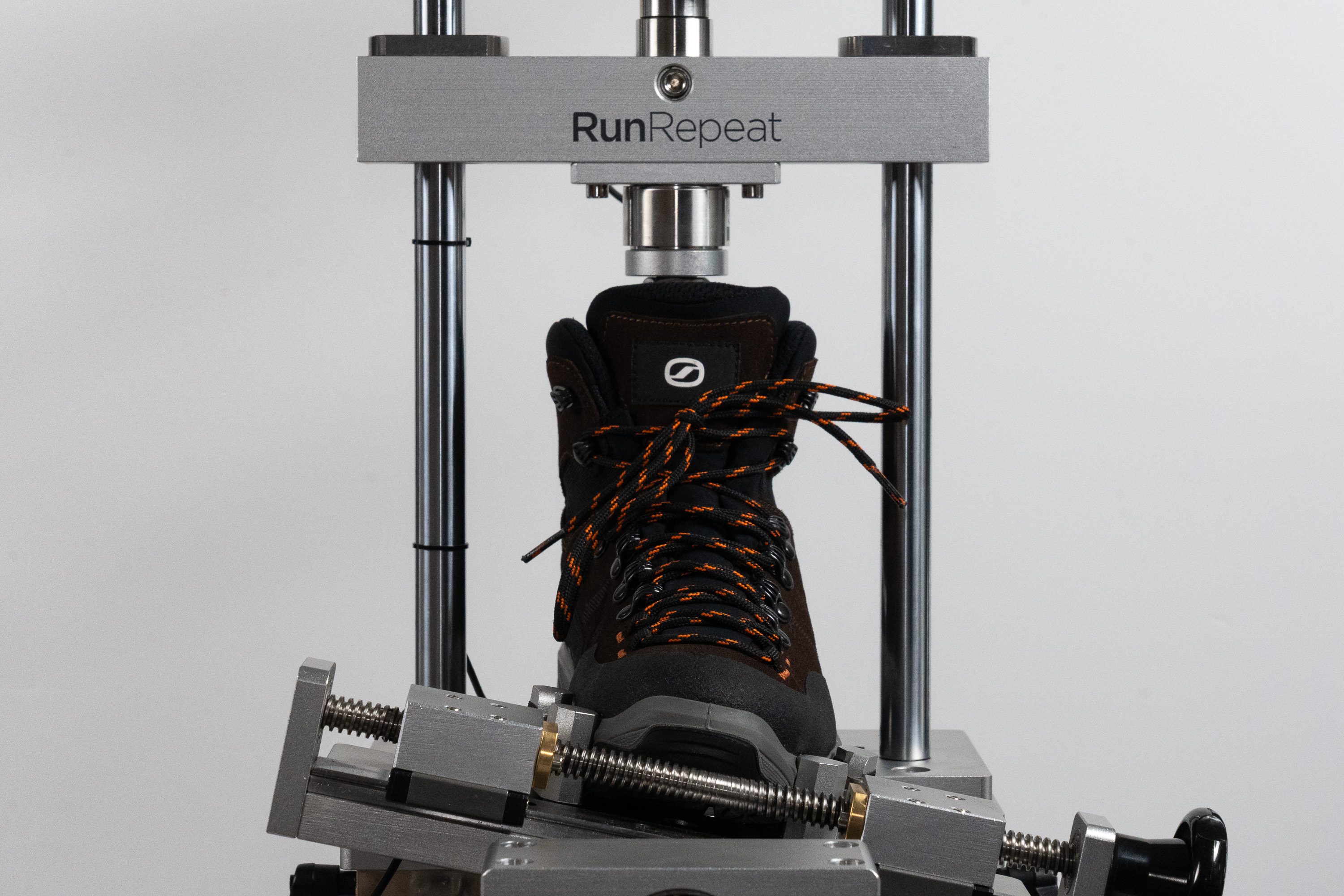
| Vento GTX | 23.5 Nm |
| Average | 23.6 Nm |
Heel counter stiffness
The Vento GTX's well-reinforced heel counter is quite stiff, earning a score of 4 out of 5 in our manual assessment. This level of rigidity helps to mitigate excessive lateral movements at the rearfoot while still feeling quite comfy and supportive around our ankle.
| Vento GTX | 4 |
| Average | 3.7 |
Midsole width - forefoot
At 109.8 mm wide at the forefoot according to our caliper measurements, the Vento GTX's midsole is slightly narrower than our current lab average. However, this is still more than enough of a platform that it didn't compromise our balance while testing this boot.
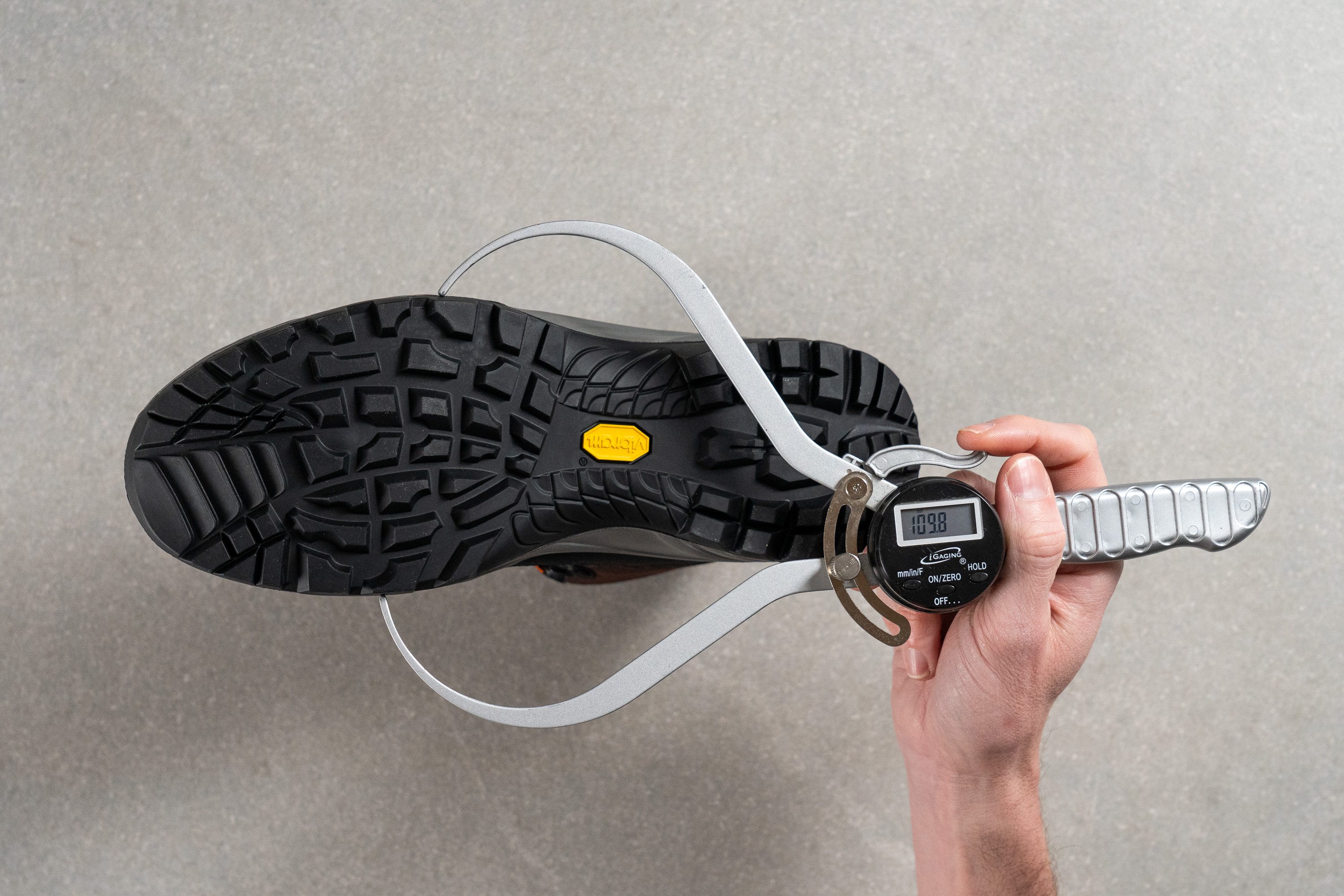
| Vento GTX | 109.8 mm |
| Average | 112.3 mm |
Midsole width - heel
The narrowness of the midsole is more pronounced at the heel which we measured with our caliper at only 83.9 mm wide. This also didn't cause us to falter while testing Vento GTX, rather serving to give the boot a more agile silhouette that made it easier to maneuver through tricky terrain.
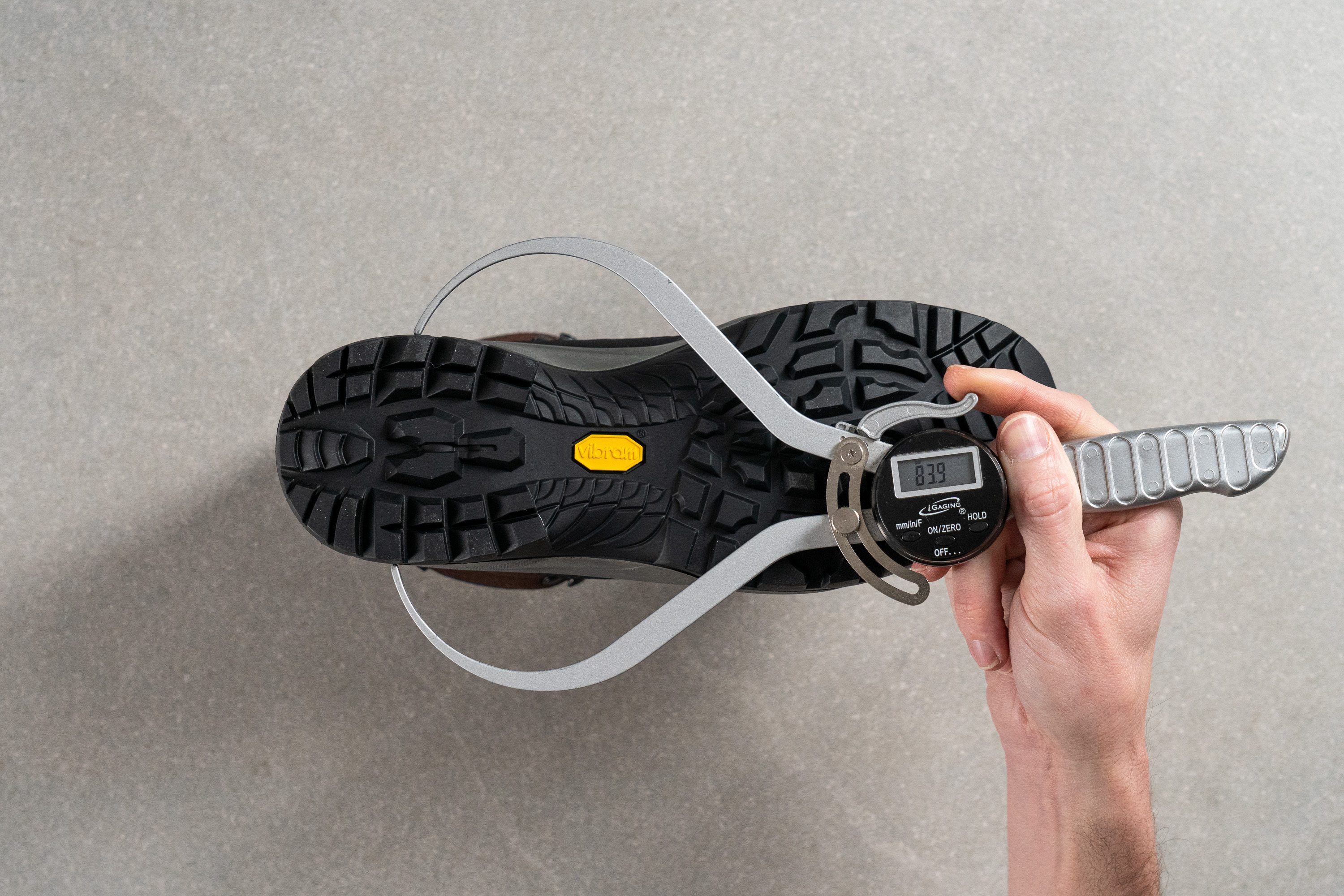
Those more accustomed to having a girthier platform at the heel for even more surefooted landings should check out the KEEN Targhee III Waterproof Mid as an alternative.
| Vento GTX | 83.9 mm |
| Average | 88.0 mm |
Durability
Toebox durability
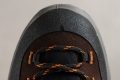
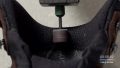
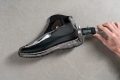
To simulate extreme wear and tear, we fired up our Dremel to 5K RPM and set it against the reinforced section of the Vento GTX's toebox with 3.2N of force.
By the time the twelve seconds were up, we found that the tool had only done minor damage to the toe bumper and wasn't even able to reach the suede below. This excellent performance leads us to give the Vento GTX a perfect toebox durability score and means that we can tackle even the harshest trails without fear of compromising its hardy upper.
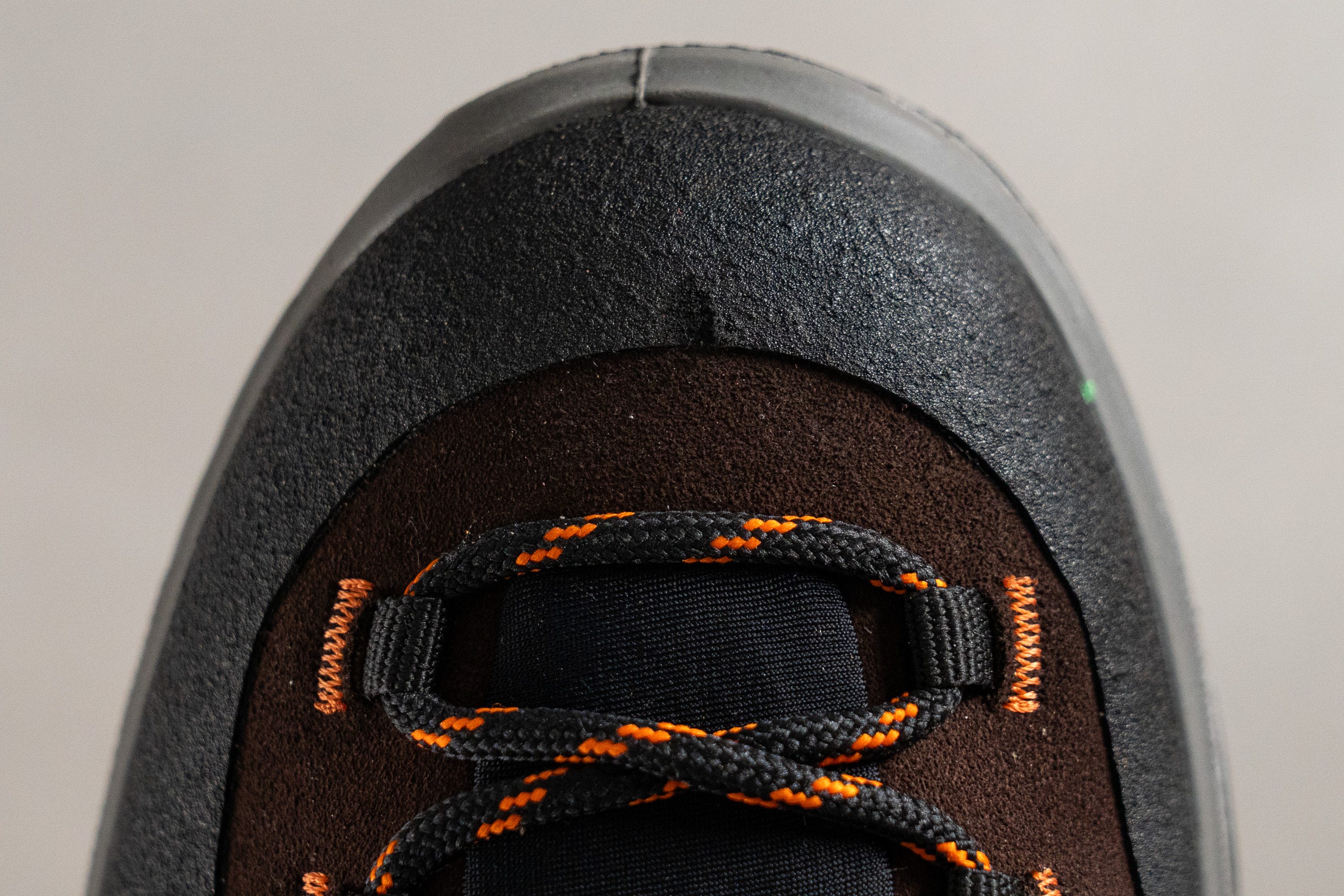
| Vento GTX | 5 |
| Average | 4.2 |
Heel padding durability
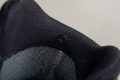
Next, we turned our attention to the heel collar and set the Dremel against the Vento GTX once more.
It's difficult to see from our aftermath photo but our tool's abrasive element was able to shred its way and disturb the padding within during the short four-second test. The damage is far from catastrophic, however, with this very respectable performance earning the Vento GTX a heel padding durability score of 4 out of 5. We therefore don't expect the friction of heel rubs to cause significant damage to the boot throughout its lifetime.
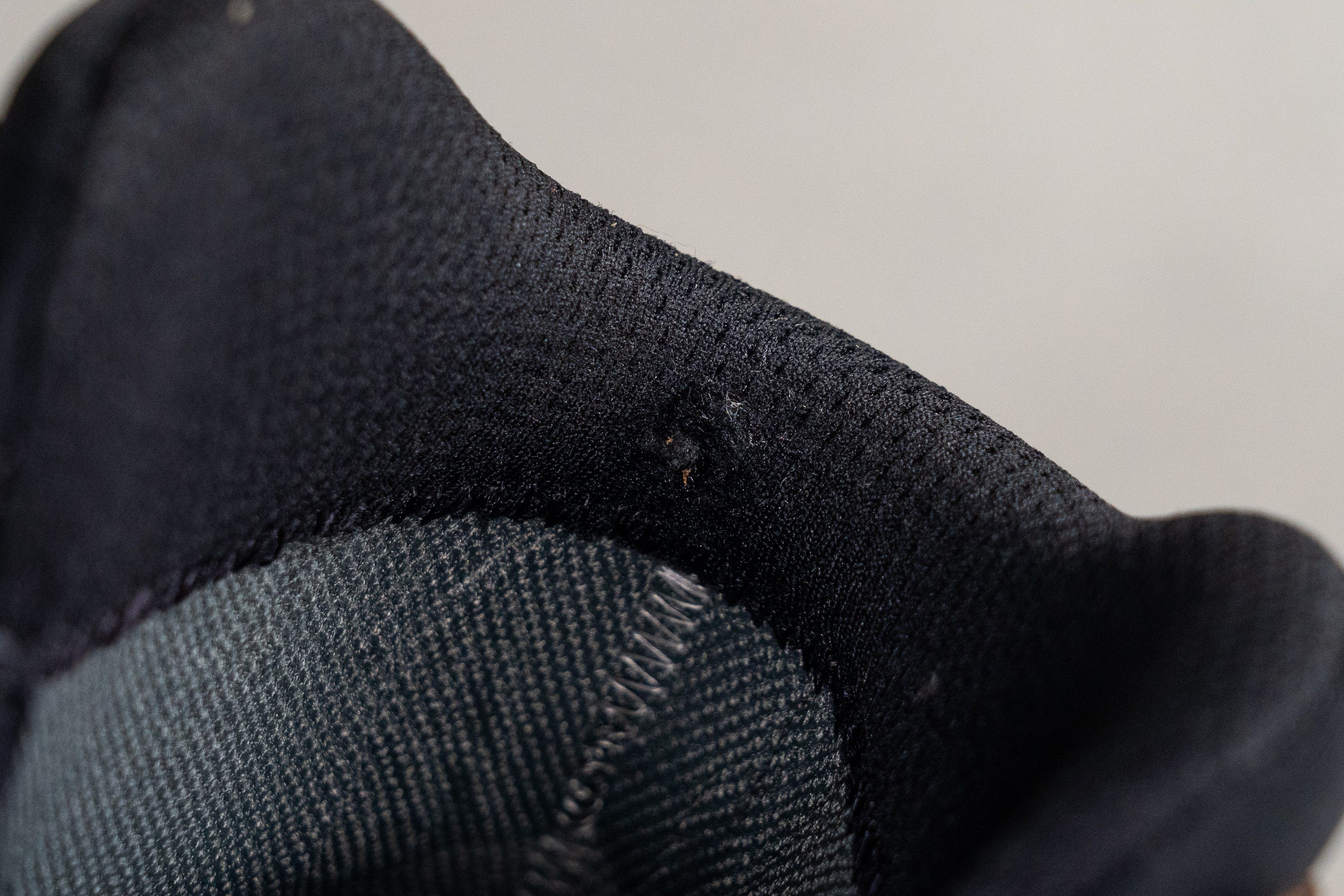
| Vento GTX | 4 |
| Average | 3.5 |
Outsole hardness
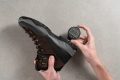
Pressing our durometer against the outsole yields a reading of 89.5 HC which isn't too far off our current lab average and usually denotes a good level of durability.
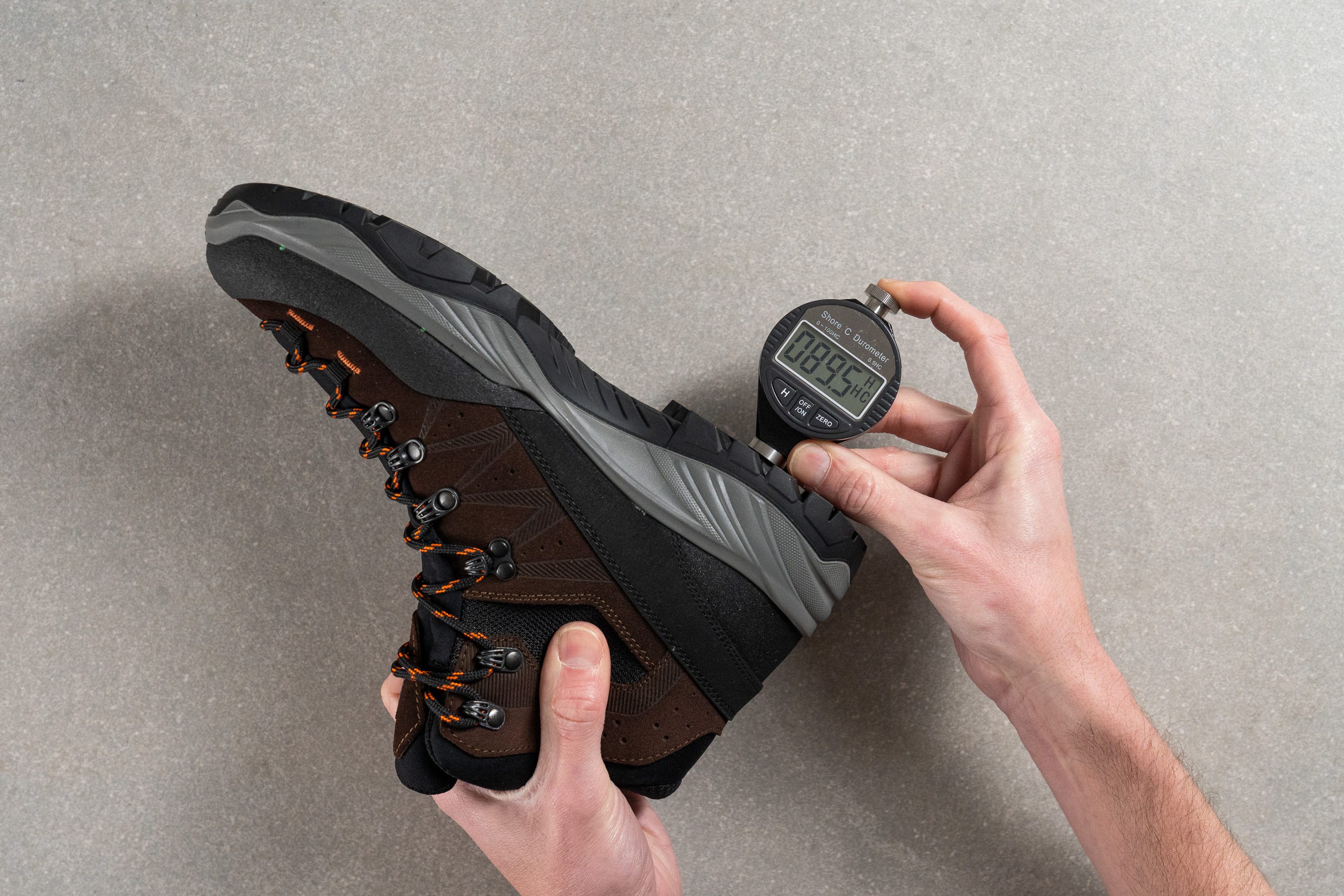
| Vento GTX | 89.5 HC |
| Average | 87.1 HC |
Outsole durability
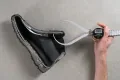
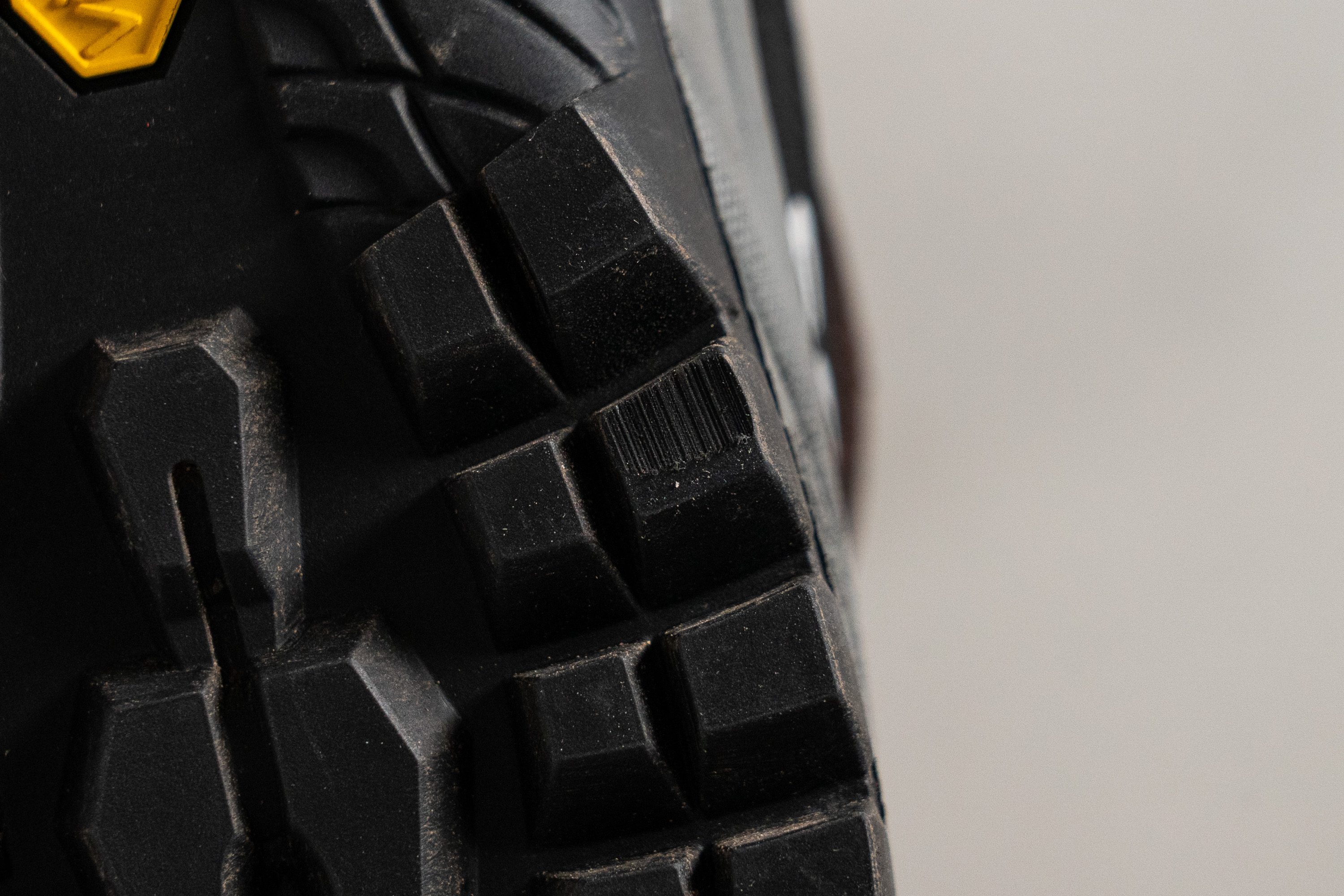
To test the outsole, we increased the speed of our Dremel to 10K RPM and pressed it against one of the Vento GTX's lugs. Apart from a small amount of rubber dust that piles up in the tread, our tool seems to have minimal effect on the boot.
Using a tire tread gauge to measure the indentation left behind after the twenty-two-second test, we found that we had only shorn off 0.5 mm of rubber from the outsole. However, hiking boot outsoles are generally built strong to withstand harsh terrains so this isn't very much less than the average hiking boot loses under similar circumstances, based on our testing so far. This is still a great performance and means that we can safely expect a good 500 miles of hiking before seeing any signs of wear on the outsole, maybe even 500 more.
| Vento GTX | 0.5 mm |
| Average | 0.8 mm |
Outsole thickness
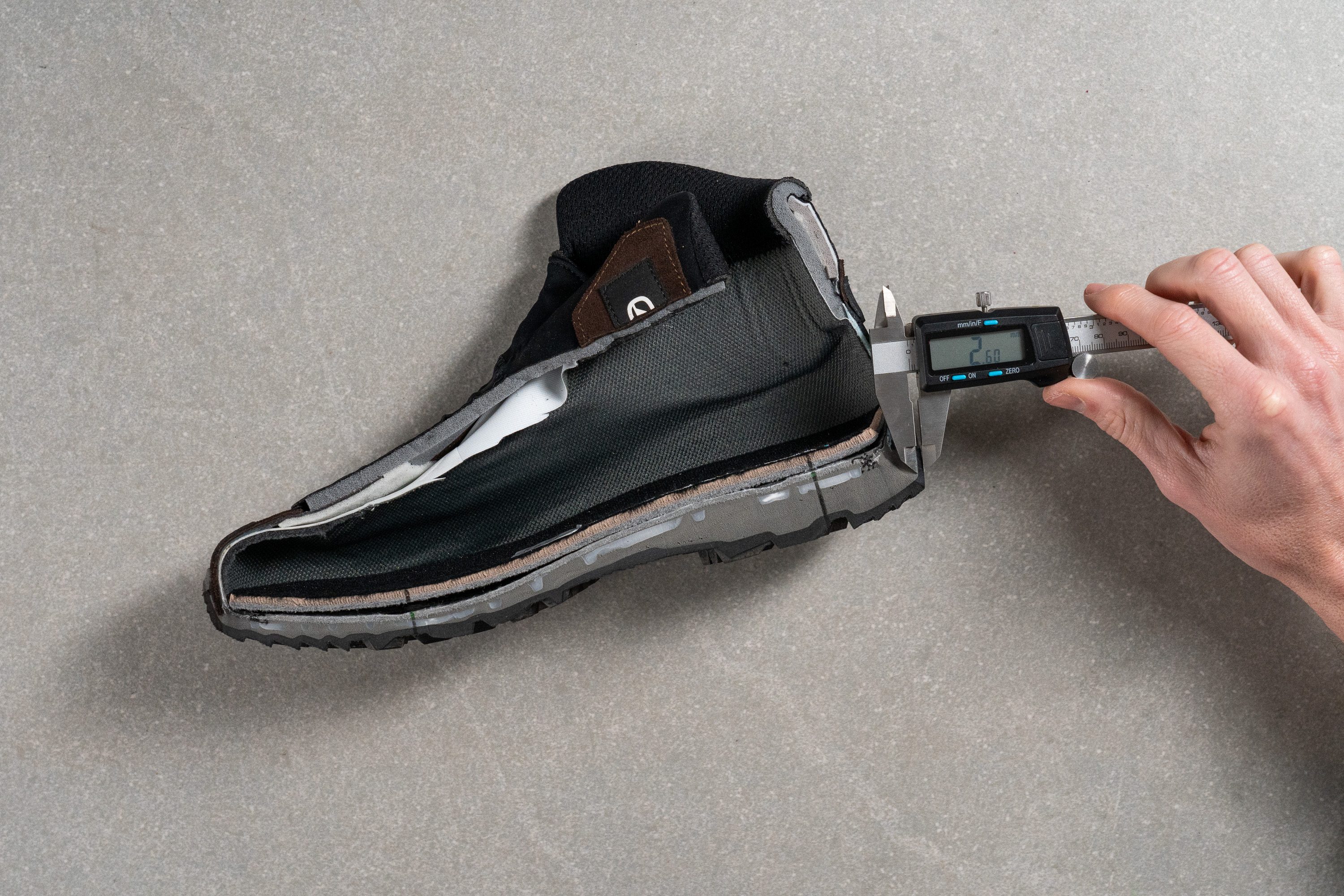
The Vento GTX's outsole is ever so slightly short of our current lab average at 2.6 mm thick according to our caliper measurements. However, with that and the extremely durable lugs, there is still plenty of material underfoot to wear through before having to retire this boot.
| Vento GTX | 2.6 mm |
| Average | 2.7 mm |
Misc
Insole thickness
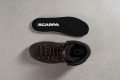
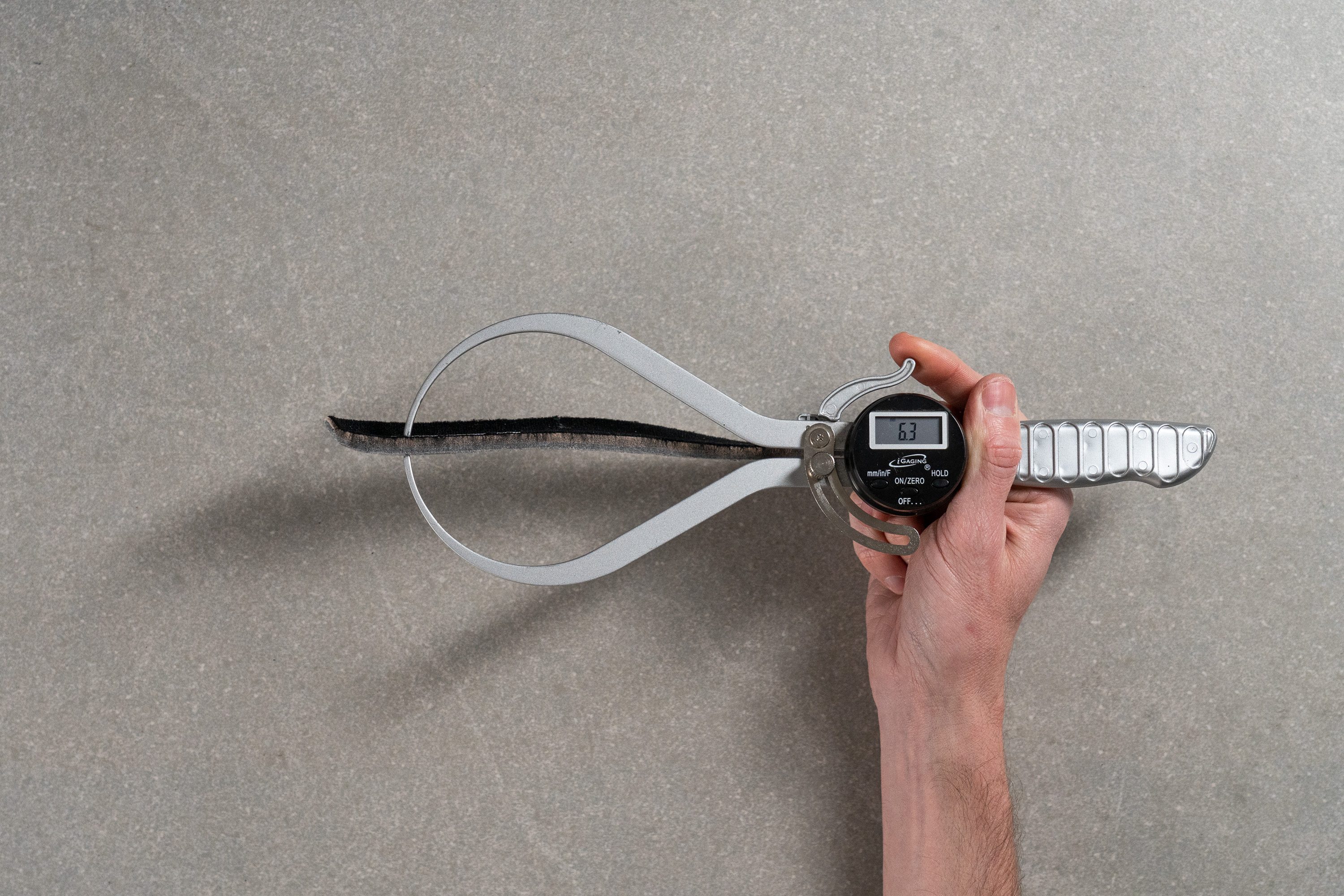
We measured the Vento GTX's insole to be 6.3 mm thick which is right around the average for hiking boots. This provides us with a well-padded footbed that feels nice and cushy underfoot as we land.
| Vento GTX | 6.3 mm |
| Average | 5.9 mm |
Removable insole
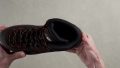
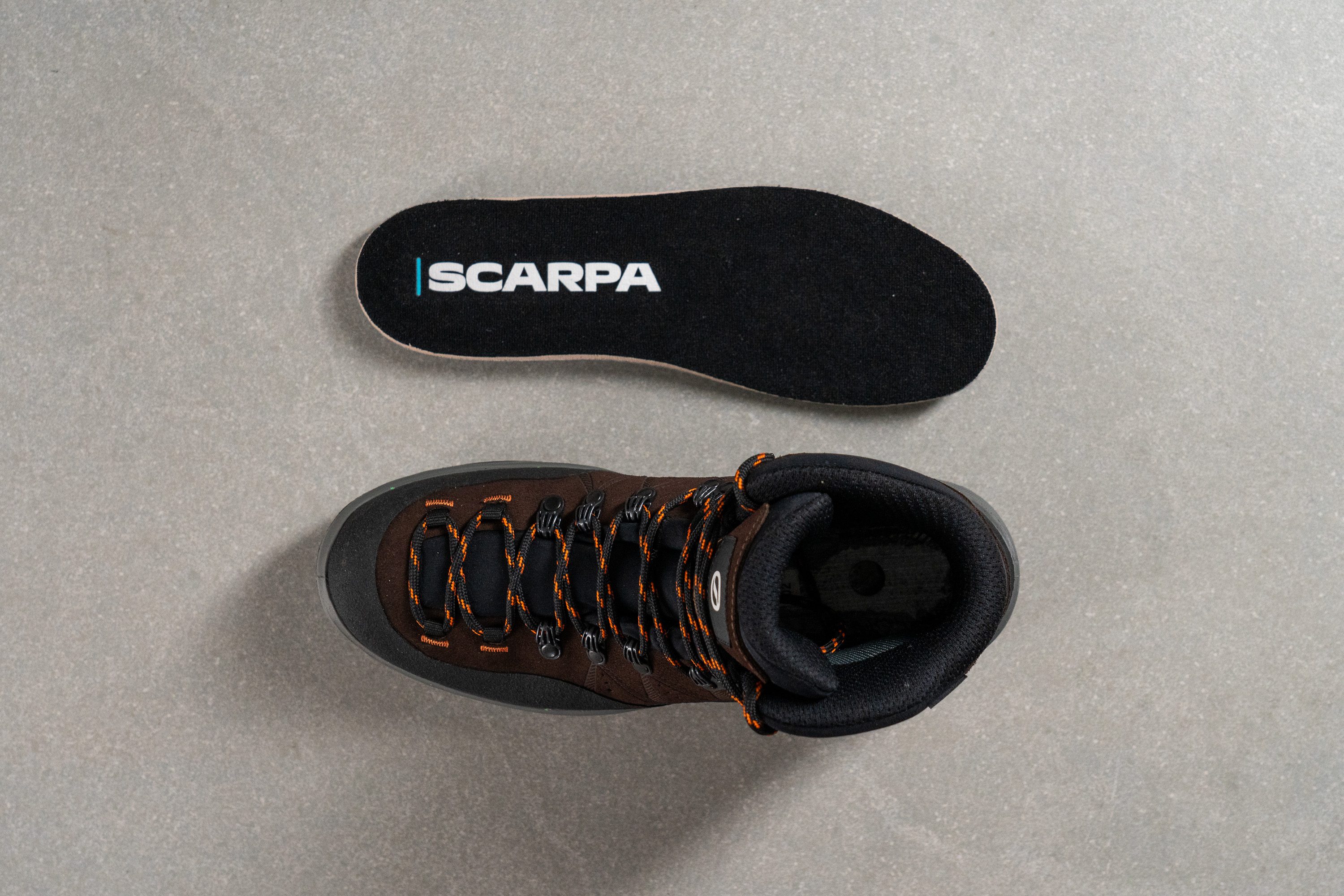
The Vento GTX's insole is fully removable so replacing it with an aftermarket one or a custom orthotic is possible if necessary.
| Vento GTX | Yes |
Midsole softness in cold (%)
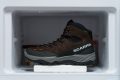
To simulate exposure to cold conditions, we placed the Vento GTX in the freezer for twenty minutes. Once chilled enough, we took another durometer reading of the midsole and found that it only became 16.5% more firm.
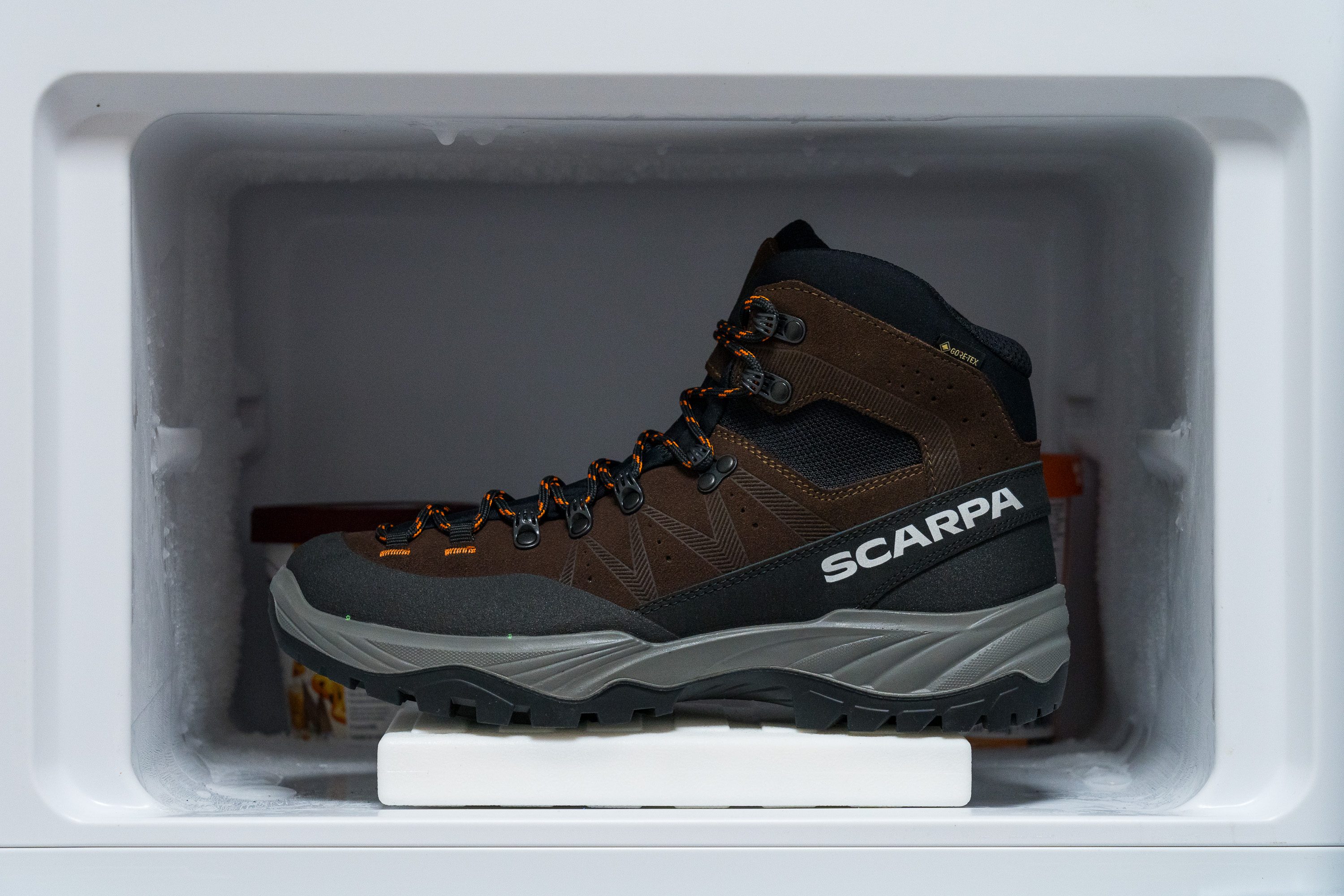
This means that the boot's cushioning isn't as affected by exposure to frigid conditions as the average boot. As such, the Scarpa Vento GTX will make a good companion for hikers looking to brave the elements and go for a trek no matter how low the mercury drops.
| Vento GTX | 17% |
| Average | 20% |
Reflective elements
The Vento GTX doesn't feature any reflective elements, so we recommend exercising caution and using additional high-vis gear if hiking along dimly-lit roads at night.

| Vento GTX | No |
Tongue padding
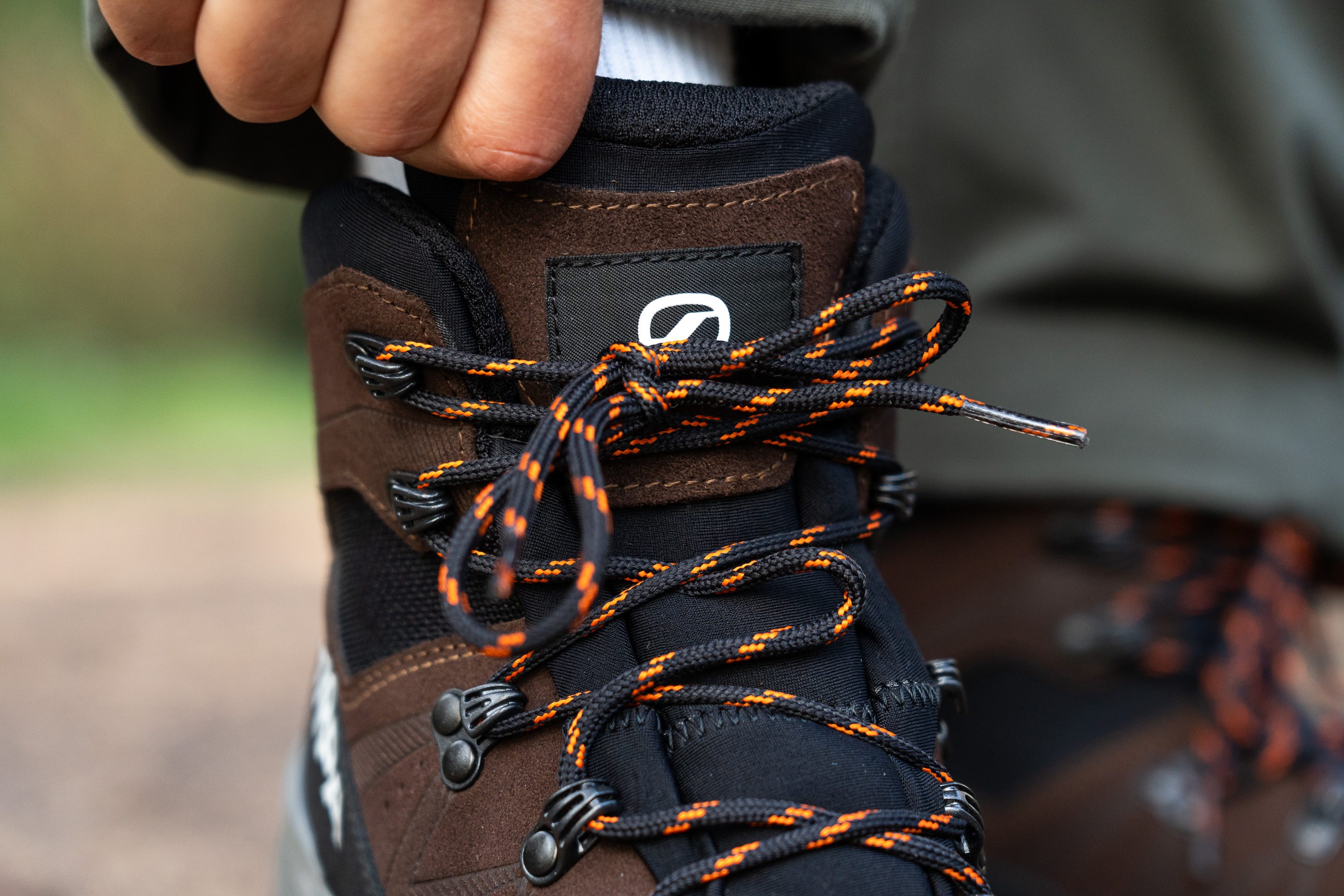
At 13 mm thick according to our caliper measurements, the Vento GTX's tongue is slightly more padded than our current lab average.
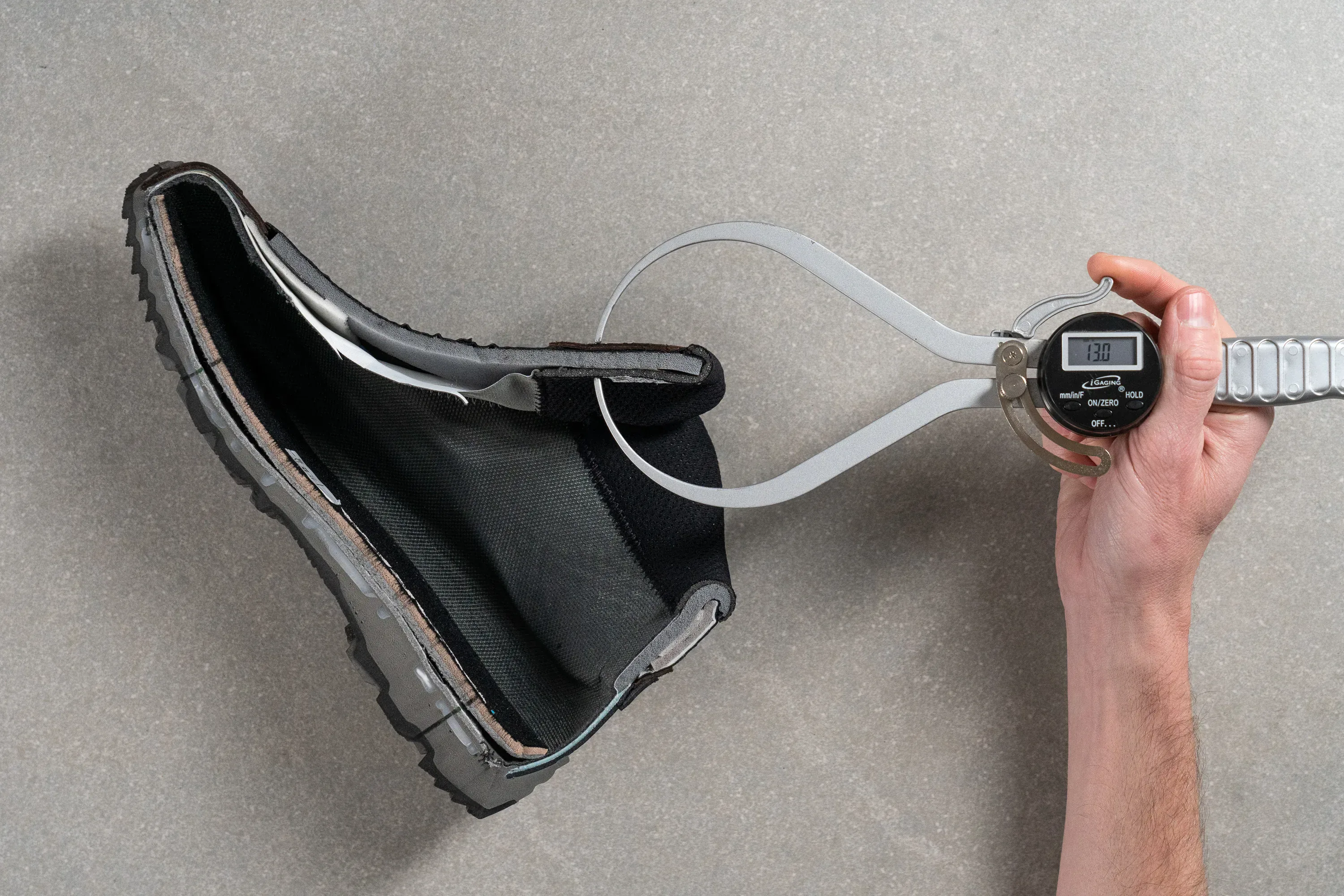
This means that we enjoyed a secure and comfy lockdown without even a hint of lace bite while testing this boot.
| Vento GTX | 13.0 mm |
| Average | 10.8 mm |
Tongue: gusset type
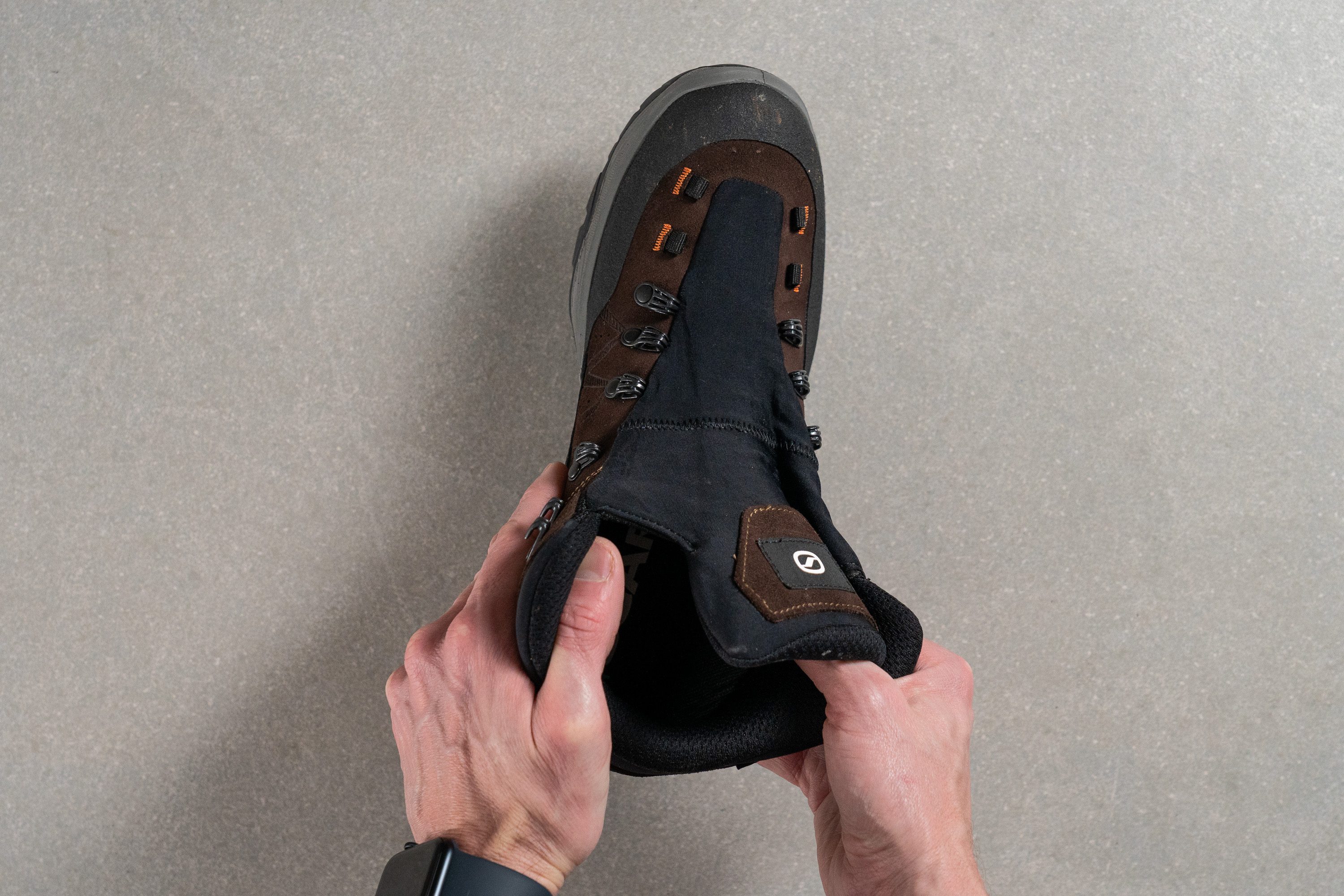
The Vento GTX's tongue is fully gusseted on both sides which effectively prevented any debris or water from entering the boot during our test hikes.
| Vento GTX | Both sides (full) |